Disclosure: As an Amazon Associate, ilcastellomenu.com earns from qualifying purchases. Prices and availability change; check Amazon for the latest.
Where to buy
Short on time? Start with the best desks for a computer shortlist below — check the latest price, availability and delivery on Amazon. Orders are placed on Amazon.
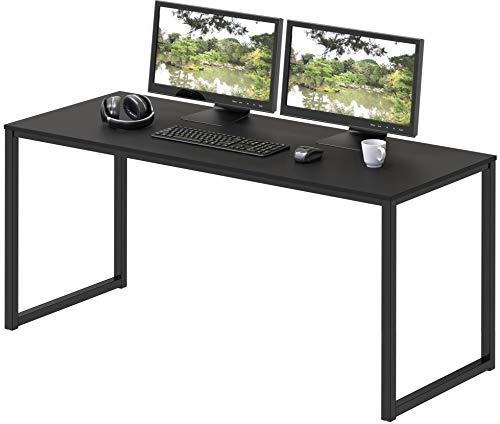
- SHW Mission 48-Inch Home Office Computer Desk — Check on Amazon
- Mr IRONSTONE Deep Gaming Desk 45.3 x 29 Inch — Check on Amazon
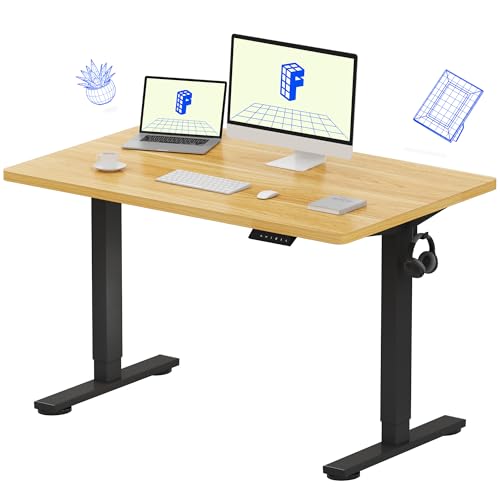
- FEZIBO Electric Standing Desk 48 x 24 Inch — Check on Amazon
- CubiCubi Modern L-Shaped Desk 59.1 Inch — Check on Amazon
- FLEXISPOT EN1 Electric Standing Desk 48 x 24 Inch — Check on Amazon
- CubiCubi Computer Desk 40 Inch with Storage Shelves — Check on Amazon
Read the full guide ↓
Finding the best desks for a computer is less about chasing a single perfect product and more about matching surface, size and habits to the way you actually work. This guide is written for anyone buying a straightforward desk for a computer — the general, no-special-requirements version of the question, and it compares six options side by side so you can see where each one genuinely earns its place — and where it does not. Every pick below was chosen against the same criteria, with honest trade-offs stated plainly.
When people search for the best desks for a computer, they usually have one frustration in common: a setup that looked fine in photos but fights them in daily use. Maybe the surface is too shallow for a monitor and a notebook at once, maybe cables spill everywhere, or maybe the desk simply wobbles. The sections that follow break the decision into measurable parts — footprint, depth, stability, storage, power and care — so the best desks for a computer you choose still feels right six months from now, not just on delivery day.
A quick honesty note that applies throughout: no single desk wins at everything. Compact desks trade surface for space, large executive layouts trade flexibility for presence, and DIY material choices trade finishing effort for custom fit. Where a lens in this guide has no perfect product — a very tight budget band, an unusual room, a specialist workflow — the guide says so and explains the closest sensible compromise instead of pretending otherwise.
In this guide
Quick Picks
| Badge | Pick | Why it stands out | Link |
|---|---|---|---|
| Best Overall | SHW Mission 48-Inch Home Office Computer Desk | Simple construction keeps the focus on a usable surface at an accessible tier. | Check on Amazon |
| Best for Multi-Monitor Setups | Mr IRONSTONE Deep Gaming Desk 45.3 x 29 Inch | Extra desktop depth gives proper monitor viewing distance. | Check on Amazon |
| Best Standing Pick | FEZIBO Electric Standing Desk 48 x 24 Inch | Verified listing specs match the role it is recommended for in this guide. | Check on Amazon |
| Best Corner Layout | CubiCubi Modern L-Shaped Desk 59.1 Inch | L-shape turns a wasted corner into two distinct work zones. | Check on Amazon |
| Best for Small Spaces | FLEXISPOT EN1 Electric Standing Desk 48 x 24 Inch | Compact footprint leaves walking room in tight spaces while still fitting a laptop and notebook. | Check on Amazon |
| Best for Storage | CubiCubi Computer Desk 40 Inch with Storage Shelves | Verified listing specs match the role it is recommended for in this guide. | Check on Amazon |
How These Picks Were Chosen
The shortlist for the best desks for a computer started from a much longer list of candidates gathered from manufacturer listings, major retailers and the verified product pool available to this guide. Each candidate was scored on the same five factors: fit for the lens described by the keyword, verified specifications, stability and build approach, everyday usability (cable handling, storage, assembly), and how honestly its limitations can be described. Products that could not be verified, or whose listings contradicted themselves on basic dimensions, were cut early.
Fit for the lens mattered most. A beautiful desk that ignores the point of the search — saving space, supporting long study sessions, holding dual monitors at the right distance, standing comfortably for hours — does not belong here however good it is in isolation. That is why you will see different shapes in this list: compact writing desks, corner layouts, electric sit-stand frames and specialist options each solve a different version of the problem, and the badge on each pick tells you which version it solves best.
Several tempting categories were deliberately rejected. Glass tops that look sleek but punish every mug ring and cable, ultra-cheap frames with no stated capacity, and oversized desks marketed at small rooms all failed the criteria. Where a pick is prose-only, it is because the honest recommendation is a material, a retailer route or a second-hand category rather than one specific linked product — the notes in each section explain that choice rather than hiding it.
Specifications quoted in this guide come from the product listings and manufacturer information available at research time, and they are limited to what could be verified. Anything that could not be verified is simply omitted rather than guessed. Prices are never printed as fixed numbers because they change constantly; use the Amazon links to see the current figure for linked picks, and treat budget bands in the keyword itself as framing for the tier you are shopping in.
The 6 Best Desks For A Computer

SHW Mission 48-Inch Home Office Computer Desk (Best Overall)
This pick suits anyone buying a straightforward desk for a computer — the general, no-special-requirements version of the question who want a dependable answer without overthinking the category. It earned its Best Overall badge because it matches the core promise of the best desks for a computer search — the right shape and features for the job — while keeping its compromises visible and manageable. In daily use it is the kind of product that disappears into your routine, which is exactly what good furniture should do.
See the current listing, dimensions and delivery options here: Check on Amazon.
Strengths
- Simple construction keeps the focus on a usable surface at an accessible tier
- Compact footprint leaves walking room in tight spaces while still fitting a laptop and notebook
- Verified listing specs match the role it is recommended for in this guide
Trade-offs
- Basic frames can flex under heavy multi-monitor loads
- Compact tops fill up quickly with dual monitors or large peripherals
- Finish and colour options are limited compared with custom furniture
Key specs
- 48-inch desktop width
- Black finish
- Home office computer desk format
In practice, the details decide satisfaction. Set this option up with your real gear — screen at arm’s length, keyboard where your elbows rest near ninety degrees, the items you touch hourly within easy reach — and judge it on a normal busy day rather than a tidy first hour. Buyers who plan cable routing and storage on day one consistently report a calmer desk by week two, whichever model they choose, and this pick rewards that small effort more than most.
Picture delivery day honestly: a heavy box, an hour of assembly, a room that needs the desk working by tomorrow. The picks in this guide favour formats a single person can assemble and position without drama, and this one is no exception — keep the fixings organised and the process is uneventful.
Best for: anyone buying a straightforward desk for a computer — the general, no-special-requirements version of the question who prioritise the best overall brief / Not suited for: buyers whose needs flatly contradict this pick’s format — check the trade-offs above before ordering

Mr IRONSTONE Deep Gaming Desk 45.3 x 29 Inch (Best for Multi-Monitor Setups)
This pick suits anyone buying a straightforward desk for a computer — the general, no-special-requirements version of the question who want a dependable answer without overthinking the category. It earned its Best for Multi-Monitor Setups badge because it matches the core promise of the best desks for a computer search — the right shape and features for the job — while keeping its compromises visible and manageable. In daily use it is the kind of product that disappears into your routine, which is exactly what good furniture should do.
See the current listing, dimensions and delivery options here: Check on Amazon.
Strengths
- Gaming-focused extras reduce the add-on clutter most desks accumulate
- Extra desktop depth gives proper monitor viewing distance
- Verified listing specs match the role it is recommended for in this guide
Trade-offs
- Bold gaming styling will not suit every home or office
- Deeper tops need more floor depth — measure before ordering
- Finish and colour options are limited compared with custom furniture
Key specs
- 45.3in W x 29in D desktop — deeper than typical budget desks
- Cup holder and headphone hook
- 2 cable management holes
Judge this one the way you will actually live with it: a full morning of real work, not a tidy showroom minute. Notice where your forearms rest, whether your feet sit flat, and whether the things you reach for hourly are where your hands expect them. Small frictions found in that first honest session are the ones worth fixing immediately — they never shrink on their own, and this pick gives you the adjustment room to fix most of them.
Picture a normal weekday morning: laptop or monitor on, notebook open, coffee placed where a knock will not send it across your work. This is where the format earns its keep — everything has a place, nothing needs stacking, and starting work takes seconds rather than a clearing ritual.
Best for: anyone buying a straightforward desk for a computer — the general, no-special-requirements version of the question who prioritise the best for multi-monitor setups brief / Not suited for: buyers whose needs flatly contradict this pick’s format — check the trade-offs above before ordering

FEZIBO Electric Standing Desk 48 x 24 Inch (Best Standing Pick)
This pick suits anyone buying a straightforward desk for a computer — the general, no-special-requirements version of the question who want a dependable answer without overthinking the category. It earned its Best Standing Pick badge because it matches the core promise of the best desks for a computer search — the right shape and features for the job — while keeping its compromises visible and manageable. In daily use it is the kind of product that disappears into your routine, which is exactly what good furniture should do.
See the current listing, dimensions and delivery options here: Check on Amazon.
Strengths
- Electric adjustment lets you change posture through the day without rebuilding your setup
- Compact footprint leaves walking room in tight spaces while still fitting a laptop and notebook
- Verified listing specs match the role it is recommended for in this guide
Trade-offs
- Electric frames cost more and need a nearby power outlet
- Compact tops fill up quickly with dual monitors or large peripherals
- Finish and colour options are limited compared with custom furniture
Key specs
- 48 x 24 inch desktop
- Electric height adjustment
- Rustic Brown top
The fairest test is a deadline. When work is urgent, a good setup disappears and a bad one argues with you — a surface that is slightly too small, a cable run that snags, a seat or stand that needs re-setting. Run one genuinely busy day before you judge this pick finally; the strengths above should show up as absences — no wobble to notice, no clutter to clear, no posture to keep correcting.
Picture a long session — study, grading, coding, editing — running into its third hour. Comfort at that point is decided by the boring fundamentals: steady surface, sensible height, room for your forearms, and light that does not fight the screen. Judge this pick on those fundamentals and it makes a strong case.
Best for: anyone buying a straightforward desk for a computer — the general, no-special-requirements version of the question who prioritise the best standing pick brief / Not suited for: buyers whose needs flatly contradict this pick’s format — check the trade-offs above before ordering

CubiCubi Modern L-Shaped Desk 59.1 Inch (Best Corner Layout)
This pick suits anyone buying a straightforward desk for a computer — the general, no-special-requirements version of the question who want a dependable answer without overthinking the category. It earned its Best Corner Layout badge because it matches the core promise of the best desks for a computer search — the right shape and features for the job — while keeping its compromises visible and manageable. In daily use it is the kind of product that disappears into your routine, which is exactly what good furniture should do.
See the current listing, dimensions and delivery options here: Check on Amazon.
Strengths
- L-shape turns a wasted corner into two distinct work zones
- Built-in storage keeps daily clutter off the main work surface
- Verified listing specs match the role it is recommended for in this guide
Trade-offs
- Corner layouts limit how you can rearrange the room later
- Storage elements add assembly time and visual bulk
- Finish and colour options are limited compared with custom furniture
Key specs
- 59.1-inch L-shaped layout
- Includes small side table
- Space-saving corner format
In practice, the details decide satisfaction. Set this option up with your real gear — screen at arm’s length, keyboard where your elbows rest near ninety degrees, the items you touch hourly within easy reach — and judge it on a normal busy day rather than a tidy first hour. Buyers who plan cable routing and storage on day one consistently report a calmer desk by week two, whichever model they choose, and this pick rewards that small effort more than most.
Picture the room doing double duty: work by day, family or guest space by evening. A desk that looks deliberate, keeps cables contained and does not sprawl earns its place in shared rooms, and this option was shortlisted with exactly that double life in mind.
Best for: anyone buying a straightforward desk for a computer — the general, no-special-requirements version of the question who prioritise the best corner layout brief / Not suited for: buyers whose needs flatly contradict this pick’s format — check the trade-offs above before ordering

FLEXISPOT EN1 Electric Standing Desk 48 x 24 Inch (Best for Small Spaces)
This pick suits anyone buying a straightforward desk for a computer — the general, no-special-requirements version of the question who want a dependable answer without overthinking the category. It earned its Best for Small Spaces badge because it matches the core promise of the best desks for a computer search — the right shape and features for the job — while keeping its compromises visible and manageable. In daily use it is the kind of product that disappears into your routine, which is exactly what good furniture should do.
See the current listing, dimensions and delivery options here: Check on Amazon.
Strengths
- Electric adjustment lets you change posture through the day without rebuilding your setup
- Compact footprint leaves walking room in tight spaces while still fitting a laptop and notebook
- Verified listing specs match the role it is recommended for in this guide
Trade-offs
- Electric frames cost more and need a nearby power outlet
- Compact tops fill up quickly with dual monitors or large peripherals
- Finish and colour options are limited compared with custom furniture
Key specs
- 48 x 24 inch one-piece desktop, 1 inch thick
- Electric height adjustment with 4 memory presets
- 176 lbs capacity (per listing title)
Judge this one the way you will actually live with it: a full morning of real work, not a tidy showroom minute. Notice where your forearms rest, whether your feet sit flat, and whether the things you reach for hourly are where your hands expect them. Small frictions found in that first honest session are the ones worth fixing immediately — they never shrink on their own, and this pick gives you the adjustment room to fix most of them.
Picture an upgrade path: today a laptop, next year an external monitor, a better chair, a lamp, perhaps a second screen. A sound platform absorbs those changes without replacement, and the verified specs above are the ones that decide how gracefully this pick grows with you.
Best for: anyone buying a straightforward desk for a computer — the general, no-special-requirements version of the question who prioritise the best for small spaces brief / Not suited for: buyers whose needs flatly contradict this pick’s format — check the trade-offs above before ordering

CubiCubi Computer Desk 40 Inch with Storage Shelves (Best for Storage)
This pick suits anyone buying a straightforward desk for a computer — the general, no-special-requirements version of the question who want a dependable answer without overthinking the category. It earned its Best for Storage badge because it matches the core promise of the best desks for a computer search — the right shape and features for the job — while keeping its compromises visible and manageable. In daily use it is the kind of product that disappears into your routine, which is exactly what good furniture should do.
See the current listing, dimensions and delivery options here: Check on Amazon.
Strengths
- Compact footprint leaves walking room in tight spaces while still fitting a laptop and notebook
- Built-in storage keeps daily clutter off the main work surface
- Verified listing specs match the role it is recommended for in this guide
Trade-offs
- Compact tops fill up quickly with dual monitors or large peripherals
- Storage elements add assembly time and visual bulk
- Finish and colour options are limited compared with custom furniture
Key specs
- 40-inch desktop
- Built-in storage shelves
- Black finish
The fairest test is a deadline. When work is urgent, a good setup disappears and a bad one argues with you — a surface that is slightly too small, a cable run that snags, a seat or stand that needs re-setting. Run one genuinely busy day before you judge this pick finally; the strengths above should show up as absences — no wobble to notice, no clutter to clear, no posture to keep correcting.
Picture a small annoyance repeated daily — a wobble, a cable snag, a surface too shallow for a notebook beside the keyboard. Good picks are the ones that remove a daily annoyance rather than adding a feature, and the strengths and trade-offs above are written to show which annoyance this one removes, and which it might keep.
Best for: anyone buying a straightforward desk for a computer — the general, no-special-requirements version of the question who prioritise the best for storage brief / Not suited for: buyers whose needs flatly contradict this pick’s format — check the trade-offs above before ordering
Comparison Table
| Pick | Badge | Standout verified feature | Price |
|---|---|---|---|
| SHW Mission 48-Inch Home Office Computer Desk | Best Overall | 48-inch desktop width | Check price on Amazon |
| Mr IRONSTONE Deep Gaming Desk 45.3 x 29 Inch | Best for Multi-Monitor Setups | 45.3in W x 29in D desktop — deeper than typical budget desks | Check price on Amazon |
| FEZIBO Electric Standing Desk 48 x 24 Inch | Best Standing Pick | 48 x 24 inch desktop | Check price on Amazon |
| CubiCubi Modern L-Shaped Desk 59.1 Inch | Best Corner Layout | 59.1-inch L-shaped layout | Check price on Amazon |
| FLEXISPOT EN1 Electric Standing Desk 48 x 24 Inch | Best for Small Spaces | 48 x 24 inch one-piece desktop, 1 inch thick | Check price on Amazon |
| CubiCubi Computer Desk 40 Inch with Storage Shelves | Best for Storage | 40-inch desktop | Check price on Amazon |
Read the table as a map, not a ranking. The best desks for a computer decision usually comes down to two or three finalists separated by one feature you care about — depth, storage, height range, footprint — and the sections above and below are designed to surface exactly that feature for your situation.
Related reading that genuinely helps with this decision: Best Computer Desks Under $75 for a neighbouring version of the same problem, Best Desks And Chairs For Adhd Kids if your room layout is the real constraint, and Best Desks For 20 once you start comparing shapes. If assembly or troubleshooting is ahead of you, see Best Desks For Tall Person and Best Desks For Crafting; for ergonomics background, Best Office Chairs For Standing Desks is worth ten minutes before you finalise heights and distances.
How to Choose the Right Desk
Measure first, in three dimensions
Width and depth decide what fits on top; height and knee clearance decide whether you fit underneath. Record the room footprint, the largest item that must live on the surface, and the chair you will use. For screens, depth is the silent hero: more depth means a healthier viewing distance without pushing the keyboard off the front edge.
Stability and capacity
A desk should be judged loaded, not empty. Check any stated capacity against your real gear — monitors, arms, speakers, books — and prefer frames and layouts that keep weight centred. Wobble grows with height on standing desks, so taller users and dual-monitor setups should weight stability heavily.
Surface material and care
Laminate and carbon-fibre-style finishes tolerate daily abuse and wipe clean. Bamboo and wood surfaces look and feel better to many people but ask for coasters and gentler cleaning. DIY materials — plywood, countertop sections, contact paper — trade finishing effort for exact custom fit, and the material sections of this guide treat that trade honestly.
Storage and cable order
Drawers, shelves and hutches only help if they match what you actually store. List your clutter first, then choose storage that swallows exactly that. For cables, a single power strip mounted under the back edge, plus one or two grommet or tray routes, transforms most setups regardless of desk price.
Budget tiers, honestly framed
Use the price band in your search as framing, not as a promise about any single product. Entry tiers buy simple, serviceable surfaces; mid tiers buy stability, better finishes and useful extras; premium tiers buy electric frames, larger one-piece tops and furniture-grade presence. Spending more only helps when it buys the specific feature your workflow needs.
Matching the desk to the buyer type
Students should prioritise compact size, storage and price discipline. Full-time workers should prioritise depth, stability and cable order. Standing-desk buyers should prioritise height range and frame steadiness at full extension. Creative and technical professionals should prioritise uninterrupted surface and monitor placement. The badges in this guide map directly onto those priorities.
Start by measuring the exact footprint you can give up, including chair pull-back space and door swing. A desk that fits on paper but traps the chair will annoy you every single day.
Think about what actually lives on the desk full-time — screen, keyboard, notebook, lamp, drink — and what only visits occasionally. Permanent items decide the minimum size; occasional items can live on a shelf or tray.
Light matters more than most buyers expect. A desk facing a wall in a dark corner needs a lamp plan, while a desk under a window needs glare control for screens.
Cable routes decide whether a setup looks calm or chaotic. Look for grommet holes, trays, hooks or a back edge you can clip a power strip to.
Finally, plan the chair first if you can. Desk height, knee clearance and armrest height all interact, and the best desk is the one your body forgets about by mid-afternoon.
A useful exercise before buying is to mock up the desktop with painter’s tape on your current table or floor. Live with the outline for a day: place your screen, keyboard and notebook inside it and notice what spills outside. Tape is cheap; returns are not.
Consider the wall behind the desk as part of the workstation. A small shelf, a pegboard or even a single hook for headphones can free surprising amounts of surface, and it keeps the desk itself simpler and cheaper.
Noise is an underrated factor. Electric frames, wobbling legs and hard casters all add sound; in a bedroom or shared flat, a quieter, steadier desk protects everyone else’s patience as well as your focus.
Think seasonally as well. A desk that works in winter lamplight may suffer glare in summer, and a folding or rolling option earns its keep when the room has to host guests, hobbies or family projects.
Accessories should be bought after the desk, not with it. Live with the bare setup for a week and the genuinely useful additions — a lamp, a tray, a mat, a monitor riser — will identify themselves.
Finally, remember that the desk is a platform, not a solution. Posture, breaks, light and screen position do most of the ergonomic work; the right desk simply makes those good habits easy to keep.
Room acoustics and light are part of desk choice too. A desk against a hard wall reflects sound on video calls; a soft backdrop or a small distance from the wall helps. A desk side-on to a window usually beats facing it (glare) or backing onto it (silhouette on calls). These details cost nothing to plan before the desk arrives and are expensive to discover afterwards.
If you are furnishing for a child, a student or a shared household desk, durability and forgiveness outrank elegance. Surfaces that wipe clean, edges that tolerate knocks, and a format that can move rooms without disassembly will outlast prettier options. Several picks in this guide were kept precisely because they tolerate real household life.
Power planning is the last unglamorous essential. Count your plugs — computer, screen, lamp, charger, speakers, printer — and plan one quality power strip with room to spare, mounted where cables stay off the floor. Desks with built-in outlets help, but a well-placed strip achieves most of the same calm on any desk in this guide.
Finally, a note on returns and warranties: keep every part of the packaging until the desk has survived a full working week, photograph any damage before assembly, and register or save warranty details the day the desk is built. These habits take minutes and are the difference between a painless exchange and a permanent compromise.
If the desk will sit on carpet, think about feet and casters before it arrives. Wide glides spread the load and stop the slow sink that makes a level desk tilt by month three, and a chair mat protects both the carpet pile and your rolling range through the day.
Temperature and sunlight age a desk quietly. A top in direct afternoon sun will fade unevenly and can stress cheaper boards, while a radiator-adjacent spot dries timber out. Neither rules out a position, but both argue for blinds, coasters and a mat where the heat lands.
Cable slack deserves its own sentence because it is the detail everyone skimps: every device needs enough loose cable to move for cleaning, and every sit-stand desk needs enough to travel its full height range without tugging a plug half out of its socket.
A small levelling habit saves endless annoyance: after the first week, when everything has settled under real weight, go round the feet and fixings once more. Floors compress, carpets settle and screws seat themselves; the desk you level twice is the desk that stays level.
Photograph your finished setup, cables included, before you tidy the boxes away. That photo is your reset map after every move, deep clean or upgrade — the difference between rebuilding the same calm desk in twenty minutes and reinventing it over a weekend.
Keep a small accessory fund unspent for the first month. The accessory you want on day one is usually decorative; the one you need by week four — a tray, a riser, a mat, a lamp arm — is functional, and the fund works better when it waits for the real need to identify itself.
Assembly order matters more than assembly speed. Build the frame fully before the top goes on, leave every bolt a quarter-turn loose until the whole structure stands square, then tighten in a criss-cross pattern. Desks tightened hard on one side first carry that twist for life, and it shows up as a wobble nobody can later find.
A desk lamp is part of the desk decision even though it is sold separately. Plan its footprint or its clamp position before the screens go down; a lamp squeezed in afterwards ends up behind a monitor, lighting the wall instead of the work, and glaring into the camera on every call.
If you work with paper at all — printing, signing, sketching, marking up — reserve a flat A4-sized landing zone in your layout and defend it. Setups designed only around screens slowly exile paper to the keyboard space, and the daily shuffle that follows is pure friction.
Height memory presets, where a desk offers them, are only useful if you set them from real positions: seated with feet flat, standing with elbows level, and one in-between perch height. Presets guessed on day one get ignored; presets measured once get used every day.
How Do You Set Up and Look After Your Desk?
- Choose the spot: confirm the footprint, light and nearest power outlet before anything is unboxed.
- Assemble on a soft surface, keep every fixing, and tighten in stages rather than fully on one side first.
- Set the working height: elbows near ninety degrees, screen top near eye level, feet fully supported.
- Place gear by frequency: daily items within forearm reach, weekly items at the edges, rare items off the desk entirely.
- Route cables in one pass: power strip under the back edge, one bundle down one leg, slack left for any height adjustment.
- Work a full day, then adjust once — chair, screen distance and storage placement — based on real use, not first impressions.
- Clean weekly with the method the surface material allows, and check fixings monthly; small tightens prevent most wobble.
- Revisit the layout each season: gear changes quietly, and a ten-minute reset keeps the desk matched to your work.
Common problems and fixes:
- Problem: the desk wobbles → check floor level first, then re-tighten leg fixings evenly and move heavy items toward the centre.
- Problem: cables pull tight or spill → add slack, move the power strip, and bundle along the back edge rather than the floor.
- Problem: the surface feels cramped within a week → remove one permanent item to a shelf or tray before assuming you need a bigger desk.
- Problem: posture aches by afternoon → recheck screen height and distance, chair support and standing/sitting balance before replacing furniture.
Delivery and assembly are part of the real cost. Large one-piece tops are wonderful once installed but need a clear path through doors and stairs, and two people for safe handling.
Materials decide how a desk ages. Laminate shrugs off coffee rings, bamboo and wood need a little more care, and thin budget boards dislike repeated disassembly.
Stability is easy to test in the first week: type hard, lean lightly, nudge the desk. Wobble that appears early rarely improves, so use the return window honestly.
Future-proofing is mostly about surface area and power. One extra outlet, one extra cable hole, or six extra inches of width often adds years of useful life.
Keep the packaging until you have worked at the desk for several days. Fit problems usually show up in real use, not during assembly.
If two people will share the desk at different times, prioritise adjustable elements and storage that closes. Shared desks fail on clutter and chair height far more often than on raw size.
Write down your three non-negotiables before you compare models — for example depth for your monitor, storage for files, and a footprint limit. Products that miss a non-negotiable are out, however attractive the extras look.
Ergonomics deserves one more plain paragraph because it decides whether any desk succeeds. Your feet should rest flat, your thighs roughly level, your elbows near ninety degrees with shoulders relaxed, and your screen far enough away that you are not leaning in by midday. No desk fixes a bad chair or a screen at the wrong height, but the right desk makes the correct positions the easy positions, and that is the standard the picks in this guide were judged against.
Second-hand and DIY routes deserve respect in this category. A solid used desk or a well-chosen sheet material top on a sound frame can outperform a flimsy new desk at the same spend — provided you verify dimensions, stability and surface condition in person, and factor in your own finishing time honestly.
Warranty and support are worth five minutes of reading before you buy. Note what is covered — frame, desktop, moving parts — and for how long, and keep the order confirmation somewhere you can find it in year two. A slightly plainer product from a seller who answers email beats a longer feature list from one who does not.
Think about the second user of the room, not just the desk. A partner on calls, a child doing homework nearby, a pet with opinions — the setup that works is the one whose footprint, noise and light demands the whole household can live with, not just the person who ordered it.
Resist matching everything as a set. A desk, chair and storage bought as a visual set often compromise each piece; bought separately for fit, they usually work better — and can still look deliberate if you keep the finishes within one family of tones.
Finally, judge value over years, not at checkout. A desk used six days a week for five years costs very little per day even at the premium end of this guide, while the cheapest option replaced twice costs more in money and far more in disruption.
Sound carries in small homes. A hollow top drums under typing, a metal frame rings when a mug lands, and casters chatter on hard floors. A desk mat, felt pads and a solid top are unglamorous purchases that make a shared home noticeably calmer by the second week.
Common Mistakes
Buying by photo instead of dimensions
Listings photograph desks in empty rooms. Always compare the stated width and depth against your taped outline and your largest item.
Ignoring depth for screens
A shallow desk forces screens too close. Depth is the cheapest ergonomic upgrade there is, and the hardest to fix later.
Skipping the cable plan
Cables left to chance become the dominant visual feature of any desk. Ten minutes of routing beats any decorative accessory.
Overbuying storage you do not use
Drawers and hutches add cost, weight and bulk. Buy storage for the clutter you actually have, listed in advance.
Judging on day one
Assembly-day impressions mislead. Work real days, adjust once, and only then decide whether the desk is wrong.
Forgetting the chair and the floor
Desk, chair and floor work as a system. A great desk on a slope, with a chair at the wrong height, still produces a bad workstation.
Final Recommendation
If you want one safe answer for the best desks for a computer, start with the Best Overall pick, the SHW Mission 48-Inch Home Office Computer Desk: it matches the brief most completely for most buyers. If budget leads your decision, the Best for Multi-Monitor Setups option, the Mr IRONSTONE Deep Gaming Desk 45.3 x 29 Inch, keeps the essentials and trims the extras. Buyers with a specific shape or workflow need should follow the badge that names it — each badge in this guide was assigned to a real difference, not as decoration. Whichever you choose, measure twice, plan cables once, and judge the result after a week of real work.
Frequently Asked Questions
What size should I choose when shopping for the best desks for a computer?
Start from your largest permanent item and your room’s taped outline. Most single-screen setups work on compact-to-mid widths, while dual screens, large all-in-one computers, drawing or production gear push you toward wider and deeper layouts. When torn between two sizes and the room allows it, the larger surface usually ages better.
How much do verified specs matter versus reviews?
Verified dimensions, materials and stated capacities decide whether a desk can work for you at all; impressions and reviews only refine the choice between models that already fit. That is why this guide quotes only specs it could verify and omits the rest rather than guessing.
Is a standing desk worth it for this use case?
For anyone seated eight hours a day, the ability to change posture is the strongest single upgrade available, provided the frame stays steady at your standing height and the height range genuinely fits your body. Shorter sessions or tight budgets can rationally favour a fixed desk plus disciplined breaks instead.
How do I keep the desk tidy long-term?
Give every permanent item a defined home, route cables once along the back edge, and do a five-minute reset at the end of the week. Storage helps only when it matches a list you made in advance; generic extra drawers tend to become junk drawers.
What should I check in the first week?
Stability under your real load, comfort at your real working height, cable slack through any adjustment range, and whether the surface material tolerates your daily habits. Problems found in week one are return-window problems; problems ignored become permanent annoyances.
Can I upgrade a basic desk later?
Often, yes: monitor risers, under-desk trays, cable spines, mats and lamps all upgrade a sound basic desk. What cannot be upgraded cheaply is footprint, depth and frame stability — so spend first on the platform, and accessorise afterwards.