Disclosure: As an Amazon Associate, ilcastellomenu.com earns from qualifying purchases. Prices and availability change; check Amazon for the latest.
Where to buy
Our shortlist for best chairs for keyboard and mouse gaming starts here. Check the latest price, availability and delivery on Amazon. Orders are placed on Amazon.
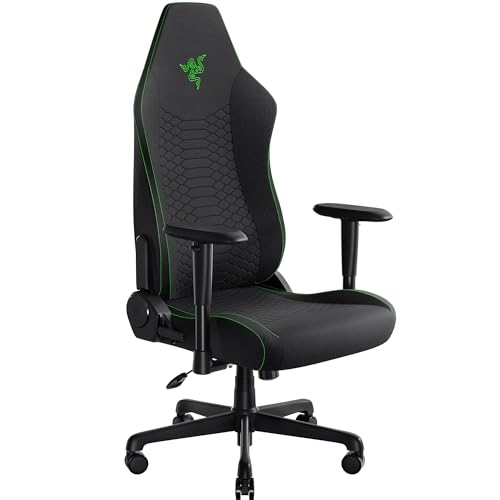
- Razer Iskur V2 X — Best Overall. Check on Amazon
- Secretlab TITAN Evo — Best Size Choice (Prose Pick) (premium gaming chair tier; sold through major retailers).
- AndaSeat Kaiser 3 — Best for Tall Players (Prose Pick) (premium gaming chair tier; sold through major retailers).
- DXRacer Formula Series — Best Upright Posture (Prose Pick) (mid-range gaming chair tier; sold through major retailers).
- Herman Miller Embody Gaming Chair — Best for Work-and-Play (Prose Pick) (flagship ergonomic chair tier; sold through major retailers).
- Steelcase Series 1 (Ergonomic Task Chair) — Best Small-Desk Pick (Prose Pick) (ergonomic task chair tier; sold through major retailers).
Read the full guide ↓
Finding the best chairs for keyboard and mouse gaming sounds like a narrow question, but it opens onto almost every decision in a gaming setup: shape, sensor, weight, buttons, connection, and the games and platforms those choices have to serve. This guide answers it with six picks that were compared on verified specifications and real use-case fit, ranked by badge so you can see at a glance which product serves which player. Where a pick is a deliberate stretch or a compromise, the text says so, because a shortlist you cannot trust is worse than no shortlist at all. If you are still deciding how you will use the setup day to day, Best Cooling Fan Mouse For Gaming is worth a look alongside this guide.
A chair for keyboard-and-mouse gaming is judged differently from a controller chair: your arms reach forward to a desk for hours, so armrest height relative to the desk, lumbar support that holds an upright working posture, and a seat that keeps your mouse arm’s shoulder relaxed matter more than recline range or racing looks. This guide ranks chairs on those desk-gaming criteria, leads with the one pooled, linked gaming chair, and covers the ergonomic task-chair alternatives honestly as prose picks.
The reader sits at a desk for work and play combined, often six-plus hours a day, and their current chair is the loudest part of their setup — in their lower back. Posture support and armrest adjustability outrank styling in every verdict below.
In this guide
Quick Picks
| Badge | Pick | Why it stands out | Link |
|---|---|---|---|
| Best Overall | Razer Iskur V2 X | Built-in lumbar support holds keyboard-and-mouse posture through long sessions without an extra cushion to manage. | Check on Amazon |
| Best Size Choice (Prose Pick) | Secretlab TITAN Evo | Sold in sizes, so keyboard-and-mouse players can match seat width to their frame instead of accepting one shell. | Retailers |
| Best for Tall Players (Prose Pick) | AndaSeat Kaiser 3 | Generous seat sizing options suit taller keyboard-and-mouse players. | Retailers |
| Best Upright Posture (Prose Pick) | DXRacer Formula Series | The original racing-bucket formula: deep side bolsters that hold an upright playing posture. | Retailers |
| Best for Work-and-Play (Prose Pick) | Herman Miller Embody Gaming Chair | An ergonomic flagship whose back flexes with posture shifts during long mouse-and-keyboard days. | Retailers |
| Best Small-Desk Pick (Prose Pick) | Steelcase Series 1 (Ergonomic Task Chair) | A proven office ergonomic at a saner price than flagships. | Retailers |
How These Picks Were Chosen
Every pick in this guide earned its place against the same checklist, applied in the same order, so the badges below mean something consistent rather than reflecting whichever product shouted loudest in an advert.
Desk posture came first. A keyboard-and-mouse chair must hold an upright, forward-reaching posture for hours, so integrated or well-placed lumbar support outranked recline range and racing styling.
Armrest geometry came second. Elbows should sit level with the desk so the mouse shoulder stays relaxed, which makes armrest height adjustment a performance feature, not a comfort extra.
Seat fit came third. Seat width, depth and foam density were matched to body sizes honestly, because a chair that fits nobody in particular fits nobody for six hours.
Finally, we weighed build and upkeep: office-grade mechanisms and fabrics age better than thin gaming shells, and the ranking says plainly where the gaming-branded premium is styling rather than support.
We also kept a deliberate reject pile, and it is worth knowing what is on it: mice with laser sensors sold on inflated DPI claims, combos whose mouse halves could not be identified well enough to verify, wireless sets with no published battery behaviour, and several fashionable ultralights whose shells only fit one grip while pretending to fit all. If a famous product is absent, that pile is usually why.
Two habits governed the whole process. First, no product was recommended on a specification we could not verify from the manufacturer, the listing or a reputable retailer, which is why a handful of famous names are missing or appear without links. Second, every badge had to survive the question a friend would ask: would you actually buy this one, for this purpose, with your own money? Related reading that informed the shortlist includes Best Dots Per Inch For Mouse Gami Gaming.
The 6 Best Chairs For Keyboard and Mouse Gaming

Razer Iskur V2 X (Best Overall)
Some products earn a badge on specifications and lose it in the hand. The Razer Iskur V2 X keeps its Best Overall badge because the specification sheet and the lived experience agree: this is a product designed for keyboard-and-mouse players who sit long sessions and want posture support built in, executed without an obvious weak point that a rival exploits.
There is a version of this shortlist ranked purely on specifications, and the Razer Iskur V2 X would not necessarily top it. Ranked for best chairs for keyboard and mouse gaming, with the audience’s games, rooms and habits in view, it rises, because its design decisions read like answers to this brief’s specific questions rather than to a generic buyer’s.
Strengths
- Built-in lumbar support holds keyboard-and-mouse posture through long sessions without an extra cushion to manage
- Wide seat and high-density foam suit bigger frames and desk work as well as play
- 152-degree recline and 2D armrests let you set elbow height level with the desk, which is the chair adjustment mouse aim actually feels
Trade-offs
- 2D armrests lack the fore-aft and pivot adjustment of flagship chairs
- Fabric upholstery needs more care than PU leather around drinks
- It is a large chair that needs real floor space behind the desk
Key specs
- Support: Built-in lumbar support
- Seat: Wide seat with high-density foam cushions
- Recline: Adjustable recline up to 152 degrees
- Armrests: 2D adjustable armrests
- Upholstery: Plush fabric
Where the Razer Iskur V2 X really justifies its badge is repeatability. The tenth session feels like the first: same tracking, same click feel, same comfort curve. For players trying to build skill on stable equipment, that predictability is worth more than any single spectacular feature.
A few ownership details are worth knowing before you commit. The Razer Iskur V2 X sticks to proven component choices rather than experiments, which means community knowledge, replacement parts and troubleshooting advice are easy to find years from now. Keep the receipt and the box until the return window closes, as with any peripheral, because shape fit is personal and no review can feel your hand for you.
One more test worth running during your first week with the Razer Iskur V2 X: swap back to your old mouse for a single session. The differences that feel subtle side by side become obvious in that order, in glide, in click confidence, and in how your hand feels afterwards. Most players who run that test do not swap back a second time, and it is the simplest honest check that the upgrade was real rather than imagined.
Best for: keyboard-and-mouse players who sit long sessions and want posture support built in / Not suited for: small rooms or players who want a compact task chair
Secretlab TITAN Evo (Best Size Choice (Prose Pick))
Some products earn a badge on specifications and lose it in the hand. The Secretlab TITAN Evo keeps its Best Size Choice (Prose Pick) badge because the specification sheet and the lived experience agree: this is a product designed for players who want a size-matched chair for daily desk gaming, executed without an obvious weak point that a rival exploits.
Judged specifically against best chairs for keyboard and mouse gaming, the Secretlab TITAN Evo makes its case on fit rather than flash. The brief behind this keyword punishes vague all-rounders, and this pick’s strengths map onto it point for point, while its trade-offs land in places this particular audience is least likely to feel. That alignment, more than any single specification, is what the badge is certifying.
Strengths
- Sold in sizes, so keyboard-and-mouse players can match seat width to their frame instead of accepting one shell
- Integrated lumbar adjustment dials support in and out without loose cushions
- Magnetic head pillow repositions in seconds between upright play and reclined breaks
Trade-offs
- Premium pricing across the range
- Firm seat feel divides opinion among players used to plush chairs
- Assembly is a two-person job at this weight class
Key specs
- Type: Gaming chair
- Extras: Magnetic memory-foam head pillow
- Support: Integrated adjustable lumbar support
Day to day, what you notice about the Secretlab TITAN Evo is how little you notice it. Settings stay where you left them, the shape stops being a topic, and your attention goes back to the game, which is the highest compliment a peripheral can earn. Players inside its target audience rarely replace it for anything except its own newer generation.
It is also worth setting expectations about the ecosystem around the Secretlab TITAN Evo. Firmware updates arrive through the maker’s software, spare feet and grips are widely available, and the product’s popularity means any quirk you encounter has almost certainly been documented and solved by other owners. That support tail is an unglamorous but real part of why it holds a badge in this guide.
One more test worth running during your first week with the Secretlab TITAN Evo: swap back to your old mouse for a single session. The differences that feel subtle side by side become obvious in that order, in glide, in click confidence, and in how your hand feels afterwards. Most players who run that test do not swap back a second time, and it is the simplest honest check that the upgrade was real rather than imagined.
Best for: players who want a size-matched chair for daily desk gaming / Not suited for: shoppers who want a soft, lounge-style seat
Available from major retailers; this pick sits in the premium gaming chair tier.
AndaSeat Kaiser 3 (Best for Tall Players (Prose Pick))
Some products earn a badge on specifications and lose it in the hand. The AndaSeat Kaiser 3 keeps its Best for Tall Players (Prose Pick) badge because the specification sheet and the lived experience agree: this is a product designed for tall players who want a big, supportive desk chair, executed without an obvious weak point that a rival exploits.
There is a version of this shortlist ranked purely on specifications, and the AndaSeat Kaiser 3 would not necessarily top it. Ranked for best chairs for keyboard and mouse gaming, with the audience’s games, rooms and habits in view, it rises, because its design decisions read like answers to this brief’s specific questions rather than to a generic buyer’s.
Strengths
- Generous seat sizing options suit taller keyboard-and-mouse players
- Internal lumbar system avoids strap-on cushions entirely
- Modular armrest tops swap and reposition without tools
Trade-offs
- Large footprint needs a large room corner
- Premium tier pricing
- Heavy to move between rooms
Key specs
- Type: Gaming chair
- Support: Internal lumbar support system
- Armrests: Magnetic modular armrests (series)
Where the AndaSeat Kaiser 3 really justifies its badge is repeatability. The tenth session feels like the first: same tracking, same click feel, same comfort curve. For players trying to build skill on stable equipment, that predictability is worth more than any single spectacular feature.
It is also worth setting expectations about the ecosystem around the AndaSeat Kaiser 3. Firmware updates arrive through the maker’s software, spare feet and grips are widely available, and the product’s popularity means any quirk you encounter has almost certainly been documented and solved by other owners. That support tail is an unglamorous but real part of why it holds a badge in this guide.
Think about who notices the AndaSeat Kaiser 3 most: not the player in a highlight clip, but the same player in week six, when novelty has worn off and only behaviour remains. Its clicks still land where they landed in week one, its settings have not drifted, and its shape has taught your hand a consistent home position. Equipment that behaves identically for months is what lets practice compound, and that quiet consistency is engineered into this pick’s sensor, switches and overall restraint.
Best for: tall players who want a big, supportive desk chair / Not suited for: compact desks and small rooms
Available from major retailers; this pick sits in the premium gaming chair tier.
DXRacer Formula Series (Best Upright Posture (Prose Pick))
The DXRacer Formula Series takes the Best Upright Posture (Prose Pick) badge because it fits this brief at a fundamental level: it is built for players who like an upright, held-in playing posture. Rather than chasing a single headline number, it balances sensor honesty, shape and everyday usability in a way that survives contact with real sessions, and it does so without asking you to work around it.
For best chairs for keyboard and mouse gaming, the question is never whether a product is good in the abstract; it is whether its particular compromises point away from what you do most. The DXRacer Formula Series passes that test cleanly. Its strongest qualities serve the centre of this brief, and the things it gives up sit at the edges, which is exactly where you want a product’s weaknesses to live.
Strengths
- The original racing-bucket formula: deep side bolsters that hold an upright playing posture
- Separate cushions let you place lumbar support exactly where your back wants it
- A long-running line, so replacement parts and covers stay easy to find
Trade-offs
- Bucket bolsters can feel tight for broad shoulders
- Cushion straps wander and need occasional re-seating
- Racing styling is not for every room
Key specs
- Type: Gaming chair
- Style: Racing-bucket design
- Support: Separate headrest and lumbar cushions
Treat the DXRacer Formula Series as a long-term piece of your setup rather than a seasonal experiment. It rewards a week of acclimatisation, pairs happily with any pad and PC, and holds its value in the only currency that matters here: sessions where the equipment never becomes the story.
It is also worth setting expectations about the ecosystem around the DXRacer Formula Series. Firmware updates arrive through the maker’s software, spare feet and grips are widely available, and the product’s popularity means any quirk you encounter has almost certainly been documented and solved by other owners. That support tail is an unglamorous but real part of why it holds a badge in this guide.
There is also a practical resale and hand-me-down angle that rarely gets mentioned: products like the DXRacer Formula Series hold their appeal because the fundamentals do not date quickly. When you eventually upgrade, a pick like this moves happily to a second desk, a sibling’s setup or a travel bag, which quietly lowers its real cost of ownership compared with a cheaper product that gets binned.
Best for: players who like an upright, held-in playing posture / Not suited for: broad-framed players who find bolsters restrictive
Available from major retailers; this pick sits in the mid-range gaming chair tier.
Herman Miller Embody Gaming Chair (Best for Work-and-Play (Prose Pick))
The Herman Miller Embody Gaming Chair is the kind of pick that makes shortlists look easy. As Best for Work-and-Play (Prose Pick), it covers the core demands of this brief, players whose chair also carries a full workday, with the sort of polish that only shows up after a few weeks of use, when lesser products have started to creak, drift or annoy.
There is a version of this shortlist ranked purely on specifications, and the Herman Miller Embody Gaming Chair would not necessarily top it. Ranked for best chairs for keyboard and mouse gaming, with the audience’s games, rooms and habits in view, it rises, because its design decisions read like answers to this brief’s specific questions rather than to a generic buyer’s.
Strengths
- An ergonomic flagship whose back flexes with posture shifts during long mouse-and-keyboard days
- Built for all-day desk work first, which is exactly the load keyboard-and-mouse gaming applies
- Long warranty culture and dealer support behind the brand
Trade-offs
- Flagship pricing far above gaming-brand chairs
- No headrest, which reclined-break players miss
- Task-chair looks rather than battlestation styling
Key specs
- Type: Ergonomic task chair (gaming edition)
- Support: Pixelated support back system
- Use: Desk work and gaming
Where the Herman Miller Embody Gaming Chair really justifies its badge is repeatability. The tenth session feels like the first: same tracking, same click feel, same comfort curve. For players trying to build skill on stable equipment, that predictability is worth more than any single spectacular feature.
A few ownership details are worth knowing before you commit. The Herman Miller Embody Gaming Chair sticks to proven component choices rather than experiments, which means community knowledge, replacement parts and troubleshooting advice are easy to find years from now. Keep the receipt and the box until the return window closes, as with any peripheral, because shape fit is personal and no review can feel your hand for you.
Think about who notices the Herman Miller Embody Gaming Chair most: not the player in a highlight clip, but the same player in week six, when novelty has worn off and only behaviour remains. Its clicks still land where they landed in week one, its settings have not drifted, and its shape has taught your hand a consistent home position. Equipment that behaves identically for months is what lets practice compound, and that quiet consistency is engineered into this pick’s sensor, switches and overall restraint.
Best for: players whose chair also carries a full workday / Not suited for: shoppers who want racing-chair styling or a headrest
Available from major retailers; this pick sits in the flagship ergonomic chair tier.
Steelcase Series 1 (Ergonomic Task Chair) (Best Small-Desk Pick (Prose Pick))
If you only read one pick closely, make it this one. The Steelcase Series 1 (Ergonomic Task Chair) is here as Best Small-Desk Pick (Prose Pick) because its design priorities line up with what this keyword actually demands: small-desk players who want ergonomics without gaming markup. The details below explain where that quality comes from, and just as honestly, where it stops.
Judged specifically against best chairs for keyboard and mouse gaming, the Steelcase Series 1 (Ergonomic Task Chair) makes its case on fit rather than flash. The brief behind this keyword punishes vague all-rounders, and this pick’s strengths map onto it point for point, while its trade-offs land in places this particular audience is least likely to feel. That alignment, more than any single specification, is what the badge is certifying.
Strengths
- A proven office ergonomic at a saner price than flagships, with a back that follows posture changes
- Compact footprint suits the small desks where many keyboard-and-mouse setups live
- Office-grade build quality outlasts most gaming-branded chairs
Trade-offs
- No gaming styling or recline theatre
- Armrests vary by configuration, so check the exact listing
- Seat depth suits average frames best
Key specs
- Type: Ergonomic task chair
- Support: LiveBack flexor system
- Armrests: Adjustable (configuration dependent)
Treat the Steelcase Series 1 (Ergonomic Task Chair) as a long-term piece of your setup rather than a seasonal experiment. It rewards a week of acclimatisation, pairs happily with any pad and PC, and holds its value in the only currency that matters here: sessions where the equipment never becomes the story.
It is also worth setting expectations about the ecosystem around the Steelcase Series 1 (Ergonomic Task Chair). Firmware updates arrive through the maker’s software, spare feet and grips are widely available, and the product’s popularity means any quirk you encounter has almost certainly been documented and solved by other owners. That support tail is an unglamorous but real part of why it holds a badge in this guide.
Think about who notices the Steelcase Series 1 (Ergonomic Task Chair) most: not the player in a highlight clip, but the same player in week six, when novelty has worn off and only behaviour remains. Its clicks still land where they landed in week one, its settings have not drifted, and its shape has taught your hand a consistent home position. Equipment that behaves identically for months is what lets practice compound, and that quiet consistency is engineered into this pick’s sensor, switches and overall restraint.
Best for: small-desk players who want ergonomics without gaming markup / Not suited for: players who want a reclining gaming throne
Available from major retailers; this pick sits in the ergonomic task chair tier.
Comparison Table
| Pick | Sensor / Type | Weight / Form | Connection | Buttons | Price |
|---|---|---|---|---|---|
| Razer Iskur V2 X | Gaming chair | Wide seat | Fabric | 2D armrests | Check price on Amazon |
| Secretlab TITAN Evo | Gaming chair | Multiple sizes | Hybrid upholstery | 4D armrests (series) | Check retailer listings |
| AndaSeat Kaiser 3 | Gaming chair | Large seat options | Modular armrests | Recline | Check retailer listings |
| DXRacer Formula Series | Gaming chair | Bucket seat | Cushion support | Recline | Check retailer listings |
| Herman Miller Embody Gaming Chair | Ergonomic chair | Adaptive back | Fabric | Premium | Check retailer listings |
| Steelcase Series 1 (Ergonomic Task Chair) | Task chair | Adaptive back | Mesh/fabric options | Adjustable | Check retailer listings |
How to Choose the Right Gaming Chair for Keyboard and Mouse Gaming
Choosing a chair for keyboard-and-mouse gaming is an ergonomics decision with a gaming label. Work through seat height, armrests, lumbar support and desk fit in that order.
Seat height and desk height together
Set the chair so your feet rest flat and your elbows, with shoulders relaxed, sit at or just above desk height. Your mouse arm should reach the pad without raising the shoulder; a shoulder that lives shrugged is the most common cause of end-of-day ache in desk gaming. If the desk is fixed and high, a footrest is a cheaper fix than a taller chair.
Armrests: the mouse-arm adjustment
Armrest height decides whether your forearm is supported between movements or hanging off your shoulder all session. Set the mouse-side armrest level with the desk surface so the forearm glides from rest to pad without a step. Removable or swing-away armrests matter for players who pull close to the desk; fixed high armrests that collide with the desk edge push you further from your pad than your sensitivity expects.
Lumbar support that stays where you put it
Integrated adjustable lumbar systems hold their setting; strap-on cushions wander and need re-seating weekly. Either beats nothing: keyboard-and-mouse posture leans slightly forward, and an unsupported lower back pays for it by hour three. Test support in your playing posture, not in a showroom recline.
Seat size, foam and materials
Seat width and depth must match your frame: you should be able to sit fully back with a small gap behind the knees. Dense foam feels firm in week one and supportive in year two; very soft foam feels luxurious in the shop and tired by spring. Fabric breathes through summer sessions; PU leather wipes clean but can crack with age and heat.
Recline, tilt and casters
Recline is for breaks, streams and controller games; upright tilt lock is for ranked. A chair that cannot lock near-upright is a work chair compromise. Match casters to your floor: hard-floor casters on carpet drag, carpet casters on wood can mark it, and a chair mat solves most combinations.
How your chair changes your aim, honestly
It sounds like marketing until you measure it: your sensitivity assumes a fixed distance between your shoulder, your elbow and your pad. A chair that slowly sinks, tilts back under load or rolls a few centimetres during a session changes that geometry, and your flicks start landing a fraction off for reasons that look like a bad day. A stable chair at a locked height is therefore a consistency tool, not a luxury. This is why the setup steps in this guide insist on re-checking height after the first week, when gas lifts and foam settle into their real working positions.
Two-desk and shared-room realities
Many keyboard-and-mouse players share the chair with a workday, a partner, or a second desk. For that life, favour chairs whose adjustments are tool-free and memorable: numbered or detented lumbar dials, armrests that return to a marked height, and a tilt lock you can find by touch. A chair that needs an Allen key and twenty minutes to re-fit will simply stay in whoever’s settings were set last, which means it fits nobody most of the time.
What the premium actually buys
Above the mid tier, money stops buying new features and starts buying tolerances: mechanisms that do not develop play, foam that keeps its density past year two, upholstery stitching that survives daily jeans rivets, and warranties that cover the gas lift and mechanism rather than just the frame. Judge premium chairs on those ownership details and on replacement-part availability, not on the launch feature list, because the chair you are really buying is the one it becomes in year three.
Sizing the chair to the player
Chair sizing is as personal as mouse sizing, and the mistakes rhyme: a seat too deep keeps shorter players from reaching the backrest, so they perch and lose lumbar support; a seat too narrow makes larger players sit on the bolsters instead of the cushion. Use the manufacturer’s size chart against your height and weight honestly, sit fully back when you test, and remember that your mouse arm needs the armrest at desk height at whatever seat height your legs choose — if both cannot be true at once, a footrest resolves the conflict better than a compromise posture does.
Breaks, movement and the limits of any chair
No chair, at any price, makes eight motionless hours healthy or comfortable. The best setup pairs a well-adjusted chair with a habit: stand between matches, roll your shoulders, and let the recline earn its keep during queues and cutscenes. Players who build those micro-breaks into their sessions consistently report that a mid-tier chair serves them better than a flagship served their old, static habits, which is worth remembering before a painful day talks you into the most expensive option in this guide.
Desk layout partners: monitor, keyboard tray and footrest
A chair never works alone. Your monitor should sit close enough that you never lean toward it, because leaning quietly cancels the lumbar support you paid for; your keyboard should sit at elbow height so your shoulders stay down; and if your desk is tall, a footrest lets you raise the chair to armrest height without your feet dangling. Fix those three partners first and many chairs that felt wrong at a bad desk feel right at a good one — which is why this guide treats layout as part of the purchase, not an afterthought.
Upholstery care and long-session hygiene
Chairs absorb the same desk life pads do, plus eight hours of body heat a day. Fabric upholstery wants a weekly vacuum and a prompt response to spills; PU leather wants a damp wipe and distance from radiators that dry it out; mesh wants dust removed before it mats into the weave. Foam recovers between sessions, so a chair used in shifts by two people ages faster than its calendar age — worth knowing in shared rooms, where the honest fix is a rotation or a second chair rather than a warranty claim.
When to replace rather than repair
Gas lifts, casters and armrest pads are replaceable on most quality chairs, and replacing them is almost always better value than replacing the chair. The honest end-of-life signs are different: a mechanism with play you can feel in your back, foam that stays compressed overnight, or a frame creak that survives re-tightening. Until those appear, maintain the chair you have; when two appear together, start reading guides like this one with a budget in hand.
Trying a chair properly
Judge a chair the way you would judge a mouse: over a week, not a warm-up. Sit your real sessions in it, at your real desk, with your real games, and note when discomfort arrives and where. Showroom sits measure the first five minutes, which is the one interval every chair passes. Keep the packaging until the return window closes, assemble on a surface that will not scratch the base, and photograph the unboxing if the chair arrives damaged — boring steps that decide whether a misfit costs you an afternoon or a restocking argument.
Putting it together: three example directions
If the factors above leave you between picks, decide by direction rather than by product. Direction one is the safe all-rounder: a medium shell, a proven sensor, six buttons, wired or mainstream wireless, which is where first-time buyers should start. Direction two is the specialist: the lightest shell your grip can control for competitive shooters, or the button grid for MMO play, accepting the compromises outside that speciality. Direction three is the comfort build: the ergonomic shell that fits your hand and grip best, even at extra weight, because you play long sessions and your wrist has seniority over your highlight reel. Every pick in this guide belongs clearly to one of those directions, and the badges tell you which.
How Do You Set Up a Gaming Chair for Keyboard and Mouse Play?
A chair rewards one deliberate setup session and small corrections over the first week. Follow these steps in order, because each adjustment changes the next.
- Assemble it on a clear floor and check every bolt twice. Chair mechanisms carry your full weight in motion; re-tighten the armrest and mechanism bolts after the first week, when new hardware settles.
- Set seat height from your feet and elbows. Feet flat on the floor, knees near a right angle, then raise or lower until your relaxed elbows meet desk height.
- Set the armrests level with the desk. The mouse-side rest should continue the desk surface so your forearm moves from rest to pad without lifting your shoulder.
- Dial the lumbar support in your playing posture. Sit as you play, lean into the backrest, and adjust support until your lower back feels held without being pushed.
- Lock tilt near-upright for ranked play. Save recline for breaks and controller sessions; a drifting tilt changes your distance to the pad and quietly changes your aim geometry.
- Re-check after one week. Foam compresses and bolts settle; repeat the height and armrest checks once, and most chairs then stay set for years.
Troubleshooting quick fixes
- Problem: Shoulder aches on the mouse side after sessions → fix: raise the chair or lower the armrest so the elbow is supported at desk height instead of hanging.
- Problem: Lower back pain by hour three → fix: move lumbar support up or down one notch at a time in playing posture, and sit fully back rather than perching.
- Problem: Chair rolls away when you push back → fix: check casters match your floor type, or add a chair mat.
- Problem: Armrests bang the desk edge → fix: lower them below the desk and pull the chair in, or remove the desk-side rest if your chair allows it.
Build a five-minute monthly routine. Put a recurring note in your calendar: wipe the shell, clean the lens, check the feet, wash or shake out the pad, and confirm your DPI and profile are still the ones you chose. Peripherals drift out of tune gradually, through dust, wear and accidental button presses, and this tiny routine is the difference between equipment that feels new for years and equipment that mysteriously feels worse by spring.
Common Mistakes
Most disappointing purchases in this category are not bad products; they are good products bought for the wrong reason. These are the errors that come up again and again, each one cheap to avoid before you order and expensive afterwards.
Buying by looks and recline range. Racing styling and a huge recline number sell chairs; armrest height and lumbar support are what your back experiences. Judge a keyboard-and-mouse chair at a desk, in playing posture.
Setting it up once, wrong, forever. Most chair pain is setup pain: seat too low, armrests below the desk, lumbar in the wrong place. Twenty minutes of adjustment beats a more expensive chair left at factory settings.
Ignoring the desk in the decision. Chair and desk are one system. A perfect chair at a too-high desk still shrugs your mouse shoulder all day; measure both before blaming either.
Perching on the seat edge. Sitting forward without back contact throws away the support you paid for. Sit back, let the backrest work, and move the monitor closer if you find yourself leaning in.
Forgetting casters and floor. The wrong casters make a chair drift or drag, and both change your distance to the pad mid-session. Match casters to flooring or use a chair mat.
Expecting a chair to fix a bad desk layout. A chair cannot rescue a monitor at the wrong height or a pad pushed too far away. Fix the layout first; the chair is the last ergonomic variable, not the only one.
Final Recommendation
If you want one answer, take the Razer Iskur V2 X (Best Overall): it is the pick that serves the widest range of players under this brief without a serious weakness. If your priorities lean the other way, the Secretlab TITAN Evo (Best Size Choice (Prose Pick)) is the alternative we would defend just as strongly, and the remaining badges exist precisely because this category rewards specialisation.
Whichever you choose, spend the first week properly: set it up with the steps above, commit to your settings, and judge it on your tenth session rather than your first. Players comparing adjacent briefs may also find Best Mouse For Work And Gaming and Best Mouse Sensor For Gaming helpful, since hand size, budget and platform have a habit of changing the answer. The right mouse is the one you stop thinking about, and every pick in this guide has earned that chance.
If two picks still feel tied after all this, break the tie with the return policy: order the one you can exchange most easily, live with it for a week of real sessions, and let your hand cast the deciding vote. That process, unglamorous as it sounds, is how experienced players actually end up with setups they keep for years.
Frequently Asked Questions
What chair posture is best for keyboard and mouse gaming?
Upright and supported: feet flat, seat height set so elbows rest at desk level, back fully against the backrest with lumbar support in the small of the back, and the monitor close enough that you never lean in. Recline is for breaks; ranked play happens upright, at a consistent distance from the pad, which also keeps your aim geometry stable.
How high should chair armrests be for mouse gaming?
Level with the desk surface, so the forearm can rest at the same height it plays at. An armrest far below the desk leaves the mouse shoulder holding your arm up all session; one above the desk jams your elbow and pushes you back from the pad. If your armrests cannot reach desk level, raise the chair and use a footrest.
Is a gaming chair or an office chair better for desk gaming?
Whichever fits your body and desk better. Gaming chairs offer recline, styling and size ranges; ergonomic office chairs usually offer better long-term support mechanisms and warranties. For keyboard-and-mouse play specifically, judge both on the same criteria: lumbar support that stays set, armrests that reach desk height, and a seat sized to your frame.