Disclosure: As an Amazon Associate, ilcastellomenu.com earns from qualifying purchases. Links on this page are affiliate links; they cost you nothing extra. Prices and availability change often, so check the current Amazon listing before you buy.
This stylus pen buying guide exists because a stylus pen is the easiest tablet accessory to buy wrong: the stylus pen buying guide rule that outranks every other is ecosystem first. An iPad pen, a Samsung S Pen, a Windows Ink pen and a universal capacitive tip are four different tools wearing similar clothes, and this stylus pen buying guide walks you through choosing inside the right family — by device, by task, by hand — before it ever talks about individual models, nibs, protectors and the small ownership habits that keep a pen and a screen safe.
Key Takeaways
- Buy for your ecosystem first: iPad, Samsung Galaxy, Windows Ink and universal capacitive pens are different families, not interchangeable versions of one product.
- A worn nib can scratch a screen; inspect the tip regularly, replace it when it flattens or feels rough, and use a suitable screen protector.
- Comfort, palm rejection and clean light-pressure strokes matter more day to day than headline features you may never use.
- Charge the pen the way its manufacturer instructs, and keep its cable, spare nibs and the pen itself together in one case.
In this guide
Stylus Pen Buying Guide: What a Stylus Pen Does and the Main Types
An iPad stylus lives or dies by its pairing with the tablet itself. Pens built for iPad communicate with the display through Apple’s own pencil technology, which is why an Apple Pencil or a licensed alternative can offer palm rejection, pressure response and tilt shading that a plain capacitive tip never will. The practical catch is fragmentation inside the iPad range itself: different iPad models support different generations of pen, and a pen that pairs magnetically with one model may only charge from a cable on another, or may not be supported at all. Before anything else, match the pen to your exact iPad model and its connector, because compatibility charts, not brand loyalty, decide whether the pen works on day one.
Samsung’s S Pen family follows a completely different philosophy. The pen is powered by technology in the display itself rather than by a battery in the pen, which is why many S Pen models never need charging for writing at all, even though some add a small battery for remote-control gestures. The benefit is a pen that is always ready, often stored inside or against the device, with pressure and tilt behaviour tuned by Samsung for its own tablets and phones. The limitation is just as clear: an S Pen is for Samsung Galaxy devices that were built with that display layer. It will not become an iPad pen or a Windows pen, no matter how good it feels in the hand.
Windows Ink is the most open of the active-pen worlds, and the most confusing. Many Windows tablets, convertibles and pen displays support an active pen, but they do not all speak the same pen protocol, and a pen that works beautifully on one convertible may not register at all on another machine from a different brand. The golden rule on Windows is to check your exact laptop or tablet model against the pen maker’s compatibility list before buying, and to prefer pens that let you switch between protocols where the maker offers that option. When the match is right, Windows Ink gives you pressure-sensitive inking in note apps, markup tools built into the system, and strong support in drawing software.
Universal capacitive pens are the simplest option of all: they imitate a fingertip, so they work on almost any touch screen, from an old tablet to a phone to a kiosk. That universality is also their ceiling. A capacitive pen cannot offer true palm rejection by itself, cannot vary line weight with pressure, and cannot shade with tilt, because the screen only knows where the tip touched, not how the pen behaved. Disc-tip and mesh-tip capacitive pens are genuinely useful for tapping, signing, scrolling and rough highlighting, and they are a sensible spare for a shared family tablet. Just buy one knowing it is a better fingertip, not a drawing instrument, and you will judge it fairly.
It helps to understand why today’s pens feel so different from the stylus of old. The early touch pens were simple capacitive sticks, and the resistive pens before them were little more than plastic points for pressing small targets. Modern active pens exist because display makers built pen sensing into the screen itself, turning the pen into a measured instrument that reports pressure, tilt and position many times a second. That history explains the modern rule: the intelligence lives in the partnership between pen and display, which is why pens are loyal to ecosystems. You are not buying a stick; you are buying the other half of a system your tablet already half contains.
Top Picks at a Glance
Badges below are qualitative and ecosystem-bound: a Best Overall inside one family says nothing about another family. Confirm your exact device model for any pen you shortlist, then check price on Amazon for the ones that survive that test.

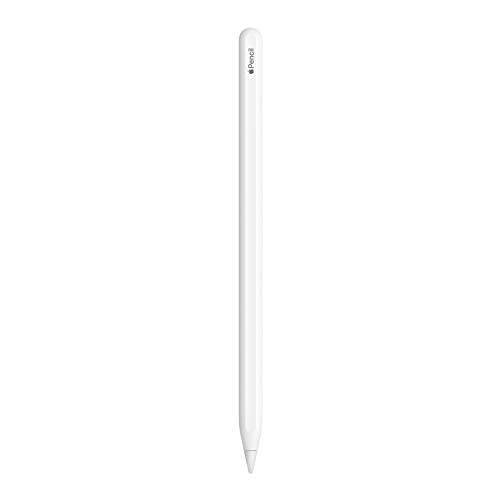
Apple Pencil (2nd Generation)
Best for: iPad users who want a premium pen matched to that ecosystem. Not suited for: anyone hoping to use the same pen across a different ecosystem, because active pens are matched to the display technology of their own family of devices.
This is the pen most iPad owners picture first: it lives magnetically on the side of supported iPads, pairs and charges there, and supports the hover and double-tap style interactions Apple built into its pen system on supported models. For iPad note-taking and drawing it is the reference experience against which iPad alternatives are measured. Its limits are the limits of its ecosystem: it does nothing for a Galaxy tablet or a Windows convertible, and support varies across iPad generations, so the exact iPad model check is not optional.
Judge this pen inside your own apps, with your hand resting on the glass the way you naturally write. Check price on Amazon once you have confirmed it supports your exact device model, and keep the correct spare nibs for it from the start rather than after the first tip wears down.
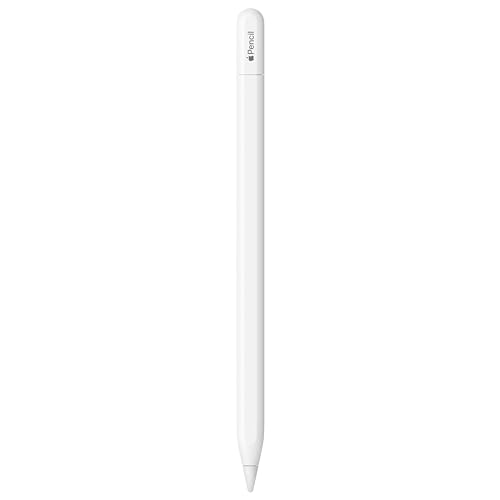
Apple Pencil (USB-C)
Best for: iPad users who want a mid-range pen matched to that ecosystem. Not suited for: anyone hoping to use the same pen across a different ecosystem, because active pens are matched to the display technology of their own family of devices.
This model trades some of the flagship interactions for a simpler, cable-charged design that suits a wider spread of USB-C iPads and tighter budgets. It still gives iPad users proper palm rejection and a precise, pen-like line for notes, markup and everyday sketching, which is where most owners spend their time. Buyers who draw seriously should compare its feature set carefully against the flagship pen on their specific iPad, while students and annotators will often find it covers their whole workload without fuss.
Judge this pen inside your own apps, with your hand resting on the glass the way you naturally write. Check price on Amazon once you have confirmed it supports your exact device model, and keep the correct spare nibs for it from the start rather than after the first tip wears down.

Samsung S Pen Pro
Best for: Samsung Galaxy users who want a premium pen matched to that ecosystem. Not suited for: anyone hoping to use the same pen across a different ecosystem, because active pens are matched to the display technology of their own family of devices.
The larger, more pen-like member of Samsung’s family is aimed at Galaxy users who write and draw for long stretches and want a fuller barrel than the slim pen that ships with many devices. It belongs entirely to the Galaxy world of supported phones and tablets, where its display-powered writing means the pen itself is not another battery to manage for ordinary inking. Galaxy Tab owners who annotate, sketch and take notes daily will feel the difference in hand comfort first, long before they notice anything technical.
Judge this pen inside your own apps, with your hand resting on the glass the way you naturally write. Check price on Amazon once you have confirmed it supports your exact device model, and keep the correct spare nibs for it from the start rather than after the first tip wears down.
Wacom Bamboo Ink Plus
Best for: Windows Ink users who want a premium pen matched to that ecosystem. Not suited for: anyone hoping to use the same pen across a different ecosystem, because active pens are matched to the display technology of their own family of devices.
Wacom brings decades of pen experience to Windows Ink, and this rechargeable pen is built for the convertible-and-tablet side of Windows, where checking your exact machine against the compatibility list is the whole game. On a supported device it delivers the pressure-sensitive inking that note apps and drawing software on Windows are built around, in a barrel shaped by people who think about pens all day. It is a considered buy, not an impulse one: confirm protocol support for your model first, then enjoy one of the most pen-focused designs in the Windows world.
Judge this pen inside your own apps, with your hand resting on the glass the way you naturally write. Check price on Amazon once you have confirmed it supports your exact device model, and keep the correct spare nibs for it from the start rather than after the first tip wears down.
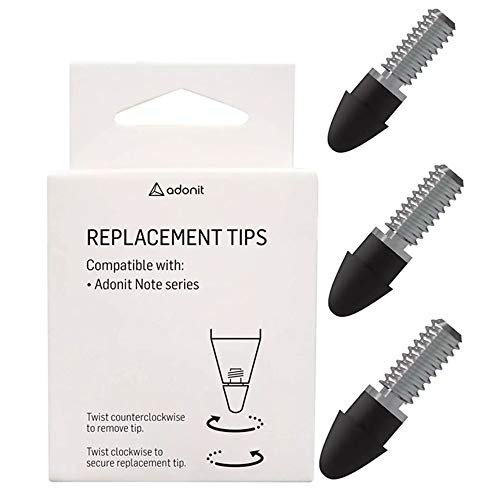
Adonit Note+
Best for: iPad users who want a mid-range pen matched to that ecosystem. Not suited for: anyone hoping to use the same pen across a different ecosystem, because active pens are matched to the display technology of their own family of devices.
Adonit has built its name on iPad pens for people who want an alternative to Apple’s own, and this model targets iPad writers and sketchers who want features like a shortcut button and a familiar, pen-like body. It works within the iPad pen system on supported iPad models, so the same model-check discipline applies. For iPad owners comparing within the ecosystem, it is a reminder that the choice is not only which Apple pen, but whether a well-made third-party pen fits your grip and your apps better.
Judge this pen inside your own apps, with your hand resting on the glass the way you naturally write. Check price on Amazon once you have confirmed it supports your exact device model, and keep the correct spare nibs for it from the start rather than after the first tip wears down.

Logitech Crayon
Best for: iPad users who want a entry-level pen matched to that ecosystem. Not suited for: anyone hoping to use the same pen across a different ecosystem, because active pens are matched to the display technology of their own family of devices.
Logitech’s pen takes a deliberately different shape: a flat, chunky body that does not roll off a desk, charges simply, and is built to survive classrooms and family life as much as studio work. On supported iPads it gives a precise line for notes, homework and markup, with a design that younger hands and shared-device households tend to prefer. It is the pragmatic pick of this group: less about artist features, more about being grabbed, used and put back a dozen times a day without drama.
Judge this pen inside your own apps, with your hand resting on the glass the way you naturally write. Check price on Amazon once you have confirmed it supports your exact device model, and keep the correct spare nibs for it from the start rather than after the first tip wears down.
Which Ecosystem Is Your Tablet In?
Inside the iPad ecosystem the experience also depends on the apps you open. Note apps, sketching apps and PDF annotators all read the same pen signals, but they interpret pressure and tilt differently, so a line that feels soft and pencil-like in one app can feel firm and pen-like in the next. That is not a fault in the hardware; it is a reminder to test a new pen inside the two or three apps you actually use during the return window. iPad pens also tend to assume you live in Apple’s accessory world, with magnetic storage on the tablet edge or a charging routine built around the tablet itself, which is convenient at a desk and slightly less convenient when the tablet stays home.
For Galaxy Tab owners, the S Pen decision is usually about which variant fits the work rather than whether to leave the ecosystem. A larger pen suits long writing sessions and drawing at a desk, while the pen that ships with or slots into a device suits travel and quick notes. Hover features, where the pen can preview or trigger actions just above the glass, are a Galaxy-specific pleasure that other ecosystems handle differently or not at all. If your household mixes a Galaxy tablet with an iPad, expect to own two pens; there is no honest shortcut around that, and pretending otherwise is how people end up with an expensive pen that only draws thick, dumb lines on half their devices.
The Windows route rewards people who like choice. You can pick a slim pen for travel, a chunkier pen for drawing, or a rechargeable model that tops up from the same cable as your other gear. You also take on more responsibility: keeping the pen charged, keeping a spare nib in the case, and checking that a Windows update or a new app still treats the pen the way you expect. None of that is difficult, but it is different from the sealed, automatic experience of an iPad or Galaxy pen. Shoppers who want one pen for a mixed desk should read compatibility lists literally, model number by model number, rather than trusting a generic works-with-Windows badge.
Multi-device households need a labelling habit, not wishful thinking. If your home holds an iPad, a Galaxy tablet and a Windows convertible, you may well own three pens that look similar and behave completely differently on each other’s screens. A small label, a different coloured grip, or a rule that each pen lives with its own tablet prevents the daily frustration of grabbing the wrong one. Teach family members the rule too: a pen that only makes fat lines on a device is not broken, it is just a guest on the wrong screen. The one exception to keep in the drawer is the universal capacitive spare, which works everywhere at fingertip level for guests and emergencies.
How Much Pressure and Tilt Do You Actually Need?
Answer with your apps, not your ambitions. If your week is handwriting and markup, clean light-pressure starts and good palm rejection matter more than tilt. If you shade, ink or paint, tilt and a smooth pressure curve move to the top of the list.
Pressure sensitivity is what lets a light touch make a faint line and a firmer press make a bold one, without opening a menu. For handwriting it adds natural variation that makes digital notes feel personal rather than typed. For drawing it is close to essential. What matters in practice is not a headline number but the low end of the range: a good pen registers a feather-light stroke cleanly, without needing a heavy press to wake up, and it does not blot when you press for emphasis. When comparing pens, scribble slowly at the lightest pressure you can manage. A pen that starts and stops cleanly at that whisper level will feel responsive in everything else you do.
Tilt support lets you lay the pen over, like shading with the side of a pencil lead, and have the stroke broaden or soften accordingly. Illustrators use it constantly; note-takers may never use it at all. That split is why tilt should be a priority only if your apps and your style actually use it. Check two things before paying for tilt: that your tablet and pen both support it, and that your main drawing app responds to it in a way you like. A pen can support tilt in the listing while your favourite app ignores the signal. For pure handwriting, annotation and diagram work, pressure response and comfort will serve you far better than tilt ever will.
Drawing apps expose differences between pens that notes never will. Brush engines respond to pressure curves and tilt in their own ways, and the same pen can feel expressive in one app and blunt in another. Before blaming hardware, spend an evening with brush settings: a softer pressure curve often transforms a pen that felt unresponsive. Artists working in layers on large canvases should also watch how the tablet, not just the pen, handles the load. The honest summary is that any current active pen from the major ecosystems can produce professional work in skilled hands; the differences that matter are comfort, reliability and how naturally the pen disappears while you think about the picture instead.
How Should the Pen Feel in Your Hand?
How a pen feels matters more over a month than any feature list. Weight distribution decides whether your hand tires during a long lecture or a full page of edits; a pen that is balanced toward the tip feels precise for drawing, while an evenly balanced pen feels calmer for writing. Barrel shape matters too. Round barrels roll off desks and can twist in the fingers, subtly faceted barrels stay put and give your grip a reference point, and a soft-touch finish helps during long sessions but can show wear sooner. None of these qualities appears in a headline, yet they are what you will notice every single day, long after the novelty of pairing has faded.
Grip diameter is the quiet deal-breaker for many buyers. A very slim pen looks elegant and suits small hands and precise work, but it can cramp a larger hand during an hour of notes. A thicker pen relaxes the fingers and suits drawing and anyone who grips hard without meaning to, at the cost of feeling less like a familiar ballpoint. If you can, hold your current favourite ordinary pen and compare: most people are happiest when the stylus is close in thickness to the pen they already write with for hours. Accessories like a simple grip sleeve can rescue a slim pen, but it is better to start with a shape your hand already likes.
The glass-versus-paper question shapes every stylus purchase more than buyers admit. Writing on bare glass is fast, smooth and precise, but some people find it slippery and noisy, with the tip clicking and skating in a way that makes handwriting messier than on paper. Friction, from a matte protector or a softer nib, slows the stroke slightly and gives the hand the feedback it learned from paper, at the cost of faster nib wear. Neither answer is correct for everyone. If your handwriting falls apart on glass, choose friction and budget for nibs. If you draw with long, sweeping strokes, you may love the glide. Your handwriting sample, not a reviewer’s preference, should decide.
How Will You Charge and Store It?
Charging is the least glamorous and most annoying part of active-pen ownership. Depending on the model, a pen may charge magnetically against the tablet, from a cable, or not need charging for writing at all. Follow the manufacturer’s own guidance for your model: use the charging method and cable type the maker specifies, avoid leaving any pen battery sitting empty for months, and top up before a trip or an exam rather than during it. A pen that dies mid-session teaches the lesson once. Build a tiny routine around it, the same way you charge your tablet, and the issue disappears. If a pen will sit unused for a long season, store it partly charged rather than flat, as the maker advises for its battery.
Battery behaviour also separates ecosystems in daily life. A pen that draws power from the tablet’s edge is ready whenever the tablet is, which suits students and field workers. A pen with its own larger battery and a cable suits a fixed desk, where charging is a non-event. A display-powered pen that never needs charging for writing removes the question entirely, which is a real quality-of-life advantage people underestimate until they have lived with a pen that died during a lecture. Whichever system you choose, learn its low-battery warning sign, if it has one, and keep the charging accessory in the same bag as the pen, not in a different room.
Where the pen lives when you are not using it decides whether you still own it in six months. Magnetic attachment to the tablet is elegant and keeps pen and tablet together, a silo inside the device is even safer, and a loop or pocket in the case is the low-tech answer that works for any pen. The worst storage is a bare pen loose in a bag, where the nib grinds against other objects and the pen itself migrates to the bottom or out of your life entirely. When you buy a case, check the pen’s place in it as carefully as the tablet’s protection. A pen you can find in three seconds gets used; a pen you have to hunt for gets left behind.
A pen changes how you travel with a tablet. It turns the tray table into a desk for marking documents, sketching ideas and filling forms, and it keeps fingerprints off the screen during a long day of reading. For travel, value three things: a pen that stores against the tablet or in the same sleeve so it cannot be left behind, a charging routine that shares a cable with your other devices, and a case that protects the nib, because a pen rattling loose in a bag wears its tip against everything else in there. A spare nib weighs nothing and can save a work trip. Travellers who present from a tablet may also value a pen that doubles as a remote clicker where the ecosystem supports it.
How to Prioritise by Use Case
Consider the student with a mid-range iPad, a term of lectures and a tight budget. Her real tasks are handwritten notes, annotated slides and the occasional diagram. She does not need tilt, and she will never open a professional drawing app. The right answer is the iPad pen whose charging matches her iPad and whose price leaves room for a case, a protector and spare nibs, because the protector and nibs protect the tablet she cannot afford to replace. Judged against her actual week, the simpler pen is not a compromise; it is the correct tool, and the flagship’s extra gestures would have been decoration.
Consider the teacher marking work on a school tablet every evening. Her priorities are a pen that is always charged, a tip fine enough for margin comments, and a body that survives being dropped, borrowed and left in classrooms. She fits a protector on day one, keeps spare nibs in her desk, and checks the tip each Friday because thirty students’ worth of enthusiastic use wears a nib quickly. She does not need an artist’s feature set, and paying for one would be waste. What she needs is reliability, and reliability here is mostly habits: charge nightly, inspect weekly, replace the nib at the first roughness.
Consider the illustrator working on a Galaxy tablet in the morning and a Windows convertible at a studio desk in the afternoon. He needs pressure response that starts at a whisper, tilt his brushes actually use, and a barrel he can hold for six hours. He will, reluctantly, own two pens, because no single pen speaks both systems, and he will keep each with its device. His money goes first to comfort and nib supply, not gestures. His example shows why ecosystem loyalty is not brand fan behaviour; it is physics. The pen is half of a matched system, and professionals buy the system, not the stick.
Consider the manager who travels with a Windows convertible and lives in documents. His pen use is ninety percent annotation: circling figures, initialling pages, sketching a process diagram in a meeting, signing approvals from an airport lounge. For him the decisive checks are that his exact machine supports the pen’s protocol, that the pen is in the same sleeve as the laptop, and that his document apps export marked files the way his team expects. He will never shade with tilt and rarely draws, so a comfortable, dependable Windows Ink pen beats an exotic one. His case is the most common in business, and it is served well by buying carefully once.
For children and shared family tablets, the priorities flip. Durability, a chunky grip small hands can hold, easy replacement if it is lost, and a tip that tolerates enthusiastic pressure matter more than tilt or fine pressure control. This is where a simple, sturdy pen, or even an honest capacitive pen for tapping and colouring apps, earns its place. Set expectations with the device too: enable the kid-friendly apps, fit a robust case and a screen protector, and check the nib after art sessions, because young artists press hard and a flattened tip is rough on glass. A pen a child can use confidently for homework diagrams is worth more than a delicate artist’s pen kept in a drawer.
First Setup and Care Essentials
The nib is a consumable, and treating it as one protects both your lines and your screen. A nib wears down with use, faster on textured screen protectors and matte drawing films than on bare glass. A worn nib develops a flat or sharp edge, and that edge is the problem: dragged across the display, a damaged or gritty nib can scratch the screen surface or its protector. Inspect the tip regularly by sight and by fingertip; if it feels rough, looks flattened or starts to feel scratchy as you write, replace it with the correct nib for your pen model, following the manufacturer’s fitting instructions. A fresh nib is a small, routine cost compared with a marked display.
A screen protector is cheap insurance and a feel decision at the same time. A smooth glass protector preserves the glide of writing on glass and guards against the scratches a worn nib or trapped grit can cause. A matte, paper-feel film adds friction that many writers and artists love, making the pen feel controlled rather than slippery, but that friction wears nibs noticeably faster, so budget for replacements and inspect the tip more often. Whichever you choose, fit it carefully on a clean screen in a dust-free moment, because a protector installed over dust protects the dust too. Replace a protector that is itself scratched or lifting; a damaged protector makes every pen feel worse.
A two-minute monthly routine keeps a pen feeling new. Wipe the tip and barrel with a soft, dry or barely damp cloth, following any cleaning guidance from the maker and keeping moisture away from charging contacts. Inspect the nib under good light and replace it at the first sign of a flat or sharp edge. Check the screen protector for scratches and lifting corners. Top up the battery if your pen has one, and confirm the pen still pairs and writes in your main apps after system updates. Store the pen attached to the tablet or in its case, never loose in a bag pocket with keys and coins. That is the whole ritual; pens fail from neglect far more often than from defects.
Mistakes to Avoid
The most expensive stylus mistake is buying across ecosystems: a superb pen for the wrong tablet is worth nothing. The second is assuming a pen that came with one device works on your other device from the same brand; generations change support quietly. The third is judging a pen in a shop demo app instead of your own heaviest app. After that come the small, fixable errors: never buying spare nibs, letting a nib grind down until it threatens the screen, losing the charging cable because it lived in a different bag, and skipping the screen protector on a tablet that travels daily. Every one of these is avoidable with ten minutes of checking before you buy and a two-minute routine each month.
The capacitive category is where misleading listings multiply. Words like active and fine point are sometimes attached to pens that still only mimic a finger, with a small battery powering nothing more than a finer contact point. A quick test protects you: if a pen claims to work on every device ever made and also claims pressure sensitivity, be sceptical, because real pressure sensitivity requires a matched pen-and-screen system. Keep one honest capacitive pen in a drawer for guests, kids and signing forms, and keep your serious writing and drawing on the active pen your main device was designed for. That two-pen reality sounds wasteful until you compare it with one compromised pen that disappoints everywhere.
Second-hand pens can be sensible, with three checks. First, confirm the exact model and its device compatibility, because generations look alike and support differs. Second, inspect the nib and budget for a fresh one immediately; a used pen’s tip has an unknown history and a worn tip is the one part that can harm your screen. Third, for battery models, ask about charging and test a full session before the return window closes, since an ageing battery is the most likely hidden fault. Clean the barrel as the maker allows, pair it fresh to your device, and you have a perfectly good pen. Skip any listing that cannot name the model precisely.
Buying a stylus as a gift is kind, risky and very fixable. The risk is compatibility: a beautiful pen for the wrong tablet is a beautiful paperweight. The fix is to identify the recipient’s exact tablet model first, from the device itself or its settings screen, and buy strictly inside that ecosystem. If you cannot identify the model, a quality universal capacitive pen or a gift card aimed at the right ecosystem beats a confident guess. Include spare nibs and a note about checking the nib before it wears, and you have given not just a pen but the knowledge that keeps both pen and screen happy. Artists and students, in particular, tend to use a gifted pen daily once it matches their device.
Final Verdict
A good stylus purchase is boring in the best way: right ecosystem, right model list, right shape for your hand, spare nibs and a protector in the same order, and a charging spot next to the tablet. Follow this guide in that order and the pen will feel inevitable rather than experimental. Rush the ecosystem step, and no amount of research afterwards can rescue the purchase.
Ownership Costs in Plain Language
Battery behaviour also separates ecosystems in daily life. A pen that draws power from the tablet’s edge is ready whenever the tablet is, which suits students and field workers. A pen with its own larger battery and a cable suits a fixed desk, where charging is a non-event. A display-powered pen that never needs charging for writing removes the question entirely, which is a real quality-of-life advantage people underestimate until they have lived with a pen that died during a lecture. Whichever system you choose, learn its low-battery warning sign, if it has one, and keep the charging accessory in the same bag as the pen, not in a different room.
Second-hand pens can be sensible, with three checks. First, confirm the exact model and its device compatibility, because generations look alike and support differs. Second, inspect the nib and budget for a fresh one immediately; a used pen’s tip has an unknown history and a worn tip is the one part that can harm your screen. Third, for battery models, ask about charging and test a full session before the return window closes, since an ageing battery is the most likely hidden fault. Clean the barrel as the maker allows, pair it fresh to your device, and you have a perfectly good pen. Skip any listing that cannot name the model precisely.
Buying for Someone Else, or Buying Used
Buying a stylus as a gift is kind, risky and very fixable. The risk is compatibility: a beautiful pen for the wrong tablet is a beautiful paperweight. The fix is to identify the recipient’s exact tablet model first, from the device itself or its settings screen, and buy strictly inside that ecosystem. If you cannot identify the model, a quality universal capacitive pen or a gift card aimed at the right ecosystem beats a confident guess. Include spare nibs and a note about checking the nib before it wears, and you have given not just a pen but the knowledge that keeps both pen and screen happy. Artists and students, in particular, tend to use a gifted pen daily once it matches their device.
The value of a stylus is not in the pen; it is in the hours it changes. If it turns a tablet you already own into your notebook, sketchbook, markup tool and signature pad, it earns its place quickly, because it replaces paper, printing and scanning rather than adding a gadget. If it sits in a drawer after the first week, no discount would have made it good value. That is why the honest test is behavioural, not technical: name the three tasks you will do with it weekly. If you can name them, and your current finger-or-mouse method genuinely frustrates you on those tasks, a pen is usually worth it. If you cannot name them, borrow one or wait.
Before You Shortlist: Measure, Match and Check the Fit
Decide your return-risk tolerance in advance
Some stylus pen choices are easy to judge from a listing and some only reveal themselves in the hand, in the room, or in your software. If your shortlist includes a model you are judging on feel, fit or noise, buy from a seller whose returns process you have actually read, and keep the packaging intact until the first full week of use is done. Knowing your exit route in advance lets you choose the bolder option on the shortlist without gambling, and it removes the pressure to keep a stylus pen that is merely acceptable.
Start with the space, not the shortlist
Before comparing a single stylus pen, measure the space it has to live and work in, and write the numbers down. Footprint is only the start: allow for cables, ventilation, doors or lids that swing open, and the room your hands need to load, adjust or clean it. In a workspace that gets packed away and rebuilt more often than it stays in place, a model that fits on paper can still fail in practice because access is blocked or a cable run has nowhere tidy to go. Measuring first turns the Keyboards shortlist from a wish list into a filtered list where every remaining option is physically plausible.
Check compatibility against what you already own
A stylus pen rarely works alone, so list the devices, mounts, media, software or accessories it must cooperate with, and check each pairing against the listing details rather than assuming standards guarantee harmony. Connector versions, physical clearances, supported formats and control apps are the usual friction points. When picks such as Samsung S Pen Pro, Wacom Bamboo Ink Plus and Adonit Note+ are on your shortlist, run this check against each listing in turn. Where a listing is vague about a pairing you depend on, treat that silence as a risk to resolve before ordering, not a detail to discover afterwards. Compatibility failures are the most common reason a well-reviewed stylus pen gets returned.
Separate the headline feature from the daily feature
Every Keyboards range has one headline feature that dominates the marketing and one unglamorous feature you will use every single day. For a stylus pen, the daily feature is usually the control you touch most, the consumable you replace most, or the connection you make and break most often. Weight your shortlist by the daily feature first and let the headline feature break ties, because novelty fades within weeks while a clumsy daily interaction stays annoying for the life of the product.
Plan the consumables and spares shelf
Ownership of a stylus pen usually involves a small ecosystem of consumables, refills, replacement parts or spares, and availability matters as much as the unit itself. Check that the refills your shortlisted models need are standard, stocked by more than one seller, and replaceable without tools you do not own. A model tied to a single obscure consumable becomes a liability the moment that line is discontinued, whereas a stylus pen built around common refills stays useful for years. Keep one spare of the fastest-wearing part from day one.
Run the two-week test on paper
Imagine the stylus pen arriving today and simulate the next two weeks of use in detail: where it sits, what you do with it on a normal weekday, what happens on the busiest day, and where it goes when guests arrive or the room is cleaned. This simple rehearsal exposes storage gaps, missing accessories and workflow clashes that specification tables never show. If the simulation produces friction in a workspace that gets packed away and rebuilt more often than it stays in place, adjust the shortlist now, while the fix is a different model rather than a return label and a refund wait.
None of this requires expertise — only the willingness to check your own routine before trusting a generic recommendation.
Frequently Asked Questions
Will one stylus pen work on my iPad, Galaxy tablet and Windows laptop?
Almost certainly not, and this is the single most important fact in this whole topic. Active pens are matched to the pen technology built into a specific family of displays: iPad pens work within Apple’s system on supported iPads, S Pen models work on Galaxy devices built for them, and Windows Ink pens work on Windows machines that support their protocol. A universal capacitive pen will make marks on all three, but only as a fingertip substitute, without palm rejection or pressure. Plan on one proper pen per ecosystem you actually use.
Can a stylus pen scratch my tablet screen?
The pen itself is designed not to, but a worn or damaged nib can. As a tip wears it can develop a flat or sharp edge, and grit trapped under that edge can mark glass or a protector. Protect yourself with three habits: inspect the nib regularly and replace it when it looks flattened or feels rough, wipe the tip before long sessions, and fit a suitable screen protector, replacing the protector itself if it becomes scratched. Follow the pen manufacturer’s guidance on approved replacement nibs for your model.
Do I need a screen protector if I use a stylus?
It is strongly worth it. A smooth protector preserves the writing feel of glass while guarding against scratches from a worn nib or trapped grit, and a matte paper-feel protector adds friction that many writers and artists prefer. The trade-off is that matte films wear nibs faster, so check the tip more often and keep spares. Whichever style you choose, fit it to a clean screen and replace it when it is scratched or lifting, because a tired protector makes every pen feel scratchy and imprecise.
How do I know when to replace the nib?
Look and feel tell you. By sight, the tip has lost its rounded shape, looks flattened on one side, or shows a sharp edge. By feel, strokes that were smooth start to feel scratchy, gritty or uneven, or the pen needs more pressure to start a line. At the first clear sign, fit the correct replacement nib for your pen model, following the manufacturer’s instructions; nibs are inexpensive consumables, while screens are not. If you use a matte protector, expect to replace nibs more often and inspect the tip on a regular schedule rather than waiting for symptoms.
Does a stylus pen need charging?
It depends on the family. Many active pens carry a battery and charge magnetically on the tablet or from a cable; Samsung’s S Pen writes using power from the display on supported Galaxy devices, so ordinary writing does not depend on a pen battery, though some models add one for extra remote features. Follow the manufacturer’s charging guidance for your exact model, keep its charging accessory with the pen, and avoid storing a battery-powered pen empty for long periods. A simple routine, charging alongside your tablet, removes the issue entirely.
What should I check first in a stylus pen buying guide?
Your exact device model, before anything else. Note the tablet’s full model name, then check it against the pen maker’s own compatibility list, because support changes between generations of the same tablet line and even between connector types. Only after a pen passes that test do features, feel and price tiers become meaningful. This single check prevents the most common and most total stylus mistake: a perfect pen for a screen you do not own.
Related Reading
more stylus pen reviews across ecosystems
stylus pen pros and cons in full
stylus options for touch screen monitors
keyboards that pair well with an iPad Pro