Disclosure: As an Amazon Associate, ilcastellomenu.com earns from qualifying purchases. Links on this page are affiliate links; they cost you nothing extra. Prices and availability change often, so check the current Amazon listing before you buy.
Short answer first: is a stylus pen worth it? Yes — if you handwrite, annotate, draw, teach or sign on a tablet every week, and you buy the pen your device’s ecosystem designed for it. Is a stylus pen worth it as a curious extra for a tablet you mostly watch video on? Almost certainly not. The rest of this page earns that answer properly: what you actually get, what it really costs in money-adjacent things like nibs, protectors and attention, who it pays off for, who should skip it, and the checklist to run before you decide.
Is a Stylus Pen Worth It? The Short Answer in Full
In this guide
Key Takeaways
- Worth it if you can name three weekly tasks it improves: notes, markup, drawing, teaching or signing.
- Not worth it if your tablet is mainly for watching, reading and tapping, or if you cannot commit to one ecosystem.
- The hidden costs are nibs, a screen protector, charging discipline and storage, not the pen itself.
- Buy inside your ecosystem for your exact device model, or do not buy yet.
What You Actually Get
For note-taking, the pen is only half the system; the app is the other half. Good note apps turn handwriting into searchable text, straighten your diagrams, record audio in step with your strokes, and sync pages to your other devices before you have closed the cover. When you choose a pen, open your intended note app and test the whole loop: write a page, search for a word you wrote, export the page, and check the result on your phone or laptop. A pen that feels wonderful but lives in an app that traps your notes is a bad purchase. Students should also check how the app handles long PDFs, because annotating readings is where school pens earn their keep.
Annotation is the use case that converts the most sceptics. Marking up a PDF contract, circling a figure in a paper, sketching over a photo or signing a form all feel clumsy with a finger and natural with a pen. The pen wins because it is precise at small sizes and because your hand can rest while you work. If annotation is your main job, prioritise a pen that pairs instantly, a tip fine enough for margin notes, and an app that flattens or exports your marked files the way your colleagues need them. You may not need tilt or an artist’s pressure range at all, and skipping those can move you to a simpler, sturdier pen that suits the work better.
Drawing apps expose differences between pens that notes never will. Brush engines respond to pressure curves and tilt in their own ways, and the same pen can feel expressive in one app and blunt in another. Before blaming hardware, spend an evening with brush settings: a softer pressure curve often transforms a pen that felt unresponsive. Artists working in layers on large canvases should also watch how the tablet, not just the pen, handles the load. The honest summary is that any current active pen from the major ecosystems can produce professional work in skilled hands; the differences that matter are comfort, reliability and how naturally the pen disappears while you think about the picture instead.
A pen earns its place when it removes steps from a workflow you already have. The teacher who marks assignments on screen instead of printing, marking and scanning saves real time every week. The student who annotates lecture slides during the lecture, rather than rewriting notes later, studies from richer material. The manager who signs and returns a document in one motion clears a queue that used to wait for a printer. Look at your own week and find the print-sign-scan loops, the photographed whiteboards, the screenshots you wish you could circle. Those loops, counted honestly, tell you more about whether a pen will pay off than any feature comparison ever will.
Signing documents deserves a special word, because it is the task where even a basic pen shines and where people most often overbuy. Any pen that gives you a fine, controlled line will produce a signature that looks like yours rather than a fingertip scrawl, and most signing apps care about the app’s own security and audit features far more than about which pen you hold. If signing is genuinely your only pen task, a simple, reliable option inside your device’s ecosystem is enough, and the money saved is better spent on the document workflow itself. If you sign and annotate and write, step up to the pen that makes the writing feel effortless, because that is the use you will feel daily.
The Real Costs Beyond Money
The nib is a consumable, and treating it as one protects both your lines and your screen. A nib wears down with use, faster on textured screen protectors and matte drawing films than on bare glass. A worn nib develops a flat or sharp edge, and that edge is the problem: dragged across the display, a damaged or gritty nib can scratch the screen surface or its protector. Inspect the tip regularly by sight and by fingertip; if it feels rough, looks flattened or starts to feel scratchy as you write, replace it with the correct nib for your pen model, following the manufacturer’s fitting instructions. A fresh nib is a small, routine cost compared with a marked display.
A screen protector is cheap insurance and a feel decision at the same time. A smooth glass protector preserves the glide of writing on glass and guards against the scratches a worn nib or trapped grit can cause. A matte, paper-feel film adds friction that many writers and artists love, making the pen feel controlled rather than slippery, but that friction wears nibs noticeably faster, so budget for replacements and inspect the tip more often. Whichever you choose, fit it carefully on a clean screen in a dust-free moment, because a protector installed over dust protects the dust too. Replace a protector that is itself scratched or lifting; a damaged protector makes every pen feel worse.
Charging is the least glamorous and most annoying part of active-pen ownership. Depending on the model, a pen may charge magnetically against the tablet, from a cable, or not need charging for writing at all. Follow the manufacturer’s own guidance for your model: use the charging method and cable type the maker specifies, avoid leaving any pen battery sitting empty for months, and top up before a trip or an exam rather than during it. A pen that dies mid-session teaches the lesson once. Build a tiny routine around it, the same way you charge your tablet, and the issue disappears. If a pen will sit unused for a long season, store it partly charged rather than flat, as the maker advises for its battery.
Where the pen lives when you are not using it decides whether you still own it in six months. Magnetic attachment to the tablet is elegant and keeps pen and tablet together, a silo inside the device is even safer, and a loop or pocket in the case is the low-tech answer that works for any pen. The worst storage is a bare pen loose in a bag, where the nib grinds against other objects and the pen itself migrates to the bottom or out of your life entirely. When you buy a case, check the pen’s place in it as carefully as the tablet’s protection. A pen you can find in three seconds gets used; a pen you have to hunt for gets left behind.
The capacitive category is where misleading listings multiply. Words like active and fine point are sometimes attached to pens that still only mimic a finger, with a small battery powering nothing more than a finer contact point. A quick test protects you: if a pen claims to work on every device ever made and also claims pressure sensitivity, be sceptical, because real pressure sensitivity requires a matched pen-and-screen system. Keep one honest capacitive pen in a drawer for guests, kids and signing forms, and keep your serious writing and drawing on the active pen your main device was designed for. That two-pen reality sounds wasteful until you compare it with one compromised pen that disappoints everywhere.
Who It Pays Off For
Consider the student with a mid-range iPad, a term of lectures and a tight budget. Her real tasks are handwritten notes, annotated slides and the occasional diagram. She does not need tilt, and she will never open a professional drawing app. The right answer is the iPad pen whose charging matches her iPad and whose price leaves room for a case, a protector and spare nibs, because the protector and nibs protect the tablet she cannot afford to replace. Judged against her actual week, the simpler pen is not a compromise; it is the correct tool, and the flagship’s extra gestures would have been decoration.
Consider the teacher marking work on a school tablet every evening. Her priorities are a pen that is always charged, a tip fine enough for margin comments, and a body that survives being dropped, borrowed and left in classrooms. She fits a protector on day one, keeps spare nibs in her desk, and checks the tip each Friday because thirty students’ worth of enthusiastic use wears a nib quickly. She does not need an artist’s feature set, and paying for one would be waste. What she needs is reliability, and reliability here is mostly habits: charge nightly, inspect weekly, replace the nib at the first roughness.
Consider the illustrator working on a Galaxy tablet in the morning and a Windows convertible at a studio desk in the afternoon. He needs pressure response that starts at a whisper, tilt his brushes actually use, and a barrel he can hold for six hours. He will, reluctantly, own two pens, because no single pen speaks both systems, and he will keep each with its device. His money goes first to comfort and nib supply, not gestures. His example shows why ecosystem loyalty is not brand fan behaviour; it is physics. The pen is half of a matched system, and professionals buy the system, not the stick.
Who Should Skip It
Skipping is a respectable answer. If your tablet life is video, reading and light browsing, a fingertip already does everything you ask of it, and a pen adds a charging routine and a thing to lose. If your only pen-shaped task is the occasional signature on a shared device, a simple universal pen kept in a drawer covers it.
The value of a stylus is not in the pen; it is in the hours it changes. If it turns a tablet you already own into your notebook, sketchbook, markup tool and signature pad, it earns its place quickly, because it replaces paper, printing and scanning rather than adding a gadget. If it sits in a drawer after the first week, no discount would have made it good value. That is why the honest test is behavioural, not technical: name the three tasks you will do with it weekly. If you can name them, and your current finger-or-mouse method genuinely frustrates you on those tasks, a pen is usually worth it. If you cannot name them, borrow one or wait.
For children and shared family tablets, the priorities flip. Durability, a chunky grip small hands can hold, easy replacement if it is lost, and a tip that tolerates enthusiastic pressure matter more than tilt or fine pressure control. This is where a simple, sturdy pen, or even an honest capacitive pen for tapping and colouring apps, earns its place. Set expectations with the device too: enable the kid-friendly apps, fit a robust case and a screen protector, and check the nib after art sessions, because young artists press hard and a flattened tip is rough on glass. A pen a child can use confidently for homework diagrams is worth more than a delicate artist’s pen kept in a drawer.
Universal capacitive pens are the simplest option of all: they imitate a fingertip, so they work on almost any touch screen, from an old tablet to a phone to a kiosk. That universality is also their ceiling. A capacitive pen cannot offer true palm rejection by itself, cannot vary line weight with pressure, and cannot shade with tilt, because the screen only knows where the tip touched, not how the pen behaved. Disc-tip and mesh-tip capacitive pens are genuinely useful for tapping, signing, scrolling and rough highlighting, and they are a sensible spare for a shared family tablet. Just buy one knowing it is a better fingertip, not a drawing instrument, and you will judge it fairly.
Strengths and Trade-Offs of Owning One
Strengths
- Natural handwriting and drawing on a tablet you already own, with your hand resting on the glass thanks to palm rejection on matched active-pen systems.
- Precision a fingertip cannot match: margin notes, diagrams, signatures and detailed markup all become practical.
- Pressure and, where supported, tilt response that make digital ink feel expressive rather than typed, especially in drawing and calligraphy.
- Instant, always-with-you markup of PDFs, photos, slides and screenshots, removing print-sign-scan loops from your week.
Trade-offs
- Ecosystem lock-in: an active pen serves one family of devices, so a mixed household may need more than one pen.
- Ongoing consumables and care: nibs wear and must be inspected and replaced, and a worn nib left too long can scratch a screen.
- Charging and storage discipline: battery pens need a routine, and a pen stored loose in a bag is a pen on its way to being lost or damaged.
- Not every app uses every feature: pressure, tilt and shortcuts only exist where your software supports them.
Alternatives to Consider
Before buying inside your ecosystem, look at what each family’s representative pen asks of you, and at the humble universal option, so the decision is a comparison rather than a reflex.

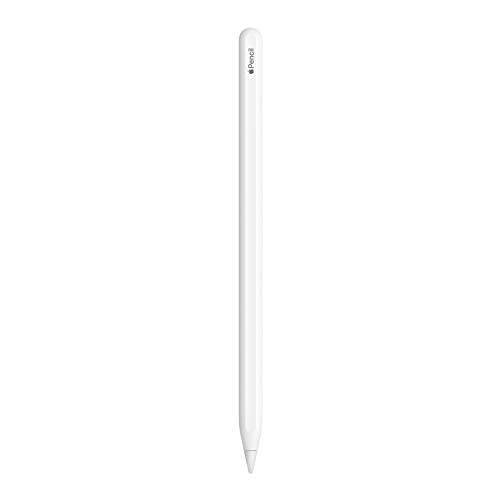
Apple Pencil (2nd Generation)
Best for: iPad users who want a premium pen matched to that ecosystem. Not suited for: anyone hoping to use the same pen across a different ecosystem, because active pens are matched to the display technology of their own family of devices.
This is the pen most iPad owners picture first: it lives magnetically on the side of supported iPads, pairs and charges there, and supports the hover and double-tap style interactions Apple built into its pen system on supported models. For iPad note-taking and drawing it is the reference experience against which iPad alternatives are measured. Its limits are the limits of its ecosystem: it does nothing for a Galaxy tablet or a Windows convertible, and support varies across iPad generations, so the exact iPad model check is not optional.
Judge this pen inside your own apps, with your hand resting on the glass the way you naturally write. Check price on Amazon once you have confirmed it supports your exact device model, and keep the correct spare nibs for it from the start rather than after the first tip wears down.
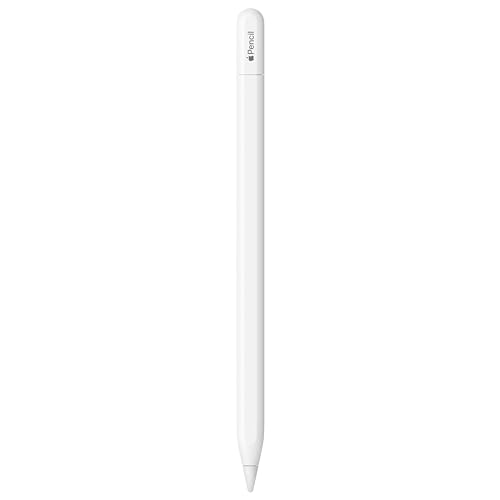
Apple Pencil (USB-C)
Best for: iPad users who want a mid-range pen matched to that ecosystem. Not suited for: anyone hoping to use the same pen across a different ecosystem, because active pens are matched to the display technology of their own family of devices.
This model trades some of the flagship interactions for a simpler, cable-charged design that suits a wider spread of USB-C iPads and tighter budgets. It still gives iPad users proper palm rejection and a precise, pen-like line for notes, markup and everyday sketching, which is where most owners spend their time. Buyers who draw seriously should compare its feature set carefully against the flagship pen on their specific iPad, while students and annotators will often find it covers their whole workload without fuss.
Judge this pen inside your own apps, with your hand resting on the glass the way you naturally write. Check price on Amazon once you have confirmed it supports your exact device model, and keep the correct spare nibs for it from the start rather than after the first tip wears down.

Samsung S Pen Pro
Best for: Samsung Galaxy users who want a premium pen matched to that ecosystem. Not suited for: anyone hoping to use the same pen across a different ecosystem, because active pens are matched to the display technology of their own family of devices.
The larger, more pen-like member of Samsung’s family is aimed at Galaxy users who write and draw for long stretches and want a fuller barrel than the slim pen that ships with many devices. It belongs entirely to the Galaxy world of supported phones and tablets, where its display-powered writing means the pen itself is not another battery to manage for ordinary inking. Galaxy Tab owners who annotate, sketch and take notes daily will feel the difference in hand comfort first, long before they notice anything technical.
Judge this pen inside your own apps, with your hand resting on the glass the way you naturally write. Check price on Amazon once you have confirmed it supports your exact device model, and keep the correct spare nibs for it from the start rather than after the first tip wears down.
Wacom Bamboo Ink Plus
Best for: Windows Ink users who want a premium pen matched to that ecosystem. Not suited for: anyone hoping to use the same pen across a different ecosystem, because active pens are matched to the display technology of their own family of devices.
Wacom brings decades of pen experience to Windows Ink, and this rechargeable pen is built for the convertible-and-tablet side of Windows, where checking your exact machine against the compatibility list is the whole game. On a supported device it delivers the pressure-sensitive inking that note apps and drawing software on Windows are built around, in a barrel shaped by people who think about pens all day. It is a considered buy, not an impulse one: confirm protocol support for your model first, then enjoy one of the most pen-focused designs in the Windows world.
Judge this pen inside your own apps, with your hand resting on the glass the way you naturally write. Check price on Amazon once you have confirmed it supports your exact device model, and keep the correct spare nibs for it from the start rather than after the first tip wears down.
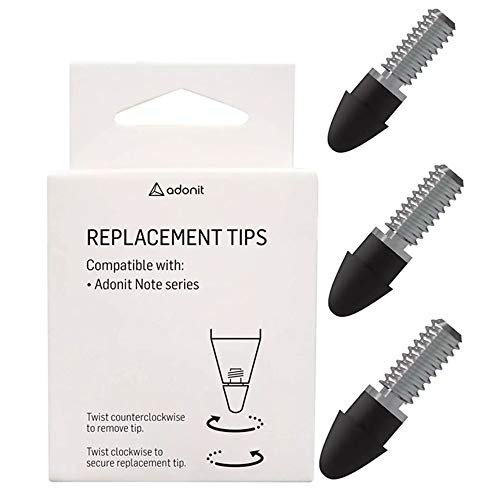
Adonit Note+
Best for: iPad users who want a mid-range pen matched to that ecosystem. Not suited for: anyone hoping to use the same pen across a different ecosystem, because active pens are matched to the display technology of their own family of devices.
Adonit has built its name on iPad pens for people who want an alternative to Apple’s own, and this model targets iPad writers and sketchers who want features like a shortcut button and a familiar, pen-like body. It works within the iPad pen system on supported iPad models, so the same model-check discipline applies. For iPad owners comparing within the ecosystem, it is a reminder that the choice is not only which Apple pen, but whether a well-made third-party pen fits your grip and your apps better.
Judge this pen inside your own apps, with your hand resting on the glass the way you naturally write. Check price on Amazon once you have confirmed it supports your exact device model, and keep the correct spare nibs for it from the start rather than after the first tip wears down.

Logitech Crayon
Best for: iPad users who want a entry-level pen matched to that ecosystem. Not suited for: anyone hoping to use the same pen across a different ecosystem, because active pens are matched to the display technology of their own family of devices.
Logitech’s pen takes a deliberately different shape: a flat, chunky body that does not roll off a desk, charges simply, and is built to survive classrooms and family life as much as studio work. On supported iPads it gives a precise line for notes, homework and markup, with a design that younger hands and shared-device households tend to prefer. It is the pragmatic pick of this group: less about artist features, more about being grabbed, used and put back a dozen times a day without drama.
Judge this pen inside your own apps, with your hand resting on the glass the way you naturally write. Check price on Amazon once you have confirmed it supports your exact device model, and keep the correct spare nibs for it from the start rather than after the first tip wears down.
How to Get the Most Value If You Buy
Palm rejection is the feature that turns a stylus from a novelty into a writing tool. With it working, you can rest your hand on the glass the way you would on paper, and the tablet ignores your palm while following the pen. Without it, every stroke becomes a hovering, cramped exercise that no one sustains for a full meeting. Palm rejection comes from the pen-and-tablet system, not from a glove, although a drawing glove can help on setups where rejection is imperfect. When you test a new pen, write a full paragraph with your hand resting naturally. If stray marks appear or the page jumps, something in the chain is wrong, and no amount of careful hovering will fix it.
The glass-versus-paper question shapes every stylus purchase more than buyers admit. Writing on bare glass is fast, smooth and precise, but some people find it slippery and noisy, with the tip clicking and skating in a way that makes handwriting messier than on paper. Friction, from a matte protector or a softer nib, slows the stroke slightly and gives the hand the feedback it learned from paper, at the cost of faster nib wear. Neither answer is correct for everyone. If your handwriting falls apart on glass, choose friction and budget for nibs. If you draw with long, sweeping strokes, you may love the glide. Your handwriting sample, not a reviewer’s preference, should decide.
Buttons, taps and gestures are the garnish on a pen, not the meal, but they can still shape daily convenience. Some pens let you double-tap or squeeze to switch between pen and eraser, some carry a side button for right-click style actions or app shortcuts, and some Galaxy pens add air gestures for presenting or controlling media. Learn whichever shortcut your pen offers for the eraser first; that single gesture saves more time than every other trick combined. Beyond that, be honest about your habits: if you never customise shortcuts on any other device, you will not start with a pen, so do not pay a premium for gesture features you will leave switched off.
Hover is the ability of some pen systems to sense the tip just above the glass, showing a cursor, a brush preview or a menu before you commit to a stroke. Artists use it to aim precisely and to preview brush size; presenters and teachers use pen cursors to point without touching. It is a genuine pleasure where it exists, and its absence is not a flaw in pens that never promised it. If you move between devices, hover is one of the differences you will feel immediately, because your hand expects the preview it learned on the other screen. Test for it if it matters to you, inside your main app, since app support decides whether the preview actually appears.
A two-minute monthly routine keeps a pen feeling new. Wipe the tip and barrel with a soft, dry or barely damp cloth, following any cleaning guidance from the maker and keeping moisture away from charging contacts. Inspect the nib under good light and replace it at the first sign of a flat or sharp edge. Check the screen protector for scratches and lifting corners. Top up the battery if your pen has one, and confirm the pen still pairs and writes in your main apps after system updates. Store the pen attached to the tablet or in its case, never loose in a bag pocket with keys and coins. That is the whole ritual; pens fail from neglect far more often than from defects.
The Decision Checklist
- Can you name three tasks you will do with a pen every week?
- Is your main device an iPad, a Galaxy device with S Pen support, or a pen-ready Windows machine — and do you know its exact model?
- Will you fit a screen protector and check the nib regularly, replacing it when it flattens or feels rough?
- Do you have a charging and storage spot where pen and tablet live together?
- Do your main apps support the pen features you care about, such as pressure or tilt?
- If the pen went missing in a month, would you replace it without hesitating?
Mostly yes answers mean buy, inside your ecosystem, without guilt. Mostly no answers mean wait a month and ask again; pens keep, and a considered no now beats a drawer pen later.
The Ecosystem Question Behind the Value Question
An iPad stylus lives or dies by its pairing with the tablet itself. Pens built for iPad communicate with the display through Apple’s own pencil technology, which is why an Apple Pencil or a licensed alternative can offer palm rejection, pressure response and tilt shading that a plain capacitive tip never will. The practical catch is fragmentation inside the iPad range itself: different iPad models support different generations of pen, and a pen that pairs magnetically with one model may only charge from a cable on another, or may not be supported at all. Before anything else, match the pen to your exact iPad model and its connector, because compatibility charts, not brand loyalty, decide whether the pen works on day one.
Samsung’s S Pen family follows a completely different philosophy. The pen is powered by technology in the display itself rather than by a battery in the pen, which is why many S Pen models never need charging for writing at all, even though some add a small battery for remote-control gestures. The benefit is a pen that is always ready, often stored inside or against the device, with pressure and tilt behaviour tuned by Samsung for its own tablets and phones. The limitation is just as clear: an S Pen is for Samsung Galaxy devices that were built with that display layer. It will not become an iPad pen or a Windows pen, no matter how good it feels in the hand.
Windows Ink is the most open of the active-pen worlds, and the most confusing. Many Windows tablets, convertibles and pen displays support an active pen, but they do not all speak the same pen protocol, and a pen that works beautifully on one convertible may not register at all on another machine from a different brand. The golden rule on Windows is to check your exact laptop or tablet model against the pen maker’s compatibility list before buying, and to prefer pens that let you switch between protocols where the maker offers that option. When the match is right, Windows Ink gives you pressure-sensitive inking in note apps, markup tools built into the system, and strong support in drawing software.
Multi-device households need a labelling habit, not wishful thinking. If your home holds an iPad, a Galaxy tablet and a Windows convertible, you may well own three pens that look similar and behave completely differently on each other’s screens. A small label, a different coloured grip, or a rule that each pen lives with its own tablet prevents the daily frustration of grabbing the wrong one. Teach family members the rule too: a pen that only makes fat lines on a device is not broken, it is just a guest on the wrong screen. The one exception to keep in the drawer is the universal capacitive spare, which works everywhere at fingertip level for guests and emergencies.
Final Verdict
A stylus pen is worth it when it becomes infrastructure: the way you take notes, mark work, sign and think on a screen you already own. It is not worth it as a novelty, and no tier of pen fixes a mismatch of ecosystem or habit. Decide by your week, not by the feature list, and whichever way you land, land on purpose.
What Changes After the First Month
A pen changes how you travel with a tablet. It turns the tray table into a desk for marking documents, sketching ideas and filling forms, and it keeps fingerprints off the screen during a long day of reading. For travel, value three things: a pen that stores against the tablet or in the same sleeve so it cannot be left behind, a charging routine that shares a cable with your other devices, and a case that protects the nib, because a pen rattling loose in a bag wears its tip against everything else in there. A spare nib weighs nothing and can save a work trip. Travellers who present from a tablet may also value a pen that doubles as a remote clicker where the ecosystem supports it.
Inside the iPad ecosystem the experience also depends on the apps you open. Note apps, sketching apps and PDF annotators all read the same pen signals, but they interpret pressure and tilt differently, so a line that feels soft and pencil-like in one app can feel firm and pen-like in the next. That is not a fault in the hardware; it is a reminder to test a new pen inside the two or three apps you actually use during the return window. iPad pens also tend to assume you live in Apple’s accessory world, with magnetic storage on the tablet edge or a charging routine built around the tablet itself, which is convenient at a desk and slightly less convenient when the tablet stays home.
For Galaxy Tab owners, the S Pen decision is usually about which variant fits the work rather than whether to leave the ecosystem. A larger pen suits long writing sessions and drawing at a desk, while the pen that ships with or slots into a device suits travel and quick notes. Hover features, where the pen can preview or trigger actions just above the glass, are a Galaxy-specific pleasure that other ecosystems handle differently or not at all. If your household mixes a Galaxy tablet with an iPad, expect to own two pens; there is no honest shortcut around that, and pretending otherwise is how people end up with an expensive pen that only draws thick, dumb lines on half their devices.
Context: How Pens Got Here, and What a Used One Teaches
It helps to understand why today’s pens feel so different from the stylus of old. The early touch pens were simple capacitive sticks, and the resistive pens before them were little more than plastic points for pressing small targets. Modern active pens exist because display makers built pen sensing into the screen itself, turning the pen into a measured instrument that reports pressure, tilt and position many times a second. That history explains the modern rule: the intelligence lives in the partnership between pen and display, which is why pens are loyal to ecosystems. You are not buying a stick; you are buying the other half of a system your tablet already half contains.
Second-hand pens can be sensible, with three checks. First, confirm the exact model and its device compatibility, because generations look alike and support differs. Second, inspect the nib and budget for a fresh one immediately; a used pen’s tip has an unknown history and a worn tip is the one part that can harm your screen. Third, for battery models, ask about charging and test a full session before the return window closes, since an ageing battery is the most likely hidden fault. Clean the barrel as the maker allows, pair it fresh to your device, and you have a perfectly good pen. Skip any listing that cannot name the model precisely.
Buying a stylus as a gift is kind, risky and very fixable. The risk is compatibility: a beautiful pen for the wrong tablet is a beautiful paperweight. The fix is to identify the recipient’s exact tablet model first, from the device itself or its settings screen, and buy strictly inside that ecosystem. If you cannot identify the model, a quality universal capacitive pen or a gift card aimed at the right ecosystem beats a confident guess. Include spare nibs and a note about checking the nib before it wears, and you have given not just a pen but the knowledge that keeps both pen and screen happy. Artists and students, in particular, tend to use a gifted pen daily once it matches their device.
One More Profile: The Travelling Manager
Consider the manager who travels with a Windows convertible and lives in documents. His pen use is ninety percent annotation: circling figures, initialling pages, sketching a process diagram in a meeting, signing approvals from an airport lounge. For him the decisive checks are that his exact machine supports the pen’s protocol, that the pen is in the same sleeve as the laptop, and that his document apps export marked files the way his team expects. He will never shade with tilt and rarely draws, so a comfortable, dependable Windows Ink pen beats an exotic one. His case is the most common in business, and it is served well by buying carefully once.
Who Gets Their Money’s Worth and Who Should Skip It
The workaround you are already paying for
Most people considering a stylus pen are already solving the problem somehow — with a slower method, a borrowed tool, a workaround that costs time or produces worse results. Price that workaround in attention and frustration, not just money: how often does it interrupt you, and what does the interruption cost the rest of your day? A purchase is worth it when it retires a recurring annoyance, not when it merely upgrades a process that was already painless. If your current workaround barely bothers you, the honest verdict for you is probably to skip the purchase.
Lifespan changes the whole calculation
A stylus pen that serves for many years spreads its cost across thousands of uses; one that wears out, dates quickly or loses its supporting ecosystem does not. Judge lifespan by construction, consumable availability and how actively the maker still supports the line, rather than by optimism. This is where the picks discussed earlier differ most meaningfully for value: the model with the longer realistic service life can be the better value even when it is not the cheapest route in, because the cost per year of service is what your household actually pays.
The resale and hand-me-down exit
Value calculations usually assume you keep a stylus pen forever, but a healthy second-hand market changes the risk. Products in the Keyboards category that hold their appeal tend to resell or hand down easily, which means a wrong decision is recoverable rather than total. That exit value argues for buying the respected model over the obscure bargain: if your circumstances change, the known stylus pen finds a new home quickly. An ultra-cheap alternative with no following is the one that becomes pure sunk cost in a cupboard.
When waiting is the right answer
Sometimes the correct verdict is not no, but not yet. If your space, routine or budget is about to change — a move, a new job pattern, a renovation — the stylus pen that suits today’s setup may be wrong for next season’s. Waiting costs nothing and buys information: you learn whether the need survives the change. The exception is when the need is already costing you weekly in time or frustration; then waiting is itself the expensive option, and the analysis earlier in this piece applies with full force. Distinguish a stable recurring need from a temporary itch before deciding.
The one-question shortcut
If the full analysis still leaves you undecided, ask the question that cuts through it: if this stylus pen disappeared from your home after a month of use, would you replace it immediately, eventually, or not at all? People answer honestly when the purchase is framed as a loss. Immediate replacers should buy with confidence and choose the better model; eventual replacers should buy modestly; the not-at-all group has its answer too. In a compact home office where every item has to earn the space it occupies, that instinct, checked against the use-frequency count, settles the worth-it question more reliably than any feature comparison.
Count the uses, honestly
The worth-it question for a stylus pen is mostly a frequency question. Estimate how many times a month the product would genuinely be used in your routine — not the enthusiastic first fortnight, but month four, when the novelty has worn off. In a compact home office where every item has to earn the space it occupies, a stylus pen used weekly almost always justifies itself through saved time, avoided workarounds or better results, while the same product used twice a year is usually an expensive storage obligation. If your honest count is low, borrowing, hiring or using a service is the mathematically sound answer, and there is no shame in it.
Keep the notes with the product’s paperwork; they become the baseline every later adjustment is judged against.
Write the conclusion of that check down before you order, so the decision survives contact with a tempting listing.
That single habit separates owners who stay pleased with their choice from owners who quietly start shopping again within a season.
Treat it as part of the purchase itself, not as homework to do after the box arrives.
Frequently Asked Questions
Will one stylus pen work on my iPad, Galaxy tablet and Windows laptop?
Almost certainly not, and this is the single most important fact in this whole topic. Active pens are matched to the pen technology built into a specific family of displays: iPad pens work within Apple’s system on supported iPads, S Pen models work on Galaxy devices built for them, and Windows Ink pens work on Windows machines that support their protocol. A universal capacitive pen will make marks on all three, but only as a fingertip substitute, without palm rejection or pressure. Plan on one proper pen per ecosystem you actually use.
Can a stylus pen scratch my tablet screen?
The pen itself is designed not to, but a worn or damaged nib can. As a tip wears it can develop a flat or sharp edge, and grit trapped under that edge can mark glass or a protector. Protect yourself with three habits: inspect the nib regularly and replace it when it looks flattened or feels rough, wipe the tip before long sessions, and fit a suitable screen protector, replacing the protector itself if it becomes scratched. Follow the pen manufacturer’s guidance on approved replacement nibs for your model.
Do I need a screen protector if I use a stylus?
It is strongly worth it. A smooth protector preserves the writing feel of glass while guarding against scratches from a worn nib or trapped grit, and a matte paper-feel protector adds friction that many writers and artists prefer. The trade-off is that matte films wear nibs faster, so check the tip more often and keep spares. Whichever style you choose, fit it to a clean screen and replace it when it is scratched or lifting, because a tired protector makes every pen feel scratchy and imprecise.
How do I know when to replace the nib?
Look and feel tell you. By sight, the tip has lost its rounded shape, looks flattened on one side, or shows a sharp edge. By feel, strokes that were smooth start to feel scratchy, gritty or uneven, or the pen needs more pressure to start a line. At the first clear sign, fit the correct replacement nib for your pen model, following the manufacturer’s instructions; nibs are inexpensive consumables, while screens are not. If you use a matte protector, expect to replace nibs more often and inspect the tip on a regular schedule rather than waiting for symptoms.
Does a stylus pen need charging?
It depends on the family. Many active pens carry a battery and charge magnetically on the tablet or from a cable; Samsung’s S Pen writes using power from the display on supported Galaxy devices, so ordinary writing does not depend on a pen battery, though some models add one for extra remote features. Follow the manufacturer’s charging guidance for your exact model, keep its charging accessory with the pen, and avoid storing a battery-powered pen empty for long periods. A simple routine, charging alongside your tablet, removes the issue entirely.
How long does it take for a stylus pen to pay off?
For people with a real weekly use — students, teachers, annotators, artists, frequent signers — the payoff is usually felt within the first fortnight, because the pen replaces printing, scanning and fingertip frustration immediately. If two weeks of honest use have not changed how you work, that is your answer: the pen does not fit your habits, whatever its quality. This is why buying inside a return window, and testing in your real apps from day one, matters more than any discount.
Related Reading
more stylus pen reviews across ecosystems
stylus options for touch screen monitors
keyboards that pair well with an iPad Pro