ilcastellomenu.com is reader-supported. When you buy through links on our site, we may earn an affiliate commission.
Where to Buy
Every camera below is a current model in our verified pool with a proper product link, from Sony, Canon, Panasonic, Fujifilm and Nikon. They were chosen for one shared gift — making photographs after dark that a beginner can be proud of — and they span full-frame flagships of the enthusiast class down to a friendly starter body, because the night is photographed at every budget.
The best cameras for beginners night time photography solve the beginner’s darkest fear, which is literal: that after sunset, photography ends. It does not — it changes. Night is where light becomes visible as a subject instead of a condition: street lamps draw halos in the mist, windows become lanterns, the sky over a field turns out to be crowded, and a familiar street becomes a film set. The beginner’s problem is that night is also where cameras are audited — sensors strain, autofocus hunts, and every beginner habit that daylight forgave is presented for payment.
This guide is the night chapter of our beginner coverage. Our general beginner page teaches the craft broadly and the sports page chases movement; this one assumes the light is gone and the photographer is just starting. The six picks divide by how they befriend a beginner in the dark. Sony’s A7 IV and Canon’s R6 Mark II bring full-frame sensors that treat high ISO as a dialect rather than a defeat. Panasonic’s S5II adds stabilisation and low-light autofocus that feel like night vision. Fujifilm’s X-T5 makes the night beautiful with film colour and dials you can work by touch. And Nikon’s Z50 II and Canon’s R50 prove the beginner-priced bodies can photograph the night honestly, with technique standing in for budget.
We will match each to its night — city, sky, portrait, travel — then teach the beginner’s night curriculum itself: the settings that work, the tripod question, focusing in the dark, and the mistakes that make beginners conclude, wrongly, that they need a more expensive camera.
Key Takeaways
- Night photography is a stability and light-gathering game: sensor size, fast lenses and stabilisation matter more than resolution.
- High ISO is a tool, not a failure — modern sensors, especially full-frame, keep night files clean far beyond beginner fears.
- Autofocus gives up before sensors do: learn your camera’s low-light focusing aids and the manual-focus fallback early.
- A tripod is the cheapest night upgrade in photography — it turns any pick here into a long-exposure instrument.
- The night has its own hours: the blue hour after sunset is the beginner’s kindest classroom, before true darkness raises the tuition.
In this guide
Quick Picks
| Pick | Badge | Why it is here |
|---|---|---|
| Sony Alpha 7 IV | Best all-round night camera for beginners | Full-frame files that stay clean in the dark and grade beautifully — the night, with training wheels made of dynamic range. |
| Canon EOS R6 Mark II | Best for night people and events | Superb high-ISO grace, stabilisation for handheld evenings and Canon colour for faces under street light. |
| Panasonic LUMIX S5II | Best handheld night camera | Stabilisation and low-light focusing that let a beginner shoot the night without a tripod more often than seems fair. |
| Fujifilm X-T5 | Most beautiful night look | Film simulations turn sodium streets and neon into cinema, and its dials work by touch in the dark. |
| Nikon Z50 II | Best beginner-priced night learner | A real photographer’s body whose sensor and viewfinder teach night craft honestly at a starter price. |
| Canon EOS R50 | Friendliest first night camera | Guided, warm and forgiving — the beginner’s first blue hour, handheld, with Canon holding the ladder. |
How Did We Choose These Cameras for Night Beginners?
Night audits a camera in a specific order, and we followed it. First, the sensor’s behaviour when the light is gone: how cleanly files hold up as sensitivity climbs, how much shadow detail survives to be lifted in editing, and whether colour stays believable under the mixed lamps of real streets. A beginner cannot yet light a scene or choose a location like a professional, so the camera’s forgiveness in bad light is not a luxury — it is the tuition subsidy that keeps them shooting until skill arrives.
Second, the focusing problem, because autofocus surrenders before sensors do. We weighted low-light autofocus sensitivity, focus aids like peaking and magnification for manual work, and screens and viewfinders that stay legible and honest in darkness. A beginner whose camera hunts for focus at a night market concludes the hobby is broken; a beginner whose camera locks, or teaches them to focus manually in one evening, concludes the night is theirs.
Third, stability and stamina: in-body stabilisation that buys handheld seconds, because beginners do not yet own tripods or the patience for them; battery behaviour in the cold; and controls operable by gloved or numb fingers. Finally, the lens path — night photography is fast-lens photography, and every system here offers an affordable fast prime that transforms its beginner bodies after dark, which we counted as part of each camera’s night value.

Sony Alpha 7 IV — Best all-round night camera for beginners
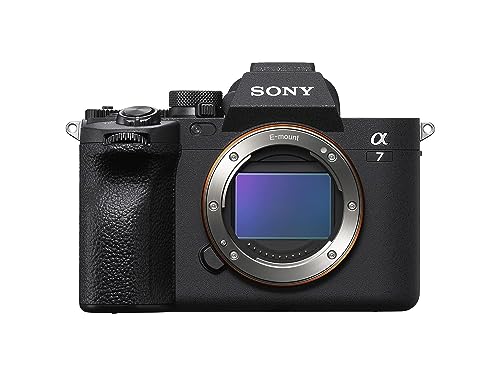
The A7 IV is the night beginner’s safety net woven from dynamic range. Its full-frame sensor produces files that forgive the beginner’s two universal night errors — underexposing from fear of high ISO, and misjudging mixed light — because the shadows lift cleanly in editing and the colours stay true while being rescued. A beginner can shoot a night market at sensitivities their instructor would have called impossible a generation ago, come home, and discover the photographs are not merely usable but beautiful. That forgiveness is pedagogically precious: it converts the night from an exam into a playground while technique catches up.
Sony’s autofocus is the second gift: it finds faces and eyes in light levels where the photographer is guessing, which makes night portraits and evening events — the beginner’s most-wanted night subjects — a matter of composition rather than prayer. The lens economics complete the case, because the night is shot on fast primes and Sony’s mount offers them at every price, including the third-party shelf where student budgets live. A beginner can assemble a genuine night kit — body, one fast normal prime, one fast wide — inside this system without professional money.
Its demands are the familiar Sony ones: menus that reward a setup evening, default colour that is accurate rather than flattering, and a body price that makes it a considered purchase for a beginner. The night, however, is where those demands pay rent — the files’ flexibility is precisely a night feature, since night photographs are the ones that always need the edit’s help.
Choose it if your nights will be varied — city, events, travel, sky — and you want one camera whose sensor never gives you a reason to go home early. It is the all-round night recommendation for beginners who are serious about the dark.
Start it with the fast prime rather than living on the kit zoom after dark; the pairing is the difference between a camera that copes with night and a kit that courts it.
- Format: full-frame mirrorless, interchangeable lenses
- Night strength: clean high-ISO files, deep dynamic range
- Autofocus: face and eye detection in very low light
- Lenses: fast primes at every price, including third-party
- Growth: Sony system from beginner to cinema
Strengths
- Forgives beginner exposure errors in the edit
- Autofocus works where the photographer’s eyes give up
- Fast-lens path at genuine student prices
Trade-offs
- Menus reward a setup evening
- Default colour is honest, not flattering
- Body price is a commitment for a beginner
Best for: a serious beginner whose nights span city, events and travel.
Not suited for: a casual beginner who wants the camera to decide everything.

Canon EOS R6 Mark II — Best for night people and events
If the A7 IV is the night’s safety net, the R6 Mark II is its dance partner. Canon built this camera for the hours when people gather — weddings, gigs, evening streets, family celebrations that run past bedtime — and its high-ISO performance keeps faces clean and colours true under the worst mixed light a beginner will meet: tungsten rooms, LED stages, the greenish curse of cheap venue lighting. Canon’s colour science earns its legend precisely here, rendering skin as skin while lesser systems render it as evidence.
The stabilisation is the beginner’s second blessing. Paired with the sensor, it lets a beginner hand-hold evening scenes at shutter speeds that would be blur on lesser bodies — the lit street, the café portrait, the monument after dark — postponing the tripod purchase until long exposures become an ambition rather than a necessity. Its autofocus tracks eyes through dim rooms with a confidence that makes the photographer look more experienced than they are, which at a family event is a social service.
The costs are the flagship-class ones: price, size, and lenses whose best examples are professional commitments. A beginner should buy it as the S5II and A7 IV are bought — as a multi-year foundation — and should fund the fast prime with the body, because Canon’s night magic is a sensor-and-glass duet. Beginners on a strict budget will find the same colour philosophy, at a lower night ceiling, in the R50 at this list’s friendly end.
For the beginner whose night is people — and for most beginners it is, whatever the brochures say about star trails — this is the recommendation. Its photographs of faces after dark are the ones that get framed.
It also moonlights superbly: the night beginner who shoots a friend’s wedding as a favour will find this is the camera the professionals at the same wedding are carrying.
- Format: full-frame mirrorless, interchangeable lenses
- Night strength: high-ISO grace with true skin colour
- Stabilisation: in-body, for handheld evenings
- Autofocus: eye tracking through dim rooms
- Growth: Canon RF system to professional glass
Strengths
- Faces after dark are its signature triumph
- Handheld evenings without tripod anxiety
- Colour that survives terrible venue light
Trade-offs
- Flagship-class price and size
- Best lenses are professional commitments
- More camera than a tentative beginner needs
Best for: a beginner whose nights are people, events and celebrations.
Not suited for: a beginner on a strict budget or shooting only landscapes.

Panasonic LUMIX S5II — Best handheld night camera
The S5II’s night argument is that the tripod is optional longer than anyone expects. Its in-body stabilisation is the strongest in this line-up’s company, and in the dark that translates directly into photographs: sharp handheld frames at shutter speeds where other cameras smear, city scenes shot from a doorway’s shelter, blue-hour streets captured on a walk rather than an expedition. For the beginner — who does not yet own a tripod, does not yet plan shoots, and photographs the night as it happens to them — that stabilisation is the difference between a night hobby and a night theory.
Its low-light focusing and monitoring serve the same philosophy. The autofocus, rebuilt with phase detection, works confidently in dim scenes, and the video-born monitoring tools — the beginner can borrow the waveform to judge a night exposure honestly — make it the most instrument-like teacher here after dark. Panasonic’s colour behaves in the grade, so the beginner learning to lift night shadows finds files that cooperate, and its cooling and stamina suit the long night shoots — events, timelapses, the patient astronomy evening — that end other cameras early.
The trade-offs are size and ecosystem scale: it is a substantial body, and the L-mount’s lens shelf, while good and growing with excellent affordable primes, is not Sony’s bazaar. Its autofocus, though transformed, still cedes the last degree of subject-tracking sorcery to Sony and Canon. None of that dims its night case, which is about the photographs a beginner actually takes between sunset and bedtime, handheld, in real streets.
Choose it if your nights are walked rather than tripod-mounted — travel, city, events — and you want the camera to hold the frame steady while you learn to see. It is the night beginner’s most forgiving pair of hands.
Pair it with one fast prime and the stabilisation duet becomes a night kit that fits in a small bag and fears no evening itinerary.
- Format: full-frame mirrorless, interchangeable lenses
- Night strength: class-leading stabilisation for handheld work
- Monitoring: waveform and pro exposure tools
- Autofocus: phase-detection system, confident in dim light
- Growth: L-mount lenses with strong affordable primes
Strengths
- Handheld night photographs where others blur
- Monitoring tools teach honest night exposure
- Stamina for events and long night shoots
Trade-offs
- Substantial body to carry all evening
- Lens shelf smaller than Sony’s
- Autofocus cedes the last degree to Sony and Canon
Best for: a travelling, walking beginner who shoots nights handheld.
Not suited for: a studio beginner or a tripod-always landscape purist.

Fujifilm X-T5 — Most beautiful night look
The X-T5 makes the night look like a film still, and for many beginners that look is the entire ambition. Fujifilm’s film simulations were designed for exactly the night’s palette — sodium orange, neon signage, blue shadow — and render it with a grain and colour that turn a beginner’s rainy street into cinema without an edit. Its high-resolution sensor and the system’s fast primes give the night detail to match the mood, and the whole camera encourages the slow, deliberate shooting that night rewards: dials you can set by touch, a viewfinder that shows the exposure’s effect as you compose.
Its night files have a particular printable quality worth naming for the beginner who dreams of walls: the grain the sensor and simulations produce at high sensitivity reads as texture rather than damage, so night photographs from this camera hang well at sizes where cleaner, smoother files can look sterile. Night photography was born grainy; the X-T5 is the pick that remembers it fondly and exploits it deliberately.
Those dials are a night feature in themselves. Shutter and ISO sit on physical wheels your fingers find in darkness, with gloves, without waking a menu’s glow to ruin your night vision and your photograph’s mood. Beginners learn night exposure on this camera the way musicians learn scales — by touch, repeatedly, until the settings are in the hands. The film simulations complete the pedagogy by making every experiment immediately, visibly beautiful, which is the encouragement that carries a beginner through the night’s steep first month.
Its ceilings are the system’s: an APS-C sensor that asks a stop more of technique than the full-frame trio in the deepest dark, autofocus that serves deliberate scenes better than chaotic ones, and a price that buys commitment. Night street, travel, portrait and city work — the beginner night’s heartland — sit squarely inside its talents, and its files print with a character owners describe the way people describe a favourite film stock.
Choose it if your night photography is a look you are courting — the cinematic street, the moody portrait, the travel evening — and you want the camera to be a collaborator in that look rather than a neutral recorder of it.
It is also the night pick most likely to be carried on nights when no photograph is planned, which is when the unplanned ones happen.
- Format: APS-C mirrorless, interchangeable lenses
- Night strength: film simulations for the night’s palette
- Handling: physical dials operable by touch in darkness
- Sensor: high resolution for detailed night scenes
- Growth: Fujifilm X fast primes with character
Strengths
- Night photographs that look like film stills, in-camera
- Dials teach exposure by touch, gloves and all
- Encourages the slow shooting the night rewards
Trade-offs
- APS-C ceiling in the deepest darkness
- Autofocus for deliberate scenes, not chaos
- Premium price for a beginner body
Best for: a beginner courting a cinematic night look.
Not suited for: an events beginner needing tracking autofocus above style.

Nikon Z50 II — Best beginner-priced night learner
The Z50 II is where honest night photography starts at a beginner’s price. Its APS-C sensor will not match the full-frame trio at the extremes — no honest guide should pretend otherwise — but within the night’s populated territory, the lit street, the evening portrait, the blue-hour landscape, it produces files a beginner can be proud of, and it teaches the techniques that matter more than sensor size: bracing, timing, fast lenses, and the discipline of the tripod when the light truly goes. Beginners who learn those on this body find their photographs limited by their craft for years, which is exactly where a learner wants the limit to be.
The body’s teaching equipment is the real photographer’s kit: a bright viewfinder that composes night scenes more honestly than a washed-out screen, twin dials for the exposure adjustments night constantly demands, and autofocus with subject detection that works respectably into the dim. Nikon’s colour stays natural under mixed light, and the files reward the beginner’s first editing experiments with more depth than the price suggests.
Its night growth path is the system’s: the affordable fast prime transforms it after dark, as it does every body here, and Nikon’s brighter zooms and the full-frame Z bodies wait above without orphaning a single lens or habit. Buy the Z50 II and the prime as a pair when the budget allows, and the pair is a night kit that will serve a beginner deep into their development.
One more of its night virtues is the way it handles being a student instrument in public: it looks like a photographer’s camera, works quietly, and its screen and finder both stay composed in dark venues where a glowing phone-screen workflow would announce itself. Beginners photographing evening events — school concerts, community theatre — will feel the difference in how little attention the camera draws, and attention avoided is photographs gained.
Choose it if the budget is real but the ambition is too — it is the night learner’s honest instrument, and its photographs will embarrass beginners who spent twice as much and learned half the technique.
It also remains, in daylight, the keen beginner’s all-rounder of our general guide — the night is an addition to its talents, not a specialisation that costs the day.
- Format: APS-C mirrorless, interchangeable lenses
- Night strength: honest sensor, bright viewfinder
- Handling: twin dials for night adjustments
- Autofocus: subject detection into dim light
- Growth: Nikon Z system, affordable fast prime
Strengths
- Real night craft at a beginner price
- Viewfinder composes night scenes honestly
- Files reward early editing experiments
Trade-offs
- Sensor ceiling below the full-frame trio
- Needs the fast prime to show its night best
- Stabilisation lives in lenses, not the body
Best for: a keen beginner on a real budget who will learn technique.
Not suited for: a beginner wanting the camera to defeat darkness unaided.

Canon EOS R50 — Friendliest first night camera
The R50’s night pitch is kindness. Its guided modes explain the settings the night demands in plain language, its Creative Assist lets a beginner ask for the night look — brighter, softer background — and learn the real controls behind the result, and Canon’s colour keeps faces warm and believable under the lamps of a first evening out with a camera. For the beginner whose night photography is family evenings, holiday streets and the fairground’s lights, it produces joyful photographs from the first attempt, which is the outcome that creates a night photographer.
Technique still matters, and the R50 teaches it gently: its screen shows exposure effects live, its autofocus finds faces in the fairground gloom, and its small size means it is actually in the bag on the evening walk where the full-frame owners left theirs at the hotel. The system’s inexpensive fast prime is the famous unlock — on this body it transforms dusk from a struggle into a speciality, and the pair together cost less than most single bodies in this guide.
The ceilings are the class’s and should be named plainly: the APS-C sensor works harder in true darkness, there is no in-body stabilisation, and the simplified controls will eventually send a keen night photographer up the range — into the same Canon system, lenses intact, which is the graduation this guide designs for everywhere. None of that prevents a season of beautiful nights, and the beginner who outgrows an R50 has been taught by it, not failed by it.
Choose it for a first night camera without fear: a gift, a family’s shared camera, a student’s companion. Its nights will be warmer, easier and more frequent than any rival’s at the price.
And frequency is the beginner’s real curriculum — the R50’s lightness means more evenings out, and more evenings out means more night photographs, and more night photographs means a night photographer.
- Format: APS-C mirrorless, interchangeable lenses
- Night strength: guided modes and Canon colour
- Handling: light body, articulating screen
- Autofocus: face detection in evening light
- Growth: Canon RF system, famously affordable prime
Strengths
- The kindest first night a beginner can buy
- Present on every evening walk due to its size
- Prime pairing unlocks dusk at a tiny total price
Trade-offs
- Sensor works hardest in true darkness
- No in-body stabilisation
- Keen learners will graduate within the system
Best for: a first-time night photographer wanting ease and warmth.
Not suited for: an astrophotographer or a deep-darkness specialist.
How Do the Six Night Cameras Compare Side by Side?
| Pick | Key specification | Standout trait | Watch out for |
|---|---|---|---|
| Sony Alpha 7 IV | Full-frame | Forgiving files, focus in the dark | Menus and honest colour |
| Canon EOS R6 Mark II | Full-frame | Faces under bad light | Price and size |
| Panasonic LUMIX S5II | Full-frame | Handheld stability | Body size, smaller lens shelf |
| Fujifilm X-T5 | APS-C | Film look, dials by touch | Deep-dark ceiling |
| Nikon Z50 II | APS-C | Honest learner’s instrument | Needs technique and a prime |
| Canon EOS R50 | APS-C | Kindness and colour | Simplified controls later |
The table’s first divide is forgiveness. The full-frame trio absorb beginner error — in exposure, in light, in focus — and hand back photographs; the APS-C trio return the error more honestly and teach faster because of it. Neither is superior in the abstract: forgiving cameras build confidence and portfolios, honest cameras build technique, and most beginners need confidence first and technique immediately after, which is why this list is a ladder rather than a verdict.
The second divide is how the night is held: stabilisation and high ISO for the handheld evening walk — Panasonic and Canon’s home ground — against the tripod-and-patience school where every pick here can play once the beginner buys the support. Decide which night you will actually photograph — the walked one or the waited one — and the shortlist shortens itself.
What Settings Actually Work at Night? A Beginner’s Starting Point
Begin with the blue hour, the forty minutes after sunset when the sky still holds colour and the lamps have lit — the night at its most forgiving and most beautiful. Set the camera to aperture priority, open the lens wide, let ISO ride automatic with a sensible ceiling, and watch what the camera chooses: those readings are your first night lesson, delivered on your own photographs. As darkness deepens, the triangle’s negotiation begins — shutter slows until movement blurs, ISO climbs until grain argues, aperture is already open — and the beginner’s skill is choosing which compromise each scene prefers: still scenes can pay in shutter, moving people must be paid for in ISO.
Learn your own camera’s honest ISO ceiling by experiment, not by forum: photograph the same dim room at rising sensitivities and inspect the results at the size you actually share and print. Every pick here will surprise a beginner raised on old fears — the full-frame trio remain handsome at sensitivities that sound like typos, and the APS-C bodies are fine well into the range night streets require. Grain, when it comes, is not failure; a sharp, grainy photograph of a moment defeats a clean blur of it in every album ever made.
Finally, expose for the lights’ story: night scenes fool meters with their darkness, and a deliberate underexposure often preserves the lamps, the neon and the mood that made you raise the camera. The exposure compensation dial is the night beginner’s most-used control — on the X-T5 it is a physical wheel, and its owners develop the habit fastest for a reason.
Do You Need a Tripod for Night Photography?
For the night’s still half — landscapes under stars, city long exposures, silky water, light trails — yes, eventually, and it is the cheapest transformation in this guide: a tripod turns every camera here, including the R50, into a long-exposure instrument whose ISO can stay low and whose files turn pristine. Buy a sturdy one rather than a tall one, learn to hang your bag from it in wind, and use the camera’s timer or remote release so your hand’s tremor is not in every frame.
For the night’s moving half — streets, people, events, travel evenings — the modern answer is that stabilisation and fast lenses have postponed the tripod further than beginners are told. The S5II and R6 Mark II hand-hold scenes their owners expect to lose; the fast prime on any body buys shutter speed no stabilisation can. The beginner’s correct order is prime first, tripod second, and the tripod bought for a named ambition — star trails, the waterfall at dusk — rather than as a general tax on starting.
Improvisation covers the gap honourably: walls, railings, a folded jacket, the camera’s timer and a held breath have made more beginner night photographs than any accessory. Technique is portable in a way equipment is not, and the night rewards the resourceful out of all proportion.
How Do You Focus When It Is Too Dark for Autofocus?
Every night beginner meets the moment: the camera hunts, the scene is right there, and the photograph evaporates. The escapes, in order of speed, are these. Aim the focus point at a contrast edge — a lit window’s frame, a face against darkness, the horizon’s line — because autofocus reads contrast, not subjects. Use the camera’s focus assist light or a phone’s torch briefly to give it something to hold, then recompose. Or switch to the photographer’s permanent solution: manual focus with the camera’s magnification and peaking, which every pick here provides, focusing on the brightest point in the scene — a distant lamp is a focusing star that never moves.
For the sky, the ritual is fixed: in daylight or dusk, focus the lens on something at true distance, note or tape the position, and after dark trust it rather than the barrel’s infinity mark, which lies by design margins. Stars themselves, magnified on screen, are the final arbiter — a beginner who learns to focus on a star owns night focusing forever, because every other subject is easier.
Practise the whole ladder at home in a dim room before the night out depends on it. Focusing in the dark is a skill with a learning curve of about one evening, and it is the single technique that most separates beginners who fear the night from beginners who collect it.
How Do You Photograph People at Night Without Ruining the Mood?
The beginner’s instinct — the camera’s flash — is the mood’s assassin: it flattens faces, kills the background’s lights and announces a photograph rather than taking one. The night portrait’s real recipe is position: place your person near the light that already exists — the café window, the street lamp’s edge, the fairground’s glow — and let the fast prime and the camera’s high-ISO grace do what the flash promised. Faces a step from a window at night are lit like cinema, and every camera here can record it.
Settings follow the recipe: aperture wide, shutter fast enough for a breathing subject, ISO paying the difference, and focus on the nearer eye — the autofocus systems of the Sony and Canon picks were built for exactly this assignment and perform it in light your eyes find romantic rather than sufficient. Warm the white balance a touch toward the lamps and the skin stays human; leave it automatic and mixed light will argue with itself across the face.
The R6 Mark II is the specialist recommendation for this work and the R50 its budget echo, because Canon’s colour defends skin under bad light like a friend. But the technique outranks the badge: a Z50 II beginner who positions by windows will out-portrait a flagship owner firing flash in a car park, every night of the year.
How Do You Start Photographing the Night Sky as a Beginner?
Astrophotography’s beginner chapter is kinder than its reputation. You need darkness — a drive beyond the town’s glow — a tripod, and the wide, fast end of your lens shelf. The recipe is stable across all six picks: manual focus on a bright star, aperture wide, ISO high, and exposures short enough that the Earth’s rotation does not trail the stars — a duration your lens’s width decides, learned by one test frame and a zoomed inspection. The full-frame trio gather more light per frame; the APS-C bodies produce lovely skies with the same recipe and a little more patience.
Compose like a landscape photographer, because you are one: the sky is half the frame’s drama and the land is the other half, and a foreground — a tree, a tent’s glow, a ridge — is what turns a star field into a photograph. Shoot during the blue hour’s end for the easiest version, when some light remains in the sky and the land still reads, and let true darkness wait for your second expedition.
Expect the first night to teach rather than yield, and go with company or a charged phone and a warm layer, because night-sky photography is cold, slow and quietly addictive. The beginner who persists owns a genre where their camera — any camera here — is not the limiting factor for years; the sky is generous to technique and indifferent to budgets.
How Do You Keep Night Photographs Sharp Without a Tripod?
Sharpness handheld at night is a technique stack, and every layer is free. Stance first: feet apart, elbows into the body, the camera braced against the face — the viewfinder bodies here gain a stop of steadiness from posture alone. Breath next: expose at the end of an exhale, the marksman’s trick, and squeeze the shutter rather than pressing it. Then the burst: fire three frames of the still scene and keep the sharpest, because one of them will have landed between tremors — professionals have used this since film, and digital made it free.
Technology adds its layers on top: the stabilisation of the S5II and R6 Mark II is worth real seconds of shutter, lens stabilisation helps the others, and leaning — on a wall, a railing, a companion’s patient shoulder — converts architecture into equipment. Set the camera’s minimum shutter with intent rather than hope, and let ISO rise to defend it; a grainy sharp frame is a photograph, a clean blurred one is a screensaver.
Practise the stack on the walk home from anywhere, because handheld night sharpness is a perishable skill that rewards reps. The beginner who masters it finds the tripod becoming a creative choice for long exposures rather than a crutch for ordinary darkness — which is the exact relationship the professionals have with theirs.
How Do You Photograph City Lights and Traffic Trails as a Beginner?
The city’s night is a light-painting studio that charges no admission. Traffic trails — the red and white ribbons of long exposures — are the beginner’s first magic trick, and the recipe is pure patience: tripod, low ISO, small aperture, an exposure of seconds, and a viewpoint above a road’s curve where the ribbons compose themselves. Every camera here performs it identically well, because at base ISO on a tripod the sensor hierarchy falls silent and only the photographer’s position speaks. That is worth a beginner’s meditation: long-exposure night is the genre where equipment matters least and seeing matters most.
Reflections double the city’s generosity after rain, when every lamp and sign is painted twice, once on the wet pavement. The beginner’s discipline is exposure honesty: the scene’s highlights — the signs, the headlights — clip eagerly, so underexpose deliberately and let the shadows be the velvet the lights sit on. The waveform and histogram, checked once per position, teach this faster than any tutorial.
Safety and courtesy are part of the urban night craft: stay visible, stay aware, keep the tripod out of the pedestrian flow, and never let a composition talk you into a road’s live lanes. The city’s best night viewpoints are its bridges, steps and café windows — places a beginner can work slowly, warmly and legally, returning weekly as the seasons change the light’s angle and the streets’ decorations.
How Should a Beginner Handle White Balance and Colour at Night?
Night is where automatic white balance goes to improvise, because the scene contains three colour temperatures at once and the camera must betray two of them. The beginner’s liberation is choosing the betrayal deliberately: set white balance for the light your subject stands in — the lamp’s warmth for a portrait, daylight for a neon street you want to stay electric — and let the rest of the scene fall into atmospheric contrast. Mixed light, chosen, is cinema; mixed light, accidental, is a colour cast.
Shoot raw if your editing curiosity has woken, because white balance is the one decision raw files let you remake completely at home — a night-specific argument for the format that daylight does not make as strongly. The Fujifilm path offers the alternative philosophy: a film simulation chosen in the field is a white-balance-and-colour commitment made at the moment of maximum knowledge, and its owners’ nights have a consistency editors envy.
Learn each of your regular night places as a colour environment — your street, your station, your waterfront — because night colour is local and repeatable in a way daylight is not. The beginner who knows their own streets’ palette by heart is already most of a night photographer; the camera’s job is merely to keep up, and all six here do.
How Do You Stay Safe and Considerate While Photographing at Night?
A beginner’s night guide owes its readers the unphotogenic paragraph. Work in lit, populated places while you learn; tell someone your route on the solitary expeditions; keep the camera’s strap worn properly and your awareness wider than your viewfinder, because a person composing through an eyepiece is a person not watching their surroundings. Tripods belong out of thoroughfares, and a photographer who blocks a pavement at night is a hazard wearing a hobby.
Consideration runs the other way too. Night streets contain people who did not consent to be a film set: photograph the scene’s light and life with the discretion you would want aimed at your own street, be ready to lower the camera at a word, and remember that a long lens at night reads differently to its subject than the same lens at noon. The night photographer’s traditional ethics — unobtrusive, unhurried, ungreedy — are also, not coincidentally, how the best night photographs get taken.
None of this dims the enterprise. The night is a generous, mostly empty studio, and the beginner who works it considerately will be welcomed back by it weekly — the same streets, the same lamps, deepening acquaintance. Photography at night is a relationship with a place after dark, and relationships reward the considerate.
What Mistakes Do Night Beginners Make?
Fearing high ISO. Beginners underexpose to keep ISO low, then lift pitch-black files in editing and meet worse noise than the ISO would have given them. Expose properly at the sensitivity the scene demands — modern sensors, and the full-frame trio especially, are far braver than old advice.
Using the built-in flash on people. It murders the mood, flattens the face and blacks the background. Move the person to the light that exists, open the aperture, and let ISO pay — the portrait will look like the evening felt.
Trusting autofocus on a featureless dark subject. It will hunt while the moment leaves. Focus on a contrast edge, use the assist light, or go manual with magnification — and practise the ladder at home before the night depends on it.
Judging night photographs on the camera’s bright screen. In darkness the screen lies optimistically; the histogram and a shaded review at home tell the truth. Slight underexposure protects the lights that make the scene.
Leaving the lens cap’s lesson unlearned: night dew. A cold camera in damp night air fogs its lens quietly, and the beginner’s soft photographs are sometimes weather, not focus. Acclimatise the camera, keep a cloth in the pocket, and check the front element when a scene looks suspiciously dreamy.
Shooting only in full darkness. The blue hour is the night’s beginner classroom — lamps lit, sky coloured, exposures kind — and beginners who start there build the skills that true darkness then rewards.
Final Recommendation
For the beginner who wants the night in full, the Sony Alpha 7 IV is the recommendation: forgiving files, autofocus that sees in the dark, and fast lenses at every price. The Canon EOS R6 Mark II is the people-at-night specialist, the Panasonic LUMIX S5II the handheld walker’s instrument, and the Fujifilm X-T5 the choice when the night must look like cinema. At beginner prices, the Nikon Z50 II teaches the craft honestly and the Canon EOS R50 makes the first nights kind.
Whichever you choose, the curriculum is the same: start in the blue hour, buy the fast prime before anything else, learn the focusing ladder, and let ISO be a tool rather than a terror. The night is half of photography’s world and most beginners never enter it — which means the beginner who does, with any camera on this page, is suddenly photographing the half of the world with no queue.
Related guides
Frequently Asked Questions
What ISO can I actually use at night with these cameras?
Far higher than beginner folklore suggests. The full-frame trio produce handsome files at sensitivities that would have been unusable a generation ago, and the APS-C bodies stay pleasing through the range ordinary night streets need. The honest method is personal: photograph a dim scene at rising ISO, view the results at your real sharing and printing sizes, and set your own ceiling from evidence — then shoot to it without anxiety and expose properly, which matters more than the number.
Do I need a fast lens for night photography?
It is the single most valuable night purchase, ahead of any body upgrade. A fast prime lets in multiples of the kit zoom’s light, which the camera spends on faster shutters and lower ISO simultaneously — the whole night equation improves at once. Every system here offers an affordable one, and this guide’s repeated advice is to pair any body with it before buying anything else for the dark.
Why are my night photos blurry even on a tripod?
Usually one of three culprits: the timer or remote release was not used, so your hand is in the frame; stabilisation was left on, and on a tripod it can hunt and soften long exposures — switch it off when the camera is supported; or the focus was set by autofocus on a dark, low-contrast point and quietly missed. The ritual — support, timer, stabilisation off, manual focus checked magnified — cures nearly every case.
Can a beginner camera like the R50 really photograph the night?
Yes, within the honest borders this guide drew: lit streets, evenings, blue-hour landscapes, family nights and fairgrounds are all squarely within its talents, especially with the fast prime paired. Deep astrophotography and the darkest handheld work belong to the bigger sensors — but the night most beginners actually want to photograph is the populated, lamplit one, and there the R50 is not a compromise. It is a recommendation.
What is the blue hour and why do beginners start there?
The blue hour is the period after sunset — and before sunrise — when the sun is below the horizon but the sky retains a deep blue light, while lamps, windows and signs are already lit. Exposures are kind, colours are extraordinary, and the contrast between warm light and blue shadow is the night photograph’s classic palette. It is the beginner’s classroom because everything true darkness teaches is present there at half the difficulty.
How can I practise night photography safely and productively in my own neighbourhood?
Choose a short loop you already know in daylight, ideally passing a lit shopfront, a bridge or underpass with steady foot traffic, a quiet residential corner and one wider view where sky still matters, then walk it once without a camera as evening falls. Notice which lamps flicker, which pavements stay busy, where reflections gather after rain and which spots feel exposed or awkward for standing with a tripod, because local knowledge removes most of the unease beginners mistake for technical difficulty. Tell someone your route and return time, keep one ear free if you wear headphones, dress so you remain visible near roads, and set the tripod where pedestrians need not step around you into traffic. Work the loop in deliberate passes: on the first, chase only colour contrasts between sodium warmth, cool signage and deepening sky; on the second, stay longer at one location and vary exposure and framing around a single subject such as a window, a waiting bus or wet stone steps. Head home while you still have energy to review the files warmly, marking two frames worth revisiting on a clearer or mistier night. A familiar circuit practised this way becomes a laboratory you can return to across seasons, and progress shows quickly when the streets stay constant while your seeing changes. Over several outings, vary only one condition at a time on that same circuit: return after rainfall for reflections, on a colder evening for clearer skies, or slightly earlier for a longer blue interval, and compare how the identical corners transform. This controlled repetition teaches the night faster than wandering new districts, because every difference in the frame can be credited to light and weather rather than to an unfamiliar location. Soon you will know instinctively which local scene deserves a rushed return when mist rolls in or a festival switches its illuminations on. Familiar streets, revisited patiently, will quietly become your signature locations rather than mere practice ground.
Related Guides
Keep exploring with best cameras for beginners night time photography tips and best cameras for astrophotography beginners and best cameras for begining photographers.


