ilcastellomenu.com is reader-supported. When you buy through links on our site, we may earn an affiliate commission.
Where to Buy
A reference photograph is not a failed painting subject or a shortcut around drawing. It is a working document — the frozen light, anatomy and texture that an artist consults for hours, zoomed into corners no gallery visitor will ever see. The best cameras for reference photos are therefore judged by a studio’s criteria, not a holiday’s: colour that tells the truth about a model’s skin and a still life’s plums; detail that survives being enlarged on screen until a single whisker fills it; consistency, so that Tuesday’s photograph of the sculpture matches Monday’s; and a workflow that puts the image on the studio monitor, tethered or wireless, before the pose collapses and the model goes home.
Reference work has species, and they divide this guide. The figure and portrait reference wants skin rendered honestly — neither the beautified smoothness of a portrait lens’s marketing nor a clinical harshness that invents pores. The still-life and material reference wants micro-contrast and colour separation: the difference between velvet and felt, between oxidized copper and painted plastic, recorded so faithfully that the painting can be built from it months later. The location and atmosphere reference — the landscape painter’s sky studies, the concept artist’s industrial decay — wants dynamic range, to hold the cloud’s modelling and the shadowed doorway in one frame. And the quick reference — the animator’s gesture snaps, the sculptor’s turntable series — wants a camera that is simply there, fast, in the studio’s corner.
Six cameras serve those species here. Two full-frame and high-resolution bodies anchor the serious studio. A colour-famous fixed-lens compact serves the painter who works from life and photographs as they go. Two smaller mirrorless bodies cover the studio that shares its camera with the world outside. And an instant camera — discussed on its own strange merits — serves the reference purpose nobody expects: the photograph that can be pinned, annotated and lived with on the studio wall. Read for your medium, because the painter, the sculptor and the digital concept artist are buying three different cameras that happen to share a name.
Key Takeaways
- Reference photos are working documents: truth of colour, enlargeable detail and consistency outrank beauty.
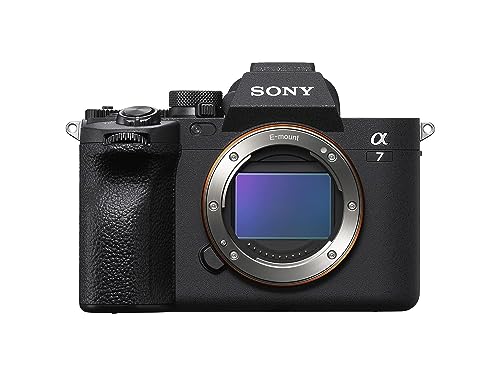
- The Sony Alpha 7 IV is the studio anchor — resolution with crop room, tethering, honest colour.
- The Canon EOS R6 Mark II renders skin and warm material with particular truth.
- The Fujifilm X100VI is the painter’s companion — film-like colour, always carried, life-first.
- The Canon EOS R10 and Nikon Z50 II are the versatile studio-and-world bodies at sane prices.
- The Fujifilm Instax Mini 12 serves the wall: instant prints to pin, annotate and work beside.
In this guide
Quick Picks
| Camera | Badge | Why it earns its place |
|---|---|---|
| Sony Alpha 7 IV | Best studio reference camera | High resolution for the zoomed-in consultation, tethered workflow, dependable colour. |
| Canon EOS R6 Mark II | Best for figure and skin reference | Colour science that renders flesh and warm materials with unusual honesty. |
| Fujifilm X100VI | Best painter’s companion | Beloved colour and a fixed lens that teaches seeing; the camera that is always at the easel. |
| Canon EOS R10 | Best versatile studio value | Sharp, friendly and affordable — reference and general photography in one small body. |
| Nikon Z50 II | Best for detailed study series | Crisp files, fine handling and colour that grades gently for matched series. |
| Fujifilm Instax Mini 12 | Best for the studio wall | Instant prints to pin beside the canvas and annotate as the work develops. |
How Did We Choose Cameras for Reference Work?
We tested the way artists actually consult photographs. A model’s portrait was enlarged until the catchlight became a landscape; a still life of copper, velvet and fruit was photographed under the studio’s north light and under its lamps, and the files were interrogated for the lies cameras tell — the red that slides orange, the shadow that fills with noise, the highlight that clips the plum’s bloom into white plastic. Series consistency was tested across a sculptor’s turntable set: forty frames that must agree in exposure and colour or the modelling reference falls apart. And workflow was timed from shutter to studio screen, because the reference that arrives after the pose has ended is an obituary, not a tool.
Two popular criteria were deliberately demoted. Video — this pool’s usual headline — matters here only for the sculptor’s turntable films and the process documentation some artists keep; stills quality leads. And autofocus speed, the sports photographer’s god, yields to autofocus accuracy at deliberate distances and to the manual-focus aids — peaking, magnification — that studio work actually uses. The result is a ranking that will look eccentric to a generalist and obvious to anyone who has ever painted from a photograph that lied to them.
Why Does Colour Truth Matter More Than Colour Beauty?
Because the painting inherits the photograph’s errors, amplified. A camera that warms skin toward the golden will produce, three weeks later, a portrait whose sitter appears gently jaundiced; a camera that saturates reds for punch will turn the still life’s careful distinction between madder and crimson into a single shout. The reference artist needs the camera as a witness, not an advocate — and witness-quality colour is a specific, testable virtue: neutrals that stay neutral under mixed light, skin tones that hold their subtlety, and a raw file with the latitude to be corrected to the colour checker rather than to the manufacturer’s taste.
Every body in this guide shoots raw, and the studio discipline that completes them is the grey card and the colour checker in the first frame of every session. That single habit — one frame, known colours, the session calibrated against it — is worth more to reference truth than any difference between these cameras’ sensors. Buy the camera whose handling makes you keep the habit, and calibrate like a professional: the painting you save is your own.
What Detail Does Reference Work Actually Need?
More than the print, less than the marketing. The artist consulting a reference zooms to the equivalent of a print several feet wide — the eye’s construction, the fabric’s weave, the leaf’s damage — and the file must hold together there: real resolution, cleanly rendered, without the watercolour smearing that aggressive noise reduction paints over fur and foliage. The high-resolution bodies in this guide earn their place on exactly this test. But the second half of the truth is that lighting and lens discipline contribute more detail than megapixels do: a still life lit rakingly across its textures, at the lens’s honest aperture, on a tripod with a delayed shutter, will out-resolve a handheld flagship frame by a distance no sensor upgrade can close.
Sharpness of a particular kind matters for the sculptor’s and anatomist’s series: edge consistency across the frame, so the turntable’s far side is as trustworthy as its centre, and low geometric distortion, so proportions measured from the photograph are proportions the clay can use. The fixed-lens compact and the prime-friendly systems score quietly well here — one more reason this guide’s ranking serves the studio rather than the specification sheet.
Which Cameras Take the Best Reference Photos?

Sony Alpha 7 IV — Best studio reference camera
The A7 IV is the reference studio’s anchor because it treats the photograph as data. Its resolution gives the consulting artist the zoom — into the eye’s anatomy, the hand’s tendons, the textile’s weave — with detail that holds together as information rather than dissolving into texture soup. Its tethering and wireless transfer put the frame on the studio monitor while the model still holds the pose, so the session can be directed from the image itself: the hand turned two degrees, the light flagged off the forehead, the prop’s angle corrected before it becomes next week’s regret. Its colour, set to a neutral profile and calibrated against the session’s first checker frame, is the witness this guide’s colour sermon demands.
The supporting virtues are the professional’s furniture: dual slots for the session that cannot be reshot — the model is paid by the hour and the hour is gone — a deep lens system containing the macro and the portrait lengths reference work cycles through, and low-light composure for the studio that works by window light alone in winter. Its video, for the turntable series, is more than sufficient. This is the camera a studio buys when reference photography is infrastructure, and it behaves like infrastructure: present, calibrated, boring in the best sense.
Its costs are the system’s — lenses that are investments, a menu depth that wants one careful setup — and its virtues are wasted on the artist who photographs casually. But the studio whose paintings begin as photographs will find no safer foundation in this guide, and its files will still be serving paintings a decade from now.
- Role: the reference studio’s anchor body
- Resolution: zoom-into-the-detail headroom
- Workflow: tethered and wireless to the studio screen
- Colour: neutral profiles, checker-calibrated
- Lenses: macro and portrait lengths in depth
Strengths
- Detail that survives the artist’s zoom
- The session directed from the live image
- Professional reliability for paid-model sessions
Trade-offs
- System cost in body and lenses
- Setup depth before first session
- Over-specified for casual reference
Build its ritual around the checker frame and the tethered review: the first frame calibrates, the monitor judges, the model is released only when the screen says the session succeeded. Studios that adopt that order stop reshooting, and the A7 IV is the body that makes the order feel natural.
Best for: professional and serious studios, figure and still-life reference at publication quality. Not suited for: the artist who photographs rarely, or budgets that end at the body

Canon EOS R6 Mark II — Best for figure and skin reference
Ask portrait painters which camera’s files they trust for flesh and many will name Canon before they can justify it; the R6 Mark II is the justification. Its colour science renders skin’s transitions — the cool shadow at the jaw, the warmth at the cheek, the grey honesty of a winter complexion — with a fidelity that reads as truth rather than flattery, and its low-light performance keeps the life-room’s window light usable deep into the afternoon, at sensitivities where lesser files turn skin to wax. For the figure studio, those are not preferences. They are the difference between reference that teaches anatomy and reference that invents it.
Its stabilisation serves the handheld reference habit — the painter moving around the model, the sculptor circling the maquette — with a steadiness that keeps deliberate frames sharp at humane shutter speeds. Its autofocus finds the eye and stays there through the pose’s small life. And its files grade gently, forgiving the mixed-light room where the north window and the tungsten practical disagree about everything.
Resolution is its honest concession: the A7 IV holds more zoom-in reserve for the most extreme enlargements. The figure artist whose consultation is at easel distance rather than microscope distance will never spend that reserve — and will spend the Canon’s colour truth in every session. Choose by your zoom, and choose without anxiety either way.
- Role: figure, portrait and warm-material reference
- Colour: skin rendered with unusual truth
- Low light: window-lit life rooms, late afternoons
- Stabilisation: handheld circling of the subject
- Files: gentle grading under mixed light
Strengths
- Flesh tones the painting can trust
- The life room’s light, used to the last hour
- Handheld reference without the blur tax
Trade-offs
- Less enlargement reserve than the Sony
- System lenses are investments
- Menu depth rewards one setup session
Pair it with the portrait length you will actually carry and a grey card that lives in the life room. The R6 Mark II’s files ask for calibration like any witness — but among witnesses, it has the best memory for skin.
Best for: figure and portrait painters, life rooms, warm still life. Not suited for: extreme-enlargement detail studies, where the Sony’s reserve leads

Fujifilm X100VI — Best painter’s companion
The X100VI is the camera painters actually carry, and reference work is mostly done by the camera that is present. Its fixed lens — a moderate wide that sees the way a composition sees — removes the lens decision from the act of noticing, and its film-simulation colour gives the artist reference with a point of view: the sky study that already feels like the painting’s sky, the street’s atmosphere pre-interpreted toward the canvas. Purists of the checker will note, correctly, that its colour is advocacy rather than witness; the painter’s answer is that reference for a painting is allowed an accent, provided the artist knows it is there — and this camera’s accent is the most loved in modern photography precisely because it leans toward how scenes feel.
Its rangefinder-style handling suits the life-first workflow: photograph the motif, lower the camera, draw; photograph the light’s change, draw again. Its leaf-shutter quiet and its discretion keep it welcome in the life room and the museum’s permitted corners. Its files, from a high-resolution sensor behind that fixed lens, hold far more detail than its size promises — enough for the easel’s consultation and the sketchbook’s archive.
It will not tether a studio session, change its lens for the macro study, or zoom across the landscape for the distant motif. It is a companion, not an infrastructure. But reference photography’s history is mostly companions — the sketchbook camera, the walk-around witness — and in that lineage the X100VI is the current masterpiece.
- Role: the always-carried painter’s reference
- Lens: fixed moderate wide, composition’s view
- Colour: film simulations with a painterly accent
- Handling: rangefinder-style, life-first
- Files: high resolution behind the fixed lens
Strengths
- Present at the moment reference happens
- Colour that leans toward the painting
- Handling that serves drawing, not menus
Trade-offs
- Fixed lens; no macro, no reach
- Colour is advocacy, knowingly
- Not a tethered studio instrument
Carry it as the sketchbook’s sibling — same bag, same walks, same motifs — and let the studio bodies handle the sessions. The reference library it builds, accumulated on foot across a year, is the kind no commissioned session can buy.
Best for: painters and illustrators who gather reference from life. Not suited for: studio sessions, macro material studies, or measured sculptural series

Canon EOS R10 — Best versatile studio value
The R10 brings the studio’s essentials within a sane budget: sharp, well-resolved files from its APS-C sensor; Canon colour that treats skin and material kindly; autofocus that handles the life room’s small movements; and a body light enough that the camera circulates — the studio in the morning, the location scout in the afternoon, the student’s hands in the evening class — gathering reference in every role. For the art school, the shared studio and the artist equipping a first serious kit, it is the value anchor of this guide.
Its reference-specific virtues are practical. The crop sensor’s depth of field is a still-life friend, holding the arrangement’s front-to-back truth at working apertures. Its guided interface makes it the camera a whole class can be taught in one session — and a taught class produces consistent reference, which is a departmental asset. Its lens system shares the R6’s mount family’s future, so the studio that grows into the flagship keeps its glass.
The concessions are the class’s: low light asks the window’s help sooner than the full-frame bodies; the enlargement reserve suits the easel rather than the billboard; a single card slot wants the session offloaded promptly. For the great middle of reference work — teaching, portfolio, the painter’s own archive — those are footnotes to a verdict that is otherwise simple: this is the most reference competence per pound in the guide.
- Role: versatile studio and teaching body
- Sensor: APS-C, still-life-friendly depth
- Colour: Canon kindness to skin and material
- Handling: guided, teachable in a session
- System: grows toward the flagship’s mount
Strengths
- Serious reference quality at an entry price class
- The class and shared-studio favourite
- Circulates between studio and location
Trade-offs
- Low light a step behind full-frame
- Single card slot discipline
- Enlargement reserve is easel-scale
Equip it with the studio’s two habits — the tripod that lives by the still-life table and the checker card in the first frame — and the R10 will produce reference indistinguishable, at working distances, from bodies twice its price. The difference funds a lot of canvas.
Best for: art schools, shared studios, artists equipping seriously for the first time. Not suited for: the darkest life rooms or extreme-detail commissions

Nikon Z50 II — Best for detailed study series
Series work — the sculptor’s turntable, the botanical illustrator’s specimen set, the animator’s rotation studies — is a discipline of sameness, and the Z50 II is this guide’s sameness specialist. Its files are crisp and neutral-leaning, its handling places the controls where a repetitive workflow wants them, and its colour grades with unusual gentleness, so forty frames shot across an afternoon can be brought into exact agreement in the edit without a fight. Where the Canon flatters, the Nikon documents — and documentation is the series’ whole religion.
Its autofocus and subject detection serve the living subjects of reference — the studio dog, the model between poses, the bird at the sanctuary for the wildlife illustrator — with a reliability that keeps a small body in professional company. Its video covers the turntable film and the process record. And its size makes it the second body that actually gets carried to the location reference session, where series are born.
The APS-C concessions echo the R10’s — low light and enlargement reserve a class below the full-frame anchors — and its lens system’s widest native options are still growing into the mount. For the artist whose reference is systematic, whose paintings are built from sets rather than singles, it is the most congenial tool here, and its neutrality will be praised in the studio long after flashier virtues are forgotten.
- Role: turntable, specimen and study series
- Files: crisp, neutral, gradeable into agreement
- Handling: built for repetitive workflows
- Autofocus: dependable on living subjects
- Video: turntable and process records
Strengths
- Series consistency across a long afternoon
- Documentation colour, honestly neutral
- Small enough to attend every session
Trade-offs
- APS-C limits in the darkest rooms
- Wide native lens choice developing
- Enlargement reserve below the anchors
Number the series as you shoot — a slate frame at each set’s head, even a hand-written card — and the Z50 II’s files will reward the habit with an archive that behaves like a measuring instrument. Series artists do not need inspiration from their camera; they need obedience, and obedience is this body’s character.
Best for: sculptors, botanical and scientific illustrators, animators’ rotation studies. Not suited for: single hero portraits at maximum enlargement, or the darkest studios

Fujifilm Instax Mini 12 — Best for the studio wall
The Instax seems, at first glance, to have wandered into the wrong guide: a toy-bright instant camera in a company of studio instruments. Its reference purpose is real and specific — the wall. Artists have always pinned the motif beside the work: the print that lives next to the canvas for the painting’s whole gestation, annotated in pencil, compared at arm’s length in the room’s actual light, immune to screens, software and the archive’s folders. The Instax Mini 12 produces that print in a minute, at a size that pins beautifully, with an exposure system simple enough that the print is never the session’s problem.
Its colour is its own — soft, nostalgic, nothing like a calibrated witness — and for the wall’s purpose that is beside the point, because the wall print is a memory anchor and a compositional companion, not a colour authority. Painters use it for the motif’s gesture; sculptors for the maquette’s silhouette against the studio’s clutter; teachers for the student’s own wall of attempts, which teaches more about progress than any critique. It is the only camera in this guide whose output is a physical object in the room where the art happens, and rooms, not files, are where art happens.
Its limits are absolute and cheerfully admitted: no detail for enlargement, no colour truth, no series discipline, a per-print cost that forbids profligacy. It complements the studio’s real camera; it replaces nothing. But the artist who adds one to the shelf will find the wall — and the work — quietly changed by it.
- Role: instant prints for the studio wall
- Output: physical prints in a minute
- Operation: fully automatic, zero friction
- Use: gesture, silhouette, progress walls
- Colour: characterful, not calibrated
Strengths
- The reference that lives beside the work
- Annotatable, pinnable, physical
- Teaching walls of visible progress
Trade-offs
- No enlargement detail or colour truth
- Per-print cost disciplines the shutter
- A complement, never the studio camera
Date the prints on their white borders and pin them in shooting order; the wall becomes the studio’s diary, and diaries — as this series keeps discovering — are where improvement becomes visible enough to believe in.
Best for: studio walls, teaching, gesture and composition companionship. Not suited for: any reference that must be measured, enlarged or colour-matched
How Do Sculptors Use Reference Differently?
The painter consults a photograph; the sculptor measures from one. Sculptural reference is a geometry discipline: the turntable series at fixed distance and height, the profile and three-quarter and front elevations shot on the same axis the clay will be judged from, the scale reference — a ruler, a hand, a known object — inside the frame rather than remembered outside it. Distortion becomes a professional hazard here, because a wide lens’s stretched proportions, copied faithfully into clay, produce a figure that is wrong in a way the eye feels before it can name. The sculptor’s camera virtues are therefore the surveyor’s: a moderate lens used at a respectful distance, levelling aids used without embarrassment, and series consistency of the kind the Z50 II verdict celebrates.
The maquette workflow adds its own ritual: photograph each stage before the clay moves on, because sculpture’s revisions are irreversible in a way painting’s are not, and the photograph of the destroyed stage is the only road back. Studios that keep that photographic diary — same position, same light, every stage — own a time machine the medium otherwise forbids. It costs one disciplined minute per stage, and it is bought with any camera in this guide; what it cannot be bought with is regret, afterwards, at any price.
What About Reference for Digital, Concept and Photobash Work?
The digital artist’s reference library is a raw-materials yard: skies by the hundred, textures, architecture, costume, decay — gathered to be composited, painted over and transformed. Its camera virtues shift accordingly. Volume and presence lead: the camera that is carried daily, the X100VI’s and the compacts’ country, out-gathers the studio anchor across a year. Dynamic range matters enormously, because a sky whose clouds clip to white cannot be composited into anything but a poster. And the library’s organisation becomes a creative tool in itself — the concept artist who can find “wet granite, raking light, Lisbon” in ten seconds owns a superpower the disorganised artist, with better files, does not.
Rights discipline tightens here too: the photobashed element carries its photograph’s licence into the artwork, so the professional’s library is self-shot or properly licensed, with provenance kept as metadata rather than memory. The cameras in this guide serve that professionalism directly — your own sky, your own granite, your own Lisbon — and the habit of shooting reference speculatively, on every trip, against briefs not yet received, is the digital studio’s equivalent of the painter’s sketchbook walks.
How Should You Light a Still Life for Reference?
As the painting will claim it was lit — which usually means one source, directional, with the shadows allowed to be shadows. The reference photograph lit by the studio’s general ceiling light testifies to a world without a sun, and paintings built from it inherit its flatness like a genetic condition. Set the arrangement by the window or under a single lamp, let the raking angle model the textures, and photograph the set from the painting’s exact viewpoint before photographing it from anywhere else. Then — the discipline that separates reference from souvenir — photograph the same set under the light’s variations the day will offer: morning, noon, the lamp alone. Paintings are built across weeks; the light file should span the conditions the motif will present, so the artist chooses the hour rather than being ambushed by it.
Exposure for reference errs toward the shadows’ information: a highlight can be deepened in paint with conviction, but a shadow the file recorded as black soup offers the brush nothing to interpret. Bracket the still life as a matter of routine — the session’s cheap insurance — and keep the frames together in the archive, because the painting’s third week will interrogate the exposure you least expected to need.
What About Landscape and Atmosphere Reference?
The landscape painter’s reference problem is the sky’s brevity: the cloud structure that justifies the painting exists for ninety seconds, and the camera’s job is to be ready inside them. This is the gathered-reference discipline at its purest — the carried camera, the exposure already set for the sky’s brightness rather than the land’s, the bracket taken without deliberation because deliberation is what the light punishes. Dynamic range is the technical hero here: the frame that holds the cloud’s internal modelling and the valley’s shadowed detail in one exposure gives the painter the whole argument of the scene, and the full-frame anchors and the X100VI’s sensor earn their landscape keep on exactly that test.
Atmosphere reference — fog, rain, the industrial haze, dawn over water — inverts the detail religion entirely: here the camera must record softness faithfully, which is harder than it sounds, because noise and over-sharpening turn mist into grain and grain into a lie about the air. Low sensitivities, patience, and files left alone in the edit are the technique. The painter of atmosphere should judge cameras by their restraint — the clean, quiet file at the light’s worst — and will find the anchors’ low-light composure worth more than any resolution figure in this guide.
How Do the Six Reference Cameras Compare?
| Camera | Reference species | Colour character | Detail reserve | Signature strength |
|---|---|---|---|---|
| Sony Alpha 7 IV | Studio sessions | Neutral witness | Highest here | Tethered, calibrated workflow |
| Canon EOS R6 Mark II | Figure and life room | Truthful warmth | High | Skin rendered honestly |
| Fujifilm X100VI | Gathered from life | Painterly accent | High for its size | Always present |
| Canon EOS R10 | Teaching and general studio | Kind and clean | Easel-scale | Value and versatility |
| Nikon Z50 II | Study series | Neutral documentation | Easel-scale | Series consistency |
| Fujifilm Instax Mini 12 | The studio wall | Characterful | None — by design | The physical print |
Note the table’s deliberate oddity: the cheapest camera here serves a purpose the dearest cannot, because a print on a wall and a file on a drive are different instruments that happen to share an ancestor. Reference work is a ecology of tools, and the studio that understands that buys the ecology rather than a champion.
The colour character column is the purchase in miniature. Decide whether your reference must be a witness, a document or a companion with an accent — the studio’s honesty depends on the choice being conscious — and the right row follows.
How Should a Reference Session Be Run?
Like a sitting, not a shoot. The model — or the still life, or the specimen — is arranged for the artwork’s needs first and the camera’s second, because reference that serves the camera’s convenience produces paintings of the camera’s convenience. Light for the painting’s truth: the direction and hardness the finished work will claim, recorded honestly rather than improved. Shoot the calibration frame — grey card, colour checker, a ruler for the measured subjects — before the first real frame, every session, without exception; it is the session’s contract with its future self.
Then work the subject the way the artwork will interrogate it: the whole, the half, the details the eye will need at the canvas — hands, junctions, the texture’s close country — and the angles the composition rejected, because paintings change their minds and the rejected angle, unphotographed, is the one the painting will demand in week three. Review on the big screen before the pose is released, zoomed to the consultation distance, because reshooting a released pose is the studio’s most expensive sentence. File the session that evening under the artwork’s name, not the date’s — the archive serves the paintings, and paintings are how artists remember time. Add the session’s one-line diary as you file — the light, the model’s notes, the frames already suspected as keepers — because future sessions are planned from those lines, and the archive quietly becomes the studio’s second memory.
What Mistakes Do Artists Make with Reference Photos?
The beautiful lie leads: reference chosen because it flatters, lit like a magazine, coloured like an advertisement — from which the artist paints a beautiful lie at full size, and wonders why the work feels false. Behind it comes the single angle: one photograph, worshipped, from which the painting inherits the camera’s monocular flatness — the cure being the session discipline of wholes, halves and details from several standpoints. Third is the uncalibrated archive: years of sessions under different lights and cameras, unmatchable in the series that suddenly needs them to agree.
One more deserves its paragraph because every studio commits it in its first year: photographing the reference in the painting’s planned crop and light, then discovering — as all paintings discover — that the work wants to become something else. The composition widens; the light in the painting moves to evening; the figure needs the hand that was outside the frame. Reference shot generously, in the motif’s whole truth and several of its lights, survives the painting’s change of mind. Reference shot as a tracing of the first idea dies with it. Shoot the subject, always, and let the painting do the cropping — it has had more practice, and it will change its mind again by Friday.
The quieter sins are technical. Photographing the model under the studio’s mixed light without the checker frame, then fighting the cast at the easel for a month. Cropping in camera to the composition, discarding the context the painting later begs for — reference should always be shot wider and longer than the planned work. And photographing from screens and other photographs, inheriting their compression and their lies, when the motif was available to be witnessed directly. Reference is the painting’s evidence; treat its chain of custody like one.
How Do You Build a Reference Archive That Stays Useful for Decades?
File by artwork and by motif, never by date alone, because the artist’s memory is organised by paintings and subjects, and the archive that fights its owner’s memory loses. Keep the raw files — the calibrated, correctable originals — as the masters, with the working copies derived and disposable; storage is cheap and the session, with its paid model and its vanished light, is not. Note the lighting in the session’s folder name or a single text file: “north window, overcast, lamp off” is the difference, in five years, between a file that can be matched and a file that can only be admired.
Review the archive annually with a ruthless kindness: the motifs gathered and never used can go to the cold storage of an external drive, while the living library — the skies, the hands, the textures your work actually eats — stays close and backed up twice. Artists’ archives appreciate like cellars when they are curated and decay like attics when they are not. The camera choices in this guide feed that curation with consistent, calibrated files; the curation itself is the artist’s, and it is, like everything else in this guide, a ritual rather than a purchase.
How Do You Direct a Model for Reference Rather Than for Portraiture?
The reference sitting is not a portrait session, and the model who understands the difference gives the artist a different quality of truth. Portraiture wants the sitter’s best self; reference wants the body as it is — the weight honestly on the standing leg, the hands at their natural work, the expression the painting’s story needs rather than the sitter’s favourite. Direct for structure: poses that reveal how the shoulder carries the arm, how the spine answers the pelvis, held long enough for the camera to work them from the session’s planned standpoints. Photograph the transitions too — the half-risen, the turning, the reaching — because paintings live in transitions and portraiture’s frozen nobility is, for reference purposes, a well-lit dead end.
Rest is a technical matter: a held pose degrades measurably after minutes, muscles recruiting and expression tightening, and the reference shot in the pose’s fourth minute testifies to a different body than the first. Work in short holds with the camera ready before the pose is taken — another argument for the tethered, pre-set studio the anchors in this guide make possible — and let the model’s breaks be real breaks. The archive built from fresh poses will be believed by every painting made from it.
Final Recommendation
One last word on the economics of truth: reference photography is the one branch of the art where the camera’s cost is amortised across every work the archive ever feeds. A single session, honestly made, can serve a decade of paintings; a decade of paintings can serve a career. Against that arithmetic, the difference between the adequate camera and the truthful one is the cheapest money in the studio — and the cost of the lying file, paid in repainted passages and doubted eyes, is the dearest.
Build the studio on a witness, and let the companions gather around it. The Sony Alpha 7 IV is that witness for the serious studio — resolution, tethering and calibration in one dependable body — with the Canon EOS R6 Mark II the figure specialist’s alternative where skin and window light rule the work. The Fujifilm X100VI belongs in the painter’s bag as the gathering instrument, the Canon EOS R10 in the teaching studio and the first serious kit, and the Nikon Z50 II wherever reference is made in disciplined series. Add the Instax Mini 12 to the wall for the price of a good lunch and wonder, in a month, how the studio managed without it. Whichever combination you build, keep the checker in the first frame and the session filed under the painting’s name — the camera is the least of reference photography, and the ritual is the rest.
Related guides
Frequently Asked Questions
Can I just use my phone for reference photos?
For gathering — the motif noticed on a walk, the light that will not wait — the phone is a legitimate sketchbook, and many artists’ archives begin there. Its limits arrive at the session: colour that advocates rather than witnesses, detail that dissolves under the consultation zoom, and files that resist calibration. Use the phone for finding reference and a camera from this guide for making it, and the two will divide the work the way a sketchbook and a studio do.
Do I need a macro lens for material reference?
For true material study — weave, grain, corrosion, the insect’s architecture — a macro capability transforms what the photograph can testify, and the interchangeable systems here accept macro lenses natively. Before buying one, exhaust the discipline that costs nothing: closer light, raking angles, the tripod and the delayed shutter. Many artists find their material reference lives at close-focus distance rather than true macro; the ones who genuinely need the microscope’s country will know it from their paintings’ demands.
How do I keep colours consistent across a long project?
With the calibration ritual: the checker and grey card in the first frame of every session, the same camera profile, the same editing recipe, and the sessions filed with their lighting noted. Consistency is a habit, not a camera feature — but the neutral-rendering bodies in this guide make the habit easiest to keep, and the series specialists make it easiest to correct where it slipped.
Should reference photos be printed or viewed on screen?
Both, for different consultations. The screen zooms — into the eye, the weave, the junction — as no print can. The print lives at the easel’s distance, in the room’s light, comparable to the painting by a glance rather than a journey. Studios that work seriously keep the archive digital and the current painting’s key references printed and pinned, which is the Instax’s and the desktop printer’s shared territory.
Is it acceptable to paint from other people’s photographs?
That is a rights and ethics question with real legal weight: photographs are their makers’ work, and paintings derived from them can infringe, quite apart from the artistic thinness of second-hand seeing. Use your own reference, licensed stock, or public-domain sources, and keep the provenance with the file. The cameras in this guide exist, in part, so that the answer can always be “my own.”
What resolution is enough for reference?
Enough to consult at the size your process demands — for most easel work, the APS-C picks here suffice with room to spare; for the artist who enlarges details across a monitor as a way of seeing, the full-frame anchors’ reserve earns its keep. Judge by your own zooming habit on your own screen, in a test session, rather than by any number printed on a box.
What about photographing animals for reference?
Animals are the life room with the patience removed, and the camera virtues invert accordingly: autofocus that tracks a living subject, a shutter quiet enough not to become part of the session, and bursts used with restraint — the gesture caught, not the animal harassed into it. Work with the handler, photograph the animal’s own rhythms rather than imposed poses, and let the session be short and repeated rather than long and singular. The reference that results — the true carriage of the creature, caught across several honest sittings — is worth a studio of stuffed stillness.
How do I photograph shiny or dark materials truthfully?
By lighting the reflections rather than the object: a polished surface shows the room, so the reference photographer’s craft is arranging what the room shows it — the soft window card for the copper, the dark flag for the glass — and exposing for the material’s own darks rather than its highlights’ drama. Dark materials ask the opposite courtesy: light enough to separate them from the background’s dark, and exposure that keeps their modelling out of the noise floor. Both are lighting disciplines the camera merely records, which is why the still-life verdicts in this guide keep returning to the session rather than the sensor.
What tripod and support does studio reference need?
A tripod that does not creep, a head that locks where it is put, and — for the still life and the copy work — a way of shooting straight down or square-on without the apparatus entering the frame or its own shadow. Support is the unphotogenic foundation of every sharp reference file ever made; the studio that buys its tripod with the same seriousness as its camera discovers that half of what it blamed on lenses was gravity, all along.
How many reference photos should a session produce?
More than the painting currently imagines and fewer than the shutter wants: the whole, the halves and the details from the planned standpoints, the rejected angles, the light’s variations, the calibration frames at head and tail. A disciplined session for a major work might yield sixty frames that matter; an undisciplined one yields four hundred that repeat. The difference is the standpoint plan made before the model arrives — the session’s shot list, written from the painting’s questions rather than the camera’s enthusiasms.
Can reference photos replace working from life?
They extend it; they do not replace it, and the distinction is the professional’s. The photograph flattens, chooses its moment and lies politely about colour and space in ways this whole guide has catalogued — which is why the strongest practice pairs the two: life for the understanding, photographs for the hours when the model, the light or the season has gone home. The cameras here serve the second half of that partnership. Artists who let them attempt the first half produce paintings that look, unmistakably, like photographs of paintings.
What lens is best for reference work?
The moderate portrait length for figure work — far enough to keep proportions honest, close enough to fill the frame — and the standard lens for still life, with macro added when the material studies demand it. Wide lenses are the reference artist’s temptation and trap: they include more of the room and lie about all of it. When in doubt, step back with a longer lens rather than forward with a wider one; the painting will thank you in its proportions.
Should I shoot reference in raw or JPEG?
Raw, for anything the artwork will lean on: the calibration, the shadow recovery and the colour correction this guide prescribes are raw’s native country, and the session cannot be reshot when the JPEG’s decisions turn out to be wrong. JPEG serves the gathering walk and the wall’s companions. The studio’s rule is simple — sessions in raw, souvenirs in whatever the camera likes.
How should I light a still-life reference so the painting can trust it?
With one dominant source, placed where the painting’s own light logic will live, and with the fill kept honest rather than flattering: the reference session’s lighting is the painting’s lighting, decided early and photographed as decided. A north-facing window or a single softbox gives the form-revealing modelling that tonal study needs; a second source is added only when the composition truly contains one. Photograph a grey card in the same light at the session’s start, and the colours of everything that follows can be brought back to the truth of that room, that hour, that arrangement — which is all a reference photograph has ever promised to be.
How do I photograph a model fairly and professionally?
As a collaborator, with the session’s terms — usage, duration, the images’ destination — agreed in writing before the camera appears, releases signed as your jurisdiction and use require, and the model’s comfort treated as a production value rather than a courtesy. The reference archive built on clear agreements can be used, exhibited and sold from without a shadow; the one built on assumptions eventually meets its assumption again, in a lawyer’s handwriting.
Related Guides
Artists building a reference practice usually continue into our guide to cameras for architecture photography our guide to cameras for photographing jewelry our guide to cameras for large prints


