ilcastellomenu.com is reader-supported. When you buy through links on our site, we may earn an affiliate commission.
Where to Buy
Salt water is the most honest camera reviewer ever made, and it grades the best canon cameras for underwater photography on a curve no lab test can fake: one tired O-ring, one grain of sand on a seal, one housing port fogged at depth, and the finest sensor Canon makes becomes an expensive paperweight. That is why this guide treats the camera and its waterproofing as a single purchase. A Canon body earns a place here only when there is a believable route to getting it wet — a dedicated housing from a reputable maker, a native waterproof design, or a compact body small enough that housing makers actually support it.
Where to buy, think in pairs. The body comes from the usual camera dealers, but the housing deserves a specialist dive retailer who pressure-tests what they sell, stocks spare O-rings for your exact model, and can tell you which port your lens needs before you are standing on a boat discovering the answer. Four picks below link to this site’s verified pool. Two further Canon options are covered in prose only, because one is a discontinued waterproof compact that now trades second-hand, and the other is a flagship body whose housing ecosystem matters more than any single listing.
One honesty note before the picks. No interchangeable-lens Canon camera is waterproof by itself. Every mirrorless body in this guide needs a housing before it goes near the water, and the housing frequently costs as much as the camera inside it. Anyone who tells you otherwise is selling you a flood.
Key Takeaways
- The housing is the real product: budget for the case, ports and seals first, then choose the Canon body that fits inside it.
- Autofocus that tracks animals matters underwater because you cannot chase a turtle and fiddle with focus points at the same time.
- Compact bodies win dives: smaller housings mean less drag, easier one-handed handling and cheaper ports.
- Native waterproof compacts still earn their keep for snorkelling and family reef trips where a full rig is overkill.
- Seal discipline decides everything — a ten-minute O-ring ritual before every dive protects more image quality than any sensor upgrade.
In this guide
Quick Picks
| Camera | Badge | Why it earns its place |
|---|---|---|
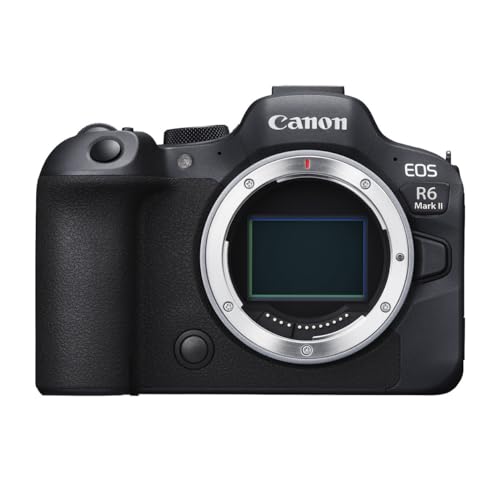
| Canon EOS R6 Mark II | Flagship pick for serious housings | Full-frame low-light strength and animal-tracking autofocus that keeps working when the reef goes dim and blue. |
| Canon EOS R10 | Best value housed system | A small APS-C body whose housing stays compact, with subject-detection autofocus borrowed from Canon’s pro line. |
| Canon EOS R50 | Easiest housed Canon to learn on | Guided menus and a light body make this the Canon a first-time housing owner can actually operate in gloves. |
| Canon PowerShot G7 X Mark III | Compact with real housing support | One of the few premium compacts that major housing makers still build proper cases for, strobe triggers included. |
| Canon EOS R5 | High-resolution housing route (prose-only) | A resolution flagship for photographers printing reef scenes large, covered in prose because the housing choice defines it. |
| Canon PowerShot D30 | Native waterproof veteran (prose-only) | Canon’s own waterproof compact from the last decade, still traded second-hand for snorkelling without any housing at all. |
How Did We Choose These Picks?
Selection started with a question most camera roundups never ask: can this body actually go underwater in 2026, supported by equipment a diver can buy and service today? That filter removed excellent Canon cameras with no living housing ecosystem, because a camera you cannot waterproof is not an underwater camera whatever its sensor scores say. What survived was then judged on the things that decide photographs below the surface: autofocus that finds fish, turtles and divers’ eyes through blue water and particulate; high-ISO behaviour for the light-starved zone below fifteen metres; burst depth for behaviour moments that last two seconds; and control layouts that a housing designer can translate into levers and buttons a gloved hand can find by touch.
Video mattered too, weighted honestly. Many divers shoot more clips than stills now, so bodies with dependable underwater white balance behaviour and stabilisation that calms surge movement scored well. Size was scored as a genuine feature rather than a compromise: every litre of housing volume is drag on a drift dive and kilos in a luggage allowance. Finally, each pick had to suit a recognisable diver — the reef holidaymaker, the progressing enthusiast, the working underwater photographer — because a guide that recommends one flagship to everyone has recommended nothing.
Why Does the Housing Matter More Than the Camera?
Beginners shop for megapixels and discover, one expensive lesson later, that underwater photography is a plumbing discipline with a camera inside it. The housing decides your depth rating, and recreational limits sit around forty metres while housings are commonly rated deeper, which sounds generous until a seal fails at twelve metres on a tired O-ring. The housing decides your controls: a well-designed case puts the shutter, aperture dial and autofocus activation under your fingers in the order you use them, while a cheap case turns every setting change into a two-handed negotiation conducted while your subject leaves. The housing decides your lens, too, through its port system — flat ports for macro, dome ports that restore a wide lens’s true field of view underwater, where refraction otherwise narrows everything and magnifies your subject by roughly a quarter.
Materials split the market cleanly. Polycarbonate housings from established makers are lighter, cheaper and entirely adequate for recreational depths, and they let you see a leak beginning. Machined aluminium housings cost far more, shrug off knocks on steel dive boats, and offer the precise control feel working photographers demand on their hundredth dive of the season. Neither material saves a diver who skips maintenance. Grease the O-ring lightly, inspect it against the light for hairs and sand, close the case empty and dunk it in the rinse tank before the first dive of a trip — that ritual, repeated without exception, is the difference between a housing that serves a decade and a very sad boat ride.
How Does Water Change the Light Your Canon Sees?
Water eats colour in a fixed order, and understanding the menu explains half of underwater technique. Reds vanish within the first few metres, oranges follow, then yellows, until at recreational depths the world is rendered in blues and greens no matter what your eyes insist they saw. A Canon sensor records that filtered truth faithfully, which is why unedited underwater files look like they were shot through aquarium glass. The fixes are physical before they are digital: get close, because every metre of water between lens and subject is another metre of colour loss and haze; add light with strobes or video lights positioned out to the sides so they illuminate the subject instead of the suspended particles in front of your port; and shoot in raw so the white balance you rebuild on the train home has real data to work with.
Autofocus faces its own underwater problems. Contrast drops as haze rises, particulate drifts through the frame like snow, and many classic subjects — a resting shark, a camouflaged octopus — offer the focusing system almost nothing to grip. This is where modern Canon subject detection earns genuine praise rather than spec-sheet applause: animal eye detection that locks onto a turtle’s eye through mild murk converts shots that older bodies would have hunted through. It is also why burst shooting matters down there. Behaviour is unscripted, light is scarce, and the diver who fires considered bursts around the moment — the yawn, the strike, the cleaning station interaction — brings home frames the single-shot purist watched happen.
Which Models Are the Best Canon Cameras for Underwater Photography Right Now?

Canon EOS R6 Mark II — Flagship pick for serious housings
Put the R6 Mark II in a proper aluminium housing and you have the Canon most working underwater photographers would choose when the assignment is a week of dawn dives in changing light. Its full-frame sensor treats the blue zone below twenty metres with unusual kindness, holding colour and detail at sensitivities where APS-C files start to smear, and its animal-detection autofocus was plainly trained by people who understood that a turtle does not pose. In a housing, what you feel is confidence: the body finds the eye, the burst runs deep enough to cover a whole behaviour sequence, and the files survive the aggressive white-balance rebuilding that underwater raw processing demands.
On a night dive the argument strengthens. Torch-lit macro subjects against black water ask for clean high-ISO performance and autofocus that works in near-darkness with a focus light’s help, and this body delivers both without the nervous hunting that spooks skittish subjects. Dual card slots matter more underwater than on land, too — you cannot surface mid-dive to swap a failed card, and a day’s shooting on a liveaboard deserves a backup written as you go.
Be honest about the total system, though. The housing, dome port for a wide zoom, flat port for macro, arms and strobes around this body build a rig that fills a dive bag and a serious budget line. Divers who travel light will feel that weight on every boat transfer.
- Format: full-frame RF-mount mirrorless, in-body stabilisation, dual card slots
- Underwater role: flagship stills-and-video body for aluminium housings
- Housing route: full control housings from major makers, dome and flat ports
- Coverage: verified pool link
Strengths
- Low-light files stay clean enough to rescue colour from deep, blue scenes
- Animal eye detection locks onto turtles and rays through mild haze
- Dual slots write a backup card during dives you cannot interrupt
Trade-offs
- The full housed rig is heavy, bulky and priced for committed divers
- Twenty-four megapixels limits aggressive cropping for shy subjects
- Strobe and port costs dwarf the body price within a season
Best for: experienced divers building one long-term full-frame underwater system. Not suited for: holiday snorkellers or anyone counting luggage kilos.

Canon EOS R10 — Best value housed system
The R10 is where this guide’s value argument lives. Its APS-C sensor sits in a body small enough that its housings stay genuinely compact — less drag on a drift dive, easier one-handed swimming while the other hand manages a torch or a reef hook, and a rig that fits the carry-on mindset instead of the checked-bag gamble. Yet the autofocus is no economy afterthought: Canon gave this body subject detection that recognises animals and tracks them with a tenacity that embarrasses older professional DSLRs, and underwater that tracking is the feature you use on every single dive.
The crop sensor quietly helps macro shooters as well. A modest macro lens gains effective reach, letting you keep a respectful distance from a nudibranch or a nervous goby while still filling the frame, and the depth of field at working apertures is more forgiving when surge is moving you and the subject in opposite directions. For reef fish portraits and macro, many divers will honestly prefer this format to full frame.
Where it asks compromise is the deep and the dark. Push sensitivity high on a wreck interior and the files show their APS-C origins sooner than the flagship’s do, and a single card slot means your backup discipline happens back on the boat, not in the water.
- Format: APS-C RF-mount mirrorless, single card slot, compact body
- Underwater role: value stills system with a genuinely small housing
- Housing route: polycarbonate and aluminium housings, macro-friendly ports
- Coverage: verified pool link
Strengths
- Subject-detection autofocus performs far above the body’s price class
- Small housing swims easily and travels in hand luggage
- Crop reach flatters macro and reef-portrait lenses
Trade-offs
- High-ISO files lose ground to full frame in dark wreck interiors
- One card slot leaves backup discipline to surface intervals
- No in-body stabilisation, so video smoothness leans on the lens
Best for: progressing divers who want a real housed system without flagship bulk. Not suited for: professionals shooting dark interiors on deadline.

Canon EOS R50 — Easiest housed Canon to learn on
Every underwater photographer remembers the dives where the camera won — where buoyancy, current and an unfamiliar housing conspired until the dive became an equipment seminar. The R50 is the Canon that shortens that era. Its guided interface explains itself, its scene intelligence makes competent exposure decisions when your attention belongs on your air supply and your buddy, and its light weight means the housing built around it is the one a new diver can hold steady in a gentle surge without a wrestling match. Learning underwater photography is mostly learning to be calm and close; this body asks the fewest questions while you practise.
It is not a toy wearing a housing. The same family of subject-detection autofocus lives here, finding animals and holding them as they turn, and its video is clean and simple to white-balance for the snorkel-trail clips and shallow reef footage that make up most beginners’ actual shooting. Paired with a compact wide lens behind a small dome, it produces the bright, close, colourful reef images that get people hooked on this entire expensive hobby.
The ceiling arrives when ambition does. One card slot, no weather sealing of consequence outside the case, and controls that a growing photographer will eventually find sparse inside a housing — the R50 is a first system, honestly labelled, and priced like one.
- Format: APS-C RF-mount mirrorless, guided interface, very light body
- Underwater role: first housed Canon for new underwater shooters
- Housing route: compact housings sized for travel and training dives
- Coverage: verified pool link
Strengths
- Menus teach while you dive instead of punishing inexperience
- Lightest housed rig here, kind to new divers’ air consumption
- Animal detection works from the very first dive, no setup lore needed
Trade-offs
- Fewer direct controls for a housing to map as your skills grow
- Single card slot and modest buffer cap serious burst work
- Advanced shooters will outgrow it within a couple of seasons
Best for: newly certified divers buying a first housed Canon system. Not suited for: working photographers who need dual slots and deep buffers.

Canon PowerShot G7 X Mark III — Compact with real housing support
Compacts were supposed to die, killed by phones, yet the G7 X Mark III survives in dive bags for a practical reason: housing makers built proper cases for it, with fibre-optic strobe triggering, wet-lens mounts and control access that treats it as a real camera. In its housing it becomes the smallest serious system in this guide — a one-inch sensor behind a bright zoom, small enough to clip to a BCD on a training dive and capable enough to reward the diver who learns strobe positioning on it. For snorkellers who occasionally scuba, and travellers whose dive kit shares a suitcase with everything else, this is the rational shape of underwater photography.
The bright lens earns special mention in blue water. At the wide end it gathers light that interchangeable-lens zooms cannot match at their working apertures, buying shutter speed in the gloom under ledges where the interesting animals hide. Wet wide-angle lenses that thread or bayonet onto the housing port restore the sweeping reef scenes compacts supposedly cannot do.
Respect its limits and it will not embarrass you. The sensor is one inch, not full frame; the autofocus, while willing, is not the animal-tracking system of the RF bodies; and battery changes mean opening the housing, with all the seal discipline that implies, between dives.
- Format: one-inch sensor compact, bright built-in zoom, pocketable body
- Underwater role: smallest housed system here, snorkel-to-scuba crossover
- Housing route: dedicated compact housings with wet-lens and strobe support
- Coverage: verified pool link
Strengths
- Proper housings exist with strobe triggering and wet-lens options
- Bright lens buys shutter speed under ledges and in gloom
- Clips to a BCD; the camera you actually bring on every dive
Trade-offs
- One-inch sensor trails the mirrorless picks in deep, dark water
- Autofocus lacks the animal eye detection of the RF bodies
- Battery swaps require opening the housing and resealing carefully
Best for: travelling divers and snorkellers wanting a genuinely small housed system. Not suited for: photographers printing reef panoramas at exhibition size.
Canon EOS R5 — High-resolution housing route (prose-only)
This pick is covered in prose only, with no purchase link, because what you are really buying is a housing programme rather than a camera listing. The R5’s forty-five megapixels change underwater mathematics: shy subjects you could not approach — a reef shark keeping its distance, an eagle ray crossing the blue beyond strobe range — can be cropped hard and still yield printable files, and large reef scenes hold detail from foreground coral to the diver silhouetted at the back. Aluminium housing makers support this body thoroughly, with the port charts and control fidelity a resolution flagship deserves.
Working photographers add a second argument: the same body topside shoots the resort, the boat and the portraits for a trip story, then goes in its case for the dives, so one camera covers an entire assignment. Its video ambitions also exceed everything else here for divers who film seriously, provided the housing’s bulk is accepted as the price of admission.
That bulk is real, and so is the discipline high resolution imposes: at forty-five megapixels, mediocre strobe placement and a misted port are magnified as faithfully as the coral. Treat this as the connoisseur’s route, researched through housing dealers rather than bought from a link.
- Format: full-frame RF-mount mirrorless, very high resolution sensor
- Underwater role: cropping power and large-print reef scenes
- Housing route: premium aluminium housings, extensive port systems
- Coverage: prose-only, no pool link for this configuration
Strengths
- Crop reach rescues distant, unapproachable subjects
- Reef scenes hold fine detail across the whole frame
- One body covers topside assignment work and the dives
Trade-offs
- The housed system is the heaviest and costliest route in this guide
- High resolution exposes sloppy strobe work and port misting
- Large files demand serious storage discipline on a liveaboard
Best for: advanced photographers printing large and cropping with intent. Not suited for: casual reef holiday shooting or tight luggage allowances.
Canon PowerShot D30 — Native waterproof veteran (prose-only)
The D30 is the ghost at this feast: a Canon compact from the last decade that needed no housing at all, waterproof to genuine scuba depths straight off the shelf, shockproof against boat-deck drops and styled like it expected rough treatment. Canon never replaced it, so it is covered here in prose only — it trades second-hand now, and any honest guide should say so plainly rather than dress a discontinued camera in a fresh listing. For snorkellers, kayakers, sailing families and anyone whose photography happens around water rather than beneath it, a clean used D30 remains a charmingly rational tool.
Understand what the years mean. Its sensor and processing belong to its era, its video is modest, and there is no raw capture to rebuild white balance from — you accept the camera’s cheerful, contrasty underwater colour and spend your effort on composition and closeness instead. Within those terms it delivers: no housing ritual, no fogged port, no flood anxiety, just a camera that goes off the boat when you do.
Buy carefully if you hunt one. Check the battery door seal on any used example, confirm the depth rating has not been compromised by a cracked corner, and remember that a decade-old waterproof camera is waterproof exactly as long as its ageing gaskets say so.
- Format: waterproof compact of the previous decade, fixed zoom lens
- Underwater role: housing-free snorkelling and watersports camera
- Housing route: none required — native sealing, inspect gaskets on used buys
- Coverage: prose-only, discontinued and sold second-hand
Strengths
- Genuinely waterproof with no case, ritual or flood risk to manage
- Tough build shrugs off boats, beaches and children
- Second-hand prices make it a low-stakes way into wet photography
Trade-offs
- Dated sensor and video by any modern measure
- No raw files, so underwater colour correction is limited
- Ageing seals on used examples need careful inspection
Best for: snorkellers and watersports families wanting zero-fuss wet shooting. Not suited for: divers building a system to grow with for years.
Which Lenses and Ports Should You Pair With These Bodies?
Underwater, the lens question and the port question are the same question asked twice. Water and glass conspire through refraction: behind a flat port, every lens behaves as though it were roughly a quarter longer and narrower than it is on land, and its corners soften. Behind a dome port, a wide lens keeps its true character, because the dome restores the geometry the water stole — which is why wide-angle underwater work is dome work, full stop. For the RF bodies in this guide, the classic pairing is a wide zoom in the 14–35mm neighbourhood behind a large dome for reef scenes, split shots at the surface and big animals, and a dedicated macro lens behind a flat port for the small world: nudibranchs, shrimps, gobies guarding eggs. One body, two ports, two entire photographic disciplines — that flexibility is the honest reason divers accept housing complexity at all.
Compact owners play a different game with wet lenses. The G7 X Mark III in its housing accepts add-on wide and macro wet lenses that bayonet on in the water, letting a snorkeller shoot a reef scene, then twist on magnification for a cleaner shrimp without surfacing. It is less pure than interchangeable glass and far more spontaneous, and spontaneity is a genuine underwater virtue when the eagle ray does not wait for your port change. Whichever route you take, buy the port chart before the lens: housings support specific glass, and discovering your favourite zoom’s focus ring has no gear in the case is a miserable way to start a holiday.
Filters deserve a cooler head than marketing gives them. Red and magenta correction filters can help ambient-light video in the shallow blue-green zone, especially for cameras whose white balance you cannot set manually at depth, but they cost light you often cannot spare and they do nothing a raw stills workflow cannot do better afterwards. Spend on the dome, the strobe arms and the focus light first; filters are the garnish, not the meal.
How Do You Keep Video Steady and Believable in Surge?
Underwater video fails in a recognisable way: the horizon breathes, the frame surges with the swell, and the viewer feels seasick in their chair. The cures are mostly physical. Get negatively committed to your position — finning gently against the surge, one hand anchored on bare rock where the reef rules allow touch, or hovering with the patience that good buoyancy actually is. In-body and in-lens stabilisation on the mirrorless picks here smooths the micro-jitter beautifully, and the R6 Mark II’s stabilisation in particular turns a drift dive into footage that looks tracked, but no stabilisation forgives a diver being washed back and forth a full metre. Shoot shorter clips than you think you need, each with a deliberate beginning, because editing a steady eight seconds out of a surge is possible and rescuing a wandering two minutes is not.
White balance is the video discipline stills shooters underestimate. A raw photograph forgives; a video file remembers your neglect. Where the body allows custom white balance at depth, take it from a white slate or the sand every time the light changes materially — descending ten metres is a material change. Divers shooting the R10 or R50 will find the exercise quick enough to become habit, and their reef footage will hold its reds and skin tones while neighbouring divers’ clips drift cyan. Add a pair of video lights on arms for anything below the bright shallows, angled to avoid lighting the particulate snowstorm, and keep them modest: blasted, over-lit coral looks as false on screen as it does in stills.
Sound, finally, is the gift nobody expects from a sealed case. Housings muffle the world into bubbles and breathing, which editors either embrace as atmosphere under music or replace entirely. Decide before the trip which film you are making; it changes what you bother recording.
What Does a Sensible First Season of Underwater Shooting Look Like?
Season one should be boring in the best way. Dive the new rig in a pool or a calm, shallow site you already know, with no photographic ambition beyond learning where every control lives inside the housing while wearing your actual gloves. Photograph patient, forgiving subjects — anemones with their clownfish, cleaning stations, turtles on known resting spots — and review each dive the same evening while the failures are still explainable. The divers who improve fastest keep a small log: depth, settings that worked, the seal routine performed, the shot that got away and why. It reads like homework because it is, and it compounds faster than any gear upgrade.
Resist the two classic first-season purchases. The second strobe can wait until your single-strobe placement is instinctive, because two badly placed lights make backscatter in stereo. The longer macro lens or the wider dome can wait until you can name, from your own files, the exact shots your current port prevented. By season’s end the right goal is a modest one: a housing that has never flooded, a routine you could perform half-asleep on a rocking boat, and a hard drive of reef photographs whose colour you are no longer apologising for. Every pick in this guide can carry a diver to that point; the flagship simply keeps carrying them further into the dark once they get there.
How Do You Light a Subject Without Turning the Water Into a Snowstorm?
Every underwater scene is full of suspended particles — plankton, sand, the reef’s own weather — and a light mounted near the lens illuminates them exactly as car headlights illuminate fog. The resulting backscatter, a blizzard of bright specks between you and the subject, is the single most common technical flaw in amateur underwater photographs, and its cure is geometry, not power. Move the strobes out on arms, well away from the housing, and angle them inward so their cones of light cross at the subject while the water directly in front of your port stays dark. Edge-light the scene rather than floodlighting it. Then close distance: the less water in the path, the less particulate exists to betray you, which is the second time in this guide that get closer has been the entire answer to a complicated question.
Power discipline matters as much as placement. A strobe at full blast in murky water manufactures its own snowstorm and flattens the scene into a police photograph; experienced shooters start low, review the histogram and the frame’s mood, and add light the way a cook adds salt. Ambient light remains a legitimate ingredient even with strobes firing — a balanced exposure that keeps the blue water column blue behind a lit foreground subject is the signature look of good underwater work, and it is achieved by choosing shutter speed for the background and strobe power for the subject, two decisions the Canon bodies here let you make independently and quickly through a housing’s dials. Macro shooters invert the recipe: small apertures, fast shutter, strobe close and dominant, the background falling to black so a two-centimetre nudibranch owns the whole frame.
Snoots — narrow tubes that restrict a strobe to a spotlight — deserve mention for the macro-obsessed, because they turn lighting into portraiture: one lit subject, darkness everywhere else, no backscatter invited. They are fiddly, addictive and entirely optional, which is to say they are underwater photography in miniature.
How Do You Travel With a Housing System Without Losing Your Mind?
The housed Canon rig is the worst-shaped luggage you own: a dense, fragile, oddly jointed machine of case, ports, arms and lights that airlines regard with suspicion and baggage systems regard as a challenge. Seasoned underwater photographers carry the irreplaceable core — camera body, lenses, housing — in the cabin, in a padded roller or backpack that fits the sizer, accepting the weight on their shoulders as insurance. Ports travel wrapped and capped, domes especially, because an acrylic dome scratches if you look at it with intent and a scratched dome signs every photograph you take. Batteries follow the cabin rules for lithium cells, strobes ride with their batteries removed or terminals protected according to the carrier’s instructions, and the whole kit is photographed, assembled and insured before departure, because the middle of the ocean is a poor place to discover a missing sync cord.
At the destination, assemble the system the night before the first dive, not on the boat: seals inspected at leisure, the empty-case dunk performed in the hotel pool or the rinse tank, test frames fired through every port you brought. Pack a save-a-dive kit tailored to the rig — spare O-rings for housing and ports, the correct silicone grease, a microfibre cloth that has never touched sunscreen, hex keys for the tray, and a small towel that lives only for the changing ritual. None of this is glamorous. All of it is the difference between the diver photographing the whale shark and the diver explaining, at the surface, about a latch.
Is Snorkelling a Different Discipline From Scuba Photography?
Enough that it reshuffles this guide’s rankings. The snorkeller works in the brightest, warmest light the ocean offers, shooting down at reefs from the surface or duck-diving for a few held-breath seconds at a time. Ambient colour survives at those depths, strobes become optional garnish, and the winning camera traits become instant readiness, buoyant handling and a housing — or a natively sealed body like the D30 — that tolerates being dangled, splashed and sand-dusted all afternoon. This is the G7 X Mark III’s home fixture: small case, wet wide lens for split-level shots at the surface line, no regulator competing for your attention. Split shots, half reef and half sky, are the snorkeller’s signature frame and the one technique scuba divers genuinely envy.
Scuba buys time and depth at the price of everything else: air consumption shortened by concentration, buoyancy that must survive total absorption in a viewfinder, colours that left the scene metres ago. The housed mirrorless systems earn their complexity there, on the third dive of the day at twenty-five metres, where the snorkeller’s tools have simply gone home. Choose by the water you actually enter most. A diver who buys a flagship rig for two scuba trips a year but snorkels monthly has optimised for the minority of their photographs — a common, expensive, very human mistake this guide would rather you avoided.
What Settings Should You Start From on a First Dive?
New underwater shooters drown in advice, so here is a defensible starting configuration for the mirrorless picks, to be adjusted dive by dive. Shoot raw, always. Set autofocus to its animal or subject-detection mode with continuous tracking, and assign autofocus activation where your housing puts it under your thumb, because separating focus from the shutter press — back-button focus, in topside language — lets you lock onto a resting subject and recompose without the camera wandering off to a brighter piece of coral. For wide reef scenes in bright water, begin around f/8 with a shutter fast enough to freeze your own motion, letting sensitivity float modestly; for macro, close down toward f/16 or beyond, drop the shutter to your strobe’s sync comfort zone, and let the flash do the freezing. White balance: custom at depth if your routine allows it, auto if it does not, with the raw file as your insurance either way.
Then change one variable per dive and keep the log mentioned earlier. The photographer who alters five settings between dives learns nothing except anxiety; the one who isolates strobe position on Tuesday and shutter discipline on Wednesday owns both skills by Friday. Review on a real screen, not the camera’s, and zoom in — underwater sharpness disappointments are usually motion, surge or a misted port rather than focus, and each cause has a different cure worth knowing apart.
How Should You Maintain a Housing Between Trips and Seasons?
A housing stored badly dies in the cupboard, not the ocean. After the final dive of a trip, the case gets its long fresh-water soak, a session of button-working to purge salt from every control shaft, and a shade-dry before opening. O-rings come out for storage — a seal left compressed in a closed case for six months takes the shape of its groove and keeps it — and they live lightly greased in a sealed bag, labelled by position, away from heat and sunlight. The housing itself stores open or unlatched, in its padded bag, with a sachet of desiccant for company and the port covered. Once a year, or before any serious expedition, a maker’s service replaces seals wholesale and pressure-tests the shell; against the value of the camera that rides inside, that service is the cheapest insurance in this entire guide.
Batteries and cards deserve the same boring respect. Dive-trip batteries get cycled rather than left full or empty for seasons, contacts get inspected for the green bloom of corrosion that salt air plants everywhere, and cards are formatted in the camera after every confirmed backup — never deleted file by file, a habit that fragments and eventually corrupts. None of this photographs well for social media. All of it is why some divers’ decade-old rigs still seal, focus and fire on the first morning of every trip while newer kits are being troubleshooted on the dock.
How Do You Approach Marine Life Without Ruining the Shot or the Reef?
The best underwater photographs are negotiations, and the animal always sets the terms. Approach slowly, slightly from below where the terrain allows, breathing calmly, and let curious subjects close the final distance themselves — a turtle that swims to you gives you the eye contact and the relaxed posture that no amount of chasing produces, while a pursued animal shows the camera its tail and its stress. Watch the tells: the fish that darts and returns is tolerating you, the one that darts and keeps going has voted. Photographers with the animal-detection autofocus in these Canon bodies hold one real advantage here, because the camera maintains the lock during a slow, non-threatening drift-in, freeing the diver to concentrate entirely on being unalarming.
Touch nothing to arrange a picture. Moving a nudibranch to a prettier sponge, cornering an octopus for a portrait, feeding to attract — these are the discipline’s shameful shortcuts, increasingly called out by dive operators and competitions alike, and several destinations now brief photographers explicitly against them. Your fins are also part of the ethics: a careless kick above a reef raises the silt that ruins everyone’s next hour and can break coral that took decades to grow. Buoyancy so good it becomes invisible is therefore a photographic skill in the strictest sense — it decides what you may approach, how long you may stay, and whether the site looks the same when you leave. The finest compliment an underwater photographer can earn from a guide is not about the pictures at all. It is being invited to the spot the guides save for divers they trust.
How Do These Six Underwater Systems Stack Up?
| Camera | Badge | Water route | Choose it when |
|---|---|---|---|
| Canon EOS R6 Mark II | Flagship pick for serious housings | Full aluminium housing system | Low light and animal tracking decide your dives |
| Canon EOS R10 | Best value housed system | Compact APS-C housing | You want pro autofocus in a rig that travels light |
| Canon EOS R50 | Easiest housed Canon to learn on | Compact housing, guided menus | It is your first season shooting underwater |
| Canon PowerShot G7 X Mark III | Compact with real housing support | Dedicated compact housing | Snorkelling and scuba share one small camera |
| Canon EOS R5 | High-resolution housing route (prose-only) | Premium housing programme | You crop distant subjects and print very large |
| Canon PowerShot D30 | Native waterproof veteran (prose-only) | No housing — sealed body | You want wet shooting with zero ritual |
How Do You Prepare a Housing Without Flooding It?
The pre-dive routine is a liturgy, and like all liturgies it works because it never changes. Work on a clean, dry, well-lit surface — the boat’s salon table, not the sandy deck. Remove the main O-ring with a blunt plastic tool, never a knife or fingernail aggression, and roll it between your fingers feeling for nicks while you look for the hair, the sand grain, the eyelash that floods cameras. Clean the groove with a lint-free cloth. Grease the ring until it shines evenly with no blobs — excess grease collects grit and is its own failure mode — then seat it, close the empty housing, and give it a dunk in the rinse tank while you watch for a bubble trail. Only then does the camera go in, followed by a second closed-case check with the lens cap question answered: is the port clear, is the cap off, is the camera actually on?
After the dive, the discipline reverses. The closed housing soaks in fresh water while you work its buttons and dials under the surface to dissolve salt crystals hiding in the controls. It dries in shade, never in punishing sun, and it is opened only once your hands and the case exterior are dry — more housings flood on changing tables from drips off forearms than ever fail at depth. Divers who treat this as ceremony rather than chore are the ones whose ten-year-old housings still seal like new.
What Mistakes Flood Cameras and Ruin Trips?
The classic flood is not a dramatic seal failure; it is a hair across an O-ring on a rushed morning, which is why the first mistake is treating preparation as optional when the boat is leaving. Second comes jumping in with the housing dangling — giant-stride entries and ladder exits should always be hand-downs, camera passed to you in the water, because entry impact is the moment latches and ports take their hardest knock. Third, divers chase subjects into bad photographs: the turtle photographed from six metres through blue haze loses to the patient diver who waited at two metres, every time, on colour, sharpness and story. Fourth, strobes aimed straight ahead from the camera light the particulate between you and the subject — backscatter — turning a clear scene into a snowstorm; arms out, heads angled in, or accept ambient light and get closer. Fifth, opening a housing with wet hands to swap a card between dives, undoing at the changing table everything the O-ring achieved at depth.
One last filter was applied before this list settled: every pick had to be a camera its owner would still be glad to own on the fiftieth dive, not merely the first. Underwater systems are kept for years, serviced like dive regulators and judged by whether they disappear into the routine — seals seated without anxiety, controls found without looking, files that reward the evening’s editing session. Novelty fades at depth; reliability becomes the whole personality of the kit. That long view is why solid, well-supported bodies outrank fashionable ones throughout this guide.
Final Recommendation
Most divers reading this guide should build around the EOS R10: its housing stays travel-sized, its animal-tracking autofocus is the feature that will actually improve their photographs dive after dive, and the money saved against the flagship buys the strobe that matters more than any sensor. Divers who already know they shoot in the dark — wrecks, night dives, deep walls — should step straight to the R6 Mark II and budget honestly for its full housing system. New divers start happily on the R50, travellers and snorkellers on the housed G7 X Mark III, and the R5 and D30 remain the specialist and the nostalgist’s routes respectively, both rewarding, neither pretending to be the mainstream answer.
Frequently Asked Questions
Can I take a Canon mirrorless camera underwater without a housing?
No. Weather sealing resists splashes and rain; it is not a depth rating, and submersion will destroy the body. Every interchangeable-lens pick here needs its rated housing, and only the prose-only D30 was built to swim unaided.
How deep can these housed systems go?
Recreational housings for these bodies are commonly rated well beyond the forty-metre recreational limit, but the rating that matters is your specific housing’s, printed by its maker. Check it before any deep plan, and remember your own certification limit governs first.
Do I need strobes, or is ambient light enough?
Shallow, bright reef work in clear tropical water can sing on ambient light alone if you shoot raw and get close. Below roughly ten metres, or under ledges and inside wrecks, added light stops being an accessory and becomes the photograph — strobes for stills, wide video lights for clips.
Why do my underwater photos come out blue-green?
Because water absorbs red light within the first few metres, and the camera records what remains. Shoot raw, set white balance from a grey card or the sand at depth where your body allows it, and above all shorten the water path: closeness restores more colour than any software slider.
Is a used housing a sensible buy?
It can be, from a maker still supplying its O-rings and ports. Budget for a full service and new seals before its first dive, pressure-test it empty, and walk away from any case with corroded controls or a hazed main port — the camera inside is betting its life on that shell.
My housing port fogs up mid-dive — what went wrong?
Warm, humid air sealed inside the case met cool water outside, and the moisture condensed on the port’s inner surface. Load the camera in air-conditioned or dry air, add a fresh desiccant sachet inside the housing, avoid leaving the sealed rig baking in sun before the dive, and never open the case on a humid boat between dives unless you must.
Should a beginner buy the housing or the camera first?
Decide them together but pay for the housing plan first in your head: confirm a housing exists for the exact body, price the ports for the lenses you intend to shoot, and only then buy the camera. Divers who reverse the order occasionally discover their chosen body has no case support, which converts a camera purchase into an expensive lesson in sequencing.
Related Guides
Keep exploring with which canon cameras track wildlife best on land, how to choose a canon body on a strict budget, and the complete guide to canon dslr bodies for wildlife.


