Disclosure: As an Amazon Associate, ilcastellomenu.com earns from qualifying purchases. Links on this page are affiliate links; they cost you nothing extra. Prices and availability change often, so check the current Amazon listing before you buy.
This nvme ssd enclosure review exists because the product category is lying to you politely, and it is time someone translated. An NVMe SSD enclosure is a small metal shell with a bridge chip inside; you slide in a bare NVMe stick, close the shell, and the drive appears on any computer as fast external storage. The concept is beautifully simple. The buying process is not, because listings shout the drive’s theoretical speed while the enclosure, the cable and your port quietly decide what you actually get. This review judges the enclosure as a class — what a good one does, where the compromises hide, and which real product lines, including the Acasis TBU405, the Sabrent Rocket Nano and UGREEN’s aluminium enclosures, embody which trade-offs — so you can buy once and understand what you bought. For the head-to-head version, see our nvme ssd enclosure reviews roundup, and for the money question, is an nvme ssd enclosure worth it.
Everything here is written for real ownership rather than first impressions: the enclosure that feels fast for a week but cooks its drive by summer, the premium shell that only shines on one kind of port, the budget pick that is honestly all most people need. Products are discussed in prose, by real brand and model, with tier positioning in words only; check the current listing before you buy anything named here. If you already own the drive, skip to the compatibility sections. If you own nothing yet, read the verdict first and the interface section twice.
Key Takeaways
- The enclosure is a translator: your real speed is set by the slowest of drive, bridge chip, cable and host port — never by the drive’s box numbers.
- An aluminium shell is a cooling system, not a style choice; thermal pad contact decides sustained performance more than any headline specification.
- Thunderbolt-class enclosures reward owners of Thunderbolt ports and heavy daily transfers; a good USB enclosure serves everyone else for less.
- Compatibility has three gates — NVMe protocol, physical drive length, and connector keying — and a drive must pass all three.
- Back up before every drive swap: an enclosure is a working drive, never a backup.
Short verdict: an NVMe SSD enclosure is worth buying if you have a spare NVMe stick, a laptop to clone or upgrade, or regular large transfers that make slow storage a daily tax. It suits tinkerers, upgraders, photographers, video editors and anyone with a retired laptop whose drive deserves a second life. It does not suit anyone who wants storage with zero decisions — a sealed portable SSD is the honest product for them — nor anyone whose only port is an old, slow one that would strangle the drive anyway. The rest of this review explains exactly where the line falls.
In this guide
What an NVMe SSD Enclosure Is and Where It Fits
Strip away the marketing and an enclosure is three things: a mechanical shell that protects a bare circuit board, a thermal path that moves the drive’s heat into the room, and a bridge chip that translates between the drive’s native PCIe language and the USB or Thunderbolt language your computer speaks. Every strength and weakness in this category traces back to one of those three jobs. A shell can be pocket-tough or pocket-hostile. A thermal path can be generous or decorative. A bridge can be modern and well-mannered or old and quietly limiting. When you evaluate any model, you are really grading those three jobs.
The use cases cluster into four honest groups. First, the upgrade rescue: you replace a laptop’s drive with a larger one and the old stick, instead of becoming e-waste in a drawer, becomes fast portable storage. Second, the cloning tool: technicians and careful upgraders use an enclosure to copy a system drive before swapping it in. Third, the working drive: editors and photographers keep live projects on an enclosure drive that moves between machines. Fourth, the game and media library: a fast external shelf for content too big for an internal drive. Each group stresses a different one of the three jobs, which is why there is no single best enclosure — only best fits.
Where the category does not fit matters just as much. It is not a backup device, because a single drive is a single point of failure however fast it is — a point developed fully alongside the best external hard drives for long-term storage. It is not the cheapest way to add storage, because you are buying a shell and a drive instead of one sealed product. And it is not a way to make an old computer feel new: plugged into an old, slow port, the fastest drive in the world performs like the port, not like the drive. Fit the tool to the job and it delights; mismatch them and it disappoints expensively.
Why the Interface, Not the Enclosure, Sets Your Speed Ceiling
Every NVMe drive is fast on paper, and almost none of that paper speed survives the trip through a cable. The reason is simple: an enclosure is a translator. On one side it speaks to the NVMe stick over PCIe lanes; on the other side it speaks to your computer over USB or Thunderbolt. The slower of those two conversations is the speed you actually get, no matter what the drive inside could do on a motherboard. This is the single most misunderstood point in the whole category, and it is why two enclosures holding the exact same drive can feel completely different in daily use.
USB generations are the first trap. A port described loosely as USB-C might carry an older, slower USB generation, a mid-tier generation, or one of the genuinely fast modern ones, and the connector shape tells you nothing by itself. Enclosure listings lean into that confusion with big drive-side numbers, but the honest figure is always the host-side generation the bridge chip supports, matched against the generation your computer’s port supports. The chain runs at the speed of its weakest link: drive, bridge chip, cable, and host port all vote, and the slowest vote wins.
The practical takeaway is to shop backwards. Start with the ports you actually own, on the machines you actually use, and let that decide which class of enclosure makes sense. Buying a faster class than your ports can feed is not future-proofing so much as paying for headroom you may never open, while buying a slower class than your ports can feed leaves real performance on the table every single day. Neither mistake breaks anything; both are simply money and speed quietly misaligned.
Design, Build and Setup: The Three Jobs in Physical Form
Pick up a well-made enclosure and the first job — protection — announces itself in the hand. The shell should feel like one object, not a kit of parts: no creak when squeezed, no rattle when shaken, a lid or slider that closes with intent. The drive inside is a bare board with exposed chips; the shell is its only armour against pockets, bags and desk edges. Makers such as Sabrent and UGREEN have built reputations on this unglamorous solidity, and it matters more over three years of travel than any specification measured in a laboratory’s first afternoon.
Setup is a five-minute ritual that the rest of this site treats in full in how to install nvme ssd enclosure, but the review-relevant truth is that setup quality is part of the product. A good enclosure makes the correct assembly the easy assembly: the drive seats at a clear angle, the mounting clip or screw aligns without force, the thermal pad lands where the controller actually sits, and the shell closes without pinching. A bad one turns each of those into a small negotiation. You will only install a drive a handful of times in the enclosure’s life, but those handful of moments are when connectors get stressed and pads get misaligned — design that respects the ritual is design that protects performance.
One design decision deserves its own paragraph: how the enclosure handles the thermal pad. Some shells bond the pad to the lid so contact happens automatically on closing; others give you a loose pad to place yourself. Automatic contact is foolproof but fixed; a loose pad is flexible across drive thicknesses but depends on your placement. Neither is disqualifying. What is disqualifying is a design where the pad visibly cannot reach the drive — a gap you can see is a cooling system that exists only in the brochure. Before your first long transfer, close the shell and check that closing it takes a whisper of pressure. That whisper is the sound of contact.
Heat, Throttling and the Sustained-Write Problem
NVMe drives are sprinters that get asked to run marathons. Inside a computer, a stick sits in open air, often under a motherboard heatsink, and it can shed heat between bursts of work. Inside a sealed enclosure the same stick works in a tiny metal room with almost no airflow, and during a long sustained write — a big backup, a footage ingest, a game library move — its controller heats up until it protects itself the only way it can: by slowing down. That slowdown is called throttling, and every enclosure buyer meets it eventually.
Throttling is not a defect and it is not the enclosure cheating you. It is physics being enforced by firmware. What separates good enclosures from poor ones is how long the sprint lasts before the slowdown arrives and how gracefully speeds settle afterwards. A shell that conducts heat away from the drive stretches the fast period; a shell that insulates the drive, however pretty, shortens it. Short transfers hide the issue completely, which is why first impressions and quick benchmarks flatter almost every enclosure ever sold.
Judge an enclosure by your longest regular transfer, not your shortest. If your biggest routine job finishes in a couple of minutes, heat is a minor character in your story. If you routinely write for ten, twenty or thirty minutes at a stretch, thermal design becomes the main character, and it deserves more of your budget than connector fashion or bundled extras. Warm to the touch during a long copy is normal and even reassuring — it means the shell is doing its job as a radiator. Too hot to hold comfortably, paired with collapsing speeds, is the design telling you it has run out of answers.
Performance in Real Use
Everyday Bursts: Where Everything Feels Fast
In the currency of ordinary days — a folder of documents, a few hundred photos, a game update, a presentation with video inside — every competent enclosure in this class feels instant, and the differences between a mid-tier USB model and a premium Thunderbolt model shrink toward invisibility. This is worth stating in a review because it disciplines the buying decision: if your life is bursts, you are shopping for build, compatibility and price, not for speed you cannot perceive. The honest reviewer sends burst users to the sensible middle of the range and keeps their money for capacity.
Sustained Transfers: Where the Class Separates
Sustained work is the truth serum. Move a few hundred gigabytes in one unbroken write and the field divides into enclosures that hold their pace and enclosures that fold as heat accumulates. The folders are not always the cheap ones — a slim, sealed, style-first shell at a premium price can fold earlier than a chunky finned budget model — which is why this review keeps returning to thermal design as the master variable. Your longest regular transfer is the benchmark that matters; everything else is a trailer for a film you will never watch.
As a Working Drive: Editing and Playing From the Enclosure
Running live work from an enclosure — editing a video project, opening a photo catalogue, playing a game installed on it — stresses a different muscle: many small reads, constantly, with the drive warm for hours. Here the bridge chip’s manners matter as much as raw pace. A well-behaved enclosure stays connected through sleep and wake cycles, does not vanish mid-render, and keeps its temperatures civilised on a desk all afternoon. Owners of games consoles will recognise the same priorities in the best external SSDs for PS5: consistency beats spectacle when the drive is a workplace rather than a courier.
On the Move: Buses, Bags and Borrowed Ports
The fourth theatre is other people’s computers. An enclosure drive that travels must mount politely on machines it has never met, survive ports of every generation, and forgive the occasional unpowered hub. This is where the format decision you made at setup — the filesystem choice covered later in this review — either pays you back or presents its bill. It is also where a compact, cable-tidy design earns its keep: the drive that is actually in your bag, with its cable, is infinitely faster than the theoretically quicker one at home.
The Aluminium Shell Is a Heatsink, Not a Costume
Look at two enclosures side by side and the metal one can seem like a style choice. It is not. In a fanless enclosure — and nearly all of them are fanless — the shell is the cooling system. Heat travels from the drive’s controller into a thermal pad, from the pad into the shell, and from the shell’s outer surface into the room. Aluminium does this job well because it conducts heat readily and gives it a large area to leave from. Plastic shells, by contrast, hold heat in, which is why the cheapest enclosures so often pair the fastest marketing claims with the earliest throttling.
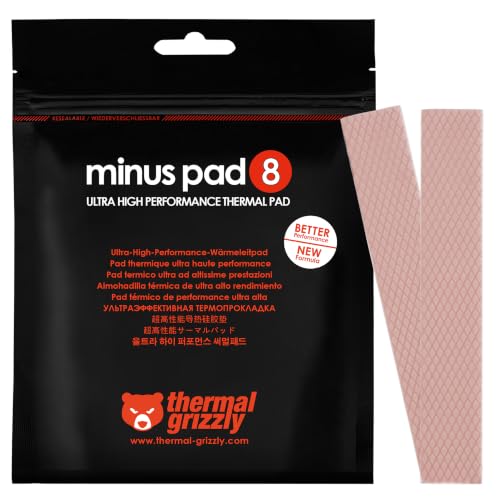
The thermal pad is the unsung part of that chain. It must actually touch both the drive and the shell, with even pressure and no air gap, to conduct anything at all. A pad that is too thin, misaligned, or left with its protective film on is a broken link that no amount of aluminium can rescue. When you install a drive, that small moment of care — pad placed flat, film removed, shell closed so contact is firm — decides more of your sustained performance than any specification printed on the box.
Ribbed and finned shells deserve their slightly industrial looks for the same reason: more surface area sheds more heat. A smooth minimalist shell can still perform well if the internal contact is good, but treat extreme slimness as a thermal compromise you are choosing knowingly. For desk-bound use, where the enclosure sits still for long transfers, a slightly chunkier finned design is often the quietly smarter buy. For pocket carry, you accept the compromise and simply plan around shorter bursts.
Strengths and Trade-Offs of the Enclosure as a Class
Strengths
- It rescues value: a retired laptop’s NVMe stick becomes fast portable storage instead of drawer clutter.
- It separates the drive decision from the shell decision, so you can upgrade capacity later without replacing everything.
- It is the fastest class of portable storage most people can buy, when the port and cable let it be.
- It doubles as a technician’s tool for cloning, recovery and testing drives outside a machine.
Trade-Offs
- Real speed is capped by your port and cable, so the headline numbers are a ceiling you may never touch.
- Sustained writes generate heat that sealed shells struggle with; throttling under long transfers is physics, not a fault.
- It demands decisions — protocol, length, filesystem, backup discipline — that a sealed portable SSD makes for you.
Read those two lists as a personality test. If the strengths read like your life and the trade-offs read like acceptable fine print, you are this category’s natural customer, and the only remaining work is choosing a model with the care laid out in how to choose an nvme ssd enclosure. If the trade-offs read like irritations you would resent monthly, believe yourself now rather than after checkout.
How It Compares: Three Reference Points
Rather than a league table, this review uses three reference designs that between them map the territory. Each is a real product line discussed in prose; treat them as archetypes to recognise in any listing, including listings for models not named here.
Acasis TBU405 — The Thunderbolt Archetype
The Acasis TBU405 is the reference point for the premium Thunderbolt class: a metal enclosure built around giving the drive the widest possible path to a Thunderbolt-equipped computer. In prose terms it sits firmly in the premium tier, and its natural owner is the professional whose transfers are long, daily and billable — the editor for whom waiting is literally a cost line. Its trade-off is the class trade-off in pure form: on a machine without the right port, the premium buys little, and its talents stay locked. Judge it as a specialist tool, not a default recommendation.
Sabrent Rocket Nano — The Compact USB Archetype
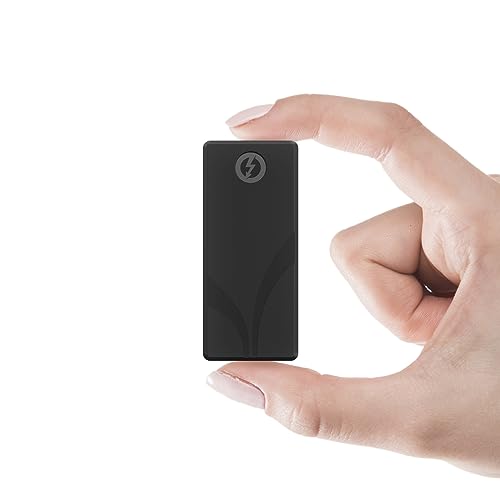
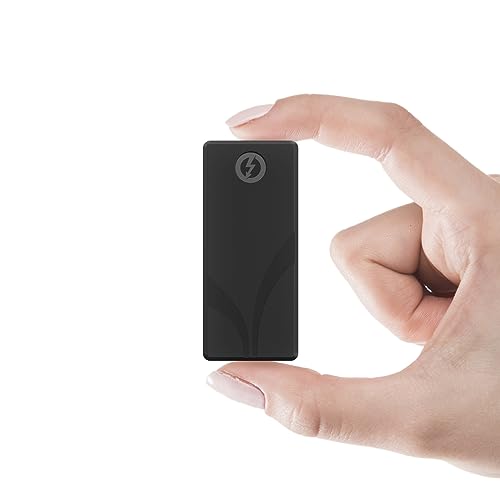
Sabrent’s Rocket Nano line is the reference point for the other end of the philosophy: an enclosure shrunk toward the size of the drive itself, in aluminium, aimed at people who carry their storage everywhere. It sits in the mid tier, and its lesson is that portability is a performance feature — the drive that is present gets used. Its trade-off is thermal mass: a tiny shell has less metal to absorb and shed heat, so sustained marathon writes are not its home ground. For burst-driven travel work, the archetype is close to ideal.
UGREEN NVMe Enclosure — The Sensible Middle Archetype
UGREEN’s aluminium NVMe enclosures are the reference point for the sensible middle: metal shells, mainstream USB performance class, tool-friendly designs, priced as accessories rather than instruments. This archetype is the correct default for the largest group of buyers — people with a spare drive, ordinary ports and mixed workloads — because it spends money on the shell and the basics rather than on a speed ceiling their ports cannot reach. Its trade-off is that it is nobody’s specialist: not the fastest on a Thunderbolt desk, not the smallest in a pocket. Defaults rarely are.
Set against sealed alternatives, the whole class trades convenience for control — the comparison with ready-made drives is drawn in full in portable ssd vs usb flash drive, and Mac owners in particular should cross-check their port realities before assuming any enclosure will fly on their machine.
Drive Compatibility: Lengths, Keys and the SATA Trap
Not every stick that looks like an NVMe drive is one, and not every NVMe drive fits every enclosure. Compatibility has three separate gates, and a drive must pass all of them. The first gate is protocol: most enclosures in this class accept NVMe drives only, while older M.2 SATA drives use a different language despite sharing a similar connector family. A SATA stick in an NVMe-only enclosure is not slow — it is silent, unrecognised, a drive that simply never appears. Listings that support both protocols exist, but you must confirm that support explicitly rather than assume it.
The second gate is physical length. M.2 drives come in several lengths, with the longest desktop-style format being the most common and shorter formats appearing in handhelds, tablets and compact laptops. Enclosures state which lengths they accept and hold the drive with a mounting post or clip at the right position. A drive that is too long for the shell is an obvious problem; a drive shorter than the only mounting point is the subtler one, wobbling on its connector and stressing it every time the enclosure is moved.
The third gate is keying — the notch pattern on the connector edge — which exists precisely to stop incompatible combinations, and which should be respected rather than forced. The calm way through all three gates is to read your drive’s own label and listing, confirm protocol, length and key against the enclosure’s stated support, and only then buy. Five minutes of label-reading prevents the single most common return in this entire category.
Who Should Buy It, and Who Should Skip It
Buy an enclosure if any of these are true: you have an NVMe stick already, especially one orphaned by an upgrade; you are planning a laptop drive swap and want a cloning path; your work moves large files between your own machines weekly or daily; or you enjoy owning the drive decision separately from the shell decision. In each case the enclosure is not an accessory but the missing half of something you already own or already do, and the purchase completes a system rather than starting a gadget collection.
Skip it if your honest answers point elsewhere. If you own no spare drive and simply need portable storage, a sealed portable SSD is one purchase, one warranty and zero assembly. If your computer’s fastest port is an old generation, spend on capacity in a sealed drive instead of on an enclosure whose talents your port will never unlock. And if the filesystem, formatting and backup paragraphs in this review felt like homework you would never do, that feeling is data: buy the product that does the homework for you.
Pre-purchase checklist, in order: confirm your spare or intended drive is NVMe, not SATA; confirm its length against the enclosure’s stated support; confirm your machines’ port generations; decide your filesystem based on which operating systems must read the drive; and plan where the second copy of everything important will live. Five checks, ten minutes, and the category’s common disappointments are almost all designed out before money moves.
Formatting and Filesystems, Decided Once and Done Right
A freshly installed drive usually arrives blank, and the enclosure cannot fix the one decision you must make before it becomes useful: how it is formatted. The filesystem decides which of your devices can read and write the drive, and the right answer depends entirely on your household of machines. A drive that lives on one operating system can use that system’s native format and enjoy its best behaviour. A drive that travels between different systems needs one of the shared formats that all of them understand, accepting a few compromises in exchange for never being turned away at a foreign machine.
Two habits protect you here. First, format the drive in the enclosure it will live in, connected the way it will normally be connected, so the setup you test is the setup you keep. Second, remember that formatting erases: if the stick came out of a laptop with anything on it that matters, copy that material somewhere safe before the format, not after the sinking feeling. The format dialog will warn you, but warnings are easy to click through at midnight and impossible to appeal to in the morning.
Partition style is the quieter half of the same decision, and modern defaults handle it well — let the operating system’s disk tool choose its current standard unless you have a specific legacy device to satisfy. Once formatted, give the drive a recognisable name. Months later, among a drawer of identical-looking volumes, the name you chose in thirty seconds is what tells you which drive holds the photo archive and which one is safe to wipe.
Setup, Care and Maintenance Essentials
Care for an enclosure is mostly care for the drive inside it, plus a short list of shell habits. Keep the connector clean and dry; a pocket is a dusty place and the port is an open door. Eject before unplugging, every time, because the filesystem finishes its sentences in its own time. Let a hot enclosure breathe for a minute after a long transfer before sealing it in a bag. And once in a while — when you swap drives, or when a transfer feels slower than memory says it should — open the shell and check the thermal pad’s contact, the one consumable in the whole system.
Ejection Habits, Sleep and the Quiet Life of a Working Drive
The least glamorous habit in storage is the one that prevents the most grief: eject properly before you unplug. Operating systems finish writing to drives in their own time, holding small amounts of data in memory on the promise of writing it a moment later. Pulling the cable during that promise can leave a filesystem mid-sentence — usually repairable, occasionally not, and always at the worst moment. The two clicks an ejection costs are the cheapest insurance in all of computing.
Sleep behaviour is the other quiet topic. Drives and enclosures differ in how gracefully they nap when a computer sleeps and how reliably they wake when it does. An enclosure that will live permanently attached to a desktop or a dock benefits from boring, well-mannered sleep behaviour, because it will cycle hundreds of times a year. A travel enclosure that is plugged in for a job and removed afterwards barely sleeps at all, and the trait hardly matters. As with so much in this category, the right priority depends on the life the enclosure will actually lead.
Finally, treat disconnections as information. A drive that vanishes mid-transfer is telling you about a cable, a port, a power budget or its own health, and the correct response is to listen early — swap the cable, change the port, check the drive’s health with its maker’s tool — rather than to develop the resigned double-click of someone who expects it. Storage that complains quietly today is asking for help before it complains loudly.
Data Safety: An Enclosure Is Not a Backup
This needs saying plainly because enclosures invite the misunderstanding: putting a drive in an enclosure does not back anything up. A backup means your data exists in more than one place, so that the loss, failure or theft of one device is an inconvenience rather than a bereavement. A single drive in a handsome aluminium shell is still a single drive. It can be dropped, drowned, left in a taxi, corrupted by a bad ejection, or simply reach the end of its electronic life at an unhelpful moment, and everything on it goes with it.
The moments of greatest danger are the transitions this whole category is built around. Before you pull a working drive out of a laptop and install it in an enclosure, copy everything that matters to somewhere else first — another drive, a cloud account, anywhere that is not the drive being moved. Before you format a newly installed drive, check twice what is actually on it. Before you lend the enclosure, remember what else lives on it besides the file you are sharing. Transitions are where data dies, and they are entirely survivable with ten minutes of copying beforehand.
Once the enclosure is in service, build the pairing habit: the enclosure is the working or travelling copy, and something at home — a larger desktop drive, a network volume, a cloud sync — is the quiet second copy that makes the first one safe to use boldly. That pairing, not the enclosure’s build quality, is what actually protects a photo library, a thesis, or a decade of client work. Buy the enclosure for speed and convenience; build the backup for survival.
Nvme Ssd Enclosure Review: Final Verdict
The NVMe SSD enclosure is one of the few tech products whose value rises with what you already own: a spare stick, a pending upgrade, a working life full of large files. Judged as a class, its best examples are honest tools — aluminium heatsinks with good manners — and its worst are merely honest lessons in reading specifications. Buy the interface your ports can feed, buy the shell your longest transfer needs, verify the drive’s protocol and length before either purchase, and keep a second copy of everything that matters. Do those four things and this small metal shell will be among the most useful objects on your desk.
Burst Speed Versus Sustained Speed: Which One Is Your Life?
Almost every glowing impression of a fast enclosure is a burst impression: a few gigabytes copied, a benchmark run, a large file that lands quickly. Bursts are real and they matter — most daily transfers are bursts. But some lives are not made of bursts. The video editor ingesting a day of footage, the photographer offloading a wedding, the player moving an entire game library to a new machine: these are sustained workloads, long continuous writes where heat accumulates and the enclosure’s true character shows itself.
Knowing which life is yours changes what a good purchase looks like. Burst-dominant users should weight compatibility, size, build and price, because nearly any competent enclosure will feel quick in their hands. Sustained-dominant users should weight thermal design, shell material and pad contact above almost everything, because those decide whether minute fifteen looks anything like minute one. Both users are right; they are simply shopping for different products that happen to share a shelf.
A simple self-test settles it: think of the largest file movement you did last month and how long it took. If you cannot remember one longer than a coffee break, you are a burst user and can buy with a light heart. If you can picture yourself watching a progress bar while doing something else, you are a sustained user, and the enclosure’s cooling deserves the same seriousness you would give the drive inside it.
The Cable in the Box Deserves More Respect
More enclosure disappointment traces back to cables than to enclosures. A cable that is charge-only, or built for an older and slower USB generation, will quietly cap a fast enclosure at a fraction of its pace, and nothing in the system will warn you — the drive simply feels mediocre. The short cable bundled with a good enclosure is usually chosen to match its speed class, which is why the first rule of troubleshooting a slow enclosure is to go back to the bundled cable before blaming anything else.
Length matters too. High-speed signals degrade over distance, so the comically long cable that is convenient for a desk setup may be exactly what drags a connection down a generation. If you need reach, buy a cable that is explicitly rated for the data generation you are using, keep it as short as the desk honestly allows, and treat bargain-bin cables as accessories for charging, not for data. A cable is a component of the storage system, not an afterthought, and it should be budgeted and chosen with the same care as the enclosure itself.
Adapters deserve the same suspicion. A USB-C to USB-A adapter can be perfectly fine, but it inserts another negotiation into the chain and another possible ceiling. When an enclosure underperforms, the diagnostic order that saves the most time is: bundled cable first, direct port second, no hub third, and only then questions about the drive or the enclosure. Most mysteries surrender at step one.
What Ages, What Lasts: Owning an Enclosure for Years
An enclosure has almost nothing in it to wear out: a bridge chip, a connector, a shell. That simplicity is why good ones last for years and quietly outlive the drives inside them. What ages is the context around it — ports evolve, your machines change, the drive you install today becomes the small drive you upgrade past tomorrow. Buying with one eye on that evolution means favouring standard, honestly-specified interfaces over exotic ones, and keeping the bundled cable and any spare thermal pads somewhere findable rather than in the box that went to recycling.
Thermal pads are the one consumable. A pad that has been compressed through one installation may not make perfect contact in a second enclosure or under a replacement drive, and fresh pads are cheap, generic and easy to keep. If you swap drives often, a small stock of pads in the desk drawer is the difference between a five-minute job and a week of running warm while a delivery crawls toward you. Screws, too, deserve a home: one small labelled envelope has saved more installations than any tool.
The drive inside keeps its own ledger. Solid-state drives track their health and remaining life through standard reporting that the maker’s software can read, and an annual glance at that report — painless while the drive lives in an enclosure you can plug into anything — turns surprise failures into planned upgrades. Longevity in storage is rarely about buying the toughest product. It is about small acts of attention, spaced widely, performed before they are urgent.
TRIM, UASP and the Background Housekeeping You Never See
Solid-state drives stay fast by tidying up after themselves, and the tidying depends on the host being able to tell the drive which blocks are no longer in use — the housekeeping instruction commonly called TRIM. Across a USB bridge, that instruction does not always pass through; it depends on the bridge chip, the enclosure’s firmware and the operating system cooperating. Enclosures whose bridges support the relevant USB protocol features let the drive maintain itself properly, which matters most for drives that are filled and emptied repeatedly.
For the way most people use an enclosure — a working drive for projects, media or game libraries — the practical effect is modest but real: a drive that can tidy itself holds its write pace better over months of churn, while a drive that cannot may gradually feel less eager on writes even though nothing is broken. It is not a reason to panic about any particular model, but it is a legitimate tiebreaker between two otherwise equal enclosures, and it is one of the few specification lines worth reading all the way to the end.
The related habit is simply to leave a little free space. A nearly full SSD has nowhere to shuffle data, and its housekeeping slows no matter how good the bridge is. Keeping a sensible margin of empty room on an enclosure drive is free performance insurance, and it pairs with the oldest advice in storage: the fuller and busier a drive is, the more it deserves a proper backup standing behind it.
Power Draw, Phones and Tablets: The Small-Print Compatibility
An enclosure takes its power from the host’s port, and most of the time that arrangement is invisible. It becomes visible at the edges: a phone or tablet whose port supplies limited power, an unpowered hub sharing one port’s budget among several hungry devices, or an older laptop port that was never generous. A drive that spins up happily on a desktop can mount reluctantly, disconnect under load, or refuse entirely at those edges — behaviour that looks like a faulty enclosure and is actually simple hunger.
The fixes are equally simple once the cause is named. Connect directly to the machine rather than through an unpowered hub when doing heavy transfers. Give phones and tablets the same respect you would give a laptop with a nearly empty battery: short jobs are fine, long sustained writes are asking a small battery to feed two devices’ work at once. And if an enclosure will live permanently on a crowded desk hub, a powered hub turns a whole category of intermittent mysteries into a non-event.
This is also why an enclosure that behaves flawlessly in one household can earn a puzzled review in another. The product did not change; the power environment did. When you read other owners’ experiences, weight the ones whose setup resembles yours — same kind of host, same kind of hub, same kind of workload — because storage peripherals live or die by their neighbourhood.
Checking a Nvme Ssd Enclosure Listing Against Reality: Variant, Contents and First Use
The strongest sign in a hands-on check is consistency: the same input should produce the same result on the first attempt and on the twentieth. Keep the area underneath and behind the nvme ssd enclosure reachable for cleaning, since the spots you cannot reach become the spots where dust and lost small parts collect. Plan where the cables or materials connected to this nvme ssd enclosure will run when the room is tidy, not just while you are testing on an empty surface. Notice the small sounds, lights and movements during normal use, because those everyday details decide whether a nvme ssd enclosure feels settled or constantly demands attention.
As a concrete listing check, take the Acasis TBU405 and the Sabrent Rocket Nano named earlier in this article and confirm, line by line, that each variant offered matches the size, connection and contents described for it here. Give a new nvme ssd enclosure a fair trial in the position it was bought for before improvising workarounds, since many early complaints disappear once placement is corrected. When a specification is stated in unfamiliar terms, translate it into your own routine: how long, how often, how far, how loud in practice, before letting it sway you. Notice how the nvme ssd enclosure behaves when you are tired or in a hurry, since products that demand perfect technique tend to fail exactly when you have least patience. Judge the controls by whether you can use them without looking down or stopping your task, because that is how they will be used for most of their life.
Prefer a setup you can explain to another person in a minute, because simple arrangements are easier to troubleshoot, share and repeat than fragile clever ones. Decide in advance what good enough looks like for your use, so a minor cosmetic flaw does not distract you from performance that genuinely meets the brief. Measure the place where a nvme ssd enclosure will actually live, including the clearance you need to reach cables, doors, trays, vents or controls without moving everything else first. If you work in more than one place, decide whether this nvme ssd enclosure stays fixed in one spot or travels, and judge its size, weight and setup time accordingly.
Check the connection points you rely on every day, and note which ones are already occupied, shared or awkward to reach once furniture is back in place. When you compare notes with other owners, match their comments to setups like yours, because advice from a very different room, workload or routine can mislead. Compare what the listing promised with what the box actually contained, item by item, and treat any mismatch as a reason to pause before the return window closes. Check that nothing you place on, under or beside the nvme ssd enclosure blocks airflow, movement, visibility or access that the design quietly depends on. Look for the failure you would notice first if you chose badly: a port you cannot reach, a part that will not fit, a control you cannot see, or a routine that becomes slower instead of easier.
Frequently Asked Questions
Will any NVMe drive work in any enclosure?
No — three gates decide it. The drive must be NVMe rather than M.2 SATA, its physical length must match the enclosure’s mounting points, and its connector keying must fit. Most enclosures state all three requirements plainly; read your drive’s label and the enclosure’s compatibility line side by side before buying. A drive that fails any gate will not be slow — it will simply not appear at all.
Why is my enclosure slower than the speed on the box?
Because the box number describes the drive or the fastest possible link, while your real speed is set by the slowest element in the chain: drive, bridge chip, cable and host port. An older port generation or a charge-only cable will cap a fast enclosure without warning you. Test with the bundled cable, plugged directly into your fastest port, before concluding anything is faulty.
Is it normal for an enclosure to get hot?
Warm, yes — the aluminium shell is the cooling system, so a shell that warms during a long transfer is doing its job as a radiator. Hot enough to be uncomfortable, paired with speeds that collapse partway through a long copy, means the drive is throttling to protect itself. Shorter transfers, a finned shell and confirmed thermal pad contact are the practical remedies.
Can I boot my computer from an enclosure drive?
Often yes on modern machines, but it depends on the computer’s firmware and the operating system, and it is a specialist use rather than the category’s home ground. Expect to verify your specific machine’s support before relying on it, and expect updates and sleep behaviour to be less polished than an internal drive. For a rescue or test environment it is genuinely useful; for a daily system drive, install internally.
Should I buy a Thunderbolt enclosure or a USB one?
Match the enclosure to the ports you own. Thunderbolt models give the drive a wider path and reward owners who move very large files daily on Thunderbolt-equipped machines. On machines without those ports the premium buys little or nothing. A good USB enclosure on a modern USB port already covers documents, photos, game libraries and most project work without the cost or the narrower compatibility.
What happens to the data on a drive I move into an enclosure?
Nothing, if you are careful: a drive moved without formatting keeps its contents, and that is exactly how upgrade rescues work. The dangers are the transitions — formatting erases, and a drive being handled is a drive at risk. Copy everything that matters somewhere else before the move, confirm the copy, and only then install, initialise or format anything.
Related Guides
Continue with the nvme ssd enclosure reviews roundup, how to choose an nvme ssd enclosure, how to install nvme ssd enclosure, .