ilcastellomenu.com is reader-supported. When you buy through links on our site, we may earn an affiliate commission.
Where to Buy
Every camera below is a current model in our verified pool with a proper product link, from Canon, Nikon, Sony and Fujifilm, plus two instant cameras for the family’s youngest photographers. They were chosen for the beginning family photographer — the parent, grandparent or family documentarian starting out — whose subjects are the fastest, least cooperative and most precious in all of photography.
The best cameras for a beginning family photographer are not chosen the way other cameras are, because family photography is not like other photography. The subjects move at toddler speed and negotiate like diplomats. The light is kitchen light, school-hall light, the blue gloom of a rainy Sunday. The moments — the first steps, the gap-toothed grin, the grandfather asleep with a baby on his chest — are unrepeatable and unposed, and they arrive while you are also cooking, driving, refereeing and living the life you are trying to photograph. A family camera must therefore be fast, forgiving, present and kind, in roughly that order.
This guide is the family chapter of our beginner coverage. Our general beginner page teaches the craft for its own sake; this one assumes the craft’s purpose is a family, and that the photographer is beginning — perhaps a new parent, perhaps the relative who has been handed the archive by acclamation. The six picks divide by family role. Canon’s R50 is the friendly foundation most families should start with. Nikon’s Z50 II serves the keen parent who wants to learn deeply. Sony’s ZV-1F and Canon’s G7 X Mark III cover the filming and the handbag respectively. And the two instant cameras — Fujifilm’s Instax Mini 12 and the Polaroid Go — belong to the children and the fridge door, which are family photography’s oldest institutions.
We will match each camera to its household, then cover the family curriculum itself: catching children honestly, surviving family light, printing and sharing so the photographs survive, and the habits that turn a camera owner into the family’s memory.
Key Takeaways
- Family photography rewards presence and speed over specifications: the camera in the kitchen beats the flagship in the cupboard.
- Face and eye autofocus is the family photographer’s superpower — children do not hold still for focus, and the camera must not ask them to.
- Forgiving colour matters: family light is terrible light, and cameras that render skin kindly under it earn their keep daily.
- Plan for the second photographer — the child. Instant cameras turn subjects into collaborators and prints into family currency.
- A family archive is a system, not a camera: printing, backing up and sharing are part of the purchase decision.
In this guide
Quick Picks
| Pick | Badge | Why it is here |
|---|---|---|
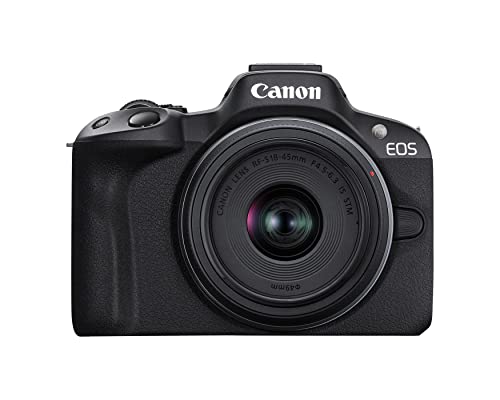
| Canon EOS R50 | Best family camera for most beginners | Friendly, fast on faces and warm in colour — the camera a family’s archive should be founded on. |
| Nikon Z50 II | Best for the keen parent | A real photographer’s body that grows with the children and the photographer’s ambition alike. |
| Sony ZV-1F | Best for filming family life | One-button simplicity for the parent whose family archive moves — first steps, first words, in video. |
| Canon PowerShot G7 X Mark III | Best handbag family camera | Flattering colour and real stills in the camera that is actually at the restaurant, the park and the party. |
| Fujifilm Instax Mini 12 | Best for children and instant prints | The camera children can run themselves, producing the prints that cover the fridge and the grandparents’ wallets. |
| Polaroid Go Generation 2 | Best tiny instant camera | The smallest Polaroid — pocketable instant photographs with the classic frame, for parties and pockets. |
How Did We Choose These Cameras for a Beginning Family Photographer?
We judged these cameras at the family’s actual working conditions. First, responsiveness to chaos: autofocus that finds a child’s face and eyes without being asked, startup fast enough for a moment noticed across a room, and handling a parent can manage one-handed — because the other hand is holding the baby, the door or the birthday cake. A family camera that needs two hands and a menu has failed before its sensor is consulted.
Second, forgiveness. Family light is the worst light in photography — mixed, dim, greenish, backlit by windows the child insists on standing in front of — and we weighted colour that defends skin under it, sensors that stay clean as sensitivity climbs, and files that tolerate the rescue editing a beginner will perform. Canon’s colour reputation, Nikon’s honesty and Sony’s modern accuracy all earned their places under this test rather than in a studio.
Third, the family’s whole ecology: size that gets carried to the park, a system that grows as children and skills do, video for the moments that must move, and — the criterion no other guide on this site applies — what the camera does for the photographed. The instant cameras are here because family photography’s subjects deserve cameras too, and because a print handed to a grandparent at the table is a feature no sensor statistic captures.

Canon EOS R50 — Best family camera for most beginners
The R50 is the family foundation we recommend without hesitation, because it was effectively designed by listening to parents. Its autofocus finds faces and eyes — the toddler’s, the dog’s, grandma’s — and holds them through the chaos of a living room, so the beginning family photographer can spend their attention on the moment rather than the machinery. Its guided modes explain themselves to the parent who has never owned a camera, its colour renders the family as they look on their best days, and its size means it lives on the kitchen counter, charged, where family history actually happens, instead of in a cupboard of good intentions.
The system’s economics suit a family’s timeline. The kit zoom covers childhood’s geography — rooms, gardens, school halls at a stretch — and the famously affordable fast prime is the portrait unlock: suddenly the background of the birthday photograph melts, the kitchen’s evening light becomes sufficient, and the beginner’s snapshots take the step into photographs that gets noticed at family gatherings. Every lens bought fits the Canon bodies above it, so the archive’s camera can graduate when the photographer does, without a single stranded purchase.
Its limits are the honest starter ones: no in-body stabilisation, sealing that asks for ordinary care at the beach, and controls a keen parent will outgrow in a few years — into the same system, as this guide keeps designing. Battery life is a school-day heart; the spare in the drawer is part of the family kit, beside the spare everything else a family runs on.
For the beginning family photographer, the test of a camera is the archive at the child’s tenth birthday: thousands of sharp, warm, present photographs, growing in quality as the photographer grew. The R50 is the surest route to that archive we can recommend at its price.
Its video deserves the family footnote: the same body films the first steps with the face-tracking already learned from stills, so a stills-led family is not exiled from the moving moments — it simply films them as a photographer would, deliberately and in short, well-kept clips. Many families discover that is exactly their video style and never need a dedicated film camera at all.
Buy it with the kit, add the prime at the first birthday — the child’s or the camera’s, whichever comes first — and be the family member whose photographs everyone asks for.
- Format: APS-C mirrorless, interchangeable lenses
- Autofocus: automatic face and eye detection
- Colour: Canon’s warm, family-flattering rendering
- Teaching: guided modes for the true beginner
- Growth: Canon RF system, affordable portrait prime
Strengths
- Finds children’s faces so you can find the moment
- Warm colour forgives family light daily
- Grows from first baby photos to a serious archive
Trade-offs
- No in-body stabilisation
- Light sealing for beach and weather
- Keen parents will graduate within the system
Best for: a beginning family photographer — especially a new parent.
Not suited for: a professional event photographer needing flagship stamina.

Nikon Z50 II — Best for the keen parent
The Z50 II is the family camera for the parent who suspects, correctly, that they are going to love this. It offers the same face-and-eye autofocus family life demands, inside a body with a real photographer’s layout — twin dials, a bright viewfinder for sunny playgrounds, a grip that balances the telephoto the school years will require. Where the R50 tutors with guidance, the Nikon teaches with equipment: the parent learns exposure by handling it, and the camera never patronises the lesson.
Its family virtues compound over a childhood. The viewfinder composes at noon in July when screens wash out — which is when children are outdoors being photographed. The subject detection extends to the family dog and the garden birds, the video is strong enough for the school play filmed from row nine, and Nikon’s colour keeps skin honest under the hall’s mixed light. The Z system’s telephoto path is the school-sports future, bought one affordable lens at a time, and the body’s build survives the family bag’s ecosystem of crumbs, bottles and weather.
The trade against the R50 is hand-holding: Nikon’s interface assumes a learner who reads and experiments, and a parent who wants the camera to explain everything in plain language will be happier with the Canon. The Z50 II also asks a little more money for its more serious body. Both differences are temperament, not quality, and families should choose by the photographer’s, honestly assessed.
For the parent who photographs the family as the first chapter of a serious hobby — the one already composing in their head at the school gate — this is the foundation that will not need relaying at year three.
It is also the grandparent-upgrade pick: the family photographer who started on a phone and felt its ceiling will find the Z50 II the complete answer in one body.
- Format: APS-C mirrorless, interchangeable lenses
- Autofocus: subject detection for people and animals
- Handling: twin dials, bright viewfinder
- Video: strong enough for school plays and sport
- Growth: Nikon Z system with telephoto path
Strengths
- A photographer’s education inside a family camera
- Viewfinder for the sunny years outdoors
- Build and system for a whole childhood
Trade-offs
- Less guided hand-holding than the Canon
- A little more money and size
- Menus reward the reading parent
Best for: a keen parent beginning a serious family archive.
Not suited for: a beginner who wants the camera to explain everything.

Sony ZV-1F — Best for filming family life
Some family moments refuse to be photographs. First steps are a film. First words are a film with sound. The ZV-1F is the camera for the parent who knows their archive moves — a filming instrument of radical simplicity that lives by the same rule as the family’s other essential equipment: it must work instantly, one-handed, at 3 a.m., operated by someone asleep on their feet. Flip the screen, press one button, and the baby’s world is being recorded in focus, with the background softened and the parent’s face — flipped screen forward — able to narrate, introduce and appear.
Its virtues for family filming are specific. The wide fixed lens frames a room and a parent’s arm’s-length selfie without geometry lessons. Face autofocus holds the baby and then the toddler without a single adjustment. The screen lets the filming parent be in the film — a matter of archival justice, since the parent behind the camera is the family archive’s most-missing person, and children ask, decades later, where you were. This camera’s whole design answers: right here, in frame, young.
Stills are its honest weakness — a convenience for thumbnails and quick shares, not an archive’s foundation — and the fixed lens and compact battery set the usual borders. A family whose archive is primarily photographs should found it on the R50 or Z50 II and let this camera be the film department; a family whose memories live as video will find the ZV-1F not a compromise but the correct primary instrument.
It also serves the wider family’s geography: grandparents on video calls, the shared clip at the day’s end, the milestone sent before bedtime. Its files move to phones with the ease modern family life requires, which is not a workflow detail — it is the difference between an archive that circulates and one that accumulates.
One more family constituency claims it regularly: the parent returning to work, filming the morning and evening edges of a child’s day in short, bright clips that carry the household through the separated hours. Its simplicity is built for exactly that tired, one-handed, emotionally loaded filming — a use no specification measures and many owners name as the reason it stays.
Choose it if your family’s story is told in motion, and let it be the reason the story includes you.
- Format: compact, fixed wide lens
- Screen: fully articulating, front-facing
- Focus: face priority, automatic and calm
- Simplicity: one-button background blur
- Role: the family’s film department
Strengths
- Films family life at one button’s notice
- Puts the filming parent in the archive
- Wide lens frames rooms and arm’s-length moments
Trade-offs
- Stills are a convenience, not a foundation
- Fixed lens and compact battery borders
- No system to grow — a complete, final tool
Best for: a family whose archive is video — first steps, first words.
Not suited for: a family founding a stills archive.

Canon PowerShot G7 X Mark III — Best handbag family camera
The G7 X Mark III is the family camera for the parent whose archive happens away from home — which, after the first year, is most of it. It is the handbag and jacket-pocket compact with a one-inch sensor, a real zoom and Canon’s flattering colour, small enough to be at the restaurant, the swimming gala, the holiday and the school gates where the system cameras were left behind. Family photography’s first law is presence, and this camera’s size is its image quality: the best family photograph is the one that exists.
Its talents suit the family’s subjects. The lens zooms from the group shot to the child’s face across the café table, focuses close for the birthday cake’s details and the newborn’s fingers, and opens wide enough to keep evening restaurants and party light usable. The tilt-up screen handles the over-the-crowd shot at the nativity play and the low angle at toddler height. Stills are genuinely strong — this is a photographer’s compact — and the video and streaming ability cover the family film’s lighter duties without a second device.
The borders are the compact class’s: a fixed lens whose reach ends where school sports begin, autofocus a generation behind the mirrorless pair’s sorcery, and a small battery that makes the spare a handbag resident. Families whose photography ambitions grow toward sport and systems will graduate to the R50 or Z50 II — often keeping this camera, tellingly, as the one that still goes everywhere.
For the beginning family photographer who knows their own habits honestly — if the big camera would stay home, buy the camera that will not — the G7 X is the archive’s best friend.
It is also the travelling grandparent’s pick of this page: one small camera, flattering to everyone, that photographs the visits and films the calls home.
- Format: compact, one-inch sensor, fixed zoom
- Screen: tilts up for low and over-crowd angles
- Colour: Canon’s flattering family rendering
- Lens: zoom for tables-to-playground distances
- Extras: capable video and streaming
Strengths
- Present at every family occasion by size alone
- Real stills quality in a pocket camera
- Colour that flatters the whole family
Trade-offs
- Fixed lens ends before school sport begins
- Autofocus a generation behind the mirrorless pair
- Small battery — the spare lives in the bag
Best for: a family whose photography happens out in the world.
Not suited for: a family building toward sports and systems.

Fujifilm Instax Mini 12 — Best for children and instant prints
The Instax Mini 12 is the camera that recruits the family. It is an instant camera of complete simplicity — point, shoot, and a small print develops in the hand — designed so that a child can be its photographer within a minute of meeting it. In a family archive strategy it plays the role no system camera can: it makes photography a shared, physical, immediate joy rather than a parent’s technical hobby conducted at the children. The prints go on the fridge, into grandparents’ wallets, onto bedroom walls, and they are, by a distance, the family photographs that get looked at most.
Its virtues are tuned to small hands and family chaos. Automatic exposure removes the settings question entirely, a selfie mirror and close-up mode handle the genres children actually shoot, and the camera’s cheerful design and toughness forgive the drops and sticky fingers of its constituency. The prints’ soft, bright character is not a failed version of digital sharpness — it is a look children and grandparents both read as happiness, and it prints the moment at the moment, which no other camera here can do at any price.
The economics require honesty: film is a per-photograph cost, forever, and the archive it builds is physical, small and unscannable-by-default. It is not the family’s record camera — it will not serve the school play or the portrait wall. It is the family’s joy camera and the children’s apprenticeship, and judged in that role it has no rival on this page.
Buy it for the child who keeps asking for the camera, the party that needs a guest book, the grandparent visit that deserves prints before the car leaves. Pair it with any system pick here and the family owns both the archive and the celebration of it.
Safety, stated once and plainly because its constituency is children: the Instax is a camera, not a toy in the regulatory sense — supervise the youngest photographers, keep film packs and the small parts of any camera kit away from toddlers, and let the printing be the part the little ones own completely. The joy is real and so is the household’s ordinary care.
A household hint from long family use: give the Instax its own film budget line, like the birthday candles. Running out of film mid-party is the only way this camera has ever disappointed anyone.
- Format: instant camera, prints on Instax Mini film
- Exposure: fully automatic
- Extras: selfie mirror, close-up mode
- Prints: credit-card sized, develop in hand
- Role: the children’s camera and the family’s joy
Strengths
- Children become photographers in one minute
- Prints are shared physically, instantly, joyfully
- Automatic everything — no settings to learn
Trade-offs
- Film costs money per photograph, forever
- Not a record camera for plays or portraits
- Small prints are the whole format
Best for: children, parties and grandparents — the family’s print-makers.
Not suited for: the family’s main archive camera.

Polaroid Go Generation 2 — Best tiny instant camera
The Polaroid Go Generation 2 is the instant idea at its most portable: the smallest Polaroid camera, making the classic framed print in miniature, small enough for a coat pocket at the wedding, the festival, the school trip. Where the Instax is the children’s camera, the Go is the adult’s pocket instant — the one that travels to occasions and produces, on the spot, the photograph-as-gift: handed to the new friend, the host, the graduate, while the moment is still warm.
Its operation is the instant genre’s simplicity with a photographer’s small additions: a selfie mirror, a self-timer for the group shot that includes the photographer — family photography’s eternal problem, solved by chemistry — and double-exposure play for the creatively inclined cousin. The prints carry the Polaroid frame and the format’s soft, nostalgic rendering, which suits celebrations the way the Instax’s brightness suits children.
The honest borders match its sibling’s: film is a running cost in its own smaller format, the prints are keepsakes rather than records, and exposure automation means the camera decides — occasionally eccentrically — in tricky light. It is an instrument of generosity and fun, and it should be bought as one, not as a family’s documentation strategy.
Within a family system it earns its pocket: the camera of parties and trips, the children’s second instant when tastes divide, the wedding guest-book station. Paired with the archive cameras above it completes the family’s two economies of photography — the files that last and the prints that circulate.
Choose it if your family life is sociable and mobile, and you want the instant print to be your signature at gatherings. Small camera, long memories.
- Format: instant camera, miniature Polaroid prints
- Size: the smallest Polaroid — true pocket size
- Extras: selfie mirror, self-timer, double exposure
- Prints: classic frame, miniature format
- Role: the pocket instant for occasions
Strengths
- Instant prints at true pocket size
- Self-timer solves the missing-photographer problem
- The photograph-as-gift, produced on the spot
Trade-offs
- Its own film format is a running cost
- Automation decides exposure for you
- Keepsakes, not archive records
Best for: sociable families — parties, trips and gatherings.
Not suited for: the family’s primary documentation camera.
How Do the Six Family Cameras Compare Side by Side?
| Pick | Key specification | Standout trait | Watch out for |
|---|---|---|---|
| Canon EOS R50 | Mirrorless system | Foundation of the archive | Starter controls later |
| Nikon Z50 II | Mirrorless system | Keen parent’s education | Less hand-holding |
| Sony ZV-1F | Compact filming camera | Family life in motion | Stills are secondary |
| Canon G7 X Mark III | Pocket compact | Presence everywhere | Fixed lens borders |
| Fujifilm Instax Mini 12 | Instant camera | Children and prints | Film cost per photo |
| Polaroid Go Generation 2 | Instant camera | Pocket prints for occasions | Keepsake scale only |
The table is really a household organisation chart. Two cameras found the archive — the R50 for the guided beginner, the Z50 II for the keen one. Two cameras serve the archive’s daily life — the ZV-1F filming it, the G7 X attending it everywhere. And two cameras belong to the photographed — the instants, which turn subjects into photographers and moments into objects. Most real families end up owning one from each row over a childhood, in that order, and this guide’s advice is to buy them in that order too.
The second reading is by what each camera does with the moment. The system cameras keep it perfectly and forever. The compacts keep it conveniently. The instants spend it immediately, gloriously, in the room where it happened. A family needs both economies — the vault and the currency — and the beginner’s mistake is buying only one and wondering why the archive feels either joyless or thin.
How Do You Photograph Children Honestly? A Beginner’s Field Guide
Get down. The single transformation in family photography is altitude: photographs taken from the child’s eye level enter their world, while the standing adult’s view documents its roof. Every pick here supports the descent — articulating screens for the R50 and ZV-1F, the G7 X’s tilt — and the beginner who kneels for a season will see their family archive change character completely. Photograph the life, not the performance: children directed to smile produce the family’s least-loved photographs within a year, while children absorbed — building, reading, plotting — produce the ones that get framed. The long lens from the doorway, the burst at the genuine laugh’s peak, the photograph taken before ‘say cheese’ is ever uttered: that is the craft.
Light serves honesty when it is the room’s own. Window light for the quiet portraits, the garden’s shade for the noon chaos, the evening lamp for the story before bed — the cameras here were chosen partly for colour that keeps these honest lights kind to skin. Flash has its place at the party, bounced and diffused, but the beginner’s family style is built from found light and fast lenses, because found light is where the family actually lives.
Finally, photograph the relationships, not just the children: hands, laps, the grandparent’s reading glasses beside the picture book, siblings in conspiracy. The beginning family photographer is building the evidence of a whole household’s love, and the children, grown, will search the archive for exactly the frames the beginner almost did not take.
How Do You Keep a Family Archive Alive: Printing, Backup and Sharing?
An archive that lives on one card in one camera is a rumour. The family system that works is unglamorous and total: photographs copied to the computer and one other place — cloud or a second drive — on a rhythm tied to the week’s end; the best handful printed monthly, because paper is the backup that needs no password and the display that needs no charging; and a shared album for the family’s far-flung members, fed while the moments are news. The cameras support the system differently — the system cameras’ files reward the full treatment, the G7 X shares fastest, the instants bypass it entirely by being born printed — and the beginner should choose the rhythm before choosing the camera, because the rhythm is what survives.
Printing deserves its own insistence. The family photographs that matter in thirty years are disproportionately the printed ones, because prints are inherited, boxed, found in drawers and held. A monthly print habit — a dozen frames, one wall, one album — converts the digital archive’s overwhelming thousands into the family’s curated memory, and it teaches the photographer faster than any course: paper forgives nothing and praises precisely.
Sharing is the archive’s circulation, and it has a courtesy layer beginners should adopt early: photograph other people’s children as you would have yours photographed, share within the family’s agreed circles, and let the growing children inherit a say in their own image. The family photographer’s power is real, and its kind exercise is part of the craft this guide is teaching.
How Do You Photograph the Big Family Occasions?
Occasions — birthdays, holidays, the school play, the christening — are family photography’s fixtures, and they reward the sports photographer’s virtues in miniature: arrive early, claim the position where the light and the background agree, and photograph the edges as faithfully as the centre. The cake is photographed by everyone; the beginner who also takes the cook’s hands, the cousins’ reunion at the door and the patriarch asleep afterwards owns the occasion’s actual memory.
Match the camera to the occasion’s physics. The play and the sports day belong to the system cameras and their reach; the party belongs to the G7 X in the pocket and the instants on the table, where their prints become the event’s souvenirs in real time; the holiday belongs to whichever camera the family will actually carry up the mountain, which is a question this guide has asked in every section because it is the only question that decides archives.
And rotate the honour. The beginning family photographer’s occupational hazard is absence from their own archive; the flip screens, timers and remotes in this line-up exist partly to correct it, and the instants correct it socially — hand the Instax to a child and be photographed, badly and wonderfully, by the next generation. An archive with the photographer in it is worth a small tax in technical perfection.
What Should a Family Buy After the Camera?
In the order family photographs actually improve: the fast prime lens, because family light is dim and children’s backgrounds deserve melting; the second battery and the bigger card, because occasions do not pause; the print habit, which costs little and returns the archive to the house’s walls; and only then the second body or the longer lens the school years eventually demand. The beginner who funds in that order will watch their photographs improve at every step, which is more than can be said for the glamorous order — body, bigger body, regret.
For filming families the order rhymes: a small microphone before any camera upgrade, because family films are watched for their sound — the voice at that age, the song, the story — long after their picture is forgiven. The ZV-1F and G7 X both accept the family’s growing audio ambitions in their different ways, and the archive’s future self will send thanks.
Resist, above all, the second-system temptation: families accumulate cameras the way they accumulate odd socks, and an archive split across brands, apps and chargers is an archive half-abandoned. Choose the household’s system from this page’s top rows and let everything else be an accessory to it — the instants excepted, because joy is allowed its own format.
How Do Grandparents and the Wider Family Fit the System?
The family photographer’s congregation is wider than the household, and the camera choice serves them too. The G7 X is the travelling grandparent’s instrument; the instants are the visit’s entertainment and its souvenirs; the system cameras’ sharing — photographs to phones in moments — is how the modern family’s archive reaches the relative on another continent before the birthday cake is cleared. A beginning family photographer is, whether they applied or not, the family’s correspondent, and the kit should be chosen for correspondence as well as for art.
Invite the wider family into the making. A shared album everyone can add to democratises the archive and rescues the occasions the official photographer missed; a printed annual book — the year’s best, bound — becomes the family’s gift economy’s crown and the archive’s most durable backup, distributed across households by celebration. These are not workflow tips so much as the point of the enterprise: family photographs exist to bind a family, and the camera is merely where the binding starts.
The beginner who internalises that — who photographs for the grandmother’s fridge and the unborn reader as faithfully as for their own feed — has understood the assignment that this entire page exists to serve. The cameras are six good answers. The assignment is the family’s memory, and it is hiring.
How Do You Photograph Babies in Their First Year?
The first year is family photography’s foundation and its most forgiving assignment, because the subject’s world is small and the photographer’s access is total. Work in the day’s soft hours and the room’s window light; photograph the scale of things — the hand around the finger, the foot against the parent’s palm — because those are the frames that measure the year’s astonishing growth; and keep the camera where the life is, which in year one means the room you live in, charged and capped, not stored like occasion equipment.
Milestones deserve their heresy: the staged monthly photograph is fine, and families love the series — but the year’s real archive is the unstaged evidence around it, the feeds and naps and baths and visitors, photographed by the parent who had the camera in reach. The R50’s counter-top presence and the G7 X’s bag residency are year-one features of the first rank, and the ZV-1F owns the year’s moving moments, which arrive unannounced and do not repeat for a better-equipped parent.
Share the year as it happens — the grandparents’ album, the printed monthly handful — because the first year’s photographs have an audience at peak devotion, and the habit of sharing early builds the archive’s circulation before the toddler years scatter everyone’s time. The beginner who treats year one as the archive’s foundation, rather than its prelude, owns the family’s most valuable volume.
How Do You Photograph Teenagers and Older Family Members?
The archive’s later chapters change technique. Teenagers negotiate: the family photographer learns consent, timing and the long lens’s discretion — photograph the performance, the sport, the absorbed skill, and let the portrait be earned by trust rather than extracted by authority. The cameras serve differently here — the Z50 II’s reach and viewfinder for the match and the stage, the G7 X’s invisibility for the candid table — and the photographer’s diplomacy becomes the real equipment, as it was always going to.
Older family members deserve the opposite of discretion: they deserve sessions. The grandparents’ portraits, taken deliberately, in their own light and their own chairs, with time for stories between frames, are the photographs a family will one day call priceless without embarrassment. Every system pick here can take them beautifully; the instants make the session a pleasure rather than a procedure, producing the print the sitter holds before the visit ends.
The through-line of a whole family archive is respect for its subjects’ changing terms — total access in year one, negotiation in year fifteen, honour in year eighty. The beginning family photographer who learns that rhythm early will be trusted with a lifetime of moments, and trust, in the end, is the family’s only irreplaceable photographic equipment.
How Do You Handle Family Video Alongside Photographs?
Most family archives are secretly mixed media, and the beginner serves them best by deciding the division of labour early. Photographs carry the faces, the places and the printable memory; video carries the voices, the movement and the occasions’ sound. The cameras here divide accordingly — the system pair and the G7 X film respectably inside a stills-led archive, the ZV-1F leads a video-led one — and the household that names its primary medium buys correctly the first time, instead of discovering at the school play that its camera’s heart is elsewhere.
The practical craft is storage and ruthlessness. Video devours cards and drives at rates stills never approach, and a family archive drowned in unreviewed footage is as lost as one never recorded. Film deliberately — the song, the story, the first steps, the toast — in clips with beginnings and ends, and review on the week’s rhythm with the same discipline as the photographs. The clips a family rewatches are short, intentional and findable.
Sound is video’s family treasure and its easiest win: the child’s voice at four is the archive’s most perishable asset, and a quiet room and a camera near the speaker preserve it better than any resolution. Future historians of your family will forgive the footage everything except inaudibility.
What Does a Beginning Family Photographer Do in the First Month?
Week one belongs to presence: the camera charged, capped, living where the family lives, and a photograph a day without ambition — the breakfast, the dog, the light on the stairs. The habit being built is reach: camera first, phone second, for anything that matters. Week two adds the face: a session of window portraits of every household member, the photographer kneeling, sitting and standing to learn what altitude does, reviewing for the frames where the person looks like themselves.
Week three is the outing: the park, the grandparents, the market, with the camera carried the whole time and the spare battery in the pocket, learning the archive’s logistics on a forgiving stage. Week four is the print: a dozen of the month’s frames printed and put where the family lives, and the photographer’s first experience of the archive as an object in the house rather than a folder in a machine. That month, completed on any camera in this guide, produces a beginning family photographer with an archive, a habit and a wall — which is to say, it produces the thing itself.
The months after are seasons: the fast prime when the light teaches its lesson, the telephoto when the school years call, the second instant camera when the children divide. But everything after is growth on the first month’s foundation, and the foundation is not equipment. It is the decision, renewed daily, that this family’s life is worth photographing properly.
What Mistakes Do Beginning Family Photographers Make?
Buying the big camera and leaving it home. Presence is the archive’s first law; the G7 X in the bag and the R50 on the counter out-photograph the flagship in the cupboard every week of a childhood.
Directing every photograph. The posed smile is the family’s least-loved genre within a year. Photograph the absorbed, the asleep, the mid-laugh — and save direction for the one annual portrait where it belongs.
Never appearing in the archive. Timers, flip screens, remotes and handing the camera to a child exist so the photographer is in the family record. Use them monthly, not eventually.
Letting the archive live in one place. One card, one phone, one laptop is a single accident away from a lost childhood. Copy weekly, print monthly, share as you go — the system matters more than the camera.
Photographing only your own children at gatherings. The cousins, the friends, the neighbours’ grandparents are the context that makes a family archive a world — and the photographer who shares those photographs generously becomes the family’s beloved institution rather than its surveillance department.
Saving quality for special occasions. The ordinary Tuesday is the archive’s gold — the breakfast light, the school-run coat, the dog’s patience. Photograph the ordinary with the good camera out, because in twenty years the ordinary is what everyone will be looking for.
Final Recommendation
For most beginning family photographers, found the archive on the Canon EOS R50: friendly, face-fast and warm, inside a system that grows with the children. The Nikon Z50 II is the keen parent’s foundation — the same family duties performed by a body that teaches the craft deeply — and the Canon G7 X Mark III is the companion that attends everything the system camera misses.
The Sony ZV-1F films the family’s moving life and puts the filming parent in it; the Instax Mini 12 hands photography to the children and prints to the fridge; the Polaroid Go carries the instant celebration in a pocket. Buy them in that order across a childhood and the family owns a complete memory system. Start this week, kneel to the children’s height, print something by the month’s end — the archive has already begun, and it is waiting for its photographer.
Frequently Asked Questions
I am a new parent — which camera should I just buy?
The Canon EOS R50 with its kit lens, and add the fast prime when the budget allows. It finds the baby’s face automatically, forgives the house’s light, teaches you as you go, and grows into the school years inside the same system. If your memories will mostly be video — first steps and first words — make it the Sony ZV-1F instead, and accept its stills as a bonus.
Do I really need a camera if my phone is good?
A phone is a fine family camera until it is not: the zoom for the school play, the low light of evenings, the burst for the toddler’s sprint, the lens that melts the background of the portrait you will frame — those are the moments a dedicated camera exists for, and family life is unusually rich in them. Many families run both: phone for the diary, camera for the archive. This page is for the archive.
When should children get their own camera?
As soon as they ask twice. The Instax Mini 12 is built for that moment — automatic, tough, and producing prints a child can give away, which teaches photography’s social joy before its technique. A child’s own archive of their world — the dog at eye level, the grandparents laughing at them — becomes a family treasure in its own right, and the photographer it creates may inherit the family archive one day.
How do I get sharp photos of a toddler who never stops?
Let the camera do its speciality: face and eye autofocus on, a fast shutter via the camera’s sports or kids settings if it offers them, bursts of three or four frames around the moment’s peak, and light — near a window or outdoors — that lets the shutter stay fast. The R50 and Z50 II were chosen for exactly this assignment. And shoot at their height: sharpness improves when the camera is not also fighting a bad angle.
Should I print family photos or keep them digital?
Both, in their different jobs. Digital is the vault — complete, backed up, searchable. Print is the memory — the fridge, the album, the framed wall, the box the grandchildren will open. A monthly handful of prints from the digital archive gives the family both, and the instants in this guide exist because the printed photograph’s place in a home has never been replaced by any screen.
How do I build a simple routine so family photos do not end up scattered across phones and cards?
Pick one landing place and defend it kindly but consistently. On a fixed evening each week, copy every card and family phone export into a single dated folder on your main computer before anyone deletes originals, then immediately duplicate that folder to a separate drive or trusted cloud location so the archive never depends on one device surviving a spilled drink or a lost bag. Rename nothing in a panic and rename everything by a calm pattern you can sustain, such as year, month and a few words naming the occasion, because a system abandoned after three busy weekends protects nobody. While the copies run, flag a small handful of favourites rather than attempting to edit the whole week, drop those into a shared album relatives can actually find, and add one printed choice to a box or wall each month so the collection remains a living family presence instead of a silent hard-drive burden. Once a season, gather the obvious duplicates, blurred accidents and screenshots that crept into the camera folders, remove them with a clear head, and check that your backup still opens properly. Children grow faster than filing habits form, so the routine must stay deliberately modest: gather, duplicate, choose a few, share them, and stop. Years later, nobody will ask whether your folders were elegant; they will simply be grateful that birthdays, ordinary Tuesdays and grandparents in the kitchen can all be found. Involve relatives in the lightest possible way so the archive does not rest entirely on your shoulders: ask grandparents to send originals rather than compressed chat copies, agree that one person brings the dedicated camera to shared gatherings while others simply enjoy the day, and rotate who chooses the monthly print. That small participation changes the emotional status of the collection, turning it from one relatives archive into a shared family record people actively protect, contribute to and request copies from when milestones arrive. Start this weekend with whatever backlog already exists, imperfectly sorted, because a begun archive beats a perfect plan postponed until the children have grown another year.
Related Guides
Keep exploring with best cameras for begining photographers and best cameras for babies and best cameras for family portraits.


