ilcastellomenu.com is reader-supported. When you buy through links on our site, we may earn an affiliate commission.
Where to Buy
People are photography’s first subject and its final exam. The best cameras for pictures of people are judged on a cluster of virtues no other subject demands together: autofocus that finds an eye and refuses to lose it, colour that renders skin as skin in all its variety, lenses that flatter faces rather than measuring them, and handling gentle enough that the person in front of the camera forgets to perform. A landscape never blinks, never feels scrutinised, never asks to see the picture and delete it. People do all three, at every session.
This guide is written for the photographers of people in real life: the family historian who wants the grandparents rendered beautifully, the parent whose children will only be this age once, the friend groups and small communities whose portraits are their history, and the aspiring portraitist learning what the professionals know about faces. It is deliberately distinct from this series’ everyday picture-taking guide — that one optimises for presence; this one optimises for the person.
Six cameras divide the territory by depth of intention. Two full-frame bodies lead for portrait quality and eye focus you can trust with a wedding; two mid-range bodies bring ninety percent of that quality to family budgets; a Fujifilm contributes colour that people describe as kind; and a creator’s compact covers the person who photographs people mostly to talk with them, online, at arm’s length.
A warning the guide will repeat until it is believed: the lens matters more than the body for pictures of people, and the light matters more than both. Buy accordingly — the verdicts are written with the lens each body implies, because a portrait camera is a portrait lens with a recording device attached.
One scope note before the verdicts: this guide covers photographing people with their knowledge and welcome, in the settings of family, community and commissioned work. The candid and street traditions have their own ethics and their own guides; here, the person in front of the camera is a collaborator, and the cameras are judged partly on how well they serve the collaboration.
Key Takeaways
- Pictures of people stand on three legs: eye focus that never hunts, skin colour that stays true, and a lens that flatters.
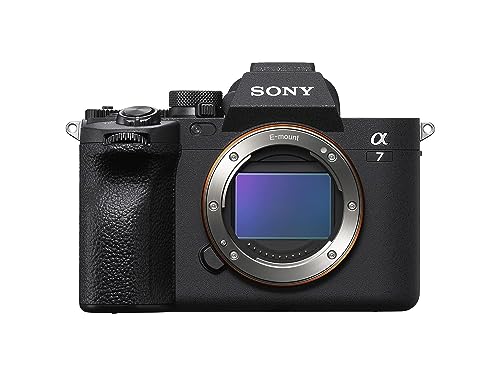
- Leading this guide is the Sony Alpha 7 IV — its eye autofocus and files make professional portraiture feel routine.
- The Canon EOS R6 Mark II is the people-pleaser: Canon’s skin rendering and handling that puts sitters at ease.
- The Fujifilm X-T5 renders people with a kindness photographers describe as filmic, in a body sitters relax around.
- For family portrait value, the Nikon Z50 II offers faithful faces, friendly operation and honest lenses.
- The Canon EOS R50 brings guided portraiture to beginners, with eye focus inherited from professional bodies.
- The Sony ZV-E10 II serves the talking portrait — creators whose people pictures are conversations.
- Budget the bright portrait prime lens as part of the camera purchase — it will change your pictures of people more than any body upgrade in this guide.
In this guide
Quick Picks
| Camera | Badge | Why people look right in it |
|---|---|---|
| Sony Alpha 7 IV | Best for serious portraiture | Eye focus of professional reliability and files that honour skin in the edit. |
| Canon EOS R6 Mark II | Best for weddings and events | Skin colour audiences love, with focus that keeps up with a moving celebration. |
| Fujifilm X-T5 | Best for characterful portraits | Colour with a filmic kindness and dials that slow the session into rapport. |
| Nikon Z50 II | Best family portrait value | Faithful faces and friendly handling for the household’s designated portraitist. |
| Canon EOS R50 | Best for beginners photographing people | Guided help and inherited eye focus for first portraits that succeed. |
| Sony ZV-E10 II | Best for creators and conversations | Face-first automation for the portrait as dialogue, at a desk or on the move. |
How Did We Choose Cameras for Pictures of People?
Sitters were the test apparatus: the same people photographed across every candidate, in window light, kitchen light and the unkind mixed light of real rooms, at conversational distance and across a garden. Cameras were scored first on whether the person looked like themselves on a good day — the only definition of portrait quality a family has ever used — and only afterwards on detail, depth and specifications.
Eye autofocus was examined for trustworthiness rather than speed. A portrait session lives or dies on whether the photographer can stop supervising focus and start directing, chatting, waiting for the expression that matters. Bodies whose eye detection held through turns, glasses, laughter and partial shadow — without the photographer’s anxiety — defined the top of this guide.
Skin colour was judged across a range of skin tones, because a camera that flatters one complexion by warming it can betray another by greying it. We favoured rendering that keeps each sitter’s actual colour — its warmth, its depth, its undertone — and files that let the photographer correct a room’s bad light without the skin paying for the correction.
Lenses were part of every verdict, as this guide’s introduction promised. Each system’s portrait glass — the bright standard and short-telephoto primes people actually buy — was weighed for flattery, focus manners and price, because a body is only ever as kind to faces as the lens in front of it.
One deliberate bias closes the choosing: this guide favours cameras whose portraits need the least rescue. A people practice is built on sessions, not on editing marathons, and a body whose faces emerge right — colour, focus, feeling — at the moment of capture returns hours to the photographer’s life with their sitters, which is where portraits actually come from.
Why Do Faces Need Different Lenses From Everything Else?
Perspective is portraiture’s invisible makeup artist. Photograph a face from close with a wide lens and the features nearest the camera swell — the nose advances, the ears retreat — producing the caricature everyone recognises from bad selfies. Step back with a longer lens and the face’s planes settle into the proportions we see in life and in flattering portraits across five centuries of painting. The lens does not change the face; it changes the distance, and the distance changes everything.
This is why portrait systems are built around the bright standard-to-short-telephoto primes: they enforce a kind, working distance, they blur backgrounds into the softness that isolates a person from a room, and their brightness buys the indoor light that family portraiture lives in. Every system in this guide offers such a lens at a sane price, and the verdicts assume its purchase — a portrait body behind a slow kit zoom is a promise half kept.
Background blur deserves its honest footnote: it is a tool for separating the person from visual noise, not a quality in itself. The portraitists worth imitating use it to simplify, then stop down or step back when the person’s world — their workshop, their garden, their grandmother’s kitchen — is part of the story. Cameras serve both choices; taste decides, and taste is the photographer’s to grow.
How Does Eye Autofocus Change a Portrait Session?
It gives the photographer back to the sitter. Without it, a portrait session is a technical negotiation conducted over the subject’s head — focus points nudged, frames chimped, attention leaking away from the human exchange that produces expressions worth photographing. With reliable eye focus, the camera holds the technical thread and the photographer holds the conversation, and the portraits improve by exactly the amount of attention returned.
The reliability has a texture worth testing: detection that survives glasses and fringes, that prefers the nearer eye and the intended sitter in a group, that re-finds the eye after laughter shakes it loose. The leaders in this guide — Sony and Canon’s full-frame pair above all — perform that texture so consistently that photographers describe the experience as the camera disappearing, which is the highest praise portrait equipment can earn.
Groups test the system differently: the camera must choose, or be told, which person carries the photograph’s focus, and depth must be managed so the chosen sharpness does not exile the rest of the family into blur. The mid-range picks handle this with face detection and sensible automation; the photographer’s craft — arranging the group in one plane, choosing the aperture for the group’s depth — remains gloriously manual.
What Makes Skin Look Like Skin in a Photograph?
Colour, texture and light, in that order of treachery. Colour first: skin’s hues sit in a narrow band that cameras and rooms conspire to shift — toward orange under tungsten, toward grey under cheap LEDs, toward magenta under mixed light — and each shift reads instantly as unhealthiness to any viewer, because human vision is a skin-colour instrument tuned by evolution. Cameras whose white balance discipline and rendering protect that band, and whose files correct gracefully, are portrait cameras; the rest are cameras that can be made to take portraits.
Texture second: skin is not porcelain, and the modern temptation — computational smoothing that erases pores, character and age — produces the waxwork portraits everyone politely hates. The bodies in this guide render detail honestly and let the photographer, in the edit, decide how much kindness is retouching and how much is erasure. Sitters, shown both versions, choose honesty with a gentle hand nearly every time.
Light third and above all in practice: a face lit by a large, soft source — a window, a bounced lamp — models its planes kindly at any age, while hard overhead light writes shadows into every line. The camera’s contribution is a live preview honest enough to show the light’s verdict before the shutter, and low-light files clean enough for the dim rooms where the best expressions live.
How Do You Photograph Skin of Every Tone in the Same Frame?
A group portrait is colour science’s public examination: complexions spanning the human range, lit by one light, expected to emerge each as themselves. Cameras fail it in predictable directions — the exposure averaged for the middle, the darker skin starved of light, the paler skin blown to chalk — and the photographer’s craft begins by refusing the average: expose for the faces, check the extremes at both ends of the group, and let the background go where it will.
The bodies in this guide help unequally and honestly. The full-frame files hold the widest range of skin in one exposure, forgiving the correction that balances a group afterwards; face-priority exposure in the mid-range bodies protects the chosen sitter intelligently; and every system’s rendering was judged in this guide’s choosing partly on a mixed group under mixed light, because that is the portrait most families actually need.
Light remains the senior partner: a large, soft source treats every complexion with the same kindness, while hard, directional light writes different verdicts on different skin. Place the group in the good light first and argue about settings afterwards — the order is the technique, and it has been the technique since portraiture was painted.
What Is Environmental Portraiture, and Which Camera Serves It?
The environmental portrait shows a person in the place that explains them — the baker in the bakery’s dawn, the mechanic among engines, the grandmother in the garden she has kept for fifty years. It asks opposite virtues from the studio portrait: a wider view, context kept sharp enough to read, and a face that must hold the frame against a whole world competing for attention.
The Fujifilm and the full-frame bodies divide this territory by temperament: the Sony’s files hold a complex scene’s every detail for the printed page; the Fujifilm’s colour unifies person and place into one remembered atmosphere; the Canon’s handling suits the working environments where the sitting is also a job being done. All three understand that the environment is not background but biography.
Technique serves the story: choose the aperture for the context’s legibility rather than its erasure, place the person where the place’s light already falls kindly, and let one prop or gesture carry the narrative. Environmental portraiture is where pictures of people become documents of lives, and it is the genre this guide’s readers most often grow into from family work.
Why Does the Photographer-Sitter Relationship Outperform Every Specification?
Because a face is not a landscape: it responds to being photographed, and its response is the portrait. A sitter who trusts the photographer gives expressions no technique can extract from a stranger under direction; a sitter who feels measured gives the camera their defences. Every body in this guide was therefore judged partly on a social quality — how completely it disappears — because the session’s real instrument is the relationship, and the camera is merely its recording device.
This is why session craft fills so much of this guide relative to settings: conversation as direction, the early shared frame as alliance, deletions honoured as trust’s currency. Portraitists who master the relationship produce recognisable work on any camera in this list; portraitists who neglect it produce technically immaculate evidence of people protecting themselves.
Beginners should hear the encouragement inside the doctrine: your portraits of your own people start ahead of a professional’s, because the trust is pre-built. The cameras here close the technical gap; the relationship, which money cannot buy, is the amateur’s home advantage — use it with gratitude and never waste it on a sitting the sitter did not enjoy.
How Should You Photograph People at Work?
Work portraiture is the environmental genre’s busiest province: the chef mid-service, the joiner at the bench, the nurse between rounds. It asks the camera for speed with sensitivity — focus that finds a face among machinery and motion, files that survive fluorescent and sodium light, and a manner unobtrusive enough that the work continues as though unobserved, because the moment it performs for the camera it stops being work.
The Canon R6 Mark II and Sony Alpha 7 IV divide the professional territory here as they do at weddings, while the mid-range bodies serve the smaller commissions — the shop’s website, the team’s page — with ninety percent of the result. The photographer’s craft is consent and choreography: permission arranged, positions agreed that keep the worker’s hands and habits truthful, and the shutter saved for the gestures that summarise the trade.
Deliver the work portraits with the same colour fidelity as any sitting in this guide; a person’s professional likeness is a livelihood asset, and its truthfulness is a form of respect the sitter will recognise instantly.
Which of the Best Cameras for Pictures of People Fits Your Sitters?

Sony Alpha 7 IV — Best for serious portraiture
The Alpha 7 IV is the portraitist’s professional centre in this guide because its eye autofocus crosses the threshold from assistance to trust. Faces are found, eyes are held — through movement, through glasses, through the half-turns of real conversation — and the photographer is released into the session’s human work: direction, timing, rapport. Weddings, family commissions and editorial portraits all run on that release.
Its files honour the second half of the bargain. Skin’s colour survives the room’s worst light into the edit, where it can be corrected without the texture tearing; detail is rendered with a fidelity that lets the photographer choose kindness rather than having softness imposed; and the resolution supports the crops portraiture constantly needs — the vertical from the horizontal, the grandparent extracted from the group.
Sony’s lens bench completes the professional case: portrait primes at every price and character, from clinical modern glass to softer vintage-look options, all focusing with the silence and certainty a session requires. A portrait practice built here lacks for nothing its owner can name.
The body’s manner is businesslike rather than charming, and sitters take their ease from the photographer rather than the instrument. In professional hands that is no defect at all — the camera disappears into competence, and the person in the chair becomes the only personality in the room, which is exactly where a portrait wants it.
- Format: full-frame mirrorless
- Focus: real-time eye autofocus, professional grade
- Files: skin colour that survives correction
- Lenses: the deepest portrait bench available
- Build: sealed, session-proof
Strengths
- Eye focus you can stop supervising
- Skin rendered and correctable truthfully
- A lens for every portrait intention
Trade-offs
- Menus reward one thorough configuration
- Body manner is professional, not playful
- Full-frame lenses price the system seriously
Portraitists shooting environmental work — the craftsperson in their workshop, the elder in their garden — will value how its files hold a whole scene’s truth while the face carries it: context and complexion in one honest frame.
Sony portraitists should save a dedicated portrait setup — eye focus, a skin-friendly profile, the drive set for single frames — into a custom mode, so the sitting starts at a dial’s turn rather than in a menu’s depths.
Best for: professional and serious amateur portraitists. Not suited for: casual family snappers wanting the smallest body

Canon EOS R6 Mark II — Best for weddings and events
If the Sony is the portraitist’s instrument, the R6 Mark II is the people’s photographer at a celebration: fast, warm and socially invisible. Its eye focus performs in the chaos a wedding actually is — moving groups, turning dancers, faces appearing between other faces — and Canon’s colour gives skin, across its whole human range, the gentle glow that clients describe as looking like themselves on their best day, because it is their best day.
Low light is where its event case becomes decisive. Receptions, evening ceremonies, candlelit speeches: the full-frame files stay composed at sensitivities that would fray lesser cameras, and the stabilisation steadies the photographer’s own excitement. The portraits a celebration yields at midnight are this body’s signature.
Its handling serves rapport under pressure — controls that never need looking at, a grip that survives a twelve-hour day, responsiveness that keeps the photographer’s attention on the room’s emotions rather than the camera’s opinions. Event portraiture is hospitality performed with a camera, and this body is the most hospitable professional tool here.
Resolution is its chosen trade: ample for albums and walls, selected in favour of speed and low-light grace. Portraitists whose work is the huge, scrutinised print should weigh the Sony or Fujifilm files; everyone photographing people where people actually gather will rarely find the ceiling.
- Format: full-frame mirrorless
- Focus: eye tracking in event chaos
- Colour: skin rendered warmly and truly
- Stabilisation: in-body, for long days
- Files: graceful in reception light
Strengths
- Celebration portraiture without anxiety
- Skin colour clients instinctively love
- A twelve-hour body that never distracts
Trade-offs
- Resolution ample rather than maximal
- Professional lenses raise the total
- Menus are deep for a beginner’s gift
Engagement and family-event photographers should note its group manners specifically: faces are found across a row without the focus wandering to the loudest shirt, a small intelligence that saves the formal portraits every celebration requires.
Canon’s colour rewards restraint in the edit: its skin arrives so close to the client’s memory of the day that heavy grading reads as revisionism. Correct the room, trust the faces.
Best for: wedding, event and celebration portraitists. Not suited for: studio printers needing maximum resolution

Fujifilm X-T5 — Best for characterful portraits
The X-T5 photographs people the way film did — with colour that has an opinion about kindness. Its simulations render skin with a softness of palette that sitters experience as flattery and photographers recognise as craft: not smoothing, not sweetening, but a colour relationship between face and world that feels remembered rather than recorded. For portraits intended to be felt, it is the most distinctive instrument in this guide.
The body’s retro manners work on sitters as surely as its colour does. A camera that looks like an heirloom lowers a room’s defences; people pose less, perform less, and give the photographer the unguarded expressions that are portraiture’s whole harvest. Photographers of elders, of children, of the camera-shy report the same phenomenon: this object is trusted in a way black professional bodies are not.
Its resolution serves the printed portrait handsomely, its dials keep the session deliberate, and Fujifilm’s prime lenses — the portrait focal lengths in particular — are characterful, affordable and sharp where faces need sharpness: at the eye, with the rest of the world allowed to melt.
Eye focus is capable rather than clairvoyant beside the full-frame leaders, so fast event work leans on the photographer’s craft more here. For the deliberate portrait — the sitting, the environmental study, the family’s heirloom frame — that is a fair trade for the colour and the calm it buys.
- Format: high-resolution APS-C mirrorless
- Colour: film simulations, kind to skin
- Controls: dials for a deliberate session
- Lenses: characterful portrait primes
- Manner: an object sitters trust
Strengths
- Portraits with a recognisable, gentle voice
- Sitters relax around its classic manner
- Print-worthy resolution for the wall
Trade-offs
- Eye focus trails the full-frame leaders
- Low-light ceiling below the Canon and Sony
- Simulations tempt inconsistency across a series
Photographers building a portrait style should exploit its saved custom setups: one simulation-and-tone recipe as the house portrait look, applied to every sitter for a season, until the work coheres into a signature clients can request by name.
Fujifilm’s portrait simulations divide by sitter rather than by taste in experienced hands: the softer palettes for elders and children, the crisper ones for character studies — consistency within a sitting, variety across a practice.
Best for: deliberate portraitists and family heirloom work. Not suited for: fast event coverage in dark venues

Nikon Z50 II — Best family portrait value
The Z50 II is the portrait camera of the household that wants its people done properly without a professional’s budget or temperament. Nikon’s faithful colour is its foundation: faces come out looking like the family, across its whole range of complexions, with a truthfulness that makes prints on the wall agree with the people walking past them.
Its face and eye detection handles the family’s portrait occasions — the group at the table, the child who will sit still for exactly four seconds, the grandparent in window light — with a calm competence that keeps the designated photographer’s blood pressure and the session’s mood equally low. Menus explain themselves to whichever relative picks it up next.
The portrait lens path is honestly priced: Nikon’s bright primes for the Z mount turn this body from a family camera into a portrait instrument for the price of a modest lens, and the transformation — blurred backgrounds, indoor light mastered, faces modelled kindly — is the most satisfying upgrade in family photography.
It lacks the leaders’ low-light depth and eye-focus clairvoyance, and its screen tilts rather than flips for the self-portraitist. Within the family’s territory — daylight, lamplight, love — those limits are surveyed rarely, and the value is surveyed every time the prints come back.
- Format: APS-C mirrorless
- Colour: faithful across complexions
- Focus: face and eye detection for family sessions
- Menus: plain-language, shareable
- Lenses: honestly priced portrait primes
Strengths
- Family faces rendered truthfully
- A portrait upgrade path that costs one lens
- Calm sessions, successful groups
Trade-offs
- Low-light depth trails the full-frame pair
- Screen tilts only
- Eye focus good, not clairvoyant
Multigenerational households should value its consistency across hands: the same faithful faces whether a parent, a teenager or a grandparent pressed the button, which keeps the family archive visually one family’s work.
Nikon’s faithful rendering makes it the easiest body here for a beginner portraitist to learn colour on: what the edit shows is what the room contained, so cause and effect stay legible.
Best for: family portraitists and value-led households. Not suited for: professional event coverage in dark venues

Canon EOS R50 — Best for beginners photographing people
The R50 brings professional portrait intelligence to the beginner’s first sessions, and that combination is rarer than it should be. Its eye focus descends from Canon’s professional line — the beginner composes, converses, and trusts the camera with the eyes — while its guided interface quietly teaches the portrait craft: why the background softened, what the light is doing to the face, when to step back for a kinder perspective.
Canon’s colour flatters the beginner’s subjects mercifully: family skin tones emerge pleasing without correction, so the first portraits a new photographer shows around the table earn the compliments that sustain a practice. Early success is a pedagogical strategy, and this body executes it deliberately.
Add the bright portrait prime when the kit lens’s limits announce themselves — usually at the first indoor birthday — and the R50 becomes a genuinely capable portrait instrument, the kind whose work gets framed. The system’s growth path means none of that learning or glass is wasted when ambition arrives.
As a gift for the family’s emerging portraitist, it is this guide’s easiest recommendation: kind to the giver’s budget, kind to the sitter’s complexion, and kind to the beginner’s confidence in exactly the proportions a first portrait camera requires.
- Format: APS-C mirrorless, compact
- Focus: eye detection inherited from pro bodies
- Guidance: plain-language portrait teaching
- Colour: flattering to family skin
- System: Canon RF portrait lenses
Strengths
- First portraits that succeed and encourage
- Professional focus manners, beginner manners elsewhere
- A prime lens away from real portraiture
Trade-offs
- No in-body stabilisation
- Single dial as skills grow
- Kit lens limits indoor portraits until upgraded
Beginners should exploit its scene intelligence for groups specifically: it reads a row of faces and sets a depth that keeps them all, sparing the new portraitist the aperture arithmetic until they are ready to learn it on purpose.
The R50’s portrait scene intelligence quietly manages depth for groups — a mercy beginners only appreciate after their first all-blurred family row on a less literate camera.
Best for: beginners and family portraitists starting out. Not suited for: professionals needing dual slots and sealed build

Sony ZV-E10 II — Best for creators and conversations
A growing share of the world’s portraits are conversations: the creator facing the camera, the interview across a desk, the grandparent recorded telling the family’s stories. The ZV-E10 II is built for that portrait form — face and eye focus that never distracts the speaker, exposure that protects skin while the room’s light misbehaves, and a flip screen that lets the sitter be their own photographer.
Its stills serve the same world: the portrait that becomes the thumbnail, the guest’s photograph for the episode page, the family frames taken between recordings. Sony’s colour is accurate and modern, its lens mount offers portrait primes when the channel’s ambitions grow, and the whole body lives on the desk where the conversations happen.
Product-showcase focus, its party trick, matters to people-photography more than it first appears: the interviewer holding up the photograph, the book, the heirloom to the lens is performing portraiture’s oldest gesture — showing — and this camera follows the gesture without a focus puller.
It is not the instrument for the formal sitting or the dark reception, and it does not pretend to be. For the portrait as dialogue — the form the century is busiest inventing — it is the most literate camera in this guide.
- Format: APS-C mirrorless, compact
- Focus: face and eye priority for speakers
- Screen: fully articulating, self-facing
- Audio: creator-grade connections
- System: Sony E-mount portrait primes
Strengths
- The conversational portrait, automated kindly
- Sitters who photograph themselves successfully
- Desk-sized and always ready
Trade-offs
- No viewfinder for traditional sittings
- Event stamina is episodic, not marathon
- Stills are the junior craft in its design
Families recording elders’ stories should audition it first: its forgiving focus and face-true exposure let the grandparent talk and the grandchild listen, while the camera handles the portrait — which is the correct division of labour for that afternoon.
The ZV-E10 II’s stills deserve one deliberate portrait outing with a prime lens attached: its face focus and colour, given real glass, produce portraits its vlogging reputation undersells.
Best for: creators, interviewers and family storytellers. Not suited for: formal portraiture and dark event work
How Do You Direct People Who Are Not Models?
With conversation, not instruction. The portraits that live are taken mid-sentence, mid-laugh, mid-memory — the photographer’s craft is to keep the sitter’s mind on anything except their face, while the camera’s eye focus, on every body in this guide, keeps the technical faith. Ask about the good stuff: the person’s work, their people, the story behind the object in their hands, and press the shutter in the answers’ pauses.
Give the hands and the posture one simple job — hold this, lean here, turn toward the window — because a sitter with an occupation relaxes, and a sitter arranged like furniture performs furniture. Then shoot more than feels necessary during the good minutes; expressions are weather, and the frame you want is a break in it that no one can schedule.
Show the sitter a good frame early. Nothing loosens a session like evidence that it is working — the sitter sees themselves as the camera sees them, kindly, and begins to collaborate. The articulating screens in this guide exist for that moment of alliance as much as for any angle.
What Settings Serve a Family Portrait Session Indoors?
Start from the light’s geography: place the sitters near the largest window, turned so the light models their faces from the side rather than flattening them from the front, and let the room fall away behind. Choose the portrait lens, open it toward its brighter apertures for a single sitter and stop it down honestly for a group, and let sensitivity climb before flash is even considered — the cameras here keep skin clean at the levels lamplight demands.
Set eye focus, continuous, and forget it; set a custom white balance from something neutral in the room if the light is mixed, or trust the leaders’ judgement and correct in the edit. Then spend your whole attention budget on the people: the session’s quality will be decided by their ease, and every setting you pre-decided is attention refunded to exactly that.
End with the group arranged in one plane — a sofa’s line, a step’s stagger that keeps faces level — so one focus distance holds them all. It is the oldest trick in family portraiture and it has never been improved upon, because physics, unlike fashion, does not update.
How Do You Build a Small Home Portrait Corner That Actually Gets Used?
Permanence over production value, again: one window whose light you learn across the seasons, one plain background — a wall, a curtain, a painted board — that lives in place, and the camera charged on its shelf nearby. A portrait corner that assembles in two minutes gets used weekly; a studio that assembles in an hour gets used at Christmas, and the family’s faces change faster than Christmas comes.
Learn your window like a colleague: its kind hours, its harsh ones, the curtain’s effect, the reflector’s — a white sheet on a chair is enough — contribution from the shadow side. Portraitists speak of their light the way gardeners speak of their soil, and a home corner’s light, known deeply, outperforms rented studios known shallowly.
Keep a visible harvest: the corner’s best frame, printed and rotated monthly on the wall beside it. Sitters who see the harvest volunteer; children who watch themselves join the wall cooperate with a seriousness that surprises their parents. The corner becomes a family institution, which is the highest state a portrait practice can reach at home.
How Should You Photograph the Elders of a Family?
Slowly, in their own places, with the session built around their comfort rather than the photographer’s schedule. Elders’ portraits are the family archive’s crown — the frames that will be enlarged, framed and inherited — and they repay a sitting’s full ceremony: their chair, their light, their stories doing the directing while the camera, on any body in this guide, quietly holds the eyes.
Render them with the honesty they have earned. The modern instinct to smooth an elder’s face into agelessness is a theft disguised as kindness; the lines are the biography, and the family’s future members will look for exactly them. Edit with a gentle hand — soften the light’s cruelties, keep the life’s evidence — and show the sitter the result with the respect of asking which frame they prefer. Elders choose the truest one with a consistency that instructs every portraitist who witnesses it.
Record their voices in the same visit if the camera allows it — the ZV-E10 II and the hybrid bodies make it natural — because the portrait that can speak becomes, in time, the family’s most precious object. Photograph the hands as well as the face: hands hold the biography in a form faces sometimes guard.
How Do Self-Portraits and Couple Portraits Change the Brief?
They make the sitter and the photographer the same committee, which the articulating screens and remote controls in this guide exist to serve. The self-portraitist’s craft is pre-visualisation: the light arranged, the focus point placed where the face will be, the timer or remote in hand, and the expression left to the moment rather than rehearsed into plastic. Eye focus that engages as you settle into the marked spot — the Sony and Canon bodies perform it reliably — turns the exercise from lottery to practice.
Couples ask for the relationship’s evidence rather than two simultaneous solos: proximity that reads as affection, a shared occupation, the glance between them that the timer’s ten seconds must be spent arranging rather than freezing for. Photograph the pair in their places — the bench, the doorway, the kitchen’s evening light — and let the setting testify.
Treat the results with the same printing seriousness as any sitting in this guide. The self and couple portraits are the archive’s most personally irreplaceable stratum, and they deserve paper, frames and the wall’s best light — not a life spent as thumbnails in a folder named by a date.
How Do the Six Cameras for People Compare?
Read the table by the sitting you actually hold: the commissioned portrait, the wedding, the Sunday family session, the first attempts, the recorded conversation. Each row leads its own sitting outright, and the honest purchase is the one whose sitting is yours most often.
| Camera | People strength | Manner with sitters | Best matched sitting |
|---|---|---|---|
| Sony Alpha 7 IV | Eye focus and file depth | Professional, invisible | The commissioned portrait |
| Canon EOS R6 Mark II | Events, low light, skin colour | Warm, hospitable | The wedding and celebration |
| Fujifilm X-T5 | Colour character and calm | Heirloom, trusted | The deliberate sitting |
| Nikon Z50 II | Faithful family faces | Calm, shareable | The household session |
| Canon EOS R50 | Guided portrait success | Encouraging, friendly | The beginner’s first portraits |
| Sony ZV-E10 II | Face-first automation | Conversational | The recorded dialogue |
Notice what the table cannot show: the lens. Every row assumes its system’s bright portrait prime joins the body within the first season, and that single lens will change your pictures of people more than the difference between any two rows here. Budget for it as part of the camera, because your sitters will experience it that way.
A final portrait-specific tie-breaker: rent or borrow the finalists and photograph the same willing person on the same afternoon, in the same light, then print both at the size your wall uses. Skin, trust and print are the three examiners in this category, and they all sit in that one small experiment.
What Mistakes Ruin Pictures of People Most Often?
Photographing faces from too close with too wide a lens — the selfie distortion mistaken for the person’s actual face. Step back, use the longer end of the zoom or the portrait prime, and let perspective be kind. It is the single most common technical flaw in family portraiture and the cheapest to fix: it costs two paces.
Second, the overhead light of doom: noon sun, ceiling spots and kitchen downlights writing shadows into eye sockets and under noses, ageing every sitter by a decade. Move the person to the window, the doorway, the open shade — portrait light is usually three steps away from bad light, and the walk is the photographer’s, not the camera’s.
Third, over-smoothing in the edit until the person becomes a rumour of themselves. Skin texture is identity; remove the temporary blemish, keep the person’s geography. Sitters shown an honest, gently finished portrait recognise themselves with pleasure; shown a waxwork, they ask what was wrong with their face, and the session’s trust evaporates.
Fourth, directing by criticism — chin complaints, posture corrections, a running audit of the sitter’s appearance — until the face in the viewfinder is wearing the session’s anxiety. Direct by conversation and occupation instead, shoot through the awkward first minutes, and let the camera’s eye focus worry about the eyes while you worry about the human.
Fifth, photographing people only on occasions. The birthday and the wedding produce the formal archive, but a person’s likeness lives in the ordinary — the workbench, the kitchen, the walk — and those are the frames the future will interrogate for how someone actually was. Use the cameras here on Tuesdays; occasions can look after themselves.
Final Recommendation
For the portraitist’s full brief — sittings, commissions, prints that will be scrutinised with love — the Sony Alpha 7 IV leads this guide, with the Canon EOS R6 Mark II the celebration specialist whose skin colour and stamina events are built on. The Fujifilm X-T5 serves the deliberate sitting with a colour voice no rival imitates.
For the family’s people — which is most people’s people — the Nikon Z50 II and Canon EOS R50 divide the honours by temperament, and the Sony ZV-E10 II owns the conversational portrait the century keeps inventing. Buy the body for your sittings, the prime lens for your sitters, and spend the change on window light, which is free, and time with the people, which is the entire point.
One last encouragement, from every portraitist’s notebook: photograph your people now, in the light there is, with the camera you chose from this guide, rather than waiting for the better lens, the better room or the better occasion. Faces change on their own schedule, and the portrait taken today at eighty percent is worth infinitely more than the perfect one planned for a season that rearranges everything.
Frequently Asked Questions
What is the best focal length for portraits?
[“The classic portrait territory — short telephoto — flatters faces by enforcing a kind working distance, and every system here offers a bright prime in that range at a sane price. Wider lenses serve environmental portraits where the person’s world belongs in the frame; longer ones serve candid distance. Start with the classic, and let your sitters’ geography argue for the others later.”]
Why do my portraits look sharp but unflattering?
[“Usually perspective and light conspiring: the camera too close, stretching the face’s near features, and hard light from above carving shadows into it. Step back with a longer lens, move the sitter toward large soft light, and the same camera will appear to have been replaced by a kinder one. Flattery is geometry and illumination long before it is equipment.”]
Can these cameras handle group portraits well?
[“Yes, with the photographer’s help: arrange the group in one plane so a single focus distance holds everyone, let face detection find the row, and choose an aperture honest about the group’s depth. The leaders here track multiple faces intelligently; the mid-range bodies manage with detection and sensible automation. The failures groups produce are almost always depth failures, and depth is arranged, not focused.”]
How do I photograph people who hate being photographed?
[“Briefly, kindly, and with the camera present long before it is used, so its novelty and threat expire. Photograph them occupied — working, cooking, holding the grandchild — rather than enthroned; show them a good frame early to recruit their trust; and honour every deletion request instantly and without argument. The Fujifilm’s gentle manner and the compacts’ unobtrusiveness help, but the technique is mostly respect, practised visibly.”]
Do I need flash for indoor portraits?
[“Rarely, if the light is arranged first: a window, a lamp bounced off a wall or ceiling, and the high-sensitivity grace of the bodies here cover most indoor portraiture with more kindness than direct flash ever offers. Flash becomes the tool of dark venues and deliberate drama — worth learning eventually, unnecessary for the family’s indoor portraits this guide mostly serves.”]
How important is the lens compared with the camera for portraits?
[‘More important — the standing rule of this guide. The bright portrait prime in any of these systems transforms its body: background separation, indoor light mastered, faces modelled at a kind distance. A mid-range body behind that lens will out-portrait a flagship behind a slow zoom in most real rooms, which is why every verdict here assumes the lens joins the kit within the first season.’]
What is the best way to photograph children without posed stiffness?
[“Photograph their occupations, not their obedience: the game, the book, the dog, the puddle — with eye focus trusted, a burst kept short, and the camera at the child’s eye level, which usually means the photographer’s knees. The leaders here track small, fast faces with an reliability that feels like cheating; the craft is being present, low, and patient while childhood happens at its own tempo.”]
Should I tell sitters how to pose, or leave them alone?
[“A middle craft: give the body an occupation and the posture a single suggestion — weight settled, shoulders turned a fraction, hands given a job — then leave the face entirely alone and talk. Faces directed become masks; faces conversing become portraits. The photographers in this guide’s tradition direct everything except the expression, which they arrange to overhear.”]
What background works best for portraits at home?
[“The simplest one the house offers: a plain wall in kind light, a doorway’s depth, a garden’s green at a blur-friendly distance. Backgrounds fail portraits by competing — patterns, clutter, bright distractions behind the head — far more often than by plainness. Walk the sitter three steps to the quietest backdrop in the room and the portrait improves more than any lens upgrade could achieve that day.”]
How do I get better pictures of people at parties and gatherings?
[“Work the room’s edges with a bright lens and a ready camera: photograph people in conversation rather than in lineups, use the window or the doorway light the room already owns, and keep the camera’s eye focus trusted while you stay social. Party portraits succeed on the photographer’s circulation — arrive in the frame’s geography early, shoot the laughter as it happens, and share the best frames the next morning while the evening is still warm in everyone’s memory.”]
Related Guides
Photographers of people usually continue, once the sittings are kind and the prime lens has arrived, into the neighbouring briefs of our guide to cameras for everyday picture taking and family life our guide to cameras for photos and video at family events our artistic photography guide for expressive portraiture


