ilcastellomenu.com is reader-supported. When you buy through links on our site, we may earn an affiliate commission.
Where to Buy
This keyword needs its meaning declared before a single camera is recommended, so here is the declaration, in the open: in the phrase best digital 35 mm cameras under 1000.00, the words 35 mm are read primarily as the digital full-frame format — the sensor size descended from the 35mm film frame — because the word digital sits in the search and governs it. That reading leads this guide. A second, honourable reading branches from it: photographers who mean actual 35mm film cameras, which are not digital at all but which satisfy the budget in this keyword more honestly than any new full-frame body can. That branch is covered too, in prose, clearly separated, because pretending the ambiguity does not exist would serve nobody who typed the search.
Now the budget honesty, equally in the open. New full-frame digital cameras from the verified pool behind this guide — and from the wider market generally — sit above the figure in this keyword when bought new with a lens. This guide will not pretend otherwise, will not attach the budget to any new body as if it fitted, and will not invent prices to force a fit. Instead it does three truthful things: it presents the pool’s full-frame cameras as the quality benchmarks and labels their position against the budget plainly; it maps the legitimate routes that do reach the target — used bodies, kit combinations during genuine promotions, and older full-frame generations; and it gives the film branch its full due, because a serviced 35mm film camera plus film and scanning can live inside this budget with room to spare. Read the whole page as a negotiation between a format, a figure, and the truth, in which the truth wins every round.
Key Takeaways
- 35 mm here means full-frame digital first, with a declared film branch.
- No new pool full-frame body is claimed to cost under the keyword’s budget.
- The used market is the honest route to full-frame digital at this figure.
- A lens must be budgeted with the body, or the body is a paperweight.
- Film cameras satisfy the budget easily and teach photography slowly and well.
- Condition, shutter history, and sensor cleanliness decide used bargains.
In this guide
Quick Picks
| Camera or route | Badge | Why it earns its place |
|---|---|---|
| Sony Alpha 7 IV | The benchmark hybrid | The full-frame all-rounder against which value at any budget is measured — above this budget new, stated plainly. |
| Panasonic LUMIX S5II | The value-leaning benchmark | The most attainable route into current full-frame quality, still labelled honestly against the budget. |
| Canon EOS R6 Mark II | The speed benchmark | Canon’s fast, confident full-frame body for action and events — a stretch target, not a budget fit. |
| Used Full-Frame Mirrorless Route | The honest budget answer | Previous-generation bodies in good condition are where this budget genuinely buys full-frame digital. |
| Serviced 35mm Film SLR Route | The film branch, body and lens | A classic interchangeable-lens film camera, serviced, with a standard lens and money left for film. |
| 35mm Film Compact And Rangefinder Route | The film branch, pocket edition | Fixed-lens film cameras that make the format’s look available for very little money. |
How Did We Handle A Keyword With Two Meanings And A Tight Budget?
By refusing the three easy cheats. The first cheat would have been to interpret 35 mm silently as something cheaper — a lens focal length, a compact camera’s marketing badge — and fill the page with products that fit the figure by betraying the format. The second cheat would have been to list new full-frame cameras beside the budget as though proximity were compliance. The third would have been to ignore the film reading entirely, when a meaningful share of the people typing this search are standing in a camera shop’s used cabinet in their minds, thinking about film. Each cheat produces a tidy page and a misled reader; this guide chose the untidier virtues instead.
The pool’s three full-frame bodies were therefore treated as benchmarks with labels, the way a good used-car guide treats the current model: this is what the format does at its best today, this is the quality your used purchase should be compared against, and this is the gap — in autofocus speed, in video, in warranty — that your saving is buying. Judged that way, the benchmarks earn their places in a budget guide without a single dishonest figure attached to them.
The used and film routes were judged as purchases in their own right, with the criteria those markets actually run on: condition grading, service history, the availability of lenses and batteries, and the total cost of the working outfit rather than the seductive price of a body alone. A full-frame body without a lens, a charger, or a card is not a bargain at any figure, and this guide’s arithmetic always prices the photograph, not the box.
One more discipline ran through the whole page: no specific prices are stated for any product, in keeping with this site’s standing rule. The budget in the keyword is discussed as a budget — a line to organise decisions around — and readers are directed to check current listings for the figure of the day, because a guide that prints a used-market price is printing fiction by the following month.
What Does Full-Frame Actually Give A Photographer?
The full-frame sensor is large — roughly the size of the classic 35mm film frame, which is the entire origin of the name — and size buys three things photographers can see. It gathers more light per photograph, which means cleaner images in dim rooms, at evening events, and in every church, hall, and restaurant where real life is photographed. It separates subjects from backgrounds more easily, because the lenses that match it produce shallower depth of field at the apertures photographers actually use, giving portraits their characteristic gentle blur. And it uses lenses at their native focal lengths, so a classic 50mm behaves like the 50mm generations of photographers learned on, which matters more to people raised on film than any specification.
Honesty requires the counterweight in the same breath. Smaller formats have become superb, travel lighter, and cost less at every level of lens; plenty of professionals choose them deliberately, and a beginner will not take better photographs on full-frame than on a good smaller camera for at least the first year, because the limiting factor in that year is the photographer. Full-frame is the right ambition when your subjects live in low light, when you print large, when you crave the shallow-focus look, or when — like many readers of this keyword — you simply want the format the classics used, in digital form. Those are good reasons. This guide serves them without inflating them.
The budget in the keyword interacts with the format in one more way worth understanding: lenses hold the format’s value longer than bodies do. A used full-frame body bought well this year can be replaced in five years while its lenses march on to the next body untouched, which is why the used route below insists on spending for glass with a future and treating the body as the consumable. Buyers who grasp that inversion shop this budget successfully; buyers who pour everything into a body and photograph through a reluctant kit lens wonder why the format feels ordinary.
Which Are The Best Digital 35 Mm Cameras Under 1000.00, Honestly Approached?
Three linked benchmarks first — the pool’s full-frame cameras, each labelled with its true position against the budget — then the three routes that genuinely live inside the figure: used digital, and the two film branches. Every route ends with the buyer it suits and the buyer it will disappoint.

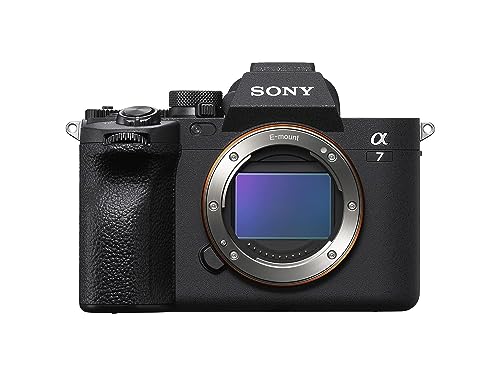
Sony Alpha 7 IV — The benchmark hybrid (above the keyword budget when new)
The label in this heading is the most important sentence in the section: bought new, the Alpha 7 IV sits above this keyword’s budget, and it appears here as the benchmark the budget routes are measured against — and, not incidentally, as the camera a patient saver or a used-market hunter with a slightly stretched figure should have in their sights. As a benchmark it is superbly chosen by the market itself: a high-resolution full-frame sensor, autofocus that tracks eyes, animals, and vehicles with unnerving calm, and video credentials strong enough that hybrid shooters treat it as two cameras sharing one body.
What the benchmark teaches the budget shopper is where the format’s modern ceiling sits. Its low-light files show what full-frame light gathering means in practice; its lens ecosystem — the widest native range in the full-frame mirrorless world, with strong third-party support — shows why body choice is really ecosystem choice; and its used prices, as early owners upgrade, show the direction every benchmark travels: downward, toward this guide’s budget, one careful previous owner at a time. Watching its used listings while learning on the routes below is a legitimate strategy, and many readers will end their journey exactly here, one generation later.
- Format: full-frame mirrorless, Sony E mount
- Position vs budget: above it when new — benchmark status
- Focus: advanced subject and eye tracking
- Character: stills and video hybrid of high order
- Role: the standard the budget routes are judged against
Strengths
- The most complete hybrid package in its generation
- Vast lens ecosystem with strong third-party choice
- Autofocus that flatters beginners and serves professionals
Trade-offs
- New price exceeds this keyword’s budget, plainly
- Menu depth rewards study rather than guessing
- Full-frame lenses add cost beyond the body
For the reader whose budget quietly stretches — a bonus, a trade-in, a decision to save one more season — this is the camera the stretching is for, because it removes format envy from the equation for years: there is no photograph in its owner’s realistic life that it cannot attempt with authority. For the reader whose budget is a wall rather than a guideline, its section exists to calibrate the used hunt below: previous Sony generations share its mount, its manners, and much of its image character, at figures the wall permits.
Either way, do not buy it body-only on a strained budget and pair it with the cheapest glass that fits. The benchmark deserves a lens that lets its sensor speak, and a strained buyer is better served by the used route’s balanced outfit than by a flagship wearing a bottleneck.
Best for: savers and stretchers who want the format’s modern benchmark, and used hunters tracking its price downward. Not suited for: a strict budget that must include a lens this month

Panasonic LUMIX S5II — The value-leaning benchmark (above the keyword budget when new)
The second benchmark carries the same honest label — above the keyword’s figure when bought new — but leans toward the budget with intent. The S5II is Panasonic’s full-frame statement that the format’s virtues need not arrive with flagship ceremony: a capable full-frame sensor, phase-detection autofocus that answered the old criticism of Panasonic’s focusing, and video features — including serious cooling for long recordings — that make it a favourite of event filmmakers and hybrid creators who count value as a professional virtue.
Its ecosystem is the L-Mount alliance, shared with other makers, which gives its lenses a multi-brand future and its used market an interesting breadth. For the budget-minded reader, that alliance is the point to absorb: a mount supported by several manufacturers tends to produce competitive lens pricing and a healthy second-hand shelf, both of which matter more over five years than a small difference between two bodies on a comparison table. Benchmarks teach ecosystems; this one teaches that the smart money watches alliances.
- Format: full-frame mirrorless, L-Mount
- Position vs budget: above it when new — closest-leaning benchmark
- Focus: phase-detection system, confident for stills and video
- Character: video-strong hybrid with long-recording manners
- Role: the attainable face of current full-frame quality
Strengths
- Exceptional video discipline for its class
- Multi-brand mount with a growing lens shelf
- Handling and stabilisation that suit long event days
Trade-offs
- Still above this budget new, despite its value lean
- Ecosystem smaller than the largest rival mounts
- Its video strengths are wasted on stills-only minimalists
Event and wedding assistants will recognise this camera’s natural habitat: long ceremonies, longer speeches, and a photographer-videographer expected to return with both stills and motion from the same pair of hands. Its cooling and its stabilisation are not specification ornaments in that world; they are the difference between a camera that finishes the day and one that becomes a story told in the car park.
As a used prospect it deserves the budget hunter’s particular attention, because value-leaning cameras often soften in price earlier than flagships as their owners chase the next model — and a softened S5II-generation body, checked carefully, is among the most modern full-frame experiences this keyword’s figure will ever legitimately reach.
Best for: hybrid shooters and event workers eyeing current full-frame quality at its most attainable, new or used. Not suited for: stills-only buyers on a strict figure, who pay here for video virtues they will never open

Canon EOS R6 Mark II — The speed benchmark (above the keyword budget when new)
The third benchmark completes the triangle, and its label repeats without embarrassment: new, it costs more than this keyword allows. The R6 Mark II is Canon’s fast full-frame body — rapid continuous shooting, autofocus that finds subjects in near-darkness and holds them through chaos, and the colour rendition that keeps generations of event photographers loyal to the brand. If the Sony benchmarks completeness and the Panasonic benchmarks value, the Canon benchmarks velocity and confidence under pressure.
Its presence in a budget guide is justified by the used market’s memory. Canon’s full-frame line has deep previous generations, and the R6 family’s arrival pushed its predecessors — themselves superb event cameras — down toward this keyword’s territory in used listings. A reader who falls for this benchmark’s character should therefore hunt its lineage rather than abandon the brand: the mount is shared, the colour is shared, and the handling DNA is unmistakable across the generations.
- Format: full-frame mirrorless, Canon RF mount
- Position vs budget: above it when new — stretch benchmark
- Speed: rapid bursts with deep, confident subject tracking
- Colour: Canon’s event-photography skin tones
- Role: the action and events standard for the format
Strengths
- Autofocus and speed that thrive in event chaos
- Low-light confidence for receptions and evening sport
- A lineage of predecessors now drifting toward this budget used
Trade-offs
- New price is the furthest of the three from the keyword figure
- RF lenses, especially fast ones, command serious money
- Its speed is surplus for landscape and studio temperaments
Sports parents and wedding second-shooters are its natural congregation, and they will read its section with recognition: the keeper rate on a moving subject is the whole professional game, and this benchmark plays it at the highest level the format offers outside dedicated flagship bodies. Everyone else should admire it the way one admires a racing bicycle — sincerely, and without pretending it commutes.
One budget warning belongs uniquely to this mount: build the lens plan before the body plan, because Canon’s finest RF glass is priced for the professionals it serves, and a budget consumed entirely by the body leaves the camera dressed in glass that cannot show what its sensor sees. The used route below exists to enforce exactly that discipline, whichever badge the body eventually wears.
Best for: action, events, and low-light movement — as a stretch goal new, or through its predecessors used. Not suited for: strict-budget buyers, or still-life temperaments paying for speed they will never spend
Used Full-Frame Mirrorless Route — The honest budget answer
Here is where this keyword’s promise is actually kept for digital shooters. One and two generations behind the benchmarks, full-frame mirrorless bodies — and the last, excellent full-frame DSLRs before them — trade in used listings at figures that leave room within this budget for a standard lens, which is the only arithmetic that counts. These cameras were the benchmarks of their own years: their sensors remain superb, their autofocus merely very good instead of uncanny, and their images, placed beside the benchmarks’ output in honest light, differ far less than their prices do.
Buying the route well is a craft with rules. Prefer graded used stock from dealers who state shutter counts, sensor condition, and a returns window, over private listings priced by optimism. Inspect, in person or by the dealer’s report, the sensor for marks, the mount for looseness, the card slots and ports for damage, and the battery health. Favour the outfit — body, standard zoom or fast prime, charger, and a healthy battery — over the bare body at a headline figure, because the outfit is the camera you can photograph with on Saturday.
- Target: previous-generation full-frame bodies, dealer-graded
- Budget logic: body plus a real lens inside the keyword figure
- Checks: shutter count, sensor, mount, ports, battery
- Warranty: dealer grading and returns over private bargains
- Role: the route that truly delivers digital 35mm at this budget
Strengths
- Genuine full-frame digital within the stated budget
- Lenses bought now serve future bodies in the same mount
- Image quality within a whisker of the benchmarks in good light
Trade-offs
- No manufacturer warranty in most cases
- Condition varies; the checks are the buyer’s job
- Video and autofocus trail the current generation
Choose the generation by your subjects rather than by your pride. A stills photographer shooting portraits, landscapes, and family life loses almost nothing stepping back two generations; the sensor’s light gathering, the format’s whole point, was already mature. A sports shooter loses more, because autofocus is where generations visibly sprint, and should weight the newest body the outfit arithmetic allows. Either way, spend the saving where it photographs: the better lens, the second battery, the course that teaches the format’s craft.
Patience is this route’s final discipline. Used stock turns over constantly, dealer shelves refill weekly, and the right outfit at the right figure is a matter of watching calmly rather than pouncing desperately. Set the checks, set the ceiling, and let the market come to you — it will, usually within the month, wearing exactly the mount you chose.
Best for: patient buyers who want real full-frame digital, a real lens, and change from the budget. Not suited for: buyers who need a warranty, the latest video, or a camera by Friday at any condition
Serviced 35mm Film SLR Route — The film branch, body and lens
Crossing to the declared second branch: if your 35mm meant film all along, this budget is not a constraint but an abundance. The classic interchangeable-lens film SLRs of the format’s golden decades — mechanical and electronic bodies from the great makers, wearing fast standard lenses — trade used at figures that leave most of this keyword’s budget unspent, and a serviced example will out-photograph its price for years. This guide follows the precedent of its earlier film coverage on this site: film is treated as a living choice with real costs and real rewards, never as a nostalgia garnish.
The word serviced carries the section. A film SLR that has been cleaned, lubricated, adjusted, and fitted with fresh light seals is a precision instrument; the identical model sold as found in a loft is a lottery ticket with a lens attached. Buy the service, documented by the seller, and budget the outfit honestly: body and standard lens, a CLA in the price or freshly done, film stock, and a scanning arrangement — a lab’s scans or a home setup — because a film photograph you cannot view digitally is, for most modern purposes, a photograph unfinished.
- Target: classic 35mm SLR, serviced, with a standard lens
- Budget logic: outfit, service, film, and scanning all fit easily
- Checks: seals, shutter speeds, meter, lens glass and fungus
- Lenses: vast used shelves at gentle prices
- Role: the format in its original form, learned properly
Strengths
- The full 35mm experience well inside the budget
- Lenses are plentiful, characterful, and inexpensive
- Slows the photographer down into deliberate craft
Trade-offs
- Film and processing are continuing costs per photograph
- No instant review; results arrive days later
- Ageing electronics in later models can end a body’s life
Choose the temperament of the body as carefully as its condition. Fully mechanical models work without batteries for their shutter and teach exposure in their bones; later electronic models add automation and comfort at the price of circuits nobody can remake. Beginners often thrive with a metered mechanical body and a fast 50mm, the combination that taught several generations, while returning film shooters may prefer the automation they remember. Either is defensible; an unserviced example of either is not.
Its images justify the deliberation. Film’s colour and grain, the discipline of thirty-six considered frames, and the strange joy of photographs that arrive like letters from a recent past self — these are not inferior versions of digital virtues but different virtues entirely, and at this budget they are, frame for frame, the richest photographic experience the keyword can buy.
Best for: photographers who want the true 35mm craft and look, with budget to spare for film and scanning. Not suited for: anyone needing instant results, high volumes, or video of any kind
35mm Film Compact And Rangefinder Route — The film branch, pocket edition
The film branch’s second path trades the SLR’s interchangeable lenses for simplicity that fits a coat pocket. Fixed-lens 35mm compacts — from humble point-and-shoots to the respected fixed-lens rangefinders with fast glass and real exposure control — put the format’s frame and the film look into a camera that can be carried daily without a decision. At this keyword’s budget, the finest of them sit comfortably inside the figure with film money left over, and the humblest cost less than a family pizza night, which makes this route the cheapest honest entry into 35mm photography ever devised.
Discernment matters more here than money, because the class spans treasure and landfill in identical plastic shells. Seek the models with real lenses from real makers, working meters, and — on the better rangefinders — adjustable focus and exposure that let the camera grow with its owner. Avoid the fixed-everything novelty cameras whose single shutter speed and plastic lens produce a lo-fi effect that charms for one roll and then repeats itself forever. A good compact is a camera; a bad one is a filter with a film door.
- Target: fixed-lens 35mm compact or rangefinder, tested working
- Budget logic: the lowest-cost honest entry to the format
- Checks: meter, shutter, lens clarity, seals, battery type
- Carry: pocketable, daily, unobtrusive
- Role: film’s look as an everyday companion
Strengths
- Carried daily because it weighs almost nothing
- The film look with the least possible ceremony
- Leaves most of the budget for film, travel, and prints
Trade-offs
- Fixed lens means your feet do all the zooming
- Ageing compacts fail electronically without warning
- Automation limits deliberate exposure control on cheap models
Its happiest owners treat it as the second camera even when it is their only film camera: the one in the jacket while the phone handles the mundane, gathering the day’s unposed frames — friends mid-laugh, streets mid-weather — that a deliberate SLR outing would never have met. Film rewards presence over preparation, and no camera in this guide is more present than one that was simply already in your pocket when the light turned.
Buy two rolls of a good colour stock with it, shoot one promptly, and have it processed and scanned by a lab whose work you can judge. That first roll is the camera’s true test and the owner’s true introduction; a compact that survives it with sharp, well-exposed frames has earned its pocket, and one that has not can be returned or resold while the budget is still nearly whole.
Best for: everyday film carry, beginners testing the format, and digital shooters wanting a film companion. Not suited for: deliberate lens-craft, telephoto subjects, or anyone who needs reliability guarantees from forty-year-old electronics
How Do The Six Options Compare Side By Side?
| Camera or route | Format | Position vs the keyword budget | Choose it when |
|---|---|---|---|
| Sony Alpha 7 IV | Full-frame digital | Above it new — benchmark | Saving, stretching, or hunting it used |
| Panasonic LUMIX S5II | Full-frame digital | Above it new — value benchmark | Hybrid video matters and value leads |
| Canon EOS R6 Mark II | Full-frame digital | Above it new — speed benchmark | Action and events are your subjects |
| Used Full-Frame Route | Full-frame digital | Inside it, with a lens | You want digital now, bought patiently |
| Serviced Film SLR Route | 35mm film | Comfortably inside it | You want the format’s original craft |
| Film Compact Route | 35mm film | Easily inside it | You want film daily, in a pocket |
The middle column is this guide’s conscience, printed in a table so it cannot be missed: three benchmarks above the figure and labelled so, three routes inside it and ready to buy. Any guide that blurs that column is selling something other than advice.
How Should You Budget The Whole Outfit, Not Just The Body?
Write the outfit list before the body lust begins: body, one lens that covers your real subjects, battery and charger confirmed working, memory card for digital or film and scanning for the film branch, a strap, and a bag or case that fits. Price the list as a single purchase in current listings, because the market’s favourite trick is a body priced to consume the whole budget while wearing the costume of a bargain, leaving its owner photographing through a borrowed lens and a borrowed charger for a season.
The lens deserves the list’s first loyalty. For most readers that means a standard zoom that covers wide-to-portrait for digital, or a fast standard prime — the classic 50mm — for either branch, because those lenses teach the format’s look honestly and hold their value if the system changes. Exotic glass can wait for the second year, when your photographs, rather than your anxieties, will specify it precisely.
Leave a contingency slice unspent, deliberately. Used purchases occasionally need a battery that was weaker than graded, a sensor clean, a set of light seals; film purchases discover a favourite stock costs more than the test roll did. A budget spent to its last coin has no answer for any of these, while a budget with a tenth in reserve absorbs them as errands rather than crises.
What Checks Matter Most When Buying Used Full-Frame Or Film?
For digital bodies, the shutter count is the odometer: obtain it, compare it with the model’s rated life as the maker states it, and prefer the honest middle-aged camera over the suspiciously unused one with no history. Examine the sensor with a test frame shot at a small aperture against a plain bright surface, which reveals dust and marks that portraits would hide; a cleanable dust spot is an errand, while a scratch is a verdict. Work every dial, port, and slot, because repairs to any of them can consume the entire saving that justified buying used.
For film bodies, fire the shutter at every speed and listen for the hesitations that betray old lubricants, especially at the slow speeds; check the meter against a known-good phone app reading; inspect the lens against a bright light for the fungus and haze that no cleaning fully reverses; and press the light seals, which should feel like foam rather than tar. A serviced camera from a reputable seller answers most of these checks in writing before you ask, which is exactly why this guide keeps steering you toward serviced stock.
In both branches, the returns window is the final check that protects all the others. Buy where a problem discovered in the first fortnight is the seller’s problem, test the camera hard inside that window — a full day’s shooting, every mode, every speed — and return without sentimentality if it fails. Sentiment is for cameras that have earned it by working.
How Does The Film Branch’s Running Cost Compare With Digital’s?
Digital’s running cost hides in storage, batteries, and the occasional card; after the outfit is bought, the marginal photograph is nearly free, which encourages volume, experiment, and the rapid learning that volume brings. Film prices every frame: stock, processing, and scanning divide into a per-photograph figure that a thoughtful shooter should calculate once, honestly, and then use as a discipline rather than a deterrent — knowing each frame costs something is precisely the mechanism that makes film photographers deliberate.
Across a year, the totals surprise in both directions. A digital shooter who prints large and often may outspend a film shooter who exposes ten rolls a year and scans at home; a film shooter feeding a daily compact habit will outspend everyone and should budget like it. The format choice is therefore partly a subscription choice, and the honest question is which payment rhythm suits your temperament: digital’s large beginning and free continuance, or film’s small beginning and metered pleasures.
Scanning deserves its own sentence because it is where film meets the modern world. Lab scanning is effortless and variable in quality; home scanning with a suitable setup is an evening’s craft that pays for itself within the year for regular shooters and yields files fully worthy of the negatives. Whichever you choose, archive the negatives themselves as the originals they are — the scan is a print, the film is the photograph.
What Mistakes Do Buyers Of This Keyword Keep Making?
The first is silent reinterpretation: buying a smaller-format camera because it fitted the figure, then wondering why the full-frame look never arrived. The second is benchmark blindness in the opposite direction — stretching to a new body and leaving nothing for a lens, a battery, or a bag, and owning a magnificent sensor behind reluctant glass. The third is used-market romance: the ungraded bargain, the untested film body, the shutter count taken on trust, each converting an honest route into a gamble and then blaming the route.
Fourth comes ignoring the ecosystem’s future: lenses are the long marriage in any system, and a body bought cheaply into a mount you cannot afford to feed is an engagement to a stranger. Fifth, film buyers forget the scanning line in the budget and discover that the cheapest part of film photography is the camera — a discovery the routes above were written to prevent. Every mistake here is a failure of arithmetic or honesty, and both are curable before money moves.
How Do The Three Lens Mounts Change A Budget Buyer’s Future?
A body is a three-year decision wearing the costume of a permanent one; a mount is the permanent decision itself. Sony’s E mount offers the broadest native shelf, including a deep bench of third-party lenses at prices that make full-frame ownership survivable on ordinary incomes, plus the deepest used pool of all — which is why budget hunters so often end up there even when a rival body first caught their eye. The used shelf is the budget buyer’s true catalogue, and no mount’s used shelf is wider.
Canon’s RF mount is the youngest-feeling of the three: superb native glass, a more guarded approach to third-party autofocus lenses, and used prices that reflect professional demand. Its budget path runs through Canon’s own earlier bodies and its more modest RF lenses, and it rewards brand loyalists who value colour and handling over shelf breadth. Panasonic’s L-Mount alliance spreads its bets across several makers, producing interesting lenses from multiple directions and a used market still young enough to contain genuine surprises for the patient.
None of this argues that one mount wins; it argues that the mount should be chosen with the five-year lens list in hand. Write down the three lenses your photography actually wants — typically a standard zoom or prime, a portrait lens, and one personal indulgence — and price that trio, new and used, in each mount you are considering. The mount whose trio your future self can afford is your mount, and the body is merely its first citizen.
What Should A First Month With A Full-Frame Or Film Outfit Look Like?
Resist the urge to judge the format by its first weekend. Full-frame’s virtues — the low-light cleanliness, the background separation — reveal themselves across a month of ordinary assignments: the dim restaurant portrait, the evening street, the window-lit face at home. Shoot those deliberately in the first month, at the hours smaller cameras made you avoid, because the format was bought for exactly those hours and should be audited in them. Keep the smaller camera you may already own until the month ends; the comparison, made from your own files rather than from reviews, is the education the whole purchase was funding.
Film’s first month runs on a different clock and should be planned as two rolls with intent: one in bright, easy light to learn the meter’s honesty, and one in the mixed, difficult light where film’s character argues its case. Have both processed and scanned promptly rather than hoarding exposed rolls, because the lessons live in the results and decay if the results arrive after the remembering fades. Note, on the packet or in a phone note, what you believed the exposure was doing; film teaches fastest to students who write things down.
Both branches share a final first-month task: print something. A modest print of the month’s best frame, from the benchmark-chasing digital file or the little film negative, converts the whole abstract debate — formats, budgets, mounts — into an object on a wall, which is where photography was always heading. Buyers who print early keep their priorities straight for years; buyers who only ever view on screens keep shopping for sharpness their eyes cannot cash.
How Long Will A Well-Bought Outfit From This Guide Actually Last?
The used digital body, bought mid-life with a sensible shutter count, should serve three to five years of enthusiastic use before its technology feels dated rather than merely older — and even then, dated full-frame sensors keep making beautiful stills, because light gathering does not expire. Its lenses, if chosen as this guide directs, will outlast it into the next body without a conversation. Budget for one battery replacement and one professional sensor clean across that span and the ownership holds no surprises.
The serviced film body measures its future in decades rather than product cycles, provided its seals are renewed when they tire and its shutter is exercised rather than entombed; mechanical cameras die of neglect more often than of use. Its running costs continue, roll by roll, but its depreciation ended years before you bought it — a serviced classic may be the only camera in this guide worth roughly what you paid when you eventually pass it on, which reframes its purchase price as closer to a deposit.
The benchmarks, bought new by the stretchers, last longest of all in relevance and carry warranties the other routes envy — which is the honest summary of what their extra money buys. Longevity, warranty, and the current generation’s autofocus: real goods, fairly priced, simply not available inside this keyword’s figure. A guide that respects its readers lets them choose which goods matter, with the prices of each stated in daylight.
Final Recommendation
Decide which 35mm you meant, and this keyword resolves into a clear purchase. If you meant digital full-frame and the budget is firm, take the used route with dealer grading, a standard lens, and money in reserve — that is the honest fulfilment of best digital 35 mm cameras under 1000.00, and its photographs will honour the format. If the budget can stretch or wait, stretch toward the benchmarks in the order your subjects dictate: Panasonic for value and video, Sony for the complete hybrid, Canon for speed. And if your heart meant film from the first keystroke, buy the serviced SLR for craft or the compact for daily carry, and spend the generous remainder on the film itself. What this guide will not do is sell you a new full-frame body dressed in a budget it does not fit — because a buying guide’s first product is the truth, and the truth, here, still leaves you with excellent cameras.
A word for the reader who arrived hoping this page would simply name one new camera and end the matter: that page exists elsewhere on the internet, in versions that respect their readers less. The keyword you typed contains a genuine puzzle — a beloved format, a firm figure, and a market that will not reconcile them at the new counter — and puzzles deserve solutions rather than slogans. The solutions above are real: a used outfit that photographs beautifully this month, a film outfit that teaches the format in its mother tongue, or a benchmark worth saving toward with your eyes open. Any of the three leaves you with photographs and without regrets, which is more than the slogan page, with its quietly impossible arithmetic, could ever have offered.
Take a week over the decision if the money is significant, and spend that week looking at photographs rather than at listings: full-frame digital files from the generations the used route covers, and film scans from the bodies the film routes describe. The format that makes you lean toward the screen is the format your budget should serve, and a week of looking will tell you more truthfully than any comparison table — including, respectfully, the honest one printed earlier in this guide.
Frequently Asked Questions
One more practical errand belongs to whichever route you choose, and it is the least glamorous in this guide: insure the outfit, or at least record it. A used body, a serviced film camera, and a good lens together represent real money gathered patiently, and a note of serial numbers, a photograph of the kit, and a line added to a household policy cost an evening at most. Photographers remember this errand reliably in exactly two circumstances — before anything happens, when it is cheap, and after something happens, when it is a story. Choose the first circumstance while the choice is still yours, and then go and make the photographs the whole budget was assembled to produce.
Does 35 mm in this keyword mean the film size or a lens?
In context, the format: the sensor or film size descended from the classic 35mm frame, which digital makers call full-frame. It is not a 35mm focal-length lens, and cameras are not full-frame merely because a 35mm lens is mounted on them. This guide declares that reading openly at the top and adds the film branch for searchers who meant the original medium.
Can I really not buy a new full-frame camera at this budget?
Not from the current pool this guide may link, and not honestly in the wider market at the time of writing, once a lens joins the basket — which is why no pick here claims otherwise. Promotions and outgoing generations occasionally graze the figure for a body alone; if you find one from a reputable seller with a warranty, the checks in this guide will help you judge it, but treat body-only arithmetic as the beginning of the outfit’s cost, not its total.
Which used generation should I aim for?
The newest your outfit arithmetic — body, standard lens, battery, card, reserve — genuinely allows, weighted by subject: stills photographers can step back further with little loss, while action photographers should protect autofocus by staying as current as the figure permits. Dealer-graded stock with a stated shutter count and a returns window matters more than any single generation line.
Is film actually cheaper than digital at this budget?
At the door, emphatically yes: a serviced film outfit consumes a fraction of the figure. Across the years, it depends on your frame rate, because film charges for every photograph while digital charges almost nothing after the outfit. Occasional, deliberate shooters often spend less on film overall; prolific shooters should do the per-frame sum in this guide before committing their hearts.
What lens should a first full-frame outfit include?
A standard zoom for versatility, or a fast standard prime — the classic 50mm field of view — for the format’s signature look and low-light strength. Either teaches more photography in a year than an exotic lens teaches in three, and either holds its value if you change bodies within the mount. Buy the lens for the subjects you already photograph, not the ones you perform in daydreams.
How do I get film photographs onto my computer?
By scanning, which is the film branch’s bridge to modern life: labs offer processing with scans as a standard service, and home scanning setups — a suitable scanner or a camera-based rig — suit regular shooters who want control and lower per-roll cost. Keep the negatives as your originals whatever route you choose; a scan can be remade, a discarded negative cannot.
One closing reassurance belongs to the used and film buyers especially, because both routes attract a particular snobbery from owners of new equipment: the photograph does not know what its camera cost, what year it was made, or whether its body was bought with a warranty card or a handshake. It knows light, timing, and the photographer’s attention. A well-bought outfit from this guide, in either branch, commands all three as fully as any benchmark — the benchmarks merely command them with newer manners. Judge your purchase by the prints on your wall a year from now, and you will find you chose better than the people who judged theirs by the box.
Related Guides
Whichever branch you take, buy it this season rather than researching it into next year, because formats are learned by photographing and not by comparison-shopping, and the budget that sits unspent while its owner reads one more guide is the only option in this entire page that produces no photographs at all. The used shelves and the film cabinets are full of cameras waiting to be somebody’s education; let one of them be yours, and let the first roll or the first memory card — not the first review, and certainly not the fiftieth — be the verdict you trust about the format, the budget, and your own eye behind the camera.
Continue with full-frame cameras for portraits and low light, prepare the used hunt with buying used camera gear without the gambles, or explore the film branch further in getting started with 35mm film photography — three doors out of the same honest room, each leading toward photographs rather than toward another season of deliberation about photographs, which is the only wrong answer this keyword ever had.


