ilcastellomenu.com is reader-supported. When you buy through links on our site, we may earn an affiliate commission.
Where to Buy
Landscapes are the beginner’s kindest subject and sternest teacher: the mountain does not move, but the light changes every ninety seconds and the photograph forgives nothing about a poorly chosen lens or a lazy tripod. If you are choosing the best cameras for a beginner shooting landscapes — the keyword that brought you here spells it ‘landcapes’, and no, it does not matter — what you need is not the most powerful camera but the most instructive one: a body that rewards patience, a lens wide enough for foregrounds, and files that survive the editing lessons ahead.
Beginners consistently misjudge what landscape photography demands. It is not resolution — every pick here has plenty — and it is not reach. It is dynamic range for skies that are ten times brighter than valleys, colour that grades gently, a screen you can compose on at dawn, weather tolerance for the mornings that produce the good light, and a lens ecosystem whose wide angles you can afford before your second season. The list below is ranked on exactly those unglamorous virtues.
Your system choice matters more than your body choice, because landscape photographers marry lenses: the wide zoom you will live on, the fast wide prime for night skies, the modest telephoto that isolates ridges and compresses layers. Each pick represents a mount whose landscape lens story we can defend at beginner prices, and the text says plainly where each system’s glass path is generous and where it asks patience. Buy the mount for the lenses you will want in year three; the body is the mount’s current tenant.
One encouragement before the picks: landscape is the genre where a beginner’s equipment matters least and habits matter most, which is wonderful news for your budget. Dawn alarms, foreground hunting, tripod discipline and learning to leave when the light is dead will improve your portfolio more this year than any upgrade. Choose a camera that makes those habits pleasant — light enough to carry up the hill, tough enough for the weather at the top — and then go and be out there when the light happens.
One reassurance for the beginner reading with a tight budget: landscape photography’s great locations are mostly free, its great hours are mostly unpopular, and its great technique is mostly patience. The camera is the one purchasable ingredient, and every pick here is more than sufficient for a first portfolio that would hold its own in a local exhibition. What the genre asks of you cannot be bought, which is either its cruelty or its democracy — experienced landscape photographers, without exception, call it the democracy.
Key Takeaways
- For landscapes, dynamic range and wide-lens choice matter more than resolution or speed.
- Buy the mount for its landscape lenses — the wide zoom you will live on decides the system.
- A beginner landscape kit is body, wide zoom, tripod and filters, in that order of importance after the body.
- Weather tolerance and carry weight decide whether the camera attends the dawn or the drawer.
- Every pick here forgives a beginner’s exposure learning curve with files that edit kindly.
In this guide
Quick Picks
| Camera | Badge | Why it earns its place |
|---|---|---|
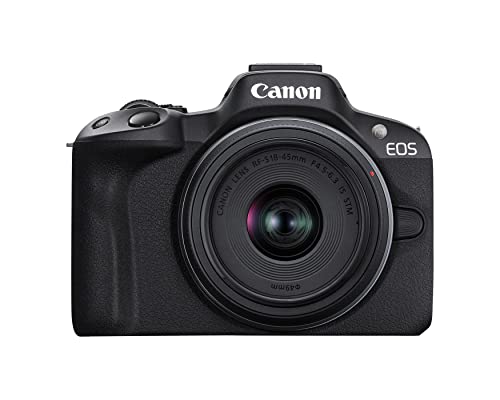
| Canon EOS R50 | Best first landscape camera for most beginners | Friendly handling, kind files and an RF wide-lens path that starts affordably. |
| Nikon Z50 II | Best APS-C landscape files with room to push | Nikon colour and dynamic range in a compact body, with Z-mount’s excellent wide glass ahead. |
| Sony ZV-E10 II | Best landscape pick for beginners who also film | Hybrid beginners get E-mount’s huge wide-lens shelf and creator video in one small body. |
| OM SYSTEM OM-5 Mark II | Best landscape camera for hikers and weather | Featherweight, properly weather-sealed, with computational tricks landscapes love. |
| Fujifilm X-T5 | Best landscape camera for colour lovers | Film simulations make dawns gorgeous straight from camera; dials teach exposure by touch. |
| Canon EOS R10 | Best step-up landscape body for growing beginners | More speed, more control and a second dial — the R50’s path with a longer ceiling. |
How Did We Choose Landscape Cameras for Beginners?
We weighted forgiveness first. Beginner landscape files get edited hard — skies rescued, shadows lifted, white balance rethought — so sensors whose files bend without breaking (noise appearing gracefully, colours shifting predictably) outranked sensors with bigger headline numbers and brittle files. Every pick here tolerates the learning curve in post, because that tolerance is what keeps a beginner’s first year encouraging rather than dispiriting.
Second, the wide end. A landscape system stands or falls on its affordable wide lenses, so we audited each mount’s realistic beginner path: the kit or first wide zoom, the fast wide prime for astro-landscapes, and the filters and sizes they share. Systems whose wide glass begins at professional prices were marked down regardless of their bodies’ virtues — a beginner priced out of wide angles is a beginner exiled from the genre’s core technique.
Third, field practicality for the reality of beginner landscape life: hikes in the dark, weather that was not in the forecast, batteries in the cold, screens readable at dawn, and weight that a new enthusiast will actually carry repeatedly. The most capable camera in this guide would still fail a beginner who leaves it at home; the picks are sized and sealed for attendance, which is the first virtue of landscape equipment.
Community and teaching resources influenced the final order more than specification tables did. Each system here has a living culture of landscape shooters publishing settings, location ethics and editing walkthroughs for exactly these bodies — a beginner’s questions have been asked and answered a thousand times in public. Learning a genre is hard enough without pioneering your equipment’s folklore; these picks come with their folklore included, and that is worth real places in a ranking.
Which Are the Best Cameras for a Beginner Shooting Landscapes?
Six starting points across the main systems, each argued on its landscape merits — files, wide lenses, field manners — with the beginner’s growth path made explicit.

Canon EOS R50 — Best first landscape camera for most beginners
The R50 is the landscape start we recommend when the beginner wants the learning to feel like encouragement: Canon’s menus explain themselves, the guided modes teach rather than merely automate, and the files — particularly the colour in skies and foliage — come out of camera looking like the morning felt, which matters enormously in month one when editing skills are still forming. Its sensor handles the bright-sky, dark-valley contrast of real landscapes with a grace that lets beginners rescue their early mistakes in post instead of deleting them.
The RF system’s landscape path is the strategic argument. Canon’s affordable wide zoom options put a genuine landscape lens within a beginner’s second-purchase reach, the mount’s filter sizes stay sane, and every lens bought compounds toward the full-frame body many landscape shooters eventually want — with the crop body’s reach meanwhile flattering wildlife sidelines. The camera is light enough for the uphill dawn walk, which is not a trivial virtue: landscape photography is mostly transportation of a camera to light, and light cameras attend more light.
Its omissions are the entry tier’s honest ones: no in-body stabilisation (landscape’s tripod habit makes this the genre least harmed by that), weather sealing that asks for a rain cover’s respect, and a kit lens that should be regarded as a tutor until the wide zoom arrives. As a complete proposition — body, path, forgiveness — it is the easiest landscape start in this guide to recommend without caveats swallowing the sentence.
Landscape beginners with families should note the R50’s double life: the same body that takes the dawn tripod shift photographs the children at breakfast with face-detection ease, so the camera earns its bag space on trips where a dedicated landscape body would be left behind. Cameras that serve the whole trip get carried on the whole trip, and the landscape portfolio quietly benefits from every family holiday. Versatility, for the beginner with a life, is a landscape feature.
One R50 habit worth adopting on day one: its guided displays make it an ideal bracketing tutor, showing the beginner exactly what a sequence of exposures is doing to sky and land in review. Landscape photographers live by that judgment, and learning it on a camera that visualises kindly compresses the usual year of blown skies into a month. Tools that teach while they work are this guide’s favourite kind, and the R50 is full of them.
- Format: APS-C mirrorless, Canon RF mount
- Files: forgiving colour, beginner-friendly editing latitude
- Handling: guided interface, light for hiking
- Landscape path: affordable RF wide zooms available
Strengths
- Kindest learning curve of any pick
- Wide-lens path starts at beginner prices
- Light enough for dawn hikes
Trade-offs
- No in-body stabilisation
- Modest weather sealing
- Kit lens is a tutor, not a destination
Best for: beginners who want one friendly camera to learn landscape photography properly, with room to grow.
Not suited for: shooters needing serious weather sealing or in-body stabilisation from day one.

Nikon Z50 II — Best APS-C landscape files with room to push
The Z50 II is the beginner landscape pick for the editor-in-waiting: Nikon’s APS-C files have a reputation among landscape shooters for holding together under the exact abuse beginners inflict — skies pulled down, shadows pulled up, colours persuaded — and this generation pairs that sensor character with modern autofocus and handling that feels a class above its size. Dawn exposures bracketed hopefully and graded honestly at home are this camera’s home territory, and it rewards the developing landscape workflow of shoot, review, re-grade superbly.
The Z mount’s landscape story is quality-led: Nikon’s wide zooms for the format are optically ambitious, and the system’s full-frame wide glass — usable now, native later — gives the beginner a ladder with no dead rungs. The body itself is compact but serious in the hand, with controls that assume the photographer will grow into manual exposure and bracketing, which landscape beginners reliably do within a season. Weather resistance is respectable for its class, suiting the genre’s damp dawns.
Where it concedes: the APS-C lens bench in Z mount is still maturing compared with the system’s full-frame riches, so the beginner’s wide path may route through full-frame glass earlier (and heavier) than ideal; and there is no in-body stabilisation, the tripod being assumed. For the beginner whose instinct runs toward files, editing and craft, these are the right compromises — this is the landscape learner’s camera for people who already suspect they will become landscape obsessives.
Bracketing discipline is where the Z50 II particularly rewards the beginner who adopts it early: its drive and controls make exposure sequences for HDR merging a reflex rather than a project, and Nikon’s files merge with unusual cleanliness in the shadows where landscape HDR usually turns to mush. A beginner who builds the bracketing habit on this body owns a technique that serves every high-contrast dawn for the rest of their photographic life — skills, like lenses, compound across bodies.
Coastal photographers lean toward the Z50 II for a specific reason: its files hold the subtle gradations of sea mist and wet sand — tones that band and break in lesser sensors — with a smoothness that survives printing large. Seascapes are landscape photography’s tonal examination, and beginners whose coast is their classroom will feel this body’s advantage in their first portfolio review. Regional strengths matter; buy for your own horizon, not the internet’s mountains.
- Format: APS-C mirrorless, Nikon Z mount
- Files: strong dynamic range, grade-friendly
- Controls: enthusiast-leaning dials and bracketing
- Build: compact, respectable weather resistance
Strengths
- Files survive beginner grading abuse
- Excellent wide-glass ladder in Z mount
- Handling grows with the photographer
Trade-offs
- APS-C lens bench still maturing
- No in-body stabilisation
- Wide path may mean heavier full-frame glass
Best for: beginners who expect to edit seriously and grow into landscape craft quickly.
Not suited for: buyers wanting the largest budget wide-lens choice immediately.

Sony ZV-E10 II — Best landscape pick for beginners who also film
Many beginners arrive at landscapes through video — the hiking film, the travel diary — and discover stills along the way; the ZV-E10 II is their camera. Its stills are proper APS-C landscape files with Sony’s current sensor quality, while its video side is the creator-tuned package detailed elsewhere in our guides: flip screen for low tripod angles, face tracking for the to-camera pieces, and microphone input for the wind-checked narration every landscape film needs. One body apprentices both crafts without short-changing either’s fundamentals.
The decisive advantage is E-mount’s shelf: the widest selection of APS-C wide lenses in mirrorless, including compact wide zooms and fast wide primes from Sony and a deep bench of third-party makers at beginner prices. For landscapes specifically, that means the crucial second lens — the true wide — is cheaper and smaller here than anywhere else, and the night-sky prime for astro-landscapes is a realistic first-year purchase rather than an aspiration. No other pick lowers the wide-lens barrier this far.
Its trade-offs are the creator design’s: no viewfinder, which some landscape beginners will genuinely miss when composing in bright dawn glare (the screen is good; the preference is personal), and no in-body stabilisation, answered by the tripod habit. Photographers certain they are stills-only should take the R50 or Z50 II. Beginners whose landscape life includes filming it — increasingly, most beginners — will find this the most complete single purchase in the guide.
Hiking filmmakers should register the ZV-E10 II’s weight story in full: body plus a compact wide zoom plus a small microphone is a landscape film kit that disappears into a daypack’s top pocket, leaving the pack for water, layers and the tripod. Solo creators walking miles for a three-minute film feel every gram twice — uphill and in the edit, where shaky, rushed footage betrays a tired operator. Lightness is this pick’s image-quality feature, and it is not a small one.
The ZV-E10 II’s flip screen earns a landscape-specific sentence: composing at ground level for foreground flowers or reflections, and at arm’s height above a crowd or a fence, are tripod-era contortions this screen simply deletes. Beginners compose more imaginatively when composition is comfortable, and comfort is a creative variable. Add its low tripod friendliness and the camera becomes the landscape beginner’s yoga instructor — positions you would never attempt become frames you actually take.
- Format: APS-C mirrorless, Sony E mount
- Design: creator-first, flip screen, no viewfinder
- Landscape path: deepest APS-C wide-lens selection
- Video: full creator feature set for landscape films
Strengths
- Cheapest route to excellent wide lenses
- Stills and video apprenticeships in one body
- Compact wide primes suit hiking kits
Trade-offs
- No viewfinder for bright-light composing
- No in-body stabilisation
- Creator handling bias in menus
Best for: hybrid beginners filming and photographing landscapes, especially hikers who count grams.
Not suited for: viewfinder traditionalists, or stills-only purists.

OM SYSTEM OM-5 Mark II — Best landscape camera for hikers and weather
The OM-5 Mark II is the landscape camera for the beginner whose landscapes are earned on foot: Micro Four Thirds keeps body and lenses dramatically smaller and lighter than the other systems here, and this body adds the weather sealing that lets a beginner keep shooting through the mountain weather that makes the photographs. A kit that weighs half as much attends twice as many dawns — in landscape photography that arithmetic is not marketing, it is the difference between a portfolio and an intention.
Its computational features read like a landscape wish list: in-camera neutral-density simulation for silky waterfalls without carrying filters, composite modes that build long exposures and star trails live while you watch, and stabilisation strong enough to forgive the windy-summit handheld shot when the tripod is impractical. For a beginner, these tools compress years of technique into guided first successes — the waterfall assignment, the star-trail assignment — each teaching the underlying craft while delivering the picture.
The format’s honest trade is sensor size: Micro Four Thirds files ask more care at high sensitivities and offer less extreme editing headroom than the APS-C picks, and night-sky work demands its fast primes (which, happily, are small and affordable in this system). Beginners whose landscapes are daylight, weather and walking will never feel the trade. Beginners dreaming primarily of astro-landscapes should weigh the Z50 II or the next pick instead.
Waterfall country is the OM-5’s home fixture: the live ND simulation turns the beginner’s first gorge visit into the silky-water photograph they framed on their wall in their imagination, without filter maths at the slippery edge of a stream. Success that early teaches the underlying exposure lesson backwards — having seen what slow water looks like, the beginner understands shutter speed forever. Teaching tools that produce the postcard while explaining themselves are rare in any craft; this is one.
The OM-5’s high-resolution tripod composites deserve their own beginner warning and promise: the promise is print size beyond the sensor’s station, the warning is that the technique demands absolute stillness the beginner must learn to provide. Mastering it teaches tripod craft — weighting, waiting for wind to drop, shielding with your body — faster than any lecture. A feature that trains its owner while delivering its headline is the best kind, and this body is built around several.
- Format: Micro Four Thirds mirrorless, sealed body
- Features: live ND simulation and composite modes
- Stabilisation: strong in-body system
- Kit weight: the lightest complete landscape outfit here
Strengths
- Weather sealing for real mountain mornings
- Computational tools teach long-exposure craft
- Half the weight of rival kits
Trade-offs
- Smaller sensor, less editing headroom
- Astro work needs fast primes and care
- Format ceiling if ambitions turn full-frame
Best for: hiking beginners and weather chasers who value attendance and sealing over sensor size.
Not suited for: astro-first beginners, or heavy editors who push files to extremes.

Fujifilm X-T5 — Best landscape camera for colour lovers
The X-T5 is the landscape pick for the beginner seduced by colour — the one who wants the photograph to feel like the morning, not merely record it. Fujifilm’s film simulations are landscape instruments in their own right: Velvia’s saturation for the alpine meadow, the gentler palettes for mist and woodland, all available in camera so a beginner’s first-year portfolio already has a look. Underneath sits a high-resolution APS-C sensor whose detailed files reward the tripod-and-patience workflow richly, with in-body stabilisation for the handheld edges of the day.
Its dial-led handling is a landscape education in itself: shutter, ISO and exposure compensation under dedicated dials make the exposure triangle tactile, and bracketing for HDR merges becomes a physical habit rather than a menu expedition. Fujifilm’s X-mount landscape glass — wide zooms and compact primes with real character — is a mature shelf, and the system’s community of landscape shooters is large, vocal and generous with location craft. Beginners learn faster inside a community that shoots their genre.
The considerations: its resolution rewards good lenses and good technique (sloppy files are shown up kindly but clearly), autofocus is not its headline virtue (landscapes rarely care), and the system is APS-C for life — which most landscape photographers discover is no limitation at all. For the beginner whose motivation is beauty rather than specification, the X-T5 is the camera most likely to be loved, and loved cameras are the ones on the hill at dawn.
Woodland photographers, landscape’s quietest specialists, have a particular X-T5 story: the gentler film simulations render greens without the neon excess that ruins forest files from other systems, and the tilting screen composes at the low, tripod-among-ferns height woodland work demands. If your landscape heart is in forests rather than summits, weight this pick above its ranking — systems have regional strengths, and Fujifilm’s is the green world.
Sunrise specialists note the X-T5’s screen and dials work happily with gloves in the cold dawn — a practicality that decides whether settings get changed thoughtfully or fumbled. Landscape photography happens disproportionately in gloves, and cameras designed by people who shoot in them (the dials are large, the detents positive) respect the fact. Small ergonomic mercies at 6 a.m. on a frosty ridge are not small, and this body’s owners mention them with feeling.
- Format: APS-C mirrorless, high-resolution sensor
- Colour: film simulations for in-camera looks
- Controls: dedicated exposure dials
- Stabilisation: in-body stabilisation fitted
Strengths
- Landscape colour straight from camera
- Dials teach exposure physically
- High-resolution files reward good technique
Trade-offs
- Resolution exposes weak lenses and wobble
- System stays APS-C by design
- Not the autofocus pick of the list
Best for: beginners motivated by colour and craft, woodland and mountain photographers who edit lightly.
Not suited for: specification-led buyers, or those certain they will go full-frame soon.

Canon EOS R10 — Best step-up landscape body for growing beginners
The R10 is for the beginner who reads the R50’s entry and thinks: I will outgrow that by spring. It keeps the RF landscape path — the same affordable wide zooms, the same compounding lens logic — and adds the things a growing landscape photographer starts wanting: a second control dial for manual exposure fluency, faster and more confident autofocus for the wildlife and family sidelines of a landscape life, a deeper buffer, and handling that assumes ambition. It is the same recommendation with a longer ceiling, priced accordingly within the system’s ladder.
Landscape-specifically, its files share the family kindness in grading, its electronic shutter options help with silent dawn work near wildlife, and its slightly more serious build suits the beginner whose trips are already turning into expeditions. Paired with the wide zoom that is every RF landscape shooter’s second purchase, it forms a kit that a photographer can grow inside for years — the body stops being the conversation, which is exactly where a landscape photographer wants to arrive.
Choose between the siblings by temperament rather than fear: the R50’s friendliness is not a lesser thing, and money saved there buys the tripod sooner — the tripod, recall, outranks the body in landscape importance. The R10 is right when the beginner is plainly technical, already shooting manually on a phone or an old camera, and hungry for control. Either way, the mount decision — the decision that actually matters — is the same, and it is a good one.
The R10’s extra performance buys the landscape beginner one specific freedom: the confidence to say yes to the genres that share landscape trips — the dawn wildlife at the lake’s edge, the village festival in the valley, the family’s portraits against the view. A body that never has to be apologised for keeps the beginner photographing between landscapes, and total frames shot is the truest predictor of landscape improvement there is. Growth lives in the in-between photographs as much as in the set pieces.
The R10’s viewfinder and rear screen both serve the landscape beginner’s composition learning unusually well, with level and grid displays that make the horizon discipline this guide preaches a matter of glancing rather than guessing. A third of beginner landscapes lean; R10 owners’ lean less, because the camera nags them politely on every frame. Choose the teacher whose nagging matches your weakness — for the composition student, this is a persuasive one.
- Format: APS-C mirrorless, Canon RF mount
- Controls: dual dials, enthusiast handling
- Performance: faster autofocus and bursts than R50
- Landscape path: shared RF wide-lens ladder
Strengths
- Longer growth ceiling in the same system
- Manual exposure fluency via dual dials
- Strong all-round second genre performance
Trade-offs
- Costs more of the beginner budget
- Still no in-body stabilisation
- Slightly heavier for the hike
Best for: technical beginners who will shoot manually within months and want a body to match.
Not suited for: budget-first beginners — the R50 plus a tripod serves them better.
What Lens and Kit Does a Beginner Landscape Photographer Actually Need?
The wide zoom is the landscape lens, full stop: the range that covers grand vistas at its wide end and layered mid-distance compositions at its long end will take ninety percent of a beginner’s portfolio. Buy it before any other lens, learn its whole range for a season, and resist the prime lens romance until your own archive tells you which focal lengths you actually live at. Landscape photography’s dirty secret is that most classics were made in a narrow band of focal lengths — your archive will reveal yours, and it is probably narrower than the internet’s.
The tripod is the second lens, in effect if not in name: it buys the slow shutter speeds of dawn and dusk, the long exposures of water, the precise compositions that handheld haste never finds, and the bracketing discipline behind clean HDR. Buy the tripod you will carry — height without stooping, legs that shrug off mud and streams, a head that locks without creep — over the technically finer one that stays home. In landscapes, the carried tripod wins every comparison that matters.
Filters simplify to two for beginners: a polariser, which cuts glare on water and foliage and deepens skies in ways software cannot fully imitate, and a neutral-density filter for long exposures once the OM-5’s built-in simulation or your own curiosity raises the subject. Buy them in your largest lens’s thread size with step-up rings for the rest. Everything else in the filter catalogue is a year-two conversation, and much of it is a never conversation in the raw-editing era.
The rest of the kit is humble and decisive: spare batteries (cold dawns eat them), a blower and cloth (landscapes are shot in weather, and weather lands on front elements), a headtorch for the walk in, and a bag that opens fast when the light breaks. Beginners chronically under-buy these unglamorous items and over-buy glass. Reverse the instinct for one season and your portfolio will show it.
A word on bags and carrying, since landscape beginners reliably buy the wrong one: the bag must open while worn, fit the body with its landscape lens attached, and leave a hand free for the tripod and the terrain. Sling and backpack styles divide the faithful; either beats the shoulder bag that swings on a scramble. Buy the bag after the lens, sized to the real kit, and test it on a local walk before the mountain does the testing for you.
Insurance and care close the kit guide, unromantically: landscape gear lives in weather, on rocks, beside water. A rain cover costs little, a wrist or neck strap that cannot slip costs less, and a habit of wiping down and airing the kit after wet outings costs nothing. Beginners lose more equipment to small carelessness than to all dramatic accidents combined; the cameras here are tools for decades if their owners perform the small rituals, and the rituals are easier than the photography.
Joining things closes the kit guide: a local photography club, a landscape group’s dawn outings, even one friend with the same alarm-setting habit. Landscape photography is solitary in execution and social in everything else — locations shared, weather read together, prints criticised kindly — and beginners embedded in that society persist through the discouraging months when the light refuses and the portfolio stalls. The camera systems here all have their tribes; pick yours partly for the tribe you would enjoy belonging to.
How Do You Shoot Your First Landscape From Arrival to Edit?
Arrive early and walk the scene without the camera: find the foreground first — the rock, the stream bend, the fence line that gives the vista depth — because beginners photograph views and photographers photograph compositions, and the difference is almost always a foreground within ten metres of the tripod. Set up where the foreground and the distance converse, compose at the height that separates their layers, and only then check what the light is planning to do.
Expose for the sky and let the land follow: landscape’s classic failure is the white, blown sky above a correctly exposed valley. Meter or expose so the brightest important sky keeps detail — your forgiving files will lift the land in editing far more gracefully than any edit can invent a sky — and bracket exposures when the contrast is extreme, because storage is cheap and dawns are not. Focus a third into the scene, close the aperture down for depth, and let the tripod carry the slow shutter the settings demand.
Work the light rather than waiting beside it: as the sun moves, recompose for the side-lit ridge, the breaking cloud, the reflection that exists for four minutes. Shoot through the change, including after the sun sets, when the soft afterglow flatters everything and beginners have already packed away. The discipline is simply attendance with attention — the camera in this guide matters less than the fact that yours was there, set up, while the light performed.
Edit with restraint and a reference: raise the land, protect the sky, warm or cool the balance toward the morning you remember, and stop before the photograph looks processed. Compare against the scene as you felt it, not against other photographers’ drama. The beginner’s editing arc — too much, then less, then enough — is shortened by printing favourites small and living with them for a week; prints are honest critics, and the landscape you hang is the standard your next dawn has to meet.
Keep a locations notebook from the first outing — paper or phone — recording where you stood, which way you faced, the hour, the weather and what the light did. Landscape photography’s compounding asset is not equipment but local knowledge: the beginner who returns to the same valley across a year, notebook in hand, learns more than the traveller who photographs ten famous viewpoints once. Your picks’ files carry the technical data automatically; the notebook carries the wisdom, and wisdom is the part that cannot be downloaded.
Finish the first landscape properly: print it. A modest print, pinned where you will see it daily, converts a file into a standard — you will notice its horizon, its sky, its quiet corners across a week of glances, and your next dawn will be shot against that knowledge. Beginners who print improve visibly faster than beginners who scroll, because prints cannot be swiped past. Every camera in this guide produces files that print beautifully at home sizes; the discipline is the photographer’s, and it begins with the first frame.
Review the season, not just the shoot: every few months, lay out the period’s landscapes and look for your own patterns — the compositions you repeat, the light you favour, the focal lengths you actually use. That audit is the beginner’s graduation ceremony, because it converts a pile of photographs into a style in formation, and it writes the shopping list (and the location list) for the next season with an authority no review can match. Your archive is the only buying guide that knows you.
What Separates the Six Beginner Landscape Bodies Side by Side?
| Camera | Badge | Format / type | Standout trait | Watch out for |
|---|---|---|---|---|
| Canon EOS R50 | Best first landscape camera for most beginners | Format: APS-C mirrorless, Canon RF mount | Kindest learning curve of any pick | No in-body stabilisation |
| Nikon Z50 II | Best APS-C landscape files with room to push | Format: APS-C mirrorless, Nikon Z mount | Files survive beginner grading abuse | APS-C lens bench still maturing |
| Sony ZV-E10 II | Best landscape pick for beginners who also film | Format: APS-C mirrorless, Sony E mount | Cheapest route to excellent wide lenses | No viewfinder for bright-light composing |
| OM SYSTEM OM-5 Mark II | Best landscape camera for hikers and weather | Format: Micro Four Thirds mirrorless, sealed body | Weather sealing for real mountain mornings | Smaller sensor, less editing headroom |
| Fujifilm X-T5 | Best landscape camera for colour lovers | Format: APS-C mirrorless, high-resolution sensor | Landscape colour straight from camera | Resolution exposes weak lenses and wobble |
| Canon EOS R10 | Best step-up landscape body for growing beginners | Format: APS-C mirrorless, Canon RF mount | Longer growth ceiling in the same system | Costs more of the beginner budget |
Three philosophies divide the list. Canon offers the friendliest on-ramp with a compounding lens ladder (R50 to learn, R10 to grow). Fujifilm and OM SYSTEM offer character — colour in one, lightness and weather in the other — for beginners whose motivation is a look or a landscape lifestyle. Sony and Nikon offer files and shelves: the deepest wide-lens market and the most grade-hungry sensor character respectively. None is the wrong mount; the wrong mount is the one whose lenses you cannot afford in year two.
Sensor size, the forum obsession, ranks last in practice for this genre: landscapes are shot stopped down on tripods at base sensitivities, where APS-C and Micro Four Thirds differences shrink to subtleties, and every pick’s files will print large and grade kindly. Spend the difference on the wide lens and the tripod, and let photographers with faster genres argue about sensors — the dawn does not care, and neither will your portfolio.
What Landscape Mistakes Do Beginners Make With New Cameras?
Shooting the view from the car park at midday is the founding error: the camera is blamed, upgraded, and blamed again, when the variables were always position and hour. Landscapes are made at the edges of the day from inside the scene, and a beginner who spends the camera’s first month on dawn alarms and foreground hunting will out-photograph a gear collector within a season. The picks here were chosen to make those habits pleasant — light, sealed, forgiving — but no camera can have the habit for you.
The second error is the blown sky, repeated for a year because the screen at dawn lies kindly. Learn your camera’s highlight warnings, expose for the sky, and trust the file’s shadows. Closely related: the forgotten horizon, tilted in a third of beginner landscapes and fixable in seconds in editing — but better fixed by the camera’s level display in the field, a feature every pick here offers and every beginner should switch on today.
The third is buying lenses by focal-length anxiety — the ultra-wide for vastness, the telephoto for reach — before the archive reveals a personal style. One wide zoom, one season, then data. Beginners who follow that order own small, perfect kits; beginners who buy the internet’s kit list own cupboards. Your landscape voice is in your archive, not in a forum signature, and the first year’s job is simply to create the archive.
A fourth beginner error is processing every photograph to the same drama — the saturated sky, the crushed valley, the haloed ridge — until the portfolio looks like one photograph repeated. Landscapes differ in mood as much as in geography: mist wants restraint, noon wants honesty, dawn wants warmth. Let each scene argue for its own edit, and be suspicious of any preset that flatters all of them; it is flattering none of them, and your eye knows it before your words do.
Final Recommendation
Most beginners should start with the R50 and a tripod, and add the wide zoom as the first upgrade — that sequence teaches the genre fastest per unit of money. The editor-in-waiting takes the Z50 II, the filming hiker the ZV-E10 II, the weather walker the OM-5, the colour lover the X-T5, and the technical beginner the R10. Each route reaches the same summit by a different path, and the paths were chosen to be walked, not admired.
Then close the guide and set an alarm. Landscape photography’s whole curriculum is written in dawn light on real hills, and every camera here is ready for its first lesson whenever you are.
A closing calibration: every photographer whose landscapes you admire owns an archive of failures from cameras no better than these, and a handful of keepers whose value came from being somewhere difficult at an unpopular hour with a ready tripod. The picks above remove equipment as an excuse more completely than any previous beginner generation enjoyed. What remains — the alarms, the walks, the waiting — was always the actual hobby, and it is a better one than shopping ever was.
Set the first goal in the genre’s own currency: not a purchase, but a place at an hour. One location you can reach, one dawn you will attend this week, camera from this guide in hand and tripod over your shoulder. Landscape photography begins there and, in a sense, never goes anywhere else — it just accumulates dawns. The beginner who collects them owns the only credential the genre has ever issued, and it cannot be bought at any tier, which is the best news in this entire guide.
The mountains, coasts and forests are patient, and they will be there for every camera you ever own — but the light you saw this morning is gone, and only attendance could have caught it. Choose from this guide, set the alarm, and go.
Related guides
Frequently Asked Questions
What is the most important setting for beginner landscapes?
Depth of field control: a smaller aperture (higher f-number) keeps foreground and distance sharp together, which is the landscape look beginners are chasing when their first attempts come back soft in front or behind. Pair it with the tripod the slow shutter demands, focus a third into the scene, and keep sensitivity at its base for the cleanest files. Every pick here makes that trio easy; the habit is the photographer’s part.
Do I need a full-frame camera for landscapes?
No — landscapes are the genre where full frame’s advantages matter least, because the work is done stopped down, on tripods, at low sensitivities, where smaller formats perform at their best. What you need is dynamic range, good wide lenses and attendance at dawn, all of which these APS-C and Micro Four Thirds picks deliver. Spend the full-frame difference on the wide zoom, the tripod and the travel to the views.
Which lens should I buy after the kit lens?
The wide zoom for your system — it is the landscape lens, covering vistas and layered compositions alike. Shoot a full season with kit plus wide zoom before buying anything else, and let your archive’s focal-length habits argue for the third lens: many landscape photographers discover a fast wide prime for night skies is their true second need, while others live happily on two zooms for years.
How do I stop my skies blowing out to white?
Expose for the sky: point the metering at the bright part, use your camera’s highlight warnings or histogram, and let the land fall darker than looks right on the screen — modern files lift shadows gracefully in editing, while a blown sky contains no information to recover. Bracket when contrast is extreme. This single habit fixes the most common beginner landscape failure, and it costs nothing but attention.
Is a tripod really necessary, or can I handhold?
For the light landscapes live in — dawn, dusk, shade, long exposures — yes, the tripod is effectively part of the camera, and this guide ranks it above any lens after the wide zoom. Stabilisation (the OM-5 and X-T5 have it in-body) covers bright-day handheld work, but the tripod also slows the photographer down into composing properly, which is half its value. Buy the one you will carry; a carried tripod beats a finer one at home.
What time of day should a beginner practise?
The hour after sunrise and the hour before sunset, when light rakes low, colours warm and shadows model the land — plus the soft afterglow following sunset, which forgives everything and flatters beginners’ portfolios. Midday is for scouting locations and walking between them. Set the alarm, scout at noon, shoot at the edges: that rhythm is the genre’s entire secret, and it is free.
Do beginners really need a tripod for landscape photography?
Not for every outing, yet a modest tripod unlocks the pictures handheld shooting simply cannot reach. Dusk and dawn are when hillsides, lakes and coastlines look their finest, and those low light levels demand slow shutter speeds that turn even slight hand movement into softness across the whole frame. A support also forces a slower, more deliberate way of working: you compose carefully, level the horizon, check the corners for stray branches, and only then make the exposure, which teaches composition faster than snapping dozens of casual frames.
Choose stability over gadgetry when buying a first one. Legs that lock positively, a head that does not creep once tightened, and enough height to avoid stooping matter more than exotic materials at this stage. Practise setting it up at home until the movements feel familiar, spread the legs properly on slopes, hang your bag from the centre hook when breezes tug, and use the self-timer or a remote release so pressing the shutter does not nudge everything. On bright midday walks, leave it behind happily and travel light; the tripod earns its carry at the edges of the day, beside waterfalls, and whenever you experiment with long exposures for moving water or clouds.
Second-hand examples from reputable makers often serve beginners better than flimsy new bargains that wobble in any wind.
Weather deserves respect in your planning too. Check forecasts for the valley or headland itself rather than your home town, since conditions can differ dramatically within a short drive. Arrive while there is still enough light to scout safely, tell someone where you are heading when exploring alone, and carry a headtorch for the walk back after sunset exposures. Beginners often discover their favourite viewpoint only after several visits in different seasons, so revisit familiar places without embarrassment. Frost can transform an ordinary field, mist simplifies a cluttered woodland edge, and the first clear evening after rain frequently delivers the cleanest air of the month. Keeping brief notes beside each outing, recording arrival time, light direction and what disappointed you, gradually builds a personal field guide that no generic tutorial can match, because it describes your landscapes in your weather.
Related Guides
Keep exploring with our guide to the best cameras and lenses for interior design photography and our roundup of affordable cameras for beginner photography and our explainer on cameras and software for beginner photography.


