ilcastellomenu.com is reader-supported. When you buy through links on our site, we may earn an affiliate commission.
Where to Buy
Let us begin with the spelling, because pretending not to notice would be rude: the search behind this guide reads ‘phtograpyh’ — photography with its letters gently shuffled — and it is one of the most human keywords in this entire series. People type it in a hurry, usually at the start of something: a first camera, a new hobby, a gift for someone who keeps pointing at the light. This guide therefore answers the question underneath the spelling — what are the best cameras for photography when you are beginning — and it answers it for beginners, without condescension and without assuming a vocabulary you have not had a reason to learn yet.
That starting point changes the recommendations. A beginner does not need the most capable camera; they need the camera that teaches fastest, forgives most, and stays interesting after the first month — because hobbies die in month two far more often than they die in the shop. Guidance in the menus, honest automatic modes, a size that invites carrying, and a price that leaves room for the second lens and the first printed book: these are the specifications of survival.
The six cameras below span the honest beginner territory. Two Canons divide the entry by temperament — one that tutors, one that assumes enthusiasm. A Nikon offers the calmest classroom. A Sony serves the beginner who already knows video will matter. A Fujifilm waits for the beginner who suspects photography will become a style. And an instant camera closes the list by teaching the oldest lesson of all — that a photograph is a thing you can hold and give away.
If you are buying for someone else, this guide is written with you in mind as well: every verdict notes how a camera behaves in the hands of a person who has never been taught it, because that is the only test a gift has to pass.
A promise about the pages ahead: no question in them is treated as stupid. The beginner’s questions — about modes, about lenses, about whether any of this is worth it — are the questions every photographer once asked, usually with worse spelling and less honesty than the keyword that brought you here.
Key Takeaways
- ‘Phtograpyh’ is a typo for photography — and this guide answers it as a beginner’s first-camera question, plainly and without jargon.
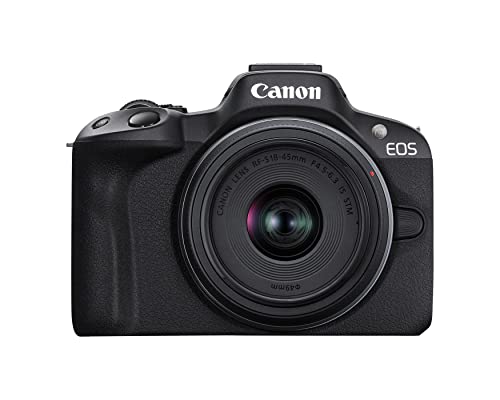
- The Canon EOS R50 is the best first camera here: it tutors its owner in plain language while taking genuinely good photographs.
- The Nikon Z50 II is the calm alternative — faithful colour, logical menus, no drama in either direction.
- The Sony ZV-E10 II suits the beginner whose photography arrives with video attached.
- The Fujifilm X100VI is the slow, stylish path — buy it when the hobby is already a conviction, not a curiosity.
- The Fujifilm Instax Mini 12 teaches framing and generosity with instant prints, at the lowest stakes in photography.
- Leave budget for the second act: a prime lens, a printed book of your first year, and the trips the camera will cause.
- Print from the first month — paper turns a purchase into a practice faster than any accessory or upgrade.
In this guide
Quick Picks
| Camera | Badge | Why beginners thrive with it |
|---|---|---|
| Canon EOS R50 | Best first camera overall | Guided menus that teach while you shoot, over files a beginner can be proud of immediately. |
| Nikon Z50 II | Best calm classroom | Plain-language logic and faithful colour for the methodical learner. |
| Canon EOS R10 | Best for the keen beginner | A step-up body bought early — quicker, more direct, ready for year two. |
| Sony ZV-E10 II | Best for photo-and-video starters | Creator intelligence and a flip screen for the beginner who films from day one. |
| Fujifilm X100VI | Best for the committed romantic | One lens, beautiful colour, and a process that turns looking into a habit. |
| Fujifilm Instax Mini 12 | Best instant teacher | Prints in hand within seconds — photography as a social, giftable object. |
How Did We Choose Cameras for People Starting Photography?
We judged these cameras as teachers before judging them as instruments. Each was handed, metaphorically and in testing practically, to the beginner’s actual first month: the family event in bad light, the walk taken to try the thing out, the pet who will not cooperate, the sunset that the automatic mode must not ruin. Cameras that made those weeks feel like progress ranked above cameras that made them feel like examinations.
Forgiveness was scored in the files. A beginner’s exposures wander, their focus lands hopefully, their white balance is whatever the camera guessed — and a camera whose files tolerate correction lets the beginner rescue the photograph and learn from the rescue. Brittle files punish learning at exactly the age when punishment ends hobbies.
Automatic competence mattered more here than in any other guide in this series. The beginner will live in the automatic modes for weeks, and those modes are either a trustworthy tutor — exposing sensibly, focusing on the face, keeping colours believable — or a saboteur that teaches distrust. Every pick below was required to be genuinely good when its owner knows nothing, and better as they learn.
Finally, we priced the whole first year rather than the first purchase: the body, the memory and power it needs, the second lens it will eventually want, and the printing that turns a hobby into an archive. A camera that consumes the whole budget teaches its owner that photography is expensive; a camera that leaves room teaches them it is generous.
A word about what was deliberately left out: professional bodies, however discounted, were excluded from a beginner’s shortlist on purpose. Their weight, their menus and their assumptions about their owner all tax exactly the resources a beginner cannot spare — confidence and carrying — and their advantages mature years after the habits that matter are formed.
What Should a Beginner Actually Learn First?
Not the exposure triangle — or at least, not first, and not as a triangle. The beginner’s first skill is noticing: seeing that the light at six in the evening does something to a face that noon never will, that stepping two paces closer improves most photographs more than any setting, that backgrounds are part of the picture whether invited or not. The cameras in this guide were chosen partly for how well they free a beginner’s attention for noticing — by automating the mechanics honestly while the eye is in training.
Second comes one control at a time, in the order the photographs demand it. Blurred backgrounds in portraits teach aperture; frozen or streaked motion teaches shutter speed; grainy evening shots teach sensitivity and its costs. A camera with a guided interface, like the Canon R50, narrates these lessons at the moment they arise; a calmer body, like the Nikon, lets the learner discover them with a manual’s help. Both pedagogies work — choose by temperament.
Editing comes third and should stay light for the first year: straighten, brighten honestly, crop with intent. The beginner who learns to see and expose well in the camera owns a skill that transfers to every future camera; the beginner who learns to rescue everything in software owns a workflow that collapses the first time the light is truly bad.
Why Does the First Month Decide Whether Photography Survives?
Because the first month is when the camera is either woven into a life or shelved by one. The weaving is mostly logistics: the camera is small enough to come along, simple enough to succeed at the family dinner, and satisfying enough — a print, a compliment, one frame that surprises its maker — to be picked up again tomorrow. Every pick in this guide was weighed on that logistics of survival as seriously as on its sensor.
The shelved cameras of the world share a biography: too complicated to trust at the important moment, too bulky to bring to the ordinary ones, and bought with such a stretch of budget that their owner felt guilty rather than curious around them. Guilt is a terrible tutor. The correct first camera is the one whose purchase leaves its owner relaxed, because relaxed people experiment, and experimenters become photographers.
Gift-givers should read this section twice. The camera you give will be judged by its recipient in the first month against a standard no review can set: did it make them feel capable? Choose the body whose guidance flatters a beginner’s intelligence — present, plain-spoken, never mocking — and you have given a hobby rather than an appliance.
Should a Beginner Buy New, Used, or Start With a Phone?
The phone deserves its honest sentence: it is a fine camera for discovering whether looking itself pleases you, and no purchase should be made until it has been used deliberately for a few weeks of real noticing. What a phone cannot teach is the craft’s physical grammar — aperture, focal length, focus chosen rather than computed — and the beginner who feels that ceiling pressing is the beginner this guide serves.
Used cameras are the connoisseur’s shortcut and the beginner’s gamble in the same object. A previous-generation body from any system here can be superb value, but the beginner lacks the knowledge to inspect a shutter, a sensor and a seller — so if used is the route, buy from a dealer with a warranty and let their inspection substitute for yours. The money saved belongs, by this guide’s standing rule, to the second lens.
New, from this shortlist, is the path of least regret for a first purchase: warranty, certainty, and a camera whose whole history will be the owner’s own education. Photography’s first year is confusing enough without inheriting a stranger’s settings and a predecessor’s wear.
How Does a Beginner Choose Between Zoom and Fixed Lenses Without Regret?
The kit zoom is the correct first lens for nearly every beginner, and the reason is diagnostic: it is a measuring instrument for your own eye. Across a first season, its record of which focal lengths you actually used is the most honest shopping advice in photography, written by your habits rather than by a reviewer. Beginners who skip the zoom for an internet-recommended prime often discover they bought someone else’s eye.
The prime arrives when the zoom’s evidence names it — the length your frames keep choosing, now wanted brighter, smaller and more beautiful. Bought in that order, the prime feels like a graduation; bought first, it can feel like a restriction imposed by strangers. The systems in this guide all honour the sequence, and the X100VI exists for the minority whose eye was never in doubt.
Regret, in lenses, usually comes from buying coverage instead of character: three mediocre zooms spanning every millimetre, none of them loved. Two lenses owned deeply — the kit zoom and one bright prime — teach more photography than a bag of coverage, and they weigh less on the walks where the teaching happens.
Why Print? A Beginner’s Case for Paper in a Screen Age
A screen shows a photograph the way a window shows weather — brightly, transiently, at the mercy of the next notification. A print is the photograph as an object in your actual life: it can be held by the person in it, pinned where the light changes across it all day, and judged at the size where focus and feeling either survive or do not. Beginners who print learn faster because paper gives verdicts screens flatter away.
Printing also completes the hobby’s emotional circuit. The first framed print — however modest its subject — converts ‘I bought a camera’ into ‘I make photographs’, and that identity is what carries a beginner through the plateau months when progress slows. Every camera in this guide produces files that print beautifully at household sizes; the Instax, gloriously, prints before the question is even asked.
Start small and regular: a handful of prints monthly, one frame a season promoted to a frame on the wall. The wall becomes a curriculum — you will see, daily, what your eye did in spring — and guests will ask the question that sustains hobbies better than any forum: did you take that?
How Should Beginners Think About Light Before They Think About Settings?
Light is the subject’s clothing and the photograph’s mood in one, and beginners sense its importance long before they can operate it. The apprenticeship is observational: notice how a face changes between window and room, how the same street is two streets at eight and at noon, how overcast days flatter people and bore landscapes. A notebook of such noticings, kept for a season, teaches more usable photography than any settings course.
The cameras here help by showing, honestly, what the light will do: live previews that display exposure as it will record, highlight warnings that blink where the light is being wasted. Learn to read those two instruments and you have learned the technical half of light; the other half is scheduling — being present, camera in hand, at the hours when light performs. No camera in any guide can attend for you.
Begin where the light is kindest: the hour after sunrise and before sunset, open shade at midday, one window in a dim room. Master those three studios — they are free, everywhere, and permanently in session — and the beginner’s photographs will look like a more expensive hobby than they are.
Why Do Beginners’ Photographs Improve in Jumps, Not Slopes?
Because the craft is several skills wearing one coat, and they mature on separate clocks. Noticing improves first and silently; then one technical control clicks — usually aperture — and a whole category of photographs transforms in a weekend; then editing taste arrives, months later, and retroactively improves the archive the beginner already owns. The jumps feel mysterious only because the preparation was invisible.
The practical moral is persistence through the plateaus, which are not the absence of progress but its consolidation. The cameras in this guide were chosen to make plateaus survivable: forgiving files that keep old photographs respectable, guidance that keeps new ones instructive, and a size that keeps the practice present on the ordinary days when jumps are quietly prepared.
Keep the monthly prints coming through the plateaus especially. Paper shows the jumps when memory smooths them away, and a beginner who can see their own progress — dated, framed, undeniable — rarely quits at the exact moment the next jump was loading.
Which of the Best Cameras for Photography Beginners Should You Start With?

Canon EOS R50 — Best first camera overall
The R50 is the beginner camera this guide recommends without a qualifying clause, because it solves the beginner’s real problem: not capability, but confidence. Its guided interface explains the camera’s decisions in plain language at the moment they matter — why the background blurred, what the light is doing — turning every outing into a lesson the owner did not have to enrol in.
Its automatic modes deserve particular respect. Where lesser cameras treat automation as a trap for the ignorant, the R50’s scene intelligence exposes and focuses like a competent friend holding the camera for you — and then, crucially, lets you take over one control at a time as curiosity arrives. The graduation path is built into the body’s manners.
The files flatter a learner’s archive: a clear generation beyond phone photography, kind to skin, honest in colour, and forgiving when the exposure wandered. Mounted on Canon’s RF system, the same body accepts the lenses of the owner’s second and fifth years without an adapter’s apology — nothing learned on it needs to be unlearned or resold.
It is also, not trivially, a kind object to give: small, friendly in the hand, and incapable of making its recipient feel examined. Most first cameras in this guide’s testing were admired; the R50 was used, daily, by people who had owned cameras before and shelved them. That is the whole review.
- Format: APS-C mirrorless, compact
- Interface: guided, plain-language tutoring
- Files: forgiving, kind to people
- Mount: Canon RF, grows with the owner
- Size: daily-carry friendly
Strengths
- Teaches while it photographs
- Automatic modes a beginner can trust
- A system with a genuine future
Trade-offs
- Single control dial as skills grow
- No in-body stabilisation
- Serious photographers will outgrow its pace
Buy it with the standard kit lens and resist every accessory for ninety days; the R50’s curriculum is designed to reveal, by use, exactly which second purchase your photography actually wants.
The R50’s guided mode deserves a graduation ritual: the day its explanations start feeling obvious is the day its owner has become a photographer, and the camera keeps the evidence in its menus.
Best for: first-time photographers and gift buyers. Not suited for: experienced shooters wanting dual dials and pro build

Nikon Z50 II — Best calm classroom
The Z50 II teaches by calm rather than by commentary. Nikon’s menus are the most logically arranged in this guide — settings live where a reasonable person would look for them — and its colour is faithful in a way that gives the beginner true feedback: the photograph looks like the scene did, so the lessons learned are about photography rather than about the camera’s taste.
Its subject detection handles the beginner’s actual subjects — family, pets, the school play — with a quiet competence that keeps success rates high in the crucial first month, and the body’s handling is steady and unhurried, suiting the methodical learner who reads the manual and enjoys it.
The files are clean and correctable, the affordable lenses are honest, and the whole system has a grown-up patience about it: nothing in the Z50 II hurries its owner toward upgrades, gimmicks or embarrassment. For the beginner who distrusts being charmed and prefers being respected, it is the natural first camera.
Schools and evening classes should note its particular suitability for teaching: a roomful of Z50 IIs can be instructed in unison, because the camera’s logic is consistent enough to be taught — a virtue no specification table lists and every tutor recognises.
- Format: APS-C mirrorless
- Menus: the most logical in this guide
- Colour: faithful, true feedback
- Focus: subject detection for family subjects
- System: honestly priced lenses
Strengths
- Calm, logical teaching by design
- True colour for true lessons
- High success in the first month
Trade-offs
- No in-body stabilisation
- Screen tilts rather than fully articulating
- Less hand-holding than the Canon
Methodical beginners should keep a notebook beside this camera for the first season; its honest feedback makes cause and effect unusually legible, and the notebook will fill with the foundations of a personal style.
Z50 II owners in classes should exploit its consistency — when every student’s camera behaves identically, the tutor’s lessons land on the whole room at once, and the class becomes an ensemble rather than a helpdesk.
Best for: methodical learners, students and classes. Not suited for: beginners wanting maximum in-camera tutoring

Canon EOS R10 — Best for the keen beginner
Some beginners are not tentative, and the R10 is their camera: a step-up body bought at the start by people who already know — from a phone, from a borrowed camera, from a childhood with film — that photography is for them. It assumes enthusiasm and equips it: quicker controls, faster focus, a burst for the family sports day, and files that print and crop with a confidence the starter bodies approach but do not match.
The trade is tutoring. The R10 explains less and expects more; its owner learns from results, from the manual, and from the pleasant pressure of a camera that keeps up with their intentions. Keen beginners describe that pressure as respect, and they are right — but the tentative should read the R50’s verdict again before choosing ambition over guidance.
Its value across a three-year horizon is the argument that closes most sales: the R10 bought first is very often still the camera in year three, where a gentler starter might have been replaced. For the beginner whose commitment is certain, buying the second camera first is not extravagance but arithmetic.
Pair it from the start with the standard zoom, and let its speed teach the family’s action — children, dogs, sport — while its controls teach the rest. It is the keen beginner’s honest instrument.
- Format: APS-C mirrorless, lightweight
- Focus: fast, with subject tracking
- Controls: direct, step-up layout
- Burst: useful for family action
- Value: strong across three years
Strengths
- The second camera, bought first
- Speed that rewards enthusiasm
- Files with print confidence
Trade-offs
- Less in-camera teaching
- No in-body stabilisation
- Ambition priced above the R50
Keen beginners should budget for the bright prime lens sooner than others — this body’s talents announce themselves fully only when the lens stops being the limit, which happens within the first season.
The R10 rewards a beginner’s first deliberate project more than any body here except the Fujifilm: its speed and files let a keen starter finish a real body of work in the first season.
Best for: committed beginners and returning photographers. Not suited for: the tentative or the gift recipient of unknown enthusiasm

Sony ZV-E10 II — Best for photo-and-video starters
A generation of beginners arrives at photography through video — the channel, the vlog, the family’s filmed life — and the ZV-E10 II is their doorway, built by the company that understands that doorway best. Its stills are proper system-camera work, and its video intelligence, particularly the product-showcase focus that sharpens whatever is held to the lens, automates the shots beginners most often fumble.
The flip screen and face-first manners make self-directed work natural from the first day, and the body’s small size keeps it on the desk, in the bag, in the life — the survival logistics this guide keeps preaching. Sony’s lens mount then provides the growth path: bright primes for the portraits and evening work that stills beginners graduate to.
Its concessions are a stills purist’s list: no viewfinder, so composition is a screen’s affair; a small body’s battery rhythm; video stamina for episodes rather than events. For the beginner whose photography and filming are one practice from the start, those are the right concessions, correctly priced.
Choose it when the question ‘photos or video?’ has never quite made sense to you — when the camera’s job is to document a making, a journey or a personality in whichever form the moment prefers.
- Format: APS-C mirrorless, compact
- Focus: product-showcase and face intelligence
- Screen: fully articulating
- Video: creator-grade manners
- System: Sony E-mount growth
Strengths
- The beginner’s hybrid, desk-ready
- Automation aimed at real fumbles
- Stills with a genuine system future
Trade-offs
- No viewfinder for traditionalists
- Battery rhythm suits episodes, not events
- Stills menus are video’s junior partner
New creators should exploit its webcam cleanliness for the unglamorous dividend: video calls, classes and interviews that look professional from the same body that shoots the channel — one camera, visibly competent everywhere.
ZV-E10 II beginners should shoot a stills-only week monthly, screen down, viewfinder habits borrowed from discipline — the hybrid education stays honest only if each craft is sometimes practised alone.
Best for: video-first beginners and new creators. Not suited for: viewfinder traditionalists and event marathoners

Fujifilm X100VI — Best for the committed romantic
The X100VI appears in a beginner’s guide as a special case, labelled honestly: this is not the camera for discovering whether you like photography, but for the beginner who already knows — who has shot a phone into the ground, dreams in one focal length, and wants the instrument itself to be part of the pleasure. For that reader, it may be the only recommendation that matters.
Its fixed lens is the curriculum: no zoom to hide behind, composition by footwork, a single viewpoint learned the way a musician learns one instrument. Its film-born colour modes give a beginner’s photographs a finished, coherent look from the first month — a dangerous gift, since it can disguise slow learning, and a glorious one, since early work that looks beautiful keeps hobbies alive.
The dials and hybrid finder make the process tactile and deliberate, and the object itself is beautiful enough to be carried constantly — which, by this guide’s survival logic, is a photographic feature of the first rank. Its scarcity in shops is the practical footnote every buyer discovers personally.
Beginners of the tentative kind should admire it and buy the Canon. Beginners of the convicted kind should buy it and ignore this guide’s caution entirely; conviction, in photography, is a specification too.
- Format: APS-C compact, fixed lens
- Lens: one moderate wide viewpoint
- Colour: film simulations, finished at capture
- Finder: hybrid optical and electronic
- Carry: beautiful, constant companion
Strengths
- A complete philosophy in one object
- Early work that looks like a style
- Presence — it is always along
Trade-offs
- One focal length exiles some subjects
- No zoom, no system, no second chances at framing
- Famously difficult to find in stock
Romantics should perform the phone test honestly: lock a phone’s zoom at one focal length for a month. Delight means this camera; frustration means the systems above, and both answers are respectable.
The X100VI’s leaf-shutter quietness teaches a social lesson beginners undervalue: photographs taken without mechanical announcement change rooms less, and rooms that do not change give better photographs.
Best for: convicted beginners and style-first photographers. Not suited for: the curious, the tentative and zoom-dependent subjects

Fujifilm Instax Mini 12 — Best instant teacher
The Instax Mini 12 closes the list as the beginner camera with the lowest stakes and the oldest wisdom: it makes a physical photograph, in the hand, in about a minute and a half, and gives it away. For children starting, for the camera-shy, for anyone whose photography has been a screen habit they want to break, that object changes the entire emotional economy of the craft.
It teaches real lessons in its own currency. Because each frame costs film, the Instax photographer composes — waits for the expression, steps closer, checks the background — with a deliberation that digital abundance unteaches. Its total automation handles exposure kindly, its selfie mirror handles the beginner’s favourite subject, and its failures are charming rather than catastrophic.
No files, no editing, no archive in the modern sense: the print is the photograph, singular and giftable, and a shoebox of them is a first year’s portfolio with a warmth no drive can imitate. As a second camera for a system owner it is a joy; as a first camera for the very young or the very hesitant, it is sometimes the only door that opens.
Budget honestly for its film, which is the camera’s true price paid in instalments — and then enjoy the one beginner instrument in this guide that has never made anyone feel examined.
- Format: instant film camera
- Prints: credit-card-sized, in hand fast
- Exposure: fully automatic
- Power: AA batteries, no charging
- Lesson: framing, timing, generosity
Strengths
- Photography as a physical, giftable thing
- Deliberation taught by film’s cost
- Zero intimidation, instant delight
Trade-offs
- Film is a continuing cost
- No digital copy or editing path
- No creative controls to grow into
Families should start the shoebox on day one and date the prints on their backs; a year later, that box is the most persuasive argument for the system camera upgrade this guide’s other picks are waiting to become.
Instax owners should photograph people, not things, for the first pack of film: the prints’ social magic — the giving, the keeping, the fridge door — is the curriculum, and objects can wait for the second pack.
Best for: young beginners, the hesitant and gift-givers. Not suited for: anyone wanting files, control or an archive
How Should a Beginner Spend the First Ninety Days?
Days one to thirty belong to volume and noticing: carry the camera daily, photograph the ordinary without staging it, and live in the automatic modes without a shred of guilt — they are the tutor’s classroom, not a confession. Print ten frames at the month’s end, however humble, and put them where you can see them; the hobby becomes real on paper.
Days thirty to sixty belong to one control: whichever your photographs keep asking about. Blurred backgrounds summon aperture; motion summons shutter; dusk summons sensitivity. Learn that one control on purpose, on unimportant subjects, until it is a reflex — then let the photographs summon the next.
Days sixty to ninety belong to a small project: one subject, one place, one person, photographed repeatedly with intent. A project converts random practice into a body of work, teaches editing by necessity, and produces the first portfolio a beginner can show without apologising. Every camera in this guide can carry such a project; the calendar, not the camera, is the curriculum.
What Should a Beginner Buy Second, Third and Never?
Second, after the camera has earned it: a bright prime lens at the focal length your first ninety days kept choosing, because it will change your photographs — low light, blurred backgrounds, a new seriousness — more than any other purchase in photography. The prime is the beginner’s graduation ceremony, and it should be timed to the learning, not to the sales.
Third, the means of finishing: printing, whether a home printer, a good lab habit or an annual book. Photographs that remain files are rehearsals; the beginner who prints becomes a photographer in their own estimation, which is the estimation that sustains the second year.
Never — or at least, not in year one: the bag of cheap accessories, the five filters, the novelty lenses, the second body. Each is a small tax on attention that belongs to seeing. The beginner’s kit should stay embarrassingly small until the photographs themselves file a specific, named request.
How Should a Beginner Find Honest Feedback?
Ask people who look at photographs rather than at equipment: a local club’s print night, a class’s critique, a friend with a wall of their own work. Specify the feedback you want — one strength, one weakness, nothing about gear — and receive it the way photographers have always received it: silently, gratefully, and with a week before deciding which parts to obey.
Online communities can serve if curated ruthlessly: choose rooms where finished photographs are discussed and equipment threads are rationed. The beginner’s eye is an ecosystem; feed it pictures and it grows taste, feed it arguments about sensors and it grows anxiety with a vocabulary.
Keep the most honest critic at home: your own wall, revisited monthly. The print that still pleases you in the third month has passed a test no stranger can administer, and the one that has quietly started to bore you is a lesson with your name on it. Self-criticism of that kind — specific, patient, kind — is the skill the whole first year exists to build.
What Does the Second Year Ask That the First Did Not?
Direction. The first year is breadth — everything photographed, every mode tried — and the second is the discovery that breadth has become a pile rather than a practice. The photographers who thrive in year two choose: a subject to go deep on, a project with an ending, a print series with a wall waiting. The cameras in this guide all support that narrowing; several — the R10’s speed, the Sony’s video, the Fujifilm’s style — were recommended partly as second-year instruments wearing first-year prices.
Year two also asks for the archive’s adulthood: backups that happen without heroics, a folder system the future can read, and the first ruthless cull that turns ten thousand frames into a thousand photographs. It is unglamorous growth, and it is the difference between a hobby that was and a practice that is.
Finally, year two asks the question this guide began with, in reverse: not which camera to buy, but which photographs to make. The beginner who reaches that question has finished beginning — and will recognise, in the keyword’s cheerful misspelling, the artefact of a person they used to be a year ago.
How Do You Photograph Family and Friends Without Becoming a Nuisance?
By being brief, being kind and being finished. The beginner’s camera at a family event is welcome for exactly as long as it does not reorganise the event around itself: photograph the gathering as it happens, take the one arranged group frame with cheerful efficiency, and then put the camera down and be a guest. The archive of a family that enjoys being photographed grows for decades; the archive of a family that endures it stops at Christmas.
Share generously and promptly — the prints, the files, the frames where people look like their favourite selves. Generosity is the beginner’s professional reputation, and it purchases the access on which all future family photography depends. Delete the unflattering with the same generosity; a beginner known for kindness with the delete button is invited everywhere.
Ask before sharing publicly, always, especially with children in the frame. The etiquette costs one message and protects everything. A camera teaches its owner many things; the social ones — consent, timing, tact — are the lessons that make the technical ones welcome in the world.
How Do the Six Beginner Cameras Compare?
Read the table by the beginner in front of you rather than by specification: the tutored, the methodical, the keen, the filming, the romantic and the very young are six different people, and this guide’s honesty consists of refusing to pretend one camera serves them all equally.
| Camera | Teaching strength | Temperament | Best matched beginner |
|---|---|---|---|
| Canon EOS R50 | Guided tutoring in plain language | Friendly, encouraging | The true first-timer |
| Nikon Z50 II | Logic and faithful feedback | Calm, methodical | The student |
| Canon EOS R10 | Speed that rewards intent | Keen, direct | The committed starter |
| Sony ZV-E10 II | Automation for creators | Modern, filming-first | The new creator |
| Fujifilm X100VI | Constraint as curriculum | Romantic, deliberate | The convicted romantic |
| Fujifilm Instax Mini 12 | Prints as lessons | Playful, instant | The young and hesitant |
If the beginner is you and you remain torn, choose the R50 and spend the difference on printing: it is the recommendation this guide would defend for the widest range of real first years, and its system will still be there when your ambitions outgrow its tutoring.
One more consideration belongs to gift-buyers alone: buy the camera from a shop — physical or otherwise — that will still be helpful in month two, when the questions change from choosing to using. A beginner’s camera is the start of a relationship with photography; the seller who understands that is worth a small premium over the one who merely stocks the box.
What Mistakes Do Beginners and Gift-Buyers Make Most Often?
Buying capability instead of survivability: the professional-spec body that intimidates its owner at the family dinner and stays home on the walk. A first camera’s specification sheet should be read last; its size, guidance and forgiveness should be read first, because those decide whether there is a second year in which capability would matter.
Second, spending the whole budget on the body and starving the year: no second lens fund, no printing, no trips. The camera is the smallest part of a photographic life, and the beginner equipped modestly but completely — body, kit lens, the promise of a prime and a book — outlearns the beginner with a flagship and nothing else by the first spring.
Third, learning from the internet’s arguments instead of from photographs: forums will teach a beginner to worry about sensors before they can see light. The cure is a project, a printer and one trusted book or class. Every camera here is better than the equipment that made most of photography’s history; the beginner’s eye is the only component that needs upgrading, and it upgrades by use.
Fourth, the gift-buyer’s special error: purchasing their own taste for someone else’s beginning — the romantic fixed-lens camera for a teenager who wanted to film, the creator body for a parent who wanted simplicity. Interview the beginner’s intentions, however briefly, and let the verdicts above match the person rather than the purchaser.
Fifth, comparing your first year with professionals’ twentieth: the archive you see from a master is the survivor of ten thousand deletions and a decade of mornings. Compare instead with your own first month, monthly, on paper. That comparison is the only league table in which a beginner’s progress is honestly measured — and it is usually kinder and truer than expected.
Sixth, hiding the early work out of embarrassment. Show it — to the class, the family, the friend with the wall. Early photographs shown kindly become the baseline a photographer measures a decade against, and the encouragement they attract is fuel the second year will burn gratefully.
Final Recommendation
For the beginner this keyword mostly serves — the searcher who typed photography in a hurry and means to start — the Canon EOS R50 is the recommendation: tutored, forgiving, genuinely capable, and priced to leave the hobby room to breathe. The Nikon Z50 II is its calm alternative, the Canon EOS R10 its keen one.
Start filming-first with the Sony, start romantically with the Fujifilm X100VI if conviction is real, and start a child or a hesitant heart with the Instax and a shoebox. However the word is spelled, the beginning is the same: a camera that gets carried, photographs that get printed, and a first year that turns into a practice.
So welcome to the hobby, however you spell it. The photographers whose work will one day make you feel like a beginner forever all started exactly here — with a hurried search, a first camera, and a first month that felt like play. Buy kindly, carry daily, print monthly, and let the misspelling become a souvenir.
Related guides
- Best Compact Digital Cameras for Street Photography: Speed, Discretion and One Honest Distance
- Best Compact Cameras for Underwater Photography: Honest Depth Ratings, Bare and Housed
- Best Cameras for UV Photography: Honest Routes to Reflected UV and Fluorescence
Frequently Asked Questions
Is photography an expensive hobby to start?
[“It can be sized honestly: a body from this guide’s entry rows, its kit lens, and a year of printing and modest travel form a complete first year without extravagance. The expensive version of photography is the one bought in the wrong order — flagship first, learning later. Start with the camera that teaches, and let each later purchase be a named answer to a photograph you could not yet make.”]
How long before a beginner takes good photographs?
[“Good by the only standard that matters — photographs you are glad exist — within the first month, if the camera is carried and the subjects are your own life. Good by a stranger’s standard arrives across the first year of projects and printing. The cameras here shorten neither honestly, but they remove every equipment excuse, which is the true beginning of progress.”]
Do I need to learn manual mode to be a real photographer?
[‘No — you need to learn to see, and to control the camera when its choices differ from yours. Manual mode is one route to that control, and the dial-led and guided bodies here make it approachable, but plenty of distinguished photographers work in aperture priority for a career. Graduate control by control, as your photographs demand each one, and ignore anyone who makes a mode dial a moral test.’]
What is the best first subject for a beginner?
[“The one that will still be there tomorrow: your street, your household, your dog, your walk to work. Familiar subjects teach fastest because their changes are visible — light across seasons, expressions across moods — and they forgive the beginner’s early technical wandering with constant fresh chances. Exotic subjects can wait until the eye is trained; they will look better for the wait.”]
Should a beginner shoot RAW or JPEG?
[“JPEG at first, without apology: the cameras here produce pleasing, honest JPEGs, and the beginner’s attention belongs on seeing rather than processing. Add RAW when editing becomes a pleasure rather than a backlog — several picks make the dual habit easy — and let the archive grow into the format as the photographer grows into the craft.”]
Can a beginner start with a used professional camera instead?
[“They can, and some thrive on it, but the risks are a beginner’s specific ones: no tutoring in the menus, wear they cannot assess, and a size that argues against daily carrying. If the used professional body is a gift from a photographer who will also lend their guidance, accept it gratefully; if it is a bargain hunted alone, this guide’s new entry bodies are the safer education.”]
How do I know if photography is really for me before spending?
[“Spend a month, not money: take a phone photograph deliberately every day — same walk, same hour if you can — and print the best four at the month’s end. If the month felt like a chore, photography may be a pleasure to consume rather than practise, which is honourable. If it felt like the days acquired a new sense, buy from this guide with confidence; the feeling is the hobby announcing itself.”]
What if I buy the wrong first camera?
[“Then you own the most common artefact in photography: nearly every photographer’s history contains one. The systems here hold their value respectably, the lessons transfer completely to the next body, and the wrong camera used for a year teaches more than the right camera admired in a shop for the same year. Buy with this guide, use without brooding, and let the photographs arbitrate.”]
Should I take a photography class or learn alone?
[“Either works, and the hybrid of the two works best: a class or structured course for the foundations and the feedback, solitary practice for the miles. The cameras here suit both — the Nikon’s consistency for the classroom, the Canon’s tutoring for the solitary, the Fujifilm’s discipline for the self-directed romantic. What does not work is neither: a camera without practice or feedback is furniture with a lens.”]
What is the single best piece of advice for a total beginner?
[‘Carry the camera on ordinary days and photograph your actual life at its actual moments, rather than saving the camera for occasions. Ordinary life is where light, people and practice are unlimited and free — and the photographs beginners value in ten years are almost never the occasion ones. They are the Tuesday ones, taken because the camera happened to be there.’]
Related Guides
Beginners who survive the first ninety days — most of them, with the cameras above and a shoebox filling with prints — usually continue into our general guide to cameras for photographs of every kind our guide to cameras for everyday picture taking and family life our guide to cameras for photos and video as the hobby grows


