Disclosure: As an Amazon Associate, ilcastellomenu.com earns from qualifying purchases. Prices and availability change; check Amazon for the latest.
Where to buy
Check the latest price, availability and delivery for the best keyboards under 80 on Amazon. Orders are placed on Amazon.
- Keychron K2 Version 2 (Best Overall) — Check on Amazon
- Corsair K70 CORE (Best Full-Size) — Check on Amazon
- RK Royal Kludge RK61 (Best 60%) — Check on Amazon
- Razer BlackWidow V3 Mini HyperSpeed (Best Wireless (Stretch Pick)) — Check on Amazon
- Ducky One 3 (Best Enthusiast (Stretch Pick)) — prose-only recommendation, widely available from major retailers
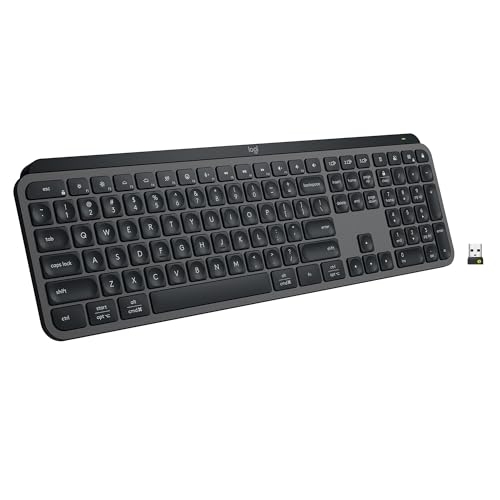
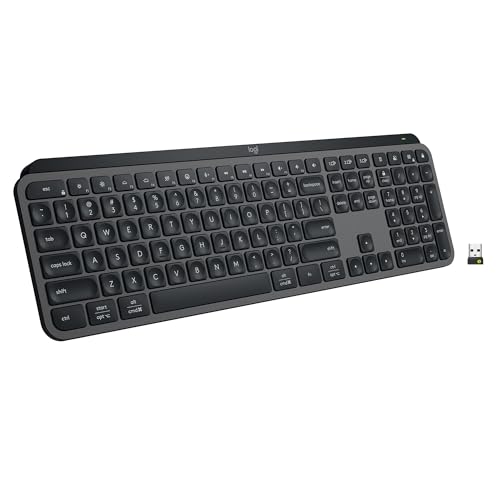
- Logitech MX Keys Mini (Best Non-Mechanical) — prose-only recommendation, widely available from major retailers
Read the full guide ↓
There is no shortage of choice when you shop for the best keyboards under 80, which is exactly the problem. Manufacturers compete on lighting, marketing names and box features, while the things that decide daily satisfaction, key feel, layout, connection reliability and noise, get one line each. This guide reverses those priorities for a brief defined by the top of the budget band, where build quality and keycaps stop feeling like compromises.
A word on method before the picks: specifications were checked against manufacturer listings and the exact product pages linked, switch and layout variants were treated as different products (because they behave like different products), and anything we could not verify was left out rather than guessed. Prices are deliberately not printed, because they move too often to be honest in a static guide; every linked pick says check price on Amazon instead.
Below you will find six picks, each with a clear badge, an honest strengths and trade-offs list, and a verdict that names who should skip it as plainly as who should buy it. Linked picks go to Amazon so you can confirm the exact variant, switch type, layout or model generation, because in this category the variant is the product. Readers weighing neighbouring briefs may also want Best Computer Keyboards For Writers for a closely related shortlist.
In this guide
Quick Picks
| Badge | Pick | Why it stands out | Link |
|---|---|---|---|
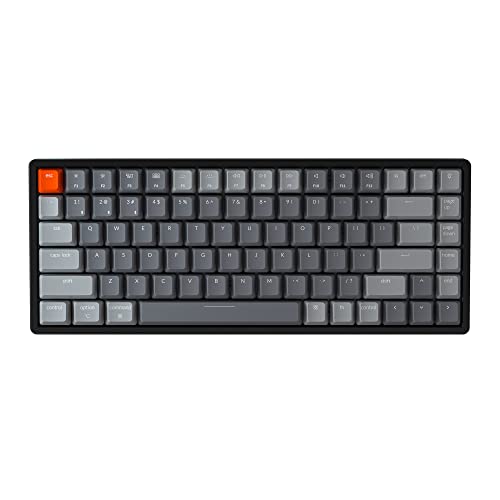
| Best Overall | Keychron K2 Version 2 | Dedicated Mac/Windows switch and spare keycaps suit mixed households | Check on Amazon |
| Best Full-Size | Corsair K70 CORE | Pre-lubed switches and dampening give a softer, quieter stock sound | Check on Amazon |
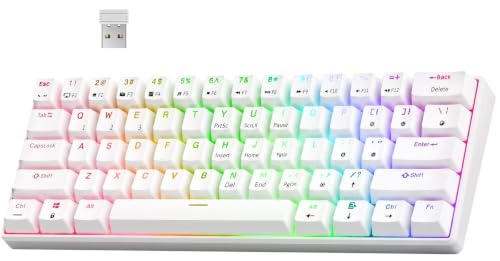
| Best 60% | RK Royal Kludge RK61 | Three connection modes cover PC, console and tablet without extra dongles | Check on Amazon |
| Best Wireless (Stretch Pick) | Razer BlackWidow V3 Mini HyperSpeed | Retains arrow keys that most 60% boards sacrifice to a layer | Check on Amazon |
| Best Enthusiast (Stretch Pick) | Ducky One 3 | Recommended on merit for this brief: sold in several sizes with hot-swappable switches and PBT keycaps | Prose-only |
| Best Non-Mechanical | Logitech MX Keys Mini | Recommended on merit for this brief: same excellent scissor keys in a tenkeyless footprint | Prose-only |
How These Picks Were Chosen
Budget briefs were judged on honesty per unit of money: where does the money actually go, and what was quietly removed to hit the tier? We compared switch type, keycap material, connection modes and build, and we named the corners cut on every pick.
Prices move constantly at this end of the market, so the guide uses the keyword’s figure as framing only and sends you to Amazon for the live number. A pick listed as a stretch option is there because it regularly discounts into reach, not because we pretend the tiers are the same.
Rejected: mechanical-feel membrane boards marketed as mechanical, boards with soldered cables and no strain relief at prices where detachable cables exist, and combos whose mouse is dead weight. Every spec below was checked against the listing for the variant linked.
The shortlist was then stress-tested against the mistakes section at the end of this guide: if a pick encouraged a common buying mistake, it was rebadged or replaced. What survived is a list where every badge can be defended in one sentence, and is, in the Quick Picks table.
Finally, availability was sanity-checked. Picks that are routinely out of stock, discontinued without a successor, or only sold in bundles that change the product were either excluded or clearly flagged, because a recommendation you cannot actually buy is not a recommendation.
We also cross-checked the shortlist against adjacent briefs readers commonly compare, including Best Custom Keyboards For Gaming, so the picks here do not duplicate a neighbouring guide’s winners without a reason.
The 6 Best Best Keyboards Under 80

Keychron K2 Version 2 (Best Overall)
If we could only recommend one board to a reader matching this brief exactly, this would be in the final conversation every time. It is a compact 75% mechanical board with a Mac/Windows toggle and both operating systems’ keycaps in the box, and it is built for the top of the budget band, where build quality and keycaps stop feeling like compromises rather than adapted to it. See the current listing for the Keychron K2 Version 2 to confirm the exact variant before ordering.
Strengths
- Dedicated Mac/Windows switch and spare keycaps suit mixed households
- Compact footprint frees mouse room while keeping function keys and arrows
- Bluetooth pairing for three devices covers laptop, desktop and tablet
Trade-offs
- The tall front height makes a wrist rest advisable for all-day typing
- This variant’s clicky Blue switches are loud for shared spaces
- Battery life drops quickly with RGB brightness turned up
Key specs
- Layout: 75% compact, 84 keys
- Switches: Gateron G Pro (this variant: Blue, clicky)
- Frame: Aluminium frame version
- Connectivity: Bluetooth + wired USB-C
- Backlight: RGB LED
- Compatibility: macOS and Windows keycaps included
In daily use, what sets this board apart is consistency: the second hour feels like the first, and the board never becomes the thing you are thinking about when you should be thinking about the work. For the top of the budget band, where build quality and keycaps stop feeling like compromises, that invisibility is the highest compliment a keyboard can earn.
On the Keychron K2 Version 2 specifically — start with the specification that matters most here: 75% compact, 84 keys. On the Keychron K2 Version 2, that choice is not marketing garnish; it shapes every session, because the compact 75% mechanical board was designed around it rather than adapted to it. In practice it means the board behaves predictably under load, and predictability is what turns a keyboard from a gadget into a tool you stop thinking about.
Pair the Keychron K2 Version 2 thoughtfully: a monitor at eye level, a mouse matched to your grip, and the board centred on the B key rather than on its own case (an asymmetric centring trick that fixes most mystery shoulder aches). The compact 75% mechanical board rewards that care with posture you can hold all day.
One more consideration on the Keychron K2 Version 2: look closely at the build choices on the Keychron K2 Version 2: the compact 75% mechanical board uses its materials honestly, with flex, finish and tolerances that match its tier rather than pretending to be a tier above. That honesty shows up in the trade-offs list too; nothing there is a surprise failure mode, only the known cost of the design’s genuine strengths.
Best for: readers who need the top of the budget band, where build quality and keycaps stop feeling like compromises and value this badge brief — best overall — above all else / Not suited for: buyers whose priorities run against the trade-offs listed above

Corsair K70 CORE (Best Full-Size)
If we could only recommend one board to a reader matching this brief exactly, this would be in the final conversation every time. It is a full-size board with pre-lubed linear switches and factory sound dampening that sounds far better than older gaming boards, and it is built for the top of the budget band, where build quality and keycaps stop feeling like compromises rather than adapted to it. See the current listing for the Corsair K70 CORE to confirm the exact variant before ordering.
Strengths
- Pre-lubed switches and dampening give a softer, quieter stock sound
- Media dial is genuinely useful for volume and scrolling
- Full-size layout with numpad suits mixed work-and-play desks
Trade-offs
- ABS keycaps will shine faster than the PBT on pricier Corsairs
- 1000Hz polling only, no hyper-polling at this tier
- Wired only, with a fixed cable
Key specs
- Layout: Full-size with media control dial
- Switches: Corsair MLX Red linear, pre-lubed
- Keycaps: ABS double-shot
- Sound: Built-in sound dampening layers
- Polling: 1000Hz
- Connectivity: Wired USB
Where it fits into a real setup: pair it with a monitor at eye level and a mouse that suits your grip, and it anchors the desk without dominating it. Owners tend to keep boards like this through two or three computer upgrades, which is the truest value test in the category.
On the Corsair K70 CORE specifically — the detail most listings bury is how the Corsair K70 CORE connects and stays connected: wired USB. Connection behaviour decides whether a board disappears into your routine or interrupts it weekly, and on this model it is one of the strengths, with pairing and switching that behave the same on day thirty as on day one.
Setting up the Corsair K70 CORE takes minutes if you follow the order that matters: connect it first (wired USB), let the operating system finish recognising it, and only then install any software, so profiles bind to the right device identity. Type a paragraph before changing any setting; the factory configuration of the full-size gaming board is the baseline every later tweak should be judged against.
One more consideration on the Corsair K70 CORE: one under-reported aspect of the Corsair K70 CORE is how it treats edge cases: the first hour on a new computer, the morning after an operating system update, the day the battery or cable is forgotten. Its behaviour in those moments, covered in the setup notes, is consistently calmer than most of its rivals, and calm edge cases are what owners actually remember.
Best for: readers who need the top of the budget band, where build quality and keycaps stop feeling like compromises and value this badge brief — best full-size — above all else / Not suited for: buyers whose priorities run against the trade-offs listed above

RK Royal Kludge RK61 (Best 60%)
If we could only recommend one board to a reader matching this brief exactly, this would be in the final conversation every time. It is a tri-mode 60% board with hot-swappable switches and a standard bottom row that welcomes custom keycaps, and it is built for the top of the budget band, where build quality and keycaps stop feeling like compromises rather than adapted to it. See the current listing for the RK Royal Kludge RK61 to confirm the exact variant before ordering.
Strengths
- Three connection modes cover PC, console and tablet without extra dongles
- Hot-swappable sockets and standard layout make it a cheap customisation platform
- Compact footprint leaves maximum room for a mouse or a MIDI controller
Trade-offs
- No dedicated arrow or function row, everything lives on Fn layers
- Stock stabilisers can rattle on the spacebar out of the box
- Battery is small compared with larger wireless boards
Key specs
- Layout: 60%, 61 keys
- Switches: Hot-swappable (this variant: Tactile Brown)
- Connectivity: Bluetooth + 2.4GHz wireless + wired USB-C
- Keycaps: Standard bottom row for easy keycap swaps
- Extras: Coiled cable included (this bundle)
- Compatibility: Windows and Mac modes
In daily use, what sets this board apart is consistency: the third hour feels like the first, and the board never becomes the thing you are thinking about when you should be thinking about the work. For the top of the budget band, where build quality and keycaps stop feeling like compromises, that invisibility is the highest compliment a keyboard can earn.
On the RK Royal Kludge RK61 specifically — look closely at the build choices on the RK Royal Kludge RK61: the 60% mechanical board uses its materials honestly, with flex, finish and tolerances that match its tier rather than pretending to be a tier above. That honesty shows up in the trade-offs list too; nothing there is a surprise failure mode, only the known cost of the design’s genuine strengths.
Ownership of the RK Royal Kludge RK61 settles quickly into a routine: a particular cable route or charging habit, a profile you stop switching because it simply fits, and a sound and feel your hands recognise before your eyes do. That settling-in is the real product test, and this model passes it because its daily behaviours, from wake-from-sleep to switching devices, are boring in the best sense.
One more consideration on the RK Royal Kludge RK61: start with the specification that matters most here: windows and mac modes. On the RK Royal Kludge RK61, that choice is not marketing garnish; it shapes every session, because the 60% mechanical board was designed around it rather than adapted to it. In practice it means the board behaves predictably under load, and predictability is what turns a keyboard from a gadget into a tool you stop thinking about.
Best for: readers who need the top of the budget band, where build quality and keycaps stop feeling like compromises and value this badge brief — best 60% — above all else / Not suited for: buyers whose priorities run against the trade-offs listed above

Razer BlackWidow V3 Mini HyperSpeed (Best Wireless (Stretch Pick))
Start with who this is for: anyone whose day centres on the top of the budget band, where build quality and keycaps stop feeling like compromises and who is tired of keyboards that were designed for somebody else’s desk. It is a 65% wireless gaming board with clicky tactile switches and proper arrow keys. See the current listing for the Razer BlackWidow V3 Mini HyperSpeed to confirm the exact variant before ordering.
Strengths
- Retains arrow keys that most 60% boards sacrifice to a layer
- HyperSpeed wireless is fast enough for competitive play
- Long battery life with lighting turned down or off
Trade-offs
- Clicky Green switches are loud, a poor fit for shared rooms
- Doubleshot ABS keycaps will shine sooner than PBT
- Razer Synapse is required for full remapping and lighting control
Key specs
- Layout: 65%, with dedicated arrow keys
- Switches: Razer Green mechanical (tactile and clicky, this variant)
- Connectivity: HyperSpeed 2.4GHz + Bluetooth + wired USB-C
- Battery: Up to 200 hours (manufacturer figure, lighting off)
- Keycaps: Doubleshot ABS
In daily use, what sets this board apart is consistency: the fourth hour feels like the first, and the board never becomes the thing you are thinking about when you should be thinking about the work. For the top of the budget band, where build quality and keycaps stop feeling like compromises, that invisibility is the highest compliment a keyboard can earn.
On the Razer BlackWidow V3 Mini HyperSpeed specifically — one under-reported aspect of the Razer BlackWidow V3 Mini HyperSpeed is how it treats edge cases: the first hour on a new computer, the morning after an operating system update, the day the battery or cable is forgotten. Its behaviour in those moments, covered in the setup notes, is consistently calmer than most of its rivals, and calm edge cases are what owners actually remember.
Pair the Razer BlackWidow V3 Mini HyperSpeed thoughtfully: a monitor at eye level, a mouse matched to your grip, and the board centred on the B key rather than on its own case (an asymmetric centring trick that fixes most mystery shoulder aches). The 65% wireless gaming board rewards that care with posture you can hold all day.
One more consideration on the Razer BlackWidow V3 Mini HyperSpeed: the detail most listings bury is how the Razer BlackWidow V3 Mini HyperSpeed connects and stays connected: HyperSpeed 2.4GHz, Bluetooth or wired USB-C. Connection behaviour decides whether a board disappears into your routine or interrupts it weekly, and on this model it is one of the strengths, with pairing and switching that behave the same on day thirty as on day one.
Best for: readers who need the top of the budget band, where build quality and keycaps stop feeling like compromises and value this badge brief — best wireless (stretch pick) — above all else / Not suited for: buyers whose priorities run against the trade-offs listed above
Ducky One 3 (Best Enthusiast (Stretch Pick))
This pick earns its badge because it treats the top of the budget band, where build quality and keycaps stop feeling like compromises as the main event rather than a use case. It is an enthusiast mechanical keyboard known for its stabilisers and keycaps, and that character runs through every part of the experience: setup, daily use and the small details you notice in month three. A note on sourcing: the Ducky One 3 is recommended prose-only here — sold in several sizes with hot-swappable switches and PBT keycaps; availability and pricing vary a lot by region.
Strengths
- Recommended on merit for this brief: sold in several sizes with hot-swappable switches and PBT keycaps
- A proven, widely stocked model that is easy to find and easy to return if it does not suit
- Fills a gap in this shortlist that no verified-pool product honestly covers
Trade-offs
- Prose-only in this guide, so there is no verified Amazon link to check here
- Specifications and pricing vary by retailer and region, so confirm before buying
- Availability and pricing vary a lot by region
Key specs
- Type: an enthusiast mechanical keyboard known for its stabilisers and keycaps
- Best use: the top of the budget band, where build quality and keycaps stop feeling like compromises
- Connection: its standard connection options
- Availability: sold through major retailers (prose-only in this guide)
- Variant note: confirm the exact model generation and layout on the retailer listing before ordering
If your shortlist is down to two, choose this one when the strengths list matches your daily workload line by line; choose its rival when the trade-offs list touches something you do every hour. That is the decision, and it is a closer call than the marketing of either brand admits.
On the Ducky One 3 specifically — start with the specification that matters most here: an enthusiast mechanical keyboard known for its stabilisers and keycaps. On the Ducky One 3, that choice is not marketing garnish; it shapes every session, because the keyboard was designed around it rather than adapted to it. In practice it means the board behaves predictably under load, and predictability is what turns a keyboard from a gadget into a tool you stop thinking about.
Setting up the Ducky One 3 takes minutes if you follow the order that matters: connect it first (its standard connection options), let the operating system finish recognising it, and only then install any software, so profiles bind to the right device identity. Type a paragraph before changing any setting; the factory configuration of the keyboard is the baseline every later tweak should be judged against.
One more consideration on the Ducky One 3: look closely at the build choices on the Ducky One 3: the keyboard uses its materials honestly, with flex, finish and tolerances that match its tier rather than pretending to be a tier above. That honesty shows up in the trade-offs list too; nothing there is a surprise failure mode, only the known cost of the design’s genuine strengths.
Best for: readers who need the top of the budget band, where build quality and keycaps stop feeling like compromises and value this badge brief — best enthusiast (stretch pick) — above all else / Not suited for: buyers whose priorities run against the trade-offs listed above
Prose-only pick — no Amazon link in this guide; check major retailers for current availability.
Logitech MX Keys Mini (Best Non-Mechanical)
The case for this board is simple. For the top of the budget band, where build quality and keycaps stop feeling like compromises, the market splits into boards that compromise quietly and boards that do not, and this one is firmly in the second group. It is a compact version of the MX Keys line. A note on sourcing: the Logitech MX Keys Mini is recommended prose-only here — same excellent scissor keys in a tenkeyless footprint; no receiver in the box on most versions, Bluetooth only.
Strengths
- Recommended on merit for this brief: same excellent scissor keys in a tenkeyless footprint
- A proven, widely stocked model that is easy to find and easy to return if it does not suit
- Fills a gap in this shortlist that no verified-pool product honestly covers
Trade-offs
- Prose-only in this guide, so there is no verified Amazon link to check here
- Specifications and pricing vary by retailer and region, so confirm before buying
- No receiver in the box on most versions, bluetooth only
Key specs
- Type: a compact version of the MX Keys line
- Best use: the top of the budget band, where build quality and keycaps stop feeling like compromises
- Connection: its standard connection options
- Availability: sold through major retailers (prose-only in this guide)
- Variant note: confirm the exact model generation and layout on the retailer listing before ordering
In daily use, what sets this board apart is consistency: the second hour feels like the first, and the board never becomes the thing you are thinking about when you should be thinking about the work. For the top of the budget band, where build quality and keycaps stop feeling like compromises, that invisibility is the highest compliment a keyboard can earn.
On the Logitech MX Keys Mini specifically — the detail most listings bury is how the Logitech MX Keys Mini connects and stays connected: its standard connection options. Connection behaviour decides whether a board disappears into your routine or interrupts it weekly, and on this model it is one of the strengths, with pairing and switching that behave the same on day thirty as on day one.
Ownership of the Logitech MX Keys Mini settles quickly into a routine: a particular cable route or charging habit, a profile you stop switching because it simply fits, and a sound and feel your hands recognise before your eyes do. That settling-in is the real product test, and this model passes it because its daily behaviours, from wake-from-sleep to switching devices, are boring in the best sense.
One more consideration on the Logitech MX Keys Mini: one under-reported aspect of the Logitech MX Keys Mini is how it treats edge cases: the first hour on a new computer, the morning after an operating system update, the day the battery or cable is forgotten. Its behaviour in those moments, covered in the setup notes, is consistently calmer than most of its rivals, and calm edge cases are what owners actually remember.
Best for: readers who need the top of the budget band, where build quality and keycaps stop feeling like compromises and value this badge brief — best non-mechanical — above all else / Not suited for: buyers whose priorities run against the trade-offs listed above
Prose-only pick — no Amazon link in this guide; check major retailers for current availability.
Comparison Table
| Pick | Badge | Form | Connectivity | Price |
|---|---|---|---|---|
| Keychron K2 Version 2 | Best Overall | compact 75% mechanical board | Bluetooth for up to three devices or wired USB-C | Check price on Amazon |
| Corsair K70 CORE | Best Full-Size | full-size gaming board | wired USB | Check price on Amazon |
| RK Royal Kludge RK61 | Best 60% | 60% mechanical board | Bluetooth, 2.4GHz dongle or wired USB-C | Check price on Amazon |
| Razer BlackWidow V3 Mini HyperSpeed | Best Wireless (Stretch Pick) | 65% wireless gaming board | HyperSpeed 2.4GHz, Bluetooth or wired USB-C | Check price on Amazon |
| Ducky One 3 | Best Enthusiast (Stretch Pick) | keyboard | its standard connection options | Check price on Amazon |
| Logitech MX Keys Mini | Best Non-Mechanical | keyboard | its standard connection options | Check price on Amazon |
How to Choose the Right Keyboard
Layout and size: the decision that shapes everything
Full-size boards keep the number pad and function row and push your mouse hand wide. Tenkeyless (TKL) boards drop the numpad and suit most desks. 75% boards compress the same keys tighter, 65% boards drop the function row, and 60% boards drop dedicated arrows too. Choose by the keys you touch hourly, not daily: if arrows and F-keys are hourly, do not buy a board that hides them on a layer.
Switch feel: linear, tactile or clicky
Linear switches travel straight down with no bump, tactile switches add a bump you feel as the key registers, and clicky switches add a deliberate click sound to that bump. Gamers often prefer linear for fast repeats, typists often prefer tactile for confirmation, and clicky switches belong only in rooms where you are the only listener. Scissor and membrane boards sit outside this system: quieter and shallower, and not swappable.
Connection: wired, 2.4GHz or Bluetooth
Wired is the latency and reliability benchmark and never needs charging. 2.4GHz dongles come close to wired latency and free the desk, but occupy a USB port. Bluetooth is the multi-device champion and the slowest of the three, fine for work, risky for competitive play. Tri-mode boards that offer all three are the flexible default for mixed desks.
Keycaps and build: the parts your fingers grade
PBT keycaps resist shine and keep legends for years; ABS caps start smoother and cheaper and polish to a shine with use. Double-shot legends never wear off. Case material sets sound and weight: aluminium boards feel dense and sound deep, plastic boards are lighter and brighter. None of this appears in headline specs, and all of it decides whether a board still pleases in year two.
Software, remapping and macros
Remapping turns a good board into your board. QMK/VIA boards remap in a browser-like tool with settings stored on the board; brand suites (Synapse, iCUE, G Hub, NGENUITY) are powerful but live on one machine and often need accounts. If you switch computers, onboard storage matters more than the longest feature list.
Budget tiers, honestly framed
At the lowest tier you are buying membrane or entry mechanical boards and accepting softer feel and basic build. The middle tier is where hot-swappable mechanical boards, PBT caps and tri-mode connections live, and it is the value peak for most readers. Premium tiers buy materials, adjustable actuation, optical or magnetic switches and refinement, real gains, but smaller per step than the jump from budget to middle.
How Do You Get the Most From a Budget Keyboard?
- Check the variant before anything else: budget boards ship in several switch types and layouts under one listing, and the cheapest variant is usually the one in the headline photo.
- Set up the connection you will actually use and test every key on arrival with a free online key tester; budget quality control makes day-one testing the highest-value ten minutes you will spend.
- If the board is hot-swappable, resist upgrading switches immediately. Type for a month, learn what you dislike, and upgrade with a target instead of a guess.
- Add the cheap comfort wins: a simple wrist rest if the front edge is tall, and a desk mat, which improves sound more than most internal mods at this tier.
- Keep the box and receipt until the return window closes; budget boards vary unit to unit more than premium ones.
Troubleshooting quick list
- Problem: One key suddenly stops working → Fix: swap the switch if the board is hot-swappable, or test the key on another computer to separate board faults from software faults
- Problem: The board sounds pingy or hollow → Fix: add a desk mat first, then case foam if the board opens, and check that no case screws are loose
- Problem: Spacebar rattles → Fix: the stabiliser needs attention: reseat it, check the wire is balanced in its clips, and apply dielectric grease to the wire ends
- Problem: Backlight or RGB will not turn on → Fix: check the onboard brightness keys before the software, and confirm the board is not in a stored profile with lighting disabled
Maintenance is minimal but not zero: shake out and blow through the board monthly, wipe keycaps with a barely damp cloth, and keep cable strain reliefs unstressed. Mechanical boards reward an annual deep clean: pull the caps (with a puller, not a knife), wash them in warm soapy water, and let them dry fully before refitting.
A closely related shortlist worth comparing before you decide is Best Keyboards For Microsoft Surface.
Finally, a word about returns and trying boards. Key feel is personal enough that even a perfect guide cannot guarantee a match, so buy from listings with clear return terms, keep packaging until you have typed for a week, and judge on day five rather than day one. Several picks above feel unusual for the first hours (split layouts, tactile bumps, compact layers) and right by the end of the week; the reverse is also true, which is why the week matters.
Weight is a specification buyers ignore until the board needs to move. A heavy aluminium board is a joy on a fixed desk and a burden in a backpack; a light board travels and also slides around under firm typing if its feet are poor. Match the board’s weight class to how often your setup actually moves, not how often you imagine it might.
Lighting divides buyers more than any feature in this category. Per-key RGB is genuinely useful for finding keys in the dark and for marking layers and macros in different colours, and genuinely distracting in bright rooms and on video calls. The honest middle path used by many owners is a board with lighting they can dim to near-nothing or switch off per profile, which is why the reviews note lighting control rather than just lighting presence.
Firmware updates are the invisible ownership cost. Boards from makers who publish updates and changelogs improve after purchase; boards abandoned at launch firmware keep their day-one bugs forever. When two picks above look equal, the maker’s update track record is a legitimate tiebreaker, and community size matters for the same reason: popular boards accumulate fixes, guides and spare parts.
Think about who else uses your desk. A partner, children, colleagues or a cat all interact with a keyboard purchase: clicky switches have household consequences, compact layouts frustrate occasional users who cannot find the arrows, and a board covered in game macros confuses anyone borrowing the machine. The best pick for a shared desk is often the second-best pick for a private one, and the badges above mark the shareable options clearly.
Accessories complete more setups than upgrades do. A coiled or right-angle cable that routes cleanly, a dust cover for a board near a workshop or a kitchen, a simple carry case for a board that travels weekly: each costs a fraction of a new board and fixes a daily annoyance completely. Buy the board for its switches and layout, then finish the setup with the accessory that removes its one remaining irritation.
There is also the question of when to stop researching. Keyboards reward a decision made at about eighty percent certainty, because feel cannot be fully known from reading and the return window exists precisely for the remaining twenty percent. If two picks above both fit your badge needs, choose the one whose trade-offs you mind least, order it, and spend the saved research hours typing on it.
Consider the desk as a system while you compare picks. Monitor height sets your shoulder posture, chair height sets your elbow angle, and the keyboard sits at the end of that chain. A board with a tall front edge on a high desk creates wrist extension that no switch choice can fix, which is why several picks above mention wrist rests and front height by name. If your current setup already aches, fix heights first and choose the board second; the order matters more than the model.
Sound deserves a honest paragraph in any modern keyboard guide, because for many buyers it is half the purchase. A board’s sound comes from its switches, keycaps, plate, case and the desk beneath it, in roughly that order. The same switch sounds deep in an aluminium case with PBT caps and sharp in a hollow plastic case with thin ABS. When a review above describes a board as quiet or deep, it describes the whole product as sold, which is the only version you can buy.
Think about the second year, not the second week. Legends that wear, cables that fray at fixed strain reliefs, batteries that swell in sealed cases, switches that cannot be replaced: these are the failures that end keyboards, and they are all visible in the specifications and trade-offs above if you read for them. A board that can be repaired (hot-swap sockets, detachable cable, replaceable caps) ages differently from one that cannot, and at equal prices that difference should decide the tie.
Regional layouts are the quiet trap in keyboard shopping. The same model name ships with different legends, key sizes and even switch options by country, and marketplace listings are notoriously casual about which one you are getting. Before ordering, confirm the layout language in the listing’s specification table, not its photos, because photos are shared across regions. This single check prevents the most common keyboard return of all.
If you type in more than one language, weigh the software side of the shortlist as heavily as the hardware. Dead keys, compose behaviour and layout switching are operating-system features, but the board’s printed legends and its remapping tools decide whether bilingual typing feels designed or improvised. VIA-capable boards earn a real advantage here, because a layer for your second language lives on the board itself.
Common Mistakes
- Believing mechanical-feel marketing: if the listing will not name a switch, it is a membrane board in costume.
- Spending the whole budget on the board and nothing on the desk, when a mat and a wrist rest would have improved the result more.
- Buying the cheapest variant on a listing and expecting the switch type shown in the premium photos.
- Skipping the day-one key test, so a faulty unit is discovered after the return window closes.
- Chasing the lowest price across sellers and landing with a regional layout you did not want.
Final Recommendation
If you only read one paragraph, read this one. For most readers searching for the best keyboards under 80, the shortlist that matters is: Keychron K2 Version 2 (Best Overall); Corsair K70 CORE (Best Full-Size); RK Royal Kludge RK61 (Best 60%). Pick the first if you want the safest all-round answer, the second if its badge matches your specific situation, and the third if value leads your decision.
Every pick above earned its place against the same test — the top of the budget band, where build quality and keycaps stop feeling like compromises — and any of the six will serve you better than a generic best-seller list pick. Before ordering, use the Amazon links to confirm the exact variant (switch type, layout or model generation), because in this category the variant is the product. Readers still torn between neighbouring briefs should compare Best Wired Keyboards For Typing and Best Keyboards For Long Nails before deciding.
A last piece of framing before you order: in this category, the difference between the first and sixth pick is smaller than the difference between the right pick for your situation and the wrong one. Read the badge first, the strengths second, and the trade-offs last; if a pick’s trade-offs do not touch your actual week, it is your pick, whatever its position in the table.
Frequently Asked Questions
How long should a good keyboard last?
The switches in mechanical boards are rated for tens of millions of presses per key, and PBT keycaps keep legends for years. In practice, connection electronics and batteries age first on wireless boards. A wired mechanical board can plausibly serve through several computers.
Why does the same keyboard model feel different between listings?
Because the variant is the product: switch type, layout language, keycap material and even case colour runs can differ under one listing name. Always confirm the exact variant on the product page before ordering.
Is a mechanical keyboard always better than a membrane or scissor board?
No. Mechanical boards win on feel variety, repairability and customisation. Scissor boards like good laptop-style keyboards are quieter, slimmer and better for travel and shared spaces. The right answer depends on your noise limits, desk and whether you enjoy tinkering, not on a universal ranking.
How much does connection type really matter?
For typing, almost none: Bluetooth is fine. For competitive gaming, wired and 2.4GHz connections remove a small but real delay and the risk of interference. For multi-device desks, Bluetooth’s easy switching is worth more than either.
What is the difference between TKL, 75%, 65% and 60% layouts?
They remove keys in stages. TKL drops only the number pad. A 75% board compresses a similar set tighter. A 65% board drops the function row but keeps arrows. A 60% board drops both, hiding them on Fn layers. Each step buys desk space with convenience.
Do I need hot-swappable switches?
Only if you want to change switch feel without soldering, or to replace a single failed switch in minutes. If you know the switch feel you like and never plan to change it, a well-made soldered board is equally valid and sometimes cheaper.
One more comparison readers ask about often is covered in Best Wireless Keyboards For Office.