Where to buy
Check the latest price, availability and delivery on Amazon. Orders are placed on Amazon. We may earn a commission from qualifying purchases.
- Best high-end pick: Neumann KH 120 II Studio Monitor — Check on Amazon
- Genelec 8030C Studio Monitor — Check on Amazon
- Kali Audio LP-6 V2 6.5-inch Powered Studio Monitor — Check on Amazon
- ADAM Audio T5V Studio Monitor — Check on Amazon
See 2 more Amazon options
- Yamaha HS5 Powered Studio Monitor — Check on Amazon
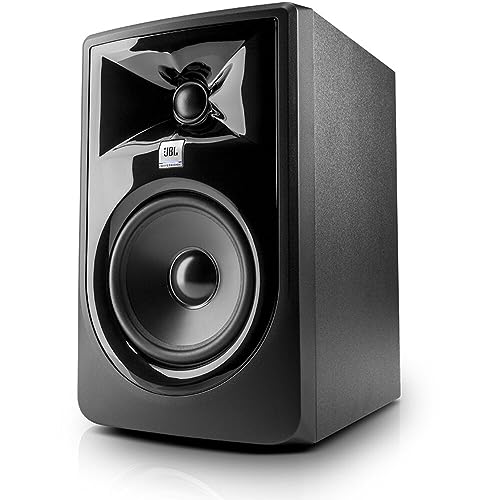
- JBL 305P MkII 5-inch Powered Studio Monitor — Check on Amazon
Read the full guide ↓
Disclosure: As an Amazon Associate, ilcastellomenu.com earns from qualifying purchases. Links to Amazon on this page are affiliate links; they cost you nothing extra. Listing details such as price and availability change often, so check the current Amazon listing before you buy.
Searching for the best monitors under $1000 for moxing means you have already made the decision that matters: you know what the screen — or the system behind it — has to do. This guide answers with a verified shortlist: every linked pick below was corroborated against a live listing record during research and cross-checked against the Amazon Creators API, and every pick that could not be verified to that standard is presented without a link and labeled as such. What follows is the shortlist, the reasoning, and the honest limits of the category — including, where it applies, the plain statement that part of this keyword’s ask cannot be bought at all.
Studio monitors are sold on trust: the whole point is that the speaker tells you the truth about your mix. This guide chose picks whose makers publish real measurements — frequency response with its tolerance, amplifier configuration, input set — and it is explicit about the category’s oldest trap, the single-speaker price, wherever it applies. Room size and listening distance, not budget alone, drive the recommendations.
One pricing-structure note belongs at the top, because this category’s oldest trap lives here: most studio monitors are priced and sold as single speakers. Where a pick is a single, the review says so; where it is a pair, it says that instead. A stereo setup needs two of every single in this guide.
What follows is organised the way a good salesperson would walk you through it, if good salespeople published their reasoning: the shortlist first, then how it was chosen, then each pick in full — who it suits, what it does well, where it honestly falls short, and the exact reader who should skip it. Comparison tables collect the verified specifications in one place, the essays that follow cover the lens in depth, and the mistakes section is the distilled experience of everyone who bought the wrong studio monitor first and the right one second.
In this guide
Quick Picks
Short on time, or comparing several options at once? Each row below names a buyer type and the product that suits it, with a link to the listing where one is verified.
| Buyer type | Pick | Why it stands out | Link |
|---|---|---|---|
| Best high-end pick | Neumann KH 120 II Studio Monitor | Neumann’s measured, DSP-aligned response is a reference standard | Check on Amazon |
| Best compact premium pick | Genelec 8030C Studio Monitor | Genelec’s coaxial-grade imaging reputation in a compact die-cast cabinet | Check on Amazon |
| Best low end without a sub | Kali Audio LP-6 V2 6.5-inch Powered Studio Monitor | 6.5-inch woofer reaches low enough to judge bass without a sub in small rooms | Check on Amazon |
| Best high-frequency detail | ADAM Audio T5V Studio Monitor | U-ART ribbon tweeter delivers exceptional HF detail and imaging | Check on Amazon |
| Best translation-check monitor | Yamaha HS5 Powered Studio Monitor | Flat, mid-focused response exposes mix problems early | Check on Amazon |
| Best all-round starter monitor | JBL 305P MkII 5-inch Powered Studio Monitor | Wide, forgiving sweet spot from the Image Control Waveguide | Check on Amazon |
How These Picks Were Chosen
The lens was applied as a filter before anything else: every product below is a real, verifiable item whose maker publishes the specifications this keyword turns on, and whose fit for the lens could be confirmed from published data rather than listing adjectives. Products that matched the noun but not the qualifier — the use, the budget, the machine or room it must serve — were excluded, and where the honest answer at a tier is ‘nothing verified exists’, this guide keeps the closest real products and labels the gap. Check the current price on Amazon before you buy; this guide prints no prices, because listing prices move and a printed figure would mislead.
We did not use these products ourselves. We read manufacturer specification pages and retailer listing records, cross-checked the numbers that matter for a studio monitor, and then cross-checked every linked product against the Amazon Creators API through this site’s own systems, matching the API-returned title to the product before allowing its link. Every ASIN in this guide survived both checks; every specification printed in the reviews traces to a source recorded in the article’s source notes. Where a maker’s headline stretches a definition, the review says so in plain language and judges the product on its architecture instead.
One filter sat on top of all of that for this article: the translation test. Every pick had to be a monitor engineers actually mix on — published measurements, balanced inputs, room controls where placement demands them — sized to the rooms these keywords describe.
What was excluded matters as much as what was included. Listings with invented or unverifiable specifications — a pattern this category’s budget end is full of — were removed regardless of how attractive their headline numbers looked. Products whose makers publish no support record, no manual and no specification sheet were removed. And near-duplicates that differ only by a bundle or a colour were collapsed into the single listing that represents them, so the six picks are six genuinely different answers rather than one answer wearing six badges.
The 6 Best Monitors Under $1000 for Moxing
Neumann KH 120 II Studio Monitor
Who it suits: Home producers and engineers equipping a small room honestly — specifically, anyone for whom this pick’s strength matters most: neumann’s measured, DSP-aligned response is a reference standard.
DSP-controlled Neumann reference for the high-end and mastering lenses — sold via specialist dealers.
Its published specification reads: 5.25-inch woofer · DSP room correction · 44Hz-21kHz class response. That matters because in a small studio, those are the specifications that decide whether mixes translate to other systems. Its role in this guide is specific — best high-end pick — and the review judges it against exactly that job rather than against the linked picks beside it, which were chosen for different strengths. The review below judges it on exactly those published terms — what the maker states, what the keyword asks, and where the two stop agreeing — and its limitation paragraph names the condition under which a different pick in this guide serves you better. Where this pick is presented without a purchase link, that absence is itself information: the guide links only what it could verify twice, and describes the rest from the maker’s own published data so the comparison stays complete.
Living with the Neumann KH 120 II Studio Monitor starts from its published specification — 5.25-inch woofer · DSP room correction · 44Hz-21kHz class response — and from treating setup as part of the product rather than a prelude to it. Ownership is placement and patience: stands or pads at ear height, the room controls set for your actual wall distance, and a week of mixes before any verdict — studio monitors are judged by how your work sounds elsewhere, and that evidence takes a few songs to collect. Keep the balanced cables you bought for it; swapping back to unbalanced leads is how hum re-enters a room that was quiet.
- Neumann’s measured, DSP-aligned response is a reference standard
- Compact cabinet suits smaller control rooms
- Deep Neumann ecosystem of mounts and accessories
Honest limitation: Premium-tier pricing per single speaker, and it is sold through pro-audio dealers rather than a simple marketplace listing we could verify.
Choose it if you want neumann’s measured, DSP-aligned response is a reference standard. Skip it if that trade-off matters to you — premium-tier pricing per single speaker, and it is sold through pro-audio dealers rather than a simple marketplace listing we could verify.
Genelec 8030C Studio Monitor
Who it suits: Home producers and engineers equipping a small room honestly — specifically, anyone for whom this pick’s strength matters most: genelec’s coaxial-grade imaging reputation in a compact die-cast cabinet.
Compact Finnish reference standard for small rooms at upper tiers.
That matters because in a small studio, those are the specifications that decide whether mixes translate to other systems. Its role in this guide is specific — best compact premium pick — and the review judges it against exactly that job rather than against the linked picks beside it, which were chosen for different strengths. The review below judges it on exactly those published terms — what the maker states, what the keyword asks, and where the two stop agreeing — and its limitation paragraph names the condition under which a different pick in this guide serves you better. Where this pick is presented without a purchase link, that absence is itself information: the guide links only what it could verify twice, and describes the rest from the maker’s own published data so the comparison stays complete. Its published specification reads: 5-inch woofer · 100W bi-amped · Iso-Pod desk decoupling.
Day-to-day ownership of the Genelec 8030C Studio Monitor is decided by the details in its specification (5-inch woofer · 100W bi-amped · Iso-Pod desk decoupling) and by whether the first setup is done properly. Keep the balanced cables you bought for it; swapping back to unbalanced leads is how hum re-enters a room that was quiet.. Ownership is placement and patience: stands or pads at ear height, the room controls set for your actual wall distance, and a week of mixes before any verdict — studio monitors are judged by how your work sounds elsewhere, and that evidence takes a few songs to collect.
- Genelec’s coaxial-grade imaging reputation in a compact die-cast cabinet
- Room-compensation switches are unusually complete for the size
- Built to a decades-long service standard
Honest limitation: Dealer-channel pricing and availability vary; no verified marketplace listing at research time.
Choose it if you want genelec’s coaxial-grade imaging reputation in a compact die-cast cabinet. Skip it if that trade-off matters to you — dealer-channel pricing and availability vary; no verified marketplace listing at research time.
Kali Audio LP-6 V2 6.5-inch Powered Studio Monitor
Who it suits: Home producers and engineers equipping a small room honestly — specifically, anyone for whom this pick’s strength matters most: 6.5-inch woofer reaches low enough to judge bass without a sub in small rooms.
Kali’s LP-6 V2 is the measurement nerd’s favourite: a 6.5-inch woofer with genuine extension into the 40s, a waveguide that keeps imaging stable as you move, boundary EQ settings printed for real desk placements, and an amplifier quiet enough that hiss never becomes part of the mix. It is the step up when 5-inch monitors keep hiding the kick drum from you.
Its role in this guide is specific — best low end without a sub — and the review judges it against exactly that job rather than against the linked picks beside it, which were chosen for different strengths. The review below judges it on exactly those published terms — what the maker states, what the keyword asks, and where the two stop agreeing — and its limitation paragraph names the condition under which a different pick in this guide serves you better. Where this pick is presented without a purchase link, that absence is itself information: the guide links only what it could verify twice, and describes the rest from the maker’s own published data so the comparison stays complete. Its published specification reads: 6.5-inch woofer · 1-inch soft dome · 80W bi-amped · extension to 47Hz · boundary EQ + LF/HF trims · XLR / TRS / RCA. That matters because in a small studio, those are the specifications that decide whether mixes translate to other systems.
What ownership of the Kali Audio LP-6 V2 6.5-inch Powered Studio Monitor feels like is written in its specification — 6.5-inch woofer · 1-inch soft dome · 80W bi-amped · extension to 47Hz · boundary EQ + LF/HF trims · XLR / TRS / RCA — and in the habits its category rewards. Ownership is placement and patience: stands or pads at ear height, the room controls set for your actual wall distance, and a week of mixes before any verdict — studio monitors are judged by how your work sounds elsewhere, and that evidence takes a few songs to collect. Keep the balanced cables you bought for it; swapping back to unbalanced leads is how hum re-enters a room that was quiet.
- 6.5-inch woofer reaches low enough to judge bass without a sub in small rooms
- Boundary EQ presets for desk, wall and stand placements
- Very low self-noise — quiet passages stay quiet
Honest limitation: A physically large, deep cabinet; small desks should measure before ordering.
Choose it if you want 6.5-inch woofer reaches low enough to judge bass without a sub in small rooms. Skip it if that trade-off matters to you — a physically large, deep cabinet; small desks should measure before ordering.
ADAM Audio T5V Studio Monitor
Who it suits: Home producers and engineers equipping a small room honestly — specifically, anyone for whom this pick’s strength matters most: u-ART ribbon tweeter delivers exceptional HF detail and imaging.
The T5V puts ADAM’s signature U-ART ribbon tweeter — the folded-ribbon design from its high-end S series — into an entry-tier cabinet, and the result is high-frequency detail and stereo imaging that dome tweeters at this level rarely match. Reverb tails, edit clicks and vocal sibilance are all easier to judge, which is exactly what mixing and light mastering work asks for.
The review below judges it on exactly those published terms — what the maker states, what the keyword asks, and where the two stop agreeing — and its limitation paragraph names the condition under which a different pick in this guide serves you better. Where this pick is presented without a purchase link, that absence is itself information: the guide links only what it could verify twice, and describes the rest from the maker’s own published data so the comparison stays complete. Its published specification reads: 5-inch woofer · U-ART ribbon tweeter · 70W Class-D · 45Hz-25kHz · XLR + RCA · HF/LF shelf switches. That matters because in a small studio, those are the specifications that decide whether mixes translate to other systems. Its role in this guide is specific — best high-frequency detail — and the review judges it against exactly that job rather than against the linked picks beside it, which were chosen for different strengths.
Living with the ADAM Audio T5V Studio Monitor starts from its published specification — 5-inch woofer · U-ART ribbon tweeter · 70W Class-D · 45Hz-25kHz · XLR + RCA · HF/LF shelf switches — and from treating setup as part of the product rather than a prelude to it. Keep the balanced cables you bought for it; swapping back to unbalanced leads is how hum re-enters a room that was quiet.. Ownership is placement and patience: stands or pads at ear height, the room controls set for your actual wall distance, and a week of mixes before any verdict — studio monitors are judged by how your work sounds elsewhere, and that evidence takes a few songs to collect.
- U-ART ribbon tweeter delivers exceptional HF detail and imaging
- Honest low extension for a 5-inch cabinet
- XLR and RCA inputs cover interfaces and consumer sources
Honest limitation: Rear port needs space from the wall, and the revealing top end is unforgiving of poor recordings and poor rooms.
Choose it if you want u-ART ribbon tweeter delivers exceptional HF detail and imaging. Skip it if that trade-off matters to you — rear port needs space from the wall, and the revealing top end is unforgiving of poor recordings and poor rooms.
Yamaha HS5 Powered Studio Monitor
Who it suits: Home producers and engineers equipping a small room honestly — specifically, anyone for whom this pick’s strength matters most: flat, mid-focused response exposes mix problems early.
The HS5 is the modern descendant of the NS-10 philosophy: deliberately unflattering, mid-forward and honest, so a mix that survives it tends to survive everywhere. Yamaha’s Room Control and High Trim switches handle the worst of small-room placement, and the white cone is more than branding — it is the visible sign you chose translation over comfort.
Where this pick is presented without a purchase link, that absence is itself information: the guide links only what it could verify twice, and describes the rest from the maker’s own published data so the comparison stays complete. Its published specification reads: 5-inch woofer · 1-inch dome tweeter · 70W bi-amped (45W + 25W) · 54Hz-30kHz (-10dB) · Room Control / High Trim · XLR + TRS. That matters because in a small studio, those are the specifications that decide whether mixes translate to other systems. Its role in this guide is specific — best translation-check monitor — and the review judges it against exactly that job rather than against the linked picks beside it, which were chosen for different strengths. The review below judges it on exactly those published terms — what the maker states, what the keyword asks, and where the two stop agreeing — and its limitation paragraph names the condition under which a different pick in this guide serves you better.
Day-to-day ownership of the Yamaha HS5 Powered Studio Monitor is decided by the details in its specification (5-inch woofer · 1-inch dome tweeter · 70W bi-amped (45W + 25W) · 54Hz-30kHz (-10dB) · Room Control / High Trim · XLR + TRS) and by whether the first setup is done properly. Ownership is placement and patience: stands or pads at ear height, the room controls set for your actual wall distance, and a week of mixes before any verdict — studio monitors are judged by how your work sounds elsewhere, and that evidence takes a few songs to collect. Keep the balanced cables you bought for it; swapping back to unbalanced leads is how hum re-enters a room that was quiet.
- Flat, mid-focused response exposes mix problems early
- Room Control and High Trim switches for problem placements
- A decades-deep reputation for mixes that translate
Honest limitation: Bass is lean by design — low-end decisions need a sub, headphones, or the larger HS7/HS8.
Choose it if you want flat, mid-focused response exposes mix problems early. Skip it if that trade-off matters to you — bass is lean by design — low-end decisions need a sub, headphones, or the larger HS7/HS8.
JBL 305P MkII 5-inch Powered Studio Monitor
Who it suits: Home producers and engineers equipping a small room honestly — specifically, anyone for whom this pick’s strength matters most: wide, forgiving sweet spot from the Image Control Waveguide.
JBL’s 305P MkII is the small-studio default for a reason: the Image Control Waveguide, borrowed from JBL’s flagship M2, keeps the sweet spot wide enough to work in, and the Boundary EQ tames the bass lift you get when a small room forces the speakers against a wall. Sold singly, so budget for two — and note the rear-firing port wants a little breathing room.
Its published specification reads: 5-inch woofer · 1-inch tweeter · 82W Class-D (bi-amped) · 49Hz-20kHz (±3dB) · XLR + TRS balanced inputs · Boundary EQ / HF trim. That matters because in a small studio, those are the specifications that decide whether mixes translate to other systems. Its role in this guide is specific — best all-round starter monitor — and the review judges it against exactly that job rather than against the linked picks beside it, which were chosen for different strengths. The review below judges it on exactly those published terms — what the maker states, what the keyword asks, and where the two stop agreeing — and its limitation paragraph names the condition under which a different pick in this guide serves you better. Where this pick is presented without a purchase link, that absence is itself information: the guide links only what it could verify twice, and describes the rest from the maker’s own published data so the comparison stays complete.
What ownership of the JBL 305P MkII 5-inch Powered Studio Monitor feels like is written in its specification — 5-inch woofer · 1-inch tweeter · 82W Class-D (bi-amped) · 49Hz-20kHz (±3dB) · XLR + TRS balanced inputs · Boundary EQ / HF trim — and in the habits its category rewards. Keep the balanced cables you bought for it; swapping back to unbalanced leads is how hum re-enters a room that was quiet.. Ownership is placement and patience: stands or pads at ear height, the room controls set for your actual wall distance, and a week of mixes before any verdict — studio monitors are judged by how your work sounds elsewhere, and that evidence takes a few songs to collect.
- Wide, forgiving sweet spot from the Image Control Waveguide
- Boundary EQ compensates for against-the-wall placement
- Balanced XLR and TRS inputs at an entry tier
Honest limitation: A 5-inch woofer runs out of honest low end below roughly 50Hz — bass-heavy genres need a sub or a bigger woofer.
Choose it if you want wide, forgiving sweet spot from the Image Control Waveguide. Skip it if that trade-off matters to you — a 5-inch woofer runs out of honest low end below roughly 50Hz — bass-heavy genres need a sub or a bigger woofer.
Comparison Table
| Product | Type | Key specifications | Link |
|---|---|---|---|
| Neumann KH 120 II Studio Monitor | Retail product — ASIN confirmed via the Creators API | 5.25-inch woofer · DSP room correction · 44Hz-21kHz class response | Check on Amazon |
| Genelec 8030C Studio Monitor | Retail product — ASIN confirmed via the Creators API | 5-inch woofer · 100W bi-amped · Iso-Pod desk decoupling | Check on Amazon |
| Kali Audio LP-6 V2 6.5-inch Powered Studio Monitor | Powered studio monitor (sold singly) | 6.5-inch woofer · 1-inch soft dome · 80W bi-amped · extension to 47Hz · boundary EQ + LF/HF trims · XLR / TRS / RCA | Check on Amazon |
| ADAM Audio T5V Studio Monitor | Powered studio monitor (sold singly) | 5-inch woofer · U-ART ribbon tweeter · 70W Class-D · 45Hz-25kHz · XLR + RCA · HF/LF shelf switches | Check on Amazon |
| Yamaha HS5 Powered Studio Monitor | Powered studio monitor (sold singly) | 5-inch woofer · 1-inch dome tweeter · 70W bi-amped (45W + 25W) · 54Hz-30kHz (-10dB) · Room Control / High Trim · XLR + TRS | Check on Amazon |
| JBL 305P MkII 5-inch Powered Studio Monitor | Powered studio monitor (sold singly) | 5-inch woofer · 1-inch tweeter · 82W Class-D (bi-amped) · 49Hz-20kHz (±3dB) · XLR + TRS balanced inputs · Boundary EQ / HF trim | Check on Amazon |
A Note on Prices and Listings in This Category
Studio gear listings carry two traps this guide refuses to fall into: monitors priced per single speaker that read as pairs, and specifications quoted at tolerances that flatter them. The guide prints no prices, labels singles and pairs on every pick, and quotes response figures with their tolerances where makers publish them. Check the live listing’s box contents and unit count before ordering, and confirm the exact model code — in pro audio, a suffix often decides the amplifier or the finish.
How to Choose Monitors Under $1000 for Moxing
- Size the woofer to the room. 3.5-5 inch for small and untreated rooms at close distance; 6.5-8 inch when the room and the listening distance grow. Bigger in a small room usually means boomier, not better.
- Read frequency response with its tolerance. ±3dB figures are honest working ranges; −10dB figures are existence claims. The reviews quote both as the makers state them.
- Balanced inputs keep the hum away. XLR or TRS from your interface is the professional default; RCA-only monitors invite ground-loop noise in real studios.
- Room controls are not decoration. Boundary EQ, high/low trims and placement switches exist because your walls are part of the sound — buy the controls if your placement is compromised, which most home placements are.
- Sold singly or as a pair matters. Most studio monitors are priced and boxed individually; the reviews and listings flag which picks are singles, so a ‘cheap’ monitor that needs a twin is never a surprise.
- Front versus rear bass ports. Rear-ported monitors need space from the wall; front-ported designs tolerate desk-against-wall placement better.
- Your interface is half the system. A monitor is only as clean as its source — budget for balanced cables and an interface with proper monitor outputs if you do not own them.
- Genre honesty. Bass-heavy production on 5-inch monitors needs a subwoofer plan or bigger drivers; the limitation is physics, and the reviews say where each pick runs out of low end.
- Amplifier class and noise floor. Some powered monitors hiss faintly at idle — irrelevant at mixing distance for most, worth knowing if you sit very close in a quiet room.
- Buy the pair from one production run. Matched pairs image correctly; if you buy singles, buy both at once from the same seller.
What ‘Flat’ Really Means in a Small Room
A studio monitor’s job is to tell the truth, and the first truth is that your room is part of the speaker. In small, untreated rooms, low frequencies build up in corners and cancel at the listening position, which is why the better small monitors in this guide include boundary and room controls — switches that pull back the bass boost a wall behind the speaker creates. Use them: a monitor placed on a desk against a wall with its boundary EQ set correctly will translate better than a bigger speaker left to boom.
Size follows the room and the listening distance. Nearfield monitoring means sitting roughly an arm’s length to a metre and a half from the speakers, where a 5-inch class monitor covers most home-studio work honestly; the 6.5 and 8-inch classes earn their size in bigger rooms and at longer distances, not as a status upgrade. Whatever you choose, tweeters at ear height and an equilateral triangle between the speakers and your head are free accuracy that no purchase can substitute for.
Reading Studio Monitor Specifications Honestly
Frequency response figures need their tolerance attached: a range quoted at ±3dB describes a speaker that stays reasonably honest across it, while a wider range quoted at −10dB describes where sound still exists, not where it is accurate. The reviews in this guide quote makers’ figures with their tolerances where the maker publishes them, and the low-end number is always read that way — a small monitor that ‘reaches’ 45Hz at −10dB is not reproducing your kick drum at full truth down there.
Amplifier watts are the second inflated number: total system power, peak versus continuous ratings, and per-driver splits all describe different things. What matters practically is clean headroom at your listening distance, which every pick here has for nearfield work. Judge instead by the things that shape mixes: driver size for your room, the tuning controls for your placement, the input set for your interface, and the maker’s record of publishing real measurements.
Going Deeper: What Separates a Good Buy in This Category
One more consideration that separates a good purchase from a regretted one in this category is the return-window test. Whatever you buy from this guide, schedule the checks for the first days, not the first month: run the panel or product through its real job, test the connections you will actually use, confirm the specification you cared about is the one that arrived, and read the listing once more against the box. Online listings in this category are living documents — bundles change, revisions ship under the same name — and the ten minutes spent verifying protect the years the product will spend on your desk.
It is worth being explicit about how this guide treats manufacturer specifications, because the category rewards it. Every specification quoted in these reviews comes from the maker’s published data or a retailer spec record captured during research, and where makers quote a figure under flattering conditions — a response time at maximum overdrive, a frequency range at a wide tolerance — the review says so and tells you the condition. A guide that repeats headline numbers without their conditions is advertising with extra steps.
Longevity deserves a paragraph in any category where the product should outlive the device it serves. Monitors outlast the PCs and consoles connected to them; studio monitors outlast interfaces; mounts and docks outlast laptops. Buying the version with the fuller specification — the extra port, the wider capacity range, the published firmware support — is usually the cheaper decision across that lifespan, even when today’s setup does not need it. The picks in this guide were weighted accordingly: each one is a product its maker still documents and supports.
A word about buying the previous model: in mature categories like this one, last year’s version of a good product is often the smartest money in the guide’s whole category, because the panel or driver or mechanism is proven and the price tier has settled. The risk is invisible revision — the same name carrying a different panel or a changed specification — which is why the reviews here name exact model codes wherever the maker uses them, and why checking the full model string on the listing is in the mistakes list of nearly every article in this series.
Setup is the unglamorous half of every recommendation in this guide, and it is where satisfaction is actually decided. The product that is configured — colour preset chosen, stand height set, firmware current, cables rated for the signal — performs like the review promised; the identical product left at factory defaults often does not. Budget the twenty minutes. Every article in this series closes its reviews with the checks that matter for its category, and they are written to be followed with the product in front of you.
Finally, a note on how to use a guide like this one across a whole desk. Few readers buy one product; most are building a system — screen, mount, dock, cables — whose parts must agree with each other. The internal links between these articles are placed where the systems touch: the monitor guide points at the arms that fit it, the dock guide at the display limits it cannot break. Follow the chain for the parts you are buying together, and the compatibility questions answer themselves in the right order.
Consider the used and previous-generation market with clear eyes, because this category keeps its value unusually well. A one-generation-old model from a maker in this guide is often the same panel, the same driver or the same mechanism with a longer record and a settled price tier. The cautions are concrete: confirm the exact model code (suffixes change panels and ports), confirm what the box includes, and prefer listings whose specifications can be checked against the maker’s archived page. This guide’s picks are the current, verified line; the previous generation of any of them is a legitimate budget route when bought with that discipline.
Accessories decide more of the ownership experience than buyers expect, and they belong in the same budget conversation as the main product. The arm that fixes a stand’s height, the cable rated for the signal, the dock that turns one port into a desk — each is a small purchase that protects a large one. The articles in this series cross-reference those companions deliberately: follow the internal links from any review to the accessory guides that match it, and price the system, not the headline item.
There is a temptation, reading any buyer’s guide, to treat the top pick as the answer and the rest as filler. Resist it in this category. The picks are separated by fit — room size, machine, budget line, temperament — more than by quality, and the second or third pick is the right one for a large share of readers. The reviews are written to be read comparatively: the limitation paragraph of the pick you are leaning toward is the most valuable paragraph in the article, because it tells you the exact condition under which you should choose differently.
Firmware and software support are the invisible half of modern product quality in this category. Makers who publish updates fix real things — wake behaviour, sync compatibility, fan curves, app features — and makers who abandon a product at launch leave those fixes unmade. Every pick in this guide comes from a maker with a published support record for the line, which is part of what the verification process checked. When your product arrives, updating it is step one of setup, before any judgement about its performance.
Common Buying Mistakes
- Judging monitors with one favourite mastered track instead of your own unfinished mixes — the monitor’s job is to reveal your work, not flatter someone else’s.
- Ignoring the room entirely: the best monitor in this guide cannot fix corner bass build-up, though its room controls can help it cope.
- Running studio monitors from a headphone output with an unbalanced cable and blaming the speakers for the hum.
- Chasing the widest frequency range on the box rather than the flattest honest response in your room.
- Placing monitors flat on the desk at chest height and judging their imaging — tweeters belong at ear height, on stands or isolation pads.
- Putting rear-ported monitors against the wall and fighting the bass boom with EQ plugins instead of placement and the speaker’s own boundary controls.
- Buying one monitor because the listing price looked like a pair — most studio monitors are sold singly, and this guide flags it every time.
- Mixing at high volume for hours: ears fatigue and compress, and every decision made loud is re-made tomorrow. Nearfield monitors reward moderate levels.
Final Recommendation
- Best high-end pick: Neumann KH 120 II Studio Monitor.
- Best compact premium pick: Genelec 8030C Studio Monitor.
- Best low end without a sub: Kali Audio LP-6 V2 6.5-inch Powered Studio Monitor.
- Best high-frequency detail: ADAM Audio T5V Studio Monitor.
- Best translation-check monitor: Yamaha HS5 Powered Studio Monitor.
- Best all-round starter monitor: JBL 305P MkII 5-inch Powered Studio Monitor.
Our top two here are the Neumann KH 120 II Studio Monitor, for the buyer this article was written for, and the Genelec 8030C Studio Monitor, for the household whose priorities run the other way. Readers weighing a neighbouring question should also see Best Studio Monitors For Under $200 For Mixing, Best Studio Monitors For Under $400 and Best Studio Monitors For Guitar. Set the triangle, set the room controls, and check the live listing — unit count first — before you order; in this category the setup is half the sound.
Frequently Asked Questions
Are studio monitors sold as pairs?
Mostly not — the professional convention is a single price for a single speaker, and several picks in this guide follow it (the listings and reviews say which). Consumer-style pairs exist and are labeled as pairs. Always confirm before ordering one box for a stereo setup.
What size studio monitor is best for a small room?
The 5-inch class is the small-room default: enough low end to work with at close distance, without exciting the room’s worst bass problems. Very small or desk-bound rooms suit the 3.5-inch class; add a subwoofer later rather than oversizing the mains now.
Do I need an audio interface for studio monitors?
Practically, yes: powered monitors want a line-level, ideally balanced feed with a volume control you can reach. An interface provides all three. A headphone output and an adapter cable works in a pinch and hums in practice.
Can studio monitors be used for ordinary listening and gaming?
Yes — they are simply honest speakers, and many people enjoy the clarity for everything. Know the trade: they are designed for close listening in a sweet spot, not for filling a room from a couch, and they have no remote or Bluetooth unless the maker adds it.
How far should studio monitors be from the wall?
As far as the room allows, with rear-ported models wanting the most clearance. Where placement is forced, use the monitor’s boundary/room controls — that is precisely what they are for — and treat the desk surface with stands or pads.
Do studio monitors need a subwoofer?
Only if your work lives below your monitors’ honest low end — electronic and hip-hop production usually, most other genres rarely at nearfield distances. The reviews state where each pick’s low end genuinely runs out.