ilcastellomenu.com is reader-supported. When you buy through links on our site, we may earn an affiliate commission.
Where to Buy
A holiday camera has one job: to be there, working, on the day itself. The best cameras for holidays are not the most powerful cameras in the world — they are the ones that survive the beach bag, wake up fast at the viewpoint, make the family look the way the family felt, and come home with the trip intact. Every pick in this guide was chosen by imagining it on the third day of a real holiday, when the novelty has worn off and the light is perfect.
Where to buy depends on the holiday you actually take. Beach and pool holidays punish unsealed electronics and reward cameras that can get wet. City breaks reward pocketable quality and low-light manners for restaurants and museums. Family holidays reward speed and simplicity, because the moment — the ice-cream face, the first solo swim — never waits for a menu setting. Adventure trips reward toughness and mounts. This list covers all four holidays honestly and labels each pick with its trip.
Notice what is not emphasised: ultimate specification. A holiday is the worst place to learn a complicated camera and the best place to use a friendly one. Autofocus that finds faces, screens that work in glare, batteries that last the day or charge from the same cable as the phone — these holiday virtues outrank laboratory virtues, and the ranking below reflects the order in which real travellers actually lose photographs: missed moments first, dead batteries second, water third, and insufficient megapixels a distant nowhere.
There is also the question of who else is on the trip. The best holiday camera gets passed around — to the teenager for the viewpoint shot, to a parent for the group picture with you in it, to a new friend at the hostel. Cameras that behave in a stranger’s hands, on automatic, without a briefing, earn a holiday premium that studio cameras never need. Several picks here were chosen substantially for their manners as guests.
Finally, holidays end, and the photographs are what remains. The guide’s closing sections deal with the unglamorous arts that decide whether the trip survives: backing up on the road, rationing batteries and cards, and choosing the small set of pictures that will carry the whole holiday in family memory. The camera is the beginning of that chain, and it was chosen with the chain in mind.
Key Takeaways
- Holiday quality is measured in moments captured, not specifications quoted.
- Pocketable and pass-around-friendly beats powerful but precious.
- Waterproofing matches beach holidays; low-light manners match city breaks.
- Battery life and phone-style USB charging simplify every trip.
- Back up during the holiday, not after the card is lost with the bag.
- The best holiday camera is the one still in use on day ten.
In this guide
Quick Picks
| Pick | Badge | Why it is here |
|---|---|---|
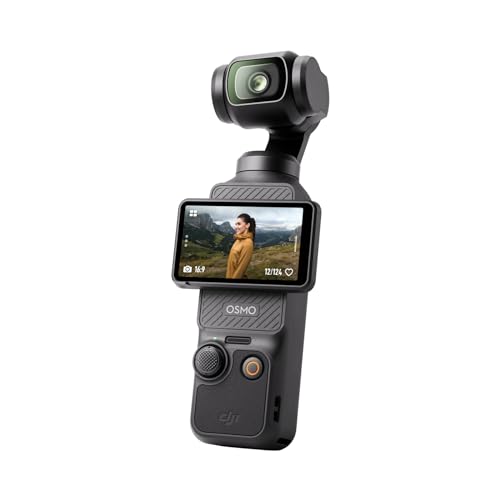
| DJI Osmo Pocket 3 | Best holiday camera overall for video and memories | A pocket gimbal that films the holiday as it felt — smooth walks, golden evenings, and everyone included. |
| OM SYSTEM Tough TG-7 | Best holiday camera for beach and pool | Waterproof, sandproof, and drop-resistant — the camera that joins the holiday instead of watching it. |
| Canon PowerShot G7 X Mark III | Best holiday compact for photographs | A pocketable 1-inch-sensor compact for travellers whose holiday album is still made of photographs. |
| GoPro HERO12 Black | Best holiday camera for adventure and activities | Waterproof, mountable action capture for the surf lesson, the bike day, and the boat trip. |
| Fujifilm Instax Mini 12 | Best holiday camera for instant sharing | Prints in seconds for the villa fridge, the hostel wall, and the new friend who becomes a pen pal. |
| Sony ZV-1F | Best holiday camera for travel vlogging | Flip-screen, face-tracking video for the traveller narrating the trip to an audience back home. |
How Did We Choose Cameras for Holidays?
We imagined each camera at the holiday’s four danger points: the beach, where sand and water hunt electronics; the viewpoint at noon, where glare defeats screens; the restaurant at night, where small sensors go to die; and the airport, where weight and cables are counted with resentment. Picks that passed all four with their dignity intact form this list.
Speed to first picture was measured in spirit. Holiday subjects — dolphins, toddlers, the light on the harbour — allow seconds. Cameras that wake instantly and focus without hunting scored above cameras with finer files and slower manners. The same logic favoured strong automatic modes: on holiday, the camera’s judgement is usually the one being used, so it had better be good.
Sharing and simplicity shaped the middle of the ranking. Flip screens for the group selfie, instant prints for the villa’s fridge door, wireless transfer to the phone for the evening’s post — the holiday camera is a social instrument, and its social features were scored as seriously as its sensor.
Durability closed the judging, with honesty about classes. Two picks can be dunked; the rest need ordinary care and a dry bag’s discipline. We did not punish the quality compacts for lacking armour — many holidays are gentle — but we labelled every pick’s relationship with water plainly, because the beach does not read disclaimers.

DJI Osmo Pocket 3 — Best holiday camera overall for video and memories
The Pocket 3 has quietly become the holiday camera of the moment, and using one explains why. It slips from a pocket, wakes instantly, and films the walk down to the harbour with a steadiness that makes the footage feel like the memory rather than the evidence. The rotating screen turns for the group shot, face tracking keeps the narrator of the day in focus, and the sensor holds the evening — restaurant light, harbour lamps, the blue hour on the promenade — with a grace action cameras cannot match.
Holidays are increasingly remembered in motion: the child’s first solo swim, the market’s noise, the toast at the villa table. The Pocket 3 captures those in clips families actually rewatch, and its stills are good enough for the postcard moments between filming. It charges from the phone’s power bank, transfers to the phone for the evening share, and asks for nothing at the airport security tray beyond its own small self.
It is not waterproof and its gimbal deserves the little case it comes with at the beach. Those are the terms, and they are worth accepting for most trips: keep it dry at the pool’s edge, film the swim with the action pick below if the swim itself is the subject, and let the Pocket 3 carry the other ninety percent of the holiday — which it does better than anything else here.
- Stabilisation: mechanical gimbal for walking footage
- Sensor: 1-inch class for evenings and interiors
- Screen: rotating display for group shots and self-filming
- Tracking: face following for narrators and children
- Charging: USB, shared with the phone’s power bank
Strengths
- Holiday footage looks like the memory feels
- Everyone gets in the picture with tracking and timers
- Pocketable enough to be carried every single day
Trade-offs
- Not waterproof — beach discipline required
- Gimbal needs its case in bags and grit
- Stills are good, not the guide’s best
Best for: most holidays: city breaks, family trips, and any journey remembered in motion.
Not suited for: underwater filming or careless beach bags.

OM SYSTEM Tough TG-7 — Best holiday camera for beach and pool
The TG-7 is the camera the beach holiday deserves. It goes in the sea, under the waterfall, and into the pool with the children; it falls off the beach table onto the sand and is rinsed under the tap at lunch. Every other camera in this guide watches the wet half of a beach holiday from a towel. The TG-7 participates, and participation produces the photographs — the underwater grin, the wave at the moment of impact, the rockpool’s tiny civilisation — that the family will still be showing at Christmas.
Its macro mode turns the shore into a studio: shells, crabs, the frost of salt on a leaf. The location logging maps the coastal walk into the pictures. Image quality in daylight is everything a holiday album asks, and the body shrugs off the sunscreen, grit, and enthusiasm that constitute a family beach day.
In the evening it yields to the low-light picks, and its chunky charm will not flatter a smart restaurant. Pair it in the same bag with the Pocket 3 and the holiday is covered from the reef to the rooftop bar. As the single camera for an active, wet, family holiday, though, it stands alone here — because the best holiday photographs are the ones taken from inside the fun.
- Build: waterproof, sandproof, drop-resistant body
- Macro: close-focus for rockpools and shore detail
- Logging: location recorded with each photograph
- Lens: fixed zoom, ready instantly, sealed always
- Care: rinses clean under a tap
Strengths
- Joins swims, boats, and waterfalls safely
- Survives children, sand, and beach tables
- Macro makes the shore a second holiday
Trade-offs
- Evening light tests its small sensor
- Chunky beside the pocket cameras
- Fixed lens limits distant subjects
Best for: beach, pool, boat, and adventure holidays with water at the centre.
Not suited for: city-break low-light connoisseurs.

Canon PowerShot G7 X Mark III — Best holiday compact for photographs
Some travellers still return with photographs, and for them the G7 X Mark III is the holiday compact to beat. Its larger sensor makes the album’s difficult pages — the cathedral interior, the evening piazza, the portrait against the sunset — with a quality phones and small compacts visibly strain to match. The zoom covers the viewpoint and the detail across the square; the tilting screen handles the group selfie and the overhead food shot with equal ease.
It behaves well as a guest. Handed to a waiter or a fellow traveller on automatic, it returns a properly exposed group picture with the whole party in it — the holiday photograph most often botched by lesser cameras. Its video is strong enough for the clips between photographs, including vertical formats for sharing, so it does not force a second device for the moving moments.
Care is the price: no sealing, an extending lens, and a battery that wants a spare on a long sightseeing day. Travel insurance and a small case settle most of the risk. For the photograph-led city break, the cultural tour, and the scenic road trip, this is the camera whose files will still be impressing the family when the trip is a decade old.
- Sensor: 1-inch class for quality in all holiday light
- Lens: versatile zoom with bright aperture
- Screen: tilts for selfies and overhead shots
- Video: strong clips including vertical formats
- Size: jacket-pocket carriage
Strengths
- Album-quality photographs from a pocket camera
- Behaves beautifully in a stranger’s hands
- Evening and interior light handled with grace
Trade-offs
- No weather sealing — dry bag discipline
- Spare battery advised for long days
- Lens needs ordinary care around sand
Best for: city breaks and scenic trips where photographs are the souvenir.
Not suited for: swimming, sandstorms, or careless bags.

GoPro HERO12 Black — Best holiday camera for adventure and activities
Every adventure holiday has its set-piece — the surf lesson, the zip line, the scooter day, the boat to the island — and the HERO12 Black is the camera built to be inside it. Waterproof, mounted on a helmet, chest, or board, and stabilised against the chaos, it records the activity from the participant’s view while everyone else’s cameras wait safely at the café. The wide lens holds the whole scene, and the tall capture serves the television epic and the phone clip from one ride.
It is also the group’s second camera par excellence: small enough to be carried ‘just in case’, tough enough to be lent without a speech, and simple enough that one button is the whole briefing. Battery economy in its efficient modes covers a day of intermittent adventure clips, and the footage cuts happily alongside the Pocket 3’s calmer material in the holiday film.
Evenings and interiors are not its country, and its stills are souvenirs. But the activity day is often the holiday’s story — the day everyone retells — and this is the only camera here that can tell it from the inside. For active trips, it is not an accessory. It is the narrator.
- Build: waterproof and rugged for activities
- Stabilisation: advanced smoothing for motion
- Mounts: helmets, chests, boards, and bikes
- Capture: tall-format for flexible edits
- Modes: efficient settings for day-long battery use
Strengths
- Films activities from inside the action
- Lendable, droppable, dunkable
- One clip serves wide and vertical edits
Trade-offs
- Weak in evening interiors
- Stills are mementos only
- Wide view distorts calm scenery
Best for: adventure holidays and activity days within any trip.
Not suited for: the whole holiday carried alone.

Fujifilm Instax Mini 12 — Best holiday camera for instant sharing
The Instax Mini 12 changes the sociology of a holiday. Its prints appear while the moment is still warm and then begin their second life: on the villa’s fridge, in the hostel’s common-room collage, pressed into a fellow traveller’s journal, handed to the café owner whose portrait deserved payment in kind. A holiday photographed on instant film leaves evidence of itself in the places it visited, and brings home an album that was assembled during the trip rather than promised after it.
For children it is transformative — their own prints, their own trades, their own wall in the holiday rental — and for groups it is a social engine no screen replicates. The camera itself is automatic to the point of innocence, light to carry, and cheap to feed batteries. Its pictures are small, soft, and completely sufficient for their purpose, which is not resolution but presence.
Film is the ongoing cost and the honest limit, and low light asks the flash to do heavy lifting. Nobody should take it as the trip’s only record unless the trip’s spirit is exactly that looseness — which, for some legendary holidays, it is. As the second camera in the bag, it contributes something none of the digitals can: photographs that already exist.
- Format: instant prints developed in hand
- Operation: fully automatic, twist to start
- Selfies: mirror beside the lens, close-up mode
- Power: AA batteries available anywhere
- Sharing: physical prints — gifts, walls, albums
Strengths
- Prints become part of the holiday itself
- Children and groups adopt it instantly
- No charging, accounts, or transfers involved
Trade-offs
- Film packs are a continuing holiday cost
- Prints are small and soft by design
- Evening pictures lean on the flash
Best for: family holidays, group trips, and travellers who love tangible souvenirs.
Not suited for: the trip’s sole high-quality record.

Sony ZV-1F — Best holiday camera for travel vlogging
The travel vlogger’s holiday is a broadcast with better scenery, and the ZV-1F is the broadcast’s simplest studio. The wide lens frames the presenter with the destination arranged behind, the flip screen shows the shot, and face-and-eye autofocus holds the narration while the presenter walks, gestures, and reacts. The background-blur switch gives the pieces-to-camera a produced look at a button press, and the directional microphone favours the voice over the promenade’s noise.
It doubles as the stills camera for the trip’s calmer record — entirely respectable photographs, instantly shareable through the phone — and it occupies less bag than the lenses of the systems it replaces. For the solo traveller, that economy is the whole argument: one small camera, a mini tripod, and the entire production fits the side pocket that other creators fill with a single lens.
Zoom is the sacrifice: distant subjects stay distant, and wildlife or architecture across a valley will frustrate it. Battery life suits a vlogger’s rhythm of clips rather than continuous recording. For the narrated journey — the travel diary, the family back home, the growing channel — it is the most direct tool in this guide, and its footage has the watchable polish that makes audiences stay for the next destination.
- Lens: fixed wide-angle for presenter framing
- Screen: fully articulating for self-recording
- Focus: face and eye autofocus with blur switch
- Audio: directional built-in microphone
- Size: pocketable production for solo travellers
Strengths
- Narrated travel pieces become effortless
- Produced look without production knowledge
- Whole studio fits a side pocket
Trade-offs
- No zoom for distant subjects
- Clip-based battery rhythm, not continuous
- Video-first design serves stills second
Best for: travel vloggers and solo narrators documenting the journey.
Not suited for: wildlife, distant architecture, or stills-led trips.
How Do You Come Home with the Holiday Intact?
Loss is the holiday photograph’s natural predator: the bag left in the taxi, the card corrupted by heat, the camera that met the sea on day two of fourteen. The defence is a rhythm so simple it survives tiredness. Every evening, while the day is reviewed over dinner or the photographs are shared, copy the card to the phone or a small drive. Two copies, in two bags, from day one — not as a project for the flight home, when it is already too late to matter.
Ration the irreplaceables. Batteries and card space should be checked at breakfast like the weather; a camera that dies at the viewpoint teaches the lesson once, expensively. Carry the spare battery in the same pocket every day, keep one emergency card that is never the day’s card, and let the camera’s USB charging share the phone’s power bank overnight. Holiday logistics reward boring consistency — the kit that is always charged, always emptied, always in the same place.
Finally, curate on the road, lightly. Choose the day’s three best over the evening drink and star them in the camera or the phone. The holiday’s story assembles itself in those small choices, and the return home stops being an archaeological dig through two thousand files. The album, the slideshow, the printed book — all of them are born in those ten evening minutes, and families who keep the ritual keep the holiday.
Which Camera for Which Holiday? A Short Field Guide
The beach week belongs to the TG-7 with the Instax as its social secretary — one for the water, one for the fridge door. Add the HERO12 when the beach week includes lessons, boards, or boats, and the set is complete without a single anxious moment about sand. This is the family configuration, tested by a million summers: tough, instant, and action, in ascending order of adrenaline.
The city break belongs to the Canon compact for the album or the Pocket 3 for the film, with the ZV-1F if the city is being narrated to an audience. Cities reward low-light manners and pocketable discretion; they punish bulk and fragility with museums’ bag checks and evenings that end three metro lines from the hotel. Choose by souvenir — photographs, film, or broadcast — and the city will do the rest.
The grand tour — the multi-week, multi-climate journey — wants the Pocket 3 as its spine, the TG-7 for its weather, and the discipline of the backup ritual as its insurance. Weight compounds over weeks, connections multiply, and the camera that charges from the same cable as everything else becomes a logistical blessing. Whatever the itinerary, remember the day-ten rule from the takeaways: the best holiday camera is the one still in use when the trip stops being new.
Which Holidays Suit Which Kind of Camera?
The cruise is a floating city break with a beach attached, and it rewards the pocketable pair: the G7 X Mark III for the ports and the Pocket 3 for the ship’s own evenings, with the TG-7 for the excursion that gets wet. Luggage is a cabin, charging is a single socket fought over by the whole family, and the camera that shares the phone’s cable wins arguments no specification can. Sea days test batteries and patience equally; both are rationed better by cameras that sip.
The ski holiday inverts every beach assumption: cold murders batteries, glare murders screens, and gloves murder small controls. The HERO12, mounted and started with one big press, owns the slopes; the TG-7 shrugs off the snow and the fall; and the warm-pocket battery rotation from the hiking guide in this series becomes the family’s evening liturgy. Cameras for snow are chosen by their behaviour at minus ten with mitts on, and this list’s rugged pair pass that exam between them.
The festival and the city celebration — carnival, the lights festival, the national day — belong to the low-light and the instant: the Pocket 3’s evening grace, the Instax’s social magic in a crowd that becomes co-authors of the album. Holidays are not one subject, and the traveller who reads their own itinerary honestly before choosing will always out-photograph the traveller who bought for someone else’s brochure.
How Do You Photograph Children on Holiday?
Lower the camera and raise the patience. Holiday photographs of children fail from adult height and adult hurry: the tops of heads at famous views, the grimace produced by the fourth retake. Film and photograph at their altitude, let the ice cream be eaten rather than posed with, and accept the sand, the drips, and the closed eyes as the texture of the truth. The TG-7 in the pool and the Pocket 3 at the picnic table exist for exactly this honesty, and both forgive the operator’s divided attention, which is the real condition of parenting with a camera.
Give children a camera of their own where the trip allows it — the Instax above all — and the holiday gains a second archive at four feet high: the backs of lilos, the dog’s-eye view of the villa, portraits of the adults looking down, laughing, entirely unguarded. Families consistently report that the child’s set becomes the treasured one, because it records the holiday the adults were too busy hosting to see.
Protect the practice with kindness about sharing. Agree as a family which pictures travel home to the group chat and which stay in the album, especially as children grow old enough to have opinions about their own image. A holiday camera culture built on consent keeps photographing happily for years; one built on ambush teaches children to hide from lenses, and the archive thins exactly when the subjects become most interesting.
How Do You Handle Cameras at Airports, Borders, and Venues?
Keep the camera in the cabin bag, always: holds are cold, rough, and occasionally final, and a holiday that begins with a broken camera begins with a parable nobody wanted. Batteries travel in the cabin by rule as much as by wisdom. At security, the picks in this guide pass without ceremony — none carries the bulk that invites a second look — and a camera that is charged and demonstrably a camera shortens every conversation it starts.
Venues impose their own geographies: museums that ban bags, sites that ban tripods, performances that ban photography entirely. The pocketable picks are the diplomats here, present where a system would be checked at the door, and the traveller’s rule is the historians’ rule from this series — the house’s conditions outrank the visitor’s equipment, always, and a camera put away cheerfully photographs the rest of the trip, while a camera argued over photographs nothing.
Borders and sensitive places deserve a sentence of their own: photograph the holiday, not the infrastructure. Airports, installations, and officials are poor subjects with excellent memories. The cameras here are discreet enough to avoid attention when used innocently; keep the innocence and the discretion together, and the trip’s photography stays the pleasure it was packed to be.
What Should You Do with Holiday Photographs When You Return?
The fortnight after the holiday decides its photographic fate. In that window, the album gets made, the slideshow gets shown, and the prints get ordered; after it, the files join the great unviewed. Work while the captions are still in your head — who that was, what the joke was, where the little restaurant hid — because metadata written from memory in week one is history, and the same effort in year two is archaeology.
Make something physical. A printed book, a wall of Instax prints, one large photograph of the trip’s best moment above the desk: physical forms are how photographs enter a family’s daily life rather than its storage. The picks in this guide all feed print happily at family sizes, and the G7 X Mark III’s files will carry a wall-sized memory without strain. Choose the trip’s dozen, print them well, and let the other nine hundred rest in the archive with honour.
Share with intent. The relatives’ slideshow, the friends’ evening, the child’s own set for their room — audiences complete photographs. A holiday album shown is a holiday extended; a holiday archive hoarded is a hard drive with good intentions. The cameras did their work on the trip. The return home is where the family does its share.
How Do You Keep Holiday Gear Safe?
Theft and loss are the holiday camera’s statistical enemies, ahead of water and drops. The defences are unglamorous: a strap that stays on the wrist or neck in crowds, a bag that closes and rides in front where crowds press, and a hotel routine — the camera in the safe or the locked case, never advertising itself on the café table while its owner swims. The pocketable picks help by disappearing; a camera that is not visible is a camera not being considered.
Insure the kit as part of the trip’s paperwork, photograph the serial numbers before departure, and keep the purchase records with the travel documents. If the worst happens, the claim is a formality rather than an investigation, and the holiday continues with the second camera or the phone rather than ending in a police station’s fluorescent afternoon. Preparation is the difference between an anecdote and a ruined trip.
Water and sand, the other enemies, are handled by the discipline of the earlier sections: rinse the rugged picks, dry everything before it is sealed away, and never let a damp camera sleep in a closed bag. Most holiday camera deaths are slow and domestic — the marinating bag, the sandy lens extended once too often — and entirely preventable by the evening routine this guide keeps recommending because it keeps working.
How Can One Camera Serve Two Travellers?
Couples and families often share one camera, and sharing is a design brief of its own. The camera must behave in both users’ hands — automatic excellence for the reluctant photographer, depth for the keen one — and its settings must survive being handed over without a briefing. The G7 X Mark III and the Pocket 3 lead this guide’s sharing class: both return good material from a stranger’s hands, which is the sharing test at its strictest.
Agree the small protocols before the trip: whose card, whose pocket, who carries it through the wet day, and how the evening backup happens. Photograph each other deliberately — the shared camera’s great social function is that its owner appears in the album — and use the timers and tracking without embarrassment. A holiday set where both travellers appear, relaxed and unposed, is the signature of a camera that was genuinely shared rather than jointly owned and singly used.
If the sharing frays — two photographic temperaments, one camera — the honest solution is the pair this guide keeps proposing: a quality pick and an instant or action pick divide the temperaments as happily as they divide the subjects. Two cameras in a family is not extravagance. It is how everyone gets to be in the story and tell it at once.
How Do You Photograph Food and Markets on Holiday?
Markets are the holiday’s richest studio: colour, steam, gesture, and lunch in one aisle. Work early, when the light is kind and the traders are setting up rather than besieged, and buy something before photographing its maker — the transaction is both courtesy and introduction. The G7 X Mark III’s tilting screen owns the overhead ingredient shot; the Pocket 3 owns the walk-through that smells, in memory, of everything.
Food at the table wants the window seat and the first minute, before the meal becomes archaeology. Photograph the dish as it arrives, the hands that reach for it, and the cook if the kitchen allows heroes. Then put the camera away and eat while the food is hot — the holiday album needs the dish, but the holiday needs the meal, and the order of those needs is not negotiable.
How Do You Photograph the Sea?
The sea defeats more holiday cameras than any other subject, by water, glare, and scale simultaneously. Give it a foreground — the boat, the swimmer, the rock with its tide line — or the photograph becomes a screensaver of itself. The TG-7 changes the problem entirely by entering the subject: at water level and below it, the sea stops being a view and becomes a place, and the holiday album gains the dimension every beach week actually felt like.
Light rules the coast’s timetable. Noon is for swimming; the hours at either end are for photographing, when the water takes colour and the beach empties of its crowds. The HERO12 at the surf lesson and the Pocket 3 on the evening promenade divide the sea’s day between them, and the traveller who respects that division comes home with a coast that looks the way the coast felt.
How Do You Keep Holiday Filming Light?
One camera, one charger, one habit. The Pocket 3’s whole case rests on this economy: it shares the phone’s power bank, transfers to the phone for the evening share, and asks the luggage for nothing but its own small presence. Every additional device multiplies cables, chargers, and decisions at exactly the moments a holiday should be subtracting them. Choose the second camera only when it answers a named day — the boat, the slopes, the swim — and let it earn its packing space by name.
Film in the clips the family will watch rather than the hours the card can hold. Twenty good seconds at the viewpoint, the toast entire, the child’s discovery unedited: these are the holiday film’s atoms. The traveller who films atoms returns with material; the traveller who films durations returns with storage. The distinction is visible in every family’s archive and decided entirely on the trip, one record button at a time.
What Makes a Holiday Photograph Worth Framing?
Usually a person, a place, and a moment in honest relation: the grandmother laughing in the harbour wind outsells the harbour. Framing candidates announce themselves by surviving the phone screen — the image you stop scrolling at, the one sent to three people before the evening ends. The G7 X Mark III’s files carry the wall size; the Instax prints carry the fridge; both are framing, at different scales of ceremony.
Print the candidate before the holiday fades, while the wall space and the enthusiasm coexist. A framed holiday photograph does quiet work for years — it argues, daily, that the trip mattered and should be repeated — and it teaches the family’s photographers what their best looks like, which raises the next holiday’s standard without a word of instruction. The album is the archive; the frame is the argument.
How Do You Photograph a New City in Two Days?
Walk it first without the camera’s agenda: the morning market, the old town’s spine, the river or hill that organises it. Then photograph in the order the city taught you — establishing views from its high point, the street life at its hours, the details its citizens would recognise. The Canon compact and the Pocket 3 divide this labour by souvenir, photographs or film, and both fit the bag a two-day city allows.
Spend one evening entirely on the city’s night: the lit square, the restaurant street, the bridge. Cities keep a second identity after dark and two-day visitors who sleep through it photograph half a place. Rise for one dawn, too, when the streets belong to the bakers and the photographers, and the famous view stands empty enough to become yours.
How Do You Photograph a Holiday Rental or Villa Well?
Arrive before the luggage explodes and give the place its portrait hour: doors open, lights kind, the pool or the view arranged as the welcome it is. The Pocket 3’s walkthrough captures the route from gate to terrace that memory will replay all week; the G7 X Mark III’s stills catch the rooms at their best angle. These arrival photographs become the holiday’s establishing shots, and they are impossible to retake once the shoes colonise the hallway.
Repeat the kindness at departure, briefly: the villa empty again, the view from the door, the party assembled where the week happened. Arrival and departure frames bookend the album with a symmetry families find disproportionately moving, because the place changed them slightly and the photographs prove the place was real. Every holiday set deserves its bookends; they cost ten minutes at each end of the best week of the year.
How Do You Handle a Holiday with Mixed Weather?
Plan the camera by the day’s element rather than the trip’s hope. The wet day belongs to the TG-7 and the museums the G7 X photographs so well indoors; the clearing evening belongs to whoever is charged and nearest the door. Mixed weather is the normal condition of holidays outside brochures, and the traveller whose kit contains an answer for rain photographs the whole trip instead of its sunny third.
Let the weather into the album as a character: the storm watched from the café, the rainbow that ended it, the puddle portraits on the old town’s stones. Families remember holidays by their weather stories as much as their views, and the camera that was present for the rain — sealed, instant, or bravely pocketed between showers — writes those chapters. Sunshine is a subject; weather is a story.
How Do You Photograph the Journey Itself?
The train window, the ferry rail, the road unwinding through the windscreen: journeys photograph badly when treated as dead time and beautifully when treated as the holiday’s connective tissue. The Pocket 3 was made for the moving window — stabilised, quick, and honest about motion — and the window seat is its natural studio. Film the landscape passing, the companions sleeping, the map being argued over, and the album gains the chapters that explain how the places were connected.
Airports and stations reward the same attention at their thresholds: the departure board, the first foreign platform, the taxi’s view of an unknown city arriving. These threshold frames date a trip more precisely than any landmark and carry a charge of anticipation no posed photograph manufactures. The traveller who photographs the journey owns the whole story; the one who starts at the destination owns a sequel without its first act.
A Final Packing Thought
Pack the camera last, on top, where the journey’s first hour can reach it. Trips begin producing photographs at the door — the house locked, the taxi arriving, the travellers lit by the peculiar optimism of departure — and a camera buried under the packing cubes misses the opening chapter it was bought to write. The picks in this guide are small enough to ride at the top of the bag. Let them, and the album starts, as every good story should, at the beginning.
How Do the Six Holiday Cameras Compare?
Sort the table by your trip before comparing rows: water holidays start at the TG-7, filmed holidays at the Pocket 3, album holidays at the Canon, activity days at the GoPro, social holidays at the Instax, and narrated holidays at the Sony. Most real trips combine two rows happily.
| Pick | Role | What to know |
|---|---|---|
| DJI Osmo Pocket 3 | The holiday default | If one camera goes on the trip, it is this one. |
| OM SYSTEM Tough TG-7 | The wet-holiday camera | The only pick that swims with the family. |
| Canon PowerShot G7 X Mark III | The album camera | For travellers who still print the trip. |
| GoPro HERO12 Black | The activity narrator | Carry it for the day everyone will retell. |
| Fujifilm Instax Mini 12 | The instant souvenir | Photographs that exist before the holiday ends. |
| Sony ZV-1F | The travel narrator | For holidays told to an audience, daily. |
Pairs beat singles on most holidays. The classic couples in this guide — Pocket 3 with TG-7, G7 X with Instax — cover each other’s weaknesses so completely that the second camera usually justifies itself by the second day.
How Do You Photograph a Holiday Like a Story?
Five habits that turn a camera roll into the trip’s narrative — practised by every family whose slideshow people actually request.
Open with the departure
Photograph the packed bags, the airport board, the first view from the train window. Stories need beginnings, and the holiday’s beginning is the moment the house is locked — not the first landmark, which belongs to everyone’s album.
Give every day a portrait
One deliberate portrait per day — of a person, a place, or a plate of food — guarantees the set has anchors. Days blur in retrospect; portraits date them, place them, and give the slideshow its chapter headings.
Photograph the in-between
The bus ride, the queue, the nap, the map argument: in-between frames are the holiday’s connective tissue and, years later, its most-loved pages. Landmarks prove you went; in-betweens prove you were there.
Include yourself properly
Hand the camera over, use the timer, ask the stranger. A holiday album without its photographer is a documentary about everyone else’s trip, and the pass-around friendliness of these cameras exists precisely to fix that.
Close the story each evening
Star the day’s best, copy the card, and let one picture be shown at the table. The ritual takes ten minutes and builds the album while the holiday is still warm — the only time it ever truly gets built.
None of this needs talent or equipment beyond the picks above. It needs the decision — made once, at the departure — that the holiday will be photographed as a story rather than harvested as souvenirs.
What Mistakes Do Holiday Photographers Make?
Learning a new camera on the trip
The holiday is the worst classroom: moments expire while menus are explored. Buy in time to live with the camera for a fortnight at home, or choose the pick whose automatic manners need no learning at all.
Carrying the camera only on excursion days
The villa morning, the market run, the evening stroll — the unplanned hours hold the holiday’s heart. A camera that lives in the room safe photographs the itinerary and misses the trip.
Forgetting the backup until the flight home
Cards fail and bags vanish on day thirteen as readily as day one. The evening copy ritual costs ten minutes and is the only insurance that pays out in memories rather than money.
Shooting only landmarks
Ten thousand identical tower photographs exist; yours will not be the best and does not need to be. Photograph your people at the landmark and the landmark becomes yours — the people are the irreplaceable content.
Letting the camera eat the holiday
The opposite failure: the trip experienced through a screen, every meal staged, every view mediated. Photograph deliberately, then put the camera away and swim. The album needs a holiday to describe, and the holiday needs its photographer present.
Final Recommendation
For most holidays, take the DJI Osmo Pocket 3. It films the trip as it felt, includes everyone, fits a pocket, and charges like a phone. Add the OM SYSTEM Tough TG-7 when water is on the itinerary, and the pair covers the overwhelming majority of holidays taken on Earth.
Photograph-led travellers should anchor on the Canon G7 X Mark III, activity-led groups on the GoPro HERO12 Black, families on the Instax Mini 12’s instant sociology, and narrators on the Sony ZV-1F. Each is the best camera in this guide for its holiday — and holidays, more than any other subject, reward the matched tool over the mighty one.
Buy in time to learn it, carry it every day, back up every evening, and put it away for the swim. The holiday will do the rest — it has been waiting all year to be remembered properly.
Frequently Asked Questions
Should I take a real camera if my phone is good?
A phone is a fine camera attached to your messages, your battery anxiety, and your distraction. A dedicated holiday camera separates the photographing from the phone’s other demands, survives water and drops the phone should not risk, and usually outlasts it across a long day. Many travellers take both and use each for what it is.
How many batteries does a holiday need?
One in the camera and one spare covers most days for most picks here; heavy filming days and cold destinations argue for a third. USB charging from a power bank — supported across this list — turns the question into a cable habit rather than a battery collection.
What if the camera gets wet or sandy?
The TG-7 and HERO12 shrug it off with a rinse. For the others: dry the exterior, leave the camera open in moving air, and never seal it damp in a bag. Sand in a lens mechanism is a repair; sand on a body is a cloth’s job — know which you have before wiping.
Is instant film worth packing?
For families and groups, emphatically yes: the prints become part of the holiday’s social life and its souvenir in one. Pack film generously — it is the one supply that cannot be improvised at the destination at a sane cost — and let the digital camera keep the formal record.
Which pick suits a once-in-a-decade trip?
The pair, not a pick: Pocket 3 for the film, G7 X Mark III or TG-7 for the photographs depending on the itinerary’s water. A decade-grade trip deserves two kinds of memory and the evening backup ritual to protect both.
Related Guides
Plan the kit further with our guides to travel cameras, hiking cameras, and waterproof photography: Best Cameras for Travel and Backpacking Best Cameras for Hikes Best Beginning Cameras for Travel


