ilcastellomenu.com is reader-supported. When you buy through links on our site, we may earn an affiliate commission.
Where to Buy
An indie film is not made by a camera; it is made by a schedule, a borrowed location and a crew of four people doing nine jobs. But the camera decides how much of that fragile enterprise survives contact with reality — how it behaves in a kitchen lit by one practical lamp, how long it records before overheating during the scene that finally works, how its files treat an editor at midnight. The best cameras for indie film makers are the ones that respect all three of those pressures.
Forget the cinema-versus-mirrorless argument, which belongs to people with rental budgets. For a self-funded feature or a festival short, the practical questions are ruder: does it record long takes without drama, does its autofocus rescue a two-person crew, does it see in the dark of a real location, and can its footage be graded into something that looks like intention rather than accident? The six picks here answer those questions at six different scales of production.
Two are full-frame hybrids that anchor a serious feature kit. One is a colour-beloved APS-C body for directors who shoot their own work. One is a creator camera whose autofocus and tally-light practicality suits a one-person unit. One is a gimbal camera that turns a single operator into a moving crane department. And one is the established full-frame benchmark whose files editors trust. Each is labelled for the production it actually serves.
Where to buy is the least interesting decision; when to stop buying is the real one. Every pound not spent on a body is a pound available for the sound recordist, the extra day, the festival fees. This guide therefore talks about total cost of honest ownership — lenses, media, rigging, batteries — as plainly as it talks about sensors, because indie films die of budgets far more often than of insufficient resolution.
Finally, a word about look. Audiences forgive softness, grain and imperfect light in a story they care about; they do not forgive footage that looks accidentally cheap. The cameras below were chosen for colour and highlight behaviour that flatters real locations and real faces — the raw material of independent film — rather than for laboratory sharpness nobody in a festival seat will ever perceive.
Key Takeaways
- Long, reliable recording without overheating matters more than headline resolution.
- Highlight roll-off and colour decide whether footage looks intentional or accidental.
- Budget for lenses, media, rigging and sound before upgrading the body.
- Autofocus quality determines how small a crew can safely be.
- A gimbal camera gives a solo operator movement that once needed a department.
- Rent the exotic lens for the one scene; own the camera you can run blindfolded.
In this guide
Quick Picks
| Pick | Badge | Why it is here |
|---|---|---|
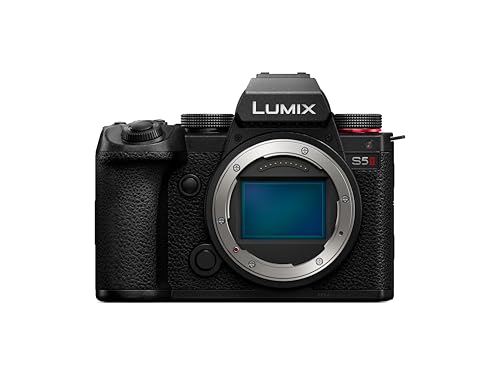
| Panasonic LUMIX S5II | Best indie film camera overall | Full-frame colour, phase-detect focus and cooling-minded design in the most production-friendly package here. |
| Sony Alpha 7 IV | Best indie camera for tiny crews | Benchmark autofocus and low-light files that let a director and one assistant shoot real coverage. |
| Canon EOS R6 Mark II | Best indie camera for hybrid shooters | Beautiful colour, superb stabilisation and video depth for directors who also shoot the stills and the poster. |
| Fujifilm X-T5 | Best indie camera for director-shooters | Beloved colour, tactile dials and high-resolution video in a body that inspires its operator. |
| Sony ZV-E10 II | Best budget indie camera | Creator-focused video features and strong autofocus at the price where first features actually happen. |
| DJI Osmo Pocket 3 | Best one-person movement camera | A gimbal, a capable sensor and a microphone ecosystem in a pocket — movement shots with zero crew. |
How Did We Choose Cameras for Indie Film Makers?
Recording reliability was the first gate. A camera that stops mid-take, splits files awkwardly or overheats under stage lighting is not a cinema tool at any resolution, so we favoured bodies with a record of long, calm takes and sensible thermal behaviour. Festival shorts are shot in borrowed rooms on borrowed time; the camera must be the least dramatic member of the cast.
Image character came second — specifically highlight behaviour and skin tones. Indie locations are contrast traps: a window behind an actor, a neon sign in a night street. Cameras whose highlights roll off gently and whose colour keeps faces human under mixed light save hours in the grade and whole scenes in the edit. We weighted that behaviour above raw specification at every step.
Crew arithmetic shaped the middle of the ranking. Reliable autofocus, usable stabilisation and clear monitoring let a director-operator and a sound recordist shoot coverage that once needed five people. We favoured cameras that shrink the crew without shrinking the result, and we note in each review where a pick still demands a dedicated focus puller to shine.
Finally, ecosystem honesty: lens choice at indie prices, media that does not require a second mortgage, and rigging that standard cages and plates support. A brilliant body stranded in an expensive, narrow system is a worse indie tool than a slightly humbler camera surrounded by affordable glass and accessories.

Panasonic LUMIX S5II — Best indie film camera overall
The S5II has quietly become the indie default for good reasons. Its full-frame image has the gentle highlight behaviour that real locations demand, its phase-detect autofocus ended Panasonic’s old focus anxiety, and the body was plainly designed by people who shoot long days: active cooling thinking, clear menus, and monitoring tools that treat video as the main event rather than a menu annex. For a two-person crew it is the least worrying camera on this list.
- Format: full-frame mirrorless
- Focus: phase-detect autofocus for video
- Stabilisation: strong in-body system
- Monitoring: waveform and professional video tools
- Mount: L-mount, broad alliance lens choice
The working rhythm it encourages is coverage without panic. Lock it on sticks for the master, pop it onto a small gimbal for the walk-and-talk, handhold the close-ups with stabilisation doing quiet heroics — the files match because the colour never changes personality between setups. Directors who also edit will appreciate how little correction its footage asks for before the creative grade begins; on a festival deadline, that politeness is worth more than another stop of anything.
Strengths
- Production-minded design with long-take reliability
- Autofocus that finally suits small crews
- L-mount lenses span budget to cinema glass
Trade-offs
- Autofocus still a step behind Sony for chaos scenes
- Body is not the smallest for gimbal work
- L-mount cinema glass gets expensive quickly
Best for: Self-funded features and shorts shot by crews of two to five.
Not suited for: Solo creators wanting the tiniest possible rig.

Sony Alpha 7 IV — Best indie camera for tiny crews
The Alpha 7 IV is the camera for the production where the director is also the operator, the focus puller and occasionally the gaffer. Its autofocus — eye-tracking that clings to actors through turns, profiles and poor light — is the feature that actually changes what a tiny crew can attempt. Scenes that would be reshot for focus with lesser systems simply land, take after take, and on a one-day location that reliability is the whole budget.
- Format: full-frame mirrorless, high resolution
- Focus: real-time eye autofocus for people
- Stabilisation: in-body image stabilisation
- Video: strong 4K with 10-bit colour
- Mount: Sony E, deepest indie lens catalogue
Its files grade with unusual forgiveness. Mixed practical light, a window blowing out behind a face, a night street under sodium lamps — the A7 IV’s colour holds together while lesser footage separates into orange and despair. Pair it with the affordable fast primes the E-mount ecosystem offers at every price and the result is a feature-capable kit assembled gradually, payday by payday, which is how most indie kits actually happen.
Strengths
- Autofocus that shrinks the crew safely
- Forgiving colour under mixed location light
- Enormous lens choice at indie prices
Trade-offs
- Rolling shutter needs care on fast pans
- Menus reward a pre-production setup day
- Crop in highest frame-rate modes
Best for: Director-operators shooting features with minimal crew.
Not suited for: Purists wanting a dedicated cinema body layout.

Canon EOS R6 Mark II — Best indie camera for hybrid shooters
Many indie filmmakers are also their production’s stills photographer, poster designer and behind-the-scenes department. The R6 Mark II serves that whole job description: Canon’s colour flatters faces with almost no persuasion, the stabilisation smooths handheld operating into something approaching dolly intent, and the video specification has the depth to carry a feature while the stills side carries the marketing.
- Format: full-frame mirrorless
- Stabilisation: class-leading in-body system
- Colour: Canon skin-tone rendering
- Video: high-quality 4K, long recording
- Mount: Canon RF with EF adaptability
In production the stabilisation is the story. A skilled operator can walk a slow push-in that reads as intention rather than improvisation, and in cramped real locations — the hallway, the bedsit, the café corner — that ability replaces equipment the budget never had. Canon’s older EF glass adapts gracefully too, which matters to filmmakers whose lens shelf predates mirrorless and whose budget would rather fund another shooting day.
Strengths
- Skin tones that need little persuasion
- Stabilisation that replaces small rigs
- Adapts a generation of affordable EF lenses
Trade-offs
- RF native glass is costly at the fast end
- Thermal care on the longest summer takes
- Micro-HDMI class connectivity, not full-size
Best for: Hybrid filmmakers shooting film, stills and poster alone.
Not suited for: Large crews wanting cinema-body ergonomics.

Fujifilm X-T5 — Best indie camera for director-shooters
The X-T5 is the romantic’s pick, and indie film runs on romance. Its film simulations are not a gimmick for a director-shooter: choosing a stock-like palette in camera, committing to it, and shooting the film rather than a grey approximation of it changes decisions on set for the better. The high-resolution sensor delivers detailed video, and the dials keep exposure a physical act rather than a menu negotiation.
- Format: APS-C mirrorless, high resolution
- Colour: film simulations with real heritage
- Controls: dedicated exposure dials
- Video: high-resolution recording options
- Mount: Fujifilm X, characterful primes
The honest caveat is crew: this camera rewards an operator who loves it and asks more of autofocus discipline than the Sony. For the writer-director shooting their own short in available light with two actors and a borrowed flat, that trade is often worth it — the footage carries a texture and colour identity that stands out in a festival programme of identical-looking hybrid footage. Distinctiveness is an indie currency; the X-T5 mints it.
Strengths
- In-camera colour with genuine character
- Dials encourage deliberate shooting
- Compact primes keep rigs discreet
Trade-offs
- Autofocus less tenacious than Sony or Canon
- APS-C low light needs faster lenses
- Video-centric accessories are fewer
Best for: Writer-directors shooting their own lyrical shorts.
Not suited for: Fast coverage work with unpredictable blocking.

Sony ZV-E10 II — Best budget indie camera
Every festival has a film shot on something like the ZV-E10 II, and several have won things. It concentrates its budget exactly where a first production needs it: dependable autofocus, clean 4K, a tally light and product-showcase practicalities inherited from creator land that turn out to be production virtues too. The money it saves against the full-frame picks buys a lens, a microphone and a day of catering — the true production values.
- Format: APS-C mirrorless, creator-focused
- Focus: fast, confident subject tracking
- Video: 4K with creator assist features
- Audio: directional microphone options
- Mount: Sony E, vast affordable lens range
Treat it as a system starter rather than a compromise. The E-mount lenses bought for it remain useful when a full-frame Sony joins the kit later, and its small size opens locations that flinch at bigger rigs — a real café, a working shop, a family kitchen where a cinema package would end the permission. First features are exercises in access as much as art, and small cameras get invited in.
Strengths
- Price leaves budget for sound and lenses
- Autofocus punches far above its class
- Tiny footprint suits real, borrowed locations
Trade-offs
- No in-body stabilisation; plan support
- Rolling shutter on energetic pans
- Single card slot demands backup discipline
Best for: First features and shorts on genuinely small budgets.
Not suited for: Productions needing dual-slot recording safety.

DJI Osmo Pocket 3 — Best one-person movement camera
The Pocket 3 is not a main camera, and pretending otherwise would be dishonest. It is the shot-getter: the corridor walk, the market weave, the staircase descent that a small production could never dolly. Its mechanical gimbal produces movement with a polish that used to require a Steadicam operator’s decade of practice, and its one-inch-class sensor delivers footage that intercuts with the main camera far better than any action camera’s.
- Format: pocket gimbal camera
- Stabilisation: three-axis mechanical gimbal
- Sensor: large-format for its class
- Audio: wireless microphone ecosystem support
- Screen: rotating touchscreen for vertical work
The craft is in restraint. Use it for the moves the story needs — following a character into a room, revealing a space in one glide — and resist floating it through entire scenes, because constant motion becomes the cheapest look of all. Indie directors who treat it as a specialist instrument, the way a bigger production treats a crane, will find it quietly transforms their coverage; those who shoot the whole film on it will learn why main cameras exist.
Strengths
- Crane-like movement from a coat pocket
- Intercuts respectably with larger cameras
- Wireless audio makes it a solo unit
Trade-offs
- Fixed lens limits framing choices
- Not a low-light main camera
- Fragile compared with action cameras
Best for: Solo filmmakers needing professional movement shots.
Not suited for: Anyone seeking a single do-everything camera.
What Does a Camera Actually Need for a Feature?
Less than the internet insists, and more than a spec sheet shows. It needs to record a full scene — twenty minutes of takes without a thermal warning or a file error — because performances peak unpredictably. It needs colour that keeps an actor’s face believable under the location’s real light. It needs monitoring you can judge focus and exposure on, audio inputs that respect the sound recordist’s work, and media cheap enough that nobody is deleting takes in the field to free a card.
Everything beyond that list is negotiable. Resolution beyond good 4K is invisible in most festival venues. Extreme low-light ability matters only if the film lives at night. Even autofocus, transformative for small crews, is optional on a crewed production with a focus puller. The discipline is matching the camera to the film’s actual scenes — read the script, list its hardest ten shots, and let those, not a reviewer’s chart, choose the body.
How Should an Indie Budget Be Split?
A workable rule gives the camera body no more than a third of the equipment budget. Lenses outlast bodies and shape the image more; sound is half the audience’s experience and a tenth of most budgets; lighting, even a modest kit, changes a location more than any sensor upgrade. The filmmakers who ignore this produce sharp, beautiful, badly acted-against-noise films with dialogue nobody can hear in rooms that look like offices.
Ownership beats rental at indie scale for the core kit — the camera, two lenses, a tripod, a microphone — because reshoots and pickups are the reality of small productions and rental clocks punish them. Rent the exotic: the anamorphic for the dream sequence, the long lens for the one rooftop scene. Own the dependable, rent the decorative, and spend the difference on the unglamorous miracle of an extra day.
Which Lenses Make a Small Kit Feel Cinematic?
Start with a fast standard zoom or a pair of primes — a wide for interiors and establishing work, a short telephoto for faces — and learn them until framing is instinct. Cinematic feel comes less from exotic glass than from consistent choices: a film shot mostly at one or two focal lengths has a visual grammar; a film that zooms through every available millimetre has a catalogue. The picks above all sit in ecosystems with affordable fast primes, which is a deliberate part of their ranking.
Vintage and adapted lenses deserve their indie reputation. Older glass flares more, softens highlights and renders faces kindly, and on the Canon and Sony bodies here it adapts readily. The trade is consistency and autofocus, so test a set before the shoot and treat the look as a production design decision, made with the director of photography — who may also be you, in a mirror, at midnight.
How Do You Light for These Cameras?
Modern sensors forgive darkness but not ugliness. One large, soft source — a panel through a shower curtain, a window with sheers — flatters faces more than any camera upgrade, and practical lamps in frame give the exposure somewhere believable to live. The full-frame picks here tolerate the resulting contrast gracefully; the smaller-sensor picks reward an extra stop of help, which usually means moving the actor nearer the window rather than buying anything.
Expose for the face and let the room fall where it falls. Indie locations are not sets; their windows will blow out and their corners will go dark, and audiences read that as truth when the skin stays right. This is where the colour behaviour weighted in our ranking earns its keep — cameras that protect highlights gently let a small lighting package look like a point of view.
How Should a Tiny Crew Shoot Coverage?
Plan the scene in three sizes: a master that holds the geography, singles that hold the performances, and inserts that hold the story’s objects. Small crews die by shooting twelve angles of everything; they thrive by knowing which two angles the edit truly needs. The autofocus and stabilisation strengths in these picks exist to make that lean coverage look rich — a slow push on the single, a gimbal glide for the entrance — rather than to encourage angle inflation.
Sound discipline is the other half. The camera’s microphone is a scratch track, nothing more; a dedicated recorder and a boomed microphone, even in modest hands, lift a production further than any body upgrade. Shoot a wild track of the room, slate honestly, and keep a log — future you, editing at 2 a.m., is a crew member too, and the most underappreciated one.
What Should You Test Before the First Day?
Shoot the camera’s worst day before production does. Record a long take at the location’s real temperature and check for thermal warnings. Film a face against the actual window at the actual hour. Record dialogue with the actual microphone chain and listen on headphones, not speakers. Every camera on this list has a personality under pressure; the test day is where you meet it while the meeting is still free.
Also test the boring pipeline: cards offloaded, files opened in the editor, a one-minute grade applied, an export watched on a television. Indie post-production is littered with avoidable codec surprises and colour-space confusions that a single afternoon of pipeline testing would have exposed. The camera is a system that ends at the audience’s screen, and the system is only as tested as its least glamorous link.
How Do You Make Hybrid Footage Look Like Film?
Restraint, mostly. Shoot at the frame rate the story wants and keep shutter discipline so motion has its natural blur. Grade toward a decision — a palette, a contrast curve, a grain texture — rather than toward neutrality, because neutrality is the look of a camera test. The Fujifilm’s simulations make that decision in camera; the others make it in the grade, but the decision itself is the cinematic act, not the tool that applies it.
Composition carries the rest. Hold shots longer than instinct suggests, let actors move within a frame instead of chasing them, and choose the camera position for the scene’s meaning rather than its convenience. None of that costs money, which is why it is the true indie advantage: the large production’s crane is impressive, but the small production’s patience is free and often better.
What Frame Rates and Resolutions Does an Indie Film Need?
Decide from the delivery backwards. A festival feature lives happily at 24 frames per second in 4K, with slow motion reserved for the moments the story actually slows — a fall, a look, a door closing on a life. High frame rates are a spice with a storage and lighting cost: every doubling of frame rate doubles the light the scene needs and the media the day consumes, which is why experienced small crews shoot fast only on purpose.
Resolution humility is a budget virtue. The cameras here all exceed what most festival screens and streaming platforms will ever show, and the difference between their best and worst 4K is invisible beside the difference between good and bad production design. Spend the anxiety on what the camera points at. A beautifully dressed room at modest resolution defeats a bare room at any specification yet invented.
How Do You Choose Between These Cameras for a Script You Already Have?
Read the script as a shot list of problems. Count the night exteriors, the handheld scenes, the two-person dialogue in real kitchens, the one-take walks. A night-heavy script argues for the full-frame picks and fast lenses; a dialogue-heavy chamber piece argues for autofocus reliability and quiet operation; a roaming, observational script argues for stabilisation and the Pocket 3’s movement. The camera that solves your script’s most frequent problem is the right camera, whatever its ranking here.
Then read it as a crew list. Who is actually standing behind the camera, and what else are they doing? The honest answer — directing, producing, apologising to the location owner — is why autofocus and operational simplicity score so heavily in this guide. Choose the camera that forgives your real crew, not the imaginary one with a focus puller, a DIT and a second unit.
What Accessories Transform a Hybrid into a Production Camera?
A cage, a proper tripod with a fluid head, and a monitor you can judge focus on: those three turn any pick here into a working production tool. The cage gives the microphone, the follow focus and the handles somewhere to live; the fluid head makes pans look like decisions; the monitor saves the take that looked sharp on a three-inch screen and was not. Add media, batteries and a bag that closes quickly, and the package is complete.
Resist the accessory spiral beyond that list. Matte boxes, rails and wireless everything photograph beautifully on a workbench and slow a small crew measurably on location. Every accessory should answer a problem the last shoot actually had. Indie rigs grow by scar tissue, not by catalogue, and the lightest rig that solves the day’s scenes is the professional choice.
How Do You Record Production Sound with These Cameras?
Treat the camera as the backup recorder and build the real chain separately: a boomed shotgun or a well-placed lavalier into a dedicated recorder, with the camera’s scratch track guiding synchronisation in the edit. The picks here accept external microphones and timecode-friendly workflows to varying degrees, but none of their internal preamps should carry a feature’s dialogue when an alternative exists — and at indie prices, an alternative always exists.
On set, the discipline is monitoring. Someone — ideally someone whose only job it is — wears headphones and has authority to call a retake for sound. Rooms reveal themselves through headphones: the fridge hum, the traffic swell, the boiler that cycles every nine minutes. Catching those on the day is free; removing them in post is neither free nor, often, possible.
How Do You Manage Media and Backups on an Indie Shoot?
Cards are not storage; they are a liability until copied twice. The working rule is three copies, two media types, one off-site — scaled to indie reality as: the card, the laptop, and the drive that goes home with a different person. Offload at lunch and at wrap, never format a card until the editor has seen its contents open and play, and keep a written log because memory is the first casualty of a long day.
Single-slot cameras like the ZV-E10 II demand extra ceremony, not exclusion: smaller cards rotated more often, offloaded more frequently, so a failure loses a scene rather than a day. Dual-slot bodies recording simultaneously buy insurance that productions with irreplaceable performances — a wedding scene, a stunt, a child actor’s one great take — should seriously consider paying for.
What Does Colour Workflow Look Like on a Small Production?
Choose one colour discipline and hold it from the first test to the final export. Log profiles reward a real grade with time and a calibrated screen; a baked-in look rewards speed and certainty. The expensive mistake is mixing approaches across cameras and days, which hands the editor a jigsaw. Shoot a colour chart and a face at each new location setup, whatever the discipline — thirty seconds that rescue hours.
On multi-camera days, match the cameras before matching the look. The Pocket 3 intercutting with an S5II master will never be identical, but white balance, contrast intent and a shared reference frame bring them close enough that the grade can marry them. Audiences notice mismatched colour between cuts in the same scene far more than they notice any difference between the cameras themselves.
How Do You Shoot a Dialogue Scene with a Tiny Crew?
Block for the camera you have. Stage the scene so the master holds both faces in profile or over-shoulder geometry, and the singles require repositioning the actors’ eyelines rather than the entire lighting setup. Small crews win dialogue days by moving the camera twenty degrees between setups instead of relighting the room, which is why the stabilisation and autofocus strengths in these picks matter: they forgive the lean geometry.
Performance continuity is the editor’s oxygen. Keep the camera rolling through the fumbled line when the energy is right, slate the pickups clearly, and shoot the listener as generously as the speaker — reaction shots are where small films find their rhythm. The camera’s job in dialogue is mostly to be forgotten, and the bodies here earn their place by disappearing.
How Should Beginners Grow into These Cameras?
Start below your ambition and shoot constantly. The ZV-E10 II in the hands of someone who films every weekend will outperform a flagship that leaves its bag monthly, and the lens and sound kit bought with the savings transfers upward when the body does. Set the camera to one colour profile, one frame rate and manual exposure, and remove variables until framing and light are the only problems left to solve.
Finish things. A completed three-minute short teaches more about a camera than a year of tests, because it forces the whole pipeline — sound, edit, grade, export, an audience — to render its verdict. Every camera in this guide has completed films to its name; the limiting factor is never the badge on the body, and discovering that early is the cheapest education in filmmaking.
When Should an Indie Production Rent Instead?
Rent when the script asks for one extraordinary thing: the anamorphic lens for the memory sequences, the high-speed camera for the single slow-motion set piece, the cinema body for the weekend when the named actor is available. Rental concentrates money exactly where the audience will feel it and returns the responsibility for maintenance, insurance and media to someone else’s shelf.
Buy when the production is a practice rather than an event — a collective making shorts yearly, a director building toward a feature, a production company forming. Ownership’s hidden dividend is familiarity: the camera you have run on six small projects behaves, on the feature, like a crew member you trust. That trust, on the hardest day, is worth more than any specification in this guide.
How Do You Direct Actors While Operating the Camera?
Operating and directing simultaneously is the indie condition, and it works when the camera demands little attention. This is the practical core of the autofocus argument: a director watching a performance through the Sony or Panasonic, confident the focus is held, can actually direct — noticing the take where the actor’s guard dropped — instead of squinting at focus peaking. Set the camera’s decisions in advance, expose conservatively, and spend the take on the humans.
Communication shrinks to essentials. Agree before the take what you are watching for, give one note between takes rather than five, and let the camera roll a breath longer than feels necessary at both ends. Actors relax when the apparatus disappears, and the cameras ranked highly here disappear best: quiet, predictable, and honest about what they have captured when you review together.
What Does a Festival Want from Your Footage?
Programmers watch thousands of films on ordinary screens at punishing speed, and what survives that process is clarity of intention: faces lit and focused, dialogue intelligible, a visual idea sustained. No programmer has ever rejected a film for insufficient resolution or rewarded one for a dynamic-range chart. Shoot for the story’s legibility first and the footage’s beauty second, in the knowledge that beauty usually follows legibility around like a consequence.
Technically, deliver exactly what the festival requests, early, with the file checked end to end on a television. More films are embarrassed by export errors, mixed frame rates and inaudible mixes than by any camera choice. The pipeline test recommended earlier — shoot, edit, grade, export, watch — is the cheapest festival insurance an indie production can buy, and it costs one afternoon.
How Do You Shoot Night Exteriors on an Indie Budget?
Choose locations that bring their own light: streets with sodium or LED spill, petrol stations, shopfronts, fairgrounds. Then expose for those sources and let the darkness be darkness, because audiences believe night that looks like night. The full-frame picks and fast lenses earn their ranking here, holding colour in mixed street light where smaller sensors smear, but even the ZV-E10 II with a fast prime can own a well-chosen street.
Wet ground is the indie night crew’s best friend, doubling every light source in reflection and lifting a scene’s production value for free. Schedule night exteriors after rain when the forecast allows, keep batteries warm against the cold’s extra drain, and protect the schedule: night shoots exhaust small crews twice as fast, so shoot the wide first and the close coverage while the actors still have a day left in their faces.
How Do You Make a Small Location Look Like a Set?
Move the furniture before you move the camera. Real rooms photograph larger when the camera sits in a corner or a doorway and the middle distance is cleared; a plant, a lamp and one strong colour placed deliberately do more than any lens. The cameras here, particularly with a wide lens option, will then find a composition with depth — foreground object, actor, lit background — which is the whole grammar of production design at this scale.
Continuity of dressing matters more than its expense. Dress the room once, photograph it on a phone from the camera positions, and reset from those photographs between setups. Indie films betray themselves in wandering background objects far more than in sensor limitations, and the fix costs nothing but the discipline this guide keeps recommending in place of equipment.
How Do You Know When the Camera Is Good Enough?
When the rushes stop generating equipment conversations. Every production has a threshold where the footage simply serves the film — focus lands, colour grades kindly, sound is clean, nobody on set mentions the camera — and beyond that threshold further spending buys diminishing invisibility. The six picks here all cross that threshold for their intended scales of production; the differences between them are about crew size, light and movement, not about permission to make a real film.
The honest test is a finished short. Shoot one with the camera you can afford this spring rather than the camera you dream about next year, screen it for strangers, and listen to what they mention. They will talk about the story, the actor, the ending. That silence about equipment is the sound of a camera that was always good enough — and it is the best reason to start now.
How Do You Shoot a Short in a Single Weekend?
Weekend shorts succeed on preparation density: locations within walking distance of each other, a cast small enough to feed at one table, a camera package that fits in two bags and a schedule built around the light rather than against it. Choose the camera that the operator has already shot with — this is no weekend to learn a menu system — and simplify the visual plan to one lens, one colour decision and coverage patterns rehearsed on the Friday evening.
Protect the ending. Weekend productions reliably run out of time at the climax, so schedule the final scene’s essential shots earlier than instinct suggests, even out of order. The cameras here support that pragmatism: reliable autofocus, honest monitoring and files that grade quickly turn a frantic Sunday into a film rather than a lesson, provided the plan was made while everyone was still rested.
What Insurance and Paperwork Does the Camera Need?
Unromantic and decisive: insure the kit, because a dropped camera on location is a budget event, and productions borrowing locations should carry the liability cover many venues quietly expect. Keep a simple equipment list with serial numbers photographed on a phone — it speeds insurance, rental cross-hires and the occasional police report for a bag left in a café.
Releases and location agreements protect the footage’s future more than any technical choice. A film that cannot prove its permissions cannot be sold or screened commercially, whatever camera shot it. The paperwork folder is part of the camera package in every professional sense, and the hour spent on it before the shoot is worth a day of reshoots.
How Do You Find Collaborators Who Make the Camera Better?
A camera is only ever as good as the team around it, and indie careers are built by finding the sound recordist, the production designer and the editor whose taste argues productively with yours. Shoot test scenes together before anyone commits to a feature: a single afternoon reveals whether a collaborator hears the fridge hum you missed, sees the background clutter your framing ignored, or cuts the pause you thought was sacred. Those arguments, held early and kindly, are production value no purchase supplies.
Feed the team, credit the team, and show the team the finished film in a room with other humans. Small productions run on returned favours and remembered kindnesses, and the network assembled around a modest camera on a finished short is worth more, by the second project, than any upgrade this guide could recommend. Buy the camera once; build the company of collaborators for a career.
One Last Word on Taste
Every camera in this guide can be recognised in skilled hands and exposed in careless ones, which means the final specification is the operator taste: the patience to wait for the gesture, the discipline to cut the beloved but unnecessary angle, the humility to serve the scene instead of the showreel. Develop that taste deliberately by studying films shot on modest equipment and asking, scene by scene, what the camera did and refused to do. The answers are almost never about the camera, and learning that is the real graduation this guide can offer.
A Note on Patience
Independent film rewards the patient disproportionately: the extra rehearsal, the waited-for cloud, the second take after the good one. Choose the camera that lets your production afford that patience in time, media and morale, and the films will show it.
How Do the Six Indie Film Cameras Compare?
| Pick | Badge | Standout trait | Watch out for |
|---|---|---|---|
| Panasonic LUMIX S5II | Best indie film camera overall | Long-take calm and gentle highlights | Not the lightest gimbal partner |
| Sony Alpha 7 IV | Best indie camera for tiny crews | Crew-shrinking autofocus and tolerant files | Hybrid layout, not a cinema body |
| Canon EOS R6 Mark II | Best indie camera for hybrid shooters | Colour and stabilisation for one-person units | Connector and lens costs to plan around |
| Fujifilm X-T5 | Best indie camera for director-shooters | Colour identity straight from the camera | Asks more of the operator’s focus discipline |
| Sony ZV-E10 II | Best budget indie camera | Feature-capable focus at a starter price | Support and backup discipline required |
| DJI Osmo Pocket 3 | Best one-person movement camera | Department-free camera movement | A specialist, not the production’s anchor |
How Do You Run a One-Day Indie Shoot?
Lock the camera package the night before
Charge everything, format cards in camera, set the project frame rate and colour profile, and tape the settings card to the tripod. Morning-of configuration is where small productions lose their first hour and their temper with it.
Shoot the master first, widest and simplest
The master guarantees the scene exists. Get it while light and energy are fresh, then earn the closer coverage. If the day collapses later — weather, location, a lost actor — the edit still has a scene.
Protect the close-ups
Performances live in singles. Prioritise the lead’s close coverage over decorative angles, keep autofocus or focus marks honest, and review one take at full size before moving on. A soft master is a style; a soft close-up is a reshoot.
Record sound like it is the picture
Boom close, monitor on headphones, capture room tone before the location empties. Audiences forgive a grainy frame; they abandon muddy dialogue in minutes, and no camera upgrade in this guide can rescue it.
Wrap with the edit in mind
Offload and back up on location, note the good takes while memory is warm, and shoot one safety insert — hands, the door, the street — for the transitions every edit begs for at midnight.
What Mistakes Do Indie Film Makers Make with Cameras?
Buying the body and starving the film
A flagship camera with no sound kit, one slow lens and no lighting produces expensive-looking problems. Split the budget by what the audience actually perceives: faces, words and light, in that order.
Shooting everything wide open
Fast apertures at maximum become a focus lottery and a mushy, anxious look. Stop down a little, light a little more, and let depth of field serve the scene instead of auditioning the lens.
Ignoring recording limits until the great take
Thermal warnings and file splits arrive during the best performance, by law. Test long takes beforehand, know the body’s behaviour, and keep the camera shaded and ventilated on hot locations.
Chasing a film look in post alone
Colour grading cannot invent composition, production design or restraint. Decide the palette before the shoot, dress the location toward it, and let the grade finish a thought rather than start one.
Forgetting the audience’s ears
Onboard microphones, echoing rooms and unmonitored audio sink more indie films than any sensor. Spend on sound early, boom closely, and treat the camera’s audio as a reference track only.
Final Recommendation
For most self-funded productions the Panasonic LUMIX S5II is the recommendation: production-calm, colour-honest and priced so the rest of the film can exist. Director-operators working almost alone should look hard at the Sony Alpha 7 IV, whose autofocus is a crew member that never sleeps, while first-feature budgets are best served by the ZV-E10 II and the lenses its savings allow. The Pocket 3 joins any of them as the movement department.
Choose by reading your own script rather than any ranking, including this one. List its hardest scenes — the night exterior, the two-hander in a real kitchen, the walk through a market — and pick the camera whose strengths answer those pages. Indie films are not won by equipment, but they are quietly lost by it, and every camera here was chosen to make sure yours is won by everything else.
Related guides
Frequently Asked Questions
Is full frame necessary for indie film?
No. Full frame helps in low light and with shallow depth, but story, light and sound decide a film’s fate. The APS-C picks here have shot festival work happily; choose the sensor size your locations and lenses argue for, not the one forums insist on.
How important is autofocus for filmmaking?
It depends on crew size. A dedicated focus puller with marks and rehearsal beats any autofocus; a two-person crew is transformed by it. Most small productions live between those poles, and the strong video autofocus in the Sony and Panasonic picks is insurance worth having.
Should I buy or rent the camera?
Own the core if you shoot more than one project a year or need pickups at short notice; rent for a single short with a fixed schedule. Either way, own your lenses, tripod and sound kit — they serve every production and outlast several bodies.
What is the best first lens for indie film?
A fast standard zoom covers the most scenes per pound, while a pair of fast primes — wide and short telephoto — gives the most character. Avoid building a lens shelf before the first film; two focal lengths you know deeply beat six you are meeting on set.
Can the DJI Pocket 3 really shoot a film?
It can shoot remarkable sequences and has carried entire travel films, but its fixed lens and small body limit control for dialogue-driven features. Treat it as the movement specialist alongside a main camera and it will over-deliver; ask it to be the whole department and the compromises show.
Do I need 10-bit colour and log profiles?
For films destined for a real grade, yes — the flexibility protects highlights and skin under location light. For fast-turnaround work, a well-chosen standard profile can look better with less effort. All the system picks here offer serious colour tools; the skill is choosing one workflow and learning it deeply.
Related Guides
Round out the production kit with our guides on video-first cameras and creator setups. best affordable 4k cameras for youtube best cameras for home video best beginner cameras for video


