Mirrorless cameras have become the default choice for still photography, and the reason is simple: they do everything a DSLR did, in a smaller body, with a better view of the photograph you are about to take. The electronic viewfinder shows you the exposure before you press the shutter, the autofocus can find an eye and hold it, and the lens mount gives you access to a growing range of modern glass. For still photography specifically, the priorities are different from video, and that difference is worth understanding before you spend any money. A video camera needs to record smoothly for minutes at a time, while a stills camera needs to capture a single decisive moment cleanly, and the features that serve one do not always serve the other. Resolution and image quality matter more than video frame rates, autofocus for still subjects matters more than video tracking, and handling — the grip, the controls, the screen — matters more than a microphone socket. A camera that is excellent for video is not automatically excellent for stills, and the best stills cameras are the ones that make taking a photograph feel effortless. This guide compares seven mirrorless cameras for still photography, from the affordable Canon R100 that makes mirrorless accessible to the full-frame Sony a7 IV and Canon R6 Mark II that professionals rely on. Every camera below was checked against its current Amazon listing, and every one is a complete camera — a body or a kit with a lens — rather than an accessory. Read the comparison table for a fast overview, then dig into the individual sections for the strengths and trade-offs that matter for the way you shoot. One more point before the list: the camera body is only half of the system, and the lens you put on it will shape your photographs more than any specification on the box. A modest camera with a good lens will outperform an expensive camera with a poor one, and the photographers whose work you admire are usually distinguished by their lenses and their light, not by the newest body. Keep that in mind as you compare the cameras below, and budget for at least one good lens alongside whichever body you choose.
In this guide
Quick picks: best mirrorless cameras for still photography
| # | Product | Where to buy |
|---|---|---|
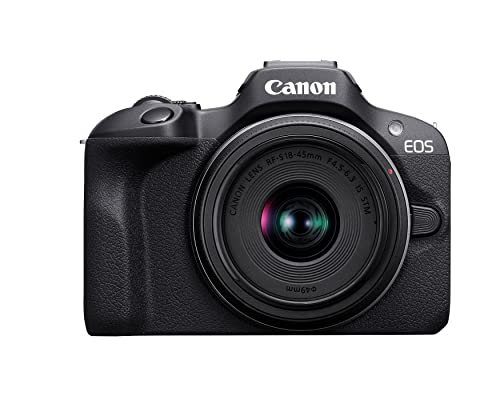
| 1 | Canon EOS R100 Mirrorless Camera RF-S18-45mm F4.5-6.3 IS STM Lens Kit, 24.1 Megapixel CMOS APS-C Sensor | Check on Amazon |
| 2 | Canon EOS RP Mirrorless Camera (Body Only), Full-Frame Interchangeable Lens Camera | Check on Amazon |
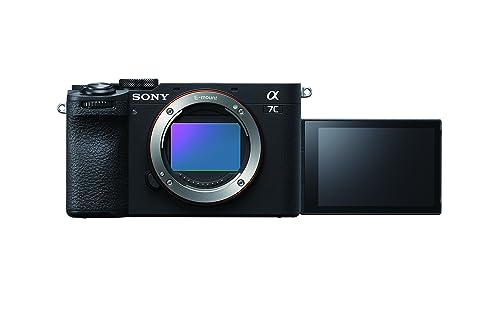
| 3 | Sony Alpha a7 IV Mirrorless Camera with 28-70mm Lens Black | Check on Amazon |
| 4 | Canon EOS R6 Mark II Mirrorless Camera RF24-105mm F4-7.1 IS STM Lens Kit, 24.2 Megapixel CMOS | Check on Amazon |
| 5 | Sony Alpha a6400 Mirrorless Camera, Compact APS-C Interchangeable Lens Digital Camera with Real-Time Eye Auto Focus, 4K Video | Check on Amazon |
| 6 | Nikon Z50 II with Two Lenses, Compact Mirrorless Stills/Video Camera | Check on Amazon |
| 7 | Sony ZV-E10 APS-C Mirrorless Camera with 16-50mm Lens Black, 24.2MP, UHD 4k30p | Check on Amazon |
Quick comparison
| Product | Key traits |
|---|---|
| Canon EOS R100 Mirrorless Camera RF-S18-45mm F4.5-6.3 IS STM Lens Kit, 24.1 Megapixel CMOS APS-C Sensor | Canon EOS R100, 24.1MP APS-C, RF-S18-45mm kit |
| Canon EOS RP Mirrorless Camera (Body Only), Full-Frame Interchangeable Lens Camera | Canon EOS RP, full-frame, body only |
| Sony Alpha a7 IV Mirrorless Camera with 28-70mm Lens Black | Sony a7 IV, full-frame, 28-70mm kit |
| Canon EOS R6 Mark II Mirrorless Camera RF24-105mm F4-7.1 IS STM Lens Kit, 24.2 Megapixel CMOS | Canon R6 Mark II, 24.2MP, RF24-105mm kit |
| Sony Alpha a6400 Mirrorless Camera, Compact APS-C Interchangeable Lens Digital Camera with Real-Time Eye Auto Focus, 4K Video | Sony a6400, APS-C, real-time eye AF |
| Nikon Z50 II with Two Lenses, Compact Mirrorless Stills/Video Camera | Nikon Z50 II, two lenses, compact |
| Sony ZV-E10 APS-C Mirrorless Camera with 16-50mm Lens Black, 24.2MP, UHD 4k30p | Sony ZV-E10, 24.2MP APS-C, 16-50mm kit |

1. Canon EOS R100 Mirrorless Camera RF-S18-45mm F4.5-6.3 IS STM Lens Kit, 24.1 Megapixel CMOS APS-C Sensor
What stands out
The Canon EOS R100 is the most affordable way into mirrorless photography, and it is the camera to buy if you are starting out. Its 24.1-megapixel APS-C sensor delivers detailed, clean stills, the RF-S18-45mm kit lens covers the everyday range from wide-angle to short portrait, and the camera is small and light enough to carry everywhere. The controls are straightforward, the Canon colour is pleasing straight out of the camera, and the price leaves room in the budget for a second lens or a bag. For a first camera, it is an excellent place to start.
Trade-offs to weigh
The trade-offs are that the R100 is a deliberately simple camera: the screen is fixed rather than fully articulating, there is no in-body stabilisation, and the burst speed and autofocus are more modest than the cameras further up this list. The kit lens is slow, so low-light work will need a faster lens later. As a learning camera, though, its simplicity is a strength — it teaches photography rather than hiding behind features.
Who it fits best
Best for beginners, students, and anyone buying their first interchangeable-lens camera.
In daily use
In everyday use, the Canon EOS R100 Mirrorless Camera RF-S18-45mm F4.5-6.3 IS STM Lens Kit, 24.1 Megapixel CMOS APS-C Sensor settles into a routine quickly. Set it up once, the way you like it, and give yourself a few days to adjust before judging it. The first session is about learning the layout and the feel; the second and third are where it starts to feel natural. Keep it clean, keep it in the conditions it was designed for, and it will stay consistent. If it has parts that wear — cables, surfaces, moving components — a quick check now and then keeps small issues from becoming real ones, and keeping the packaging and documentation for the first weeks makes any return or exchange far simpler.
Before you buy
Before buying the Canon EOS R100 Mirrorless Camera RF-S18-45mm F4.5-6.3 IS STM Lens Kit, 24.1 Megapixel CMOS APS-C Sensor, check two practical things. First, measure and compare: check the dimensions, the capacity, and the compatibility details listed on the product page against what you already own and the space you have. A product that does not fit your setup will never feel right, whatever its specifications say. Second, think about your routine — where it will live, how it will be stored, and what it needs to connect to. None of this is difficult, but all of it is easier to plan before the product arrives than after.

2. Canon EOS RP Mirrorless Camera (Body Only), Full-Frame Interchangeable Lens Camera
What stands out
The Canon EOS RP in its body-only form is the cheapest route to a full-frame sensor, and it is the camera for photographers who already own lenses or who want to choose their glass carefully. The full-frame sensor is a large step up from APS-C in image quality, especially in low light, and the compact, lightweight body is easy to carry all day. The RF mount gives you access to Canon’s modern lenses, and the camera’s handling is straightforward and comfortable. For a photographer moving up from a smaller sensor, the RP is the most affordable way to make the jump.
Trade-offs to weigh
The compromises are that this is a body-only listing, so you will need a lens before you can take a photograph, and the RP’s autofocus and battery life are more modest than the R6 Mark II. The sensor is an older design, and the burst speed is unremarkable. As a first full-frame body, though, it is a remarkable value, and it leaves budget for the lens that will matter more than the body in the long run.
Who it fits best
Best for photographers moving to full-frame on a budget, Canon users with existing RF lenses, and anyone who wants a light, simple full-frame camera.
In daily use
Day to day, the Canon EOS RP Mirrorless Camera (Body Only), Full-Frame Interchangeable Lens Camera is the kind of product you stop thinking about, which is the highest praise it can earn. It does its job the same way every time, without quirks or surprises, and lets you focus on the work or the game instead of the hardware. That consistency matters more than any single feature. Treat it reasonably — a clean desk, a suitable surface, and storage that protects it when it is not in use — and it will keep that consistency for a long time. The best products are the ones that fade into the background.
Before you buy
A few checks before you order the Canon EOS RP Mirrorless Camera (Body Only), Full-Frame Interchangeable Lens Camera will save disappointment. Confirm the key details on the listing match what you expect — the exact model name, the included accessories, and the variant — since similar-looking models can differ in important ways. Check the return policy and the warranty terms so you know your options if it arrives damaged or does not suit you. And if you are replacing something you already own, compare the new product with the old one on the points that mattered most, rather than on headline features you may never use.

3. Sony Alpha a7 IV Mirrorless Camera with 28-70mm Lens Black
What stands out
The Sony a7 IV is the all-rounder of this list, and it is the camera to buy if you want one body that does everything well. Its full-frame sensor delivers detailed, clean stills with room to crop, its autofocus is fast and confident, and the 28-70mm kit lens in this listing means you can start shooting immediately. The handling, the screen, and the controls are all improved over the earlier a7 III, and the camera is equally capable for portraits, landscapes, travel, and events. If you can only own one camera, the a7 IV is the most versatile choice here.
Trade-offs to weigh
The trade-off is price: the a7 IV costs significantly more than the APS-C cameras on this list, and the files are larger, which means more storage and more processing time. It is also a larger, heavier camera than the R100 or the a6400. For photographers who want a single camera for every kind of stills photography, though, it is money well spent.
Who it fits best
Best for photographers who want one camera for everything, and for anyone ready to invest in a full-frame system.
In daily use
Over a full week of use, the Sony Alpha a7 IV Mirrorless Camera with 28-70mm Lens Black shows its character in small ways. The feel stays the same from the first day to the last, nothing loosens or rattles, and the finish holds up to regular handling. If you switch between tasks, you will appreciate that it does not need a different setup for each one: configure it once for the way you actually use it and leave it alone. If you share the space with work or family, the same product should handle those jobs without feeling out of place, which is a useful bonus for a single-product setup.
Before you buy
When the Sony Alpha a7 IV Mirrorless Camera with 28-70mm Lens Black arrives, spend a little time setting it up properly. Follow the included instructions, check that everything listed as included is actually in the box, and test the main functions within the first day or two. Then leave the settings alone for a week. Constant tweaking is the enemy of getting used to a product, and most people get better results from a stable setup than from a perfect one. If something feels wrong after a few days, change one thing at a time so you know what actually helped.
Check price on Amazon: Sony Alpha a7 IV Mirrorless Camera with 28-70mm Lens Black

4. Canon EOS R6 Mark II Mirrorless Camera RF24-105mm F4-7.1 IS STM Lens Kit, 24.2 Megapixel CMOS
What stands out
The Canon EOS R6 Mark II is the camera for photographers who want Canon’s best all-round stills performance. Its 24.2-megapixel full-frame sensor is clean and detailed, its autofocus is fast and tenacious, and the RF24-105mm kit lens covers a genuinely useful range. The in-body stabilisation works with the lens to keep handheld shots sharp, and the handling — the grip, the controls, the screen — is designed for long days of shooting. It is a camera that feels professional in the hand and delivers professional results, whether you are photographing a wedding, a portrait session, or a landscape at dawn.
Trade-offs to weigh
The trade-off is price and size: the R6 Mark II is the most expensive Canon on this list, and it is larger and heavier than the RP. Its resolution is the same 24.2 megapixels as the R100’s class, so you are paying for autofocus, speed, stabilisation, and handling rather than more detail. For photographers who shoot for a living, or who simply want the best Canon all-rounder, it is worth it.
Who it fits best
Best for Canon photographers who want a fast, reliable all-rounder for events, portraits, and travel.
In daily use
In everyday use, the Canon EOS R6 Mark II Mirrorless Camera RF24-105mm F4-7.1 IS STM Lens Kit, 24.2 Megapixel CMOS settles into a routine quickly. Set it up once, the way you like it, and give yourself a few days to adjust before judging it. The first session is about learning the layout and the feel; the second and third are where it starts to feel natural. Keep it clean, keep it in the conditions it was designed for, and it will stay consistent. If it has parts that wear — cables, surfaces, moving components — a quick check now and then keeps small issues from becoming real ones, and keeping the packaging and documentation for the first weeks makes any return or exchange far simpler.
Before you buy
Before buying the Canon EOS R6 Mark II Mirrorless Camera RF24-105mm F4-7.1 IS STM Lens Kit, 24.2 Megapixel CMOS, check two practical things. First, measure and compare: check the dimensions, the capacity, and the compatibility details listed on the product page against what you already own and the space you have. A product that does not fit your setup will never feel right, whatever its specifications say. Second, think about your routine — where it will live, how it will be stored, and what it needs to connect to. None of this is difficult, but all of it is easier to plan before the product arrives than after.
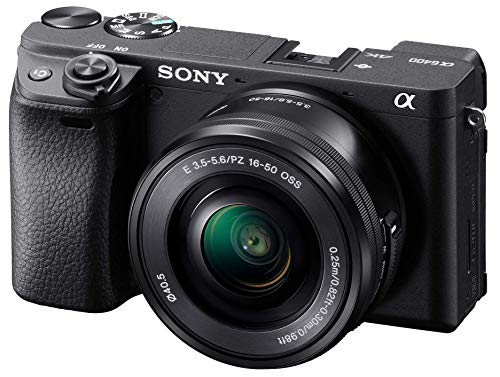
5. Sony Alpha a6400 Mirrorless Camera, Compact APS-C Interchangeable Lens Digital Camera with Real-Time Eye Auto Focus, 4K Video
What stands out
The Sony a6400 is the compact APS-C pick, and it is the camera for photographers who want serious autofocus in a small body. Its real-time eye autofocus was a breakthrough when it launched, and it remains excellent: the camera finds a subject’s eye and holds focus on it, which makes portraits and street photography far easier. The compact body fits in a small bag, the image quality is strong, and the E-mount lens range is one of the largest available. It is a camera that punches above its size in every way.
Trade-offs to weigh
The compromises are age and handling. The a6400 is an older design, so its screen and menus feel dated next to the newest models, and there is no in-body stabilisation — you rely on stabilised lenses instead. The grip is small, which suits small hands but not large ones. For a compact, capable stills camera, though, it remains a strong choice, especially at its current price.
Who it fits best
Best for street photography, travel, and anyone who wants a small camera with excellent autofocus.
In daily use
Day to day, the Sony Alpha a6400 Mirrorless Camera, Compact APS-C Interchangeable Lens Digital Camera with Real-Time Eye Auto Focus, 4K Video is the kind of product you stop thinking about, which is the highest praise it can earn. It does its job the same way every time, without quirks or surprises, and lets you focus on the work or the game instead of the hardware. That consistency matters more than any single feature. Treat it reasonably — a clean desk, a suitable surface, and storage that protects it when it is not in use — and it will keep that consistency for a long time. The best products are the ones that fade into the background.
Before you buy
A few checks before you order the Sony Alpha a6400 Mirrorless Camera, Compact APS-C Interchangeable Lens Digital Camera with Real-Time Eye Auto Focus, 4K Video will save disappointment. Confirm the key details on the listing match what you expect — the exact model name, the included accessories, and the variant — since similar-looking models can differ in important ways. Check the return policy and the warranty terms so you know your options if it arrives damaged or does not suit you. And if you are replacing something you already own, compare the new product with the old one on the points that mattered most, rather than on headline features you may never use.

6. Nikon Z50 II with Two Lenses, Compact Mirrorless Stills/Video Camera
What stands out
The Nikon Z50 II with two lenses is the kit-value pick of the list. Buying a camera with two lenses — typically a standard zoom and a telephoto — covers almost every stills situation, from landscapes to portraits to distant subjects, without buying anything else. The Z50 II is compact and well built, the handling is straightforward, and the image quality is strong for an APS-C camera. Nikon describes it as a compact mirrorless stills and video camera, and that balance is exactly right: it is a stills camera first, with video as a bonus. For a photographer who wants a complete kit in one purchase, it is the best value here.
Trade-offs to weigh
The trade-offs are that the Z50 II is an APS-C camera, so it does not match the full-frame models in low light, and the two-lens kit is bulkier to carry than a single-lens setup. The autofocus and burst speed are good but not class-leading. As a complete, ready-to-shoot kit, though, it is hard to beat for the money.
Who it fits best
Best for photographers who want a complete two-lens kit in one purchase, and for travel and family photography.
In daily use
Over a full week of use, the Nikon Z50 II with Two Lenses, Compact Mirrorless Stills/Video Camera shows its character in small ways. The feel stays the same from the first day to the last, nothing loosens or rattles, and the finish holds up to regular handling. If you switch between tasks, you will appreciate that it does not need a different setup for each one: configure it once for the way you actually use it and leave it alone. If you share the space with work or family, the same product should handle those jobs without feeling out of place, which is a useful bonus for a single-product setup.
Before you buy
When the Nikon Z50 II with Two Lenses, Compact Mirrorless Stills/Video Camera arrives, spend a little time setting it up properly. Follow the included instructions, check that everything listed as included is actually in the box, and test the main functions within the first day or two. Then leave the settings alone for a week. Constant tweaking is the enemy of getting used to a product, and most people get better results from a stable setup than from a perfect one. If something feels wrong after a few days, change one thing at a time so you know what actually helped.
Check price on Amazon: Nikon Z50 II with Two Lenses, Compact Mirrorless Stills/Video Camera

7. Sony ZV-E10 APS-C Mirrorless Camera with 16-50mm Lens Black, 24.2MP, UHD 4k30p
What stands out
The Sony ZV-E10 is the hybrid pick of the list, and it earns its place for photographers who also shoot video. Its 24.2-megapixel APS-C sensor delivers good stills, the 16-50mm kit lens is compact and versatile, and the side flip-out touchscreen makes it easy to compose shots from unusual angles. It is a camera designed for creators who photograph and film in equal measure, and its stills quality is better than its video-first reputation suggests. For a photographer who wants one camera for both, it is a practical and affordable choice.
Trade-offs to weigh
The compromises are that the ZV-E10 is designed for video first, so it lacks a viewfinder — you compose on the screen — and the controls are simpler than a dedicated stills camera. The grip is small, and the handling is optimised for handheld video rather than stills work. For a photographer who mainly shoots stills, the a6400 is the better Sony APS-C choice; for a hybrid shooter, the ZV-E10 makes sense.
Who it fits best
Best for hybrid shooters who photograph and film, creators, and anyone who wants a compact camera with a flip-out screen.
In daily use
In everyday use, the Sony ZV-E10 APS-C Mirrorless Camera with 16-50mm Lens Black, 24.2MP, UHD 4k30p settles into a routine quickly. Set it up once, the way you like it, and give yourself a few days to adjust before judging it. The first session is about learning the layout and the feel; the second and third are where it starts to feel natural. Keep it clean, keep it in the conditions it was designed for, and it will stay consistent. If it has parts that wear — cables, surfaces, moving components — a quick check now and then keeps small issues from becoming real ones, and keeping the packaging and documentation for the first weeks makes any return or exchange far simpler.
Before you buy
Before buying the Sony ZV-E10 APS-C Mirrorless Camera with 16-50mm Lens Black, 24.2MP, UHD 4k30p, check two practical things. First, measure and compare: check the dimensions, the capacity, and the compatibility details listed on the product page against what you already own and the space you have. A product that does not fit your setup will never feel right, whatever its specifications say. Second, think about your routine — where it will live, how it will be stored, and what it needs to connect to. None of this is difficult, but all of it is easier to plan before the product arrives than after.
Buying guide
Sensor size and what it means
Full-frame sensors gather more light and produce cleaner images than APS-C sensors, especially in low light, and they give a shallower depth of field for portraits. APS-C cameras are smaller, lighter, and cheaper, and their lenses are smaller too. For most stills photographers, either is fine — the difference matters most in very low light and for large prints. Choose full-frame if you shoot in the dark often; choose APS-C if you value size, weight, and price.
Resolution is not everything
More megapixels mean more detail and more room to crop, but they also mean larger files and more demanding lenses. For most stills photography — prints up to a reasonable size, sharing online, and family albums — twenty to twenty-four megapixels is plenty. Higher resolution helps for large prints and heavy cropping, but it is not the first thing to look for in a stills camera. Autofocus, handling, and lens quality matter more.
Autofocus for stills
Modern mirrorless autofocus can find and track eyes, faces, and animals with remarkable accuracy, and that is the single biggest improvement in stills photography in the last decade. Look for eye autofocus and subject recognition, and test how the camera behaves in the light you actually shoot in. A camera that focuses quickly and accurately will take more keepers than a camera with more megapixels but slower focus.
Lenses matter more than bodies
You will likely own your lenses longer than your camera body, so consider the lens system before the body. Check the range of lenses available for the mount, their prices, and whether the lenses you want exist at all. A good lens on a modest body will take better photographs than a mediocre lens on an expensive body, and a fast prime lens is often the best investment a stills photographer can make.
Shooting RAW for stills
Shooting in RAW format preserves far more information than a JPEG, which matters for stills photography because it gives you room to adjust exposure, white balance, and shadows afterwards without the image falling apart. The files are larger and need editing, but for photographs you care about, the difference is significant. Most cameras on this list can shoot RAW and JPEG together, which is a good compromise while you learn: the JPEG is ready to share immediately, and the RAW file is there when you want to edit seriously.
Handling and the viewfinder
A camera you enjoy holding is a camera you will use, so pay attention to the grip, the button layout, and the viewfinder. An electronic viewfinder shows you the exposure before you shoot, which is a genuine advantage for stills work, and a camera with a viewfinder is easier to use in bright sunlight than one with only a screen. If possible, hold the camera before you buy it — the feel in the hand is something no specification sheet can convey.
Frequently asked questions
Is mirrorless better than DSLR for still photography?
For most photographers, yes. Mirrorless cameras are smaller and lighter, their viewfinders show the exposure before you shoot, and their autofocus — especially eye autofocus — is more accurate for stills. DSLRs still have advantages in battery life and optical viewfinders, but the industry has moved to mirrorless, and the lens ranges are now larger there.
Do I need full-frame for still photography?
Not necessarily. APS-C cameras take excellent stills, and they are smaller, lighter, and cheaper. Full-frame is worth it if you shoot in low light often, print very large, or want the shallowest depth of field for portraits. For most photographers, a good APS-C camera with a good lens is more than enough.
What is the best first lens for still photography?
A standard zoom — the kit lens that comes with most cameras — is the best first lens, since it covers the range from wide-angle to portrait. After that, a fifty-millimetre prime lens with a wide aperture is the classic second lens: it is affordable, sharp, and excellent in low light. Buy the lens for the photographs you actually take.
Should I buy a camera body only or a kit?
A kit is usually the better value if you do not already own lenses, since the kit lens is discounted compared with buying it separately. Body-only makes sense if you already own lenses for that mount, or if you have a specific lens in mind and do not want the kit lens at all. Check the price difference before deciding.
How many lenses do I need to start?
One is enough to start: the kit lens that comes with the camera covers the most common situations. Add a second lens when you know what you are missing — a fast prime for low light and portraits, or a telephoto for distant subjects. Buying lenses one at a time, based on the photographs you actually take, is far better than buying a bag full of glass you never use.
What accessories should I buy with a new camera?
A spare battery and a fast memory card are the two essentials: a dead battery or a full card ends a shoot faster than any camera limitation. A protective filter for the lens, a comfortable strap, and a bag that fits the camera and a spare lens cover the rest. Buy the camera and one good lens first, use them for a month, and then buy accessories based on what you actually miss — not before.
Is an older mirrorless camera still worth buying?
Yes, often. Camera technology improves slowly for stills photography, and a model that is a few years old still takes excellent photographs. The main things you give up with an older camera are autofocus speed and video features, neither of which matters much for stills. An older camera at a lower price, paired with a good lens, is frequently the best value in photography.
How important is in-body stabilisation for stills?
It helps, especially in low light and with longer lenses, since it lets you shoot handheld at slower shutter speeds. It is not essential — photographers managed without it for decades — and stabilised lenses offer the same benefit for the lenses that have it. If you shoot handheld in the dark often, it is worth having; if you mostly shoot in daylight or on a tripod, it matters less.
Conclusion
The best mirrorless camera for still photography is the one that matches the photographs you actually take. The Canon R100 is the best starting point, the Canon RP is the most affordable route to full-frame, and the Sony a6400 is the compact pick with excellent autofocus. The Nikon Z50 II two-lens kit is the best value for a complete setup, the Sony ZV-E10 covers hybrid shooters, and the full-frame Sony a7 IV and Canon R6 Mark II are the professional all-rounders. Whichever you choose, invest in a good lens, learn the camera properly, and take it out often — the best camera is the one you actually use. Before you order, check the exact configuration on the listing — body-only or kit, and which lens is included — since the same camera name can cover several different packages, and confirm that the lens mount matches any lenses you already own.