ilcastellomenu.com is reader-supported. When you buy through links on our site, we may earn an affiliate commission.
Where to Buy
Buy second bodies from the same ecosystem thinking as the lead’s — ideally the same mount, always the same colour family — and from sellers whose returns let a lead test gallery matching before the season starts. Amazon stocks every body below. If you are choosing the best cameras for 2nd shooter photography, you are not really choosing a camera; you are choosing a relationship between two cameras, and between the two photographers carrying them. The second body’s job is to make the lead’s gallery complete — the other room, the other angle, the reaction while the lead holds the action — without ever announcing, in the delivered files, that a different machine was involved.
That is why this guide is organised by system rather than by specification. A magnificent second body in the wrong mount is a rental problem, a colour problem and a battery problem wearing a camera’s clothes. The six picks cover the major mounts at two levels: the professional second that matches a flagship’s files, and the value second that lets a small studio offer two-body coverage seasons earlier. Both levels are honourable; mixing levels across mounts is the only real error available here.
A word to the seconds themselves, since many readers will be exactly that: the body matters less than the brief, and this guide’s how-to section is written for you as much as for the leads hiring you. The best second in any system is the one whose photographer understands coverage, discretion and delivery — the camera merely has to keep up, and all six of these keep up easily.
Teams buying together should negotiate together: two bodies, shared accessories and a season’s cards bought as one decision attract better terms and guarantee matching firmware generations and battery stocks. The unglamorous unity of a team’s kit room is a competitive advantage that shows up, invisibly, in every gallery.
One procurement habit separates professional teams from enthusiastic ones: standardise the small things across both bodies — card types, battery models where the mount allows, strap systems, bag layout — so that any team member can service any camera in the dark. Standardisation is invisible in galleries and decisive in the moments galleries are made of.
Key Takeaways
- Mount matching comes first: the second body must share the lead’s lenses, batteries’ logic and colour.
- A second body’s success is invisibility — galleries should never reveal which body shot what.
- Value seconds are legitimate when their assignments are designed around their limits.
- Dual slots matter most at the position recording unrepeatable moments alone.
- The second shooter’s craft — coverage, discretion, communication — outranks any body choice.
In this guide
Quick Picks
| Camera | Badge | Why it earns its place |
|---|---|---|
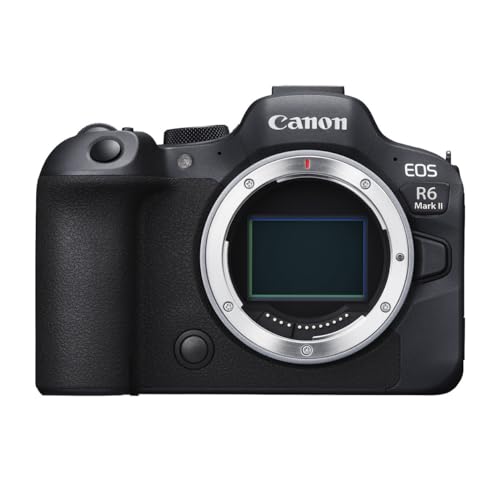
| Canon EOS R6 Mark II | Best second body for Canon leads | The natural partner to a Canon main body: shared colour, shared lenses, elite low-light manners. |
| Sony Alpha 7 IV | Best second body for Sony leads | The E-mount second: detection autofocus, matching colour and a lens library both bodies share. |
| Panasonic LUMIX S5II | Best value second body | L-mount’s affordable professional: stabilisation for the roaming second, video depth for hybrid teams. |
| Fujifilm X-T5 | Best second body for Fujifilm leads | The X-system second with flagship resolution and a colour signature the whole gallery shares. |
| Canon EOS R10 | Best budget second body for Canon teams | The attainable Canon second: crop reach for ceremonies, RF sharing, and a price that respects small studios. |
| Nikon Z50 II | Best budget second body for Nikon teams | Z-system’s compact second: Nikon colour, bird-capable detection and shared full-frame glass. |
How Did We Choose Second Bodies?
Gallery matching governed the ranking. We weighted colour behaviour, file character and editing compatibility with each system’s lead bodies above isolated performance, because a second body’s files live or die in someone else’s edit. A second that produces the day’s best single frame in a colour the lead cannot match has failed at its actual job while succeeding at photography.
Operational fit came next: shared lenses and accessories, controls a hired associate can learn in an hour, autofocus that needs no supervision, and the reliability manners — heat, battery honesty, slot configuration — that a twelve-hour wedding day audits without mercy. Second bodies are professional infrastructure, and they were scored as infrastructure.
Finally, we scored the upgrade honesty of each value pick. A budget second is a rational purchase only if its limits can be managed by assignment design; where a limit cannot be designed around — a sole-recording position with one card slot, for instance — the guide says so in the verdict rather than letting enthusiasm paper over it.
We also considered the second’s own economics. Bodies that hold value, share the region’s commonest mounts and double as a solo photographer’s main camera scored higher, because a second’s equipment must earn on the days they lead their own smaller commissions too. Versatility across the week’s roles is a working photographer’s real specification.
We discounted solo-review enthusiasm throughout, because second bodies are never reviewed in their actual habitat — beside another photographer’s files, at hour ten, in the rain. Every score here was assigned in that habitat, at least in imagination disciplined by working photographers’ accounts.
Which Second Bodies Earn Their Place on a Team?
Six bodies, four systems, two levels. Find your mount first; the level follows from your studio’s arithmetic.
Each verdict is written twice over, in effect: once for the lead buying reliability, and once for the second whose career will be carried on the body. A pick that serves only one of those readers has not finished its job, and none of the six below was allowed to rest until it served both.
Budget language in the verdicts is relative — professional versus value within each system — because second bodies are bought from studio accounts, and studios think in seasons rather than tickets.

Canon EOS R6 Mark II — Best second body for Canon leads
A second shooter’s first duty is invisibility in the delivered gallery: the couple, the client and the lead photographer should never be able to tell which body made which frame. The R6 Mark II fulfils that duty inside the Canon system almost perfectly — its colour science matches its bigger siblings closely enough that a wedding edited from two bodies reads as one photographer’s work, and its low-light cleanliness covers the reception, the evening party and the candlelit corners where second shooters earn their fee.
For the lead hiring a second, this body’s manners matter as much as its files: fast, confident autofocus that needs no supervision, burst behaviour for the bouquet and the confetti, and ergonomics a hired professional can operate by touch within an hour of picking it up. Second bodies get handed to assistants and associates; a body that a competent stranger can shoot well by the second hour is a business asset, not just a camera.
As the second that becomes a system, it also graduates: many lead photographers run it as their own second body with the longer lens mounted, while the main body carries the standard zoom — the classic two-body wedding rig in its modern form. Shared batteries’ philosophy, shared RF glass and one colour language across the whole day: that is what a second body is for, and this is the Canon system’s definitive answer.
Its pre-capture manners serve the second’s hardest timing briefs — the confetti throw, the bouquet, the surprise performance — where the decisive half-second belongs to whoever anticipated rather than reacted. Seconds are hired for anticipation; this body mechanises a share of it.
Battery honesty across a full wedding day deserves its sentence: with a spare in the pocket, the body simply never becomes the day’s problem, and seconds are judged, fairly or not, by whether they ever become the day’s problem.
Its silent shooting preserves ceremony acoustics — a courtesy couples and officiants notice, and notice is the currency seconds are rehired in.
For sports and school-event teams it plays the same role in different clothes: the far-end body, the medal-ceremony body, the one whose files must match the agency’s lead. The logic of the second is portable across every team genre.
Its gallery matching extends to video, letting Canon hybrid teams cut the second’s clips into the lead’s film without a colour session. Hybrid is where the industry’s centre of gravity sits, and this body sits with it.
- Sensor: full-frame, low-light led
- Colour: matches Canon professional bodies closely
- Autofocus: fast people and eye detection
- Lens system: RF mount, shared with lead bodies
- Role: second body and hired-associate camera
Strengths
- Gallery invisibility beside Canon leads
- Reception and evening light mastered
- A stranger can shoot it well quickly
Trade-offs
- Fewer pixels for aggressive cropping
- Professional RF glass is an investment
- Video heat care on long ceremonies
Best for: Canon wedding and event teams needing a second body that matches the lead’s files.
Not suited for: mixed-system teams standardised on another mount.

Sony Alpha 7 IV — Best second body for Sony leads
Sony teams choose their second body for the same reason Canon teams choose theirs — sameness — and the Alpha 7 IV delivers it with the system’s characteristic depth. Its files sit beside the flagship bodies’ in a gallery without colour arguments, its detection autofocus handles the second shooter’s classic assignments — the groom’s preparations, the guests’ candids, the wide establishing frames — without supervision, and its resolution gives the lead cropping room on the frames the second was sent to guarantee.
The E-mount library is the operational argument: both bodies drink from the deepest lens shelf in the business, so the second’s kit — typically the long zoom or the fast wide the lead is not carrying — is rentable, borrowable and replaceable in any city. For working teams, that logistics layer is not a footnote; it is the difference between a system and a collection of cameras.
Configure it before the wedding, not during: Sony’s menus reward the lead who sets the associate’s body up in advance, with custom modes for ceremony, reception and detail work saved and labelled. Prepared that way, the Alpha 7 IV is the second body that lets a lead photographer be in two rooms at once — which is, in the end, the entire product a second shooter sells.
Its eye autofocus in candlelight and disco light alike protects the reception gallery — the part of the day where seconds produce the frames couples actually frame. Reliability after dark is this body’s wedding credential, and it is impeccable.
The dual slots let a lead send it alone to the second location — the other preparation room, the second venue — with professional confidence. Independence is the highest assignment a second body can earn, and this one earns it structurally.
Its custom modes, prepared by the lead, turn an associate’s first hour into a fluent one: the body arrives already speaking the team’s language.
Its video steadies hybrid teams’ second angle: the ceremony’s wide, locked and recording while stills fly — a body that covers two deliverables is a body that gets hired.
For destination teams it rents identically in most wedding cities worldwide, which turns a travelling second body into a local hire when baggage argues. Logistics again — the invisible specification that decides professional tools.
- Sensor: full-frame with cropping headroom
- Autofocus: people, eye and animal detection
- Lens system: E-mount, deepest shared library
- Storage: dual slots for paid work
- Role: configured second for Sony teams
Strengths
- Files match flagship Sony galleries
- Detection focus needs no babysitting
- Lens logistics are effortless
Trade-offs
- Menus must be pre-set for associates
- Rolling shutter care in fast video
- Premium glass costs what it costs
Best for: Sony wedding, event and media teams running two-body coverage.
Not suited for: teams standardised on Canon, Nikon or L-mount systems.

Panasonic LUMIX S5II — Best value second body
Not every team’s second body can be a flagship’s sibling, and the S5II is the value professional’s answer: a full-frame body with phase-detect autofocus, class-leading stabilisation and serious video, priced so that a working second body stops being the purchase a small studio postpones. Its stabilisation suits the second shooter’s actual movement — roaming, handheld, catching candids across a room — better than tripod-minded rivals, because seconds live on their feet.
Hybrid teams value its second identity: when the lead shoots stills, the Panasonic can be the ceremony’s locked-off or roaming video body, and its colour grades into the gallery’s film without a fight. One purchase covering the stills backup and the video brief is the kind of arithmetic small studios survive on.
The honest limits are ecosystem scale — L-mount’s rental and borrowing depth trails Sony’s and Canon’s — and resolution that asks the lead to frame rather than crop. For an L-mount team, or a solo professional buying a first true second body, neither limit outweighs the central fact: this is professional redundancy at a price that finally respects a small business’s cash flow.
Its stabilisation rescues the roaming second’s hardest frames — the toast caught from across a dark room at a long focal length, handheld, once. Moments at weddings do not repeat for a steadier retry, and this body’s steadiness is a form of insurance the whole gallery benefits from.
For studios shooting hybrid packages, its video depth means the second body covers the film brief on smaller weddings without a third hire. Small-team economics are built from exactly such doublings.
Its value lets a studio insure the season properly — a backup that exists beats a flagship that is merely planned, every single Saturday.
Its colour in mixed tungsten and daylight receptions grades kindly against most leads’ films, which is why hybrid studios forgive its smaller ecosystem so readily.
Its fan-cooled calm in long ceremonies gives video seconds a body that never becomes the reason a vow was missed. In event work, never is the highest specification of all.
- Sensor: full-frame, stabilisation led
- Stabilisation: best for roaming handheld work
- Autofocus: phase-detect, dependable
- Lens system: L-mount alliance
- Video: production-grade for hybrid teams
Strengths
- Professional backup without flagship cost
- Roaming candid work is steadied superbly
- Doubles as the team’s video body
Trade-offs
- Rental depth behind bigger systems
- Modest cropping headroom
- Alliance telephoto shelf still growing
Best for: L-mount teams and solo professionals buying their first real second body.
Not suited for: Sony or Canon teams — mount matching comes first.

Fujifilm X-T5 — Best second body for Fujifilm leads
Fujifilm teams enjoy a second-body advantage the full-frame systems envy: the X-T5 brings the system’s highest resolution and its beloved colour in a body smaller and cheaper than the leads it supports, so the second’s files do not merely match the gallery — in detail terms they can lead it. For the documentary wedding and editorial teams who shoot Fujifilm for its look, that continuity of colour across both bodies is the entire argument, and it is decisive.
Its working role suits the second’s classic brief: preparations, details, candids and the quiet documentary frames that leads, anchored to the ceremony’s centre, cannot leave to get. The tilting screen and classic dials make it a body associates enjoy shooting — a morale consideration that shows in galleries more than specifications admit — and its size lets a second move through a wedding like a guest rather than a roadie.
The boundary is light: in the darkest receptions its APS-C files ask more of the editor than a full-frame second’s would, and Fujifilm teams plan around it with fast primes, which the system’s affordable lens shelf makes painless. Inside its own system, judged by its own duties, it is an exemplary second.
Its discretion in intimate moments — a parent’s tears, a whispered joke — is a social specification: the small, classic body reads as a guest’s camera, and unguarded moments continue in its presence. Seconds trade on that continuation.
The system’s affordable fast primes complete its low-light answer elegantly: the second’s kit of two small primes costs what one professional zoom costs elsewhere, and covers preparations-to-party with a consistency the gallery loves.
Its film simulations give Fujifilm teams a same-day social gallery in the lead’s exact house look — marketing produced by the second, in the second’s spare minutes.
Editorial teams value its discretion at the documentary end of weddings — the body guests describe, approvingly, as not looking like a photographer’s camera at all.
Its dials let an experienced second change exposure without lowering the camera from a fleeting expression — the half-second that is the second shooter’s entire professional territory.
- Sensor: high-resolution APS-C
- Colour: Fujifilm simulations shared system-wide
- Screen: three-way tilt for discreet angles
- Lens system: X-mount primes are affordable
- Role: documentary second for X teams
Strengths
- Resolution that can lead the gallery
- One colour language across both bodies
- Small, discreet, enjoyable to shoot
Trade-offs
- Darkest venues trail full-frame seconds
- No full-frame option in the mount
- Action tracking is not its brief
Best for: Fujifilm wedding and editorial teams wanting a matching, high-resolution second.
Not suited for: full-frame teams or the darkest-venue specialists.

Canon EOS R10 — Best budget second body for Canon teams
Small Canon studios face a specific arithmetic: the second body must share RF lenses and Canon colour, but the budget must also feed a business. The R10 is that arithmetic solved. Its crop sensor even contributes a speciality — mounted with the team’s standard zoom, it reaches further into ceremonies and speeches, giving the second a telephoto’s framing without a telephoto’s cost, which is precisely the angle a second exists to cover.
Colour matching is close enough for galleries with an editor’s light touch, autofocus is genuinely capable on people, and the body is light enough that an associate can carry it all day beside their own kit without fatigue degrading the late-evening frames. For the lead equipping a growing team — or a solo shooter buying a first backup that also earns — it converts the second-body problem from a capital event into a line item.
The professional caveat must be stated plainly: a single card slot means the backup discipline moves to workflow — cards rotated, files copied at breaks, the second treated as coverage rather than sole record on critical moments. Teams that run that discipline honestly can use this body with a clear conscience; teams that cannot should save for the dual-slot picks above.
Its lightness changes a second’s whole day: fresher eyes at the evening party, steadier hands at the last dance. Fatigue is a technical specification weddings audit brutally, and this body is kind to the person carrying it.
For training purposes it is the ideal associate body — a new second learns the team’s Canon way on a camera whose mistakes are affordable, while its files still serve real galleries. Teams grow photographers on bodies like this.
Its crop reach makes it the ceremony specialist in small Canon teams: the exchange of rings, framed tightly from the back, without a long lens purchase.
For a lead mentoring a junior, its guided simplicity shortens the apprenticeship: the junior’s files are usable sooner, which is the whole economics of training a second.
As a studio’s third body it covers the intern, the assistant and the emergency with equal grace. Depth of bench is a studio’s quiet luxury, and this body makes it affordable.
- Sensor: APS-C with useful crop reach
- Lens system: RF mount, fully shared
- Autofocus: face and eye detection
- Storage: single slot — workflow backup required
- Role: attainable second and ceremony reach body
Strengths
- Ceremony reach from crop and shared zooms
- Canon colour family resemblance
- Light for all-day associate use
Trade-offs
- Single card slot
- Low-light ceiling is APS-C class
- No in-body stabilisation
Best for: small Canon studios and solo shooters buying an earning backup affordably.
Not suited for: teams whose insurance or clients mandate dual-slot recording.

Nikon Z50 II — Best budget second body for Nikon teams
Nikon teams get the same value logic in their own mount: a compact body carrying Nikon’s colour and metering behaviour, able to mount every Z lens the lead owns, at a price a small studio can justify as equipment rather than ambition. The Z50 II’s subject detection is unusually complete for its class, which suits the second’s unpredictable brief — the ceremony one hour, the couple’s dog the next.
Its size is a working feature for seconds, whose craft is mobility: slipping through a reception, holding a wide angle from a balcony, covering preparations in a small room where a flagship body changes the atmosphere. Nikon ergonomics keep it pleasant across a long day, and its files edit into a Z gallery with the family resemblance Nikon shooters have relied on for generations of mixed-body teams.
As with the Canon value pick, the professional honesty applies: this is a coverage and backup body whose limits — APS-C sensitivity, a growing native lens shelf — are managed by assignment design, giving it the light and the angles it handles best. Managed that way, it lets a Nikon team offer two-body coverage seasons earlier than flagship arithmetic would allow, and earlier coverage is a competitive advantage, not a compromise.
Its bird-capable detection sounds eccentric in a wedding guide until the outdoor ceremony’s ring-bearing dog, the dove release or the couple’s portrait session at the reserve — the modern wedding’s menagerie is real, and this second is ready for it.
Nikon’s metering conservatism protects the white dress in mixed coverage: when the lead and second shoot the same bride in the same light, files that agree about highlights edit like one photographer’s work, which is the entire assignment.
Its simplicity suits the multi-team festival and corporate circuit, where seconds rotate and a body anyone can run is a logistics asset.
Its honest metering in church light — bright windows, dark aisles — protects the second’s ceremony frames, the assignment where exposure errors are least forgivable and least repeatable.
Its compactness suits the second who travels by train and foot between venues — the urban wedding’s reality, where the best body is the one that arrives fresh with its photographer.
- Sensor: APS-C with Nikon colour behaviour
- Autofocus: subject detection, broadly capable
- Lens system: Z mount, full-frame glass shared
- Body: compact for discreet coverage
- Role: value second for Z teams
Strengths
- Nikon colour matching for galleries
- Discreet size for candid duties
- Z lenses shared with the lead
Trade-offs
- Low-light headroom is APS-C class
- Native DX lenses still few
- Not a dual-slot flagship substitute
Best for: Nikon wedding and event teams adding affordable two-body coverage.
Not suited for: teams needing flagship sensitivity and slots at the second position.
How Do the Six Compare Side by Side?
Compressed to the team decision: what each second adds to a gallery, and what its lead must design around.
If your system is not represented at the level you wanted, read across: the pattern — professional match above, value coverage below — repeats in every mount, and the reasoning transfers even when a specific body does not.
| Camera | Type | Standout strength | Watch out for |
|---|---|---|---|
| Canon EOS R6 Mark II | Full-frame mirrorless | Colour matching and sensitivity | Resolution below flagship siblings |
| Sony Alpha 7 IV | Full-frame mirrorless | Matching and autofocus depth | Menus need pre-configuration for associates |
| Panasonic LUMIX S5II | Full-frame mirrorless | Value and stabilisation | Smaller rental ecosystem |
| Fujifilm X-T5 | APS-C mirrorless, high resolution | Resolution and system colour | Low-light gap versus full-frame seconds |
| Canon EOS R10 | APS-C mirrorless | Value and crop reach in RF | Single slot — plan backup discipline |
| Nikon Z50 II | APS-C mirrorless | Compact Z-system matching | DX lens depth still growing |
What Makes a Great Second Shooter, Beyond the Camera?
Coverage thinking. The lead owns the obvious frame; the second owns everything the obvious frame excludes — the parents during the vows, the wide room during the portrait, the details while the couple are elsewhere. Great seconds photograph the day in parallel rather than in duplicate, and they plan that parallelism with the lead before the event: who holds the ceremony’s wide, who takes preparations, who rests during the meal so the evening has a fresh pair of eyes.
Discretion is the second craft. A second shooter works closer to guests, families and unguarded moments than the lead usually can, and the currency of that access is unobtrusiveness — quiet bodies, calm movement, dress and manners that blend into the event rather than staffing it. Several picks in this guide earn their place partly through size and silence, which are social specifications as much as technical ones.
Communication closes the triangle: positions agreed, hand signals for the ceremony, a shared understanding of which moments must never have both cameras in the same place. The best second-body purchase in the world cannot repair two photographers standing in each other’s frames, and the worst cannot prevent two professionals who have planned the day like a single photographer with four eyes — which is the actual product clients are buying.
Delivery discipline is the unglamorous fourth: cards handed over or synced the same night, files named and culled to the agreed standard, no private publication of the lead’s clients’ images, ever. Seconds are hired again on delivery and discretion more than on any single frame, and a career in this role is built exactly there.
Insurance and contracts deserve a place in any second-shooter guide, because two-body teams multiply both value and liability. Both photographers should be insured for the work, named where the venue requires it, and clear about whose policy carries the equipment riding in whose bag. The romance of the wedding day survives paperwork remarkably well; businesses, occasionally, do not survive its absence.
A final craft note for seconds: learn to shoot the room nobody photographs — the venue staff, the grandparents’ hands, the children asleep under coats by ten o’clock. Leads are anchored to the couple; the second’s freedom is the day’s periphery, and the periphery is where albums acquire their humanity. The bodies in this guide are all capable of those frames; the seeing of them is the second’s own art.
And a word about gratitude, which belongs in a professional guide more often than it appears: thank the venue staff, the planner and the couple’s families by name, and credit the second in the delivery notes where clients will see it. Teams that practise visible gratitude get recommended in rooms they will never enter — the final, and most pleasant, form of coverage.
How Should a Lead and Second Divide a Wedding Day?
Split the day by rooms before splitting it by hours. Preparations divide naturally — lead with one partner, second with the other — and the ceremony divides by position: the lead holds the couple’s axis while the second owns the wide, the reactions and the processional’s reverse angle. Agree those positions in the venue, in advance, with sightlines walked; a ceremony is no place to negotiate geography.
Portraits belong to the lead, with the second freed for the drinks reception’s candids — the hour guests actually remember socially and the gallery most often lacks. Speeches divide by face: lead on the speaker, second on the couple and the room’s laughter. The evening returns to parallelism, with one body always rested enough — batteries, cards, photographer — to own the party’s last hour, when the day’s least guarded photographs happen.
Build the file workflow into the plan: whose cards, whose naming, who backs up at the meal break, and how the second’s files reach the lead before anyone sleeps. Two-body coverage doubles the archive and therefore doubles the ways to lose it; the teams in this guide’s audience treat backup as a scheduled event in the day, not a hope at the end of it.
Add the ten-minute rule to the day’s plan: lead and second confer, briefly, at every transition — before the ceremony, before the speeches, before the evening — confirming positions, card status and the next hour’s one unmissable moment. Ten minutes, four times a day, is the cheapest coverage insurance in the entire event industry.
Rehearse the handover moments too: who shoots the couple’s exit, who is already outside with the wide, who rides to the reception first to own the empty room before guests fill it. The empty-room frame is a small tradition with an outsized place in albums, and it exists only when a second is sent ahead — a sentence that summarises the entire role: be where the day is about to be.
End the day as professionally as it began: both photographers at the backup, together, before food or rest. The ten minutes when two tired people verify two copies of everything are the least glamorous and most valuable of the entire wedding, and teams that ritualise them never have the other kind of story to tell.
Photograph the schedule itself into the plan: build the timeline where both photographers can see it, with the immovable moments starred and the travel between venues timed pessimistically. Weddings run late in predictable places, and a team whose plan already contains the lateness never has to choose between the preparations and the ceremony’s wide.
Why Is Colour Matching Worth More Than Specification in a Second Body?
Because the gallery is the product, and the gallery is edited as one body of work. A lead photographer builds a look — skin rendered a certain way, evenings warmed to a house style — and clients buy that look from the portfolio. A second body whose files arrive with a different colour accent forces the editor into per-body correction across hundreds of frames, and the correction is never perfect: skin in the second’s frames sits a fraction differently, and the couple’s album quietly contains two weddings’ worth of colour.
Matching bodies collapse that cost to nearly nothing. Same-family files accept the same presets, the same white-balance decisions, the same skin corrections, so the lead’s editing day shrinks and the gallery’s coherence — the thing that makes an album feel authored — survives. Across a season of weddings, the hours saved are a salary; across a career, they are the difference between a sustainable studio and an editing queue that eats its owner.
This is why experienced leads are mount loyalists with an almost religious calm about it. It is not brand affection; it is workflow economics wearing the mask of taste. The second body’s specification sheet matters, but it matters after the colour question, and any guide that ranks it before is selling cameras rather than advising teams.
There is a training corollary: seconds should learn the lead’s editing language as diligently as their shooting. Delivering files that already sit close to the house look — exposure discipline, consistent white balance, honest culling — is the fastest reputation a second can build, because it converts the lead’s Monday from correction into creation. Bodies that match make that discipline possible; photographers who practise it make it valuable.
How Does a Second Shooter Build a Career From This Role?
By being rehired, which is a different art from being hired. First bookings come from portfolios; second bookings come from a lead’s memory of an easy day — the second who arrived early, dressed invisibly, delivered culled and named files before the agreed hour, and never once made the client theirs. Leads keep a short list, guard it, and pay it reliably, because a trusted second is production insurance they cannot buy at short notice.
The portfolio a second shows should therefore advertise coverage, not highlights: preparations handled alone, details with taste, reactions with timing, and a full gallery that sits beside a lead’s without friction. Owning a matching body — the subject of this guide — is part of that advertisement, because it tells the lead the logistics are already solved. Seconds who arrive mount-matched to a region’s dominant systems get the calls; the camera is a credential before it is a tool.
And the role is not a waiting room for leading. Career seconds — specialists in coverage, discretion and the parallel day — are among the most consistently employed photographers in the wedding industry, with diaries full and overheads low. The photographers who thrive in it treat it as a craft with its own mastery, and the galleries they complete, week after week, are the evidence.
Geography matters to the career second more than to almost any other photographer: being mount-matched and available within a region’s wedding circuit, knowing its venues’ light and its registrars’ rules, compounds into a local monopoly of trust. The camera choice is the entry ticket to that geography — one more reason it should be made by system and region, not by specification alone.
What Should the Agreement Between Lead and Second Cover?
The unglamorous essentials, in writing, before the season: dates and hours, the fee and its payment timing, file format and delivery deadline, culling and naming standards, who owns and who may publish the images, what happens if either photographer is ill, and whose insurance carries the day. None of it implies distrust; all of it prevents the misunderstandings that end working relationships which photography alone would have sustained for years.
Equipment expectations belong in the same document — which bodies and lenses the second brings, the backup standard the team runs, and the card workflow on the day. A lead who has specified the system fit in advance never discovers a mount mismatch at a ceremony, and a second who knows the delivery standard never loses a rebooking to an unculled card. This guide’s entire subject, reduced to one sentence, is that professionalism is mostly preparation made visible.
Review the agreement annually, as bodies and rates change. Teams that treat their paperwork as a living part of the craft find that the photography gets easier every year — because everything that is not photography has been decided in advance, calmly, by people who were not yet tired, hungry or standing in the rain.
The agreement should also name the pleasant things: how the second is credited, fed and thanked, and how the team celebrates a season survived. Retention in this industry runs on regard as much as on rates, and the leads who keep the best seconds are, with suspicious consistency, the ones who treat the role as the skilled profession this guide has argued it is.
How Do Two Bodies Change What One Photographer Can Promise?
They convert luck into coverage. A single photographer promises to be in the right place; a two-body team — or a solo shooter wearing two bodies — promises that both places are covered, that the reaction exists because the action does, and that a card failure, a dropped body or a dead battery degrades the gallery gracefully instead of ending it. Clients cannot always articulate that difference, but they can see it in albums, and they pay for it in bookings.
The promise extends to the day’s margins: preparations in two rooms, the ceremony’s front and back, the party’s centre and edges. Whole categories of photograph — the father’s face during the vows, the venue’s wide at dusk — exist only because a second body was there. When couples say a gallery feels complete, they are usually describing two-body coverage without knowing its name.
That is the standard this guide’s picks were chosen against: not whether a body is impressive, but whether a day covered by it feels complete. Completeness is the product. The cameras are merely how it is manufactured, twice at once.
There is a final, quieter promise two bodies make: to the photographers themselves. A day covered in parallel is a day neither carries alone — the pressure shared, the meal breaks possible, the illness survivable. Teams last longer than soloists in this industry for reasons that are partly photographic and partly human, and the second body is where that humanity is purchased.
What Mistakes Do Teams Make With Second Bodies?
Duplication is the classic: two photographers producing the same frame from adjacent positions, doubling cost without adding coverage. Second is mount mixing for specification reasons — the brilliant second whose lenses, batteries and colour match nothing else the team owns, converting every event into a logistics exercise. Third is under-briefing: the second hired for their portfolio and abandoned to guess the lead’s style, schedule and delivery standard, with the gallery paying for every guess.
A fourth mistake is treating the value second as a flagship in disguise — assigning it the sole record of an unrepeatable moment beyond its design. The value picks in this guide are excellent inside their assignments and exposed outside them, and professional honesty consists of knowing which assignment is which before the day, not discovering it during the vows.
Fifth: the second who shoots for their own portfolio at the lead’s client expense — lingering on the artistic angle while the agreed coverage waits. Leads forgive slow learning; they do not forgive a gallery with holes where the brief was. Shoot the brief first, completely, and let the portfolio be built from its surplus, with the lead’s blessing asked and given.
Sixth: social media before delivery. The second who posts a frame before the lead has delivered the gallery has spent the client’s day on their own marketing, and the industry — which is smaller than it looks — remembers it longer than the frame was worth. Discretion is not a courtesy in this role; it is the product’s second half.
And the foundational mistake, from which the others grow: hiring or buying the second as an afterthought, in the season’s rush, without the matching, briefing and workflow this guide describes. The second body and the second photographer are half the gallery. Half a gallery deserves better than an afterthought.
Final Recommendation
Canon teams should take the R6 Mark II, or the R10 where arithmetic rules; Sony teams, the Alpha 7 IV; L-mount teams, the S5II; Fujifilm teams, the X-T5; and Nikon teams, the Z50 II as the value door into two-body work. Match the mount, match the colour, brief the coverage, back up at the meal — and the second body stops being equipment and becomes what it was always meant to be: the lead photographer, miraculously, in two places at once.
Brief well, match everything, and deliver before you are asked. Do those three things on any body in this guide and the calls will keep coming — which is the only ranking a working second has ever really cared about.
Choose the body that makes your team invisible and your gallery complete, and the rest — the bookings, the referrals, the reputation — follows the completeness around like a train.
That is the job. Do it invisibly, and do it completely.
Frequently Asked Questions
Must a second body be the same brand as the lead’s?
For professional gallery work, effectively yes. Shared lenses and batteries are the practical half; shared colour science is the aesthetic half, and it is the half clients see. Mixed-system teams exist and cope — usually by converting one body’s files carefully in the edit — but coping is a cost, and at the prices in this guide, matching is cheaper than coping across a season.
Is a crop-sensor body acceptable as a professional second?
Yes, with assignment design. The value picks here cover preparations, details, candids and ceremony reach beautifully, and their crop can be an asset for telephoto angles. The positions to reserve for dual-slot full-frame bodies are the sole-record, darkest-light assignments. Professionalism is the honest matching of tool to task, not the uniform expense of every tool.
What lens should the second body carry?
The complement of the lead’s. When the lead holds the standard zoom, the second carries the long lens for reactions and compression, or the fast wide for rooms and atmosphere — and the pair agree it before the day. The classic failure is both bodies wearing the same zoom, photographing the same day from the same distance; the classic success is a gallery that feels omniscient because its two viewpoints never duplicated.
How should a second shooter price their work?
By the day and the responsibility, not by the frame — and transparently, with delivery terms agreed in writing: file format, culling standard, handover time and publication rights. Seconds building careers should also price the invisible assets leads actually rehire for: discretion, punctuality, backup discipline and a gallery that edits cleanly beside the lead’s own.
Can one photographer use this guide to buy a personal second body?
Absolutely — the solo two-body rig is the same logic worn by one person: main body with the standard lens, second with the long or the wide, no lens changes in the rain, the dust or the moment. The value picks here are particularly kind to that buyer, and the matching rules apply unchanged: same mount, same colour, both bodies ready before the day begins.
What should a second shooter bring besides the camera?
The unglamorous kit that keeps a day unbroken: spare batteries and cards in the team’s formats, a lens cloth, water, food that can be eaten standing, and clothing that blends with guests rather than staff. Leads remember the second who never became a logistics problem. The body gets you considered; the kit bag gets you rehired.
How do I find second-shooter work once I own the right body?
Start with the leads whose galleries you can genuinely match, and approach them with coverage evidence rather than compliments: a preparations set, a details set, a reactions set, and a clear statement of your system, backup standard and delivery terms. Offer one well-prepared trial day at a fair rate. The industry hires seconds through trust networks, and every element of that approach is designed to be trustable.
Related Guides
Keep exploring with best cameras body under 2000 best cameras and lens for interior design photography best cameras and lenses for wildlife photography.


