ilcastellomenu.com is reader-supported. When you buy through links on our site, we may earn an affiliate commission.
Where to Buy
A shed is the hardest-working camera location in domestic life and the least considered. If you are choosing the best cameras for a shed, consider what you are actually protecting and enduring: a building full of concentrated, portable value — tools, bikes, mowers, the good ladder — sitting unheated at the bottom of the garden, beyond the house’s warmth, often beyond easy power, and at the ragged edge of the home Wi-Fi. The camera that thrives in a hallway may be useless out there. This guide is about the ones that are not.
Start with the shed’s three physical facts. First, power: many sheds have none, which makes battery and solar-friendly cameras the default rather than the compromise. Second, connectivity: the signal that is strong in the kitchen may be a rumour at the garden’s end, so camera choice and network reality must be planned together — a camera that records locally and alerts when it can may serve better than one that streams beautifully in theory. Third, weather and darkness: sheds are watched mostly at night, in rain, by cameras whose night vision and weather sealing are not brochure features but the entire job.
Then the purpose, stated honestly: a shed camera deters the opportunist, records the determined, and tells you the truth in the morning. It will not stop a prepared thief, and this guide will not pretend otherwise — its real gifts are the alert that lets you act, the footage that helps police and insurers, and the everyday intelligence of knowing the fox got in, the door blew open, or the roof has started leaking onto the mower. Choose for those gifts and you will choose well.
The six picks below divide by the shed’s realities: battery cameras that live for months untethered, a solar-leaning pan-and-tilt that watches a whole plot, a wired indoor-grade camera for the powered workshop-shed, and budget sentries for the second angle. Read your shed’s power and signal honestly before reading the badges — the best camera for a shed is the one whose assumptions match your garden.
One more consideration before the picks: the shed’s contents change the camera’s job. A shed of plant pots needs a door-watcher; a shed holding a mechanic’s livelihood needs the full alert-and-evidence chain, positioned like a professional installation. Read the picks against your building’s actual inventory and honesty about its value — the camera budget that makes sense is a small fraction of what it watches, and for tool-heavy sheds that fraction buys more camera than gardeners ever need to consider.
Key Takeaways
- Power decides first: most sheds have none, so battery life and solar options lead the shortlist.
- Wi-Fi at the garden’s end is the hidden variable — test signal at the shed before choosing.
- Night vision and weather sealing are the job, not features: sheds are watched in the dark and rain.
- A camera deters and records; pair it with a lock and light for actual security.
- Local recording options protect you when the connection drops — value them for outbuildings.
In this guide
Quick Picks
| Camera | Badge | Why it earns its place |
|---|---|---|
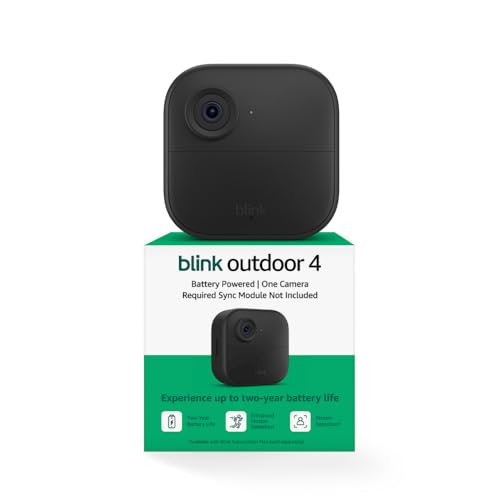
| Blink Outdoor 4 | Best battery camera for most sheds | Very long battery life, weather resistance and simple alerts — the no-power shed’s default answer. |
| REOLINK Argus PT Ultra | Best pan-and-tilt for a wide plot or allotment | Battery and solar-friendly, pans and tilts to cover the whole garden from one mounting point. |
| Wyze Cam v4 | Best budget wired camera for a powered shed | If the shed has power, this is the keenly priced way to get colour night vision and local recording. |
| TP-Link Tapo C210 | Best pan-and-tilt for inside a workshop shed | Rotates to cover a whole interior from one corner — benches, door and stored bikes in one view. |
| Blink Mini 2 | Best budget second angle for inside the shed | The inexpensive wired plug-in that covers the interior while a battery camera watches the door. |
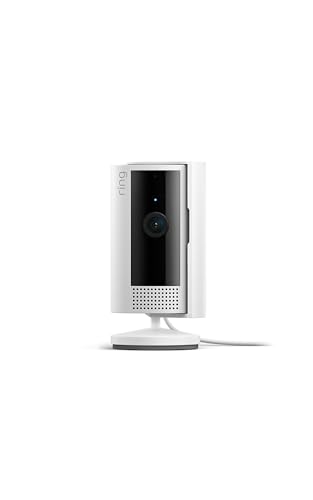
| Ring Indoor Cam (2nd Gen) | Best interior pick for Ring households | If your doorbell and house already speak Ring, this keeps the shed in the same conversation. |
How Did We Choose Cameras for Shed Duty?
We scored for outbuilding survival: weather sealing that shrugs off driven rain, operating tolerance for unheated winter nights and summer heat under a metal roof, and mounts that stay put on timber and cladding. A shed camera lives outdoors in everything but name even when it is screwed under the eaves, and indoor-rated gear was only admitted for genuinely interior, powered-shed roles — where it is labelled as such.
Power realism was the second filter. Battery cameras were judged on how their endurance claims translate to a shed’s actual trigger pattern — wildlife, weather and the occasional human — and on how gracefully they can be recharged or solar-topped in a building you visit weekly, not daily. Wired picks had to justify their cable with a capability battery models cannot match, such as continuous recording or pan-and-tilt coverage of a whole interior.
Third, the alert-and-evidence chain: motion detection that distinguishes a person from a swaying branch (or lets you tune it until it does), notifications that arrive while they are still useful, and footage stored somewhere a thief cannot simply unscrew and pocket. A shed camera whose evidence leaves with the intruder is a decoration, and none of these is merely that.
We also considered the household’s least technical member, because shed cameras are reviewed at 2 a.m. by whoever’s phone buzzed. Apps that present an alert, a clip and a live view without an expedition through menus scored ahead of cleverer systems with buried evidence. Security that requires expertise at the moment of alarm is security designed for a different household than the one that owns most sheds.
Which Are the Best Cameras for a Shed, Job by Job?
Ordered by the shed’s commonest situations: no power at all, a wide plot to cover, a powered workshop interior, and the budget second angle. Match your building to its pick.

Blink Outdoor 4 — Best battery camera for most sheds
For the ordinary shed — no power, a door, a path, a collection of tools and bikes — the Blink Outdoor 4 is the answer most gardens end up at, for one dominating reason: it asks almost nothing. Its battery life is measured in the kind of long spans that let you mount it in spring and think about it again at the season’s turn, its weather resistance treats the eaves of a shed as home, and its alerts tell you when something person-shaped has visited your plot at an hour when nobody should.
That low demand is a system, not an accident: the camera sips power by recording motion-triggered clips rather than streaming its life away, the app keeps setup and review simple enough for the non-technical household member to run, and the units are small and cheap enough — as a category — that covering the shed door and the garden gate with two is a rational plan rather than an extravagance. Shed security is a geometry problem, and affordable angles solve it.
Know the model’s terms: it works within its maker’s ecosystem and hub arrangement, continuous live viewing is not its purpose, and its night footage is honest security footage rather than cinema. Subscriptions enter the conversation for cloud clip storage in many regions, with local storage routes depending on the hub — read the current terms for your household before committing. Judged as a fit-and-forget sentry for an unpowered shed, it remains the benchmark the others must argue against.
Allotment holders give the Outdoor 4 a particular testimonial worth repeating: on sites with no power, no Wi-Fi worth the name and a long walk between visits, its combination of battery stamina and phone alerts when in range has changed what it means to keep tools on a plot. The camera cannot watch a signal that does not exist — but paired with local diligence and a good lock, it has made many a plot-holder’s winter measurably calmer.
Holiday-let landlords with a shed or store at the property give the Outdoor 4 a working testimonial: it watches the building between guests, reports the storm damage and the unexpected visitor, and asks for a battery visit so rarely that the changeover clean can include it. Remote property is a camera problem of distance and neglect, and this is the pick that tolerates both with the least complaint.
- Format: battery outdoor camera, weather resistant
- Power: long-life batteries, motion-triggered recording
- Role: shed door and garden approach sentry
- Storage: cloud plans or hub-based local options by setup
Strengths
- Battery life measured in seasons, not weeks
- Simple enough for the whole household
- Affordable enough to cover two angles
Trade-offs
- Ecosystem and hub dependent
- Not built for continuous recording
- Cloud features may need a plan
Best for: unpowered sheds and allotments needing a fit-and-forget sentry with phone alerts.
Not suited for: workshop sheds wanting continuous recording or pan-and-tilt coverage.

REOLINK Argus PT Ultra — Best pan-and-tilt for a wide plot or allotment
Some sheds guard more than themselves: the allotment plot, the smallholding corner, the long garden where the shed is one asset among several. The Argus PT Ultra answers with movement — a battery camera that pans and tilts to survey a wide area from a single mounting, tracks motion across it, and pairs naturally with a solar panel to keep itself fed through the bright months. One well-placed unit can watch the shed, the gate and the greenhouse in a way fixed cameras need three bodies to match.
Its image quality sits at the strong end of the battery class, with colour night options that use available light intelligently, and its local recording to memory card matters enormously at a garden’s edge: footage survives the Wi-Fi’s bad days because it never depended on the Wi-Fi to exist. For allotment holders — whose sheds sit on sites with no power and patchy everything — that independence is not a feature, it is the entire proposition.
Moving parts ask respect: mount it sheltered where you can, expect to clean the lens dome as seasons pass, and plan the solar panel’s aspect as carefully as a gardener plans a bed — a shaded panel in winter is a battery camera again. Its app and ecosystem are their own world to learn. For the wide-plot problem, though, nothing else in this guide solves so much geography with one screw-mount.
Gardeners with wildlife ambitions adopt the Argus PT for a second job: its pan range and night colour make it a plot-watching naturalist, following the hedgehog’s rounds and recording the fox’s opinion of the fence. Security cameras that double as wildlife cameras get checked, maintained and loved — and a maintained camera is a working camera on the night that matters. Dual purpose, in outbuildings, is a reliability feature disguised as a pleasure.
Stables and yard sheds are the Argus PT’s second profession: one unit surveying the yard, the tack room door and the field gate, with night colour for the foaling watch and local recording for the days the farm Wi-Fi sulks. Rural users judge cameras by behaviour in exactly those conditions, and this one’s reputation there is the strongest evidence in its file.
- Format: battery pan-and-tilt outdoor camera
- Power: rechargeable battery, solar panel pairing
- Recording: local card storage plus app access
- Coverage: motorised pan/tilt with motion tracking
Strengths
- One camera surveys a whole plot
- Local recording survives Wi-Fi failures
- Solar pairing suits off-grid sites
Trade-offs
- Moving parts want sheltered mounting
- Solar depends on aspect and season
- Its app is a separate ecosystem to learn
Best for: allotments, smallholdings and long gardens needing wide coverage from one point.
Not suited for: a single small shed where a fixed camera is simpler and cheaper to run.

Wyze Cam v4 — Best budget wired camera for a powered shed
The powered shed changes the arithmetic completely, and the Wyze Cam v4 is the budget’s answer to it: a compact wired camera whose colour night vision — using ambient light far more cleverly than the infrared-only generation — turns the shed’s interior or its doorway into a readable scene after dark, at a price position that makes a second unit for the workshop bench a shrug rather than a decision. Its local card recording keeps evidence on site without obligatory subscriptions, which budget buyers rightly treat as a headline feature.
As an interior workshop camera it is genuinely useful beyond security: check whether you left the heater on, whether the freezer in the shed is still humming, whether the door you remember closing is closed. That everyday utility is why powered-shed owners end up valuing these cameras daily rather than only on the bad night. Its app ecosystem is full-featured, its setup is quick, and its size lets it perch on a shelf or mount under a beam without carpentry.
Its terms are the wired budget terms: it needs mains power and a decent Wi-Fi reach to the shed, its maker’s cloud plans hover nearby for extra features, and its build is indoor-leaning — under deep eaves or inside the shed it thrives, on an exposed wall you should choose a fully outdoor-rated pick instead. Within those terms, it is the value pick of this guide by a distance.
Freezer and greenhouse sheds are the Wyze’s quiet niche: a camera watching the appliances — the chest freezer’s hum made visible, the propagator’s seedlings on a time-lapse rhythm — catches the failures that cost gardeners a season. Its colour night view reads a dial, a warning light, a frost creeping across a pane. Not every shed camera is about intruders; some are about the building’s own small emergencies, and this is their inexpensive witness.
Renters with a shed or store-cupboard should note the Wyze’s tenancy-friendly manners: no drilling worth mentioning, a camera that leaves with you, and interior watch that satisfies a contents policy’s evidence needs. Not every shed is a forever home’s; the budget wired pick serves the temporary household without asking it to build infrastructure it cannot keep.
- Format: compact wired camera, indoor/sheltered use
- Night: colour night vision with ambient light
- Recording: local card storage, optional cloud plans
- Power: mains — for powered sheds and workshops
Strengths
- Colour night footage at a budget position
- Local recording without forced subscription
- Everyday shed-checking utility beyond security
Trade-offs
- Needs power and solid Wi-Fi at the shed
- Not fully outdoor rated for exposed walls
- Advanced features may sit behind a plan
Best for: powered sheds and workshops wanting interior watch and colour night vision cheaply.
Not suited for: unpowered sheds, or exposed outdoor mounting in hard weather.

TP-Link Tapo C210 — Best pan-and-tilt for inside a workshop shed
A workshop shed is a room, and rooms are watched best by a camera that can look around them. The Tapo C210 pans and tilts to cover a whole interior from a single high corner — door, bench, bike rack and the window you always meant to fix — with motion tracking that follows a person (or a cat) across the space and local card recording that keeps the evidence in the building. For the powered shed whose owner wants one camera and complete interior awareness, it is the natural instrument.
Its everyday manners suit the role: setup through its app is among the least painful in the category, two-way audio lets you address the delivery driver at the shed door or the teenager raiding the paint shelf, and privacy modes let the camera sleep properly when the shed becomes your workshop rather than a watched space. Night vision covers the unlit interior honestly, and the pan range means the mounting decision — the corner everything radiates from — is the only real installation thought required.
It is an indoor camera and should be kept one: the shed’s interior is its climate, and exposed outdoor mounting belongs to the outdoor-rated picks. It also needs the powered, connected shed the Wyze assumes. Within that brief — one wired camera that sees a whole workshop — it is the most complete answer here, and its price position keeps the second-angle budget intact for the door outside.
Makers and restorers value the Tapo for a workshop-specific reason: it is a project camera as much as a guard. The restoration’s progress filmed from the corner, the technique reviewed, the ‘how I did it’ archive built by a camera that pans to follow the work — the same motion tracking that follows an intruder follows a restorer around a bench, with better intentions and longer footage. Workshops generate content as well as sawdust, and this camera harvests both.
Bike-store sheds — the commuter’s garage-in-miniature — use the Tapo as a daily ritual object: the morning glance confirming the bikes, the door, the roof’s integrity after the storm. Its pan lets one camera perform that whole inspection. When a security camera becomes a household instrument used daily, its maintenance never lapses — which is, again, a security property disguised as convenience.
- Format: indoor pan-and-tilt camera, wired
- Coverage: motorised pan/tilt with motion tracking
- Recording: local card storage, app control
- Audio: two-way talk and privacy mode
Strengths
- Whole-interior coverage from one corner
- Local recording, no forced plan
- Two-way audio for shed-door conversations
Trade-offs
- Indoor use only — keep it inside the shed
- Needs mains power and Wi-Fi
- Pan motors are not silent in a quiet room
Best for: workshop and storage sheds with power, wanting one camera that sees the whole interior.
Not suited for: outdoor mounting, or unpowered outbuildings.

Blink Mini 2 — Best budget second angle for inside the shed
Security geometry says the camera outside tells you someone came, and the camera inside tells you what they did — and the Mini 2 is how budget sheds afford the inside half of that sentence. It is a small wired plug-in camera with night vision and app alerts, priced as an accessory rather than a system, and in shed service it perches above the door or on the tool wall, watching the interior that the outdoor camera cannot see. Paired with the Outdoor 4 at the door, it completes the classic two-angle shed setup within one app family.
Its indoor nature is its boundary and should be respected: this is a camera for the shed’s interior or the deep shelter of a porch roof, not for a weather-beaten wall. Inside, its simplicity shines — plug, connect, position — and its small size keeps it unobtrusive among the shelves. For the powered shed it can even serve as the only camera, watching the door from within, though the guide’s preference for an outdoor angle at the approach stands for most buildings.
Feature depth is modest — this is the range’s simple end — and the ecosystem and plan considerations of its family apply as with the Outdoor model. As a second angle bought with the change from the main purchase, though, it is exactly the kind of unglamorous, geometry-completing pick that separates a camera installation from a camera system.
The Mini 2 also serves the potting shed and the greenhouse lean-to, where its job is half security and half husbandry: the frost night checked from bed, the seedlings’ progress, the door left open to the storm discovered in time. Small wired cameras in garden buildings become instruments of care as much as of warning, and at this one’s price the care is nearly free once the cable exists.
The Mini 2’s second career is the nursery of the shed world: the potting bench camera that time-lapses a season of seedlings for the gardener’s own pleasure. Security equipment that also delights gets powered, positioned and kept — the virtuous circle this guide keeps identifying, in which the best-kept camera is the one the household loves for reasons beyond its job description.
- Format: compact wired indoor camera
- Role: interior second angle or porch-sheltered watch
- Night: infrared night vision fitted
- Ecosystem: pairs with Blink outdoor cameras in one app
Strengths
- Completes the two-angle setup cheaply
- Dead simple to install and run
- Same app family as the outdoor pick
Trade-offs
- Indoor/sheltered use only
- Modest feature depth by design
- Family plan considerations apply
Best for: powered sheds wanting an affordable interior angle alongside an outdoor camera.
Not suited for: any exposed outdoor mounting, whatever the bargain.
Ring Indoor Cam (2nd Gen) — Best interior pick for Ring households
Ecosystem gravity is a real force in home security, and this pick exists for the household already inside Ring’s orbit: the doorbell, perhaps a house camera, one app the family actually opens. The Indoor Cam extends that same app to the powered shed’s interior — same alerts, same review habits, same subscription logic — and in security, the system the household actually uses beats the theoretically better one they ignore. Familiarity is a security feature, and this camera is its shed expression.
As a device it is a tidy interior camera: a physical privacy cover that closes with a click you can trust, clean night footage of a shed’s interior, two-way talk for the door, and setup that takes minutes inside an app the household already knows. Mounted inside the shed watching the door and the high-value wall, it does the interior job with the polish its ecosystem is known for, and its footage lives alongside the doorbell’s in one timeline of the property’s day.
Its terms are its family’s: the value of its recorded history is tied to the maker’s subscription in most arrangements, it is an indoor camera for interior duty only, and households not already in the ecosystem should start with the Tapo or Wyze instead. Within the Ring household, though, it is the shed answer that requires no new habits — and habits, again, are what security systems actually run on.
For households whose shed doubles as a delivery shelter — the parcel box, the dry porch, the workshop where drivers are asked to leave packages — the Ring’s integration with the doorbell’s timeline makes the property’s day legible in one scroll: who came, what they left, when the shed received it. That legibility is the ecosystem’s real product, and sheds inside it stop being the blind spot at the garden’s end.
Elderly relatives’ sheds are a Ring household’s tender use case: the camera that lets a family confirm the workshop is quiet, the freezer shed is powered, the garden building is as it should be — reassurance flowing down the same app as the doorbell. Security technology earns its keep in peace of mind more often than in incidents, and integrated peace is this pick’s real product.
- Format: compact wired indoor camera
- Privacy: physical lens cover fitted
- Ecosystem: Ring app and plans
- Role: interior watch for Ring households
Strengths
- One app for doorbell, house and shed
- Physical privacy cover builds trust
- Polished alerts and review experience
Trade-offs
- Recording value tied to subscription
- Indoor duty only
- Little reason to buy outside the ecosystem
Best for: Ring households with a powered shed wanting the interior in the same app.
Not suited for: subscription-averse buyers, or non-Ring households starting fresh.
How Do You Get Wi-Fi and Power to a Shed, Honestly?
Test before you buy: stand at the shed with your phone, run a speed check, and — more honestly — try streaming video for a minute at the exact spot the camera will mount. Walls, foliage and distance tax signal in ways a hallway test never reveals. If the signal is marginal, the fixes in order of sanity are: a camera with local recording that tolerates dropouts, a better router position or an outdoor-rated access point, a mesh node in the house’s garden-facing room, and only then exotic antenna projects. Many shed owners discover a mesh node in the conservatory solves what three cameras could not.
Power has its own honest ladder. Battery first, because most sheds stop there and modern battery cameras are genuinely good. Solar second, as a top-up that stretches battery intervals across the bright months — sized and angled like you mean it. Mains third, and worth an electrician’s proper installation rather than an extension lead’s biography of regret: a legitimately powered shed unlocks the wired picks, continuous recording, a light and a freezer, and transforms the building’s usefulness far beyond its camera.
Mounting is the third craft: high enough to deter casual tampering and to see faces rather than caps, angled to cover the door and the approach rather than the whole sky, and sheltered where the building allows — under eaves, lens hooded from the worst rain. Test the view in daylight and at night before final tightening, because night framing is where shed cameras earn or lose their keep, and the ladder is already out.
Finally, light is the camera’s oldest accomplice: a motion-activated light at the shed does more deterrent work than any resolution figure, improves every camera’s night footage, and serves the owner on winter evenings into the bargain. Camera plus light plus a lock that looks serious is the shed security triad; the camera alone, however good, is only its witness.
Insurance deserves its own paragraph in the shed guide: if the building holds serious value, tell your insurer a camera is fitted, keep the footage retention long enough to cover a holiday’s absence, and photograph the shed’s contents once a year for the record. The camera’s footage plus that inventory is the difference between a claim that argues and a claim that settles. Several readers will find the camera pays for itself in premium and peace long before any incident tests it.
Placement law deserves a final repetition in practical form: one camera on the approach at face height as a person reaches the door, and — if a second exists — one inside above the door looking inward at the room and its contents. That geometry, learned from every professional installation, is achievable with any two picks in this guide and matters more than which two. Spend your money on the second angle before upgrading the first; coverage beats quality in evidence, every time.
Data and evidence handling close the guide with a practical habit: once a season, download and keep one ordinary week’s footage as your baseline — proof of the system working, a reference for what normal looks like at your shed, and a test that the storage chain actually functions. Incidents are the worst possible moment to discover a silent failure in recording or retention, and the seasonal baseline is the cheapest audit a household can run on its own security.
A word on false alarms and the household’s patience, because more shed systems die of muting than of failure: tune zones and sensitivity in the first fortnight as if the system’s life depends on it, because it does. One week of nightly false alerts teaches a household to ignore the app, and an ignored system is worse than none — it provides confidence without coverage. The picks here all allow that tuning; the fortnight’s patience is the owner’s contribution to the partnership.
How Do You Set Up a Shed Camera in One Visit?
Walk the approach like a visitor and like a thief: where would you enter, what would you take, which path would you leave by? Mount the camera to watch that story — the door and the likeliest approach in frame, the high-value wall covered by the interior angle if you have one. Ten minutes of this thinking outperforms any default position, because shed layouts differ and intentions do not: everyone, welcome or not, uses the door and the path.
Configure detection before you admire the picture: set activity zones to exclude the swaying hedge and the public footpath, tune sensitivity until a person triggers and a blackbird does not, and schedule any quiet hours your household genuinely wants. Then test it properly — walk the approach at day and at night, at a stroll and at a hurry, and review what the camera caught and what the app told you. An untested detection setup is a hope, not a system.
Sort storage and alerts as a household, not a device: whose phone gets the 2 a.m. alert, where does footage live, how long is it kept, and what happens when the card fills or the trial plan ends. Shed incidents are rare and badly timed; the families who benefit from their cameras are the ones who agreed the answers on a calm afternoon rather than negotiating them over a broken lock.
Finish with the maintenance rhythm written down: battery checks with the seasons, a lens wipe when you pass with a cloth, a firmware update on a rainy Sunday, a test walk twice a year. Shed cameras fail silently more often than dramatically — the flat battery discovered after the incident is the genre’s classic sorrow — and a rhythm of small attentions is the entire difference between a camera system and a camera memory.
Add the neighbours to the setup, socially rather than technically: a word that a camera now watches the shed saves the false alarms of their cat, their teenager retrieving a ball, and their own curiosity becoming your 2 a.m. alert. Good fences make good neighbours, and announced cameras make calm ones. It also multiplies your security — a neighbour who knows the camera exists becomes its witness rather than its subject.
Seasonal re-aiming is the maintenance item everyone forgets: gardens grow, hedges rise, a new fence changes the approach, and the camera faithfully records last year’s geometry. Twice a year — spring growth, autumn die-back — walk the approach again with the app in hand and re-aim, re-zone and re-test. Ten minutes, twice a year, keeps a shed system honest across the garden’s changes, and it is the difference between an installation and a system.
Photograph your own installation when you finish — the mount, the angle, the cable run — and keep the pictures with the household documents. When a camera needs replacing in three years, or a tradesperson needs to understand the setup, that small archive saves the archaeology. Systems that are documented get maintained; systems that live in one person’s memory get rediscovered, usually at the worst moment. The shed deserves the same paperwork as the boiler.
How Do the Six Shed Cameras Divide on Power, Wi-Fi and Weather?
| Camera | Badge | Format / type | Standout trait | Watch out for |
|---|---|---|---|---|
| Blink Outdoor 4 | Best battery camera for most sheds | Format: battery outdoor camera, weather resistant | Battery life measured in seasons, not weeks | Ecosystem and hub dependent |
| REOLINK Argus PT Ultra | Best pan-and-tilt for a wide plot or allotment | Format: battery pan-and-tilt outdoor camera | One camera surveys a whole plot | Moving parts want sheltered mounting |
| Wyze Cam v4 | Best budget wired camera for a powered shed | Format: compact wired camera, indoor/sheltered use | Colour night footage at a budget position | Needs power and solid Wi-Fi at the shed |
| TP-Link Tapo C210 | Best pan-and-tilt for inside a workshop shed | Format: indoor pan-and-tilt camera, wired | Whole-interior coverage from one corner | Indoor use only — keep it inside the shed |
| Blink Mini 2 | Best budget second angle for inside the shed | Format: compact wired indoor camera | Completes the two-angle setup cheaply | Indoor/sheltered use only |
| Ring Indoor Cam (2nd Gen) | Best interior pick for Ring households | Format: compact wired indoor camera | One app for doorbell, house and shed | Recording value tied to subscription |
Power is the comparison that decides this list before quality enters it: battery picks (Blink Outdoor, Reolink) serve the unpowered majority; wired picks (Wyze, Tapo, Blink Mini, Ring) serve the powered minority with continuous awareness and interior manners. Do not let a wired camera’s features seduce you into an installation your building cannot feed, and do not let battery convenience talk a workshop out of the continuous recording it would genuinely use — match the camera’s assumptions to the building’s facts.
Coverage is the second axis: fixed cameras watch a door superbly and a plot poorly; the pan-and-tilt pair trade a little simplicity for a lot of geography. Most sheds need the door watched, which is why the fixed battery pick leads — but allotments and workshops are not most sheds, and this guide would rather you bought the coverage your ground actually requires than the category’s default answer.
What Shed Camera Mistakes Waste the Most Money?
Buying an indoor camera for an outdoor wall is the expensive classic: one winter of driven rain inside a housing never sealed for it, and the bargain is landfill. Match the rating to the exposure honestly — interior picks inside, sheltered picks under deep eaves, outdoor picks on the wall — and remember that a shed’s under-eave is kinder than a house’s exposed brick but crueller than any hallway. The picks here are labelled by duty; believe the labels.
The second mistake is pointing the camera at the treasure instead of the route: a glorious view of the bikes, none of the door or the face that enters by it. Evidence needs the approach and the person, ideally lit, ideally at face height as they pass the door. Frame for the story of the visit, not the inventory of the building — insurers and police will ask for the visitor, not the bicycles.
The third is forgetting the camera exists: batteries flat by autumn, a card full since June, alerts muted after one false-alarm week and never restored. The maintenance rhythm in the how-to is not garnish; it is the difference between owning a witness and owning a plastic bird. Put the checks where the seasons change, and the system will be awake on the one night it is needed.
A fourth mistake is aiming the camera where the sun rises: east-facing lenses flare at dawn, overheat in summer housings, and age their sensors’ temper. Prefer the shaded aspect, hood the lens where the mount allows, and check the view at the day’s brightest and darkest before declaring the installation finished. Sheds sit in gardens that change with seasons, too — the hedge that shades in June may bare the lens in January, and a twice-yearly glance is the cure.
Final Recommendation
For the typical unpowered shed, start with the Blink Outdoor 4 at the door and sleep well; add the Mini 2 inside if the shed gains power or the collection justifies the second angle. Wide plots and allotments belong to the Reolink’s roaming eye. Powered workshops should take the Tapo for the interior or the Wyze for value, and Ring households should simply extend their system. Each answer is cheap compared with what the building holds — which is the shed camera’s whole economic argument.
Then do the unglamorous remainder: a serious lock, a motion light, and the maintenance rhythm on the calendar. The camera is the witness of that trio, and a witness is only as good as the system that keeps it awake, pointed and believed.
A closing thought on proportion: the shed is the house’s honest building — it holds what you actually use, mend and ride — and it deserves the same unsentimental competence in its protection as in its organisation. Choose the camera whose assumptions match your power and signal, mount it on the approach, light the door, lock the door properly, and then go back to forgetting about it, which is the state a good shed camera is designed to be forgotten in.
Measure the purchase the way the shed itself would: not in specifications but in seasons — seasons of batteries that lasted, of alerts that mattered twice and reassured two hundred times, of footage that settled one argument with an insurer and a dozen with the weather. The cameras here were chosen to accumulate those seasons quietly. Fit one properly, and let the garden’s smallest building be watched as competently as it is stocked.
Proportion is the shed camera’s final lesson: it should be the most boring purchase in the garden — fitted, tested, lit, locked, and then forgotten for seasons at a time while it does its quiet work. If this guide has made that boring purchase an informed one, it has done its job. Choose by your power and your signal, mount on the approach, and go back to the garden.
Frequently Asked Questions
Will a camera actually stop my shed being broken into?
It will deter the opportunist — a visible camera and light change a casual thief’s arithmetic — and it will record the determined one, which helps police, insurers and your own understanding of what happened. It will not physically prevent entry, and this guide distrusts any product that implies otherwise. Real shed security is layers: lock, light, camera, and nothing irreplaceable kept where a determined visitor can carry it away.
How long do battery shed cameras really last between charges?
Far longer than indoor battery cameras, because a shed’s trigger pattern is quiet: a few events a day rather than a household’s hundreds. Placement dominates — a camera watching a busy path or a swaying hedge works itself ragged, while one zoned onto the door sips. Expect the order of months from the picks here under sane settings, check with the seasons, and consider solar topping if your shed’s aspect is kind.
My shed has no Wi-Fi reach. Can I still use a camera?
Yes, with the right expectations: choose a camera with local card recording — the Reolink and the wired local-recording picks here — and it will record everything for later review even when alerts cannot reach you live. Improving the network (a mesh node near the garden, an outdoor access point) usually restores live alerts too. What you cannot have is cloud-only recording with no connection; match the storage to the signal you actually measured.
Where exactly should I mount a shed camera?
High on the shed or the house, angled down at the door and the approach path, close enough that a face at the door fills a useful part of the frame, and sheltered under eaves where possible. Test the night view before final fixing — infrared glare off a nearby wall ruins more shed footage than any other single cause. If you have two angles, put one on the approach and one inside above the door, looking inward.
Do I need a subscription for a shed camera?
Not necessarily: several picks record locally to card with alerts included, and their owners may never pay a plan. Cloud-centric ecosystems offer their best history and smartest detection behind subscriptions. Read the current terms for the specific model in your region before buying, and price a year of any plan into the comparison — a cheap camera with a costly plan can outspend a dearer camera without one across a few years.
Can a shed camera watch my garden wildlife too?
Happily — for many owners the foxes, hedgehogs and dawn birds become the camera’s daily joy and the security its excuse. Battery life is the currency wildlife-watching spends, so zone and tune with that trade in mind. The pan-and-tilt Reolink is the naturalist’s pick here for following a plot’s life; whichever you choose, position for the door first and let the wildlife be the dividend, not the design.
That is the installation complete: camera awake, household agreed, rhythm on the calendar. The shed, and everything honest inside it, is watched.
Check it once more carefully at dusk, when the night view proves itself, and the installation graduates from fitted to trusted — the state every shed camera should reach on its first evening.
Fit it, test it at dusk and at dawn, and then let the seasons prove it — a shed camera earns trust the same way a shed does: quietly, over years.
Where exactly should you mount a shed camera for the clearest view?
Position matters more than raw resolution outbuildings. Fix the camera high on a corner, angled down along the door face rather than staring straight at it, so an approaching person shows their face and hands plus the moment they touch the lock. A head-on view mostly records the top of a cap and misses what happens at the handle. Keep the lens clear of the gutter line, where drips streak the housing, and avoid aiming across a security light that will flare the image each time it triggers.
Think through the approach route as a visitor experiences it. Most sheds are reached by one path, gate or gap in fencing, so covering that choke point often protects the building better than watching its back wall. Test the live view at night as well as midday, checking that infrared illumination reaches the doorway without bouncing harshly off pale cladding, and walk the route yourself while a partner watches the feed for blind spots behind bins, water butts or stacked timber. Raise or tilt the mount in small steps, retesting each time, until faces stay recognisable across the whole approach rather than only in one flattering patch near the door.
Maintenance keeps that carefully chosen view useful through the seasons. Cobwebs love infrared emitters and will decorate the lens within weeks during summer, producing glowing strands that obscure exactly the area you need, so add a gentle monthly wipe with a soft brush to your gardening routine. Check the mount after winter storms, confirm the timestamp remains accurate for any footage you might hand to police or insurers, and review a short night clip each season because foliage growth can quietly swallow half the frame by midsummer. Spiders, ivy and a neighbour’s new fence all alter coverage gradually. A dated note on your phone recording the camera’s position, settings and last cleaning takes a minute, yet proves surprisingly valuable when you return after months away wondering why the picture changed or which ladder setting reproduced the original angle.
Related Guides
Keep exploring with our guide to the best outdoor security cameras for homes and our roundup of cameras for garages and outbuildings and our explainer on home security camera storage options.


