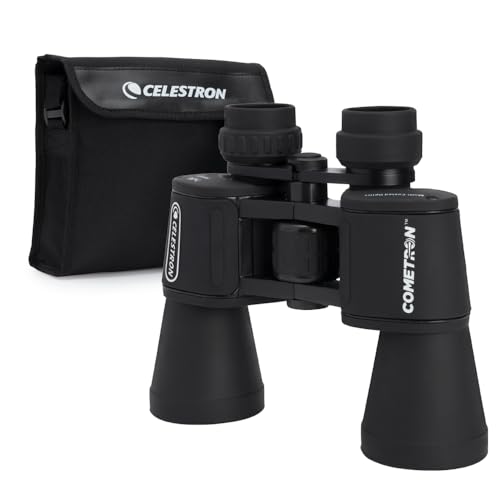
Magnification is the first number on a binocular, and it is also the most misunderstood. A bigger number does not automatically mean a better view. A 12x binocular brings a distant bird or a far ridge closer than a 10x model, but it also narrows the field of view, magnifies every tremor in your hands, and gathers light through a design that has to work harder to stay bright at dusk. The right magnification is the one that matches what you watch, where you watch it, and how steady you can hold the glass. For most people, the choice comes down to two magnifications. A 10×42 binocular is the all-round standard: enough power to pick out detail at distance, a wide enough view to follow a moving bird, and a 42mm objective lens that keeps the image bright in ordinary light. A 12×50 binocular trades a wider view for more reach, and the larger 50mm front lens helps compensate for the extra magnification by gathering more light. Both have a place, and this guide covers both, with eight binoculars that represent the best of each size. Every binocular below is a real, current model from a known optics brand, checked against its Amazon listing. There are no unbranded lookalikes here, because optics is one category where the brand matters: coatings, waterproofing, and the warranty behind the glass decide whether a binocular is still good in five years or fogged up after one wet season. Read the comparison table for a fast overview of magnification and lens size, then dig into the individual sections for the strengths and trade-offs of each model. The buying guide at the end explains magnification, objective size, field of view, and eye relief in plain terms, so you can pick with confidence whether this is your first binocular or your fifth.
In this guide
Quick picks: best magnification for binoculars
| # | Product | Where to buy |
|---|---|---|
| 1 | Nikon PROSTAFF P3 10×42 Binocular | Check on Amazon |
| 2 | Vortex Triumph HD 10×42 Binoculars | Check on Amazon |
| 3 | Vortex Crossfire HD 10×42 Binoculars | Check on Amazon |
| 4 | Bushnell H2O Xtreme 10×42 Waterproof Binoculars | Check on Amazon |
| 5 | Vortex Viper HD 12×50 Binoculars | Check on Amazon |
| 6 | Vortex Crossfire HD 12×50 Binoculars | Check on Amazon |
| 7 | Nikon PROSTAFF P7 12×50 Binocular | Check on Amazon |
| 8 | Bushnell PowerView 12×50 Wide-Angle Porro Prism Binoculars | Check on Amazon |
Quick comparison
| Product | Magnification and lens |
|---|---|
| Nikon PROSTAFF P3 10×42 Binocular | 10x magnification, 42mm lens, waterproof and fogproof |
| Vortex Triumph HD 10×42 Binoculars | 10x magnification, 42mm lens, HD optics, tripod adaptable |
| Vortex Crossfire HD 10×42 Binoculars | 10x magnification, 42mm lens, HD optics, waterproof and fogproof |
| Bushnell H2O Xtreme 10×42 Waterproof Binoculars | 10x magnification, 42mm lens, waterproof, for wet conditions |
| Vortex Viper HD 12×50 Binoculars | 12x magnification, 50mm lens, HD optics, locking diopter |
| Vortex Crossfire HD 12×50 Binoculars | 12x magnification, 50mm lens, HD optics, waterproof and fogproof |
| Nikon PROSTAFF P7 12×50 Binocular | 12x magnification, 50mm lens, wide field of view, waterproof |
| Bushnell PowerView 12×50 Wide-Angle Porro Prism Binoculars | 12x magnification, 50mm lens, wide-angle Porro prism, fast focus |

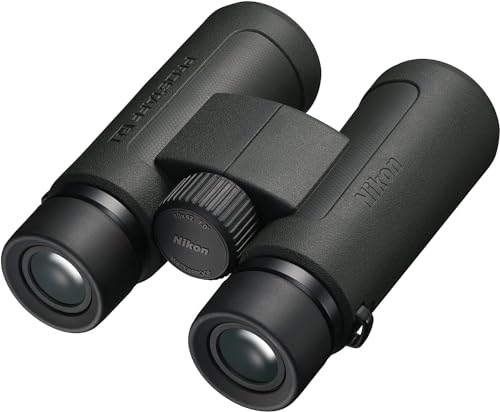
1. Nikon PROSTAFF P3 10×42 Binocular
What stands out
The Nikon PROSTAFF P3 10×42 is the most balanced binocular in this guide, and the one to buy if you want a single pair that does everything well. Ten times magnification is the sweet spot for general use: strong enough to bring distant wildlife and landscapes into clear detail, but not so strong that hand shake ruins the view. The 42mm objective lens keeps the image bright through the day, and the waterproof, fogproof, rubber-armored body is built for real outdoor use rather than careful handling. The wide field of view makes it easier to find a bird in a tree and follow it as it moves, which is the skill that matters most in the field. Nikon has been making optics for decades, and the PROSTAFF line carries that experience at a price most buyers can accept.
Trade-offs to weigh
The trade-offs are modest. The PROSTAFF P3 does not have the premium glass coatings of Nikons more expensive lines, so in the last minutes of daylight a higher-end binocular will hold a brighter image a little longer. The focus wheel is smooth but not as fast as some rivals, and the included accessories are basic. For daytime birdwatching, hiking, and travel, none of this matters much, but buyers who watch mainly at dawn and dusk should look at the 12×50 models below, or at a larger objective lens.
Who it fits best
Best for first-time buyers and all-round use: birdwatching, hiking, travel, and anyone who wants one dependable binocular for everything.
In daily use
In everyday use, the Nikon PROSTAFF P3 10×42 Binocular settles into a routine quickly. Set it up once, the way you like it, and give yourself a few days to adjust before judging it. The first session is about learning the layout and the feel; the second and third are where it starts to feel natural. Keep it clean, keep it in the conditions it was designed for, and it will stay consistent. If it has parts that wear — cables, surfaces, moving components — a quick check now and then keeps small issues from becoming real ones, and keeping the packaging and documentation for the first weeks makes any return or exchange far simpler.
Before you buy
Before buying the Nikon PROSTAFF P3 10×42 Binocular, check two practical things. First, measure and compare: check the dimensions, the capacity, and the compatibility details listed on the product page against what you already own and the space you have. A product that does not fit your setup will never feel right, whatever its specifications say. Second, think about your routine — where it will live, how it will be stored, and what it needs to connect to. None of this is difficult, but all of it is easier to plan before the product arrives than after.
Check price on Amazon: Nikon PROSTAFF P3 10×42 Binocular

2. Vortex Triumph HD 10×42 Binoculars
What stands out
The Vortex Triumph HD 10×42 is the value pick in the 10×42 class, and it shows how far budget optics have come. The HD optical system delivers a sharp, bright image across the field, the 10x magnification hits the same all-round sweet spot as the Nikon, and the waterproof and fogproof construction means rain and humidity are not a reason to stay indoors. It is tripod adaptable, which matters more than it sounds: mounting a binocular on a tripod removes hand shake entirely and turns a good view into a great one. The included GlassPak harness keeps the binocular on your chest and ready, rather than swinging from your neck. For the money, the Triumph HD is hard to beat.
Trade-offs to weigh
The compromises are in refinement rather than capability. The focus mechanism and the eyecups feel a step below the more expensive Vortex lines, and the image, while sharp in the centre, softens a little toward the edges. The build is solid but the finish is plain. None of these points affects the view in normal use, but buyers who spend hours behind the glass every week may prefer the Crossfire or the Viper below.
Who it fits best
Best for budget-conscious buyers who want a genuine HD 10×42 from a trusted brand, and for hikers who want a tough, light binocular they do not have to baby.
In daily use
Day to day, the Vortex Triumph HD 10×42 Binoculars is the kind of product you stop thinking about, which is the highest praise it can earn. It does its job the same way every time, without quirks or surprises, and lets you focus on the work or the game instead of the hardware. That consistency matters more than any single feature. Treat it reasonably — a clean desk, a suitable surface, and storage that protects it when it is not in use — and it will keep that consistency for a long time. The best products are the ones that fade into the background.
Before you buy
A few checks before you order the Vortex Triumph HD 10×42 Binoculars will save disappointment. Confirm the key details on the listing match what you expect — the exact model name, the included accessories, and the variant — since similar-looking models can differ in important ways. Check the return policy and the warranty terms so you know your options if it arrives damaged or does not suit you. And if you are replacing something you already own, compare the new product with the old one on the points that mattered most, rather than on headline features you may never use.
Check price on Amazon: Vortex Triumph HD 10×42 Binoculars

3. Vortex Crossfire HD 10×42 Binoculars
What stands out
The Vortex Crossfire HD 10×42 is the step up from the Triumph, and the difference is visible in the details. The HD optics are a little cleaner, the coatings cut glare a little better, and the whole binocular feels a touch more precise in the hand. It shares the same 10×42 format, the same waterproof and fogproof sealing, the same shockproof armor, and the same tripod adaptability, so the choice between the Triumph and the Crossfire is about polish rather than format. The GlassPak harness is included, and the warranty backing is the same no-fault coverage Vortex is known for. For buyers who plan to use their binocular several times a week, the Crossfire is the better long-term buy.
Trade-offs to weigh
The trade-off is mainly cost: the Crossfire costs more than the Triumph for a similar view, and a casual user who takes the binocular out twice a year will not see the difference. It is also a full-size binocular, so it will not fit in a jacket pocket the way a compact model would. Weight is reasonable for the class, but it is not a featherweight.
Who it fits best
Best for regular birdwatchers and outdoor users who want a sharper, better-finished 10×42 and are willing to pay a little more for it.
In daily use
Over a full week of use, the Vortex Crossfire HD 10×42 Binoculars shows its character in small ways. The feel stays the same from the first day to the last, nothing loosens or rattles, and the finish holds up to regular handling. If you switch between tasks, you will appreciate that it does not need a different setup for each one: configure it once for the way you actually use it and leave it alone. If you share the space with work or family, the same product should handle those jobs without feeling out of place, which is a useful bonus for a single-product setup.
Before you buy
When the Vortex Crossfire HD 10×42 Binoculars arrives, spend a little time setting it up properly. Follow the included instructions, check that everything listed as included is actually in the box, and test the main functions within the first day or two. Then leave the settings alone for a week. Constant tweaking is the enemy of getting used to a product, and most people get better results from a stable setup than from a perfect one. If something feels wrong after a few days, change one thing at a time so you know what actually helped.
Check price on Amazon: Vortex Crossfire HD 10×42 Binoculars

4. Bushnell H2O Xtreme 10×42 Waterproof Binoculars
What stands out
The Bushnell H2O Xtreme 10×42 is the binocular for buyers whose outdoor time involves water: boats, lakeshores, coastlines, and rainy forests. The fully multi-coated lenses keep the image bright, the waterproof and fogproof sealing is built for wet conditions rather than added as an afterthought, and the rugged armor shrugs off knocks that would mark a prettier binocular. Ten times magnification with a 42mm lens is the same proven format as the others here, so the view is familiar and easy to use. Bushnell has built its name on tough, affordable optics, and the H2O line is the clearest expression of that idea.
Trade-offs to weigh
The trade-offs are optical refinement and weight. The H2O does not match the Vortex HD models for edge sharpness or low-light brightness, and it is a sturdy, heavy-feeling binocular rather than a light one. The focus wheel is on the firm side. For a boat or a wet hike, toughness matters more than a slightly brighter edge, but for dawn birdwatching from a dry hide, the Nikon or Vortex options are the better optical choice.
Who it fits best
Best for boating, fishing, coastal walks, and anyone who expects their binocular to get wet, muddy, or knocked around.
In daily use
In everyday use, the Bushnell H2O Xtreme 10×42 Waterproof Binoculars settles into a routine quickly. Set it up once, the way you like it, and give yourself a few days to adjust before judging it. The first session is about learning the layout and the feel; the second and third are where it starts to feel natural. Keep it clean, keep it in the conditions it was designed for, and it will stay consistent. If it has parts that wear — cables, surfaces, moving components — a quick check now and then keeps small issues from becoming real ones, and keeping the packaging and documentation for the first weeks makes any return or exchange far simpler.
Before you buy
Before buying the Bushnell H2O Xtreme 10×42 Waterproof Binoculars, check two practical things. First, measure and compare: check the dimensions, the capacity, and the compatibility details listed on the product page against what you already own and the space you have. A product that does not fit your setup will never feel right, whatever its specifications say. Second, think about your routine — where it will live, how it will be stored, and what it needs to connect to. None of this is difficult, but all of it is easier to plan before the product arrives than after.
Check price on Amazon: Bushnell H2O Xtreme 10×42 Waterproof Binoculars

5. Vortex Viper HD 12×50 Binoculars
What stands out
The Vortex Viper HD 12×50 is where this guide steps up in magnification, and it is the pick for buyers who need reach above all else. Twelve times magnification brings distant detail meaningfully closer than 10x, which matters for open-country wildlife, distant raptor watching, and long-range glassing. The 50mm objective lens gathers more light to compensate for the higher power, and the HD optics with XR lens coatings keep the image clean and bright. A locking diopter lets you set the focus for your eyes and leave it there, and the tripod adaptability is more important at 12x than at 10x, because hand shake is magnified along with the image. The Viper sits above the Crossfire in the Vortex range, and it feels like it.
Trade-offs to weigh
The trade-offs are inherent to 12x magnification. The field of view is narrower, so finding a fast-moving bird is harder, and hand shake is more visible, so a tripod or a steady rest helps a great deal. The binocular is larger and heavier than any 10×42 here, and it costs more. Buyers who watch mostly in woodland or at close range will be happier with a 10×42, but for open country and long distances, the Viper earns its place.
Who it fits best
Best for open-country watching, long-distance glassing, and buyers who already own a 10×42 and want more reach for a second pair.
In daily use
Day to day, the Vortex Viper HD 12×50 Binoculars is the kind of product you stop thinking about, which is the highest praise it can earn. It does its job the same way every time, without quirks or surprises, and lets you focus on the work or the game instead of the hardware. That consistency matters more than any single feature. Treat it reasonably — a clean desk, a suitable surface, and storage that protects it when it is not in use — and it will keep that consistency for a long time. The best products are the ones that fade into the background.
Before you buy
A few checks before you order the Vortex Viper HD 12×50 Binoculars will save disappointment. Confirm the key details on the listing match what you expect — the exact model name, the included accessories, and the variant — since similar-looking models can differ in important ways. Check the return policy and the warranty terms so you know your options if it arrives damaged or does not suit you. And if you are replacing something you already own, compare the new product with the old one on the points that mattered most, rather than on headline features you may never use.
Check price on Amazon: Vortex Viper HD 12×50 Binoculars
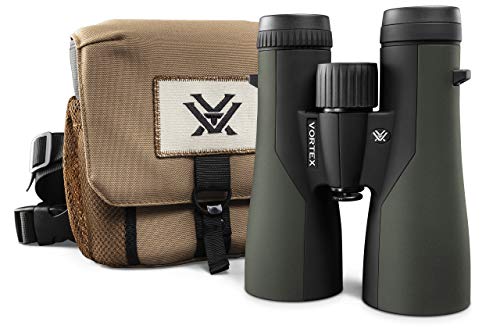
6. Vortex Crossfire HD 12×50 Binoculars
What stands out
The Vortex Crossfire HD 12×50 gives you the 12×50 format at a lower cost than the Viper, and it is the sensible way to try high magnification without a big outlay. The HD optics, waterproof and fogproof sealing, shockproof armor, and tripod adaptability are all here, and the view is sharp and bright in the centre of the field. Twelve times magnification with a 50mm lens is a strong combination for distant subjects, and the Crossfire handles it well for the price. The GlassPak harness is included, as with the other Vortex models here.
Trade-offs to weigh
The compromises compared with the Viper are the coatings and the fine detail: the image is a little less crisp at the edges, and the low-light performance is a step behind. The focus wheel is good but not as smooth, and there is no locking diopter. As with any 12x binocular, hand shake is the practical limit, so a tripod or a monopod is a worthwhile companion.
Who it fits best
Best for buyers who want 12x reach on a budget, and for anyone curious about high magnification who does not want to commit to a premium price.
In daily use
Over a full week of use, the Vortex Crossfire HD 12×50 Binoculars shows its character in small ways. The feel stays the same from the first day to the last, nothing loosens or rattles, and the finish holds up to regular handling. If you switch between tasks, you will appreciate that it does not need a different setup for each one: configure it once for the way you actually use it and leave it alone. If you share the space with work or family, the same product should handle those jobs without feeling out of place, which is a useful bonus for a single-product setup.
Before you buy
When the Vortex Crossfire HD 12×50 Binoculars arrives, spend a little time setting it up properly. Follow the included instructions, check that everything listed as included is actually in the box, and test the main functions within the first day or two. Then leave the settings alone for a week. Constant tweaking is the enemy of getting used to a product, and most people get better results from a stable setup than from a perfect one. If something feels wrong after a few days, change one thing at a time so you know what actually helped.
Check price on Amazon: Vortex Crossfire HD 12×50 Binoculars

7. Nikon PROSTAFF P7 12×50 Binocular
What stands out
The Nikon PROSTAFF P7 12×50 is the high-magnification Nikon in this guide, and it pairs 12x power with a wide field of view, which is a rare and useful combination. The wide view makes it easier to find and follow subjects at high magnification, and the multilayer coatings keep the image bright and contrasty. Waterproof and fogproof sealing and a rugged build mean it is ready for the field, and the 50mm objective lens gathers the light that 12x magnification demands. For buyers who want the reach of 12x without giving up the ease of finding their subject, the P7 is the best answer in this list.
Trade-offs to weigh
The trade-offs are size and weight: a 12×50 binocular is a substantial piece of glass, and it is best carried on a harness rather than around the neck. Hand shake is visible at 12x, so a tripod helps for long sessions. The cost is higher than the 10×42 models, which is fair for the larger lenses and the wider field, but it is a real consideration for a first purchase.
Who it fits best
Best for buyers who want maximum reach with the easiest subject-finding in the 12x class, and for open-country and shoreline watching.
In daily use
In everyday use, the Nikon PROSTAFF P7 12×50 Binocular settles into a routine quickly. Set it up once, the way you like it, and give yourself a few days to adjust before judging it. The first session is about learning the layout and the feel; the second and third are where it starts to feel natural. Keep it clean, keep it in the conditions it was designed for, and it will stay consistent. If it has parts that wear — cables, surfaces, moving components — a quick check now and then keeps small issues from becoming real ones, and keeping the packaging and documentation for the first weeks makes any return or exchange far simpler.
Before you buy
Before buying the Nikon PROSTAFF P7 12×50 Binocular, check two practical things. First, measure and compare: check the dimensions, the capacity, and the compatibility details listed on the product page against what you already own and the space you have. A product that does not fit your setup will never feel right, whatever its specifications say. Second, think about your routine — where it will live, how it will be stored, and what it needs to connect to. None of this is difficult, but all of it is easier to plan before the product arrives than after.
Check price on Amazon: Nikon PROSTAFF P7 12×50 Binocular

8. Bushnell PowerView 12×50 Wide-Angle Porro Prism Binoculars
What stands out
The Bushnell PowerView 12×50 is the classic Porro prism binocular in this guide, and its wide-angle design and fast focus are the reasons it has lasted so long. The Porro prism shape gives a wide, deep view with good depth perception, and the InstaFocus system lets you bring a subject into focus quickly, which matters when a bird appears for only a few seconds. The 12x magnification with a 50mm lens brings distant subjects close, and the multi-coated BK-7 lenses keep the image bright enough for daytime use. Bushnell has sold the PowerView for years, and it remains the cheapest way into a genuine 12×50 binocular from a known brand.
Trade-offs to weigh
The trade-offs are the prism design and the coatings. A Porro prism binocular is larger and less compact than a roof prism model, so it takes more space in a bag, and the BK-7 glass and the simpler coatings do not match the HD roof prism models above for brightness and edge sharpness. The PowerView is not the best choice for low light, and its build is functional rather than refined. For daytime watching on a budget, though, it is a proven, honest binocular.
Who it fits best
Best for budget buyers who want a classic wide-angle 12×50, and for anyone who prefers the deep view of a Porro prism design.
In daily use
Day to day, the Bushnell PowerView 12×50 Wide-Angle Porro Prism Binoculars is the kind of product you stop thinking about, which is the highest praise it can earn. It does its job the same way every time, without quirks or surprises, and lets you focus on the work or the game instead of the hardware. That consistency matters more than any single feature. Treat it reasonably — a clean desk, a suitable surface, and storage that protects it when it is not in use — and it will keep that consistency for a long time. The best products are the ones that fade into the background.
Before you buy
A few checks before you order the Bushnell PowerView 12×50 Wide-Angle Porro Prism Binoculars will save disappointment. Confirm the key details on the listing match what you expect — the exact model name, the included accessories, and the variant — since similar-looking models can differ in important ways. Check the return policy and the warranty terms so you know your options if it arrives damaged or does not suit you. And if you are replacing something you already own, compare the new product with the old one on the points that mattered most, rather than on headline features you may never use.
Check price on Amazon: Bushnell PowerView 12×50 Wide-Angle Porro Prism Binoculars
Buying guide
What magnification means in practice
Magnification is written as the first number: 10x makes a subject look ten times closer, 12x makes it look twelve times closer. That sounds like more is always better, but it is not. Higher magnification narrows the field of view, so you see less of the scene at once, and it magnifies hand shake, so the image wobbles more. It also makes the image dimmer unless the objective lens grows to compensate. For most people, 8x and 10x are the easy, forgiving choices, and 12x is a specialist tool for open country and long distances.
Objective lens size and brightness
The second number is the diameter of the front lens in millimetres: 42mm or 50mm here. A bigger lens gathers more light, which matters at dawn, at dusk, and in shade. The exit pupil, which is the objective size divided by the magnification, tells the story: a 10×42 has a 4.2mm exit pupil, while a 12×50 has a 4.17mm exit pupil, so the two are similarly bright in practice. That is why 12×50 exists as a format: the bigger lens pays for the extra magnification. A 12×42, by contrast, would be noticeably dimmer.
Field of view and finding your subject
Field of view is how wide a scene you see at a given distance, and it decides how easy a binocular is to use. A wide field makes it easy to find a bird in a tree and follow it; a narrow field makes you hunt for it. Higher magnification almost always means a narrower field, which is why the Nikon P7 12×50 is notable for keeping a wide field at 12x. When comparing models, check the field of view figure on the listing, not just the magnification.
Eye relief, glasses, and comfort
Eye relief is the distance from the eyepiece at which you see the full image, and it matters most if you wear glasses. Look for at least 15mm of eye relief if you wear glasses, and twist-up eyecups that let you set the distance. A binocular that does not fit your eyes will give a tunnel view no matter how good its glass is, so this is worth checking before you buy. Try the binocular with your glasses on if you can.
Waterproofing, fogproofing, and the warranty
Waterproof and fogproof sealing is not a luxury for a binocular that goes outdoors: it keeps rain out and stops the lenses fogging when you move from cold air to warm air. Look for nitrogen or argon purging, which is how manufacturers keep moisture out of the body. The warranty matters too. Vortex covers its binoculars with a no-fault lifetime warranty, and Nikon and Bushnell back theirs for years, which is real value when a binocular is dropped on a rock.
Tripods and holding steady
At 10x, most people can hold a binocular steady enough for a good view. At 12x, a tripod or a monopod makes a real difference, and a window mount is useful in a car or a hide. A tripod adapter costs little and turns a shaky 12x view into a rock-steady one. If you buy a 12×50, budget for a light tripod as well, and your eyes will thank you.
Frequently asked questions
What is the best magnification for binoculars?
For most people, 10x is the best all-round magnification. It brings distant subjects close enough to see detail, while keeping a wide enough field of view to find and follow them, and most people can hold it steady by hand. 12x is better for open country and long distances, but it needs a steadier hold and a bigger lens to stay bright.
Is 12x too much magnification for handheld binoculars?
Not necessarily, but it is at the limit of what most people can hold steady. A 12×50 binocular works well by hand for short looks, and much better on a tripod for long sessions. If you plan to watch for hours, or you have unsteady hands, a 10×42 is the easier choice.
Does a bigger objective lens always mean a brighter image?
A bigger lens gathers more light, but brightness also depends on magnification, coatings, and glass quality. A 12×50 and a 10×42 have similar exit pupils, so they are similarly bright. A cheap 12×50 with poor coatings can be dimmer than a good 10×42 with excellent coatings, so do not judge by lens size alone.
What magnification is best for birdwatching?
Most birdwatchers use 8x or 10x, because the wider field of view makes it easier to find and follow birds. 10x is the most popular choice, and every 10×42 in this guide suits birdwatching well. 12x suits open-country and shoreline birding, where birds are far away and the field is wide.
Do I need a tripod for 12x binoculars?
You do not need one, but you will enjoy the binocular more with one. A tripod removes hand shake entirely, which matters more at 12x than at 10x. A light tripod or a monopod is a good companion for a 12×50, especially for long sessions in one place.
Conclusion
The best magnification for binoculars depends on what you watch and where you watch it. For most people, a 10×42 is the right answer: the Nikon PROSTAFF P3 is the most balanced all-round pick, the Vortex Crossfire HD is the sharper step up, the Triumph HD is the value choice, and the Bushnell H2O is the tough option for wet conditions. For buyers who need more reach, the 12×50 format delivers it, and the Nikon PROSTAFF P7 is the easiest 12x to use thanks to its wide field of view, while the Vortex Viper HD is the optical best and the Crossfire HD 12×50 is the budget route to the same format. Whichever magnification you choose, buy from a known optics brand, check the eye relief if you wear glasses, and remember that a tripod turns a good 12x view into a great one.