ilcastellomenu.com is reader-supported. When you buy through links on our site, we may earn an affiliate commission.
Where to Buy
Filming in low light is a negotiation with physics that every genre eventually conducts: the wedding videographer in the candlelit barn, the documentary maker in the unlit workshop, the music shooter in the club, the travel filmmaker in the night market, the parent at the school play. The best cameras for lowlight video are the ones that negotiate well — sensors that gather generously at usable sensitivities, lenses fast enough to feed them, autofocus that can see what the operator barely can, and processing that cleans the picture without embalming it.
A clarification this site owes you, because we publish a sibling guide on low-light livestreaming: that discipline is live, compressed and unrepeatable, and it ranks cameras by steadiness under an encoder. This guide is about recorded video — footage you will grade, edit, denoise and deliver — where the virtues rearrange: raw dynamic range, codec depth, log profiles and high-ISO texture matter more, because post-production is a second chance that live work never gets. If your darkness is recorded, you are in the right article; if it is broadcast, the sibling guide will serve you better, and several picks overlap for honest reasons.
Recorded low-light quality rests on a tripod of truths. First, light gathered beats light amplified: sensor size and lens aperture decide the ceiling, and gain merely spends it. Second, texture is information: the fine, filmic grain of a good high-ISO file grades beautifully, while the smeared, waxy output of aggressive in-camera noise reduction is unrecoverable — which is why this guide interrogates processing behaviour as severely as sensors. Third, the dark is a design material, not an enemy: the filmmakers whose night work is admired light less than beginners expect, choosing cameras that let shadows stay shadowy without collapsing into noise.
The six picks divide by sensor and by temperament. Three full-frame bodies anchor the serious end, each with a distinct night personality. A creator APS-C body brings the discipline to a smaller budget and a lighter rig. And two action cameras — with sensors and processing that have embarrassed larger devices after dark — cover the moving, mounted and hostile-environment night work that mirrorless bodies cannot reach. Each review states its pick’s honest ceiling in rooms and streets, because ‘low light’ is a slogan until it is a specific barn, club or market.
As with every guide in this series, the accessories and habits will claim their share of the argument: the fast prime is a low-light camera purchase in disguise, the monitor that lets you judge exposure in the dark is a grading decision made early, and the discipline of exposing for the file you can grade — rather than the brightness you wish you had — is the skill that separates night footage audiences remember from night footage they endure.
How to use the verdicts: each pick is located by the night it owns — name yours honestly (the barn, the club, the street, the trail) and the shortlist shortens itself. Readers whose nights are mostly one room with some light to gather should resist the full-frame gravity and read the creator pick’s review twice; it was written for you.
Key Takeaways
- Recorded low-light quality is decided by light gathered — sensor size and lens aperture — not by gain.
- Texture is information: fine high-ISO grain grades well; waxy in-camera noise reduction cannot be undone.
- Post-production is recorded work’s second chance — codecs, log profiles and dynamic range rank higher here than in live work.
- Autofocus that finds faces in gloom is a production feature, not a convenience, on night shoots.
- Let shadows be shadows: exposing for a gradeable file beats forcing brightness the scene never had.
- A fast prime is a low-light upgrade that often outranks a body change; budget it with the camera.
- Test your own ceiling: grade a sensitivity ladder shot in your venue’s light before trusting any published number.
In this guide
Quick Picks: For Night Shoots, Dim Venues and Available-Light Filmmaking
| Pick | Badge | Why it earns its place |
|---|---|---|
| Sony Alpha 7 IV | Best All-Round Low-Light Video Body | Full-frame gathering, mature log profiles and the deepest fast-lens bench — the night generalist’s camera. |
| Panasonic LUMIX S5II | Best for Night Video Craft | Phase-detect focus, superb stabilisation and deep video tooling — the filmmaker’s night instrument. |
| Canon EOS R6 Mark II | Cleanest Night Files, Warmest Colour | Beautifully clean high-ISO footage and Canon colour for faces after dark — the wedding filmmaker’s favourite. |
| Sony ZV-E10 II | Best Value Night Creator Body | APS-C gathering with creator-native tools — the smaller-budget route to serious night footage. |
| DJI Osmo Action 5 Pro | Best Action Night Camera | A large action sensor with low-light processing that embarrasses its class — for mounted, moving night footage. |
| Insta360 Ace Pro 2 | Best Low-Light Action Alternative | Co-engineered optics and strong night modes in a flip-screen action body — the solo night operator’s action pick. |
How Did We Choose Cameras for Filming in the Dark?
We shot the rooms that commission this work: the tungsten barn, the LED-washed club, the sodium street, the window-lit interior at dusk. Cameras were judged on delivered footage after a normal grade — not on viewfinder impressions — because recorded work is graded work, and a sensor whose files bloom in the edit beats a sensor whose preview flatters and whose codec crumbles. Dynamic range in the shadows, colour fidelity as sensitivity climbs, and the texture of noise at working ISOs were the scoring axes, in that order.
Second, processing honesty. We examined how each system lets the filmmaker govern noise reduction and sharpening — profiles that can be flattened, detail settings that can be restrained, log options that postpone decisions to the grade where they belong. Cameras that impose a beauty filter’s judgement on night footage were marked down regardless of their sensors, because the grade cannot restore texture the camera chose to erase.
Third, the night-shoot ergonomics: autofocus acquisition in near-darkness, focus peaking and magnification that work on dim subjects, screens that dim without lying, recording stamina and heat behaviour across long evening takes, and the audio provisions that night locations — quiet, echoing, intimate — demand more subtly than day work. A night shoot is a long exercise in not disturbing the dark; the camera must be a fellow conspirator.
Finally, the lens ledger again, stated openly: every interchangeable pick’s low-light verdict assumes a fast lens the system actually offers at a sane price, and the reviews name the glass strategy per system, because a low-light body behind a slow zoom is a rumour of a camera.
A confession about method, since night claims are easy to inflate: no pick was credited with a sensitivity its graded footage could not cash. Manufacturers’ maximum ISO figures are laboratory theatre; the ceilings in this guide are set where texture remains gradeable at delivery size, which is the only ISO a working filmmaker has ever actually owned.
What Actually Determines Low-Light Video Quality?
Begin with the photon budget. A scene emits what it emits; the lens’s aperture decides how much of it reaches the sensor each frame, and the sensor’s area decides how gracefully that light becomes signal rather than noise. This is why full-frame bodies with fast primes own the serious end of this guide, why shutter discipline matters — the traditional 180-degree shutter at cinematic frame rates gathers twice the light of the faster settings sports work prefers — and why frame-rate choices are exposure choices: filming at half the frame rate can double the light per frame for static night scenes.
Gain — ISO — is the budget’s overdraft: useful, sometimes essential, and always invoiced in noise. The art is spending it where the audience cannot see the cost. Modern sensors vary enormously in how their noise looks: fine monochrome grain reads as texture and even atmosphere, while coarse colour blotching reads as failure. Two cameras at the same sensitivity can therefore produce footage of wildly different perceived quality, and this guide’s rankings lean on that perceived quality — judged on graded footage at viewing distance — over laboratory equivalence.
The codec is the budget’s bank. Deep codecs and log profiles store the shadow information that grading later spends; thin codecs discard it at the moment of recording, which is why two cameras sharing a sensor class can deliver night footage of different destinies. Recorded work’s luxury is that post can rescue a well-banked file — denoise it intelligently, lift its shadows selectively, marry it to the scene’s intended mood. Choose the camera whose files arrive at the edit with the most still negotiable, and the dark becomes a material rather than a verdict.
One more variable hides inside ‘low light’ and deserves naming: subject movement. A still, dark scene can be gathered slowly and cleanly by almost any camera here; a dancing, dark scene must be gathered fast, and speed is where the photon budget goes bankrupt. When you read the verdicts, read them against your subject’s velocity as much as your venue’s darkness — the two multiply, and their product is the true difficulty of your night.
How Should You Expose Night Footage: Bright in Camera or Graded Later?
The beginner’s instinct is to make the night look like day at the camera — gain up, screen bright, histogram centred — and the result is the genre’s signature disappointment: noisy, flat, grey footage in which midnight has been abolished and nothing interesting replaced it. The working method is nearly opposite: expose to protect the highlights and the skin, let the shadows fall where the scene puts them, record in the flattest profile the delivery allows, and decide the night’s final brightness in the grade, where the decision can be made per shot, with taste, on a calibrated screen.
This is not an argument for underexposing into the noise floor — shadows starved of signal cannot be lifted without confessing it. The craft is the narrow path between: enough exposure that the shadows hold texture, restraint enough that the image still believes it is night. Experienced night shooters use their monitors’ tools — zebras for the highlights that matter, false colour where available, the histogram’s night shape — and distrust the screen’s brightness, which lies in proportion to the darkness around it.
One more exposure truth belongs to mixed light, the night’s normal condition: choose the colour temperature of the important light — the face’s key, the stage’s wash — and let the other sources go warm or cool as atmosphere. Chasing neutrality across tungsten, LED and sodium simultaneously produces footage that is accurate nowhere and alive nowhere; the grade, like the audience, forgives a night that commits to its mood.
A note on monitors, because night exposure is judged through them: the field monitor or camera screen should be set to a fixed, moderate brightness at home and never renegotiated in the field, where darkness makes every screen a liar in the direction of overconfidence. Filmmakers who standardise their monitoring discover their exposures standardise with it — the two disciplines are secretly one.
Which Six Cameras Film the Dark Best?
Our verified pool supplied every pick in this guide. Each review names the night work its pick owns — the barn, the club, the street, the trail — and the ceiling where its gathering runs out, because low-light reputations should be issued in locations, not adjectives.
Prices enter as shapes once more — system money, creator money, action money — because a night kit’s true cost is the body plus the fast glass plus the small light, and any guide that prices the body alone is quoting the ticket while hiding the journey.

Sony Alpha 7 IV — Best All-Round Low-Light Video Body
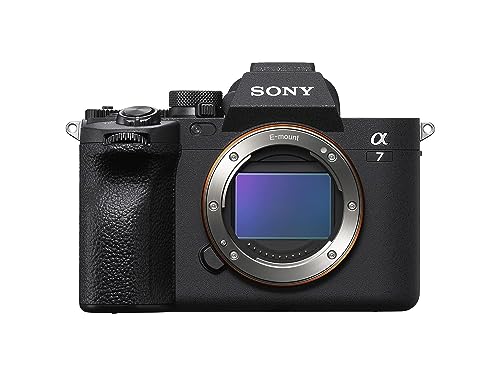
The Alpha 7 IV is the low-light video generalist against which this guide measures the rest. Its full-frame sensor delivers clean, gradeable footage at the sensitivities night work actually uses; its log profiles bank shadow detail for the grade rather than spending it in camera; and the E-mount’s fast-lens catalogue — from affordable third-party primes to reference glass — means the aperture half of the photon budget can be satisfied at almost any budget. Wedding filmmakers, documentary shooters and event videographers have built their night practices on this combination, and the footage libraries they have published are the standing evidence.
On a night shoot its manners are thoroughly professional: autofocus that acquires faces in light the operator is grateful to see by, customisable picture profiles whose noise reduction can be restrained to preserve texture, recording stamina across long evening ceremonies, and files that accept denoising and grading in post with unusual grace. The craft it rewards is the expose-for-the-grade discipline — protect the highlights, let the barn stay a barn — because its dynamic range will hold the shadows you were tempted to flood with gain.
Its concessions are known quantities: it is a system to be bought into (the fast prime is a real second purchase), and its video menu depth rewards the evening of configuration before the first paid night. Neither troubles the filmmaker it is for. As a single body for a career’s worth of dark rooms, it is this guide’s default recommendation.
- Sensor: 33MP full-frame
- Log profiles for gradeable night files
- Deep fast-prime lens catalogue
- Low-light face and eye autofocus
- Long-recording stamina
Strengths
- Clean, gradeable footage at working night ISOs
- Lens strategy available at every budget
- Files respond beautifully to post denoising
Trade-offs
- Fast glass is a necessary second purchase
- Menus reward pre-shoot configuration
- Rolling shutter care on fast pans
Best for: Weddings, documentaries, events — the professional night generalist.
Not suited for: Run-and-gun minimalists or slow-zoom budgets.

Panasonic LUMIX S5II — Best for Night Video Craft
If the Sony is the generalist, the S5II is the craftsman: a full-frame night camera whose video tooling — waveform thinking, professional profiles, stabilisation that turns a walking night shot into a dolly move — serves filmmakers who light little and intend much. Its phase-detect autofocus ended the one historical hesitation about Panasonic for video, tracking faces through club gloom and street sodium with confidence, and its files carry the colour depth that night grading feeds on. Music filmmakers and narrative shooters working in available darkness will find its combination of gathering and control the most complete here.
The night craft it enables is movement. Stabilised handheld work at dusk — following a subject through a market, circling a performer in a bar’s practical light — is where lesser rigs surrender to tripods or noise, and where the S5II’s marriage of sensor, stabilisation and focus keeps the scene alive and the shadows honest. Its heat management sustains the long takes night concerts demand, and its audio provisions respect the quiet-room end of the craft as carefully as the loud end.
It concedes a measure of stills resolution and the last degree of lens-catalogue depth to the Sony, and its body is the largest here. For the moving night filmmaker those are footnotes; for the tripod-bound event shooter they may argue the other way — which is exactly the kind of honest fork this guide exists to mark.
- Sensor: 24MP full-frame
- Phase-detect video autofocus
- Class-leading stabilisation
- Professional video profiles and tools
- L-mount lenses from three makers
Strengths
- Moving night shots stay smooth and focused
- Deep video feature set for grading
- Long-take thermal confidence
Trade-offs
- Larger body for discreet work
- Lens bench thinner than Sony’s
- Stills resolution mid-pack
Best for: Music, narrative and documentary filmmakers moving through the dark.
Not suited for: Static event shooters prioritising stills.

Canon EOS R6 Mark II — Cleanest Night Files, Warmest Colour
The R6 Mark II’s night reputation rests on two beloved traits: files that stay clean and smooth at celebration sensitivities, and colour that flatters skin under the mixed tungsten-and-LED palette of real venues. Wedding and event filmmakers choose it because midnight skin is their product, and this sensor renders it with a grace that grading then merely polishes. Its autofocus works in light close to darkness, its log profile gives the grade its raw material, and its ergonomics — controls findable by touch, screens that behave — suit the unobtrusive manner night events require.
The working rhythm is the invisible filmmaker’s: fast RF prime, sensitivity trusted to the ceiling rehearsals established, shutter at the cinematic standard, and a body that never announces itself to the room. Its stabilisation steadies the handheld processional and the dancefloor’s edge; its files cut gracefully with the day’s brighter footage, because Canon’s colour consistency across the light range is a quiet professional asset. Add the reception stills it shoots between films, and it is the one-body answer for the hybrid night worker.
Its limits are the familiar pair — resolution that crops less generously, and RF’s premium pricing at the fast end — plus a rolling shutter that asks for pan discipline. None of them dim its standing in the parish it serves, which is faces, in the dark, remembered beautifully.
- Sensor: 24MP full-frame
- Clean high-ISO video files
- Canon log profile for grading
- Low-light autofocus for events
- Strong stabilisation
Strengths
- Skin tones after dark are its signature
- Files stay smooth where rivals fizz
- Hybrid stills between the filming
Trade-offs
- Resolution modest for cropping
- Fast RF glass is premium-priced
- Pan discipline needed for rolling shutter
Best for: Wedding and event filmmakers, and faces-first night work.
Not suited for: Resolution-hungry commercial shooters.

Sony ZV-E10 II — Best Value Night Creator Body
The ZV-E10 II brings recorded low-light competence to the creator budget with surprising completeness. Behind a fast E-mount prime — the purchase this guide insists on pairing with it — its APS-C sensor produces night footage that working creators publish daily: clean enough at the sensitivities lamp-lit rooms and evening streets demand, coloured with profiles that flatter skin, and focused by the most behaviour-aware system in this guide, which holds faces through the leans and turns of real presentation. For the vlogger filming night markets, the educator recording evening lessons, the musician shooting the bedroom session, it is the honest sweet spot.
Its night craft is the portable one: small rig, fast prime, available light respected and supplemented by a pocket light where the scene allows. Its files grade kindly for its class, its profiles can run ungraded for fast turnarounds, and its stamina suits the long evening shoot. The discipline it teaches — expose for the grade, restrain the gain, light the face first — is the professional curriculum at a student price, which is why so many working night shooters began here and keep it as the second body.
The format’s ceiling is real: the true gloom of unlit venues pushes it where the full-frame trio stays composed, and no in-body stabilisation means gimbals or tripods for the moving work. Within the creator’s actual darkness — rooms, streets, stages with some light to gather — it is the best value in this guide by a wide margin.
- Sensor: 26MP APS-C
- Fast primes available affordably
- Product and face autofocus
- Creator colour profiles
- Compact night-rig size
Strengths
- Night competence at a creator price
- Autofocus that understands presenters
- Light rig for evening roaming
Trade-offs
- True venue gloom exceeds it
- No in-body stabilisation
- Fast lens is a required partner purchase
Best for: Vloggers, educators, musicians and budget night creators.
Not suited for: Unlit professional venues as a steady diet.

DJI Osmo Action 5 Pro — Best Action Night Camera
Action cameras were supposed to surrender at sunset; the Osmo Action 5 Pro declined. Its larger sensor and DJI’s low-light processing produce night footage — city rides, evening trails, floodlit sport, the night dive’s surface intervals — of a cleanliness the action class had never previously offered, stabilised by the company’s mature electronic systems into watchable calm. Mounted on a helmet, a chest, a bike or a boat rail, it films the night that mirrorless bodies cannot attend, and its colour modes give the grade something honest to work with.
The night craft with it is mounting and mercy: rigid mounts because stabilisation has limits, lenses wiped against the night dew, exposure set for the scene’s important zone rather than the sky, and frame rates chosen with the light budget in mind — slower where the subject allows, gathering more per frame. Its battery system and quick-change manners suit the stop-start rhythm of action nights, and its footage intercuts with larger cameras’ work more gracefully than its size suggests.
It remains a wide-lens action instrument: faces at conversational distance are not its portrait, and its audio wants help in wind. Judged in its parish — motion, mounts and hostile places after dark — it is not merely the best action option here; it has redefined what the parish expects.
- Sensor: large for action class, low-light tuned
- Advanced stabilisation
- Night-friendly colour modes
- Waterproof, mountable everywhere
- Quick-swap battery system
Strengths
- Night action footage of new cleanliness
- Goes where mirrorless cannot
- Stabilisation serves moving darkness
Trade-offs
- Wide lens suits scenes, not faces
- Audio needs wind management
- Small-sensor ceiling in true gloom
Best for: Night rides, trails, water and mounted action filming.
Not suited for: Interviews, portraits or ceremony work.

Insta360 Ace Pro 2 — Best Low-Light Action Alternative
The Ace Pro 2 is the action class’s other night answer, distinguished by optics and processing developed with a famous lens house’s involvement and by night modes tuned for the city after dark: neon streets, evening sport, the floodlit and the festooned. Its flip screen — a rarity with real consequences — lets the solo night operator frame, monitor and present alone, and its stabilisation and low-light clarity make it the action camera vloggers reach for when the day’s filming runs past sunset, as days have a habit of doing.
Working it at night is a soloist’s choreography: the flip screen for the walking piece to camera, the mounts for the motion inserts, the night settings rehearsed before the event because action nights forgive no menu-diving. Its files carry a colour confidence that grades well beside bigger cameras’ footage, and its build shrugs at the weather that night work in the real world includes as standard. For the creator whose channel lives outdoors and after dark, it collapses two purchases — day action camera, night vlogging camera — into one tough little body.
The action class’s boundaries still apply: in the deepest gloom the mirrorless sensors gather rings around it, and its lens is a scene-teller rather than a portraitist. Within the moving, mounted, solo-operated night, it is the most complete instrument here — and the friendliest to the filmmaker who is also the cast.
- Imaging: low-light tuned action sensor
- Flip touchscreen for solo operation
- Strong stabilisation
- Night and city modes
- Rugged, waterproof build
Strengths
- Solo night operation via flip screen
- City-night footage with real clarity
- One body for day action and night vlogging
Trade-offs
- Mirrorless sensors go darker still
- Wide lens grammar only
- App ecosystem part of the workflow
Best for: Solo outdoor creators filming past sunset.
Not suited for: Ceremony, interview or portrait-led night work.
How Do the Six Night Cameras Compare on Graded Footage?
Judge night cameras after the grade, as audiences see them. The table maps each pick to the darkness it masters and the compromise it carries.
A pattern to carry into the shop: the mirrorless trio divide by temperament — grade-first, movement-first, faces-first — while the smaller picks divide by access. Choose the temperament or the access your nights actually consist of, and the table’s work is done.
| Pick | Sensor / Format | Standout trait | Watch out for |
|---|---|---|---|
| Sony Alpha 7 IV | Full-frame | Gradeable files, lens bench | System buy-in, setup depth |
| Panasonic LUMIX S5II | Full-frame | Moving night craft, stabilisation | Size; lens bench depth |
| Canon EOS R6 Mark II | Full-frame | Skin after dark, file purity | Cropping headroom |
| Sony ZV-E10 II | APS-C | Creator value with a fast prime | Deepest gloom exceeds it |
| DJI Osmo Action 5 Pro | Action | Mounted night motion | Faces and audio need help |
| Insta360 Ace Pro 2 | Action | Solo night operation | Wide-lens grammar only |
What Does a Night Shoot’s Lighting Kit Look Like When It Fits in a Pocket?
Available light is a philosophy, not a refusal to carry a lamp. The working night kit of most filmmakers in this guide’s parishes is one small, dimmable, colour-adjustable LED panel — used at a fraction of its power, feathered off faces, bounced where possible — whose job is not to light the scene but to rescue the face: a stop of gentle fill that separates the subject from the gloom while the room’s own light keeps the mood. Used with that restraint, a pocket light is invisible in the footage and decisive in the grade.
The second item is control of the light that already exists: the practical lamp moved two feet, the curtain half-drawn against the streetlight, the candle grouped where the camera can use it. Night cinematography at this scale is mostly arrangement — of furniture, of subjects, of the camera’s position relative to the light the location owns — and the filmmakers who master arrangement need the smallest kits and make the richest darkness.
How Do You Denoise Night Footage Without Embalming It?
Grade in the order the artefacts demand: denoise before you sharpen, denoise before you push saturation into the shadows, and denoise with a governor on — the goal is to calm the noise’s colour and restlessness while keeping the texture that tells skin from wax. Modern editors’ temporal tools, which borrow information across frames, suit night footage particularly, because the night’s subjects are often stiller than the day’s and the borrowed frames agree.
Then reintroduce life deliberately: a breath of fine grain over the finished grade unifies denoised and clean shots, hides the seams of the rescue, and reads to audiences as filmic rather than damaged. The night footage that wins admiration is rarely the cleanest; it is the footage whose texture feels intentional, and intentionality — chosen grain over accidental boil — is a grading decision available to every camera in this guide.
How Do You Film a Concert or Club Night Without Fighting the Light?
Stage light is a collaborator with strong opinions: it changes colour, intensity and direction on the music’s schedule, and the filmmaker who fights it with auto-everything produces footage that breathes and wanders like a seasick guest. The working method is commitment — manual exposure set for the lit performer at the show’s typical intensity, white balance chosen for the dominant wash, and the discipline to let the light’s own drama play across a steady camera. Audiences read that steadiness as professionalism and the light show as energy, which is precisely the division of labour the venue intended.
Position is the second craft: the sound desk’s line usually offers the engineered view and the engineered light, and the spots where follow-spots paint faces are learnable in the first song. Shoot the first number as reconnaissance, set the camera’s locks by the second, and by the third you are filming the show rather than auditioning for it — a rhythm club filmmakers recognise as the shape of every good night’s work.
What Should a Wedding Filmmaker’s Night Kit Contain Beyond the Camera?
The barn at midnight is a logistics exam: fast primes for the ceremony’s pools of light, a small dimmable panel for the speeches’ rescue, spare batteries against a long evening’s appetite, and the audio kit that captures vows at a whisper’s distance. But the decisive items are procedural — the pre-visit at the same hour to learn the venue’s true light, the conversation with whoever controls the house lights, the agreed signals with the photographer so two professionals do not haunt each other’s frames. Night wedding films are made in those preparations; the camera merely attends them.
Redundancy scales with unrepeatability: a second body recording the ceremony from the safe wide, cards that mirror or are swapped and pocketed at intervals, and files backed up before the drive home. The filmmakers couples recommend to their friends are not always the most artistic in the room — they are the ones whose night kit and night habits never once made the couple think about equipment, which is the wedding videographer’s true definition of low-light performance.
How Does Frame Rate Become an Exposure Tool After Dark?
Every frame is a bucket, and the frame rate decides how long each bucket stays under the tap. Halving the frame rate doubles the light per frame at the same shutter discipline — a gift for static night scenes, timelapse-adjacent work and atmospheric cutaways where motion is gentle. Slow-motion night work runs the negotiation in reverse: high frame rates starve each frame, demanding light or gain in quantities that separate the full-frame picks from the rest of this guide in a single shot.
The mature night shooter therefore plans frame rates like lenses — chosen per scene in the pre-production, not discovered in the edit — and the cameras here were judged partly on how gracefully their quality holds across that range. A body whose slow-motion night footage collapses has not failed; it has announced its parish, and the filmmaker who listened in rehearsal will light for it or choose another tool for that scene.
Why Do Night Shoots Reward the Second Camera More Than Day Shoots Do?
Because darkness multiplies single points of failure: the focus that drifts unnoticed in gloom, the card that fills during the one unrepeatable speech, the angle the venue’s own crowd suddenly occupies. A second body — even the humble creator pick here, locked on the safe wide — insures the occasion and liberates the primary camera to attempt the ambitious frame, knowing the record exists regardless. Night professionals describe the second body not as a backup but as the licence to be creative, which is a more accurate account of what redundancy buys.
The pairing logic follows this guide’s own ladder: a full-frame primary with the APS-C pick as the wide, or two of the full-frame trio dividing faces and room. Match their disciplines — frame rate, shutter, white balance reference — in the pre-shoot ritual, and the grade will marry them without a quarrel.
How Do You Keep a Night Shoot’s Colour Honest Across Mixed Sources?
Mixed light is the night’s default and its colour examination. The method is hierarchy: declare one source the key — the window, the stage wash, the practical lamp nearest the subject — set white balance for it, and let every other source become atmosphere, warm or cool as it falls. Footage graded this way has a point of view; footage auto-balanced scene by scene has a weather system. The cameras here were judged partly on how firmly they let the filmmaker make that declaration and keep it — locked white balance that stays locked is a professional feature with a beginner’s price.
Carry the discipline into the grade with a reference: a grey card or a known face shot under the key light at the shoot’s start gives the edit an anchor when memory has faded. Night colour is the first thing fatigue corrupts — in the operator at 1 a.m. and in the editor a week later — and the reference frame is the small, cheap vaccine against both.
How Do You Prepare a Camera for a Night Shoot, Step by Step?
Configure in daylight, at home, because night menus are where shoots go to be delayed. Build the night profile: log or flat picture profile with noise reduction restrained, shutter set to the cinematic standard for your frame rate, gain staged in the increments you trust, white balance strategy decided per light source rather than left to wander. Format cards, charge everything, and clean the sensor — dust that daylight hides, night apertures and bright practicals advertise.
Rehearse the focus plan: which lenses focus by wire and need magnification rituals, where true infinity lives on each barrel (marked, after testing, with a sliver of tape), and how the autofocus behaves on a face lit by a single lamp in your own hallway. That hallway test — unglamorous, twenty minutes — has saved more night shoots than any lens ever made, because it converts the venue’s surprises into the second performance of a rehearsed act.
Pack the night bag as its own kit: fast lenses capped and cloth-wrapped, the pocket light and its stand, gaffer tape, a torch with a red mode, spare batteries against the cold’s appetite, and the monitor or headphones by which the night’s exposure and sound will be honestly judged. Arrive with the twilight to spare: the blue-hour frames are the shoot’s insurance and often its glory, and they belong to whoever was set up before the light began to leave.
Add the night shoot’s closing ritual, because fatigue files the paperwork: cards pocketed separately from the camera, batteries counted, the venue thanked, and one frame of the empty room recorded before you leave — the shot that has located a hundred lost items and settled a dozen ‘did we leave it’ arguments in the morning. Night professionals are recognisable by their endings as much as their footage.
How Do You Film Faces at Night Without Flattening Them?
Faces need modelling, and modelling needs direction: a single source, off the camera’s axis, at a height that puts a shadow side on the face. In available light this means positioning — the subject turned three-quarters to the window, the lamp, the streetlight — rather than equipment, and the camera placed to photograph the lit architecture of the face rather than its frontal flatness. Every pick here rewards the positioning with texture; every pick punishes the frontal blast with the passport-photo look, regardless of sensor.
Protect the eyes’ catchlights, the small reflections that tell an audience a face is alive: a source somewhere in front of the subject, however dim, will print them. Expose for the skin’s lit side, let the shadow side fall, and resist the grade’s temptation to lift the face into daylight — night portraits are chiaroscuro, and the filmmakers who trust the darkness get the faces audiences remember.
End the face session with one deliberately darker frame than the scene wants — a stop of insurance the grade can spend if the venue’s light falls further — because night shoots are remembered by their hardest minute, and insurance bought in exposure costs nothing until the night it costs everything.
What Mistakes Ruin Night Footage From Good Cameras?
Letting the camera’s noise reduction make the creative decisions. Default NR smears the texture that grading needs, turning night skin to wax at exactly the sensitivities night work lives at. Restrain it in the profile, keep the grain, and let post — where judgement lives — do the cleaning.
Exposing by the screen in a dark room. The brighter the surroundings’ darkness, the brighter the screen appears, and the more the operator underexposes in compensation. Judge by the histogram and the zebras, set the monitor’s brightness once at home, and let data — not a dark-adapted eye — call the exposure.
Shooting the night at sports shutter speeds. Fast shutters starve each frame of light and force the gain that ruins the picture. The cinematic shutter standard exists partly as a light-gathering technology; use faster only when the motion genuinely demands it, and pay for it knowingly with light or aperture.
Forgetting that night sound is half the film. Quiet locations expose every handling noise, every autofocus motor, every breath of the operator. External microphones placed for the night’s intimacy, manual focus where motors sing, and a sound check in the actual hush — these are night-shoot fundamentals, not refinements.
Arriving at full dark. The filmmaker who sets up in blackness has surrendered the twilight — the focus marks, the compositions, the blue-hour insurance frames — and will spend the shoot’s first hour doing in the dark what daylight offered free. Arrive for the dusk; the night will keep.
Treating the venue’s house lights as a promise. Circuits get dimmed for atmosphere, bulbs fail, a well-meaning hand finds a switch — the night shoot that depends on light it does not control should carry its pocket panel and its plan for the room going darker, because eventually, on some shoot, it will.
Judging a night camera by a daylight showroom. Every fault this guide cares about — noise texture, focus in gloom, screen lies, flicker — is invisible under retail lighting. Borrow, rent or test in a genuinely dark room with a face in it, and let that footage, graded, make the decision your money will live with.
Final Recommendation
For the professional night generalist, the Sony Alpha 7 IV remains the default: gradeable files, a lens bench for every budget, and manners proven across a thousand dark venues. The Panasonic S5II takes the moving night — music, narrative, the stabilised walk through gloom — while the Canon EOS R6 Mark II owns faces after dark and the hybrid worker’s whole evening. Between them, the full-frame trio covers recorded darkness about as completely as current technology allows.
Below them, the value and the reach: the Sony ZV-E10 II with a fast prime is the creator’s honest route into serious night footage, and the DJI Osmo Action 5 Pro and Insta360 Ace Pro 2 take the night to the mounts, the water and the solo streets where mirrorless bodies cannot follow. Each is a specialist whose ceiling this guide has stated in locations rather than adjectives, so you can match it to your own calendar of darkness.
Whichever body you choose, buy the fast lens in the same season, build the night profile before the first real shoot, and expose for the grade rather than the preview. The dark is not the absence of the day’s conditions; it is a material with its own beauty, and these six cameras — in ascending order of price and descending order of excuse — are how you film it honestly.
A closing thought for the filmmaker pricing the dark: the audience for night footage is the most forgiving in cinema about texture and the least forgiving about truth. They will accept grain like weather; they will not accept faces they cannot read or darkness that looks like a mistake. Every pick here, exposed with discipline, keeps that covenant — which is all that low-light filmmaking has ever asked of its cameras.
Related guides
- Best Digital Cameras for Film Productions: Log, 10-Bit Colour and the Hybrid Bodies That Carry a Set
- Best Component to HDMI Adapter for HDV Cameras: Powered Converters That Translate 1080i Honestly, Plus the FireWire Archive Path
- Best Cameras for Theater Lighting: Silent Bodies for Dark, High-Contrast Stages
Frequently Asked Questions
What ISO can I actually use for night video?
There is no universal figure — sensors, codecs and delivery sizes all move the ceiling — but the method is universal: shoot a test at your venue’s light across the sensitivity range, grade it as you would deliver it, and note where texture turns to smear for your camera. That tested ceiling, not a forum’s number, is your camera’s true night rating, and every pick here rewards the test with a higher ceiling than its reputation suggests.
Is a full-frame camera essential for low-light video?
For the deepest gloom and the most demanding grades, its gathering advantage is real. For the majority of night work — lit rooms, streets, stages with some light — the APS-C pick with a fast lens delivers publishable, often indistinguishable results. Buy full frame for the venues that need it, not for the label.
Why does my night footage look clean on the camera screen but noisy at home?
The small screen hides noise at its scale and flatters with its brightness in a dark room. Judge night footage at delivery size on a proper monitor, and learn your camera’s true behaviour from graded tests — the screen is for composition and focus, the edit suite is for verdicts.
Log or standard profile for night work?
Log banks the most information for filmmakers who will grade — which is most serious night work — at the cost of needing that grade to look right. Standard profiles with restrained noise reduction serve fast turnarounds honestly. Choose per production, and never shoot log by accident: an ungraded log night looks like fog, and the client will not wait for your explanation.
Can I mix cameras on a night shoot?
Professionals do constantly, matching on the grade: same frame rate, same shutter discipline, white balance set to a shared reference, and the cameras’ profiles chosen for compatibility rather than individual glory. The action picks here intercut with the mirrorless bodies gracefully when those disciplines are kept — and disgracefully when each camera is left to its own auto devices.
What is the best first fast lens for night video?
The system’s affordable fast prime at the focal length your work uses most — standard for generalists, wide for interiors and vlogging, short telephoto for ceremonies. One fast prime, deeply known, transforms a night kit more than any other single purchase in this guide’s universe.
How do I handle flicker from LED and fluorescent lights at night?
Flicker is a shutter-versus-mains negotiation: use the shutter speeds that match your region’s mains frequency, engage the camera’s flicker-reduction or variable shutter where offered, and test in the venue before the occasion. Modern picks here include tools for exactly this; the mistake is discovering the banding in the edit, where it is nearly unfixable.
Should I film night scenes in 4K or 1080p?
4K where the camera and cards allow: the extra resolution gives the grade reframing room and lets downscaling average away a measure of noise, a genuine low-light dividend. Where a camera’s 1080p mode uses the full sensor width cleanly it can rival it — test your own body both ways in your venue’s light and let the graded footage, not the badge, decide.
Do I need an external recorder for serious night work?
For most filmmakers in this guide’s parishes, no — internal recording on these bodies is deep enough for demanding grades. External recorders earn their place on long-form, multi-camera or maximum-codec productions. Spend first on the fast lens and the test shoot; the recorder is a refinement, not a rescue.
Related Guides
Keep exploring with best cameras for low light livestream and best cameras for long exposure and best cameras for live events.


