ilcastellomenu.com is reader-supported. When you buy through links on our site, we may earn an affiliate commission.
Where to Buy, and Why Creatives Shop Differently
The best affordable cameras for creatives are not the cheapest cameras that take pictures; they are the cheapest cameras that survive a creative practice. All six models below are listed on Amazon, where you can check current availability, body-only versus kit configurations, and warranty terms; because prices drift constantly, this guide talks in tiers and total-system terms instead of quoting figures that would expire before your next payday. A designer photographing a portfolio, an illustrator filming process videos, a musician shooting cover art, and a maker documenting builds all call themselves creatives, and all of them need a camera that respects the work more than the wallet.
What separates a creative’s camera from a casual one is intent about output. Casual shooters photograph to remember; creatives photograph to use. The file is headed for a portfolio, a client deck, a print, a shop listing, a book cover, which means color must be controllable, files must tolerate editing, and the camera must cooperate with lights, tethering, and strange shooting positions. Affordable used to mean compromised on exactly those fronts. The current generation of modest mirrorless bodies changed the bargain: professional color tools, serious autofocus, and real video now live at prices a working creative can justify from a single commission.
This guide therefore ranks cameras as creative instruments, not as bargains. We asked how each body handles the four jobs creatives actually bill for: stills with editing headroom, video that clients accept, hybrid days where both happen in one session, and the quiet disciplines, tethered studio work, product documentation, behind-the-scenes content, that fill the calendar between glamorous projects. A camera that wins one job and fails the rest may still be the right buy for a specialist; the reviews below say plainly which is which.
One promise before the picks: nothing here requires you to apologize for your equipment in front of a client. Each body was also considered as a citizen of a real working week, with deadlines, rented rooms, unreliable weather, and subjects who did not ask to be photographed, because that is the environment creative cameras actually earn their living in, far from the showroom lighting where most buying decisions are mistakenly made. Every camera on this page can produce work that stands in a portfolio without an asterisk. The differences are about speed, comfort, and ceiling, not about permission. Choose by the work you do most, forgive the camera its weakest genre, and spend the savings on the lights and lenses that clients actually notice.
Key Takeaways
- Creatives should buy for output: files that edit well, color they can control, video clients accept.
- An affordable body inside a strong lens system beats an expensive body stranded with one lens.
- Hybrid stills-and-video strength matters because creative income rarely respects the boundary.
- Ergonomics and viewfinders are professional features when you shoot all day.
- Reserve part of any camera budget for lighting; it is the upgrade clients see first.
In this guide
Quick Picks
| Pick | Badge | Why creatives choose it |
|---|---|---|
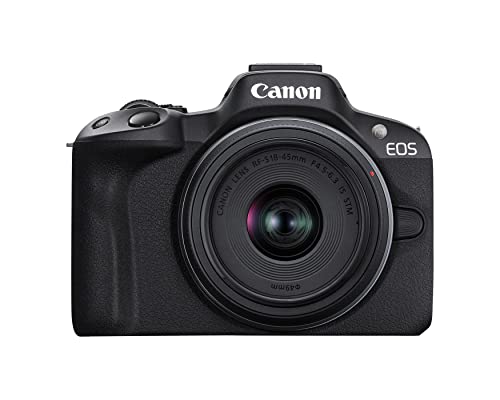
| Canon EOS R50 | Best Entry Into a System | Friendly color, trustworthy autofocus, and an RF mount that welcomes you upward. |
| Canon EOS R10 | Best for Fast Subjects | Speed, a proper grip, and burst shooting for events and moving work. |
| Nikon Z50 II | Best All-Round Creative Body | A refined second-generation body with deep color tools and serious video. |
| Sony ZV-E10 II | Best for Video-Led Creatives | Creator-tuned video in the deepest affordable lens ecosystem available. |
| Nikon Z30 | Best for Long Sessions | Calm endurance for lessons, podcasts, and process documentation. |
| Canon PowerShot G7 X Mark III | Best Pocket Companion | One-inch quality that rides along when the main kit stays home. |
How Did We Judge Cameras as Creative Tools?
Our first criterion was file character. Creatives live in the edit, so we favored cameras whose raw files bend gracefully, whose color profiles give a choice between a pleasing default and a flat canvas for grading, and whose JPEGs look intentional when a deadline forbids editing. Second came control: dials that change exposure without menu-diving, customizable buttons, and viewfinders that let you judge a scene in bright locations. A camera that fights your hands taxes every assignment; a camera that disappears into them returns hours across a year.
Third was hybrid honesty. Many affordable bodies advertise video and stills equally while quietly crippling one side, a viewfinder missing here, a recording limit there, overheating in the mode you actually need. We weighted sustained, real-world behavior over launch-day specification sheets. Fourth was system depth: the used lens market, the flash and trigger compatibility, the tethering support in the software creatives already use. A camera is a doorway into an economy of tools, and affordable doors should open onto well-stocked rooms.
Finally, we judged each camera against the pool of models verified for this site and priced the whole ownership honestly in our heads: body, first real lens, a light, cards, and the spare battery every working kit needs. The winners are not the cheapest bodies; they are the cheapest complete answers. That distinction is the difference between a bargain and a false start, and it is the standard this entire page is built on.
We also listened for the complaints creatives repeat about their current cameras, because a buying guide should answer grievances, not just celebrate features. The grievances were remarkably consistent: autofocus that abandons a subject at the decisive expression, video that stops or cooks itself during the one unrepeatable toast, colors that need an hour of correction before a client can see a preview, and batteries that end the day before the event does. Every pick below was cross-examined against those four complaints specifically, and the reviews note, in plain language, where each camera answers them and where the grievance survives in miniature.
Which Affordable Camera Belongs in a Creative’s Bag?

Canon EOS R50 — Best Entry Into a System
Every creative career has a first serious camera, and the R50 is engineered to be a kind one. It sits at the entrance to Canon’s RF system with the welcome mat out: menus explained in plain language, a guided interface for newcomers that can be switched off as you grow, and color that makes people look like themselves on their best day. For portraitists, social-content shooters, and anyone whose clients are humans rather than products, that color is not a cosmetic detail; it is unpaid retouching on every frame.
Do not mistake the welcome for weakness. The autofocus system tracks eyes, faces, animals, and vehicles with a confidence inherited from Canon’s professional bodies, the stills are fully professional in resolution and file quality, and the video, oversampled 4K with that same tracking, covers the behind-the-scenes and short-form work that now arrives attached to almost every stills commission. The body is light enough to carry all day at an event and small enough that subjects relax around it, an underrated professional quality when your subjects are not models.
The R50’s limits are the honest limits of its tier. One card slot means professionals shooting weddings will treat it as a second body rather than a primary. The battery is small; working kits carry spares. The kit lens is a polite introduction that most creatives will replace with a fast prime within the year, and they should, because that single upgrade transforms the camera’s low-light and portrait character completely. As an entry point that never embarrasses you while you learn what your practice actually needs, it is the safest money on this page.
- Mount: Canon RF, full access to the system and its adapters
- Color: Canon’s people-friendly default rendering
- Autofocus: subject detection for people, animals, vehicles
- Video: oversampled 4K for hybrid commissions
- Role in the kit: first serious body, forgiving teacher
Strengths
- Portraits need the least correction of any camera here
- Guided interface that steps aside as skill grows
- Light body that subjects find unintimidating
Trade-offs
- Single card slot limits primary-body wedding duty
- Small battery demands spares on paid days
- Kit lens undersells what the sensor can do
Best for: portrait, lifestyle, and social-content creatives starting a system. Not suited for: high-volume sports or dual-slot insurance requirements.

Canon EOS R10 — Best for Fast Subjects
The R10 is what happens when the entry camera goes to the gym. A deeper grip, a joystick for focus-point control, faster burst shooting with a proper mechanical shutter option, and a buffer that respects action: this is the affordable body for creatives whose subjects refuse to sit still. Event photographers, dance and theater shooters, sports parents turned semi-pro, and wildlife dabblers all live in the world the R10 was built for, where the decisive frame arrives in a cluster and the camera must be ready for all of it.
That speed does not come at the cost of the Canon virtues. The same subject-detection autofocus and friendly color ride along, the viewfinder and controls suit long days, and the video specification covers hybrid event work, ceremony in 4K, speeches and performances without drama. For a creative whose income comes from happenings rather than setups, weddings’ candid hours, gigs, matches, rehearsals, the R10’s responsiveness is a professional feature in the truest sense: it converts directly into delivered frames.
Its compromises mirror its sibling’s. A single card slot, a modest battery, and no in-body stabilization mean the system leans on stabilized lenses and a pocket of spares. The body also lacks weather sealing, so the working event kit includes a rain cover and common sense. None of that dents its proposition for fast work at this tier. If your portfolio is full of motion and your current camera’s buffer is the reason frames are missing, the R10 is the most direct upgrade on this page.
- Mount: Canon RF lenses and adapted EF glass
- Speed: fast continuous shooting with mechanical shutter
- Controls: joystick, deeper grip, viewfinder for long days
- Video: 4K options for hybrid event coverage
- Role in the kit: action-capable main body on a budget
Strengths
- Burst speed and buffer that respect real action
- Handling suited to telephoto lenses and long events
- Autofocus tracking that keeps pace with subjects
Trade-offs
- No in-body stabilization; lenses must provide it
- No weather sealing for stormy assignments
- Single slot still rules out some primary-body work
Best for: events, performance, and sports-leaning creatives. Not suited for: studio purists who never shoot a moving subject.

Nikon Z50 II — Best All-Round Creative Body
The Z50 II is the camera this page would hand to a creative who refused to say what they shoot. Nikon’s second-generation enthusiast body reads like a list of corrections to a decade of mirrorless complaints: a bright, serious viewfinder, subject-detection autofocus across people and animals, deep video options including high-quality 4K and slow motion, and Nikon’s color science with its famously flexible picture controls and downloadable looks. It is a generalist with no obvious weak subject, which is a rarer achievement than any single superlative.
Creatives who grade will find the most to play with here. Nikon’s profiles and the ability to load custom looks speak directly to photographers and filmmakers building a recognizable style, and the files reward that ambition in the edit. The ergonomics suit long hybrid days: a confident grip, sensible dials, and a screen arrangement that flips for video work without abandoning the stills shooter. Paired with Nikon’s compact Z primes, it becomes a discreet street and documentary kit; paired with a fast zoom, a credible event body.
The honest caveats are ecosystem-shaped. The Z mount’s affordable native shelf, while growing steadily and excellent in quality, is thinner than Sony’s decade-deep catalogue, and some creatives will adapt or wait for specific lenses. There is no in-body stabilization, so video walkers need stabilized glass or support. Battery life is workable rather than generous. None of this stops the Z50 II from being the most balanced instrument here: if your practice spans portraits on Monday, products on Wednesday, and a short film on Sunday, this is your camera.
- Mount: Nikon Z, with strong compact primes
- Color: flexible picture controls and loadable looks
- Autofocus: subject detection for people and animals
- Video: high-quality 4K plus slow-motion options
- Role in the kit: the do-everything creative body
Strengths
- No weak genre across stills and video
- Color tools that reward a developing personal style
- Viewfinder and handling built for full working days
Trade-offs
- Affordable native lens shelf still maturing
- No in-body stabilization for handheld video
- Battery life is adequate, not lavish
Best for: multi-genre creatives, hybrid shooters, style-builders. Not suited for: buyers who need a specific exotic lens on day one.

Sony ZV-E10 II — Best for Video-Led Creatives
Some creatives are filmmakers who occasionally take photographs, and they should buy accordingly. The ZV-E10 II is a video instrument with a stills capability attached, tuned by a company that has spent years interviewing creators about their desks. Product-showcase focus for the review and unboxing economy, background-defocus control for instant production value, a touchscreen that behaves like a phone, and autofocus that treats a face as a contract: everything here serves the person filming themselves making things.
The E-mount ecosystem is this camera’s compounding interest. Whatever a video-led creative eventually needs, a fast wide prime for the studio, a macro for product films, an all-day zoom for events, exists at multiple price tiers, new and used, because Sony built this market first. The camera’s streaming manners extend its working life into live formats, and its audio options, from a simple lavalier to digital interfaces, grow with the production. For a creative selling courses, reviews, tutorials, or client video, this is infrastructure, not a gadget.
Stills-first creatives should note the deliberate omissions: no viewfinder, handling optimized for screens and tripods, and no in-body stabilization. A photographer shooting a wedding on this body would feel each absence hourly. But that is the correct trade for its audience. The video-led creative gains a camera that never asks them to work around a stills camera’s priorities, and the money saved against hybrid flagships funds the lens and light that their audience will actually see and hear.
- Mount: Sony E, the deepest affordable creator ecosystem
- Video: 4K with high frame-rate B-roll options
- Creator tools: product showcase, defocus control, streaming
- Audio: microphone input and digital audio support
- Role in the kit: primary camera for video-led practices
Strengths
- Workflow designed around solo video production
- Lens choices at every budget, forever
- Autofocus that frees attention for performing
Trade-offs
- No viewfinder for stills-led or outdoor work
- Handheld video needs stabilized lenses or support
- Photography ergonomics are secondary by design
Best for: reviewers, educators, product filmmakers, streamers. Not suited for: viewfinder photographers or stills-first portfolios.

Nikon Z30 — Best for Long Sessions
A large share of creative income is unglamorous recording: the online course filmed module by module, the podcast that pays the rent, the process documentation a client requires, the lessons recorded for students on three continents. The Z30 was built for that economy. It records long sessions without theatrical heat behavior, accepts continuous power gracefully, shows a clear tally light so a solo operator always knows the truth, and renders skin with Nikon’s natural restraint, so a teacher looks like a person rather than a broadcast.
Within a creative practice it pairs beautifully with a stills body: the Z30 lives on its tripod in the studio corner, permanently framed, lit, and powered, while the photographer’s main camera comes and goes. That permanence is a creative feature in itself. A recording setup that never gets dismantled removes the friction from producing, and production volume is what course and podcast economics run on. The built-in microphones are respectable enough for early episodes, and the microphone input is ready when the audio budget arrives.
Its limits are the flip side of its focus. No viewfinder, no in-body stabilization, and autofocus that is dependable rather than dazzling make it a poor choice for events or action. Creatives whose work is movement should look at its sibling above. But for the seated, the teaching, the demonstrating, and the conversing, the Z30 offers something the flashier bodies do not: the sense that the camera has settled into your studio like furniture, ready every morning, asking nothing.
- Mount: Nikon Z lenses, strong compact options
- Recording: long-session design with clear tally light
- Power: continuous power friendly for studio duty
- Audio: listenable built-ins plus external input
- Role in the kit: dedicated studio and session camera
Strengths
- Endurance for courses, podcasts, and lessons
- Permanent-setup friendliness removes production friction
- Natural rendering for people on camera all day
Trade-offs
- Not built for action, events, or walking footage
- No viewfinder for bright-location stills
- Autofocus is steady rather than spectacular
Best for: educators, podcasters, and process documenters. Not suited for: sports, wildlife, or run-and-gun event work.

Canon PowerShot G7 X Mark III — Best Pocket Companion
Every creative needs a camera for the days the kit stays home, because ideas do not check whether you brought the big bag. The G7 X Mark III fills a jacket pocket with a one-inch sensor and a bright lens, and it produces the kind of file, clean at dusk, creamy in a café, honest in a gallery, that a phone still cannot match when light gets interesting. For scouting locations, documenting references, photographing the exhibition you will write about, and capturing the behind-the-scenes material clients increasingly expect, it is the professional’s sketchbook.
Canon designed it with creators in mind, so the sketchbook also films: 4K video, a microphone input rare in this class, a screen that flips up for self-documentation, and livestream capability for the studio tour or the gallery talk. The controls respect a photographer’s habits, with a lens ring and exposure compensation dial under the fingers, so the compact feels like a small camera rather than a phone with delusions. That tactile honesty is why these compacts remain in working bags years after phones were supposed to kill them.
Its role is companion, and companions have limits. The battery is the class’s usual small cell, the autofocus is composed-scene oriented, and there is no sealing against weather. Nobody should shoot a wedding on it. But as the second camera in a creative life, the one that is present for the unplanned ninety percent, it earns its place in a way a second body never could, because presence is its entire specification. The best camera, the old saying goes, and this one is engineered to be there.
- Sensor: one-inch class with a bright zoom lens
- Video: 4K plus microphone input and livestreaming
- Controls: lens ring and exposure dial for photographers
- Screen: flips up for self-documentation
- Role in the kit: everyday-carry companion and sketchbook
Strengths
- Quality that justifies carrying it beyond the phone
- Creator video features unusual in a pocket body
- Physical controls that keep photographers fluent
Trade-offs
- Small battery; carry a spare on long days
- No weather sealing for rough locations
- Autofocus not intended for erratic action
Best for: location scouting, references, behind-the-scenes, daily carry. Not suited for: primary paid-event duty or storm work.
How Do the Six Creative Cameras Compare?
| Pick | Leans toward | Strongest suit | Plan around |
|---|---|---|---|
| Canon EOS R50 | Stills and people | Color and welcome | Single card slot |
| Canon EOS R10 | Stills and speed | Bursts and handling | No in-body stabilization |
| Nikon Z50 II | True hybrid | Balance and color tools | Growing lens shelf |
| Sony ZV-E10 II | Video | Creator workflow | No viewfinder |
| Nikon Z30 | Sessions | Long recording calm | Action autofocus |
| Canon PowerShot G7 X Mark III | Portability | Pocket quality | Battery and sealing |
Read the leans column as a compass rather than a cage. Every body here can cross into a neighbor’s territory for an afternoon; the question is where it wants to live. Creatives get into trouble buying the camera that impressed them in a genre they admire and starving the genre they bill for. The table exists to reverse that: find your income in the leans column, then read across.
What Should a Creative Check Before Spending on a Body?
Check the lens you will actually own in year one, not the lens in the advertisement. An affordable body with a fast prime is a professional instrument; the same body with only a slow kit zoom is a promise. Price the pair together and judge systems by that pair’s total, because the lens writes more of the image than the sensor does at this tier. Then check the used market in your region for that system: a healthy secondhand shelf is a creative’s credit line, letting you rent capability from the market and sell it back when a project ends.
Check your light before your sensor. Creatives chronically over-invest in bodies and under-invest in the thing that shapes every photograph. One decent continuous light for video-led work, or a flash and modifier for stills, will improve a portfolio more than stepping up a body tier, and it will keep improving every future body too. Finally, check the software handshake: tethering support in your editor, codec friendliness in your video app, and color profile options that match the look your clients already love. A camera is a citizen of your workflow, and citizenship papers matter.
Check, too, the humble matter of service. A working camera is a tool that will eventually need a sensor clean, a shutter assessment, a repair after the inevitable drop. The major systems on this page support networks of service centers and independent technicians in most regions, plus loaner ecosystems through professional programs as your practice grows. An exotic bargain with no service path within a thousand miles is a disposable camera wearing a professional costume. Ask local working photographers where their cameras go when they break; their answer is a buying guide in itself, and it rarely points anywhere obscure.
How Do You Build a Working Creative Kit Around an Affordable Body?
Build in the order clients perceive. Body and one fast lens first, because that pair makes the portfolio. Light second, because it multiplies the pair. Audio third if video pays you, because clients hear amateur before they see it. Support fourth: a tripod that does not wobble, a bag that fits the day’s actual shape, spare batteries and cards in depth, because reliability is a creative’s reputation and reputations are booked long before talent is discussed.
Resist the horizontal purchase, the second body, the alternative system, the novelty lens, until the vertical kit is complete. Depth in one system beats breadth across three, in resale value, in muscle memory, and in the calm of a single charger and card format on a paid day. When the kit is complete, let commissions vote on what joins it: the lens clients keep asking the images about, the light the behind-the-scenes photos keep lacking. A kit assembled by evidence grows slowly and never wrongly.
What Mistakes Do Creatives Make When Buying on a Budget?
The signature mistake is buying the body a famous creative uses, stripped of the context that makes it work: their lenses, their lights, their editor, their decade. The second is starving the lens budget to afford a body tier, ending with a flagship sensor looking through kit glass, an inversion any working photographer can spot in the files. The third is ignoring the secondhand market out of fastidiousness, when lenses in particular are among the safest used purchases in all of technology.
A quieter mistake is choosing against your own ergonomics. Creatives hold their cameras for thousands of hours; a grip that cramps, a viewfinder that fights your glasses, a menu that hides your most-used setting are not minor irritations but occupational hazards. Handle candidates before buying when you can, and believe your hands over any review, including this one. Finally, do not let a camera purchase masquerade as a business plan. The camera enables the practice; the practice, clients, consistency, a point of view, is what gets paid.
Which Camera Fits Which Creative Discipline?
Illustrators and designers photographing their own work need fidelity above flair: even lighting, honest color, and enough resolution to crop a detail for a process post. Any system body here serves them, but the discipline’s secret weapon is the humble tripod and a lens stopped down to its calmest aperture; the camera’s job is to disappear. Product photographers and Etsy-scale makers should think in terms of repeatability: a fixed setup, tethered review on a big screen, and consistent color across a catalogue of two hundred near-identical shots. The body that tethers smoothly into their existing software wins, which is an argument for testing before buying that no specification sheet can settle.
Musicians and performers live a double life: they are photographed in bad light by other people and must photograph themselves in worse. For their own content, the video-led Sony and the session-calm Nikon Z30 cover the rehearsal-room economy, while any of the Canons handle the portrait sitting for the EP cover. Tattoo artists, bakers, florists, and other portfolio-by-phone trades are the hidden creative majority, and for them the jump from phone to the G7 X class compact, or to an R50 with a prime, is the single largest visible upgrade their Instagram grid will ever receive, because skin, petals, icing, and ink all reward a real lens and a larger sensor immediately.
Architectural and interior creatives should read this list through their tripod: shift movements and ultra-wide correction matter more than autofocus heroics, and every system here has a wide lens answer at a sane tier, with the used market deep in rectilinear glass. Street and documentary creatives, finally, should weight discretion: the Z50 II with a compact prime and the little Canon compact both pass the café test, present without announcing, which in their genre is not a convenience but the entire method.
How Do Color and Files Behave When You Actually Edit Them?
Affordable sensors have quietly become generous editors. The raw files from every system body here tolerate the ordinary creative diet, lifted shadows in a backlit portrait, a white balance rescued from a mixed-light venue, a stop of exposure forgiven, without the banding and mush that used to announce a budget camera. That generosity changes working method: you can expose for the highlights with confidence and build the image in post, a professional habit that older affordable bodies punished. JPEG shooters are not abandoned either; each maker’s default color is a legitimate house style, Canon’s warmth for people, Nikon’s neutrality, Sony’s modern crispness, and choosing a system partly by its unedited look is a rational creative decision, not laziness.
Video files divide the field more honestly. Creators who grade will want the flatter profiles and higher-quality recording modes, and should verify that their chosen body offers them in the frame rates they publish, not just in a headline mode. Creators who publish the camera’s look, the majority of working social creatives, should instead judge the standard profile’s skin and saturation, because that is the color their audience will associate with them for years. Either way, run the test that matters: shoot your actual subject, in your actual light, through your actual edit, on any body you can borrow or rent, and let the file, not the forum, vote.
One workflow note separates veterans from beginners: name and back up like a professional from the first paid day. Affordable cameras write to single cards, so the working ritual, offload to two places before formatting, cards rotated and labeled, is your insurance policy until a dual-slot body joins the kit. Clients forgive many things; a lost session is not among them, and no camera at any price has ever apologized convincingly on a photographer’s behalf.
How Do You Turn One Affordable Body Into a Portfolio?
Shoot personal projects with the discipline of commissions. A portfolio built on an affordable body convinces precisely because it demonstrates the only thing clients buy: judgment under constraint. Choose one subject you can access weekly, a market, a team, a craftsperson, your own street at different hours, and return until the work deepens past the obvious frames. The camera’s limitations become a style curriculum: the kit lens teaches composition because it will not blur your backgrounds into significance; modest low-light performance teaches you to find and shape light rather than overpower darkness with sensitivity settings.
Print something. Creatives who print discover their files’ real quality in an afternoon: which images hold at size, which edits were screen-deep, which colors survive translation to paper. Every body here prints beautifully at the sizes portfolios and homes actually use, and the exercise recalibrates pixel anxiety permanently. Then show the work where buyers live, the community post, the local exhibition, the client’s own feed with permission, because a portfolio’s job is not to be admired by photographers but to be found by the people who commission photographs.
Finally, let the portfolio direct the upgrade path. When strangers begin asking for the thing your camera does worst, the sports parent asking for night games, the venue asking for silent low-light coverage, that is the market writing your shopping list. Until then, the affordable body is not a compromise you are enduring; it is the instrument your style is being built on, and styles built under constraint tend to survive prosperity.
What Does a Hybrid Stills-and-Video Day Demand From a Camera?
The modern creative commission rarely respects the old border between photography and film. The portrait session expects a sixty-second reel; the product shoot expects a demonstration clip; the event expects a highlight edit by morning. Hybrid days punish cameras that treat one discipline as an afterthought: the stills body whose video overheats during the speeches, the video body whose stills feel like frame grabs. This is why the balanced bodies score so highly on this page, and why a creative should test the switch itself: how many seconds and button presses separate your stills setup from your video setup, and can you make that journey one-handed while a subject waits?
Plan the hybrid day in the bag, not on the location. One body, two lenses at most, a microphone that mounts in seconds, and settings saved to custom modes so the camera leaps between disciplines instead of being reprogrammed. Creatives who master that choreography sell the hybrid day at a premium because clients experience it as magic: the same person, the same hour, a gallery and a film. The affordable bodies here are fully capable of that choreography; what they ask in return is rehearsal, which is free.
Audio deserves its sentence in any hybrid discussion, because it is where hybrid work most often looks amateur. The stills photographer adding video forgets that the audience hears the room; the videographer adding stills forgets nothing, because stills are silent and forgiving. Build the audio habit early, microphone mounted whenever the camera might roll, levels checked in the first ten seconds, and your hybrid work will clear the bar that separates hobby footage from commissioned film.
Which Accessories Do Working Creatives Actually Buy First?
After the fast prime, the working creative’s money goes to unglamorous reliability: batteries in threes, cards in matched pairs, a strap that survives a season, and a bag shaped like the working day rather than the airport. Lighting follows, as this guide keeps insisting, because it is the only accessory that improves every photograph retroactively in the client’s eyes. A flash with a simple modifier for stills-led practices, a panel with a softbox for video-led ones, and the stands to put them where the light should be rather than where the furniture allows.
Then come the quiet specialists: a tethering cable and the software to use it, for studio and product work; a color checker, for creatives whose clients sell objects whose color is the product; a sturdy tripod with a head that locks without creep, for everyone. Notice the pattern: nothing on this list makes the camera more impressive to other photographers. Everything on it makes the work more dependable for clients. That is the affordable creative’s whole philosophy in one shopping list, and it is why their portfolios so often embarrass rivals carrying twice the hardware.
Save the exotic purchases for the commissions that demand them, and rent them the first time. A specialty lens hired for one weekend costs a fraction of ownership and teaches you whether the genre it serves is your future or a fling. Rental houses are the creative’s research laboratory, and the affordable body you own is the constant in every experiment, which is another reason to choose its system with care.
How Should a Creative Think About Resale and the Long Game?
Cameras are among the few creative tools with a genuine second life, and buying affordably means buying at the point where depreciation is kindest. A modest body purchased new loses its value slowly because the queue of next year’s beginners is endless, and a body purchased used can often be sold for close to its purchase figure after a season of work, making it closer to a rental with a deposit than a purchase. Lenses behave even better, holding value across body generations, which is the financial echo of this guide’s constant advice to spend on glass.
The long game also includes your own archive. Files from any body here will open in whatever software the future brings, because raw formats from major makers are effectively permanent, and the affordable camera’s images will sit in your portfolio beside flagship work without embarrassment. Creatives sometimes imagine they will reshoot their early work with better gear; they never do, because the moments leave. Buy the camera that lets you make the work now, at the quality clients accept now, and let the future fund itself.
There is a psychological dividend too. A creative whose kit cost a sane amount can afford to take it places, literal and professional, where a fragile fortune would not go: the muddy festival, the unpaid passion project, the experiment that might fail. Work made without financial fear has a looseness clients can feel. Affordable, in the end, is not the opposite of professional. Handled well, it is one of professionalism’s preconditions.
What Does a Week in a Working Creative’s Bag Actually Look Like?
Monday is a product session: the camera on a tripod, tethered, cycling through two hundred near-identical frames where consistency is the entire art, and the affordable body performs identically to the flagship it replaced in this studio’s affections because the light, not the badge, is doing the work. Tuesday is portraits in a borrowed space with one window and twenty minutes, where the Canon color and a fast prime turn courtesy into a gallery. Wednesday the camera becomes a film unit for a client’s process video, microphone on the shoe, custom mode dialed, the hybrid choreography rehearsed at home paying its rent.
Thursday is the day off that is not: the compact rides in a pocket to the exhibition, the market, the coastline, gathering the references and accidents that next month’s paid work will quietly quote. Friday is an event, fast and dim, where bursts and tracking earn their keep and the spare batteries rotate like a pit crew. The weekend holds the personal project, the slow one, the market stallholders photographed across a season, where the camera’s discretion matters more than any specification. Read that week again and notice what never appears: a moment where a more expensive body would have changed the outcome. The constraints that shaped the week were access, light, time, and trust, the eternal four, and none of them is sold in a camera shop.
That is the deepest reason this category thrives. Creative work is a practice before it is a purchase, and the affordable generation of cameras finally stopped taxing the practice. Choose the body whose strengths rhyme with your busiest days, forgive its quiet genres, and get back to the part only you can do.
Final Recommendation
Match the body to the billable work. People-and-portfolio creatives should start with the Canon EOS R50 and a fast prime; those whose subjects move should step directly to the EOS R10. The creative who genuinely splits stills and video down the middle belongs on the Nikon Z50 II, the most balanced instrument here. Video-led practices, courses, reviews, product films, should build on the Sony ZV-E10 II and its deep lens shelf, while long-session recorders will find the Nikon Z30 the calmest colleague imaginable. And every creative, whatever their main body, will be glad of the Canon PowerShot G7 X Mark III riding in a pocket on the days the work happens unplanned.
Related guides
- Best Cameras for DiskStation: 6 Picks That Work with Synology Surveillance Station
- Best Cameras for Capturing Stars: 6 Bodies That Drink Starlight Cleanly
- Best Cameras for Chromebox: 6 Webcams That Just Work on ChromeOS
- Best Cameras for Aperture Priority and Shutter Speed Work: Bodies That Teach Exposure
- Best Cameras for Artwork Capture: Colour-True Reproduction and Studio Copy Work
- Best Cameras for 35mm Film: Six Analog Bodies Worth Shooting Today, From Learner SLRs to a Rangefinder Icon
- Best Cameras for a Music Video: Bodies That Survive Stage Light, Smoke and One-Take Pressure
- Best Cameras for 4K Videography: Six Bodies That Treat Video as a First-Class Job
- Best Cameras for a Beginner Shooting Landscapes: Forgiving Bodies, Wide Lenses and Room to Grow
- Best Cameras and Lens for Interior Design Photography: Bodies and Glass That Make Rooms Look True
- Best Cameras Body Under 2000: Six Bodies Worth Building a Lens Collection Around
- Best Bang for Your Buck DSLR Cameras: 6 Harvested Bodies and the Lens Worlds They Open
- Best Affordable Micro Mics for Cameras: Six Tiny Wireless Systems That Fix Your Audio
Frequently Asked Questions
Can an affordable camera really handle paid client work?
Yes, and thousands do daily. Clients judge delivered files, reliability, and communication, not the badge on the body that visited them. Every camera here produces files that stand in portfolios and campaigns; the professional differences at this tier are about speed, redundancy, and comfort on long days, which is why working creatives add spare batteries, backup plans, and eventually a second body rather than apologizing for the first one.
Should I prioritize the body or the lens when money is tight?
The lens, almost always. A modest body behind a fast, characterful lens produces more portfolio-worthy images than a superior body behind a slow kit zoom, and lenses hold value across body upgrades. The practical formula is the best body that still leaves room for one fast prime, then let commissions fund the rest of the shelf.
Which of these is best for a creative who shoots equal stills and video?
The Nikon Z50 II, because it refuses to treat either discipline as a guest: strong viewfinder stills, serious 4K, flexible color for both, and handling that survives a day of switching. The Canon EOS R50 is the friendlier alternative when people and color come first; the Sony is the answer only when video clearly leads.
Do I need in-body stabilization as a creative?
It depends on how you move. Studio, tripod, and flash-based practices rarely benefit; stabilized lenses cover their handheld moments. Run-and-gun filmmakers and event shooters working in dim venues benefit most, and should either choose stabilized lenses deliberately or budget for support. Treat stabilization as a workflow question, not a badge of seriousness.
Is a compact like the G7 X Mark III a serious creative tool or a toy?
Serious, within its jurisdiction. Its files print well, its lens is genuinely bright, and its controls respect a photographer’s training; what it lacks is a system around it, interchangeable lenses, dual slots, deep flash ecosystems. Creatives use it the way writers use a notebook: not instead of the desk, but for everything that happens away from the desk. Judged as a notebook, it is superb; judged as a desk, it was never auditioning for the job.
What about mirrorless cameras from smaller brands or older DSLRs?
Older DSLRs remain capable stills instruments and can be astonishing value used, but they concede the modern creative’s hybrid ground: video autofocus, silent shooting, and compact video workflows are where the work has moved. Smaller mirrorless brands offer charm and specific brilliance, yet their thinner used markets and accessory ecosystems tax a working creative in ways a hobbyist never notices. For a practice that bills clients, the deep systems on this page are the safer economy.
How long before a creative outgrows an affordable body?
Usually when the work changes shape rather than when the files disappoint: dual-slot insurance for weddings, faster throughput for sports contracts, or a second body for hybrid days. Many creatives keep their affordable first body as the permanent second camera, which is the healthiest upgrade path of all: nothing wasted, redundancy gained.
Should creative shooters use flat colour profiles, or bake the look in camera?
It depends on where your time is cheaper: at the shoot or at the screen. A flat or log profile preserves highlight and shadow detail that a standard picture style throws away, which gives a colourist real material to shape — skies can be deepened without banding, skin tones steered without breaking. The price is that every clip then needs grading before it can be shown, the footage looks washed out on the day (which unsettles clients watching over your shoulder), and under-exposing a flat profile by mistake produces noise that no grade fully rescues. Baking a pleasing look in camera reverses the trade: the file is shareable the moment it leaves the card, and what you saw is what you deliver, but the extremes of the scene are committed forever. Many working creatives settle in the middle the cameras in this guide quietly encourage — a gentle, low-contrast standard profile with sharpening restrained, which grades kindly for a few minutes yet still looks respectable untouched. Choose per project, not per identity: a same-day social clip wants the baked look, a portfolio piece wants the flat file, and the photographer who can explain that difference to a client sounds like exactly what they are — a professional.
Related Guides
Round out your practice with our guide to the first fast prime lens for every major mirrorless system, one-light setups that make small studios look expensive, and how to price creative work once your kit starts paying for itself.


