ilcastellomenu.com is reader-supported. When you buy through links on our site, we may earn an affiliate commission.
Where to Buy
A cityscape is the most demanding polite photograph there is: polite because the city holds still for you, demanding because it offers a hundred stops of light in a single frame, from a neon sign to an unlit alley, and expects the camera to hold all of it while keeping every cornice straight and every window honest. The best cameras for cityscapes are therefore chosen on dynamic range, resolution for architectural detail, lens ecosystems with proper wide and tilt options, and the discipline of their high-sensitivity files at blue hour, when the whole genre comes alive and half the cameras in the world start to smear.
The genre also splits by temperament. Some city photographers work from a tripod at dawn, bracketing exposures on a bridge while the city sleeps; others walk ten miles with one camera and one lens, shooting the theatre of the street meeting the geometry of the towers. This guide serves both: full-frame anchors for the tripod workers, high-resolution detail machines, and two compacts that prove a serious cityscape can come from a coat pocket when the light breaks unexpectedly over a skyline you happen to be crossing.
What unites the six is respect for the city’s two currencies, light and line. Each was chosen because its files survive the editing urban work demands, lifting shadowed streets without dissolving, holding highlight detail in glass towers at sunset, and rendering the fine repetitive detail of brick, grille and railing without turning it to mush. If your photographs live between the pavement and the sky, these are the instruments.
Key Takeaways
- Dynamic range is the cityscape specification: one frame must hold neon and alley together.
- Blue hour is the genre’s home, so clean high-sensitivity files beat headline resolution.
- Resolution pays in architecture, where detail is the subject rather than a by-product.
- Wide lenses with honest corners matter more than extreme width with smeared edges.
- The best city camera is the one present at the unexpected skyline, which argues for a compact too.
- Tripod features, bracketing, level gauges and timers, quietly separate the serious picks.
In this guide
Quick Picks
| Pick | Badge | Why it is here |
|---|---|---|
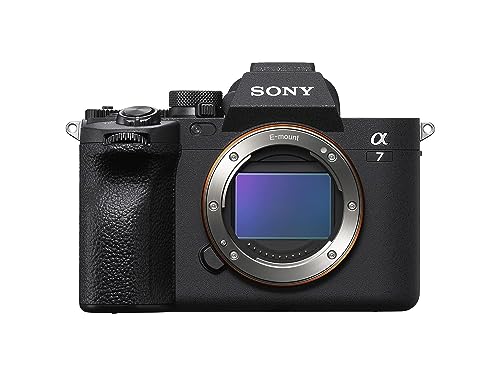
| Sony Alpha 7 IV | Best all-round cityscape camera | The complete urban instrument: dynamic range for impossible frames, clean blue-hour files and the deepest lens ecosystem in the guide. |
| Fujifilm X-T5 | Best for architectural detail | A high-resolution sensor in a dial-driven body, for photographers whose cityscapes are printed large and examined closely. |
| Canon EOS R6 Mark II | Best for blue hour and night streets | Clean high-sensitivity files and superb stabilisation for the handheld city at dusk, when the tripod is impractical and the light is best. |
| Fujifilm X100VI | Best pocketable city companion | A fixed-lens compact with a serious sensor and a leaf shutter, for the cityscape that happens when no camera bag was planned. |
| OM SYSTEM OM-5 Mark II | Best for long exposures and bad weather | Computational long-exposure tools and serious weather sealing in the smallest system here, for rivers, traffic trails and storm light. |
| Sony RX100 VII | Best zoom compact for skyline reach | A pocket camera with a real zoom range, for the traveller who wants the skyline compressed and the detail close without carrying a system. |
How Did We Choose These Cityscape Picks?
We tested the candidates against the city’s own examination paper: the sunset skyline where the sky must keep its gradient while the shadowed waterfront keeps its detail; the blue-hour boulevard where artificial light and the last daylight argue in different colours; the dawn bridge shot bracketed across five frames; and the walked mile of opportunistic frames, reflections, escalators, steam and glass, that make up most real urban portfolios. A camera earned its place by excelling at one of those examinations without failing the others.
The filters were unforgiving about editing reality. City files get pushed: shadows lifted hard, highlights recovered, perspective corrected, crops taken from the edges where detail goes to die. So we weighted raw file resilience above in-camera beauty, lens ecosystems above body novelties, and honest high-sensitivity rendering above impressive daylight sharpness, because the city’s best light is always its scarcest. Two compacts survived those filters on merit, which surprised us until their files were projected beside the big cameras’ at blue hour.
Why Is the City Harder on a Camera Than the Landscape Is?
Because the landscape’s extremes are gradual and the city’s are abrupt. A mountain valley shades from highlight to shadow across a hillside; a city street does it across a doorway. The camera must hold a blown-glass tower and the unlit underpass beneath it in one exposure or a disciplined bracket, resolve detail at scales from a skyline to a door knocker, and keep verticals vertical in a genre where a leaning tower reads instantly as incompetence unless it is in Pisa. Add mixed artificial light, sodium, LED, neon, fluorescent, each with its own colour grudge, and the urban file faces a colour examination the countryside never sets.
The city also moves at the photographer’s feet while standing still above them: traffic trails, crowds, steam, ferries and flags all offer motion as a creative material, which is why long-exposure manners, neutral density discipline and dependable timers run through this guide’s picks. The cityscape photographer is part architect, part opportunist, and the cameras below were chosen to serve both halves of that character.

Sony Alpha 7 IV — Best all-round cityscape camera
The Alpha 7 IV is the city photographer’s default for reasons that compound. Its sensor holds the genre’s signature frame, bright sky over shadowed street, with a resilience that lets a single exposure do work lesser files need brackets for, and its high-sensitivity rendering keeps blue-hour boulevards clean at the settings dusk imposes. Its resolution sits at the genre’s sweet spot: enough for architectural detail and confident cropping, not so much that every file becomes an archival event. On a tripod at dawn or in the hand at midnight, it simply behaves like the professional tool it is.
The ecosystem completes the argument. Urban work lives on wide lenses, and Sony’s mount offers the deepest bench of them at every price, including the compact primes a walking photographer actually carries and the exotic glass a skyline specialist hires. Add dependable bracketing, a level that keeps towers honest and files that every editing program on earth handles gracefully, and the Alpha 7 IV becomes the camera this guide would hand a stranger flying to a city they had never seen, confident it would not be the reason any photograph failed.
- Sensor class: full-frame, wide dynamic range
- Files: resilient for hard shadow lifts
- Mount: the deepest wide-lens bench
- Role: tripod anchor and walking camera alike
Strengths
- One frame holds neon and alley.
- Blue-hour files stay clean and calm.
- A wide lens for every budget exists.
Trade-offs
- Resolution below the Fujifilm’s ceiling.
- Menus reward an initial setup hour.
- Premium tier before lenses.
Best for: the serious urban photographer wanting one system. Not suited for: the minimalist who shoots one fixed lens only.
City craft counsel: expose for the brightest element you intend to keep, usually the sky at sunset or the lit signage, and trust this sensor’s shadows to come back in the edit. Beginners protect shadows and sacrifice skies; the Alpha 7 IV rewards the professional’s opposite discipline more than any camera in this guide.
Its other urban virtue is discretion at size. The body is compact enough, with a small prime, to work a crowded downtown without announcing a production, and street-level cityscape work, the escalators and arcades and station concourses, increasingly happens in places where a large rig attracts official curiosity. Professional files from an unremarkable-looking camera is a combination the genre values more each year.

Fujifilm X-T5 — Best for architectural detail
Where the Sony is the all-rounder, the X-T5 is the detail absolutist. Its high-resolution APS-C sensor resolves the city’s fine grain, brick courses, ironwork, window mullions, distant signage, with an authority that makes large prints of architecture genuinely rewarding, and its files hold together under the perspective corrections urban work demands, where corners are stretched and weak sensors smear. Photographers who sell prints of their city, or simply love a facade the way portraitists love a face, will feel the difference in every frame.
The body’s physical dials suit the tripod temperament beautifully: aperture, shutter and sensitivity set by touch, confirmed by eye, without menus interrupting the dawn. Fujifilm’s colour science offers renderings of brick, stone and evening sky that many urban photographers choose as their signature, and the lens system includes the wide and standard primes the genre lives on at prices a working photographer survives. It concedes low-light reach to the full-frame picks and asks for tripod discipline at blue hour, which its intended owner was already planning to provide.
- Sensor class: high-resolution APS-C
- Controls: dials for the tripod temperament
- Colour: renderings brick and stone love
- Role: architecture and large prints
Strengths
- Detail that survives big printing.
- Files hold under perspective correction.
- Dials keep the dawn meditative.
Trade-offs
- Blue hour wants the tripod, truly.
- High-sensitivity ceiling below full-frame.
- Resolution exposes weak lenses honestly.
Best for: architecture lovers and print makers. Not suited for: handheld night wandering as a style.
Print counsel: the X-T5’s resolution tempts cropping as a compositional strategy, and for cityscapes the temptation should be resisted at the architectural level. Shoot the facade whole with the right lens position, because a print’s authority comes from the building’s complete geometry, and crop only for the detail studies that accompany it.
There is a walking case for it too. With a small prime the X-T5 is a handsome, unhurried street companion whose files happen to be print-grade, and many owners find their city portfolio splitting naturally: considered architecture on the tripod at dawn, then the same body over the shoulder for the city’s waking theatre, with no quality cliff between the two halves of the morning.

Canon EOS R6 Mark II — Best for blue hour and night streets
Not every cityscape allows a tripod. Bridges ban them, security moves photographers along, rain makes setting up a misery, and the city’s finest fifteen minutes, the blue hour when the windows light and the sky deepens, often catch the photographer mid-journey. The R6 Mark II is the camera for those minutes. Its full-frame sensor produces beautifully clean files at the sensitivities dusk demands, and its stabilisation, working with modern lenses, holds shutter speeds that turn a handheld boulevard shot from a gamble into a method. Traffic trails, wet-pavement reflections and lit facades all become available to the walking photographer.
Canon’s colour at night deserves its sentence: skin tones under mixed street light stay human, neon stays saturated without bleeding, and the files need less rescue in the edit than the hour usually exacts. The trade is resolution, the lowest ceiling in this guide’s full-frame trio, which the print-ambitious should weigh honestly. For the photographer whose city is experienced on foot and after dark, the exchange is correct, and this is their camera.
- Sensor class: full-frame, night-clean files
- Stabilisation: handheld dusk is a method
- Colour: mixed street light handled kindly
- Role: the walking night photographer’s body
Strengths
- Blue hour without the tripod ritual.
- Night colour that needs little rescue.
- Stabilisation that earns its keep nightly.
Trade-offs
- Resolution ceiling for huge prints.
- Big architecture wants the Fujifilm.
- Premium tier, as full-frame is.
Best for: handheld dusk and night city walkers. Not suited for: large-print architecture specialists.
Night craft counsel: let the stabilisation work at its best by bracing as if it did not exist, elbows in, breath held, against a railing where the city provides one. The R6 Mark II rewards the disciplined handheld shooter with shutter speeds that feel like cheating, and punishes the casual one only by comparison with what was possible.
Its weather sealing earns a mention in a genre shot disproportionately in rain, because wet streets double the city’s lights and every serious urban portfolio eventually contains a storm series. A body the photographer trusts under a coat’s edge, while the pavement turns to mirrors, gathers frames that fair-weather cameras simply never attend.

Fujifilm X100VI — Best pocketable city companion
Every urban photographer’s portfolio has a ghost section: the skylines seen from taxis, the dawn over a strange city from a hotel window, the festival street at the exact minute the light broke, all unphotographed because the real camera was elsewhere. The X100VI is the answer the genre has refined for decades, a fixed wide lens on a genuinely capable sensor in a body that lives in a coat pocket. Its resolution is serious, its files withstand real editing, and its film simulations render the city’s brick and neon with a character photographers choose deliberately rather than accept.
Its limitations are the fixed-lens creed itself: the focal length is the focal length, composition is done with feet and vantage, and the skyline across the harbour stays wide no matter how it begs for reach. Owners describe that constraint as the camera’s teaching rather than its flaw, and the built-in filtration and quiet shutter suit the discreet, observational half of urban work. As a second camera for system owners or the only camera for minimalists, it gathers more portfolio frames per gram than anything in this guide.
- Form: fixed-lens compact, pocketable
- Sensor class: high-resolution APS-C
- Lens: one wide prime, feet do the zooming
- Role: the always-carried city camera
Strengths
- Present at the unplanned skyline.
- Files far beyond compact expectations.
- The constraint teaches composition.
Trade-offs
- No reach for distant skylines.
- One focal length, forever, by design.
- Sought-after and priced accordingly.
Best for: minimalists and system owners’ second body. Not suited for: telephoto skyline compression shots.
Pocket counsel: carry it with the strap worn and the camera set to your city’s default, aperture chosen, sensitivity automatic within a ceiling you trust, so the frame is one motion away when the light breaks. The X100VI’s portfolio is built from seconds saved, and its owners’ discipline is readiness rather than settings mastery.
Hotel-window photography, the genre’s guilty pleasure, deserves its defence and this is its champion: high floors in strange cities offer cityscapes no resident ever sees, and the camera on the nightstand at dawn has gathered many photographers’ favourite frames. Press it to the glass to kill reflections, shoot before the city’s lights die, and credit the pocket camera that was simply there.

OM SYSTEM OM-5 Mark II — Best for long exposures and bad weather
The OM-5 Mark II serves the cityscape’s patient wing. Its computational long-exposure features let a photographer watch a traffic-trail exposure build on screen and stop it at the moment the light ribbons complete, a discipline that film-era urban shooters needed Polaroids and prayer to achieve, and its neutral-density simulation extends the technique into daylight, smoothing river traffic and emptying a plaza at noon. For the photographer whose city is rivers, bridges and weather, these are not novelties but the core toolkit, delivered in the smallest, toughest body in this guide.
The Micro Four Thirds sensor is the honest trade: less dynamic range and low-light headroom than the full-frame picks, repaid by lenses so small that a full urban kit, wide to telephoto, fits a sling bag and a day of walking that would cripple a full-frame carrier. Its weather sealing is the genre’s most trusted, and city portfolios are disproportionately made in the rain that empties streets and doubles lights. Photographers who walk far in bad weather to patiently smooth water will find no better-matched instrument here.
- Sensor class: Micro Four Thirds, tiny lenses
- Exposure: computational long-exposure tools
- Sealing: the guide’s weather champion
- Role: rivers, trails and storm series
Strengths
- Long exposures composed live.
- A whole kit in a sling bag.
- Rain becomes an assignment, not a cancellation.
Trade-offs
- Dynamic range below full-frame.
- Night files need more care.
- Small sensor, big-print limits.
Best for: long-exposure and bad-weather walkers. Not suited for: single-frame dynamic-range extremists.
Long-exposure counsel: compose the static architecture first and let the moving city paint itself second, because the viewer’s eye reads the building as the subject and the trails as its weather. The OM-5’s live build-up display makes that judgement visible in real time, which is why its owners’ long exposures so often look decided rather than accumulated.
Its size also opens the city’s high places: the rooftop bars, observation decks and office windows where tripods are forbidden and a small camera on a railing, self-timer running, attracts no attention at all. Several classic vantage genres are effectively reserved for cameras this discreet, whatever their sensors promise.

Sony RX100 VII — Best zoom compact for skyline reach
The RX100 VII answers the X100VI’s fixed-lens creed with the opposite philosophy: a zoom that reaches from the wide boulevard to the compressed skyline where towers stack like a stage set, in a body that still disappears into a jacket. Skyline compression, that layered look where a telephoto stacks a city’s ridges of glass, is a signature urban technique the fixed-lens picks cannot perform, and this little camera performs it from viewpoints where a system camera would never have been carried. Its one-inch sensor is the smallest here and its files are the least resilient under violent editing, yet within honest exposure they are detailed, colourful and entirely portfolio-worthy.
It suits the travelling city photographer above all: the conference attendee with one free dawn, the traveller whose luggage forbids a system, the resident who wants a serious camera that never requires a decision about lenses. Autofocus is startlingly quick for the class, the lens covers the urban range in one barrel, and the whole proposition respects the truth that most cityscapes are opportunistic. Reach plus presence is a real photographic argument, and this camera makes it in 300 grams.
- Form: pocket compact with real zoom
- Sensor class: one-inch, honest files
- Lens: wide boulevard to stacked skyline
- Role: the traveller’s only camera
Strengths
- Skyline compression from a pocket.
- One lens, the whole urban range.
- Present on every trip, without debate.
Trade-offs
- Files least resilient to hard edits.
- Night work needs care and support.
- Premium price for a compact.
Best for: travellers and skyline-reach minimalists. Not suited for: bracket-and-push editing extremists.
Compression counsel: the stacked skyline needs distance and height more than it needs millimetres, so cross the river, climb the far hill, then zoom. The RX100 VII rewards the photographer who finds the vantage, and its zoom’s far end turns that vantage into the layered, theatrical frame the genre prizes.
It is also the guide’s recommendation for the photographer whose city work is a by-product of other travel, the architect on site visits, the consultant with dawns in foreign downtowns. A camera that requires no system decision travels in the carry-on without negotiation, and its portfolio accumulates across years of other people’s itineraries.
How Do the Six Compare Side by Side?
| Camera | Best urban role | Sensor | Signature strength | Watch out for |
|---|---|---|---|---|
| Sony Alpha 7 IV | The complete system | Full-frame | Dynamic range | Print ceiling below Fujifilm |
| Fujifilm X-T5 | Architecture, prints | High-res APS-C | Fine detail | Tripod at blue hour |
| Canon EOS R6 Mark II | Handheld night city | Full-frame | Clean dusk files | Resolution ceiling |
| Fujifilm X100VI | Always-carried | APS-C compact | Presence and character | Fixed focal length |
| OM SYSTEM OM-5 Mark II | Long exposures | Micro Four Thirds | Live light painting | Dynamic range |
| Sony RX100 VII | Travel skylines | One-inch compact | Zoom reach in pocket | Editing resilience |
What Lens Kit Does a City Actually Need?
Less than landscape work and stranger than street work. The city’s core is a quality wide zoom or prime for the boulevards and interiors, a normal lens for the composed frame, and, the genre’s secret weapon, a moderate telephoto for compression: skylines stacked, facades flattened into pattern, details isolated from towers a mile away. More portfolios are transformed by adding the telephoto than by widening the wide, because beginners crowd the city’s width and veterans compose its layers. Whichever system from this guide you choose, budget the three roles before duplicating any of them.
Tilt and shift lenses are the architecture specialist’s refinement, correcting converging verticals optically where software correction costs resolution at the frame’s edges. They are hire-before-you-buy instruments, expensive and deliberate, and the high-resolution picks, the X-T5 above all, are their natural partners, since optical correction spends none of the file’s hard-won detail.
How Do You Shoot Blue Hour Like a Professional?
By arriving in daylight and working a schedule. Scout the frame while the city is lit, set the tripod, compose for the lit city you cannot yet see, and focus before the light fails. Then shoot through the whole transition, because blue hour is not a moment but a twenty-minute negotiation between sky and streetlight, and its best balance, windows glowing, sky still deep cobalt, skyline readable, occurs once and briefly at a different minute every season. The cameras here with clean high-sensitivity files widen that window; the disciplined photographer is simply present for all of it, bracketing calmly while tourists photograph the sunset that ended the real show.
White balance is blue hour’s hidden craft. Automatic settings chase the changing mix and render each frame a different city; a fixed daylight-leaning balance keeps the sequence coherent, the sky’s blue honest and the sodium lights warm against it. Shoot the series as one photograph in twenty frames, and the edit becomes a selection rather than a rescue.
How Should City Files Be Edited for Print?
In the order the city presents its problems: geometry first, because perspective correction crops the frame and every later decision should know the final boundaries; then the exposure architecture, sky held, shadows lifted in zones rather than globally; then colour discipline, because mixed urban light invites a chaos of competing casts that a restrained hand unifies without sterilising. The resilient files from this guide’s full-frame and high-resolution picks exist precisely for this sequence, holding detail through corrections that dissolve lesser files at the corners.
Print size should be decided before the final sharpening pass, and the city’s fine repetitive detail, railings, grilles, brickwork, is where sharpening sins become visible first. Edit on a calibrated screen at the print’s actual magnification, and let one test print of the most detailed frame calibrate your hand for the series. Urban prints are examined closely by their nature; the genre’s standard is the facade at arm’s length.
What Mistakes Ruin Otherwise Good Cityscapes?
Converging verticals left uncorrected top the list, because the eye reads a leaning tower as a mistake instantly and forever. Second is the midday skyline, shot when the light is worst because the itinerary allowed it, while the same frame at dawn would have been the portfolio’s cover. Third is protecting shadows and sacrificing the sky, the beginner’s exposure instinct that this guide’s dynamic-range picks exist to outgrow. Fourth is the cluttered frame: the city offers a hundred subjects per view, and the amateur includes all of them while the professional walks fifty metres to exclude ninety.
Fifth is neglecting the foreground. A skyline floating on nothing is a postcard; a skyline anchored by a bridge rail, a wet pavement reflection or a ferry’s wake is a photograph. The cameras here will hold any detail the city offers, but composition remains the photographer’s unautomated duty, and the city’s geometry rewards those who treat every frame as architecture, including their own.
Final Recommendation
Choose by the city you actually shoot. The photographer building one serious system should take the Sony Alpha 7 IV and invest in wide glass, knowing no urban assignment in this guide defeats it. Architecture and print devotees belong with the Fujifilm X-T5, handheld night walkers with the Canon EOS R6 Mark II, long-exposure patient workers with the OM SYSTEM OM-5 Mark II, and the two compacts divide the minimalists between them: the X100VI for the fixed-lens purist, the RX100 VII for the traveller who needs skyline reach. Every one of them will hold a city’s light honestly; the rest is vantage, timing and the discipline to be on the bridge before the blue hour begins.
Frequently Asked Questions
Do cityscapes really need a full-frame camera?
No, and this guide’s own list proves it: a high-resolution APS-C body anchors the architecture picks and two smaller-sensor cameras earn their places outright. Full-frame buys dynamic range and low-light headroom, which matter for single-exposure dusk work. A disciplined bracketing technique on a smaller sensor closes most of that gap, and the city’s best practitioners are separated by vantage and timing far more than by sensor size.
What is the best time of day for cityscapes?
The hour that contains both dawn and blue hour, morning for empty streets and clean air, evening for lit windows and populated energy. Midday is the genre’s dead zone except for hard-shadow architectural abstraction, which some photographers cultivate deliberately. Whatever the assignment, arrive early enough to compose in light you can see by, because the frames that define portfolios are almost always made in transitions the casual visitor sleeps or dines through.
Should I bracket exposures in the city?
When the frame contains both sky and shadowed street and the light is changing slowly, yes: bracketing is cheap insurance and the professional’s habit on a tripod. When the moment is moving, a ferry crossing, a break in the clouds, trust the sensor’s dynamic range and the expose-for-highlights discipline instead. The picks here support both crafts; the judgement of which moment you are in is the photographer’s own developing skill.
How do I keep buildings from leaning in my photos?
Three defences, in order of preference. Level the camera and keep its sensor parallel to the facade, accepting extra sky or foreground to crop later. Step back and use a longer lens where the street allows it, because distance itself straightens geometry. Correct in the edit as the final resort, knowing the correction costs edge resolution, which is one reason the high-resolution X-T5 exists in this guide. Pisa excepted, verticals should be vertical.
Is a zoom or a prime better for urban work?
The zoom composes precisely in a genre of fixed viewpoints, where the photographer often cannot move: the bridge parapet, the far bank, the permitted spot. The prime gathers more light, weighs less and teaches composition with the feet. Most serious city kits contain both, a working zoom for the tripod and a small prime for the walking hours, and the systems behind this guide’s picks all offer that pairing at survivable prices.
Can a compact really produce a portfolio cityscape?
The two compacts here have produced many, because portfolio quality is decided by light, vantage and editing resilience more than by camera category. Their files demand honest exposure, the RX100 VII’s especially, and neither replaces a system for a dedicated architecture commission. But the cityscape that exists, made by the carried camera at the unplanned moment, outranks the superior photograph that was never taken, which is the entire philosophy of the pocketable pick.
How Do Reflections and Wet Streets Double a City’s Light?
Rain is the urban photographer’s studio lighting arriving free of charge. A wet pavement returns the city’s lights to the camera doubled, neon pooling in the street, headlights smearing into ribbons, the skyline mirrored in a plaza’s sheen, and frames that were ordinary at noon become theatrical at nine in the rain. The technique is exposure patience: protect the highlights in the reflections themselves, let the stabilised handheld picks or a tripod hold the longer shutter, and compose so the reflection completes a symmetry or leads the eye to the lit subject rather than merely decorating the foreground.
This is where the weather-sealed picks earn their recommendation in practice rather than in specification. The photographer still standing on the corner at the storm’s end, when the air clears and every surface shines, gathers the city’s most generous light with the streets emptied by weather. Residents hurry home through that light; the cityscape photographer has been waiting for it all day.
What Makes a Skyline Photograph More Than a Postcard?
A decision. The postcard shows the skyline as information, centred, complete, in fair weather at noon. The photograph chooses: a foreground with its own story, weather with intent, a crop that sacrifices famous towers to rhythm, a moment, fog eating the tops, a storm clearing over one lit district, that could not be repeated for a calendar. Compression from the telephoto picks stacks the city into abstraction; the wide frame from across the water makes it a held breath. Either way, the maker’s judgement is visible in what the frame excludes.
Study the skylines you admire and the pattern is consistent: the photographer knew the city well enough to be somewhere specific when something transient happened. That is why this guide keeps returning to presence, the carried compact, the scouted vantage, the dawn arrival. Skylines reward residents and repeat visitors; the camera’s job is merely to be worthy of the knowledge its owner accumulates.
How Should You Photograph a City You Are Visiting Briefly?
Research like a resident, shoot like a thief of hours. Study the resident photographers’ vantage points before arrival, note where the sun rises against the skyline’s face, and give the city your first dawn rather than your last, because weather insurance is the traveller’s scarcest resource. Walk the financial district on the weekend morning when it empties, the old town at the blue hour when its lamps light, and keep the compact picks’ philosophy even with a system camera: one body, two lenses, nothing that slows the walking.
Resist the trophy list. Three frames made with knowledge of one neighbourhood will outlast thirty landmarks hurried at noon, and the traveller who eats where the light is falling, rather than where the itinerary says, comes home with a city rather than a checklist. The cameras here travel well precisely because none of them demands the trip reorganise itself around the equipment.
Why Do City Photographers Bracket Their White Balance Too?
Because the city’s light is not one light. A single frame may contain the last blue daylight, sodium streetlight, a greenish fluorescent arcade and a shopfront’s neutral LEDs, and no single balance renders all four honestly. Experienced urban photographers shoot raw with a fixed balance for coherence across a series, then correct in zones during the edit, cooling the arcade, warming the street, letting the sky keep its dusk. The resilient files in this guide survive that zonal surgery; files from lesser cameras tear along the colour boundaries.
There is also an expressive reading: the city’s colour argument is part of its portrait. Erasing every cast into neutrality produces a city that exists nowhere, while a disciplined hand keeps the argument and merely referees it. Examiners of urban portfolios look for exactly that judgement, the difference between correction and sterilisation, and it is learned by editing one blue-hour series three ways and living with each for a week.
How Do You Photograph Skyscrapers from Street Level Honestly?
By choosing your lie deliberately, because from the pavement every tower photograph contains one. Converging verticals dramatise height and make architecture feel like ascent; corrected verticals present the building as its architect drew it, calm and gridded; the extreme wide lens from the lobby’s corner turns the atrium into a cathedral of glass. None is the truth, and the professional’s skill is matching the treatment to the commission: the developer’s brochure wants the drawing’s calm, the editorial feature wants the ascent, the art print may want the cathedral. The cameras here support all three, the high-resolution picks feeding software correction, the wide-lens systems feeding optical drama.
Practically, the street-level shooter works the opposite pavement, the median, the plaza’s far edge, anywhere distance can be bought, because distance is what tames convergence before any lens or software is involved. Cross the street before you change the lens is the genre’s oldest counsel, and the city’s own furniture, the bus stop’s shelter as a frame, the arcade’s columns as a foreground rhythm, turns the necessary distance into composition rather than compromise.
What Is the Ethics of Photographing the City’s People and Homes?
The cityscape sits at photography’s most public edge, and its ethics are practised rather than theoretical. The skyline, the facade and the public square are the city’s shared portrait and photographing them is the genre’s founding right. The frame’s edge is where judgement lives: the identifiable resident at their lit window, the rough sleeper whose dignity is not a foreground, the security-sensitive site where a long lens and patience read as something other than art. The working rule among serious urban photographers is simple to state and constant to apply: photograph the city as its citizen, not its voyeur, and let any frame that depends on someone’s unconsented vulnerability be the frame you walk away from.
Practically, discretion serves ethics and access together. The smaller picks in this guide, the compacts above all, gather the city’s life without the theatre of a rig, and a photographer who is challenged and can show the work, explain the project and offer the frame is practising the genre’s citizenship. Cities are photographed by those they trust, and trust is a long exposure built across years of behaving like a neighbour with a camera.
How Should You Build a City Portfolio That coheres?
By choosing a question and letting the city answer it for a year. The portfolios that hold together are arguments: one river’s bridges in all weathers, the financial district emptying at dusk across a winter, the old town’s windows as its residents’ portraits, a single avenue walked at the same hour monthly until its seasons show. The camera questions, vantage, lens, hour, stay deliberately constant so the variable is the city itself, and the editing ruthlessness matches: a portfolio of fifteen frames that argue beats fifty that merely accumulate, however fine the fifty are individually.
This is where the guide’s systems thinking pays its dividend. A coherent year-long argument needs a camera that is present in all weathers and lights, which is why the sealed, stabilised and pocketable picks exist alongside the resolution champions. The portfolio is the photographer’s real product, and the camera that serves the argument, rather than the single spectacular frame, is the one its owner still thanks after a decade.
How Do Fog, Snow and Heat Change the Urban Method?
Fog is the city’s editor, deleting everything beyond the chosen block and handing the photographer a simplified, layered world where nearer towers print dark against dissolving distance. Expose for the near subject, let the fog do the composition, and work fast, because fog in a city is a tide that turns without notice. Snow redraws the city’s geometry in white, silences its colour argument to a whisper and makes exposure liars of every meter: the camera reads the bright streets and darkens them, so the urban photographer compensates deliberately and shoots the brief blue dusk when the fresh snow still holds the sky’s colour against the lit windows.
Heat shimmer is the summer skyline’s tax, softening distant towers at midday through rising air, which is why the telephoto skyline work in this guide belongs to the morning. Each weather is a different city wearing the same buildings, and the resident photographer with a weather-sealed camera and a wardrobe for all of them owns four portfolios where the fair-weather visitor owns one. The OM-5’s sealing and the compacts’ readiness are, in this light, not conveniences but seasons.
Why Do the Best City Photographers Scout Without a Camera?
Because the eye composes differently when it cannot collect. A scouting walk teaches the city’s timing, which tower catches the last light, which plaza empties at six, where the ferry crosses the skyline’s reflection at dawn, and that knowledge, carried in a notebook rather than a card, is what places the photographer correctly when the conditions arrive. The camera on a scouting walk produces premature frames that satisfy the urge and dull the return; the notebook produces appointments. Every portfolio in the genre’s history rests on a foundation of kept appointments with light.
Scouting also builds the resident’s other asset: familiarity with the city’s custodians. The concierge who knows your project, the bridge attendant who has seen you at dawn for a month, the café owner whose window ledge is your tripod, these relationships open the vantages no guidebook lists. The cameras here are discreet enough to deserve such trust, and the photographer who scouts becomes, in the useful sense, part of the city’s own staff of observers.
How Does Night Photography Change After Midnight?
The city after midnight is a different assignment from the blue-hour city, and the photographers who conflate them miss both. The lit windows thin to the night workers and the sleepless, traffic becomes individual light trails with silence between them, and the colour palette simplifies to sodium, neon and the occasional cold LED, a restricted orchestra the full-frame picks render with real beauty. Exposure lengths grow, the tripod stops being optional discipline and becomes the instrument itself, and the OM-5’s live long-exposure tools and the Canon’s clean high-sensitivity files divide the night’s work between them according to whether the frame is built or seized.
Safety and permission become working considerations rather than afterthoughts: work visible, work with a companion where the district asks it, and keep the session’s footprint light. The reward is the city at its most theatrical and least observed, steam rising through sodium light, the night bus crossing an empty boulevard, the skyline presiding over a population of thousands of lit windows reduced to dozens. Photographers who learn the after-midnight city own a portfolio their daylight peers cannot imitate, because they were awake for the city’s other half.
How Do You Compose a City Frame That Breathes?
By deciding what the frame is not. The beginner’s city photograph includes the tower, the bridge, the statue and the sunset in one democratic panorama, and the result is a inventory rather than an image. The composed frame chooses a hierarchy: one element owns the frame, a second supports it, and everything else is admitted only if it behaves as background. That discipline usually means walking closer than instinct suggests, cropping with the feet until the supporting elements arrange themselves, and letting one strong diagonal, a bridge cable, a shoreline, an avenue’s perspective, carry the eye through the chosen hierarchy.
Negative space is the urban photographer’s least-used material, because the city seems to forbid emptiness. Yet the frames that breathe are built from the city’s own pauses: the blank dawn sky above a detailed waterfront, the fog’s erasure, the dark river beneath a lit bridge. The cameras here hold detail so well that beginners fill every corner with it; the mature city portfolio is recognisable by what its maker had the confidence to leave empty.
What Tripod Discipline Separates the Dawn Professionals?
Arrival before the light, composition before the tripod, and the tripod treated as a decision rather than a default. The professional sets the legs on ground that will not vibrate with the first bus, levels the head before mounting the camera, composes through the viewfinder at the working height, and then leaves the rig alone, working the scene through exposure and patience rather than through restless reframing. A remote release or timer removes the hand’s tremor from long exposures, and the level gauges in this guide’s picks keep the city’s verticals honest while the light is still too dim to judge them by eye.
The second discipline is staying. Dawn’s light changes by the minute and the first frame is rarely the keeper; the professional shoots the whole transition, bracketing calmly, reviewing nothing until the light has finished, because chimping through the blue hour’s best ninety seconds is the amateur’s defining loss. The cameras’ clean files reward the patience, and the portfolio’s dawn section is built by photographers who were still on the bridge when the casual shooters left for coffee.
How Should You Photograph Interiors of the City, Stations and Arcades?
The interior city, its stations, arcades, markets and concourses, is where urban photography meets portraiture’s light at architecture’s scale. The method is high-sensitivity honesty: the full-frame and stabilised picks earn their keep here, holding shutter speeds that keep the moving crowd as atmosphere rather than accident while the architecture stays sharp. Compose for the light’s architecture first, the skylight’s shaft, the arcade’s repeating vaults, the departure board’s glow, and let the population animate a frame that would hold without them.
Permission and courtesy shape the interior craft as much as exposure. Many great interior spaces are private property open to the public, a distinction the discreet photographer respects by working small, avoiding tripods where they obstruct, and accepting a refusal with the grace that keeps the space open to the next photographer. The compact picks are the interior city’s natural instruments, gathering its theatre without announcing a production, and several portfolios in the genre were made entirely within that discretion.
Why Does Every City Portfolio Need Its Own Backyard Project?
Because the famous skylines are photographed by everyone and the unregarded neighbourhood is photographed by no one, which makes the resident’s own district the only guaranteed original subject available. A backyard project, one underpass, one market street, one housing estate’s changing seasons, pursued with the best camera and the full craft, produces the portfolio section that editors and examiners cannot have seen before, and it trains the eye that later travels: the photographer who has truly seen one district can see any city, while the trophy collector has visited thirty skylines and seen none.
The project also solves the genre’s motivational arithmetic. Great city light is rare and unscheduled, and the photographer whose subject is ten minutes away can answer every fog, every snowfall and every storm’s end, while the distant masterpiece gets the light that happens to fall on planned weekends. Presence, this guide’s recurring theme, is ultimately a geography before it is a virtue, and the backyard project is presence organised into a body of work.
Related Guides
Urban photographers expanding into neighbouring genres will also find our guides to the best cameras for architecture photography and the best cameras for long exposure and the best cameras for landscape and portraits.


