ilcastellomenu.com is reader-supported. When you buy through links on our site, we may earn an affiliate commission.
Where to Buy
Filming a conductor is filming the one musician who makes no sound. The camera’s subject is communication itself: the gesture that releases a hundred players, the glance that balances a section, the stillness that holds a hall’s breath before the downbeat. The best cameras for conductors are chosen for that strange, specific assignment, recording concerts from the podium’s viewpoint and from the hall’s, in the low, warm, unforgiving light of performance, without ever becoming part of the performance. A camera that distracts the orchestra, glows in the dark or whirs during the pianissimo has failed before its image quality is discussed.
This guide covers the two directions of the craft. The podium-view camera, small and discreet, shows the orchestra as the conductor sees it, the faces, the sections, the score’s geography made visible, and has become essential teaching material for conducting students and a revelation for audiences. The hall cameras do the traditional work: the conductor’s back and gesture against the orchestra’s spread, the soloist, the wide architecture of the full ensemble. The six picks divide those positions between them, with the low-light full-frame bodies anchoring the hall and the small cameras owning the podium and the music desk.
Silence is the specification nobody lists and everybody needs. Concert filming is done among musicians who can hear a page turn at twenty metres, so fan noise, shutter clicks and tally lights run through every assessment below, alongside the low-light behaviour that decides whether the footage looks like the concert felt.
Key Takeaways
- The conductor’s camera must be silent and invisible before it is anything else.
- Podium-view footage, the orchestra as the conductor sees it, is a genre of its own.
- Concert light is low and warm, so high-sensitivity behaviour decides the hall cameras.
- Long performances demand stamina: a symphony outlasts batteries and casual media.
- The conductor’s gesture needs frame rates and shutters that keep motion legible, not smeared.
- Audio is recorded by the sound engineer; the camera’s job is never to be heard on it.
In this guide
Quick Picks
| Pick | Badge | Why it is here |
|---|---|---|
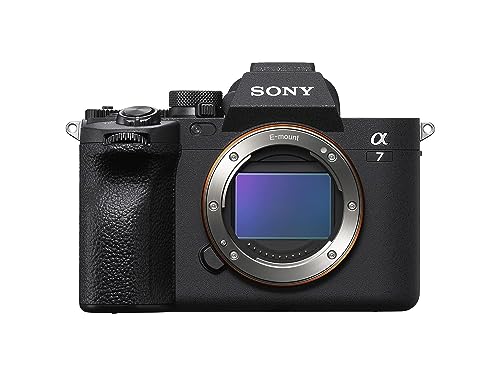
| Sony Alpha 7 IV | Best hall camera for the conductor’s gesture | The low-light anchor for the classic shot: the conductor silhouetted against the orchestra, faces readable in performance light. |
| Panasonic LUMIX S5II | Best for full-length concert recording | Built for the long work: a whole symphony, a whole opera act, recorded or streamed without thermal or media drama. |
| DJI Osmo Pocket 3 | Best podium-view camera | Small enough to live at the conductor’s shoulder, stabilised enough to share the podium’s motion, quiet enough for the pianissimo. |
| Insta360 X4 | Best for immersive rehearsal review | A 360 camera at the podium or in the ensemble that lets a conducting class re-watch a rehearsal facing any section at will. |
| Canon EOS R6 Mark II | Best for soloists and fast gesture | Tracking autofocus and clean high frame rates for the concerto soloist and the conductor’s most athletic scores. |
| GoPro HERO13 Black | Best score-desk and section camera | A tiny, tough camera for the music desk, the organ loft and inside the sections, gathering the views no crew member can stand in. |
How Did We Choose These Conductor Picks?
We assessed the candidates against a concert’s real positions: the podium-view camera facing the orchestra over the conductor’s shoulder, the hall camera at the rear capturing the conductor’s gesture against the full ensemble, the side angle for the soloist and the concertmaster, and the teaching camera that records rehearsals for a conducting class to dissect. A camera earned its place by owning one position with the discretion the occasion demands, silent operation, no intrusive lights, no thermal surprises across a two-hour programme, and image quality that survives the concert hall’s lighting, which is designed for the audience’s eyes rather than for sensors.
The filters were a musician’s as much as a videographer’s. Silence first, tested as an orchestral player would hear it. Light second, because the hall at performance level sits far below what camera marketing calls low light, and faces must survive at the sensitivities that follow. Duration third: a Mahler symphony does not pause for a card change, so recording stamina and power arrangements were weighed as musical virtues. The small cameras that made the list did so because the podium position cannot physically hold anything larger, and their image quality proved good enough that the teaching value of the viewpoint survives.
Why Is the Podium View So Valuable, and So Hard to Film Well?
Because the podium is where the music is actually made, and almost nobody ever sees it. From the conductor’s shoulder, the orchestra becomes a landscape of faces: the concertmaster’s raised eyebrow, the horns lifting in unison, the timpanist counting with his whole body. Conducting students learn more from one rehearsal filmed at that viewpoint than from a term of hall recordings, because the camera shows the transaction itself, cue given, cue understood, sound released. Audiences, offered the view in concert films and streamed relays, consistently describe it as the moment they understood what a conductor does.
The difficulty is physical and diplomatic. The camera must sit within the conductor’s own space, close enough to share the viewpoint, small enough not to enter the players’ sightlines as a distraction, silent absolutely, and steady despite the podium’s vibrations and the conductor’s own movement passing through frame. That is why the podium picks below are the small, clever cameras, while the full-frame bodies take the hall positions where size is free and light is the enemy. Each position has its physics; this guide respects both.

Sony Alpha 7 IV — Best hall camera for the conductor’s gesture
The rear-hall position, looking over the audience to the conductor’s back and the orchestra beyond, is the concert film’s establishing grammar, and the Alpha 7 IV is its finest instrument in this guide. Its full-frame sensor holds the hall’s low, warm light with a cleanliness that keeps the string players’ faces individual rather than impressionistic, and its autofocus can be trusted on the concertmaster or the soloist while the operator’s attention is on the music’s shape. Silent shooting and a discreet profile keep it a guest in the hall rather than a production visiting it.
Its second concert virtue is stamina of quality: the long second half, the symphony’s climax in the hall’s fullest sound and most dramatic light, arrives when lesser cameras’ files have begun to fray at high sensitivities, and the Sony’s remain composed. Paired with a fast telephoto from the rear or a mid-hall position, it produces the footage orchestras use for their archives, their broadcasts and the conductor’s own showreel, the calling card on which engagements are won.
- Sensor class: full-frame, the hall-light leader
- Operation: silent, discreet, hall-worthy
- Focus: trustworthy on soloists at distance
- Role: rear-hall and mid-hall anchor
Strengths
- Faces survive performance lighting.
- The climax looks as good as the opening.
- Silent enough for the quietest hall.
Trade-offs
- Premium body and telephoto budget.
- Needs its position scouted per hall.
- Overkill for rehearsal-room teaching.
Best for: orchestras filming concerts for archive and broadcast. Not suited for: the podium position itself.
Hall counsel: expose for the stage’s lit faces and let the hall’s architecture fall to darkness, because the audience’s eye does exactly that and the footage should honour the same contract. The Alpha 7 IV’s shadows can be lifted a little in the edit for the archive version, but the broadcast version should keep the concert’s own chiaroscuro, which is part of the performance.
Its showreel value deserves a conductor’s attention: agents and orchestras watch audition footage with the sound revered and the image scrutinised, and a conductor’s gesture reads clearly only when the camera holds the hands against the orchestra without hunting or breathing. This body’s steadiness in that exact frame is a career asset disguised as a specification.

Panasonic LUMIX S5II — Best for full-length concert recording
Concerts are long, and the S5II is the long-form specialist in this guide. Its cooling and recording design treat a two-hour programme as the assignment rather than the exception, which makes it the camera an orchestra’s media team sets at the mid-hall position and trusts through the interval without a anxious check. Its colour in tungsten-balanced stage light is calm and its stabilisation forgives the small vibrations a hall’s structure transmits from a hundred musicians playing fortissimo, a real and under-discussed concert-filming hazard.
For orchestras building a streaming programme, concerts relayed live to the audience at home, the S5II’s clean output and long-haul manners make it the natural fixed camera, while its price against the Sony leaves budget for the second angle. It concedes the last measure of low-light finesse to the Alpha 7 IV and repays the concession in reliability, the virtue concert schedules value most, because a symphony cannot be asked to repeat the movement for a camera that stopped.
- Sensor class: full-frame, calm in stage light
- Endurance: built for full programmes
- Output: clean feed for concert streaming
- Role: mid-hall fixed camera
Strengths
- A whole opera act, uninterrupted.
- Forgives the hall’s vibrations.
- Streaming-ready without fuss.
Trade-offs
- A shade behind Sony in darkness.
- Fixed role wastes its versatility.
- Long glass still costs real money.
Best for: orchestras recording or streaming whole concerts. Not suited for: a single short rehearsal clip.
Programme counsel: power the S5II from the mains wherever the hall permits and treat battery operation as the exception for positions power cannot reach, because the interval is a poor time to discover a power decision. Concert filming’s professionalism is mostly this: every failure mode retired in advance, in writing, on the production sheet.
Its rehearsal value compounds the case. The same fixed position that records the concert can record the week’s rehearsals for the conductor’s own study, and a camera that lives in the hall, aligned and powered, gathers that teaching archive as a by-product. Orchestras that build the habit find their media library becoming an institutional memory, valuable far beyond the concert films it began as.

DJI Osmo Pocket 3 — Best podium-view camera
The podium view belongs to the Pocket 3 almost by definition. It is the only camera here small enough to mount at the conductor’s shoulder or on the score desk’s edge without entering the players’ sightlines, silent in operation, and stabilised by its gimbal so the podium’s sway becomes a gentle, breathing frame rather than a judder. From that position it records the orchestra as the conductor commands it: the sections’ faces, the concertmaster’s leadership, the wave of a brass entry crossing the ensemble. Conducting teachers who have adopted the viewpoint describe the footage as the first honest mirror their students have ever had.
Its limits are a small camera’s and should be scheduled around: the fixed lens frames the orchestra’s spread from the podium generously but cannot isolate the timpanist at the back, and long programmes want its power and media planned like any professional position. As the second camera in a concert production it is transformative; as the teaching camera in a rehearsal room it is unmatched, because it can be present at every rehearsal without a crew, a rig or a negotiation.
- Form: pocket gimbal, podium-sized
- Position: conductor’s shoulder or desk edge
- Stabilisation: gimbal-smooth on a moving podium
- Role: the podium-view and rehearsal camera
Strengths
- The orchestra through the conductor’s eyes.
- Invisible to players and audience.
- Present at every rehearsal, crew-free.
Trade-offs
- Cannot isolate distant sections.
- Long programmes need power planning.
- Small sensor in the darkest halls.
Best for: conducting teaching and podium-view footage. Not suited for: the hall’s main concert angle.
Podium counsel: agree the camera’s exact position with the conductor in rehearsal, not on the concert night, and let them forget it through a full movement before the performance. A podium camera the conductor is aware of changes the conducting; a forgotten one records it. The Pocket’s size makes that forgetting genuinely possible, which is its deepest professional virtue.
The footage has an audience life beyond the classroom. Orchestras publishing podium-view clips, the horns’ entry seen from inside the gesture that caused it, find audiences responding with a curiosity no hall angle produces, because the view answers the question every concertgoer has asked: what does the conductor actually see, and why do the players watch so intently.

Insta360 X4 — Best for immersive rehearsal review
The X4’s concert role is analytical rather than cinematic. Placed at the podium, within the ensemble or above the conductor’s position, it captures the entire rehearsal in every direction, and the class afterwards can turn the viewpoint freely: watch the woodwind as the cue lands, turn to the conductor’s face at the same instant, then to the strings’ bowing, all from one recording of one take. For teaching the transaction of conducting, that freedom is a new instrument, and several conservatoires’ methods are quietly reorganising themselves around it.
In performance its uses narrow to the discreet: a 360 record of a premiere for the archive, an immersive excerpt for the orchestra’s digital audience, always with the hall’s and the players’ agreement, because a camera that sees everything asks a higher consent than one that frames a view. Its resolution per direction and its workflow weight keep it from the broadcast positions. As the rehearsal room’s memory and the class’s microscope, nothing else in this guide attempts its job.
- Form: 360 camera, whole-room capture
- Workflow: viewpoint chosen in review
- Position: podium or within the ensemble
- Role: rehearsal analysis and archive
Strengths
- One take, every section reviewable.
- Conducting’s transaction made visible.
- A premiere’s complete spatial record.
Trade-offs
- Consent bar is higher, rightly.
- Not a broadcast-position camera.
- Review workflow takes class time.
Best for: conservatoires and conducting masterclasses. Not suited for: the orchestra’s public concert film.
Classroom counsel: use the X4’s freedom with a method, one section per viewing, one question per pass, because an undirected 360 review becomes a novelty tour rather than an analysis. The teachers getting results from it treat the sphere as a score: read deliberately, part by part, with the conductor’s own commentary recorded against the same take.
There is an archival argument for premieres specifically. A new work’s first performance is unrepeatable, and a spatial record of the whole room, the ensemble’s disposition, the soloist’s placement, the conductor’s geography, preserves production knowledge that a framed camera discards. Orchestras with long memories are beginning to keep such records as a matter of policy.

Canon EOS R6 Mark II — Best for soloists and fast gesture
Some repertoire is athletic: the concerto soloist in full flight, the conductor whose beat is a dance, the contemporary score whose gestures change by the bar. The R6 Mark II is the movement camera for those programmes. Its autofocus holds a soloist’s face or a concertmaster’s bow arm through the passage work, and its high frame rate recording lets an editor slow the conductor’s upbeat or the pianist’s run into the teaching and promotional excerpts where such moments live. Canon’s colour under stage light keeps skin believable in the warm wash halls specialise in.
It serves as the natural side-angle camera in a multi-camera concert production, the position that takes the soloist and the front desks while the full-frame anchors hold the wides. Its hybrid nature asks the usual respect for long takes in warm halls, answered by position and power planning rather than by hope. For programmes built on virtuosity, it is the camera whose footage the soloist’s own publicity will request.
- Sensor class: full-frame, movement-ready
- Focus: tracking for soloists in motion
- Recording: high frame rates for gesture study
- Role: side angle, soloist and detail camera
Strengths
- Virtuosity stays in focus.
- Gesture slows beautifully for study.
- Skin stays human in stage light.
Trade-offs
- Long hot takes need planning.
- Second-angle role in big productions.
- Premium tier with its lenses.
Best for: concertos and contemporary programmes. Not suited for: a static choir-and-organ recital.
Soloist counsel: agree the camera’s presence and position with the soloist’s management before the rehearsal, because a soloist who has forgotten the camera by the performance gives the footage its ease, while one reminded of it by a new position on the night performs slightly to it. The R6’s quiet operation helps that forgetting; the production’s courtesy completes it.
Its slow-motion gesture footage has a teaching afterlife beyond promotion. Conducting classes study the beat’s preparation and rebound in slowed time the way athletes study their mechanics, and a camera that renders that study cleanly, at the concert itself rather than in a studio reconstruction, gives the class the real article: the gesture as it actually happened, under pressure, in front of the orchestra it moved.

GoPro HERO13 Black — Best score-desk and section camera
The GoPro’s concert role is infiltration. Clamped at the score desk it records the conductor’s hands and the annotated score together, the single most requested teaching view after the podium shot itself. Fixed inside a section, at the back desks of the violins or beside the percussion, it shows the performance from the player’s chair, the conductor small and commanding in the distance, the desk partner’s part turning, the whole lived geometry of orchestral playing. In the organ loft it watches the console’s theatre of stops and pedals that no audience ever sees.
It is a silent, set-and-forget witness rather than a cinema camera: its wide view and small sensor serve these embedded positions honestly without pretending to the hall cameras’ beauty, and its audio is a reference track for syncing, never the record. Productions plant it the way they plant microphones, early, discreetly and with the players’ knowledge, and harvest views that give concert films their intimacy. For teaching, its score-desk view alone justifies the line in the budget.
- Form: action camera, clamps anywhere
- Positions: score desk, sections, organ loft
- Role: embedded witness cameras
- Audio: reference only, by design
Strengths
- The score and hands in one frame.
- Inside the sections, invisibly.
- Runs a whole concert unattended.
Trade-offs
- Wide view only, no isolation.
- Picture serves, never stars.
- Players’ consent is essential.
Best for: teaching views and embedded angles. Not suited for: any position the audience watches from.
Consent counsel: a camera inside a section is a colleague, and should be introduced as one, by the conductor, in rehearsal, with its footage’s purpose stated and its position agreed with the desk it joins. Orchestral players extend extraordinary cooperation to productions that ask properly, and withdraw it, permanently and justly, from productions that plant cameras unannounced.
The organ-loft use deserves its own sentence because organists are the most filmed-from-behind musicians in the repertoire and the least shown at their actual work. A GoPro at the console, capturing the registration changes, the page turns managed by a registrant and the pedal work, gives organ recitals the visual narrative they have always lacked, at a cost and size the loft’s cramped geography can actually accommodate.
How Do the Six Compare Side by Side?
| Camera | Best concert position | Light appetite | Discretion | Watch out for |
|---|---|---|---|---|
| Sony Alpha 7 IV | Rear hall, the classic frame | The most forgiving | Silent and still | Position scouting |
| Panasonic LUMIX S5II | Mid-hall, whole programmes | Generous | Set and forgotten | Fixed role |
| DJI Osmo Pocket 3 | The podium itself | Good in stage light | Nearly invisible | No isolation reach |
| Insta360 X4 | Rehearsal room | Adequate | Small, sees everything | Consent and workflow |
| Canon EOS R6 Mark II | Side angle, soloists | Strong | Quiet hybrid | Long-take planning |
| GoPro HERO13 Black | Score desk, sections | Serves honestly | A clamped guest | Reference audio only |
How Should a Concert Be Filmed Without Disturbing It?
By making every decision before the audience arrives and none after the tuning begins. Positions are scouted in rehearsal, cables are run and taped before doors, power is mains wherever the hall allows, and every camera is set, focused and recording before the orchestra takes the stage, because an operator adjusting equipment during the quiet opening is a member of the audience’s memory of the concert. During the performance the crew’s discipline is stillness: no position changes, no reviewing, no whispering that the front rows can hear, and cuts are made in the edit or the live director’s gallery, never by moving a camera in the hall.
The encore and the applause are planned like movements of the work, because they are where the audience’s emotion lives and where an unprepared crew is caught with full cards and flat batteries. Professional concert filming is ninety percent preparation performing as invisibility, and the cameras in this guide were chosen because their stamina, silence and remote manners let that preparation hold for a whole evening.
What Does the Conductor’s Own Study Need from Rehearsal Footage?
Honesty at two viewpoints. The podium camera shows the conductor what the orchestra received: whether the cue read at the distance of the back desks, whether the left hand’s balance gesture actually happened or was only intended, how the face is working as an instrument. The hall camera shows what the audience received, the silhouette’s clarity, the gesture’s scale against the ensemble. A conductor studying both, with the recording of the sound aligned, has the complete feedback loop that earlier generations could only imagine, and the masterclass tradition is being rebuilt around exactly that pairing.
The study habit that makes it work is specificity: one movement, one question, reviewed at playing speed before it is slowed or paused, because gesture lives in time and a paused frame lies about it kindly. Teachers in this guide’s preparation consistently warned against footage used as vanity; the podium camera is a mirror, and mirrors are for checking, not admiring.
How Do Choirs and Smaller Ensembles Change the Brief?
The choir’s conductor works at closer quarters and in poorer light, the parish church, the school hall, the festival marquee, and the camera geography shrinks accordingly: the podium view becomes a music-stand view a few feet from the front row of singers, the hall camera sits among the audience rather than above it, and discretion matters even more because the performers are volunteers whose confidence is the ensemble’s capital. The small picks, the Pocket at the stand and the GoPro at the desk, do proportionally more of the work, while the full-frame bodies earn their place when the choir’s concert is the year’s flagship and the light is at its most theatrical.
School and youth ensembles add safeguarding to the brief, and it is not a footnote: filming minors in performance runs on the institution’s consent framework, with distribution agreed before the concert rather than improvised after it. The technology in this guide is neutral; the production’s duty is to make its use worthy of the trust the young performers’ families are extending.
What Mistakes Ruin Concert Films Most Often?
Noise, in every sense, is the first: the camera audible in the quiet passage, the operator’s shuffle at the edit’s most exposed moment, the tally light blooming in a darkened hall. Second is the single wide shot for a whole symphony, which records the concert the way a ticket stub remembers it. Third is exposing for the hall rather than the faces, leaving the orchestra as silhouettes in their own film. Fourth is forgetting that the interval exists in the recording plan, so the second half begins on a card the first half filled.
Fifth is filming the conductor as a metronome with arms, all back and beat, while ignoring the transaction with the players that is the actual subject. The podium and section cameras in this guide exist to correct that fifth mistake, which is the genre’s most common and most forgivable, because until recently the technology to film from inside the music simply was not small or quiet enough to be allowed there.
Final Recommendation
Assemble the concert kit by position. The hall’s anchor should be the Sony Alpha 7 IV where light is scarcest, or the Panasonic LUMIX S5II where whole programmes and streaming reliability rule the brief, with the Canon EOS R6 Mark II taking the soloist’s side angle on virtuoso nights. Then add the small cameras that make modern concert films distinctive: the DJI Osmo Pocket 3 at the podium, the GoPro HERO13 Black at the score desk, and the Insta360 X4 in the rehearsal room where the conducting is actually learned. Film silently, expose for faces, prepare everything before the tuning, and the recording will honour the only rule that matters: the music was the event, and the camera was merely grateful to be present.
A closing word for the conducting student assembling this kit on a student’s means: begin with the podium camera and the locked hall view from whatever honest body the department can lend, because the viewpoints teach more than the instruments cost. Add the hall anchor when the concerts become public and the archive becomes the institution’s. The order matters more than the inventory, since a conductor’s filming, like their conducting, is judged by whether the essential thing was present at the essential moment, and in this craft the essential thing is a truthful view of the transaction between gesture and sound.
Frequently Asked Questions
Can a conductor film themselves for study without a crew?
Yes, and the small picks exist largely for that practice. The Pocket 3 at the podium and a hall camera locked off at the rear, both started before the rehearsal and harvested after it, give the two study viewpoints with no crew at all. Add the hall’s own audio recording, aligned in the edit, and a conductor has a complete self-study apparatus that fits in a briefcase and sets up in the time the orchestra takes to tune.
Why not simply use the hall’s own cameras or a phone?
Many halls have relay cameras, and their footage is a valuable reference, but it is framed for the audience’s information rather than for study or broadcast, at positions chosen for the building’s convenience. A phone at the podium struggles with the concert’s light, its audio obligations and its sheer visibility as an object. The dedicated picks are quieter, better in the dark and designed to run a whole programme unattended, which is the concert’s actual requirement.
How do you film a concert’s quietest passages without ruining them?
By having nothing left to do when they arrive. Cameras already recording, operators already still, positions already chosen so no adjustment is needed as the light and the dynamic fall together. The silent operation of the picks here is specified for exactly those passages, and the production’s rehearsal should include a listened-to test: a colleague in the nearest seat during a quiet rehearsal moment, asked afterwards what they heard. If the answer is the camera, the position changes before the concert.
Do orchestras allow cameras at the podium?
Increasingly, yes, because the footage serves the orchestra’s own education and audience work, but always by agreement: the conductor’s first, the concertmaster’s and the players’ committee’s where one exists, with the purpose, the positions and the distribution settled in advance. The small cameras’ discretion has genuinely changed the negotiation, since the ask is now a near-invisible guest rather than a rig, but the courtesy is the technology’s senior partner and should be treated as such.
What frame rate suits a conductor’s gesture?
The programme’s own rate for the concert record, so the gesture’s timing stays truthful, with the R6 Mark II’s higher rates reserved for the study excerpts and promotional slows where a beat’s anatomy is the subject. Gesture is rhythm made visible; altering its speed across a whole concert film falsifies the very thing the camera was invited to witness. Shoot the record honestly and the excerpts deliberately, and label each for what it is.
How should a conducting student build a practice archive?
One rehearsal a week, same positions, same naming, reviewed within days while the memory of the sound is still in the body. The archive’s value compounds: the term’s first and last rehearsals of the same repertoire are the student’s real examination, visible to themselves before any jury sees it. Keep the hall audio with the pictures, back the archive up like coursework, and let the Pocket and the locked-off hall camera do the gathering so the student’s whole attention stays where it belongs, on the orchestra in front of them.
How Does Filming Change for Opera and Ballet?
The conductor in opera is a diplomat between two worlds, the pit and the stage, and the filming geography doubles: the podium view now includes the stage’s edge and the singers’ sightlines to the pit, while the hall cameras divide between the conductor’s theatre in the pit and the production’s theatre above it. Ballet adds the dancers’ dependence on the beat’s visibility, making the conductor’s gesture a safety matter as well as an artistic one, and the side-angle camera that holds conductor and corps in one frame becomes the production’s most eloquent position. The picks here reassign naturally, the Pocket at the pit rail, the full-frames dividing stage and gesture, the GoPro in the loft of the fly tower if the production permits.
The consent web widens correspondingly, stage directors, choreographers and designers all hold legitimate interests in how the production is filmed, and the concert film’s simple courtesies become a production meeting. None of it changes the camera virtues, silence, stamina and low-light honesty, which is why the same six instruments keep being chosen when the programme grows from a symphony to a staging.
What Is the History the Podium Camera Is Rewriting?
For a century, the audience’s image of conducting was the back: the silhouette against the orchestra, expressive and fundamentally unreadable, which is why the public mythology of the conductor is all charisma and no mechanism. The podium view supplies the mechanism, the eyes, the breath, the cue’s preparation visible in the shoulders a bar before it lands, and it is quietly democratising the art: students in ordinary schools now study the transaction at a resolution their teachers’ generation could access only by standing, as a player, inside a great orchestra. Technologies that change who can learn an art are rare, and the small silent camera at the podium is one of them.
It is also changing the audience’s contract with the concert film. Viewers who have seen the podium view in a relay ask for it again, and orchestras are learning that the inside of the performance, offered with the players’ consent and pride, builds a loyalty the traditional wide shot never achieved. The camera’s position is becoming a standard seat in the hall’s media plan, like the microphone positions before it.
How Should Concert Footage Be Archived by an Orchestra?
As the institution’s memory, with the same seriousness as its marked scores. Every performance record kept with its programme data, soloists, conductor, hall and date in the file’s own metadata rather than in a departing producer’s notebook; the podium and hall angles stored together so future study can reconstruct the transaction; and a migration habit, because formats age faster than orchestras do. The archive’s research value in twenty years depends entirely on decisions taken the week of the concert, which is why this guide treats naming and metadata as production crafts rather than clerical ones.
Access policy belongs in the same conversation: which footage is the players’ to view, what the conductor may take to their next engagement, what the archive licenses to broadcasters. Orchestras that settle those questions while everyone is friendly keep both their archive and their collegiality; the cameras merely record, but the policy decides what the recording becomes.
Why Do Conductors Watch Their Own Hands Last?
Because the hands are the least honest part of the footage to self-assess. A conductor reviewing their podium film naturally watches the gesture they intended, while the orchestra in the same frame is watching, and responding to, the gesture that actually arrived, and the gap between those two is the entire content of conducting technique. Wise teachers therefore structure the review: first the orchestra alone, cropped or attended to as if the conductor were absent, noting where the ensemble’s certainty rises and falters; then the conductor’s frame, to find the cause in the gesture that preceded each moment by exactly one beat.
That method is only possible because the podium camera holds both parties in one honest frame, which is the deepest reason this guide places it at the centre of the conductor’s kit. The hall camera flatters, the score-desk camera instructs the hands, but the podium view, conductor’s shoulder at the frame’s edge and a hundred faces beyond it, is where the art’s truth is kept.
How Are Conductors Filmed Differently in Rehearsal and Performance?
Rehearsal filming is a working tool and performance filming is a portrait, and confusing their manners wastes both. In rehearsal the cameras may be closer, the conductor may glance at the podium camera to mark a passage for later review, the session may pause for a section to see themselves, and the light is the hall’s working light, brighter and uglier and far easier on the sensors. The footage’s audience is the room itself, and its value is candour: the correction that worked, the tempo negotiation, the moment the interpretation changed. Every pick in this guide serves rehearsal, and the small ones serve it best because they can live there permanently.
Performance filming adds the audience as a party to every decision. Positions contract to the discreet, movement ceases, and the cameras’ job becomes witness rather than colleague. Productions that keep the same positions across rehearsal and performance gain a subtle dividend: the players have already forgotten the cameras by the concert, because the cameras were part of the room all week. That continuity, more than any specification, is what professional concert filming is built from.
What Should a Young Conductor’s First Filmed Session Teach Them?
That the orchestra reads the whole body, not the beat alone. The first podium footage almost always surprises its subject: the shoulders carrying tension the music did not ask for, the face contradicting the gesture’s intention, the left hand forgetting its assignment for whole pages, the preparatory breath that the back desks rely on arriving inconsistently. None of this is visible from inside the conducting, and all of it is correctable once seen, which is why teachers ration the first viewing carefully, one observation at a time, with the next rehearsal close enough to apply it.
The second lesson is mercy toward the process. A young conductor’s early footage is a record of an apprenticeship, and the archive’s later value, the same repertoire filmed a decade on, depends on keeping the awkward early evidence rather than deleting it in embarrassment. The cameras here make that archive cheap to keep; the conductor’s only task is to resist curating their own history before it has finished happening.
How Do Broadcast Relays Choose Their Conductor Shots?
A relay director reads the score like a second conductor and cuts the pictures the music asks for: the wide for the architecture, the section for the entry, the soloist for the line, and the conductor at the moments where the gesture is the story, the held silence before a return, the cue that releases a hundred players, the shaping of a long crescendo that no section’s close-up can explain. The conductor shots are rationed precisely because they explain the most; a relay that lives on the podium produces a famous conductor and an anonymous orchestra, which is a failure of the form’s contract with the ensemble.
The camera positions in this guide map onto that grammar deliberately, and a production that understands it will notice the relay director’s other rule: never cut on the conductor’s movement alone, cut on the sound the movement causes. The beat is a cause; the music is the effect; the film that keeps cause and effect in their order is the one audiences describe as musical without knowing why.
Why Do Some Conductors Refuse Cameras, and How Is That Handled?
Because the camera changes the room, and a conductor’s first duty is to the room. The refusal is usually specific rather than vain: a premiere whose rehearsal process needs privacy to take risks, a young orchestra whose confidence a lens would tax, a interpretation being rebuilt in a way its maker is not ready to have fossilised. The production’s correct response is to accept the boundary completely and visibly, because the trust thereby banked is what opens the next ten concerts, and orchestral life is long. Several now-enthusiastic filming partnerships began with a respected refusal.
Where the concern is narrower, the small cameras have genuinely changed negotiations: a podium camera whose footage belongs to the conductor alone, for study, unreviewed by management and unpublished without their word, is a different proposition from a broadcast. The technology’s discretion has made the private study archive possible at almost any institution, and many conductors who refuse the world’s cameras keep one of their own.
How Does the Score-Desk Camera Change Teaching?
It joins the two halves of the conductor’s literacy that are usually taught apart: what the score says and what the hands do about it. A frame holding the annotated page and the gesture together lets a class watch a decision being executed, the pencil’s dynamic mark becoming the left hand’s shape a bar later, the turned page arriving inside the phrase rather than against it. Teachers use the view to discuss preparation as a physical craft: how the score is marked, how the desk is organised, how a conductor’s paperwork becomes an orchestra’s clarity.
It also dignifies a part of the art the public never sees. The marked score is the conductor’s workshop, and students who study great conductors’ desks, through footage exactly like this, learn that interpretation is built in pencil long before it is expressed in gesture. The GoPro’s modest frame at the desk turns out to be one of the most scholarly views in this entire guide.
What Will Concert Filming Ask of Cameras Next?
More of what this guide already asks: silence, stamina and invisibility, joined by a growing appetite for the inside views, podium, desk and section, that audiences and students have learned to value. Spatial and immersive records of premieres will move from experiment to archive policy, and the small cameras’ descendants will hold more of the hall without asking more of the musicians. The full-frame hall anchors will remain, because low warm light and a hundred faces at distance are physics that fashion does not repeal, and a relay’s grammar will still need its establishing frame.
The productions that thrive will be the ones whose habits are already right: consent sought properly, positions agreed in rehearsal, archives kept like memories rather than files. Cameras will keep shrinking and quietening around those habits, and the concert, which has survived every technology sent to capture it, will continue to be the senior partner in the arrangement.
How Do You Film a Conductor Working with a Soloist?
The concerto’s drama is a duet of attention: the soloist’s line and the conductor’s accompaniment, each listening to the other at a level the audience senses without seeing. The filming grammar that honours it holds both in relation, the side camera framing soloist and conductor’s shoulder together for the tuttis, the hall camera widening for the orchestral answers, and the podium view, where consented, catching the glances by which tempo is negotiated in real time. Cutting between isolated stars destroys the duet; the edit should behave like the music, in phrases, letting each exchange complete before the frame moves on.
Rehearsal footage of the concerto deserves special care in the archive, because the negotiation of a cadenza’s freedom against an orchestra’s precision is the performance’s hidden making, and soloists reviewing it learn how their rubato reads at the back desks. The R6 Mark II’s side angle and the Pocket’s podium view, kept across rehearsal and concert alike, give that study its evidence.
What Does a Conductor’s Showreel Need to Prove in Four Minutes?
Range of command, in the order an orchestra’s committee actually weighs it: a classical tutti shaped with architectural clarity, a Romantic passage where the rubato is led rather than followed, an accompaniment moment where the conductor visibly serves a soloist, and a contemporary excerpt where precision under complexity is undeniable. Each excerpt must hold long enough for the gesture’s cause and the orchestra’s effect to be read together, because a showreel of downbeats teaches the committee nothing except that the conductor owns a camera. The hall picks in this guide exist to make those four minutes look like the concerts felt.
Sound is the showreel’s senior partner and should be the hall’s own best recording, aligned with care, because committees listen first and watch second. A conductor’s agent will confirm what this guide asserts: engagements have been won on four honest minutes and lost on forty polished ones, and the camera’s contribution to honesty is a frame wide enough to include the evidence, the orchestra responding, in the same shot as the claim.
How Should a School Orchestra’s Concert Be Filmed Well?
With the same positions as a professional concert and a lighter heart about perfection. The podium Pocket and a locked hall camera, started early and left alone, will capture the performance that matters to its real audience, the players and their families, while the safeguarding framework agreed with the school governs who sees what. Young players reviewing their own concert film learn orchestral citizenship from it, watching the conductor becomes a habit, counting becomes visible, posture becomes pride, and teachers consistently rate that educational return above the film’s polish.
The young conductor of a school ensemble, often a teacher doubling the role, deserves the study archive treatment too: the same two viewpoints across a year of concerts is a professional development record of real value, assembled for the cost of remembering to press record. This guide’s small cameras make that remembering nearly effortless, which is how good intentions become archives.
Related Guides
Musicians filming neighbouring briefs will also find our guides to the best cameras for recording music and the best cameras for filming concerts and the best cameras for recording lectures.


