ilcastellomenu.com is reader-supported. When you buy through links on our site, we may earn an affiliate commission.
Where to Buy
Almost everyone who searches for the best cameras for doing movies is standing at the same doorway: the phone footage looks fine until it is watched on a television, the family clips deserve better, or a short-film idea has started keeping someone awake at night. Doing movies — actually making them, scene by scene — asks different things of a camera than taking stills does: it must record for long stretches without complaint, focus smoothly while people move, hear dialogue properly, and produce images that cut together from shot to shot.
This guide chooses for that doorway rather than for a Hollywood lot. The six picks span a gimbal camera that fits in a coat pocket, creator bodies built around video, and full-frame machines that a first feature could genuinely be shot on. What unites them is forgiveness: each one helps a beginner make watchable films today while leaving room to grow into colour grading, manual focus and bigger productions tomorrow.
We have weighted the unglamorous virtues accordingly — reliable autofocus in video, honest screens you can judge exposure on, microphone inputs, stabilisation that survives a walking shot, and menus that do not punish curiosity. Resolution headlines matter less than beginners expect. A well-lit, well-recorded scene from any camera here will embarrass a careless scene from a flagship, and the sections after the picks explain how to close that gap with light, sound and patience.
Consider this your permission slip to start imperfectly, with good tools and clear eyes, rather than perfectly equipped and permanently postponing.
Key Takeaways
- A movie camera is judged over thirty unbroken minutes, not in a ten-second specification burst.
- Dialogue recorded through a proper microphone input outranks any resolution upgrade.
- Video autofocus that breathes and hunts will ruin more scenes than a modest sensor ever could.
- Stabilisation decides whether handheld footage feels like cinema or like evidence.
- Colour you can grade later is a promise; colour you enjoy today is a tool — know which you are buying.
- The best first movie camera is the one whose controls invite you to shoot again tomorrow.
In this guide
Quick Picks
| Pick | Badge | Why it is here |
|---|---|---|
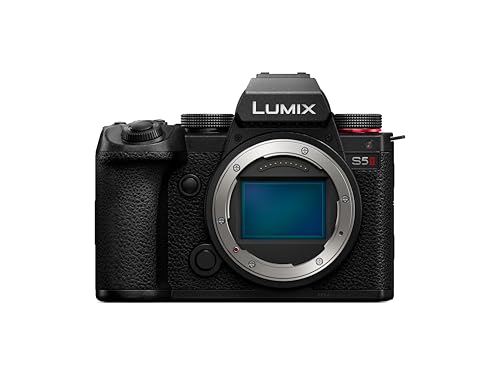
| Panasonic LUMIX S5II | Best all-round movie camera | A full-frame body built video-first, with dependable autofocus, strong stabilisation and recording stamina that suits whole scenes, not just clips. |
| Sony Alpha 7 IV | Best hybrid for movies and stills | Sony’s all-rounder pairs class-leading autofocus and a huge lens range with serious video tools, for filmmakers who also shoot photographs seriously. |
| Canon EOS R6 Mark II | Best for smooth, warm, forgiving footage | Canon’s colour and stabilisation flatter everyday subjects, its autofocus is superb, and it records long and cool — a gentle giant for family films and events. |
| Sony ZV-E10 II | Best creator movie camera | Built for one-person filmmaking: a flip screen, product and background modes, superb autofocus and a small body that encourages shooting every day. |
| Fujifilm X-T5 | Best for film character and stills soul | Fujifilm’s film simulations give movies a finished, characterful look in-camera, while dials and a high-resolution sensor serve photographers who film with a stills heart. |
| DJI Osmo Pocket 3 | Best camera movement for beginners | A pocket gimbal that makes tracking shots, pans and walk-and-talks smooth on day one — the single hardest filmmaking skill, solved by hardware. |
How Did We Choose Cameras for People Who Actually Make Movies?
We began by asking what ‘doing movies’ really involves for the readers of this guide: birthdays and holidays filmed with intent, first short films with friends as cast, wedding and event work on the side, and the occasional ambitious project that might play at a local festival. Cameras were therefore tested in our reasoning against long takes, mixed indoor light, moving subjects and dialogue — the four horsemen of amateur footage — rather than against chart resolution alone.
Autofocus behaviour in video received the closest scrutiny, because it is where beginners’ footage most visibly fails. We favoured cameras whose subject detection understands faces and eyes and transitions focus at a pace that feels directed rather than desperate, with settings to slow or quicken that pace for deliberate effect. Touch focus that racks smoothly between two speakers turns a static scene into a directed one, and the picks here all offer some version of that control.
Finally we weighed recording stamina, heat behaviour, audio connectivity and the lens ecosystem each body opens. A movie camera is a small production department: it must accept microphones and headphones, run from external power during long scenes, and grow through lenses that a filmmaker can rent or buy one at a time. Every pick below passes those tests in its own way, and the verdicts are blunt about which kind of moviemaking each one serves best — because the wrong kind of excellence is still the wrong camera.
We also made a deliberate editorial choice about honesty: no camera here is presented as a cinema camera in disguise, and none is damned for lacking a feature its price never promised. Beginners are ill-served by guides that grade a pocket gimbal on the curve of a production body, or that forgive a flagship its hostile menus because its files are beautiful. Each pick below is therefore judged against the films its buyer will actually make in the next two years — the truest specification sheet there is.
Which Six Cameras Should a New Filmmaker Consider First?
Two of these are full-frame production tools, two are creator cameras designed to disappear into a one-person shoot, one is a film-look specialist with a cult following, and one is a gimbal that makes camera movement — the hardest beginner skill — almost free. Read them as six different answers to the question of what a first movie camera should make easy.

Panasonic LUMIX S5II — Best all-round movie camera
If one camera in this guide was designed by people who make movies for people who make movies, it is the S5II. Panasonic rebuilt its autofocus around phase detection for this generation, ending the old hesitation that kept filmmakers manual-focusing everything, and the result is a full-frame camera that tracks an actor crossing a room with the calm of a focus puller who has read the script. Faces and eyes are found and held, and the transition speed can be tuned so a rack focus reads as intention rather than machinery.
The stabilisation is the second gift: walking shots that would wobble on lesser bodies settle into a glide, letting a one-person crew attempt moving coverage of a scene instead of locking everything to a tripod. Recording stamina and heat management suit real production days — interviews, ceremonies, rehearsals — and the colour science offers both pleasing straight-from-camera results and flatter profiles for those learning to grade. Microphone and headphone sockets, full-size connections and external-power options complete a specification that reads like a crew’s checklist.
Its honest costs are size beside the compacts here, a lens ecosystem younger than Canon’s or Sony’s, and a stills specification that, while strong, is not why anyone buys it. For the reader whose question is simply ‘which camera will make my movies look and sound like movies’, the S5II is the answer we give first and defend longest: a production tool that treats a beginner’s ambitions with professional respect.
Spend one evening configuring it as a film camera rather than a stills camera that happens to record: assign the video frame-rate and shutter conventions you will actually use to the quick menu, set the focus-transition speed to the gentle end for dialogue work, and store a second configuration for events where responsiveness matters more than grace. Owners who make that small investment report that the camera stops feeling like a computer and starts feeling like a crew — and crews, unlike computers, are what movies are made with.
- Full-frame sensor with phase-detection autofocus
- Strong in-body stabilisation for walking shots
- Microphone and headphone connections
- Profiles for direct colour or later grading
- Built for long recording sessions
Strengths
- Video autofocus finally matches the rest of the package
- Stabilisation frees a solo shooter to move
- Production connections complete, nothing improvised
Trade-offs
- Larger than the creator compacts here
- Lens range still maturing beside older systems
- Stills shooters get less headline excitement
Best for: aspiring filmmakers, wedding shooters and interview producers wanting one serious body.
Not suited for: travellers who need the camera to vanish into a jacket pocket.

Sony Alpha 7 IV — Best hybrid for movies and stills
The Alpha 7 IV is the camera for the moviemaker who refuses to choose between the film and the photographs of the same day. Its autofocus is the benchmark the others chase: eye detection that finds a subject’s gaze in a crowd scene, tracking that survives turns and occlusions, and focus-breathing compensation with supported lenses that keeps reframing during a rack focus from announcing itself. For a one-person production — the wedding shooter filming the vows while the stills matter equally — that reliability is a crew member who never sleeps.
Sony’s lens catalogue then becomes the long argument. Every rung exists, from affordable primes that give a first short film its cinematic shallow focus to professional zooms a rental house stocks by the shelf, and the third-party ecosystem multiplies the choices at every budget. Video colour offers both finished looks for fast turnarounds and log profiles for grading, and the body’s customisation lets a filmmaker build a video personality quite separate from its stills personality, switching between them like changing departments.
The caveats are ergonomic and financial rather than creative: the menus demand an evening of configuration, the body and its best lenses are a serious purchase, and rolling-shutter behaviour asks for pans with a little respect. None of that dents its position as the hybrid default. If your movies share the bag with serious photography and you want one system to grow old with, this is the centre of gravity of the whole guide.
A practical note on building the Sony kit in the right order: the body first, then one fast prime in the focal length your rooms and streets actually use, then the microphone, and only then the glamorous second lens. The prime’s shallow focus is the look beginners associate with cinema, but it is the microphone that will make their scenes believable, and sequencing the purchases that way keeps every month’s filming visibly better than the last. Rent the exotic glass for the weekend it is needed; ownership is for the tools used weekly.
- Full-frame sensor with high resolution
- Benchmark eye autofocus and tracking
- Focus-breathing compensation with supported lenses
- Log profiles and finished colour modes
- The deepest lens ecosystem in this guide
Strengths
- Autofocus reliability across chaotic scenes
- One system serves films and photographs fully
- Lens choices at every budget and ambition
Trade-offs
- Menus require deliberate setup time
- Best lenses carry professional prices
- Pans should be made with a little care
Best for: hybrid shooters filming weddings, events and shorts while shooting stills seriously.
Not suited for: beginners wanting the simplest possible first menu system.

Canon EOS R6 Mark II — Best for smooth, warm, forgiving footage
Some cameras make movies look impressive; the R6 Mark II makes them look loved. Canon’s colour science has flattered skin for decades, and for the family films, ceremonies and community events that fill most moviemakers’ real calendars, that warmth is not a soft virtue but the whole point — grandparents, brides and toddlers emerge looking like themselves on their best day. The autofocus cooperates with the same generosity, finding faces in a reception crowd and holding them through hugs, dances and candlelight.
Underneath the gentleness sits serious stamina. The body records long takes without the heat anxiety that haunts smaller rivals, its stabilisation combines with Canon’s lenses to smooth the handheld coverage that real events demand, and its stills performance — fast, confident, low-light capable — means the same camera covers the photographs without compromise. For the event filmmaker, that dual competence collapses two purchases into one bag and one set of batteries.
The trade-offs are the familiar Canon ones: the finest RF lenses are priced firmly, the video specification, while excellent, cedes a few exotic options to dedicated cinema bodies, and the camera’s very competence can seduce beginners into auto-everything habits that stall their growth. Used with intent — manual exposure for scenes, deliberate focus for dialogue — it is the most forgiving serious movie camera here, and the one we would hand to someone filming a wedding next month with no rehearsal allowed.
Event filmmakers should exploit one quiet virtue: the camera’s files forgive mixed lighting with unusual grace. Receptions and halls blend tungsten, daylight and disco colour into a soup that lesser colour science renders as illness, while the Canon keeps faces human through all of it. Set a custom white balance from a grey card during setup if the venue allows, then trust the camera through the evening — the combination produces footage that looks calm about chaos, which is precisely the feeling clients are paying to remember.
- Full-frame sensor with warm Canon colour
- Long, cool recording for events
- Excellent face and eye autofocus
- Strong stabilisation with RF lenses
- Fast, capable stills performance alongside
Strengths
- Skin tones that flatter real people
- Stamina for ceremonies and long takes
- One body covers film and photographs at events
Trade-offs
- Best RF lenses are a firm investment
- Fewer exotic video options than cinema bodies
- Auto modes can become a comfortable rut
Best for: family filmmakers, wedding and event shooters who value warmth and stamina.
Not suited for: specification hunters chasing the most exotic recording modes.

Sony ZV-E10 II — Best creator movie camera
The ZV-E10 II understands something the bigger cameras sometimes forget: most movies made today are made by one person, who is frequently also the cast. Its fully articulating screen faces the filmmaker, its autofocus locks onto the presenter’s eyes and refuses distraction, and its dedicated modes handle the small humiliations of solo shooting — the product that must focus instead of the face behind it, the background that should melt away on cue. A beginner can be filming competent scenes within an hour of unboxing, which is a pedagogical triumph disguised as convenience.
Beneath the friendliness, the bones are serious: an APS-C sensor with genuine low-light ability, interchangeable lenses from Sony’s enormous catalogue, microphone input for proper dialogue sound, and colour modes that range from finished-and-postable to flat-and-gradable as skills grow. The body is small enough to live on a mini tripod in a tote bag, which means the movie camera is present on the ordinary days when filmmaking habits are actually formed.
What it gives up is the production armour of the full-frame picks: no viewfinder for bright-day confidence, stabilisation that helps rather than glides, and weather sealing you should not test against a storm. Heat and battery discipline matter on long scenes. But as the camera that turns ‘I want to make movies’ into a daily practice rather than an occasional expedition, the ZV-E10 II has no rival here — it is the first camera we recommend to creators, students and anyone filming themselves.
Build the daily habit deliberately: leave the camera on its small tripod where you actually live, charged and carded, so that filming a thought costs ten seconds rather than an expedition. The ZV-E10 II’s size is a feature only if it is exploited ruthlessly — carried to the market, the rehearsal, the grandmother’s kitchen — because filmmaking fluency is a volume business, and the creator who shoots a hundred small scenes this year will out-direct the owner of a flagship who shot four. Let the bigger cameras in this guide be the graduation, not the starting gate.
- APS-C sensor in a compact creator body
- Fully articulating screen for solo filming
- Eye autofocus with product-showcase mode
- Microphone input for proper dialogue
- Access to Sony’s full lens catalogue
Strengths
- Solo filmmaking made genuinely easy
- Serious sensor and lenses beneath the friendliness
- Small enough to be carried daily
Trade-offs
- No electronic viewfinder
- Stabilisation assists rather than glides
- Long scenes need battery and heat awareness
Best for: creators, students and solo filmmakers building a daily practice.
Not suited for: event professionals needing all-day armour and stamina.

Fujifilm X-T5 — Best for film character and stills soul
The X-T5 makes movies that look like they were made on purpose. Fujifilm’s decades of film stock knowledge live in its simulations — colour palettes with names, grain and temperaments — and for the filmmaker who wants a wedding film to feel like a memory or a travel movie to feel like a postcard from a warmer decade, those looks are available in-camera, at the moment of shooting, without a grading suite or a colourist’s apprenticeship. Footage emerges finished, distinctive and consistent from scene to scene, which is the hidden difficulty of moviemaking that simulations quietly solve.
The body reinforces the philosophy. Physical dials for the exposure triangle teach cinematography with the hands — a beginner learns what shutter and aperture do by turning them, shot after shot — and the high-resolution sensor produces stills of gallery quality on the days the camera is a photographer’s tool. Video credentials are properly modern: capable frame rates, flat profiles for those who do grade, and subject-detection autofocus that has matured into reliability.
Purists should note the honest limits: the autofocus, while good, does not quite match Sony’s clairvoyance in chaotic scenes, the APS-C sensor asks more of lenses in the darkest venues, and the dial-driven layout divides opinion between those who find it liberating and those who find it quaint. For the filmmaker-photographer who wants character over clinical perfection — whose movies should feel authored — the X-T5 is the most personality-rich instrument in this guide.
Choose your film simulation the way a director chooses stock: before the production, for the whole production. The discipline of committing to one palette per film is what makes the X-T5’s looks read as authorship rather than as a filter applied in indecision, and it simplifies every subsequent choice from costume to location. Keep a private test reel — the same face, the same street, run through each simulation at the hours you actually shoot — and consult it when a new project begins; five minutes of that footage is a better colourist’s education than a shelf of theory.
- High-resolution APS-C sensor
- Fujifilm film simulations for in-camera looks
- Physical dials for exposure control
- Flat profiles available for grading
- Strong stills performance for hybrid days
Strengths
- Movies emerge with a finished, consistent character
- Dials teach cinematography by touch
- Superb stills when the film wraps
Trade-offs
- Autofocus a step behind Sony’s best
- Low-light headroom below full frame
- Dial layout is a matter of taste
Best for: filmmakers who want a signature look without a grading suite.
Not suited for: run-and-gun shooters needing the most clairvoyant autofocus.

DJI Osmo Pocket 3 — Best camera movement for beginners
Watch a beginner’s first film and the giveaway is rarely resolution; it is movement. Every step judders, every pan stutters, and the audience’s stomach files a complaint. The Osmo Pocket 3 exists to delete that problem: its mechanical gimbal floats the lens through walks, turns and staircases with a steadiness that takes tripod-and-practice years to approach handheld, and it does so from a device the size of a chocolate bar that is filming five seconds after leaving a pocket.
The image it floats is better than its size suggests — a one-inch-type sensor with pleasing colour, subject tracking that follows a face or a dog through a scene, and a rotating screen that switches between horizontal films and vertical clips without a menu dive. For travel movies, family documentaries and walk-and-talk pieces it is not a compromise camera but arguably the correct one, because the shots it makes possible — the moving reveal, the following scene — are the shots that make films feel directed.
Discipline about its limits keeps the love alive. It is a fair-weather friend in a downpour, its fixed lens asks you to move your feet instead of zooming, low light is competent rather than miraculous, and serious dialogue still wants an external microphone, which its ecosystem conveniently supports. Think of it as the movement department of a small production: pair it with any bigger camera here for the locked-off and close work, and a two-device kit covers a first feature’s worth of grammar.
Learn its grammar as seriously as a lens: the slow push-in that reveals a room, the orbit that turns a portrait into a scene, the low tracking shot that makes a child’s world monumental. Because the gimbal makes these moves physically easy, the temptation is to use all of them in every sequence, and restraint is the skill that separates the Pocket’s best work from its demo reels. One motivated move per scene, executed at walking pace or slower, will make your travel films look directed by someone the audience trusts.
- Mechanical three-axis gimbal stabilisation
- One-inch-type sensor in a pocket body
- Active subject tracking for faces and objects
- Rotating screen for horizontal and vertical filming
- Fast start-up, genuinely pocketable
Strengths
- Cinematic movement without skill or rigging
- Always present, filming in seconds
- Tracking keeps solo scenes composed
Trade-offs
- Fixed lens; your feet do the zooming
- Weather resistance is limited
- Serious dialogue wants an added microphone
Best for: travel filmmakers, vloggers and beginners whose films need to move.
Not suited for: productions needing interchangeable lenses and all-weather armour.
What Actually Makes Footage Look Like a Movie?
The honest answer disappoints specification shoppers: mostly light, then sound, then movement, with the camera a distant fourth. A scene lit by a large window, with the subject turned three-quarters to it, shot on any camera in this guide, will look more cinematic than a flagship’s footage under a bare ceiling bulb. Learn to find and shape light — window light, shade on bright days, practical lamps switched on in the background of evening scenes — before spending on any upgrade, because light is the cinematography in cinematography.
Frame rate and shutter discipline contribute the motion character audiences read as ‘film’. Movies traditionally run at twenty-four frames per second with a shutter near twice that rate, producing the gentle motion blur the eye associates with cinema; the smeary look of default phone footage and the staccato look of action cameras both come from breaking that relationship. Every pick here can be set to honour it, and doing so costs nothing but a menu visit — the cheapest cinematic upgrade in existence.
Sound completes the illusion, because audiences forgive soft images and never forgive bad audio. A modest microphone placed near the speaker, recorded through the camera’s input or a small recorder, transforms a scene’s perceived production value more than any lens. Monitor with headphones when the camera allows it, keep the microphone out of the wind, and treat the sound check as seriously as the focus check: your film’s professionalism will be judged by ears first.
How Should a Beginner Shoot a First Short Scene?
Steal the professionals’ structure at miniature scale. Write the scene as a list of shots before touching the camera — an establishing view, the speakers in turn, one close detail — and film them in the order that suits the location rather than the story, since editing will restore chronology for free. Cover the whole scene once from a wide position before moving closer; that wide pass is your insurance, the footage that rescues the edit when a close-up fails, and beginners who skip it learn its value exactly once, the hard way.
Keep the camera still unless the story moves it. A locked frame with actors moving inside it looks directed; a wandering frame looks lost. When you do move, borrow the Pocket 3’s gimbal or the stabilisation of the bigger bodies, move slowly, and rehearse the path before the take. Between setups, hold a few seconds of the room’s ambient sound — editors call it wild track, and it papers over a multitude of cuts.
Review the footage the same evening, while the lessons are still attached to the mistakes. Note which shot the autofocus missed, where the light lied, which line the microphone clipped, and write the fixes on the shot list for the next scene. Filmmaking is learned in that loop — shoot, review, adjust — far more than in any purchase, and the cameras in this guide were chosen partly because they make the loop fast and encouraging rather than punishing.
How Do You Record Dialogue That Audiences Can Believe?
Begin with distance: a microphone’s quality is mostly its proximity. The camera’s built-in microphones, however good, sit where the camera sits — usually too far from the speakers — so the first purchase after any camera here should be a microphone that can live near the mouth: a wireless lapel system for presenters and actors in motion, a small shotgun on the camera for events, or a recorder placed discreetly within the scene for interviews. Each is a modest spend that returns an immodest improvement.
Then manage the room. Soft furnishings, closed windows and a paused refrigerator are the unglamorous heroes of believable dialogue; echo is the amateur signature no plugin fully removes. Record a test sentence at performance volume and listen on headphones before the take — clipping and hum announce themselves honestly at that stage and expensively later. Where the camera offers audio meters, keep peaks comfortably below the ceiling and let consistency, not loudness, be the goal.
Finally, protect the performance. Ask speakers to overlap less than feels natural, leave a breath of silence at the head and tail of every take for the editor, and capture the room’s tone for half a minute before anyone leaves. These habits cost nothing, mark the difference between footage that sounds filmed and footage that sounds made, and they scale from a grandchild’s interview to a first feature’s dialogue day without changing a single syllable.
How Do You Light a Scene With Almost No Budget?
Begin with the light that already exists and learn to see it as a set designer does. A north-facing window is a softbox the size of a wall; a practical lamp in frame justifies warmth and gives the background depth; a white bedsheet hung between a harsh sun and your actor is diffusion that studios pay to imitate. Position subjects relative to these sources deliberately — face three-quarters to the window, lamp behind and to one side for evening scenes — and the cameras in this guide will produce images that viewers describe as expensive without knowing why.
When you do buy light, buy one versatile panel and learn it completely rather than a kit of three used shallowly. A single dimmable, colour-adjustable light can be a key through a shower curtain’s diffusion, a background glow bounced off a ceiling, or a hard accent through a doorway, and mastering those three roles teaches more cinematography than owning every fixture at novice depth. Shoot the same short scene three ways with it and review the differences; that exercise is a lighting course compressed into an evening.
Above all, expose for the faces and let the rest fall where it falls. Audiences read a scene through its people, and a correctly exposed face against a dark or bright background looks intentional, while a perfectly averaged frame with a grey, underexposed actor looks like a mistake. Every camera here offers exposure tools — zebras, histograms, face-priority metering in some form — and using them for the skin in the frame is the habit that most reliably separates directed footage from lucky footage.
What Does a One-Person Crew Actually Carry?
The honest one-person kit is a study in refusal: the camera, two lenses at most, a microphone, a small tripod, headphones, and the batteries and cards to outlast the plan. Everything else must argue its way in against the certainty that you will carry it up stairs, across fields and through the last hour of a long day, when excess weight stops being an inconvenience and starts choosing your shots for you. The ZV-E10 II and Pocket 3 exist in this guide precisely because their owners’ kits stay on the right side of that argument by default.
Organise for the shoot you actually do. Interview days want the tripod tall, the microphone near and the second battery warm; walking days want the gimbal charged, the camera light and the audio solution wireless. Packing the night before, against a written list taped inside the bag’s lid, is the unglamorous ritual that separates crews of one who arrive ready from those who improvise apologies. Check the cards are formatted, the batteries full and the microphone’s own battery — the one everyone forgets — alive.
Finally, carry the means to protect the footage, not just to capture it: a second card slot where the body offers one, a pocket drive for the evening backup, and the habit of never formatting a card until its contents exist in two places. Movies are unrepeatable in a way photographs rarely are — the performance, the vow, the weather will not reconvene — and the solo filmmaker’s professionalism is measured as much by what never gets lost as by what gets filmed.
How Do You Edit a Movie So It Feels Finished?
Editing is where movies are actually made, and beginners should approach it as a second shoot conducted with existing footage. Start by assembling the story in its simplest form — every scene in order, no effects, no music, no colour work — and watch that plain version with the cruelty of a stranger. Scenes that sag in the plain cut will not be saved by decoration; they will be saved by removal, and learning to cut a beloved shot for the film’s sake is the editor’s first rite of passage. Every camera in this guide produces footage that standard editing software handles comfortably, so the tool will never be the excuse.
Sound editing deserves the same evening as picture editing. Level the dialogue so no line needs the volume button, lay the room tone beneath the cuts so scenes stop sounding stitched, and let music enter only where the scene has earned emotion it cannot quite speak. A film whose sound is continuous feels continuous, even across imperfect images — the audience’s ear is the editor’s secret accomplice, smoothing joins the eye would otherwise catch.
Colour comes last and should come gently. Correct each shot to honest neutrality first, match the shots within a scene to one another, and only then consider a look — and if you shot Fujifilm simulations or a pleasing standard profile, that look may already exist, needing consistency rather than invention. Export, watch on the television your audience will use, note the three worst moments, and fix only those. Perfectionism has killed more first films than incompetence ever has; finished is a quality all of its own.
What Should You Practise in the First Ninety Days?
Practise coverage: film the same two-person conversation three ways — wide, over-shoulders, close singles — and cut all three into one scene. Nothing else teaches the relationship between shooting and editing as quickly, and the exercise exposes your camera’s autofocus, your microphone placement and your lighting instincts in a single afternoon. Repeat it monthly with the same patient friends; the visible improvement across versions is the most honest progress report a filmmaker can own.
Practise the moving shot separately, without story pressure: the walk-and-talk down a familiar street, the reveal around a doorway, the slow approach to a face. Use the stabilisation or gimbal your camera offers, learn its pace and its limits, and file the best takes as your personal reference for what your kit can do. When a real scene later demands movement, you will be executing a rehearsed skill rather than gambling on the day.
Practise finishing above all. Ship the small films — to the family chat, the local group, the festival’s early-bird deadline — and collect the audience’s actual reactions rather than your imagined ones. Ninety days of finished, reviewed, imperfect movies will teach more than a year of preparation, and the cameras in this guide were chosen to make that volume of practice joyful rather than technically exhausting. The doorway you are standing in opens onto a corridor of finished work; start walking.
How Do You Choose Between These Six Without Regret?
Choose by naming your next three films, not your dream film. If they are a sibling’s wedding, a child’s recital and a short for the local festival, the R6 Mark II’s stamina and warmth or the S5II’s production discipline fit the calendar you actually have. If they are weekly episodes filmed at your own desk, the ZV-E10 II’s solo aids will matter more than any full-frame virtue. Regret in camera buying almost always comes from purchasing for an imaginary production while the real ones go under-served, so let the honest list decide.
Then handle the finalists, if shops and friends allow, for ten unhurried minutes each. Menus either make sense to your fingers or they do not; a viewfinder either disappears or it nags; a grip either invites the second hour or taxes it. These impressions are not soft data — they predict, with embarrassing accuracy, which camera will be charged and ready on the ordinary Tuesday when a filmable moment wanders past, and presence beats specification in moviemaking just as it does in photography.
Whichever body wins, reserve part of the budget — a real part, defended against the temptation to upgrade the body instead — for the microphone, the tripod and the first prime lens. A mid-tier camera with sound, support and glass is a production company; a flagship with none of the three is a very elegant paperweight awaiting its crew. Buy the company, not the paperweight, and start the first film this weekend.
How Do the Six Compare for a First Movie Camera?
Read the table by production style rather than by specification: the right column is not a ranking but a description of the set each camera wants to work on. The S5II and Alpha 7 IV anchor serious productions, the R6 Mark II covers events with warmth, the ZV-E10 II and Pocket 3 serve solo creators, and the X-T5 finishes films in-camera.
| Pick | Badge | At a glance |
|---|---|---|
| Panasonic LUMIX S5II | Best all-round movie camera | Full-frame video-first body with stamina for whole production days. |
| Sony Alpha 7 IV | Best hybrid for movies and stills | Hybrid flagship-leaning body; autofocus and lens range lead its class. |
| Canon EOS R6 Mark II | Best for smooth, warm, forgiving footage | Warm Canon colour, long cool recording, gentle learning curve. |
| Sony ZV-E10 II | Best creator movie camera | Small creator body with filming aids and a screen made for solo work. |
| Fujifilm X-T5 | Best for film character and stills soul | Dial-driven body whose film simulations finish movies in-camera. |
| DJI Osmo Pocket 3 | Best camera movement for beginners | Pocket gimbal camera; cinematic movement from the first day. |
What Mistakes Do Beginning Moviemakers Keep Making?
The foundational mistake is recording everything on automatic everything and calling the inconsistency a style. Auto exposure that breathes mid-scene, white balance that wanders as an actor crosses a window, autofocus hunting during the one unrepeatable line — these are the visible signatures of surrendered control. The cameras here all offer gentle manual control; learn exposure first, then focus discipline, and your footage’s production value rises more than any purchase could lift it.
Neglecting sound until the edit is the second classic error, and the cruellest, because it is the one that cannot be repaired. Scenes can be reframed, recoloured and recut; dialogue recorded badly in a tiled kitchen is badly recorded forever. The microphone-before-lens rule in the sections above exists because every experienced filmmaker in this guide’s research gave the same advice with the same haunted expression.
The third mistake is buying the production before making the film — the cage, the matte box, the cinema lens set, acquired in a spree while the script sits unwritten. Gear is a wonderful procrastination because it feels like progress. Make the first short film on the camera alone, note precisely which shots the equipment prevented, and buy only against that list. The cameras above were chosen to make that first film possible unaccessorised; everything after is refinement, and refinement tastes best earned.
A fourth mistake deserves its own warning because it masquerades as professionalism: shooting every scene at the widest aperture the lens allows, in pursuit of the blurred-background look that trailers taught you to want. Paper-thin focus throws away more beginner performances than any other single habit — actors lean, focus does not follow, and the one great take dissolves at the eyes. Stop down a little, move the subject away from the wall behind them, and let depth come from composition and light rather than from an aperture number. Your future editor, who is also you, will be quietly grateful on every single scene.
Final Recommendation
For most readers standing at the doorway, the Panasonic LUMIX S5II is the recommendation: it is the most completely video-minded camera here, forgiving to learn and serious enough to keep. Hybrid shooters who photograph as much as they film should take the Sony Alpha 7 IV and its endless lens shelf, while event and family filmmakers will find the Canon EOS R6 Mark II’s warmth and stamina closest to their real calendars.
Creators filming themselves should start smaller and happier with the ZV-E10 II or the Osmo Pocket 3 — the camera that gets used daily teaches faster than the flagship that waits for occasions — and romantics who want their films to arrive with a look already on them will love the Fujifilm X-T5. Whichever you choose, spend the difference on a microphone and a free evening with a window’s light. The movies will show it.
And if the choice still feels momentous, remember that every working filmmaker’s shelf holds a first camera that was imperfect in ways they can now enumerate fondly. The imperfections taught them. Yours will too — provided it is one of the six above, chosen for the films you will actually make, and used this week rather than admired until next year.
Write the first shot list tonight — five shots, one location, one patient friend — and let the camera you choose prove itself in the only court whose verdict has ever mattered: a finished film, watched by people who did not know they were about to feel something.
That is the whole assignment, and it is smaller than it looks from here.
The first take is waiting, and it will teach you more than this page can.
Frequently Asked Questions
Can I really make a short film on these cameras, or do I need a cinema camera?
You can, and filmmakers do, regularly — festival-accepted shorts and features have been shot on bodies in this class for years. A dedicated cinema camera adds production conveniences: built-in filters, professional connections, monitoring tools. It does not add story, light or sound, which are what audiences actually judge. Master those on a camera here and the eventual cinema body becomes an ergonomic upgrade rather than a creative rescue.
What is the first accessory a new moviemaker should buy?
A microphone that can sit near the speaker, before any lens, light or cage. Dialogue clarity is the single largest perceived jump in production value available at any price, and it is available cheaply. After that, a tripod you do not hate carrying, then a simple light or a reflector — in that order, each purchase justified by a shot the last film could not achieve.
Should I shoot in a flat log profile or use the camera’s normal colour?
Begin with the normal colour, honestly. Log profiles hold more grading potential but arrive looking washed out, demand competent colour work, and punish exposure errors — a discouraging combination while you are also learning framing, focus and sound. Shoot the camera’s pleasing standard colour until your scenes are consistently lit and recorded; then log becomes a genuine expansion of control rather than another way for footage to look wrong.
How important is 4K for making movies?
Less than the marketing suggests and more than the cynics admit. Delivery for most beginners is a television or a laptop, where a well-shot lower-resolution image looks superb — but 4K buys the ability to crop and reframe in the edit, stabilise gently, and rescue a wide shot into a closer one. Treat it as editing headroom rather than visible sharpness, shoot it when the camera runs cool and the cards allow, and never let it substitute for light or sound.
Why does my footage look shaky when the camera has stabilisation?
Because stabilisation corrects small rotations, not walking. Footsteps are translations — the camera physically bobbing — and only a gimbal, a stabilised rig or a practised heel-toe walk removes them. Slow down, bend the knees, hold the camera with two hands and elbows tucked, or use the Osmo Pocket 3’s mechanical gimbal for moving shots. Also check that the stabilisation mode suits the shot; the panning setting and the static setting are different tools.
How long should my first film be?
Shorter than your instinct says — three to five minutes is a complete education. A tiny film forces every discipline that matters: a beginning that earns attention, coverage that cuts, sound that carries, an ending that lands. It can also actually be finished, which is the rarest beginner achievement of all. The cameras here will happily shoot your feature later; let the first production be the one you complete, review and learn from.
Related Guides
Keep building the craft with our companion guides for neighbouring kinds of filming: best cameras for youtube videos best cameras for event videography best cameras for fictional filmmaking


