ilcastellomenu.com is reader-supported. When you buy through links on our site, we may earn an affiliate commission.
Where to Buy
Dynamic range is the specification that decides what happens to the difficult frames: the bride backlit in the doorway, the landscape whose sky and foreground refuse to agree, the street scene split between noon glare and arcade shade. The best cameras for dynamic range are the ones whose files survive those arguments — holding texture in the brightest cloud while still offering clean, liftable shadow in the darkest corner, so the photograph you saw remains the photograph you can print.
This is not a laboratory ranking. Laboratory measurements matter, and the sensors below are all proven strong performers, but real dynamic range is a system: the sensor’s capture, the raw file’s generosity in editing, the metering that places exposure where the file can use it, and the photographer’s discipline in defending highlights. We have chosen six cameras whose whole systems serve that chain, from full-frame flagships of flexibility to an APS-C body and a Micro Four Thirds body that punch far above their format’s reputation.
Expect honesty about the trade-offs. The most flexible files in this guide come attached to the largest bodies and the deepest menus, while the most portable picks ask for slightly more care at the moment of exposure. None of them will rescue a carelessly blown sky — physics keeps that veto — but each will reward a photographer who exposes thoughtfully with files of remarkable forgiveness, and the sections after the picks teach exactly that thoughtfulness.
If you take one sentence from this introduction into the field, let it be the asymmetry the whole guide is built on: highlights, once lost, are lost to every editor on earth, while shadows in a modern raw file are merely quiet. Shoot like you believe that, and you have already understood more about dynamic range than most specification sheets ever explain.
Key Takeaways
- Dynamic range is editing headroom: detail that survives in highlights and shadows after the shutter closes.
- Full-frame sensors lead this guide, but technique closes most of the gap for smaller formats.
- Protect the highlights first; shadows in modern files lift far more gracefully than skies can be rebuilt.
- Raw capture is non-negotiable for range work — the JPEG throws away the very data you bought.
- Metering and exposure compensation are dynamic-range tools, not conveniences.
- A flexible file cannot rescue a careless exposure, only forgive a thoughtful one.
In this guide
Quick Picks
| Pick | Badge | Why it is here |
|---|---|---|
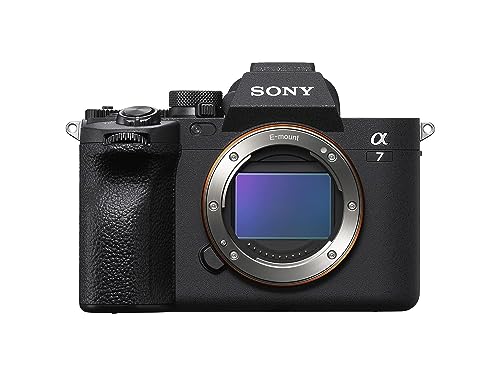
| Sony Alpha 7 IV | Best overall dynamic range package | A high-resolution full-frame sensor with deep raw flexibility, highlight-aware metering and an ecosystem that serves range-hungry landscape and wedding work. |
| Panasonic LUMIX S5II | Best dynamic range for video too | Panasonic’s full-frame sensor and video profiles give stills and footage alike exceptional highlight roll-off and shadow detail for mixed-light scenes. |
| Canon EOS R6 Mark II | Best forgiving files for people photography | Canon’s sensor and colour keep skin believable across brutal contrast — backlit portraits and bright receptions — with raw files that lift kindly. |
| Fujifilm X-T5 | Best APS-C dynamic range system | Fujifilm’s high-resolution APS-C sensor, highlight-protecting metering heritage and film simulations make the strongest smaller-format case for difficult light. |
| OM SYSTEM OM-5 Mark II | Best range through technique and computation | Stabilisation, live composite and graduated-filter-style computational tools stretch its smaller sensor’s range across scenes other cameras bracket. |
| Nikon Z50 II | Best entry into Nikon’s flexible files | Nikon’s raw files are legendary for shadow recovery, and the Z50 II brings that character plus modern metering and detection to an affordable APS-C body. |
How Did We Choose Cameras for Dynamic Range?
We started from the sensor outward. Each pick’s sensor has a documented reputation for wide capture range and, just as importantly, for clean behaviour when shadows are lifted in editing — because range that dissolves into noise and banding when used is a brochure figure, not a working one. We favoured files that tolerate the real operations photographers perform: recovering a bright sky by a stop or two, opening a shaded face, and holding colour saturation while both happen.
The second filter was the exposure toolkit around the sensor. Highlight-weighted metering, live histograms and zebra warnings, customisable exposure-compensation control and bracketing that is quick to set under pressure all convert theoretical range into captured range. A camera whose warnings arrive after the shot has less usable range than its sensor promises, and several otherwise excellent bodies were set aside on exactly that ground.
Finally we weighed the file ecosystem: raw formats that mainstream editors handle gracefully, in-camera options for difficult scenes, and high-resolution modes where they genuinely extend range for static subjects. The result is a list led by full-frame bodies, as physics predicts, but completed by smaller cameras whose total systems — metering, stabilisation, file quality — make them honest recommendations for photographers who travel light into difficult light.
One more criterion deserves naming because readers ask about it in every generation: we did not rank these cameras by a single laboratory figure, and we distrust any guide that does. Laboratory range is measured under conditions no wedding, coastline or noon street has ever reproduced, and the differences that decide real photographs — highlight roll-off, colour under recovery, the honesty of metering — live downstream of the number. The ranking above is therefore a working photographer’s ranking, argued from files and field behaviour, and it will serve you better at the doorway than a decimal ever will.
A word, finally, about what this guide refused to do: it refused to promise that any of these cameras makes difficult light easy. Difficult light is the permanent condition of interesting photography, and range is not a cure for it but a margin within it — a few more frames saved per hard day, a few more skies kept per bright season. Margins, honestly accumulated, are how bodies of work get built, and that is the real product being recommended here.
Which Six Cameras Give You the Most Flexible Files?
The first three are full-frame instruments with slightly different philosophies — Sony’s resolution and ecosystem, Panasonic’s video-minded range, Canon’s forgiving colour. The Fujifilm brings the strongest APS-C case, the OM SYSTEM body demonstrates how far technique and computation can stretch a smaller sensor, and the Nikon offers the modern detection-era route into Nikon’s famously flexible files.

Sony Alpha 7 IV — Best overall dynamic range package
The Alpha 7 IV’s case rests on arithmetic and behaviour in equal measure. The arithmetic: a high-resolution full-frame sensor captures a wide span from highlight to shadow, and its raw files carry that span into the editor with room to spare, so a sky recovered and a foreground lifted in the same frame still arrive with texture and colour intact. The behaviour: metering options that can be told to protect highlights, zebras and histograms that speak before the shot, and customisation that puts exposure compensation under the photographer’s thumb without leaving the finder.
Wedding and landscape photographers — the two tribes who live on difficult light — have made this body a default for good reason. Its files tolerate the doorway portrait, the midday group against a bright garden and the blue-hour cityscape with a consistency that turns dynamic range from a specification into a working habit. The resolution adds a second dividend: recovered regions can be cropped and printed without the file feeling excavated.
The costs are the system’s usual ones — menus that reward an evening of setup, lenses priced for seriousness, a body that is a deliberate carry — plus one specific to this subject: the very flexibility of the files can seduce photographers into lazy exposure, trusting recovery where a moment’s care would have captured the range natively. Used with the discipline the later sections teach, the A7 IV is the most complete dynamic-range instrument in this guide, and the benchmark against which the others’ compromises are measured.
One configuration session pays for itself all year: set a highlight-weighted metering option where your firmware offers it, assign exposure compensation to the control you can find blind, and store a difficult-light custom mode with zebras on and the histogram live. Range photography is decided in the half-second when the scene appears, and the photographers who capture it are the ones whose cameras were already configured to confess the truth about the light before the shutter was pressed.
- High-resolution full-frame sensor
- Deep, well-behaved raw files for recovery work
- Highlight-protecting metering options
- Zebras, histogram and exposure tools in the finder
- Extensive lens ecosystem for every genre
Strengths
- Highlight and shadow recovery both stay clean
- Exposure tools help capture the range natively
- Resolution survives recovery and cropping
Trade-offs
- Menus need deliberate configuration
- Lens investment is significant
- File flexibility can encourage lazy exposure
Best for: wedding, landscape and commercial photographers living on difficult light.
Not suited for: casual shooters who never intend to edit a raw file.

Panasonic LUMIX S5II — Best dynamic range for video too
Photographers who meet the S5II through video already know its secret: Panasonic engineers dynamic range for motion, where a blown highlight cannot be re-shot and a crushed shadow cannot be re-lit, and that discipline shows in the stills files too. Highlights roll off with a filmic politeness rather than clipping into white voids, and the flatter profiles — for footage and, in spirit, for raw stills work — preserve a span that lets a single exposure hold a bright window and the room’s shaded corner in one believable frame.
For the hybrid shooter this is the range pick, because the same sensor virtues serve the ceremony photograph and the ceremony film, with stabilisation that keeps low-light exposures honest at slower shutter speeds and autofocus that no longer asks forgiveness. Real-time tools for judging exposure in video, waveform-style assistance in its class, and pleasing colour under mixed light complete a package aimed at people who deliver finished work from difficult venues.
The compromises are ecosystem youth — the L-Mount alliance is growing but younger than Sony’s shelf — and a stills specification that trails the A7 IV for resolution, which matters only when recovery is combined with aggressive cropping. For range judged as a working system across stills and video, the S5II may actually be the most sensible purchase in this guide; it simply asks its owner to value the span of a single frame over the size of the file behind it.
Its range virtues reward a particular discipline from hybrid shooters: decide before the event whether the day is a stills day with video moments or a video day with stills moments, and set the profiles accordingly, because the flattest, widest-range settings serve the second day better while the first prefers colour that is nearly finished. Creatives who make that one decision in the morning find the S5II’s files arrive home already agreeing with each other — the unglamorous essence of dynamic range in production.
- Full-frame sensor tuned for highlight roll-off
- Flat video profiles preserving wide range
- Strong stabilisation for low-light exposures
- Modern phase-detection autofocus
- Colour that holds together under mixed light
Strengths
- Highlights degrade gracefully, not suddenly
- Stills and video share the same range virtues
- Stabilisation extends range into slow-shutter territory
Trade-offs
- Lens ecosystem younger than Sony’s
- Resolution below the A7 IV for heavy crops
- Video-first design language throughout
Best for: hybrid shooters filming and photographing weddings, interiors and events.
Not suited for: resolution-first landscape printers who crop recovered files hard.

Canon EOS R6 Mark II — Best forgiving files for people photography
Dynamic range is usually discussed in landscapes, but its cruellest examinations happen on faces: the backlit portrait where the background is a blown garden, the reception where a white dress shares the frame with a black suit and a candle. The R6 Mark II passes those examinations with the best grace in this guide. Canon’s colour keeps skin on the right side of believable while the file is pushed around in editing, and its sensor’s shadow behaviour lets the shaded side of a face be opened without the complexion dissolving into noise.
The supporting toolkit suits the working rhythm of people photography. Highlight-protecting metering options, exposure simulation that shows the difficult frame before it is taken, and autofocus that finds the eye in the shaded face you are about to rescue all serve the same end: capturing the range at the wedding rather than negotiating with it at midnight. The body’s speed and low-light strength widen the margin further, because contrast problems so often arrive married to darkness problems.
Its range ceiling, measured coldly, sits a fraction below the very best here, and Canon’s finest lenses ask flagship money. But dynamic range for people is a judged quality, not only a measured one, and on judgement — skin, dresses, candlelight, noon — the R6 Mark II is the camera we would hand to the photographer whose difficult light always contains somebody’s daughter. The files forgive; the colour flatters; the day is saved more often than the specification sheet predicts.
Learn its exposure simulation like an instrument. The finder shows the difficult frame’s fate before capture with unusual honesty, and a week of deliberately shooting backlit portraits while watching that simulation teaches more about Canon’s range than a month of reading. Pair the lesson with the highlight-protection habits from this guide’s technique sections and the camera becomes a tutor as much as a tool — one reason working event photographers describe their R6-series files with an affection usually reserved for lenses.
- Full-frame sensor with kind shadow behaviour
- Canon colour that protects skin under editing
- Highlight-aware metering and exposure simulation
- Eye autofocus for shaded faces
- Fast, strong low-light performance alongside
Strengths
- Backlit portraits recover beautifully
- Mixed wedding contrast handled with grace
- Colour survives aggressive editing moves
Trade-offs
- Absolute range ceiling a shade below the best
- Finest RF lenses are costly
- Resolution modest beside the A7 IV
Best for: portrait, wedding and event photographers whose contrast contains people.
Not suited for: laboratory-minded buyers ranking sensors by a single number.

Fujifilm X-T5 — Best APS-C dynamic range system
The X-T5 carries a distinction this guide does not award lightly: Fujifilm has thought about dynamic range as a photographic problem longer and more publicly than almost anyone, building highlight-protecting range modes into its cameras for generations, and that heritage shows in a body whose whole exposure culture leans toward defending the bright end of the scene. Its high-resolution APS-C sensor captures a span that embarrasses older full-frame bodies, and its raw files lift and recover with a cleanliness that surprises photographers raised on format hierarchies.
The film simulations add a second, distinctively Fujifilm answer to range: a finished rendering whose contrast curve has been shaped by people who spent decades making film hold impossible scenes. Photographers who deliver JPEGs — photojournalists on deadline, travellers posting daily — get range decisions made by that expertise in-camera, while raw shooters lose nothing, holding both the simulation’s judgement and the file’s full span.
Physics still collects a toll: at the very extremes of shadow-lifting and the highest sensitivities, the full-frame picks above keep their files cleaner, and the X-T5’s autofocus, though modern and capable, is a step behind Sony’s for chaotic action. For travel, street and landscape work where the difficult light is the subject and the camera must be carried all day, the Fujifilm’s combination of range, resolution and size makes it the smaller-format recommendation we defend without a blush.
Run the experiment Fujifilm quietly invites: shoot one difficult scene — a bright street against a shaded arcade — on raw alone, then on the range-protecting mode with a film simulation, and compare the finished results rather than the files. Many owners discover the in-camera version is the photograph they would have spent twenty minutes pursuing in the editor, and they reorganise their workflow around that discovery. The X-T5’s range story is ultimately about judgement embedded in the camera, available at the speed of the street.
- High-resolution APS-C sensor
- Heritage highlight-protecting range modes
- Film simulations with shaped contrast curves
- Raw files that recover cleanly
- Compact, dial-driven body for all-day carry
Strengths
- Highlight discipline built into the camera’s culture
- JPEG shooters get expert range decisions free
- Range and resolution in a travel-sized body
Trade-offs
- Extreme shadow lifts trail full frame
- Autofocus a step behind the leaders
- Dial layout divides opinion
Best for: travel, street and landscape photographers shooting difficult light all day.
Not suited for: shooters living at the highest sensitivities in near-darkness.

OM SYSTEM OM-5 Mark II — Best range through technique and computation
The OM-5 Mark II is this guide’s argument that dynamic range is not only captured but also constructed. Its sensor is the smallest here and this review will not pretend otherwise — yet the camera surrounds that sensor with the most inventive range-extending toolkit in the list: stabilisation that permits slow, low-sensitivity exposures other bodies cannot handhold, a live graduated neutral-density effect that darkens a bright sky during the exposure itself, and composite modes that build a finished frame from many captures while you watch it develop. Used with intent, those tools hold scenes whose span exceeds the sensor’s native grasp.
The use case writes itself: the travelling landscape photographer at a coastal sunset, tripod forgotten or forbidden, composing as the sky burns twice as bright as the shore. The graduated effect balances the frame in-camera, the stabilisation keeps the base exposure at the sensor’s cleanest settings, and the resulting files — raw for the careful, JPEG for the swift — carry a range the format’s reputation says should not be there. Weather sealing keeps the experiment running when the coast turns honest about its weather.
The honest limits are the format’s: push a single raw file’s shadows as hard as the full-frame picks allow and noise arrives sooner, and computational modes serve static scenes, not moving ones. This is therefore the pick for the deliberate photographer — the tripod-minded, scene-building, patient kind — rather than the spray-and-recover kind. In those hands it is not the budget compromise of this guide but its most interesting instrument.
The graduated live effect deserves practice before the trip that matters, because its power is positional: the transition line must be placed on the horizon the scene actually has, not the one the frame suggests, and a tilted placement announces itself in the finished image. Ten minutes at a local sunset with deliberate mistakes teaches the placement permanently. Mastered, it produces single finished frames — bright sky held, dark shore detailed — that make other photographers ask which filter you bought, and the honest answer is: a way of thinking.
- Micro Four Thirds sensor in a sealed compact body
- Live graduated ND effect for bright skies
- Exceptional in-body stabilisation
- Composite and high-resolution modes
- Raw files for careful single-frame work
Strengths
- Tools construct range beyond the sensor’s span
- Slow clean exposures handheld at dusk
- Smallest, lightest system in the guide
Trade-offs
- Single-file shadow recovery trails full frame
- Computational modes need static scenes
- Small sensor shows noise at extreme lifts
Best for: travelling landscape photographers who build scenes deliberately.
Not suited for: shooters who recover chaotic action frames in editing.

Nikon Z50 II — Best entry into Nikon’s flexible files
Nikon’s raw files carry a folklore among editors: shadows that open like doors. The Z50 II brings that character to the most accessible body in this guide, and for the photographer whose difficult light arrives on a budget — the student shooting concerts’ edges, the traveller in hard noon cities, the beginner learning raw on real scenes — its files teach the central dynamic-range lesson generously: expose for the highlights, then discover how much of the shade the file was quietly keeping for you.
The modernisation around the sensor matters as much as the sensor. Subject detection inherited from Nikon’s flagships keeps the shaded face or the backlit animal found and focused, the bright viewfinder and exposure tools make highlight discipline practical rather than theoretical, and the DX lens range keeps the whole system priced for humans. Nikon’s colour, long the choice of photographers who like their files honest, survives editing pushes without the strange shifts lesser pipelines produce.
Against the full-frame picks, the ceiling is real: the deepest lifts and the darkest venues will show the format’s limits sooner, and the lens catalogue above it, while excellent, asks a future upgrade decision the Sony system postpones. None of that dents its role here. As the entry point into genuinely flexible files — the camera on which a photographer learns what dynamic range is for — the Z50 II may be the most consequential recommendation in this guide.
New owners should perform the rite of passage this body was born for: photograph a shaded subject against a bright background, expose ruthlessly for the background, and then lift the subject in the editor until the folklore becomes personal experience. That single exercise calibrates a photographer’s trust in the file, and calibrated trust is what dynamic range actually is in practice — not a number on a chart but the knowledge, in the field, of exactly how dark you may let the important shadow fall.
- APS-C sensor with Nikon’s recoverable raw character
- Flagship-derived subject detection
- Bright finder with practical exposure tools
- Honest colour that survives editing
- Affordable DX lens system
Strengths
- Shadow recovery that teaches the craft generously
- Modern detection for backlit subjects
- Whole system priced for real budgets
Trade-offs
- Range ceiling below the full-frame picks
- Future lens upgrade decision looms
- No in-body stabilisation
Best for: students, travellers and beginners learning raw in difficult light.
Not suited for: professionals whose recovery demands are extreme and nightly.
How Should You Expose When a Scene Exceeds Any Camera’s Range?
Begin by deciding which end of the scene the photograph cannot live without, because when the span exceeds the sensor, exposure becomes triage. In most scenes the answer is the highlights: a sky blown to featureless white cannot be un-blown, while modern shadows, as every pick in this guide demonstrates, lift with surprising grace. So expose for the bright end — meter the sky, the window, the dress — let the shadows fall darker than your eye prefers, and trust the file you deliberately chose for exactly this rescue.
Use the camera’s witnesses rather than your optimism. The live histogram’s right edge, highlight zebras where offered, and the blinking warnings on the review screen are the sensor telling you where its range ends; a photographer who checks them is collaborating with the file, while one who trusts the pretty preview is gambling against it. Slight underexposure of a difficult frame is not cowardice but the professional’s default, correctable in editing by design rather than by luck.
Bracketing remains the honest escalation when the subject holds still: a sequence across the span, merged later or chosen between, converts an impossible exposure into a clerical task. Landscapes, interiors and architecture — the static genres — should be bracketed without embarrassment whenever the light argues. The sin is not bracketing; it is bracketing a moving subject, or refusing to bracket a still one out of pride, and coming home with neither the range nor the photograph.
Why Do Shadows Lift Better Than Highlights Recover?
The asymmetry is built into how sensors record light. A sensor’s brightest capacity is a hard ceiling: once a photosite is full, additional light records nothing, and the detail that lived in that cloud or that dress is not hidden but absent. Shadows are the opposite condition — the signal is small, not missing — so lifting them in editing is an act of amplification, revealing what was captured quietly rather than inventing what was never captured at all. Every dynamic-range technique in this guide flows from that single asymmetry.
Amplification has its own costs, which the picks manage differently. Lifted shadows raise noise, can shift colour, and may band in smooth gradients like evening skies; the full-frame leaders postpone those costs furthest, the smaller formats meet them sooner, and all of them meet them eventually. The craft lies in lifting with restraint — open the shadows enough to serve the photograph, stop before the file confesses its surgery, and let genuinely black corners stay black with dignity.
Knowing the asymmetry also reframes camera choice. A sensor whose highlights roll off politely, like the Panasonic’s, is worth real money to the wedding shooter; a file whose shadows open cleanly, like the Nikon’s folklore promises, is worth as much to the landscape editor. Read the verdicts above with your own dominant failure in mind — the skies you blow or the shades you lose — because the best dynamic-range camera is the one whose asymmetry forgives your particular way of being wrong.
When Should You Use In-Camera Range Tools Instead of Raw Editing?
In-camera tools win when the photograph must be finished at the moment of capture: the photojournalist filing from the venue, the traveller posting the day’s journey, the event shooter delivering a gallery by morning. Highlight-protecting modes, Fujifilm’s range heritage, the OM SYSTEM’s live graduated effect and every brand’s JPEG contrast shaping exist for those deadlines, and their results — judged as finished photographs rather than as raw material — are frequently excellent, because they apply the manufacturer’s own understanding of the sensor at the moment it matters.
Raw editing wins when the scene is singular and the standards are print: the landscape that will hang, the wedding frame that will be enlarged, the commercial image that must match a brief exactly. There, the file’s full span and the editor’s patience outperform any in-camera decision, and the cameras above were chosen partly for how gracefully their raw files accept that patience. The two approaches are not rivals but shifts, and most working photographers run both — in-camera judgement for the many, raw craft for the few that matter most.
The beginner’s path runs deliberately through both. Shoot raw plus JPEG for a season: deliver the JPEGs, archive the raws, and revisit the difficult frames quarterly to discover what your editing has learned. The comparison teaches faster than any tutorial which scenes the camera’s tools already solve and which genuinely need the file’s full depth — knowledge that eventually becomes instinct, the moment dynamic range stops being a specification you bought and becomes a skill you own.
How Does Dynamic Range Change for Video Shooters?
Video strips away the stills photographer’s favourite rescue: there is no raw safety net in most workflows, no lifting a take’s shadows by two stops without visible cost, and no re-shooting the vows. Range must therefore be captured, not recovered — which is why flat profiles exist, spreading the sensor’s span across the file so the colourist can place it deliberately, and why the Panasonic’s video-bred highlight behaviour earns its high placing in a guide that covers both crafts.
Exposure discipline tightens accordingly. Zebras and waveform-style tools replace the histogram as the cinematographer’s witnesses, highlights are protected with religious consistency, and lighting ratios on set are managed so the sensor is never asked for a span it does not own. The hybrid bodies here help with monitoring tools and profiles; the rest is craft — a soft source near the subject does more for a take’s apparent range than any menu, because it narrows the scene’s span to fit the sensor rather than stretching the sensor to fit the scene.
For the beginner, the practical translation is simple: when filming difficult light, expose a touch more conservatively than instinct suggests, prefer the flatter profile only if you will genuinely grade the footage, and light faces before landscapes. Audiences judge a film’s range by whether the important things — eyes, expressions, the bride against the window — survived, and a cinematographer who protects those has understood dynamic range more deeply than any specification can express.
How Do You Judge a Camera’s Range Before You Buy It?
Judge by files, not by charts alone — though charts are a fine first filter. Download sample raw files shot in difficult light, which manufacturers and reviewers publish, and perform the operations your own photography actually needs: recover the sky by the amount your landscapes demand, lift the shaded face by the amount your portraits demand, and watch for the three failure signatures — banding in smooth gradients, colour that curdles as shadows open, and noise that arrives as texture-destroying grit rather than as honest grain. The camera whose failures arrive latest and gentlest is your camera, whatever the league table says.
Judge also by the witnesses the camera gives you in the field. A sensor’s span is theoretical until metering, histograms, zebras and review warnings deliver it into your decisions, so handle the finalists and shoot a deliberately impossible frame in the shop doorway: bright street, dark interior, one exposure. The body whose tools told you the truth fastest is the body whose range you will actually capture on the day the light turns difficult and the moment refuses to wait.
Finally, judge by your archive. Search your own last year of photographs for the frames that failed on range — the skies, the doorways, the noon streets — and count them honestly against the frames that failed on focus, on timing, on being somewhere else entirely. If range failures are rare in your real work, a lighter, cheaper pick from this guide serves you better than the flagship of flexibility. Buying for your actual failures, rather than for the internet’s favourite failure, is the mark of a photographer who has stopped shopping and started seeing.
What Scenes Teach Dynamic Range Faster Than Any Tutorial?
The backlit doorway is the first classroom: a subject standing where a bright exterior meets a shaded interior compresses the whole subject of this guide into one frame, and it exists in every town on every sunny day. Photograph it weekly, with deliberate variations — expose for the street, expose for the face, expose by the histogram’s counsel — and review the three files side by side. Within a month the exposure instincts that professionals describe as feel will have become yours, because feel is only pattern recognition that practice installed.
The coastal sunset is the second classroom, crueller and more beautiful. Sky and shore argue across a span that defeats casual metering, the light changes by the minute, and the scene forgives nothing while rewarding everything. Bracket there without shame, use the OM SYSTEM’s graduated trick or a physical filter if you own one, and notice how the keeper frames are the ones where you decided what the photograph was about — the sky’s drama or the shore’s detail — rather than asking the sensor to be about both.
The noon city street is the graduation examination: hard shadows, white walls, glass throwing light like a weapon, and subjects who will not wait while you deliberate. Photographers who can return from that hour with faces intact and skies remembered own dynamic range as a working skill rather than a purchased specification. Every camera in this guide can pass that examination in practised hands — which is, in the end, the only claim this article has been making all along.
How Should Beginners Practise Recovery in the Editor?
Practise on one frame until it teaches you everything: take a deliberately difficult raw file — the doorway, the sunset — and produce three finished versions of it on three separate days, without looking at the previous attempts. The first version will over-lift and over-recover, because every beginner does; the second will correct toward timidity; the third usually lands where judgement lives, with the sky held, the shadows opened just enough, and the photograph’s contrast restored to something like courage. Comparing the three is a semester of editing education compressed into one image.
Learn the order of operations while you practise: exposure placement first, then white balance, then the highlight and shadow tools, and only afterwards the local adjustments that spend range precisely where the photograph needs it. Global sliders move the whole scene’s span at once and are the bluntest instruments in the room; masks and brushes are how a recovered sky stays recovered while the face beneath it receives a different mercy. The cameras in this guide produce files that reward that precision — their range is real enough to be spent locally, not just globally.
Keep a small archive of your worst difficult-light failures, unedited, and re-edit one each month. The exercise is humbling and therefore invaluable: you will watch your own judgement improve on identical evidence, and you will learn the true ceiling of each camera you own far more honestly than any review can teach it. When a failure stops being rescuable even by your improved self, the lesson graduates from editing to exposure — and the next difficult scene you meet in the field will be photographed by someone measurably better.
How Do the Six Compare on Range?
The table ranks philosophies, not just sensors: Sony offers the deepest all-round files, Panasonic the most graceful highlights across stills and video, Canon the kindest treatment of people, Fujifilm the strongest smaller-format system, OM SYSTEM the cleverest tools, and Nikon the most affordable entry into recoverable files.
| Pick | Badge | At a glance |
|---|---|---|
| Sony Alpha 7 IV | Best overall dynamic range package | Full-frame resolution plus deep raw headroom; the complete range package. |
| Panasonic LUMIX S5II | Best dynamic range for video too | Full-frame range with video profiles that protect highlights gracefully. |
| Canon EOS R6 Mark II | Best forgiving files for people photography | Forgiving Canon files; skin stays believable across brutal contrast. |
| Fujifilm X-T5 | Best APS-C dynamic range system | APS-C leader; highlight discipline and film looks in a dial-driven body. |
| OM SYSTEM OM-5 Mark II | Best range through technique and computation | Computational range tools and stabilisation stretch a small sensor far. |
| Nikon Z50 II | Best entry into Nikon’s flexible files | Affordable route into Nikon’s famously recoverable raw files. |
What Mistakes Waste a Camera’s Dynamic Range?
Shooting JPEG alone with a contrasty in-camera style is the quietest waste in photography: the file arrives pre-compressed into a narrow span, and the difficult light that the sensor could have held is discarded before the editor ever sees it. Photographers who buy range and shoot this way own a reservoir they never open. Raw capture — or at minimum a gentle in-camera profile — costs card space and a little patience, and returns the entire reason these cameras were chosen.
Trusting the rear screen’s pretty preview is the second waste. Screens flatter; they brighten shadows and tame skies in ways the file does not, so a photographer judging exposure by the preview’s beauty will blow highlights the histogram was honestly reporting. Learn the histogram’s right edge and the zebra’s warning, expose by those instruments in difficult light, and let the screen be for composition and joy rather than for evidence.
The third mistake is the heroic rescue as a workflow: routinely underexposing by guesswork or blowing skies on the theory that the file will provide. Flexible files forgive accidents; they resent systems. The photographers whose work defines this genre expose within a whisker of correct, use the range as insurance for the scene’s extremes rather than as a substitute for metering, and produce files whose editing is a polish rather than an excavation. Buy the range, then behave as if you had not — that paradox is the whole craft.
A fourth waste is subtler: applying the same recovery recipe to every difficult frame, as if skies and faces and candlelit rooms all failed in the same direction. Presets are fine servants of consistency and poor masters of judgement; the frame whose shadows hide a face wants a different mercy from the frame whose highlights hide a skyline. Look at each difficult photograph long enough to name what it is actually missing, then spend the file’s range on that and only that. The cameras above hold enough span for one honest rescue per frame, rarely for two.
Finally, do not let the pursuit of range flatten your photographs into grey politeness. A file can hold everything and express nothing if every edit drags the scene toward the middle; contrast is not the enemy of range but its purpose, since the span exists so that you may place the tones where the photograph wants them, including genuinely black shadows and genuinely bright light. Recover to reveal, not to neutralise. The best difficult-light photographs still dare to be dark where the scene was dark — they simply keep the detail that proves it was a choice.
Final Recommendation
If one camera must be named, the Sony Alpha 7 IV is the dynamic-range purchase: the deepest files, the strongest tools and the ecosystem to serve every genre that difficult light touches. Hybrid shooters should look hard at the Panasonic LUMIX S5II, whose highlights behave like they were raised by cinematographers, and people photographers will find the Canon EOS R6 Mark II’s forgiveness aimed precisely at their failures.
The smaller bodies are not consolation prizes. The Fujifilm X-T5 is the travel photographer’s range instrument, the OM SYSTEM OM-5 Mark II constructs range where its sensor cannot capture it, and the Nikon Z50 II opens the door to recoverable files at a student’s budget. Choose by the light you actually shoot in and the weight you will actually carry — then expose for the highlights, lift the shadows gently, and let the difficult frames become your signature rather than your excuse.
And keep the perspective that closes every honest discussion of this specification: dynamic range is a means, and the end is the photograph that holds together emotionally as well as tonally. A frame can survive its highlights and still say nothing. Use the range these cameras give you to protect the moment’s meaning — the expression in the doorway, the weather over the ridge — and the numbers will have justified themselves in the only currency that compounds.
Take the doorway photograph this week, on whichever of these cameras becomes yours, and edit it three times before you judge either the camera or yourself. The span is in the file, the craft is in the patience, and the photograph — bright sky, shaded face, one believable frame — is waiting at the address where those two finally meet.
Buy the margin your light demands, carry it into the hardest hour you can find, and spend it on photographs that refuse to choose between the sky and the face.
That is the whole discipline, and it begins with the very next difficult frame you refuse to walk past.
Go and stand in one this evening, while the light is still arguing with itself.
Bring the camera whose files forgive, and the patience whose edits deserve that forgiveness.
The light will do the rest of the teaching, as it always has.
Related guides
Frequently Asked Questions
What is dynamic range in plain language?
It is the span between the darkest and brightest details a camera can record in one photograph. A scene with a bright sky and a shaded doorway has a wide span; a camera with wide dynamic range records texture at both ends, giving you a file that can be edited into the photograph you saw. A narrow-range camera forces a choice: keep the sky and lose the doorway to blackness, or keep the doorway and lose the sky to white.
Can editing software add dynamic range to any photo?
It can reveal range the sensor captured and the default rendering hid — which is often a surprising amount — but it cannot invent detail that was never recorded. Blown highlights stay blown in every program ever written. This is why the cameras in this guide matter: their sensors and raw files capture more span at the moment of exposure, and the software’s job is to present that captured span beautifully rather than to perform rescues beyond physics.
Should I always underexpose to protect highlights?
Protect them, but with instruments rather than superstition. A small deliberate reduction guided by the histogram or zebras is sound practice in contrasty light; blanket underexposure wastes the sensor’s cleanest shadow capacity and adds noise when lifted back. The goal is an exposure where the highlights sit just inside the ceiling — which the tools in these cameras display honestly — not an exposure that is merely dark and hopeful.
Does a higher megapixel count mean better dynamic range?
Not directly. Resolution and range are different virtues that sometimes trade against each other, since smaller photosites can gather less light. The A7 IV and X-T5 in this guide pair high resolution with strong range because their sensor generations are excellent, not because the numbers cause each other. Judge range by the file’s behaviour in recovery — the tests and verdicts above — rather than by any single figure on the box.
What is the difference between bracketing and dynamic range?
Dynamic range is what one frame can hold; bracketing is the technique of taking several frames at different exposures when one frame cannot hold the scene. Bracketing and merging extends the effective range beyond any sensor, at the price of a static subject and more editing. The cameras here reduce how often you need the technique — and their fast, customisable bracketing makes it painless on the occasions the light still wins.
Are phone-style HDR modes the same thing?
They are bracketing’s automated descendants: several captures merged instantly into one file. The OM SYSTEM’s composite tools and every brand’s in-camera HDR options work on the same principle, and they are excellent for static scenes and finished JPEGs. Raw shooters still prefer capturing the span in one file or merging manually, for control over ghosting, movement and the final contrast. Same physics, different division of labour between camera and photographer.
Related Guides
Difficult light appears in many genres; our companion guides take these files into neighbouring territory: best cameras for cityscapes best cameras for low light photography best cameras for landscape photography


