ilcastellomenu.com is reader-supported. When you buy through links on our site, we may earn an affiliate commission.
Where to Buy
Event videography is filmmaking without a second take, and the best cameras for event videography are the ones that understand that in their bones. The vow is spoken once, the keynote’s best line lands once, the confetti falls once — and the camera that overheats, hunts for focus in the candlelight or dies at the speeches has not merely underperformed, it has failed at the only job it was hired for. Reliability is therefore this guide’s first specification, ahead of resolution, ahead of colour, ahead of everything.
The six picks below were chosen for the events people actually film: weddings, conferences, school and worship services, concerts, parties and the corporate days that pay for the rest. They share long-recording stamina, autofocus that tracks a speaker or a couple through unpredictable movement, honest low-light behaviour for venues lit by mood rather than by electricians, and audio connections that treat speeches as the main event they are. Several also shoot the stills the same clients increasingly expect from the same booking.
We have weighted the working details that decide event days: dual recording for insurance, batteries and power options that outlast a reception, stabilisation for the operator who cannot plant a tripod in a moving crowd, and files that an editor can turn around by morning. Read the verdicts against your own calendar — the wedding specialist and the conference regular need cousins, not twins, and this guide will tell you which is which without flattery.
If you are filming your first event rather than your fiftieth, read this guide as a promise about where the difficulty lives: not in the camera’s menus, which an evening can tame, but in stamina, sound and preparation, which the day itself will examine without mercy. The good news hidden in that warning is that all three are purchasable and practicable at every budget represented below — the beginner’s R50 kit, prepared properly, will out-deliver a flagship carried carelessly, every single weekend of the year.
Key Takeaways
- An event camera is an insurance policy first: stamina, dual recording and batteries before beauty.
- Speeches are the product — microphone and headphone connections outrank resolution every time.
- Low-light autofocus decides receptions, services and concerts more than any sensor headline.
- Stabilisation is what lets one operator cover a moving event without a tripod’s permission.
- Files must edit fast; the client expects a highlight while the day is still warm.
- Buy for the events on your actual calendar, not for the gala you hope to be hired for.
In this guide
Quick Picks
| Pick | Badge | Why it is here |
|---|---|---|
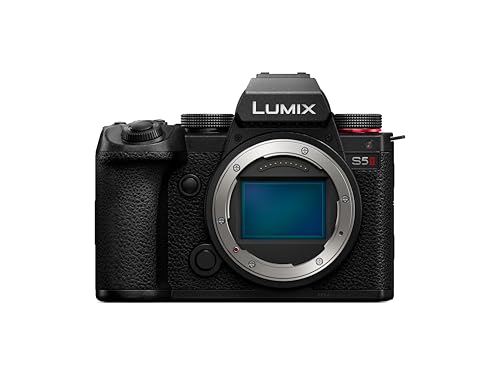
| Panasonic LUMIX S5II | Best event videography camera overall | Built for long, hot, unrepeatable days: cool sustained recording, superb stabilisation, production audio connections and autofocus that holds a ceremony together. |
| Canon EOS R6 Mark II | Best for weddings and warm venues | Canon’s colour flatters people in mixed light, recording runs long and cool, and stills are superb — the hybrid the wedding day actually wants. |
| Sony Alpha 7 IV | Best for corporate and conference filming | Benchmark autofocus for pacing speakers, a vast lens shelf, and colour and log options that suit branded delivery and fast turnaround. |
| Sony ZV-E10 II | Best for solo operators and small events | A one-person event department: flip screen, product and presenter autofocus, microphone input and a body small enough for discreet venues and tight budgets. |
| DJI Osmo Pocket 3 | Best for entrances, movement and B-roll | The gimbal camera that floats down the aisle, through the venue tour and across the dancefloor — the movement department of a one-person event team. |
| Canon EOS R50 | Best budget professional for starting out | Canon’s small RF body with dependable autofocus, clean video and an honest price — the starter camera that can actually be trusted with a paid event. |
How Did We Choose Cameras for Events That Cannot Be Repeated?
We started with failure — specifically, with the ways event footage actually dies. Heat shutdowns during summer ceremonies, focus lost during the first dance, audio clipped beyond rescue during the best man’s best line, a card filled before the finale: each pick was interrogated against those obituaries first. Bodies with a reputation for cool, long recording and honest battery behaviour rose; bodies famous for stopping mid-event, however beautiful their files, were set aside without regret.
The second filter was autofocus under event conditions: dim halls, moving subjects, faces turned three-quarters away, a speaker pacing a stage’s edge. We favoured systems whose face and eye detection holds through those indignities and whose focus transitions can be set gentle enough for ceremonies and quick enough for conferences. Audio architecture was audited in the same pass — inputs for venue feeds and wireless systems, headphone monitoring, and meters that tell the truth before the vows rather than after.
Finally we weighed the business of events: turnaround speed, colour that needs little correction, stills competence for hybrid bookings, and the lens and accessory ecosystem a working videographer grows into. The result spans a full-frame production leader, two hybrid workhorses, a creator camera for solo operators, a gimbal for movement and entrances, and a compact professional for discreet venues — six ways of never missing the moment, at six scales of operation.
One criterion was applied so consistently that it deserves to be named outright: we asked of every candidate what its worst day looks like. Not its best file or its finest feature, but the hot hall in August, the candlelit barn, the conference that runs two hours over — because events are purchased insurance against exactly those days. The six survivors are not the six most exciting cameras in our pool; they are the six whose worst days remain deliverable, and in this profession deliverable is the only superlative that pays a mortgage.
A last word about what did not decide this list: slow-motion showpieces, exotic codecs and resolution beyond the delivery’s needs all auditioned and all ranked below stamina, sound and focus, because events are not the genre where they earn their keep. If your calendar grows toward music videos or commercials, other guides in this series will happily re-rank the virtues. For the wedding, the conference and the school hall, the hierarchy printed above is the one the work itself dictates, and we have followed it without apology.
Which Six Cameras Can You Trust With an Unrepeatable Day?
The Panasonic leads on stamina and video discipline, the two full-frame hybrids divide the wedding and corporate worlds between them, and the Sony creator body serves the solo operator who is the whole crew. The DJI covers movement no tripod can, and the Canon compact is the discreet professional for venues that ban big rigs. Choose by the failure you most fear; each pick is an answer to one.

Panasonic LUMIX S5II — Best event videography camera overall
If event videography had a job description written by its failures, the S5II reads like the applicant who answered every line. Its recording stamina is the headline: long ceremonies, full conferences and back-to-back speeches are gathered without the heat anxiety that haunts smaller bodies, and that single virtue — the camera simply continuing — is worth more to an event professional than any specification that sparkles in a studio. Weddings are won in the fourth hour, and this is a fourth-hour camera.
The support systems keep the promise. Stabilisation smooths the processional and the crowd work, autofocus in this generation tracks faces through turns and tears with a calm that lets the operator think about composition instead of focus, and the audio architecture — proper inputs, monitoring, honest meters — treats the vows and the keynote as the deliverables they are. Colour offers both fast finished looks for next-day highlights and flat profiles for the films that will be graded with care.
Its costs are a lens ecosystem still maturing beside the oldest rivals and a stills specification that, while strong, plays second to its video brief. For the videographer whose income is events — whose nightmares are all thermal and temporal — those costs are trivial beside the central fact: this is the camera in the guide we would least expect to meet in an apology. Book it for the season; it will still be recording at the last dance.
Configure it as an event instrument before the season: a ceremony mode with gentle focus transitions and conservative sensitivity ceilings, a conference mode with quicker responses, and audio presets matched to your recorders and feeds. The videographers who get the most from this body describe it the way musicians describe a prepared instrument — nothing about the day requires invention, because every decision the event will demand was made calmly, in advance, by the person who knew the calendar was coming.
- Full-frame sensor with video-first design
- Sustained recording for long ceremonies
- Strong stabilisation for crowd work
- Full audio inputs and monitoring
- Finished and flat colour options
Strengths
- Stamina that outlasts receptions and conferences
- Autofocus calm under ceremony pressure
- Audio treated as a first-class deliverable
Trade-offs
- Lens ecosystem younger than Canon and Sony
- Stills play second to the video brief
- Size beside the compact picks here
Best for: wedding and conference videographers filming full days solo or in pairs.
Not suited for: photographers who only occasionally record a clip.

Canon EOS R6 Mark II — Best for weddings and warm venues
The R6 Mark II is the wedding industry’s kind of camera: warm where the venue is cold, calm where the schedule is not. Canon’s colour keeps skin believable under the reception’s soup of tungsten, candlelight and disco spill, and its files forgive the mixed-light chaos that defines real celebrations. Recording runs long without thermal drama, which — combined with autofocus that finds the couple’s faces in a crowd and refuses to be distracted by the confetti — makes it the body we would hand to a shooter covering a wedding alone with no rehearsal and no excuses.
The hybrid completeness seals the booking. Stills from the same body satisfy the photography half of the modern wedding package at a professional level, so one system, one set of lenses and one battery discipline covers the whole commission. Stabilisation with Canon’s lenses steadies the handheld coverage that venues demand, and the control layout suits the operator who must change everything one-handed while the other hand holds the moment together.
Against it: the very finest RF glass is priced for the established professional, and the video specification, while excellent for events, leaves the most exotic production features to dedicated cinema bodies its buyers rarely miss. Judged by the wedding calendar rather than the catalogue, the R6 Mark II is as close to a default answer as this guide offers — the camera whose files look like the day felt, delivered without a single thermal prayer.
Its dual competence rewards a deliberate division of labour when working in a pair: one operator owns the film’s spine on this body while the second ranges for stills and cutaways, and the two agree in advance who owns each peak. Solo shooters should steal the same clarity by deciding, per event, which three moments belong to video absolutely and which three belong to photographs — and writing the decision on the run sheet. The camera can do both jobs; only planning lets one pair of hands do them justice.
- Full-frame sensor with warm Canon colour
- Long, cool recording for full events
- Face and eye autofocus for crowds
- Professional stills in the same body
- Strong stabilisation with RF lenses
Strengths
- Skin stays beautiful in mixed venue light
- One body covers film and photographs
- Calm stamina across the longest days
Trade-offs
- Finest lenses are a serious investment
- Exotic video features reserved for cinema bodies
- Menus reward a pre-event configuration session
Best for: wedding videographers and hybrid wedding shooters working full days.
Not suited for: pure conference specialists needing the deepest production toolset.

Sony Alpha 7 IV — Best for corporate and conference filming
Corporate events run on a different clock from weddings: the keynote must be streamed or clipped by lunch, the interviews must match the brand’s look by Friday, and the speaker will pace, turn and gesture like a person trying to escape the frame. The Alpha 7 IV is built for that clock. Its autofocus is the benchmark for holding a moving speaker’s eye through exactly that behaviour, and its colour options span finished files for same-day social cuts and log profiles for the brand film that gets graded properly.
The ecosystem is the corporate argument completed. Every lens the work could want exists, from the discreet prime for the green-room interview to the long zoom that covers a stage from the back of a hall, and rental availability means the unusual job never requires an unusual purchase. Customisation lets the videographer build a conference personality for the body — settings, buttons and displays arranged for stages — and a stills personality for the reportage the same clients commission, switching between departments in a menu dive done once, at home.
Its caveats are ergonomic and financial rather than creative: configuration time before the first job, lens prices that assume a business, and rolling-shutter behaviour that asks pans to be made professionally. For the videographer whose calendar is conferences, launches and internal communications — the work that pays reliably — the A7 IV is the platform to build the business on, and this guide’s recommendation for the corporate specialist without hesitation.
Build its conference personality once and clone it forever: stage-friendly autofocus settings, a custom button layout that puts audio and exposure tools under the thumbs, and file naming that matches your client’s asset system. Corporate work rewards repeatability above inspiration, because the client is buying a standard they can commission again next quarter. The A7 IV’s deep customisation is therefore not a hobbyist’s toy but the mechanism by which a videographer becomes a supplier — the most valuable transformation in the business.
- Full-frame sensor with high resolution
- Benchmark eye autofocus for speakers
- Log and finished colour for any deadline
- The deepest lens and rental ecosystem
- Deep customisation for repeatable setups
Strengths
- Holds pacing, turning speakers effortlessly
- Files serve same-day and graded delivery
- Lens for every stage, hall and interview
Trade-offs
- Setup time before it feels like yours
- Business-grade lens prices
- Pans should be made with professional care
Best for: conference, corporate and launch videographers building a business.
Not suited for: occasional event shooters wanting the simplest first camera.

Sony ZV-E10 II — Best for solo operators and small events
Not every event has a crew; most have a person. The school concert filmed by one parent-volunteer, the community hall’s talks, the small business’s launch, the worship service streamed by a team of one — these are the majority of the world’s event videography, and the ZV-E10 II is their camera. It flips its screen toward the solo operator, holds a presenter’s eyes with autofocus that understands faces better than most volunteers do, and accepts the microphone that turns a speech from echo into record, all in a body that fits the bag a one-person department actually carries.
Discretion is its professional superpower. Venues that would refuse a rig — chapels, galleries, intimate ceremonies — admit this small camera without a negotiation, and guests behave like guests rather than performers around it. The footage is genuinely good: a capable APS-C sensor, colour that can be finished in-camera for tomorrow’s post or flattened for a careful edit, and Sony’s lens range waiting whenever the work outgrows the kit zoom.
The limits are a solo operator’s limits rather than flaws: no viewfinder for the brightest outdoor events, stabilisation that assists rather than floats, and stamina that wants spare batteries across a full wedding day. Run it as the second camera beside a full-frame main and it is equally happy. For the one-person department — the fastest-growing kind of event videographer there is — it is the most enabling purchase in this guide.
Solo operators should build the smallest complete rig around it and never improvise beyond it on the day: the camera, one versatile zoom, a wireless microphone, a compact light and a monopod that doubles as a high stand for the ceremony wide shot. That rig fits one bag, sets up in minutes, and covers the small-event world at a standard clients describe as professional without knowing why. Its discipline — everything present, nothing extra — is the solo department’s whole philosophy in a single packing list.
- APS-C sensor in a compact creator body
- Fully articulating screen for solo work
- Presenter and product autofocus modes
- Microphone input for speeches
- Access to Sony’s lens catalogue
Strengths
- Whole event department in one small bag
- Admitted where big rigs are refused
- Autofocus designed for presenters and people
Trade-offs
- No electronic viewfinder
- Batteries needed for the longest days
- Stabilisation assists rather than glides
Best for: solo operators covering school, community, worship and small business events.
Not suited for: lead shooters on large, long, high-stakes weddings.

DJI Osmo Pocket 3 — Best for entrances, movement and B-roll
Every event film needs the shots a locked camera cannot make: the glide into the dressed hall before the guests arrive, the processional followed at walking pace, the venue tour that sells the next booking. The Pocket 3 makes those shots a solo operator’s routine rather than a rigging project. Its gimbal floats through doorways and crowds with a steadiness that reads as expensive, starts in seconds when the moment announces itself, and tracks the couple, the speaker or the product while the operator simply walks the path rehearsed an hour earlier.
As the second camera of an event team it is close to perfect. It lives in a jacket pocket until the entrance, the reveal or the first dance calls for movement, gathers the B-roll that editors use to stitch a film together, and its wireless microphone companions capture the ambient joy — the cheer, the applause, the string quartet’s spill — that sells an event film’s emotion. Clients consistently praise the moving shots without knowing why; the Pocket is usually why.
No one should mistake it for a main event camera: the fixed lens, the fair-weather build and the low-light ceiling all disqualify it from carrying a ceremony, and its footage must be intercut with a real body’s coverage to make a film. But event videography is a grammar of shots, and movement is the grammar’s most expensive word. The Pocket 3 says it fluently for the price of a lens — which is why so many of the professionals using the bodies above also carry one.
Rehearse its event choreography during the venue visit: the entrance path, the aisle walk, the reveal of the dressed room, walked once at performance pace with the gimbal so the real take is the second performance, not the first. Note where the light turns, where the floor changes, where a guest will certainly step into the path. Movement shots look effortless in finished films precisely because somebody walked them in an empty room an hour earlier, looking slightly foolish and wholly professional.
- Mechanical gimbal for floating movement
- Subject tracking for entrances and processions
- Rotating screen for quick reframing
- Wireless microphone ecosystem
- Pocket size, filming in seconds
Strengths
- Movement shots without rigs or crew
- Perfect second camera for B-roll
- Guests ignore it completely
Trade-offs
- Cannot carry an event as the main camera
- Fixed lens and fair-weather limits
- Low light trails the full-frame picks
Best for: B-roll, entrances, venue tours and dancefloor movement.
Not suited for: sole coverage of ceremonies or speeches.

Canon EOS R50 — Best budget professional for starting out
Every event business starts with a camera its owner could afford before the bookings existed, and the R50 is the current answer to that chicken-and-egg problem. It brings Canon’s subject-detection autofocus and kind colour to a body priced for beginners, records clean video that clients cannot distinguish from costlier footage in the venues where starters work, and opens the RF lens system — so the second purchase, a proper event zoom or a fast prime, is an investment in the business’s future rather than a dead end.
The working details suit the starter’s reality. It is small enough for discreet venues and long days, simple enough that its operator can think about the event instead of the menu, and its stills are strong enough for the hybrid packages that early clients request. Paired with a decent microphone — the purchase this guide insists comes before any lens — an R50 kit covers school events, parties, small weddings and community work at a standard that builds a reputation rather than spending one.
The ceilings arrive honestly as the business grows: low-light headroom below the full-frame picks, stamina and connections that assume a smaller scale, and no in-body stabilisation to lean on. Those ceilings are exactly what the second body, bought from the first season’s earnings, is for. As the first body — the one that must not fail a paying client while costing what a beginner can pay — the R50 earns its row and the trust of the starters who will write next year’s reviews.
Starters should spend their second hundred hours, after the camera itself, on the unglamorous stack: the microphone, the second battery, the fast cards, the bag that organises them. The R50’s footage is already client-ready; what separates the starter who gets rebooked is the day nothing failed, nothing was forgotten and the highlight arrived while the party was still being talked about. Reliability is a reputation a beginner can afford immediately — it costs organisation, not flagship money — and this body rewards it by never being the weak link.
- APS-C sensor in Canon’s RF system
- Subject-detection autofocus for people
- Clean video for client delivery
- Compact body for long, discreet days
- Stills strong enough for hybrid packages
Strengths
- Professional behaviour at a starter price
- Lens system grows with the business
- Simple enough to operate under pressure
Trade-offs
- Low-light ceiling below full frame
- Connections and stamina at a smaller scale
- No in-body stabilisation
Best for: new event videographers covering small weddings, parties and community work.
Not suited for: established professionals filming large venues nightly.
How Do You Prepare for an Event That Allows No Mistakes?
Preparation is the event videographer’s real craft, and it begins days before the venue. Scout the space or study its photographs: where the light falls at the ceremony’s hour, where a camera may stand without becoming part of the event, where the power sockets hide and what the venue’s own sound system offers a visiting recorder. Charge everything, format cards in the camera that will use them, and pack the bag against a written list — the professional’s list exists because memory, on the morning of a wedding, is a proven liar.
Build redundancy into the recording itself. Dual-card recording where the body offers it, an independent audio recorder running beside the camera’s own sound, a second body or at least a second angle for the unrepeatable peaks — these are not luxuries but the definition of professional event work, because the client is not buying footage, they are buying the certainty of footage. The cameras in this guide were chosen partly for how gracefully they accept that redundancy.
On the day, arrive early enough to be bored. Set the ceremony position, test the audio feed during the rehearsal or the soundcheck, shoot the empty venue for the film’s establishing material, and agree signals with the celebrant, the planner or the stage manager. When the doors open, the prepared videographer is the calmest person in the building — and calm, at an event, is a technical specification, because panic makes every other error more likely.
How Should You Record Sound at Weddings and Conferences?
Sound is where event films live or die, because audiences forgive a soft image during a vow and never forgive an unintelligible one. Work in layers: a recorder or wireless microphone on the celebrant and the couple where the format allows, a feed from the venue’s desk at conferences, and the camera’s own microphone as the ambient bed beneath everything. Each layer covers the others’ failures, and the editor who receives layers sends thanks; the editor who receives one clipped track sends invoices for miracles.
Monitor like you mean it. Headphones during the speeches are not a stylistic choice but the only way to know the recording exists while there is still time to fix it — the dead battery, the rustling dress fabric, the air-conditioning that swallows consonants all announce themselves to the listening operator and to no one else. Check levels against the loudest laugh and the quietest vow, because events contain both, often within the same minute.
Finally, record the room itself: a minute of applause, the quartet’s tuning, the hall’s ambient breath before the doors. Those sounds are the glue of event editing, covering cuts and stitching angles into one continuous memory. The videographer who captures them looks, in the finished film, like a much larger crew — and the cameras above, with their proper inputs and monitoring, were chosen to make that illusion a standard practice rather than a lucky accident.
How Do You Light and Expose for Venues You Do Not Control?
Accept the venue’s light as the brief and improve it at the margins. A small, dimmable video light — used with restraint, bounced where possible, and switched off the moment it would change the event’s own atmosphere — rescues speeches and first dances without turning a wedding into a studio. Position matters more than power: light from the camera’s direction flattens, while a light placed to the side, even a modest one, models faces the way the room’s own lamps model them, only more kindly.
Expose for the faces and let the venue fall where it falls, exactly as in stills work, because the audience’s attention is a spotlight that forgives dark backgrounds and never forgives a grey, underexposed bride or a blown-out speaker against a bright screen. Use the camera’s zebras and histogram to defend the highlights on dresses and projection screens — the two surfaces events blow out most — and set white balance deliberately in mixed light rather than letting it wander mid-vow as the disco wakes up.
Choose sensitivity ceilings in advance and trust them. Modern full-frame files stay clean at levels that would have been unusable a generation ago, and the APS-C picks here hold together respectably when their operators expose carefully and avoid lifting murk in the edit. Grain that looks like atmosphere is a price audiences pay happily; noise that looks like a broken camera is not. The distinction is made in the field, by exposure, long before the editor meets the footage.
How Should a Solo Operator Cover an Event With One Camera?
Think like an editor who happens to be holding the camera. The solo film needs its grammar covered: a wide that establishes, mediums that carry the action, closes that carry the feeling, and cutaways — hands, reactions, details — that let the edit breathe and hide the joins. Move between those framings during the event’s natural pauses, never during its peaks, and let each shot run longer than feels necessary; the editor-you, at midnight, will bless the extra seconds on every single clip.
Position is the solo operator’s second camera. Stand where the event comes to you — the aisle’s end, the stage’s edge, the door through which everything enters — and let the subjects do the moving while the gimbal or stabilisation handles your small adjustments. Rehearse the venue’s geography during setup so that the one necessary relocation, when it comes, is a practised walk rather than a public scramble with a tripod.
Protect the unrepeatable peaks with both hands and no ambition: during the vows, the announcement, the winning goal, the solo camera stays wide, steady and recording, because a missed peak cannot be B-rolled into existence. Save the creative movement for the entrances, the details and the celebrations, where a second chance always exists. Event films are remembered for their peaks and judged by their coverage; the solo operator who understands that order delivers films that feel crewed.
How Do You Turn Event Work Into a Sustainable Business?
The craft gets the bookings; the systems keep them. Respond to enquiries with the speed the cameras in this guide record highlights, quote with the deliverables and deadlines written as plainly as a run sheet, and contract the unglamorous specifics — hours, overtime, delivery dates, music licensing, the second-shooter question — before anyone is emotional. Event clients remember how a videographer made them feel about logistics long after the film’s colour is forgotten, and calm professionalism in the paperwork is the trailer for calm professionalism on the day.
Price for the redundancy the work demands. The second body, the layered audio, the insurance and the backup drives are not overhead to be apologised for but the substance of the certainty the client is buying, and the videographer who prices them in can afford to keep providing them. Underpricing event work is a slow way of firing yourself: the first public failure, when it arrives, will find a business too thin to survive it. Charge like the day matters, because to the people in it, it does.
Finally, let every event market the next one. The highlight delivered while the day is warm, shown with the client’s blessing, is worth more than any advertisement; the venue staff and planners who watched you work calmly are a sales force no budget can buy. Keep a small portfolio current, ask for the testimonial while the gratitude is fresh, and treat the suppliers beside you — photographers, planners, DJs — as the colleagues they are. Event videography is a village trade practised at high speed, and the village remembers everything.
What Does the Day After an Event Require?
The event is not finished when the last dance ends; it is finished when the footage is safe, and safety has a liturgy. Before sleep, the cards are copied to two separate places, the copies are verified rather than assumed, and the originals are left untouched until the edit is delivered. More event careers have been ended by a formatted card or a single failed drive than by any camera in this guide, and the professionals’ superstition about backup is not superstition at all — it is statistics wearing a robe.
The highlight edit comes next, while the day is still emotionally warm for everyone who was there. Cut it to the structure planned before the event: the place, the anticipation, the peak, the joy. Resist the urge to include everything; the highlight’s job is to make the client feel the day again and make their friends wish they had been filmed too. Deliver it with a short, warm note and the delivery itself becomes part of the product the next client hears about.
Then review your own performance with the notebook the preparation section promised: which position failed, which audio layer saved you, which battery surprised you, which moment you were changing a card through. Write the fixes into the standing checklist while the evidence is fresh. Event videography improves at the speed of that notebook — each wedding quietly subsidising the competence of the next — and the videographers who keep it are the ones whose tenth season looks effortless to everyone who did not watch the first nine.
How Do You Work With Photographers, Planners and Venues?
The event is a small temporary village, and the videographer’s diplomacy is a production tool. Introduce yourself to the photographer before the ceremony and agree the geography — who owns the centre aisle at the vows, who moves first at the recessional — because two professionals negotiating silently with elbows produce two compromised records, while a thirty-second conversation produces two good ones. Couples book pairs who visibly cooperate again; venues recommend the videographer whose presence made their own day easier.
Planners and venue coordinators are the keepers of the real schedule, which differs from the printed one by the afternoon’s second hour. Stay close enough to hear the changes, confirm the peaks’ revised times without drama, and let your flexibility be noticed by exactly the people who write next season’s supplier lists. When something goes wrong that is not yours — the delayed flowers, the missing extension cable — help if you can and never narrate it if you cannot; the village rewards discretion with work.
Finally, leave every venue more welcome than you found it: cables taped and then removed, positions restored, thanks said to the staff by name where you learned them. The cameras in this guide will be carried into hundreds of rooms across a career, and the reputation that enters each room ahead of them is built in the previous one. Event videography is filmed with cameras and sustained by manners; the professionals who last are fluent in both, in that order, on the longest days of the year.
How Do the Six Compare for Event Work?
Compare by booking type: the Panasonic for stamina-led professional days, the Canon hybrid for weddings, the Sony hybrid for corporate calendars, the ZV-E10 II for solo and discreet work, the Pocket 3 as everyone’s movement department, and the R50 as the starter that can be trusted with a fee.
| Pick | Badge | At a glance |
|---|---|---|
| Panasonic LUMIX S5II | Best event videography camera overall | Production stamina leader; the ceremony camera that does not stop. |
| Canon EOS R6 Mark II | Best for weddings and warm venues | Wedding hybrid; warm colour, long recording, superb stills in one body. |
| Sony Alpha 7 IV | Best for corporate and conference filming | Corporate workhorse; speaker-tracking autofocus and fast delivery files. |
| Sony ZV-E10 II | Best for solo operators and small events | Solo operator’s event camera; small, discreet and presenter-aware. |
| DJI Osmo Pocket 3 | Best for entrances, movement and B-roll | Pocket gimbal; entrances, walkthroughs and B-roll with floating movement. |
| Canon EOS R50 | Best budget professional for starting out | Budget professional starter; Canon autofocus and colour at an honest price. |
What Mistakes Ruin Event Films Most Often?
Arriving with one of everything is the founding error: one body, one card, one battery, one audio source, one plan. Events are entropy with a dress code, and every single point of failure will eventually be introduced to a paying client. The redundancy habits in the preparation section — dual recording, layered audio, spare power, a second angle for the peaks — are the actual product a professional sells, and they cost less than the reputation a single public failure spends.
Filming the event you wished for instead of the one happening is the second error. The videographer who spends the speeches hunting artistic angles returns with beautiful footage of everything except the words the family will want in thirty years. Cover the peaks plainly and completely first; artistry is what the entrances, details and celebrations are for. Clients forgive a conventional film of the real event and never forgive a gorgeous film of a different one.
The third mistake is neglecting the turnaround. Event films decay in value by the day — the highlight that arrives while the guests are still talking about the day is marketing, memory and product in one, while the same film delivered in a month is an archive item. Choose cameras, as this guide has, whose colour and files edit fast, keep the edit’s structure planned before the event begins, and deliver the short film while the confetti is still in the client’s hair.
A fourth mistake is social rather than technical: becoming part of the event in the wrong way — blocking the family’s view at the peak, directing guests like a film set, or treating the couple, the speaker or the celebrant as cast members in your production. The professional is a welcome ghost: visible enough to be trusted, invisible enough to be forgotten, and dressed like a guest who happens to be working. Clients rebook the ghost and quietly warn their friends about the director.
And check the small print of your own process before each season: insurance current, contracts plain, cards and batteries inventoried, backup drives with room to breathe. The unglamorous audit takes an afternoon and protects everything the glamorous days create.
Final Recommendation
For a single recommendation, the Panasonic LUMIX S5II is the event camera: stamina, stabilisation, audio and calm autofocus in the body least likely to feature in an apology. Wedding specialists who also shoot stills should take the Canon EOS R6 Mark II and its beautiful colour, corporate specialists the Sony Alpha 7 IV and its speaker-proof tracking, and solo operators the ZV-E10 II — with the Osmo Pocket 3 in the pocket of whichever main body they choose, and the Canon EOS R50 as the finest first step into the profession.
Whichever you book, remember what the client is actually buying: not resolution, not colour science, but the certainty that the unrepeatable day will exist afterwards. Buy the camera that maximises that certainty, prepare like a professional, record the sound like it matters most — because at an event, it does — and the films will take care of the reputation that takes care of the calendar.
Arrive early, record in layers, back up before you sleep, and deliver while the day is still warm. Those four habits, practised without exception, will do more for an event business than any camera decision in this guide — and the cameras above were chosen, in the end, because they make all four habits easy to keep.
So book the camera whose worst day you can deliver, prepare until the day feels almost boring, and then stand quietly in the right place while other people’s best days happen in front of your lens. That is the whole profession, and it is a good one.
The next event on your calendar is already counting down to its unrepeatable moments. Prepare for it like they matter, because to somebody in that room, they are the whole point of the year.
Meet them charged, layered, early and calm, with a camera from this list that has never once needed to be forgiven.
That is all any client has ever asked of an event camera, and it is everything these six were chosen to give.
Book it, prepare it, and be standing in the right place when the confetti falls.
It falls once, beautifully, in the best light of the day, and your camera, prepared and trusted, will still be happily recording it all.
Frequently Asked Questions
What is the most important feature in an event camera?
Reliability under duration: sustained recording without overheating, batteries and power options that outlast the day, and autofocus that does not quit in low light. A camera that stops during the vows has failed regardless of its specifications, which is why this guide interrogated stamina and failure modes before beauty. After reliability, audio connections matter most, because speeches are the deliverable clients rewatch for decades.
Do I need two cameras to film a wedding professionally?
You need two angles at the unrepeatable peaks and redundancy everywhere, which in practice means at least a main body and a second recording device — often a compact or gimbal camera like the Pocket 3 covering the wide while the main body works. Solo professionals do cover weddings with one main camera, but they plant the second angle for the ceremony and speeches without exception. The standard is not crew size; it is that no single failure can erase the moment.
How do I get good audio from a venue’s sound system?
Ask early and test during setup: most venues and DJs will provide a feed from the desk, which you record on a separate recorder as one layer beside a microphone near the speakers and the camera’s own ambient track. Attend the rehearsal or soundcheck if one exists, record a test at performance volume, and listen on headphones. Never rely on the feed alone — desks mute, cables fail — which is why layered audio is this guide’s repeated refrain.
Can one camera really shoot both the film and the photographs?
Yes — the hybrid bodies in this guide, the R6 Mark II and Alpha 7 IV especially, are professional stills cameras that happen to film superbly, and many wedding businesses run exactly that model. The discipline is operational rather than technical: decide moment by moment which medium owns the peak, because the vow cannot be both photographed and filmed by the same pair of hands at the same instant. Teams split the duties; solo hybrids alternate with intent and communicate the plan to the client in advance.
How long should an event highlight film be?
Short enough to be watched whole and shared whole — a few minutes that carry the day’s arc: the place, the people, the peak, the celebration. The long-form record, where clients commission one, is a separate deliverable with a different patience. Most videographers deliver both: the highlight while the day is warm, the full film as the archive. Cameras whose colour arrives nearly finished, as several here do, make that two-speed delivery sustainable for a small business.
What should a beginner charge-free first event teach them?
Everything except the fee: preparation against a list, redundancy in recording and audio, positioning at the peaks, and turnaround while the event is fresh. Film a friend’s celebration or a community event with full professional discipline and review the footage with a notebook — the failures will be specific, cheap and unforgettable, which is the best tuition the profession offers. Then buy against that notebook’s evidence; the R50 in this guide exists for exactly that second step.
Related Guides
Go deeper into specific event types with our companion guides: best cameras for weddings best cameras for conferences best cameras for live streaming


