As an Amazon Associate, this site may earn an affiliate commission from qualifying purchases made through links on this page, at no extra cost to you.
In this guide
Quick picks: best zoom camera phones
| # | Product | Where to buy |
|---|---|---|
| 1 | Samsung Galaxy S25 Ultra | Check on Amazon |
| 2 | Google Pixel 9 Pro XL | Check on Amazon |
| 3 | Samsung Galaxy S24 Ultra | Check on Amazon |
| 4 | Google Pixel 10 Pro XL | Check on Amazon |
| 5 | Sony Xperia 1 VI | Check on Amazon |
| 6 | OnePlus 13 | Check on Amazon |
The seat you got is not the photo you wanted
Every concertgoer knows the moment. The lights drop, the band walks on, and from your seat — a good seat, one you paid proper money for — the singer is a bright figure about as tall as your thumb. You raise your phone, pinch the screen out to its maximum, and take the shot anyway. What you get back is a watercolour: a glowing smear where a face should be, edges dissolving into noise, the whole scene looking as if it were photographed through frosted glass in the rain. The phone did exactly what it was asked to do. The problem is that pinching to maximum zoom on most phones is not zooming at all. It is cropping and guessing, and the guesswork shows.
A true zoom camera phone is built differently. Behind its glass sit two, sometimes three, separate telephoto cameras alongside the main one, each with its own lens and its own sensor, and one of them — the periscope — folds its optics sideways inside the body so it can reach focal lengths that a phone’s thickness should not allow. When you zoom to 5x on one of these phones, you are not cropping. You are switching to a real camera with a real long lens, and the difference in the frame is the difference between a smear and a face: individual expressions at a concert, the stitching on a ball in flight at a match, the hiker on the far ridge of a valley standing out against the sky. That is the capability this guide is about, and it is why the phones below cost what they cost.
We organised the guide around the three jobs people actually buy zoom for. The first is the concert or theatre seat, where the light is low, the subject moves, and the distance is fixed by your ticket. The second is sport — your child’s match from the sideline, a professional game from the upper tier — where the subject is fast, the light is often floodlit and unforgiving, and you cannot move closer. The third is travel, where the zoom earns its keep on architecture, wildlife, distant landscapes and the candid street shot taken from across the square without intruding on it. Every pick below is judged against those three jobs, and each review says plainly where a phone’s zoom stops being genuinely good and starts being marketing. There are no prices anywhere in this guide, because prices move too fast to print; each review ends with a prompt to check the current listing, where today’s figure is the only honest one.
Quick comparison: the six picks at a glance
| Phone | Zoom hardware | Best for | Character |
|---|---|---|---|
| Samsung Galaxy S25 Ultra | 3x telephoto plus 5x periscope | Maximum reach at concerts and stadiums | The long-distance all-rounder |
| Google Pixel 9 Pro XL | 5x telephoto with heavy processing | Low-light zoom and point-and-shoot ease | The computational zoom specialist |
| Samsung Galaxy S24 Ultra | 3x telephoto plus 5x periscope | Maximum reach at a lower spend | The long-distance all-rounder, one generation on |
| Google Pixel 10 Pro XL | 5x telephoto with Pro Res Zoom to 100x | Low-light zoom and point-and-shoot ease | The computational zoom specialist, updated |
| Sony Xperia 1 VI | 7.1x continuous optical zoom, 85-170mm | Travel and video with real zoom steps | The photographer’s zoom |
| OnePlus 13 | 3x periscope | Flagship zoom on a mid-range spend | The value flagship |
The table is a map, not a ranking. If your priority is the longest usable reach, read the Samsung and Sony reviews first. If you mostly shoot video of the action, start with the Sony. If you want the zoom to be effortless rather than configurable, the Pixel is the one that asks the least of you. And if the budget has a hard ceiling, the OnePlus delivers most of the experience for a mid-range spend.
What to look for in a zoom camera phone
Zoom is the most lied-about specification in the phone business, because the word covers three completely different things and manufacturers happily let you confuse them. Before the reviews, here is the honest vocabulary, and the handful of factors that genuinely decide whether a phone’s zoom is good. Learn these and you can judge any zoom claim on any box, including the claims made for the six phones below.
Optical zoom, digital zoom, and the space between
Optical zoom means a real lens with a longer focal length is doing the work. Light passes through glass designed for that reach, lands on a sensor, and every pixel in the frame is earned. A phone with a 5x optical telephoto gives you a true 5x photograph, as sharp in principle as its main camera. Digital zoom is the opposite: the phone crops the centre of the main sensor’s image and enlarges it, which is exactly the pinch-zoom watercolour from the concert. Between the two sits the modern middle ground, and it is better than its reputation. High-resolution sensors let a phone crop from the middle of a 200-megapixel sensor and still hand you a full-resolution frame, and multi-frame processing can clean that crop up considerably. Brands call this “optical quality” zoom, and at moderate levels — say, one step beyond the optical lens — it can be genuinely good. But there is a hard rule that no processing escapes: the further past the real glass you go, the more the phone is inventing. A 100x maximum zoom figure is a party trick. The honest question for every phone is where its quality falls off a cliff, and each review below answers it.
Focal length is the number that tells the truth
Phone zoom is described in multiples — 3x, 5x, 10x — but those multiples are relative to each phone’s main lens, so the same “5x” can mean different reach on different phones. The number that never lies is the equivalent focal length in millimetres. A phone’s main camera usually sits around 24mm. A 3x telephoto is roughly 70mm, the classic portrait length. A 5x is around 120mm, which is where concerts and stadium seats start to become workable. Beyond that, some periscopes reach further still. When you compare phones, compare millimetres, not multiples, and remember what each length is for: 70mm flatters people and isolates a subject on a stage; 120mm pulls a performer or a player across a venue into your frame; and the territory beyond that is for wildlife, architecture detail and the far side of a valley. A phone with two telephoto lenses — a 3x and a 5x — covers the whole ladder without leaning on crops in between, which is why the best zoom phones carry both.
The telephoto sensor matters as much as the lens
A long lens on a tiny, dim sensor produces long, dim photographs. The telephoto cameras in cheaper phones often use small sensors with narrow apertures, and the results show it the moment the light drops: noise creeps in, shutter speeds fall, and moving subjects blur. The phones in this guide earn their place partly because their telephoto hardware is serious — larger sensors behind the long lenses, apertures wide enough to keep shutter speeds up indoors, and in two cases telephoto sensors with resolutions high enough to crop further without falling apart. When you read a zoom phone’s specification, the telephoto sensor size and aperture tell you more about real-world zoom quality than the headline zoom multiple does. A 5x lens with a healthy sensor behind it will outshoot a paper 10x every evening of the week.
Stabilisation is what makes long zoom usable
Magnification multiplies everything, including the shake in your hands. At 5x, a tremor that would be invisible in a wide shot becomes a sway across the whole frame, and at 10x it can make the viewfinder feel like it is mounted on a boat. Optical image stabilisation in the telephoto lens is therefore not a luxury; it is the difference between a zoom you can use standing in a crowd and one that only works braced against a wall. The better phones add sensor-shift or gimbal-style stabilisation and software that reads the scene and steadies the preview, which matters more than most buyers expect: if you cannot hold the frame still enough to compose the shot, the shot does not happen. For video the effect doubles, because unsteady zoomed video is close to unwatchable. Every pick below has properly stabilised telephoto hardware, but they are not equal, and the reviews note where each one feels steadiest in the hand.
The in-between steps: why the road from 1x to 5x matters
A zoom phone is not one camera with a slider; it is a ladder of cameras with gaps between the rungs, and the gaps are filled with crops. This matters because a surprising amount of real photography lives in the gaps. The portrait of your daughter before the school play is a 2x or 3x shot. The group of friends across a restaurant table, the dog on the far side of the park, the detail of a building across the street — all of them sit between the main lens and the long telephoto. A phone with two telephoto lenses, a 3x and a 5x, has a rung exactly where portrait photography lives, and another where venue photography starts, so almost every magnification you touch is real glass. A phone with a single 5x must crop its main camera for everything below 5x, and while the best processing makes those crops respectable, a dedicated lens at the same distance is better — sharper, cleaner in dim rooms, and more flattering to faces. When you compare the picks below, notice not just how far each one reaches, but how many real lenses it stands on along the way. The ladder, not the top rung, is what you climb every day.
Low light is where zoom phones separate
Almost every zoom photograph that matters is taken in poor light. Concerts are dark by design. Evening matches are floodlit, which is bright in patches and murky between them. Travel shots at the blue hour are dim. This is why zoom quality cannot be judged from daylight samples: in good light, most modern telephotos look fine. The real test is a stage at 10x with the house lights down, or a player at the far end of a pitch at night. In those conditions the phone needs everything at once — the big telephoto sensor, the wide aperture, the stabilisation holding a slow shutter steady, and processing that cleans noise without smearing detail into paste. Some of the phones below are plainly better at this than others, and because it is the single most common zoom situation our readers describe, low-light zoom weighs heavily in every verdict in this guide.
Video zoom is its own discipline
Still photographs forgive a lot; video forgives nothing. A phone can produce a fine zoomed still and hopeless zoomed video if its lenses switch with a visible jump, its focus hunts as you push in, or its stabilisation gives up past 5x. If you film concerts, matches or your children’s performances, judge the zoom as a video tool: how smoothly the phone hands over from one lens to the next as you zoom, whether exposure and colour stay consistent through the handover, and how far you can push before the footage turns to jelly. One phone in this guide is so far ahead on video zoom that it gets its own recommendation for film-makers, and the reviews are blunt about which phones treat video as an afterthought.
How these six made the cut
We started from every flagship-class phone with a genuine telephoto camera, then applied the checks that matter for this job. A pick had to have at least one true optical telephoto of 3x or longer — no phone relying on main-sensor crops alone was eligible, however good its processing. It had to keep its quality in low light at its longest optical reach, because that is where zoom is used. It had to be a phone you can actually buy through normal retail channels and use as your only phone, which kept out camera-showpiece imports with no warranty or network support in most markets — with two deliberate exceptions, flagged in their reviews, whose zoom hardware is so far ahead that serious photographers import them knowingly. And it had to cover one of the real jobs — concert, sport, travel, video, or value — better than the phones it displaced. Six survived, and they are usefully different from each other.
Three scenes we judge every zoom phone by
Specifications can be compared on a page, but zoom quality only means something in a scene. So every phone in this guide was judged against the same three situations — the ones our readers describe again and again — and the reviews that follow refer back to them constantly.
The theatre seat. Row M of a mid-size theatre, house lights down, a single actor in a pool of light roughly twenty metres away. The test is cruelty itself: low light, a moving subject, and a distance that sits right at 5x to 10x. A phone passes if faces stay faces — expression readable, costume detail intact, no waxy smearing — and if the shot can be taken handheld, from a seat, without bracing like a sniper. Most phones fail this scene somewhere; the ones that pass it cleanly are the ones whose telephoto sensors and stabilisation are genuinely serious.
The upper tier. A professional match under floodlights, photographed from seats bought for their price rather than their view. The subject is smaller, faster and further than the theatre actor, and the light is a patchwork of brilliance and gloom. Here the test is reach with honesty: how far into its range the phone can go before processing starts inventing, whether autofocus can hold a running player at long focal length, and whether bursts at full zoom come back sharp or merely enthusiastic. This scene is where headline zoom figures go to be exposed.
The far ridge. A valley viewpoint in the last hour of light, with a hiker’s hut, a church tower and a line of peaks several kilometres away. Nothing moves fast, but everything is small, distant and separated by haze. The test here is clarity at reach in fading light — whether the periscope resolves the tower’s windows, whether the compression effect flatters the layers of ridge, and whether the phone’s processing respects the atmosphere of the scene instead of sharpening it into cardboard. Travel photography lives in this scene, and it is the one where the camera-first phones in this guide pull away.
The best zoom camera phones, reviewed

Top pick
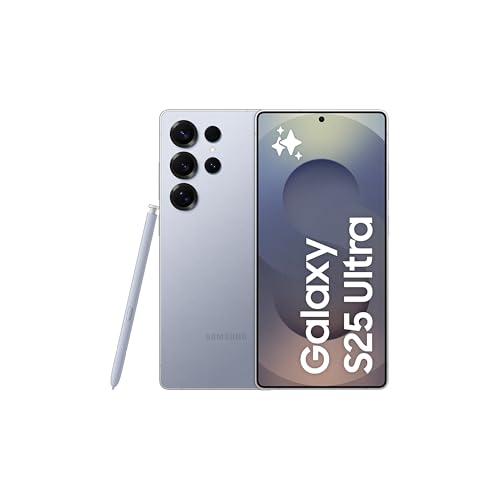
1. Samsung Galaxy S25 Ultra: the longest reach that still behaves like a phone
The Galaxy S25 Ultra is the default answer to “which phone zooms furthest without embarrassing itself,” and it earns that status with hardware rather than slogans. It carries two telephoto cameras: a 3x for portraits and closer work, and a 5x periscope backed by a high-resolution sensor that also delivers a convincing 10x by cropping its centre. That two-step ladder is the phone’s quiet genius. Most zoom shooting happens between 3x and 10x, and the S25 Ultra covers that entire stretch with real glass or near-real quality, so the shots you actually take at a gig — the singer at 5x, the guitarist at 10x, the whole stage at 3x — all come from the strong part of its range. Push beyond 10x and processing takes over with steadily diminishing honesty, but the fall-off is more graceful than on most rivals, and at a stadium distance the phone still produces frames worth keeping long after lesser zooms have dissolved into mush.
Strengths: The 5x periscope is excellent in the conditions zoom is bought for. Under stage lighting it holds detail in faces and instruments, keeps colours believable when the rig washes everything in magenta or blue, and its stabilisation lets you shoot at 10x from a seat without the frame swimming. The 3x lens is no poor relation either — it is the one you will use for portraits and for the performer who walks to the front of the stage, and it is sharp in ordinary indoor light. Video zoom is a genuine strength too: the handover between lenses is well disguised, focus stays composed as you push in during a song, and the footage remains steady further into the range than most Android rivals manage. As a phone beyond the camera, it is the full flagship package, with a bright screen that stays readable in the sun at an outdoor match.
Trade-offs: The honest limits sit at the extremes. Past the low teens of magnification, the processing starts inventing texture — faces go waxy, text on a banner turns to plausible gibberish — and the headline maximum zoom figure should be treated as a framing aid, not a photograph. The phone is also big and heavy in the hand, which matters when you are holding it above a crowd for the length of a set, and its low-light zoom, while good, is a step behind the very best in this guide when the venue is genuinely dark. Finally, this is a flagship at a flagship position in the range; nothing about it is the budget option.
Who it suits: The concert regular in the mid-price seats, the supporter in the upper tier, and the traveller who wants one phone that covers everything from a portrait at 3x to a lighthouse at 10x without a second thought. If your zoom life is varied and you do not want to think about which lens the phone chose, this is the safest pair of hands here. For the reach and the consistency it delivers night after night, it is well worth your time to check price on Amazon.
Check price on Amazon: Samsung Galaxy S25 Ultra

2. Google Pixel 9 Pro XL: the zoom that does the thinking for you
The Pixel 9 Pro XL takes the opposite bet to Samsung. It carries a single 5x telephoto camera where the Galaxy carries two, and leans on Google’s processing — the most mature in the business — to fill the gaps. The striking thing is how often the bet pays off. At its native 5x the Pixel is superb, with a natural, unforced look to its images that heavily processed rivals sometimes lose. Its software zoom beyond 5x is the cleanest of any phone here, reconstructing detail at distances where other phones smear, and its low-light zoom is a revelation if you have only used older phones: the night mode processing works at the telephoto lens too, stacking frames to pull a recognisable, steady shot out of a dark hall at 5x and beyond. For the traveller photographing a floodlit cathedral from across the river, or a parent filming nothing but photographing everything at an evening school concert, the Pixel simply refuses to come home with a bad frame.
Strengths: Effortlessness is the headline. Point the Pixel at the stage, pinch to the framing you want, and the phone makes a series of good decisions on your behalf — exposure, noise, sharpening, colour — that would take deliberate effort on any other device here. The 5x lens itself is optically strong, and the processing layered on top is tasteful rather than aggressive, so zoomed faces still look like faces rather than oil paintings. Its zoomed portraits are the most flattering in this guide, which matters for the family-and-events shooting that fills most camera rolls. The phone also receives years of software support, and its camera features have a history of improving after purchase rather than standing still.
Trade-offs: The single telephoto lens shows at the in-between distances. Between the main camera and 5x, the Pixel is cropping and computing, and at around 2x to 3x — portrait distance, the most-used zoom range of all — it can be out-resolved by phones with a dedicated 3x lens, including two in this guide. Video zoom is competent rather than class-leading: lens transitions are more visible than on the Sony, whose continuous optical zoom has no steps to hide, and long-zoom video in low light gets noisy sooner. And while its software zoom is the best here, it still has a ceiling; at the far end of its range it is reconstructing plausibly, not capturing truthfully, and very distant small subjects expose that.
Who it suits: The buyer who wants zoom results without zoom homework. If your photography is concerts from your seat, children on stages and pitches, and holidays where the phone must simply deliver, the Pixel’s judgement is better than most people’s patience. It is the zoom phone for people who do not want to think about zoom. If that sounds like your kind of shooting, take a moment to check price on Amazon.
Check price on Amazon: Google Pixel 9 Pro XL

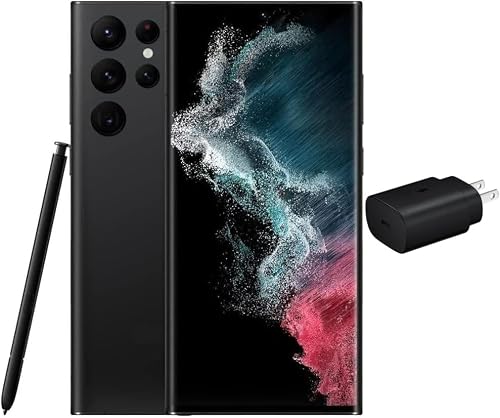
3. Samsung Galaxy S24 Ultra: the same long reach, one generation on
The S24 Ultra is the S25 Ultra’s predecessor, and it runs the same zoom formula that makes the newer phone the reach leader here: a 200-megapixel main sensor, a 3x telephoto for the middle distances and a 5x periscope reaching to 115mm, with Samsung’s 100x Space Zoom carrying the digital end of the range. What changes between the generations is the chip and the polish, not the glass — and for a zoom buyer that is good news, because the periscope that matters is the same one, and the phone that carries it costs less than the current flagship.
In practice the S24 Ultra behaves like its successor at the distances that count. The 5x periscope frames a performer at half to full height from a mid-hall seat, the 200-megapixel main sensor crops credibly to around 10x in good light, and the 3x telephoto covers the in-between steps that a single-periscope phone leaves to software. Stabilisation is the quiet strength: the periscope’s optical stabilisation and Samsung’s processing keep handheld frames usable at magnifications where an unsteadied phone would smear, and the S Pen — still the only stylus in this guide — turns the phone into a note-taker for setlists and a precise editor for the frames worth keeping.
Strengths
- The same 5x periscope and 200-megapixel main sensor as the newer flagship, at a lower spend.
- A genuine ladder of lenses — 3x and 5x — so the road from 1x to 5x has real glass at every step.
- 100x Space Zoom for reading distant signs and checking far subjects, even if faces at the extreme end are reconstructed rather than captured.
- The S Pen and the large bright display make reviewing and editing zoom shots on the device itself practical.
Trade-offs
- One generation older than the S25 Ultra, so its software support window is a year shorter and its processing is the previous generation’s.
- Low-light zoom still leans on processing rather than glass; in a dark hall the Pixel below rescues more frames.
- It is a large, heavy phone, and the periscope’s square window is the first thing to smudge — keep it clean at 10x.
Who it suits: concert and stadium shooters who want Samsung’s longest reach without the current flagship’s price. If the periscope is the point and the newest chip is not, the S24 Ultra is the one to check price on Amazon.
Check price on Amazon: Samsung Galaxy S24 Ultra

4. Google Pixel 10 Pro XL: the computational zoom, updated
The Pixel 10 Pro XL is the successor to the 9 Pro XL in this guide, and it carries the same philosophy one step further: a 48-megapixel 5x telephoto, a 6.8-inch Super Actua display, Gemini built into the camera experience, and Google’s Pro Res Zoom reaching to 100x. Where the Samsung wins on glass, the Pixel wins on judgement — the phone decides the exposure, the sharpening and the noise trade-offs for you, and in the dark halls where zoom phones are truly tested, that judgement rescues more frames than any rival’s optics.
Its character is the effortless one. Point the phone at a stage lit by a single blue spot and it returns a usable photograph where other phones return noise; the 5x telephoto frames a performer at half to full height from a mid-hall seat, and the high-resolution sensor crops credibly toward 10x when the light allows. Video zoom is steady and honest, the battery is rated for more than a day of heavy use, and the whole experience asks the least of its owner — no settings menu to study, no periscope to babysit, just the phone doing the thinking while you watch the show.
Strengths
- The strongest low-light zoom here: computational processing that rescues dark-hall frames other phones lose.
- A 48-megapixel 5x telephoto with Pro Res Zoom to 100x, giving the longest digital reach in the Pixel line.
- The most effortless zoom in the guide — point, shoot, and let the phone handle exposure and sharpening.
- Long software support and a battery rated beyond a day of heavy shooting.
Trade-offs
- Lens transitions are more visible than on the Sony, whose continuous optical zoom has no steps to hide, and long-zoom video in low light gets noisy sooner.
- At the extreme end of its zoom range the image is reconstructed rather than captured, and faces at 100x are plausible rather than true.
- It is the most expensive Pixel in this guide, and the value case against the 9 Pro XL above rests on the newer sensor and longer support.
Who it suits: concertgoers who want the zoom to be effortless rather than configurable, and anyone whose zoom work happens after dark. If the hall is dark and the moment is unrepeatable, the Pixel 10 Pro XL is the one to check price on Amazon.
Check price on Amazon: Google Pixel 10 Pro XL

5. Sony Xperia 1 VI: the only true continuous optical zoom here
The Xperia 1 VI does something no other phone in this guide does: its telephoto zooms continuously, from 85mm to 170mm — a true 7.1x optical zoom with no digital steps in between. Every other phone here jumps between fixed lenses and fills the gaps with software; the Sony’s lens itself moves, so a push-in during video is a smooth optical glide rather than a switch, and a still at 120mm is a photograph taken through glass, not a crop. For a traveller or a film-maker, that difference is the whole argument.
Around that lens Sony builds the most camera-like phone here: a 12-megapixel telephoto sensor behind the zoom, 4K video at 120 frames per second, a dedicated physical shutter button, and a 6.5-inch 4K display for reviewing frames on the device. The zoom range covers the distances travel photography lives in — the gargoyle, the tiled dome, the window where the light is falling — and the continuous range means the framing you want is the framing you get, without waiting for the phone to decide which lens to use. It is the deliberate shooter’s instrument in a guide full of automatic ones.
Strengths
- The only continuous optical zoom here: 85mm to 170mm through real glass, with no digital steps between.
- The smoothest video zoom in the guide — a push-in is an optical glide, not a lens switch.
- 4K video at 120 frames per second and a dedicated shutter button, for the traveller who films as well as shoots.
- A 6.5-inch 4K display that shows zoomed frames honestly, without the phone’s own processing flattering them.
Trade-offs
- The telephoto sensor is 12 megapixels, so its digital reach beyond 170mm leans on cropping sooner than the high-resolution periscopes here.
- It asks more of its owner than the Pixels: the camera rewards deliberate settings and punishes point-and-shoot haste.
- Low-light zoom leans on the lens rather than on computational rescue, so a dark hall is harder work than on the Pixel above.
Who it suits: travellers and film-makers who want real zoom steps and smooth video push-ins. If your trips produce films as well as photographs, the Xperia 1 VI is the one to check price on Amazon.
Check price on Amazon: Sony Xperia 1 VI

6. OnePlus 13: flagship zoom without the flagship toll
Every guide needs the phone that makes the others justify themselves, and the OnePlus 13 is it. It carries a proper periscope telephoto — a 3x developed with Hasselblad colour tuning — inside a phone that sits in the upper mid-range of the market rather than at its summit. The zoom itself is honest glass: at 3x it produces sharp, well-coloured portraits and stage shots, and the processing extends that to a usable 6x in decent light before the familiar softening sets in. It will not out-reach the Samsung or out-resolve the Sony, and it does not pretend to. What it does is cover the distances most people actually shoot at — across a room, across a school hall, from a holiday viewpoint to the landmark — with genuine optical quality, in a phone that is fast at everything, charges at a speed that still startles, and lasts through a heavy shooting day without anxiety.
Strengths: Value is the argument, but not the only one. The 3x periscope is a real lens with pleasing Hasselblad-tuned colour, the main camera is a strong all-rounder, and the phone’s general performance — speed, screen, battery life, charging — is flagship-grade by any measure. For sports parents, the combination matters: the zoom handles the far side of a youth pitch, the battery handles a tournament day, and the fast charging turns a ten-minute top-up between matches into real shooting time. Its zoomed video is steadier than its price peers and perfectly serviceable for family archives. It is also, simply, a pleasant phone to own day to day, which the spec-sheet leaders do not always manage.
Trade-offs: The reach ceiling is the compromise, and it is a real one. With a single 3x telephoto, everything past that is processing, and past roughly 6x the detail gives way — a performer at a large arena distance will be recognisable rather than sharp, and low-light zoom falls behind the leaders sooner as the light drops. There is no second telephoto to cover the 5x sweet spot that concert seats so often demand. The software support commitment, while respectable, is shorter than Samsung’s or Google’s, and the camera processing is a touch less consistent frame-to-frame than the Pixel’s. You are trading the top end of the zoom ladder for the money saved; the review’s job is to make sure you know it.
Who it suits: The sensible buyer. Families shooting school stages and weekend sport, travellers who zoom sometimes rather than always, and anyone whose budget has a firm ceiling but who refuses to buy a phone whose “zoom” is a crop and a prayer. The OnePlus covers the honest middle of zoom photography properly. If that is where your shooting lives, it makes sense to check price on Amazon.
Check price on Amazon: OnePlus 13
Matching the phone to your seat, your sport and your trip
Six good phones is not a shortlist until it is matched to a life, so here is the guide’s advice rearranged by situation rather than by product. Find the paragraph that sounds like your calendar, and it will point you at the right review above.
You mostly shoot concerts and theatre. Your enemies are darkness and distance, in that order. The Pixel 10 Pro XL and the Pixel 9 Pro XL are your two strongest allies: the Pixel 10 Pro XL for pure reach and detail under stage light, the Pixel 9 Pro XL for the frames its processing rescues when the lighting designer turns everything down to a single blue spot. The Samsung sits between them as the choice if you also want the stadium reach below. What you should not buy for this job is a phone whose zoom story ends at 3x in a dark room — the OnePlus will serve you at a school concert, but a large dark venue will find its ceiling.
You mostly shoot sport. Speed of focus and burst reliability join reach on your list. The Samsung’s ladder of lenses and composed autofocus make it the guide’s pick for the upper tier, with the Sony close behind for the deliberate shooter who pre-plans positions. If your sport is your children’s, in daylight on local pitches, the OnePlus covers the far touchline honestly and saves you real money — youth sport is kinder light than a floodlit stadium, and 3x to 6x is where those shots live.
You mostly shoot travel. Decide whether your trips produce photographs or films. For photographs, the Sony Xperia 1 VI’s continuous optical zoom makes it the traveller’s instrument, with the S24 Ultra the alternative for wildlife-leaning trips where the longest reach and telephoto macro matter. For films of the trip — walking tours, boat rides, street scenes with push-in zooms — the Sony’s seamless zoom work wins outright. The Pixel is the travel pick for the person who wants all of this handled automatically and would rather look at the cathedral than at a settings menu.
You mostly shoot family life at a distance. School stages, dance recitals, grandparents across the garden: this is the most forgiving zoom work there is, and the most emotionally valuable. The Pixel’s judgement and flattering portraits suit it best, the OnePlus is its value alternative, and either will be a revelation if your current phone’s zoom is a pinch and a smear. Spend the difference on the memories — the phones have the zoom covered.
Getting sharper zoom shots: concerts, sport and travel
The phone is half the result; the other half is technique, and at long focal lengths technique matters more, not less. These are the habits that separate the zoom shots worth keeping from the ones deleted on the train home, organised by the three jobs this guide keeps returning to.
At a concert, shoot the light, not just the performer. Stage lighting cycles through bright passages and near-darkness, and your zoom shots will succeed in the bright ones. Watch the show for a song before shooting seriously, learn where the spots peak, and fire in short bursts when the performer steps into the light and faces your side of the venue. Drop your exposure slightly — a small drag down on the brightness control — and the phone will stop trying to brighten the dark hall, giving you faster shutter speeds, deeper colours and faces that are not blown out by the follow spot. Brace your elbows against your body or the seat in front; at 10x, that alone is worth a full grade of sharpness.
At a match, pre-focus on the place, not the player. Zoomed autofocus is fast on every phone here, but it is faster still when it barely has to move. Point at the goalmouth, the finish line, the part of the pitch where the action is heading, and half-prepare the shot before the moment arrives. Shoot in bursts through the peak of the action rather than single frames at its start — the best frame of a header or a finish is almost never the first one. And resist the maximum zoom: framing slightly wider at a stronger optical step, then cropping a little afterwards, beats a shaky frame at the processing’s ragged edge every time.
When travelling, use zoom to subtract. The beginner zooms to make things bigger; the experienced traveller zooms to leave things out. The postcard shot of the landmark includes the scaffolding, the coach party and the crane; the zoomed shot from the same spot isolates the gargoyle, the tiled dome, the window where the light is falling — the details that make a place specific. Zoom also compresses distance beautifully: a subject at 5x against a mountain backdrop pulls the peaks dramatically close behind them, an effect no wide shot can imitate. Finally, mind the courtesy of the long lens. A telephoto lets you take candid street photographs without crowding your subject, which is a gift — use it discreetly, respect a clear refusal, and remember that in some places photographing strangers at length is unwelcome however far away you stand.
And remember the zoom phone’s secret advantage: it is allowed in. Many theatres, arenas and stadiums restrict or outright ban interchangeable-lens cameras at the door, and some tours search bags for anything that looks like professional glass. A phone — even one whose periscope out-reaches the compact camera in your other pocket — walks through every one of those checks without a question, because it is a phone. For the travelling fan this quietly changes the calculation: the best zoom you own is the one security lets you carry to your seat. Two habits complete the kit. Keep the telephoto glass clean — the little periscope window smudges exactly like the main lens and a greasy fingerprint at 10x turns stage lights into halos — and where a venue permits it, rest the phone on a rail, a programme or a companion’s shoulder rather than holding it free. At long focal lengths, a borrowed rest is worth more than any setting in the app.
Frequently asked questions
Is 5x optical zoom enough for a concert?
For most seats in most venues, yes — 5x is the working heart of concert photography. From a typical mid-hall seat it frames a performer at half to full height, which is the shot you actually want, and phones with a strong 5x sensor crop credibly to around 10x for a face-filling frame when the lighting is bright. Where 5x starts to strain is the largest arenas and stadiums from the cheapest seats, and there the honest answer is that even the best phone zoom is working hard; the phones in this guide with high-resolution periscopes — the two Samsungs and the Pixel 10 Pro XL — hold up longest in exactly that situation.
Why do my zoomed photos look fine in daylight but fall apart at night?
Because daylight hides every weakness a telephoto has. In bright sun the phone uses fast shutter speeds and low sensitivity, so a small telephoto sensor and a modest aperture do not matter. At night all three bills come due at once: the long lens gathers less light, the shutter must stay open longer while your hands move at 5x magnification, and the sensor’s sensitivity climbs into the noisy range. That is why this guide weights low-light zoom so heavily, and why the telephoto sensor’s size and aperture — not the headline zoom number — predict your concert results.
What does “100x zoom” on the box actually mean?
It means the phone will enlarge the image to that magnification, not that it can photograph well at it. Beyond a phone’s optical reach and its high-quality crop zone, additional zoom is software enlarging and reconstructing the centre of the frame. At extreme multiples the result is useful for reading a distant sign or checking whether that speck is the bird you think it is — genuinely handy in the field — but faces and fine detail are reconstructed plausibly rather than captured. Judge a zoom phone by where its quality ends, not by where its numbers stop; the reviews above mark that boundary for each pick. Travellers quietly use the extreme end more than they admit — reading a departure board across a station hall, checking the menu posted outside a restaurant, confirming which gate the crowd is walking towards — and for reading the world at a distance, rather than photographing it, even an invented-looking frame is perfectly serviceable.
Can a phone zoom replace a camera with a telephoto lens for travel?
For most travellers, most of the time, it already has — the best phones here cover the 24mm to roughly 120mm-plus range that travel photography lives in, in a device that is already in your pocket, weather-sealed and backed up to the cloud by evening. A dedicated camera with a long lens still wins for serious wildlife work, fast sport in poor light, and very large prints, because its sensor and glass are simply bigger. The honest dividing line is intent: if the trip is the point and photographs are its record, take the phone; if the photographs are the point of the trip, the camera bag still earns its carry — though even then, one of these phones is the backup you will use more than you expect.
How long will a zoom phone stay good?
Telephoto hardware ages slowly — a strong periscope today will still be a strong periscope in four years — so the deciding factor is software support. The leaders in this guide commit to many years of updates, which keeps the camera processing improving and the phone secure, and that commitment is part of what their flagship positioning buys. Battery health is the other clock: a zoom phone is a heavy-use phone, and a battery replacement midway through its life is a normal, worthwhile service. Buy the longest support window you can, and the zoom you pay for today will still be serving at concerts several tours from now.
The short answer
Six phones, six honest answers. The Samsung Galaxy S25 Ultra is the complete zoom all-rounder, with the ladder of lenses that covers every distance a seat can impose. The Pixel 9 Pro XL is the effortless one, whose processing rescues more dark-hall frames than any rival. The Sony Xperia 1 VI is the film-maker’s zoom, with the only true continuous optical zoom here and video that stays smooth through the whole range. The S24 Ultra and Pixel 10 Pro XL are the specialists’ instruments — the longest reach and the cleverest processing here, for photographers who travel and shoot from the seats. And the OnePlus 13 is the sensible flagship, covering the distances most people truly shoot at for a mid-range spend. Whichever you choose, judge it by its glass and its sensor rather than its biggest number, and the stage will never look like a watercolour again.