The definitive way to learn how to check if an SD card is fake is a full write-and-verify test: software such as H2testw or FakeFlashTest writes data to every part of the card and reads it back, and a counterfeit card — which typically contains a small amount of real flash fraudulently programmed to report a huge capacity — fails catastrophically once the test passes its true size, corrupting everything written beyond it. Supporting checks (capacity shown by the operating system is not one of them; fakes fake that too) include sustained-speed testing, packaging and serial verification with the manufacturer, and the simplest evidence of all: a price far below every legitimate retailer. This guide runs the checks in order, from the two-minute screens to the conclusive test.
Counterfeit cards are not a rare edge case — they are an industry, sold through marketplaces and auction listings at prices that should be impossible, and they cause a distinctive misery: the card works at first, fills past its real capacity, and then silently destroys your oldest files as new ones overwrite them. If a card already holds photos you care about, copy them off and verify the copies open before running any write test, because the conclusive test overwrites the whole card. The context for what a genuine card should do is in How to Choose an Sd Card.
Disclosure: As an Amazon Associate, ilcastellomenu.com earns from qualifying purchases. Product examples below link to Amazon, where you can check current availability and specifications; this guide itself lists no fixed prices because pricing and bundles change frequently.
The Red Flags You Can Spot in Two Minutes
Price, packaging and print quality
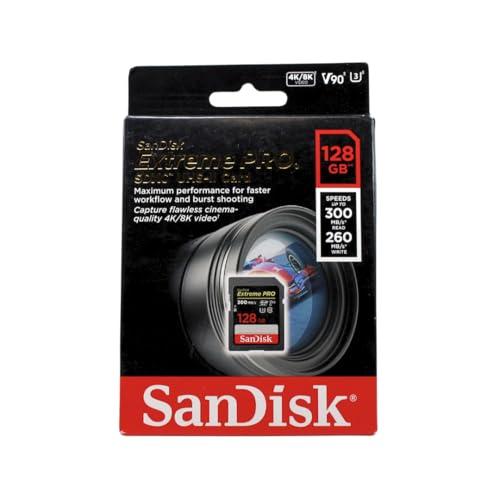
A flagship-capacity card at a fraction of its normal price from an unfamiliar seller is the loudest signal there is — counterfeiters compete on price because the product costs them almost nothing. Packaging tells the same story up close: blurry printing, spelling errors, mismatched fonts, capacity stickers over printed text, and serial numbers that do not match between card and packet are all classic tells. Genuine cards from major makers have crisp print, consistent branding, and a serial the maker can verify. None of these prove a card fake on their own — grey-market genuine stock exists — but two or more together mean you proceed straight to the write test before trusting the card with anything.
First-use behaviour
Insert the card and note what the computer reports — then distrust it, because a faked controller reports whatever capacity it was programmed to claim. More informative is early behaviour: a card that formats oddly, shows inconsistent free space, loses files between sessions, or writes at a fraction of its rated class from the very first large copy is confessing. Run the speed checks in How to Test the Speed of an Sd Card: genuine V30 cards sustain V30 writes; the small real flash inside most fakes is also slow flash, so sustained writes often collapse to a trickle long before capacity becomes the issue.
In this guide
How to Check If an SD Card Is Fake: The Conclusive Test
Full write-and-verify, explained
Tools such as H2testw (Windows), F3 (macOS/Linux) and FakeFlashTest fill the card with uniquely identifiable test data, then read it all back and check every byte. A genuine card passes at its full stated capacity. A fake fails as soon as the test crosses the real flash size — often 8GB, 16GB or 32GB inside a card sold as 512GB or 1TB — with errors and data mismatches from that point on. The test takes a while on large cards and destroys the card’s contents, which is why backups come first. There is no shortcut that is equally conclusive: anything that does not write to the whole card cannot prove the whole card exists.
Interpreting the result and acting on it
A clean pass at full capacity plus in-class sustained speeds means the card is genuine (or at least, physically everything it claims to be) — format it in its device per How to Format an Sd Card and use it with confidence. A failure is not a ‘partially good’ card: do not be tempted to partition a fake down to its real size for ‘spare’ use, because a controller programmed to lie will keep lying in new ways, and its bargain-bin flash wears fast. Return it, report the listing if the platform allows, and replace it from a reputable retailer — the genuine equivalents of the most-faked cards are the mainstream picks in Best Sd Cards for 4K Video and Best Sd Cards for Cameras.
Buying So You Never Need This Guide
Channel matters more than vigilance
Buy memory cards from the manufacturer’s own store or established retailers, and treat marketplace listings with third-party sellers as guilty until proven innocent — even when the listing page looks official. Be extra careful with the most-counterfeited products in the world: high-capacity microSD cards for phones and consoles, like those in Best Sd Cards for Nintendo Switch and Best Micro Sd Cards for Phones, are faked at industrial scale. Keep the receipt and packaging until the card has passed a full test; reputable sellers make returns painless, which is part of what you are paying for.
Test every new card before its first real job
Make the full write test part of commissioning any new card, whatever the source — it takes unattended time, not attention, and it converts trust into knowledge. Then format in the device and do a real-world trial: fill a meaningful share of the card with test shots or a long video and verify playback. A card that has passed both has earned its place. Cards that fail get returned inside the window, not discovered on a wedding day — the workflow shooters in Best Sd Cards for Wedding Photography rely on is boring precisely because it is safe.
How the Counterfeit Economy Works
Understanding the fraud explains its symptoms — and why the tests in this guide are shaped the way they are.
Inside a fake card
A counterfeit card contains a small, cheap flash chip — a fraction of the advertised capacity, often manufacturing reject stock — married to a controller programmed to lie: it reports the printed capacity to any host, accepts writes beyond the real flash by wrapping around to the beginning (silently overwriting the oldest data), and presents plausible speed figures for the first portion of its range. The packaging copies a major brand’s design closely enough to pass a thumbnail inspection. The economics are irresistible to the fraudster: the real contents cost almost nothing, and the victim’s discovery is delayed by design, because the card works — until the day it has quietly eaten the files it was bought to hold. Every element of that design is aimed at a specific check in this guide: the full write test exists because the controller lies to capacity queries; the sustained-speed test exists because the cheap flash cannot perform; the channel advice exists because the fraud needs an unaccountable seller.
Why phones and consoles are the prime targets
The fraud follows capacity demand. Phone and handheld-console owners buy the largest microSD cards, notice slowness least (a game that loads slowly is blamed on the game), and may not fill the card for months — by which time the return window is a memory. That is why the listings for cards like those in Best Sd Cards for Nintendo Switch and Best Micro Sd Cards for Phones are thick with counterfeits, and why the commissioning test matters most exactly there: a console card should be fully write-tested before the library moves onto it, not discovered as fake with a hundred hours of saves in the blast radius.
After a Fake: Securing the Replacement
A counterfeit discovered is a process failure as much as a product failure. Close the loop so it cannot repeat.
The replacement protocol
Report the listing and return the card through the platform’s process — reports are how marketplaces delist the sellers, and your report protects the next buyer. Then buy the replacement from a channel where a failed test means an easy refund, and run the full protocol on arrival: write-and-verify the entire capacity, sustained-speed check, format in the device, real-world trial. Keep the packaging until all of it passes. Two genuine cards bought this way cost less — in money, time and data — than one fake discovered late. And if the fake held files before you caught it, treat what came off it with suspicion: verify copies open fully, because a wrap-around card corrupts silently, and a file that copied without error may still be a photograph with someone else’s data in its lower half.
Case Studies: Three Fakes and How Each Was Caught
The detection method generalises, but its application has a texture that examples teach faster than rules.
The marketplace 1TB microSD
Bought for a handheld console at a third of the going rate, it formatted happily, showed its full capacity, and accepted a game library for weeks. The discovery came when early-installed games began failing to launch while new ones installed fine — the wrap-around signature, oldest data overwritten first. A full write test failed at under 64GB. The lesson the owner took, and the one this guide exists to teach, is that the test belongs at commissioning: run before the library moved, it would have cost an evening of unattended computing; run after, it cost the library and the return window alike.
The 'professional' camera card that was merely slow
A card sold as a high-speed professional model passed its capacity test — the flash was real — but sustained writes measured at a third of its printed class. This is the second species of fake: genuine capacity, fraudulent grade, often a lower-tier card relabelled. It is caught by the speed half of the protocol, which is why the protocol has two halves. In a camera it would have meant recordings stopping at high bitrates and a photographer blaming the body. The seller’s defence — ‘capacity is correct’ — is precisely why class verification, not capacity alone, defines a genuine card.
The gift card
A card received as a gift, from a well-meaning relative and an unfamiliar marketplace, failed its write test within the first minutes — real capacity a small fraction of the label. No villainy attaches to the giver; the fraud is industrial and its packaging is excellent. The household rule that resulted is the one worth copying: every card entering the house, from any source including gifts and bundles, passes the full test before it holds anything. Trust is verified per card, not inherited from the channel’s good intentions.
Gear for This Guide
The examples below come from our Creators-API-verified product pool and illustrate the card classes discussed in this guide. They are examples, not a ranked list — use the ratings and checks in this article to judge any card, including newer revisions.

Samsung PRO Plus 256GB microSDXC (V30, A2)
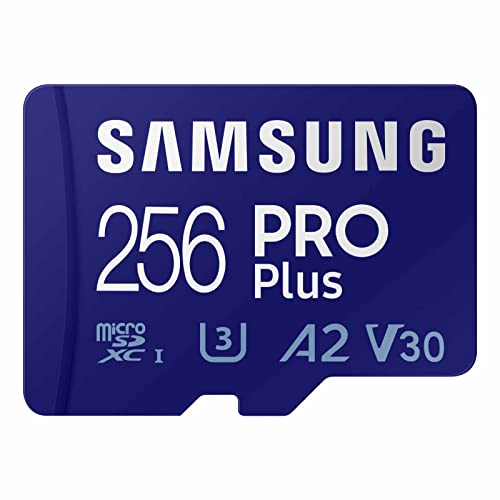
A genuine card from a major maker, bought through a reputable channel, behaves exactly as its ratings promise — which is precisely what the tests in this guide verify, and what counterfeits cannot fake. Samsung PRO Plus 256GB microSDXC (V30, A2) — Check on Amazon

SanDisk 128GB Extreme microSD (V30, A2)
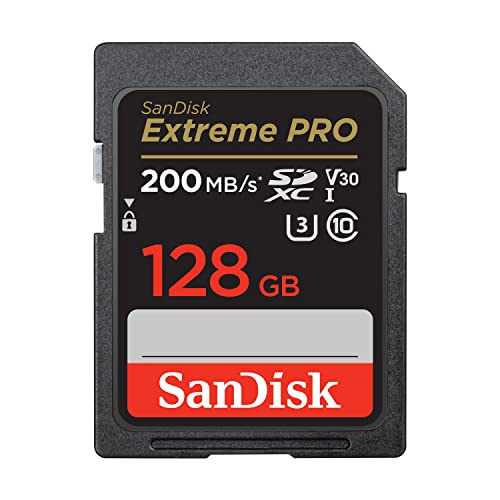
Use cards like this as your reference point: correct capacity under a full write test, sustained writes above the V30 floor, and packaging and serials that check out with the maker. SanDisk 128GB Extreme microSD (V30, A2) — Check on Amazon
how to check if an SD card is fake: The Short Version
Trust only the full write-and-verify test; everything else is a clue. And buy through channels where a failed test means an easy return, so vigilance stays a routine instead of a rescue.
How the Trick Works, in Enough Detail to Defeat It
A fake card is not a small card with a big label; it is a small card with a lying controller. The controller — the card’s own tiny computer — reports the fraudulent capacity to every host that asks, and hosts believe it, because the entire system is built on cards telling the truth about themselves. When you write data within the card’s real capacity, everything works, which is why fakes pass casual tests and survive their return windows in drawers. When writes pass the real boundary, the controller does not refuse them; it wraps around, writing new data over the beginning of the card, or discards it into the void while reporting success. Either way, the destruction is silent and it targets your oldest files first — the fake is a machine for losing exactly the material you have stopped checking. This is why the definitive test writes the card’s full claimed capacity and reads it back: it is the only examination the lie cannot survive, because at full capacity the arithmetic of the fraud becomes visible as corrupted data in places that should hold what you wrote. Every shortcut test — checking the reported size, copying a few files, benchmarking the first gigabytes — interrogates the card only in the territory where it is honest.
The second fraud: remarked genuine cards
A subtler counterfeit takes a genuine, smaller or slower card from a real maker and reprints it as a larger or faster sibling. These defeat the sniff tests that catch crude fakes — the printing is a real card’s printing, the controller is a real controller — but they cannot defeat capacity or sustained-speed testing, because the underlying hardware remains what it was. A related grey category is the factory reject: cards that failed a maker’s quality control, diverted from destruction and sold unbranded or rebranded, which may work for months before their marginal cells give out. Both categories explain why provenance outperforms inspection: you cannot see a remark or a reject bin on a card’s face, but you can buy from a channel where neither survives. Testing remains the backstop for every category, which is why the full write-and-verify belongs in your acceptance routine for any card whose source you cannot completely vouch for.
A Field Protocol for Buyers Who Cannot Run the Full Test
Sometimes the full test is impractical — you are travelling, buying in a market, or handed a card at an event. A shortened protocol still catches most fraud. First, the price and channel sanity check, which requires no equipment at all: a card offered far below the going rate for its claimed specification is confessing, and the correct response is to believe it. Second, fill behaviour: copy data past the halfway point of the claimed capacity from any computer you can borrow, then open files from the beginning of the card — wrap-around fraud corrupts the earliest data first, so the opening files are the canary. Third, the camera’s own verdict: format in the device and record at the device’s most demanding setting for several minutes, because some hosts interrogate cards more honestly than operating systems do. None of these replaces the full test, and a card bought under field conditions should receive the full test at the first opportunity, before anything irreplaceable is entrusted to it. Treat the field protocol as triage: it separates the obviously fraudulent from the provisionally acceptable, and the word provisional should stay attached to the card, in your registry, until the real examination clears it.
Protecting Other People: Gifts, Hand-Me-Downs and Workplace Cards
Fakes circulate socially as well as commercially. A card received as a gift, included free with a camera purchase, or inherited in a drawer of equipment carries no provenance at all, and its giver may have no idea what they passed on. Test such cards with the same rigour as a suspicious purchase — more, in a way, because no returns process stands behind them. Workplaces deserve a special note: a card that arrives with a product, a contractor or a conference bag and then enters a workflow can carry a fraud silently into a team’s archive, where its wrap-around destruction will be discovered months later and blamed on everything except the free card. The rule that protects everyone is simple and impersonal, which is what makes it easy to enforce: no card enters trusted service, from any source, without passing the capacity test and earning a registry entry. Framed as policy rather than suspicion, it offends nobody — and it has quietly saved more organisations than any individual’s sharp eye ever has. Families can run the same policy at kitchen scale, especially for the cards that will hold the best SD cards for cameras roles at weddings and births, the occasions that cannot be reshot.
After the Verdict: Returns, Reports and Evidence
A confirmed fake deserves a paper trail, because the seller’s other customers are standing where you stood. Preserve the evidence before you erase anything: screenshots of the capacity test’s result, photographs of the card and its packaging, the listing and the receipt. Return through the platform’s process where one exists and use its counterfeit reporting channel specifically, rather than a generic “item not as described,” because platforms track counterfeit reports differently and repeat offenders are removed on their accumulation. If the seller was a marketplace third party, name the maker whose brand was abused in your report to the platform, and consider the maker’s own anti-counterfeit contact as well — brands police their fakes when given actionable evidence, and your test results are exactly that. Then close the loop at home: note the fake in your registry with its source, so the channel that sold it is never trusted by accident in a hurry next year, and check any other cards bought from the same source in the same period with the full test, because fakes from one seller rarely travel alone. The hour this takes is the difference between being a victim of the counterfeit economy and being a small, effective part of its immune system.
The Honest Grey Zone: Cards That Are Real but Wrong
Not every disappointing card is a fake, and the distinction matters for what you do next. A genuine card can be mislabelled by a careless seller, sold in the wrong class by a listing that conflated a product line, or simply be a legitimate card at the end of its endurance presenting symptoms — shrinking usable behaviour, errors, slowness — that mimic fraud. The capacity test separates the families cleanly: a genuine card, however tired, reports and holds its true capacity, while a fake cannot pass at any age. Where the test passes and the disappointment remains, the diagnosis moves to speed testing, category checking and the card’s history, and the remedy moves from returns-for-counterfeit to warranty or retirement. Keep the accusation precise. Sellers and makers respond to evidence, and “your test shows this card holds a fraction of its labelled capacity” opens doors that “this card is rubbish” closes. Precision is not politeness; it is leverage, and in the counterfeit economy leverage is what gets refunds issued and listings removed.
Teaching the Household: A Five-Minute Version for Family Members
The person most likely to buy the next fake in your household is not you — it is whoever finds a “bargain” while shopping for something else. A five-minute family briefing prevents more fraud than any tool: show them a genuine card and its real price first, so the implausible listing looks implausible; give them the one rule — cards come from the short list of trusted sellers, or they come to you before purchase; and show them the capacity test exists, so a card bought anywhere still passes through your desk before it enters a camera. Frame it as family policy rather than distrust of their judgement, because the counterfeiters’ entire craft is aimed at reasonable people’s reasonable desire for a good price. The briefing pays for itself the first time a too-cheap card gets a screenshot sent to you instead of a checkout completed, and it scales to workplaces, camera clubs and anyone else whose cards eventually meet your archive.
Frequently Asked Questions
My computer shows the full capacity. Does that prove the card is genuine?
No. A counterfeit card’s controller is programmed to report whatever capacity is printed on it, and the operating system believes the controller. Capacity shown in a file browser is evidence of nothing. Only a full write-and-verify test — writing unique data to the entire card and reading it back — proves the flash actually exists.
What is the definitive test for a fake SD card?
A full-capacity write-and-verify with a tool such as H2testw, F3 or FakeFlashTest. A genuine card passes at its full stated size. A fake fails as soon as the test crosses its real flash capacity — often 8–32GB inside a card sold as hundreds of gigabytes — with errors and mismatches from that point on. Back up first: the test overwrites the whole card.
Can a fake card seem to work at first?
Yes, and that is what makes them dangerous. A fake works normally until it fills past its real capacity; then new files begin overwriting old ones, and earlier photos silently corrupt or vanish. Owners often discover the fraud months later, on the day they need the files. Test every suspiciously cheap card before its first real job, not after its first failure.
The speed is terrible but the capacity test passed. Is it fake?
Possibly a different problem: a genuine card can be slow if your reader or port is the bottleneck — retest in a known-fast setup, as How to Test the Speed of an Sd Card describes. If sustained writes still fall far below the card’s class in a correct setup, treat the card as not-what-it-claims and return it; a card that cannot meet its printed class has failed its contract either way.
Where is it safe to buy SD cards?
From the manufacturer’s own store or established retailers with painless returns. Marketplace listings from third-party sellers are the counterfeit’s main habitat, especially for high-capacity microSD cards. Keep packaging and receipts until the card has passed a full test — reputable channels make that process easy, which is part of what the honest price buys.
My card failed the test but mostly works. Can I just use the real portion?
Do not. A controller programmed to lie about capacity will misbehave in new ways as it fills and ages, and the bargain flash inside wears quickly. A partially-working fake is a data-loss schedule, not a bargain. Return it, report the listing, and replace it from a reputable source — the mainstream genuine options are in Best Sd Cards for 4K Video and Best Sd Cards for Cameras.
How long does the full capacity test take?
As long as writing and reading the card’s entire claimed capacity takes at its real speed — which is precisely why fakes hate it and busy buyers skip it. On a modern computer with a fast reader, a mid-size card may complete in well under an hour; a large card claiming a capacity its hardware cannot match can take far longer, because the test writes at the card’s true, slower pace. Run it unattended, overnight if necessary, and treat the duration as part of the acceptance cost of any card from an unverified source. Compare that single evening with the alternative the fake offers — silent corruption discovered months later — and the test is not the expensive option in the room.
Can a fake card damage my camera or computer?
Electrically, almost never; the fraud is in the card’s reporting, not in dangerous hardware, and hosts treat it as an ordinary if dishonest card. The damage a fake does is to data and to trust: it destroys files silently, it wastes shoots, and it can corrupt a host’s file system structures in ways that make a device behave strangely with other, honest cards until it is reformatted. One more practical hazard deserves mention — a fake that corrupts a camera’s card database can make the camera itself look faulty, sending owners into repairs for a device that was never broken. Quarantine a confirmed fake physically, label it so it never re-enters service by accident, and let its only remaining job be evidence in your return.
My card passed the capacity test but is much slower than its class. Is it fake?
Not necessarily, and the distinction decides your remedy. A card that holds its full capacity has passed the fraud examination; a speed shortfall then has several honest explanations — a reader or device bus limiting it, a card from a lower class mis-sold by a sloppy listing, a genuine card whose cache makes its sustained figure modest, or a remarked card whose capacity was honest but whose speed class was inflated. Retest through the fastest chain you have, compare against the class’s guaranteed floor rather than its advertised peak, and if the card falls below its floor through good equipment, you hold a warranty or misdescription case rather than a counterfeit one. Both deserve action; they are simply different doors, and knocking on the right one gets it opened faster.
Are expensive flagship cards ever faked, or only cheap ones?
The flagships are faked most enthusiastically of all, because the margin between a small genuine card and a flagship’s price is the counterfeiter’s entire business model. High-capacity, high-speed cards from the most trusted makers are the prestige targets, sold through listings that borrow the brand’s photography and undercut its price by just enough to tempt rather than alarm. The defence does not change with the tier — provenance first, capacity test on arrival — but the vigilance should rise with the claimed specification, because the more heroic the card, the more its price depends on claims a lying controller can print for free. In this market, trust is not a premium feature; it is the product, and the test is how you verify you received it.
I have already used a fake card for a month. What should I do first?
Rescue before you accuse. Copy everything currently readable from the card to a computer, opening the files that matter to verify they are real and not merely listed — a fake’s directory can display photographs whose data was overwritten weeks ago. Work oldest-first if the tool allows, because the wrap-around destroys the earliest data and what survives there is on borrowed time. Once the salvage is safe, run the capacity test to document the fraud for your return or report, and audit anything else the card touched: files copied from it earlier may carry the same silent damage, and finding that out today, while other copies may exist, beats finding it out at the next anniversary. The month’s loss may be smaller than you fear — many fakes surrender most of what they held within their real capacity — but only the rescue pass can tell you.
Can a seller’s good ratings protect me?
Less than they appear to. Ratings accumulate from buyers who mostly never test their cards — a fake that works within its real capacity earns five stars from a customer who filled a tenth of it — and from transactions for entirely different products. A long-lived seller with a genuine reputation in a verifiable channel is meaningful evidence; a wall of recent praise beneath a too-cheap flagship is decoration. Weight the channel over the comments: who fulfils the order, who handles the return, whether the maker lists the seller as authorised. Then test the card anyway, because the whole point of a verification culture is that it does not ask trust to do evidence’s job.
Should I test cards I bought from a trusted shop too?
Yes, with proportion. Supply chains leak: returned items get reshelved, distributors mix stock, and even excellent retailers occasionally pass a fake that entered upstream of them. The acceptance test on a trusted purchase is quick insurance and, in the rare event of a failure, the easiest return conversation you will ever have, because the shop’s own reputation is invested in making it right. Testing everything is not paranoia; it is the same quality gate applied evenly, and its evenness is what makes it cheap — a routine performed on every card costs a few unattended minutes each, while a routine performed only on suspicion requires judgement calls that suspicion is bad at making.
What do I do with a confirmed fake once the return is done?
If the platform does not require its return, destroy it rather than drawer it. A fake left in a drawer is a future accident with a date unknown: it will be found in a hurry, by you or by someone else, and pressed into service by its convincing label. Snap it, cut it, and note its destruction in the registry beside the entry that recorded its source. If the platform does want it back, send it exactly as their process directs and keep your photographs and test screenshots, which remain your evidence after the physical card has left your hands. Either way, the fake’s career ends with you — that is the civic half of the exercise, and it is why the testing culture matters beyond your own archive.
Can software on my phone test a card properly?
Partially, with a structural caveat: the phone tests the card through its own slot, at its own bus speed, and often while the operating system is also using storage, so its figures describe the pairing rather than the card. Phone-based capacity checks that genuinely write and verify the full card are still valuable — the fraud lives in the capacity claim, and a phone can expose it — but treat a phone’s speed verdicts as provisional and its capacity verdict as sound only if the tool truly filled and re-read the whole card rather than trusting its reported size. For a definitive examination, the computer, the trusted reader and the full test remain the court of final appeal.
Keep that hierarchy of evidence in mind whenever a quick check tempts you to skip the real one: a fast verdict is a hypothesis, the full write-and-verify is the proof, and only the proof belongs in your registry as a card’s clean bill of health.
Is there any legitimate reason a card reports less capacity than labelled?
Yes, a small and predictable one, covered elsewhere in this collection: the difference between the maker’s decimal counting and your computer’s binary reporting, plus the file system’s own structures, makes every honest card appear slightly smaller than its box claims. That shortfall is a few percent, it is stable, and it is identical across genuine cards of the same size. The fraud’s shortfall is of a different species entirely — the card accepts writes across its whole claimed range and then cannot return them intact. Confusing the two is the counterfeiter’s favourite defence, so learn the honest few percent by heart and refuse to let it be stretched into an alibi for a card that fails the write-and-verify.
What is the single habit that defeats almost every fake?
Testing on arrival, before the card’s first real job, while the return window is open and nothing irreplaceable has been entrusted to it. Every other defence — provenance, price sense, packaging inspection — reduces the odds of meeting a fake; the arrival test decides the matter when the odds fail, at the one moment when the discovery costs an email instead of an archive. Make it as automatic as charging a new device’s battery: card arrives, capacity test runs, registry entry is written, and only then does the card join the fleet. A household that runs that sequence on every card, from every source, has effectively seceded from the counterfeit economy.
Should I run the arrival test on a card that came bundled with a new camera?
Yes — bundled cards are a classic entry point for inferior and occasionally fraudulent stock, because the bundle’s economics reward the seller for minimising the card’s cost and the buyer rarely prices the card separately. The bundle card may be perfectly genuine and merely modest, which the test will confirm while also giving you its true class for your registry; or it may be the weakest link in an otherwise good purchase, discovered at your desk instead of at the event the camera was bought for. Either way the information is worth the unattended hour, and a bundle card that passes can serve honourably in the camera’s second slot or as the household spare.
How do I keep the evidence if the seller disputes my test?
Make the evidence boring and complete. Keep the test tool’s own report or log file, not only a screenshot of its conclusion; photograph the card’s face and packaging beside the listing’s order details; and record a second run if time allows, because reproducibility is the property that ends arguments. Present the chain plainly — claimed capacity, tested capacity, method used — and let the numbers speak in the platform’s process. Sellers dispute impressions endlessly and arithmetic rarely, which is why this guide’s method is arithmetic from the first step: write everything, read everything back, count what survived.
Save that evidence bundle with the registry entry for the fake, dated and complete, and it will serve you in the dispute, in the report to the brand, and in the household briefing that keeps the next purchase honest — three uses for one careful folder.
Do counterfeit cards ever pass the full test at first and fail later?
A true capacity fake cannot pass a genuine full write-and-verify — the arithmetic forbids it — so a card that passes and later fails is usually a different story: a factory reject or a remarked card whose genuine but marginal flash degraded in service, or a test that was not actually full, because a tool that samples rather than writes every byte can be fooled. Both lessons point the same way. Run the real test, with a tool that writes and verifies the entire claimed capacity, and keep a card’s first months in critical service under the same probation you would give any new component — because passing the gate proves the card is honest, not that it is immortal.
What probation should a newly tested card serve?
A short, deliberate one. For its first few outings, use the new card where a second copy exists or where the material can be reshot — the second slot of a two-card camera, the recorder whose footage also lives elsewhere, the trip with a laptop backup every evening. Verify its offloads by opening files rather than counting them, and glance at its behaviour in your registry after each outing. A card that completes its probation without an anomaly graduates to full trust; a card that stumbles during it has failed cheaply, in rehearsal rather than in performance. Probation is not distrust — it is how trust is manufactured, one verified outing at a time.
Run that probation consciously for the card you are holding now, note its graduation in the registry, and the fleet gains a member whose trust was earned in the only currency counterfeiters cannot print: verified behaviour, recorded over time.
One more scenario: the card was a gift and testing feels ungrateful. What then?
Test it anyway, privately, and let the result stay private if it passes — which it usually will. Gratitude is owed to the giver’s intention, not to the supply chain that may have betrayed them upstream, and the giver would be horrified to learn their present ate the photographs of the event it was given for. If the card fails, replace it quietly with a genuine one and, if the relationship invites honesty, tell the giver where it came from so their next purchase avoids the same seller. Protecting the giver from a counterfeiter is a kindness; protecting the counterfeiter out of politeness helps exactly one party, and it is not anyone you know.
Related Guides
Keep exploring with these guides and roundups from the same SD-card collection: