The best binoculars for low light are the ones that keep working when the light gives up, because the most interesting wildlife appears at dawn and dusk, exactly when ordinary binoculars go dim. Low light is where binoculars stop being equal: in bright daylight, almost any pair gives a clear view, but in the half-light of early morning, a shaded forest, or a cloudy evening, the size of the objective lens, the quality of the coatings, and the magnification decide whether you see detail or murk. The seven binoculars in this guide cover the main options worth buying: Nikon supplies three models from the PROSTAFF P3 and Monarch M7 lines, Vortex supplies two from the Crossfire HD and Diamondback HD lines, Celestron supplies the Outland X 10×50, which is made for low-light wildlife viewing, and Bushnell supplies the PowerView 10×42 in a hunting-oriented design. Every model here is a current listing, with the brand and model confirmed.
What makes one binocular better than another in low light comes down to a simple piece of arithmetic and a less simple question of glass. The arithmetic is the exit pupil: divide the objective lens size by the magnification, and the result is the width of the beam of light that reaches your eye. An 8×42 gives a 5.25mm exit pupil, a 10×42 gives 4.2mm, and a 10×50 gives 5mm, so lower magnification and larger objectives both help in dim conditions. The less simple question is the glass and coatings: fully multi-coated lenses and good prisms pass more light and keep the image contrasty, which is why a well-made 8×42 can outperform a cheap 10×50. This guide weighs both sides for each pick rather than ranking them on magnification alone.
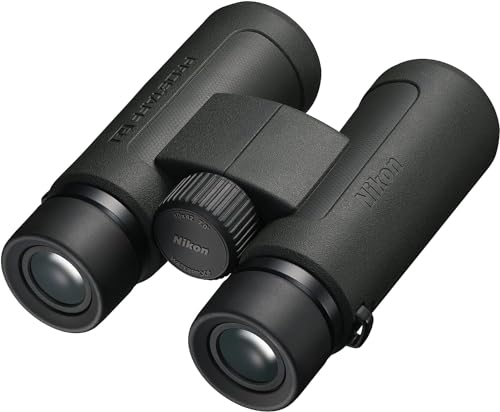
In this guide
Quick picks: best binoculars for low light
| # | Product | Where to buy |
|---|---|---|
| 1 | Nikon PROSTAFF P3 10×42 Binocular | Check on Amazon |
| 2 | Nikon Monarch M7 10×42 Binoculars | Check on Amazon |
| 3 | Nikon PROSTAFF P3 8×42 Binocular | Check on Amazon |
| 4 | Vortex Crossfire HD 10×42 Binoculars | Check on Amazon |
| 5 | Vortex Diamondback HD 8×42 Binoculars | Check on Amazon |
| 6 | Celestron Outland X 10×50 Binoculars | Check on Amazon |
| 7 | Bushnell PowerView 10×42 BoneCollector Binoculars | Check on Amazon |
How the picks were chosen
The picks were chosen from current low-light binocular listings, with three hard filters. First, the binocular must be a complete, full-size binocular from a known optics brand, sold new rather than renewed. Second, the brand and model in the listing must match the binocular exactly, so there is no guessing about which version is on offer. Third, the binocular must cover a real low-light use case: dawn and dusk wildlife watching, shaded forest, or hunting in low light. Within those filters the guide favours variety: three Nikons at different magnifications and lines, two Vortex models at different tiers, one Celestron with a large 50mm objective, and one Bushnell in a camo hunting design.
Objective size and magnification were weighed alongside waterproofing, fogproofing, field of view, and eye relief, because a low-light binocular is used outdoors in weather that is often damp and cold. A binocular that fogs up at dawn is useless no matter how bright its image is, so every pick here is waterproof and fogproof. Eye relief matters for glasses wearers, and a wide field of view matters for finding a bird or an animal in dim cover. The guide says plainly which strength each binocular is built around, so you can match the pick to the light you actually use it in.
Quick comparison
| Product | Standout detail |
|---|---|
| Nikon PROSTAFF P3 10×42 Binocular | 10×42, waterproof, fogproof, rubber-armored, wide field of view |
| Nikon Monarch M7 10×42 Binoculars | 10×42, wide field of view, locking diopter, waterproof, fogproof |
| Nikon PROSTAFF P3 8×42 Binocular | 8×42, waterproof, fogproof, rubber-armored, wide field of view |
| Vortex Crossfire HD 10×42 Binoculars | 10×42, HD optics, tripod adaptable, waterproof, fogproof, shockproof |
| Vortex Diamondback HD 8×42 Binoculars | 8×42, HD optics, XR coatings, tripod adaptable, locking diopter |
| Celestron Outland X 10×50 Binoculars | 10×50, large 50mm objectives, enhanced low-light performance |
| Bushnell PowerView 10×42 BoneCollector Binoculars | 10×42, Realtree Edge camo, multi-coated optics, non-slip grip |

1. Nikon PROSTAFF P3 10×42 Binocular
Key specs
Nikon PROSTAFF P3 10×42 binocular, waterproof, fogproof, rubber-armored full-size binocular, wide field of view, long eye relief. The PROSTAFF P3 10×42 is Nikon's mainstream low-light all-rounder.
Strengths
- The 10×42 combination gives a good balance of magnification and brightness, with a 4.2mm exit pupil that suits dawn and dusk use.
- Waterproof and fogproof construction means the view stays clear in damp, cold mornings.
- A wide field of view and long eye relief make it easy to find a subject and comfortable for glasses wearers.
Trade-offs
- At 10x magnification, the image is slightly dimmer than an 8×42 in the same light, so it trades a little brightness for reach.
- It is a full-size binocular, so it is heavier and bulkier than a compact travel pair.
- The rubber-armored body is practical rather than premium, and it will not feel as refined as the Monarch line.
Who it fits
Buyers who want one dependable Nikon binocular for wildlife watching at dawn and dusk without paying for the premium line.
Best for: all-round low-light wildlife watching with a trusted brand.
Not suited for: buyers who need the brightest possible image or the lightest possible carry.
In daily use
In daily use, the PROSTAFF P3 10×42 is the binocular that earns its keep at the edges of the day. At first light, when birds are active and the forest is still dim, the 10x magnification pulls in detail that a smaller pair would miss, and the waterproof, fogproof body means the lenses stay clear even when the air is damp. The wide field of view helps you find a moving subject quickly, which matters when a bird appears for seconds rather than minutes. Keep the lens caps on when the binocular is not in use, wipe the lenses with a soft cloth rather than a shirt sleeve, and store it dry. It will not be the brightest binocular in this guide, but it is one of the most dependable.
Before you buy
Before buying the Nikon PROSTAFF P3 10×42 Binocular, check two practical things. First, decide between 8x and 10x magnification: 8x gives a brighter, steadier image in low light, while 10x gives more reach for distant subjects. Second, check the eye relief if you wear glasses, since a binocular with short eye relief will cut off the edges of the view. A good strap or harness is worth budgeting for at the same time, since a full-size binocular gets heavy over a long day.
Check price on Amazon: Nikon PROSTAFF P3 10×42 Binocular

2. Nikon Monarch M7 10×42 Binoculars
Key specs
Nikon Monarch M7 10×42 binoculars, official Nikon USA model, wide field of view, locking diopter, waterproof, fogproof. The Monarch M7 is Nikon's premium low-light binocular in this guide.
Strengths
- The Monarch line's glass and coatings pass more light than the PROSTAFF line, giving a brighter, more contrasty image in dim conditions.
- A wide field of view makes it easier to follow a moving subject in low light.
- The locking diopter keeps the focus setting from drifting once you have set it for your eyes.
Trade-offs
- It costs more than the PROSTAFF models, which is a lot to pay if you only use binoculars occasionally.
- At 10×42, it is still a step dimmer than an 8×42 in the same light, so the premium glass is doing the work.
- It is a full-size binocular, so it needs a proper strap or harness for a long day out.
Who it fits
Buyers who want the best low-light image Nikon offers at this level and are willing to pay for better glass.
Best for: serious dawn and dusk wildlife watching where image quality matters most.
Not suited for: casual or occasional use where a PROSTAFF is enough.
In daily use
In daily use, the Monarch M7 10×42 is the binocular for people who notice the difference that good glass makes. In the half-light of dawn, the image stays bright and contrasty longer than a cheaper pair, and the colours stay true rather than washing out as the light fades. The locking diopter is a small feature that earns its keep: set it once for your eyes and it stays set, so you are not refocusing every time you pick the binocular up. Keep it on a comfortable strap, keep the lenses clean, and it will reward you on every outing where the light is poor and the wildlife is active.
Before you buy
A few checks before you order the Nikon Monarch M7 10×42 Binoculars will save disappointment. Confirm the objective size and magnification in the listing match what you expect, since similar-looking models differ in exactly those numbers. Check whether the binocular includes a harness, a case, and lens caps, and check the warranty terms, since a binocular is a long-term purchase. And if you plan to use it from a hide or a vehicle, consider whether a tripod adapter would help, since a supported binocular is steadier in low light than a handheld one.
Check price on Amazon: Nikon Monarch M7 10×42 Binoculars

3. Nikon PROSTAFF P3 8×42 Binocular
Key specs
Nikon PROSTAFF P3 8×42 binocular, waterproof, fogproof, rubber-armored full-size binocular, wide field of view, long eye relief. The 8×42 is the brightest PROSTAFF pick in this guide.
Strengths
- The 8×42 combination gives a 5.25mm exit pupil, the brightest image of any 42mm binocular here, which is exactly what low light rewards.
- Lower magnification means a steadier image, so hand shake shows less in dim conditions.
- Waterproof and fogproof construction, a wide field of view, and long eye relief carry over from the 10×42 model.
Trade-offs
- At 8x magnification, distant subjects are smaller than through a 10x binocular, so it trades reach for brightness.
- It is still a full-size binocular, so it is not a pocket or travel pair.
- The rubber-armored body is practical rather than premium.
Who it fits
Buyers who want the brightest image in the PROSTAFF line and are happy to trade a little reach for it.
Best for: the brightest low-light image from a 42mm binocular, with a steady view.
Not suited for: long-distance spotting where 10x or 12x magnification matters more.
In daily use
In daily use, the PROSTAFF P3 8×42 is the binocular for the darkest conditions. When the light is fading and a 10×42 starts to struggle, the 8×42 keeps giving a usable image, and the steadier view means you can hold it on a subject longer without the shake that low light makes worse. The wide field of view helps you find animals in cover, and the long eye relief suits glasses wearers. It will not pull a distant bird as close as a 10x, but for the low-light watching most people actually do, the brighter, steadier image is the better trade.
Before you buy
When the Nikon PROSTAFF P3 8×42 Binocular arrives, spend a little time setting it up properly. Adjust the diopter for your eyes, set the eyecups for glasses or no glasses, and practice focusing on a distant object before your first outing. Then leave the settings alone. Constant adjustment is the enemy of a good view, and most people get better results from a stable setup than from a perfect one. If the image looks soft, clean the lenses first before blaming the binocular.
Check price on Amazon: Nikon PROSTAFF P3 8×42 Binocular

4. Vortex Crossfire HD 10×42 Binoculars
Key specs
Vortex Crossfire HD 10×42 binoculars, HD optics, tripod adaptable, waterproof, fogproof, shockproof, GlassPak harness included. The Crossfire HD is Vortex's value low-light binocular.
Strengths
- HD optics give a sharp, clear image with good contrast for the price.
- Waterproof, fogproof, and shockproof construction suits hard outdoor use in any weather.
- The included GlassPak harness carries the binocular comfortably and keeps it ready to use.
Trade-offs
- At 10×42, the image is a step dimmer than an 8×42 in the same light.
- The Crossfire HD sits below the Diamondback HD in Vortex's line, so the glass and coatings are a step behind.
- It is a full-size binocular, so it needs the harness or a good strap for a long day.
Who it fits
Buyers who want a tough, well-made Vortex binocular for low-light use without paying for the higher tier.
Best for: hard outdoor use in damp, cold conditions with a comfortable harness.
Not suited for: buyers who need the brightest image or the best glass Vortex makes.
In daily use
In daily use, the Crossfire HD 10×42 is the binocular for rough country. It survives rain, knocks, and cold mornings without complaint, and the HD optics give a clear, contrasty image that holds up well as the light fades. The GlassPak harness is more useful than it sounds: it spreads the weight, keeps the binocular from swinging, and leaves it ready to raise in a second. Keep the lenses clean, keep the harness adjusted, and the binocular will be ready whenever the wildlife is. It is not the brightest pair here, but it is one of the toughest.
Before you buy
Before buying the Vortex Crossfire HD 10×42 Binoculars, check two practical things. First, decide between 8x and 10x magnification: 8x gives a brighter, steadier image in low light, while 10x gives more reach for distant subjects. Second, check the eye relief if you wear glasses, since a binocular with short eye relief will cut off the edges of the view. A good strap or harness is worth budgeting for at the same time, since a full-size binocular gets heavy over a long day.
Check price on Amazon: Vortex Crossfire HD 10×42 Binoculars

5. Vortex Diamondback HD 8×42 Binoculars
Key specs
Vortex Diamondback HD 8×42 binoculars, HD optics, XR lens coatings, tripod adaptable, locking diopter, GlassPak harness included. The Diamondback HD 8×42 is the brightest Vortex pick in this guide.
Strengths
- The 8×42 combination gives a 5.25mm exit pupil, the brightest image of any Vortex binocular here.
- XR lens coatings pass more light and improve contrast, which is what low light rewards.
- The locking diopter and the included GlassPak harness make it comfortable to use all day.
Trade-offs
- At 8x magnification, distant subjects are smaller than through a 10x binocular.
- It costs more than the Crossfire HD, which is a lot to pay if you only use binoculars occasionally.
- It is a full-size binocular, so it is not a compact or travel pair.
Who it fits
Buyers who want Vortex's best low-light combination of brightness, coatings, and comfort in an 8×42.
Best for: the brightest Vortex image in low light, with premium coatings.
Not suited for: long-distance spotting where higher magnification matters more than brightness.
In daily use
In daily use, the Diamondback HD 8×42 is the Vortex for the darkest mornings. The 8×42 format gives a bright, steady image, and the XR coatings keep the contrast up as the light falls, so a bird in shade stays visible rather than turning into a silhouette. The locking diopter stays set, the harness carries the weight comfortably, and the waterproof, fogproof body handles damp air without fogging. It is the pair to reach for when the light is poor and the subject is close enough that brightness matters more than reach.
Before you buy
A few checks before you order the Vortex Diamondback HD 8×42 Binoculars will save disappointment. Confirm the objective size and magnification in the listing match what you expect, since similar-looking models differ in exactly those numbers. Check whether the binocular includes a harness, a case, and lens caps, and check the warranty terms, since a binocular is a long-term purchase. And if you plan to use it from a hide or a vehicle, consider whether a tripod adapter would help, since a supported binocular is steadier in low light than a handheld one.
Check price on Amazon: Vortex Diamondback HD 8×42 Binoculars

6. Celestron Outland X 10×50 Binoculars
Key specs
Celestron Outland X 10×50 binoculars for low-light wildlife views, large 50mm objectives, enhanced low-light performance. The Outland X is the big-objective pick in this guide.
Strengths
- Large 50mm objectives gather more light than any 42mm binocular here, giving a 5mm exit pupil at 10x magnification.
- The design is made for low-light wildlife views, so the brightness is the point rather than a side effect.
- 10x magnification gives good reach for distant animals in open country.
Trade-offs
- A 50mm binocular is bigger and heavier than a 42mm one, so it needs a good strap or harness for a long day.
- The larger objectives can be harder to hold steady, especially in wind or after a long walk.
- Celestron's warranty and support are less established in the field than Nikon's or Vortex's for some buyers.
Who it fits
Buyers who want the most light-gathering power in this guide and are willing to carry a bigger binocular for it.
Best for: maximum brightness at 10x magnification for open-country wildlife.
Not suited for: long walks or travel where size and weight matter most.
In daily use
In daily use, the Outland X 10×50 is the binocular for open country at dawn and dusk. The 50mm objectives pull in noticeably more light than a 42mm pair, and the difference shows exactly when it matters: the last half hour of light, when animals are most active and ordinary binoculars are going dim. The trade is weight and bulk, so use a comfortable strap or harness and rest the binocular on a fence post or a monopod when you can. Keep the large lenses clean and capped when not in use, since a 50mm lens collects dust as readily as it collects light.
Before you buy
When the Celestron Outland X 10×50 Binoculars arrives, spend a little time setting it up properly. Adjust the diopter for your eyes, set the eyecups for glasses or no glasses, and practice focusing on a distant object before your first outing. Then leave the settings alone. Constant adjustment is the enemy of a good view, and most people get better results from a stable setup than from a perfect one. If the image looks soft, clean the lenses first before blaming the binocular.
Check price on Amazon: Celestron Outland X 10×50 Binoculars

7. Bushnell PowerView 10×42 BoneCollector Binoculars
Key specs
Bushnell PowerView 10×42 BoneCollector binoculars, Realtree Edge camo, diamond-cut non-slip grip, multi-coated optics. The PowerView is the hunting-oriented low-light pick in this guide.
Strengths
- Multi-coated optics improve light transmission and contrast in dim conditions.
- The Realtree Edge camo finish and non-slip grip suit hunting use, where the binocular must not catch the light or slip in wet hands.
- The 10×42 format gives a good balance of reach and brightness for spotting game.
Trade-offs
- The camo finish is a hunting look that not every buyer wants for general wildlife watching.
- The PowerView line sits below Bushnell's premium lines, so the glass is a step behind the best here.
- At 10×42, the image is dimmer than an 8×42 in the same light.
Who it fits
Hunters who want a camo, grippy binocular for spotting game in low light at a sensible price.
Best for: hunting and spotting game in dawn and dusk light.
Not suited for: general birdwatching where a plain finish and the brightest image matter more.
In daily use
In daily use, the PowerView 10×42 BoneCollector is the binocular for the stand and the stalk. The camo finish keeps it from catching the light, the diamond-cut grip holds firm in wet or cold hands, and the multi-coated optics keep the image usable as the light fades. The 10x magnification pulls distant game into view, and the 42mm objectives keep the size manageable for carrying all day. Keep the lenses clean, keep the caps on in the truck, and the binocular will be ready when the game moves at first or last light.
Before you buy
Before buying the Bushnell PowerView 10×42 BoneCollector Binoculars, check two practical things. First, decide between 8x and 10x magnification: 8x gives a brighter, steadier image in low light, while 10x gives more reach for distant subjects. Second, check the eye relief if you wear glasses, since a binocular with short eye relief will cut off the edges of the view. A good strap or harness is worth budgeting for at the same time, since a full-size binocular gets heavy over a long day.
Check price on Amazon: Bushnell PowerView 10×42 BoneCollector Binoculars
Buying guide: best binoculars for low light
Exit pupil: the number that matters most
Divide the objective lens size by the magnification and you get the exit pupil, the width of the beam of light that reaches your eye. An 8×42 gives 5.25mm, a 10×42 gives 4.2mm, and a 10×50 gives 5mm. In bright daylight your pupil is small, so any of these is enough; in low light your pupil opens to around 5mm or more, so a larger exit pupil means a brighter image. That is why 8×42 and 10×50 binoculars are the classic low-light choices, and why magnification alone is a poor guide to low-light performance.
Glass and coatings: why price matters
Two binoculars with the same numbers can look very different in low light, because the glass and the coatings decide how much light reaches your eye and how much contrast survives. Fully multi-coated lenses and good prisms pass more light, reduce glare, and keep colours true as the light fades. That is why a well-made 8×42 can outperform a cheap 10×50: the numbers say the cheap pair should be brighter, but the glass says otherwise. Buy the best glass you can afford, and treat the numbers as a starting point rather than the whole story.
Waterproof, fogproof, and eye relief
A low-light binocular is used at dawn, in damp air, and in cold weather, which is exactly when a cheap binocular fogs up. Waterproof and fogproof construction, usually achieved by sealing the body and filling it with dry nitrogen, keeps the inside of the lenses clear. Every binocular in this guide is waterproof and fogproof. Eye relief matters too, especially for glasses wearers: long eye relief lets you see the full field of view with glasses on, while short eye relief cuts off the edges. Check the figure before buying if you wear glasses.
Field of view and steadiness
A wide field of view helps you find a bird or an animal in dim cover, where movement is hard to spot, and it makes following a moving subject easier. Lower magnification also helps, because it makes the image steadier: hand shake is magnified along with the subject, so a 10x image shakes more than an 8x one. In low light, when your eyes are already struggling, a steady, wide view is worth more than extra magnification. A tripod adapter or a monopod helps further, especially with a heavy 50mm binocular.
Weight, carry, and care
A full-size low-light binocular is heavy, and the weight adds up over a long day. A good neck strap helps, and a harness like the GlassPak included with the Vortex models spreads the weight across your shoulders and keeps the binocular from swinging. Carry the binocular with the lens caps on, clean the lenses with a soft cloth and lens fluid rather than a shirt sleeve, and store it dry. A binocular that is looked after will last for decades, and the glass will stay as clear as the day you bought it.
Usage and care
Use your binoculars the same way every time and they will give you consistent results. Adjust the diopter for your eyes once, set the eyecups for glasses or no glasses, and focus with the centre wheel rather than fiddling with the diopter on every outing. Keep the lens caps on when the binocular is not in use, and clean the lenses with a soft cloth and lens fluid, blowing off dust first so you do not scratch the coatings. Store the binocular dry, in its case, away from heat and damp, and check the strap and harness before a long walk so a failure does not happen in the field.
For low-light use specifically, a few habits help. Arrive before first light so your eyes adapt and the binocular is ready when the wildlife moves. Rest the binocular on a fence post, a monopod, or your knees when you can, since a supported binocular is steadier and brighter in effect than a handheld one. Scan slowly with a wide field of view rather than sweeping quickly, and look for movement at the edges of the view, where animals appear first. And give your eyes time: after stepping from a bright place into shade, wait a minute before judging the image, since your pupils need time to open.
Common mistakes
The most common mistake is buying on magnification alone and ignoring the exit pupil. A 12x or 20x binocular sounds impressive, but in low light it gives a dim, shaky image that is hard to use, which is why this guide tops out at 10x. The second mistake is buying a cheap binocular with big numbers and expecting premium glass: the coatings matter more than the numbers. The third is forgetting waterproofing and fogproofing, which is exactly what fails at dawn. The fourth is cleaning the lenses with a shirt sleeve, which scratches the coatings over time. Fix the numbers, the glass, and the care first, and the binocular will do the rest.
Another mistake is judging a binocular indoors. A shop or a living room tells you nothing about low-light performance, so test a new pair at dawn or dusk, on a real subject, before deciding. A related mistake is carrying a full-size binocular on a poor strap: a bad strap makes a heavy binocular feel twice as heavy, and a harness is a cheap fix. Finally, do not forget the diopter: a binocular that looks soft may simply have a diopter set for someone else's eyes, so set it for yours before judging the glass.
Final recommendation
The best binoculars for low light depend on how you use them. The Nikon PROSTAFF P3 8×42 gives the brightest image from a 42mm binocular, the Nikon Monarch M7 10×42 gives the best glass in this guide, and the PROSTAFF P3 10×42 is the dependable all-rounder. The Vortex Diamondback HD 8×42 is the brightest Vortex pick with premium coatings, the Crossfire HD 10×42 is the tough value choice, and the Celestron Outland X 10×50 gathers the most light of all for open country. The Bushnell PowerView 10×42 is the hunting pick, with camo and grip to match. Choose the exit pupil first, the glass second, and the magnification third, and the binocular will serve you at dawn and dusk for years.
If you take one idea from this guide, let it be this: in low light, brightness beats magnification. An 8×42 that shows you the bird is worth more than a 10×42 that shows you a murk, and a well-coated lens is worth more than a bigger number on the box. Buy the best glass you can afford, carry it comfortably, keep it clean, and be out there when the light is at its best, which is usually when most people are still indoors.
Frequently asked questions
What does 8×42 mean on a binocular?
The first number is the magnification and the second is the objective lens size in millimetres. An 8×42 magnifies eight times and has a 42mm objective lens. Dividing the two gives the exit pupil: 42 divided by 8 is 5.25mm, which is the width of the beam of light that reaches your eye. A larger exit pupil means a brighter image in low light.
Are 8×42 binoculars better than 10×42 for low light?
Usually, yes. An 8×42 gives a 5.25mm exit pupil against a 10×42's 4.2mm, so the image is brighter, and the lower magnification also makes the image steadier, which matters when your eyes are struggling. A 10×42 gives more reach for distant subjects, so the choice depends on whether you value brightness or reach more. For most low-light watching, 8×42 is the better trade.
What are fully multi-coated lenses?
Fully multi-coated lenses have multiple layers of anti-reflective coating on every glass surface, which lets more light through and reduces glare and reflections. In low light, that extra light and contrast is the difference between seeing detail and seeing murk. It is one of the main reasons a well-made binocular costs more than a cheap one with the same numbers.
Do I need waterproof and fogproof binoculars?
Yes, if you use them outdoors at dawn or in damp weather, which is when low-light binoculars are used most. Waterproof and fogproof construction keeps moisture out of the body and stops the inside of the lenses from fogging when the temperature changes. Every binocular in this guide is waterproof and fogproof.
Can I use low-light binoculars for astronomy?
You can, and large-objective binoculars like the Celestron Outland X 10×50 are often used for stargazing, since they gather a lot of light. But binoculars made for astronomy, such as the Celestron SkyMaster line, are usually larger and heavier and are best used on a tripod. For general low-light wildlife watching, the binoculars in this guide are the better choice.
How do I clean binocular lenses without scratching them?
Blow off loose dust first, then clean with a soft lens cloth and a drop of lens fluid, wiping gently in a circle. Never use a shirt sleeve, a paper towel, or a dry cloth on a dusty lens, since dust scratches the coatings. Keep the lens caps on when the binocular is not in use, and store it dry in its case.
Should I use a tripod with my binoculars?
For a heavy 50mm binocular, or for long periods of watching in low light, a tripod or monopod helps a lot. A supported binocular is steadier, and a steadier image looks brighter because your eye can hold detail longer. Many binoculars, including the Vortex models in this guide, are tripod adaptable with a simple adapter. For a lightweight 8×42 on a short walk, handheld is fine.