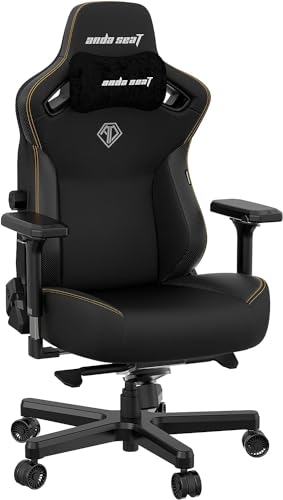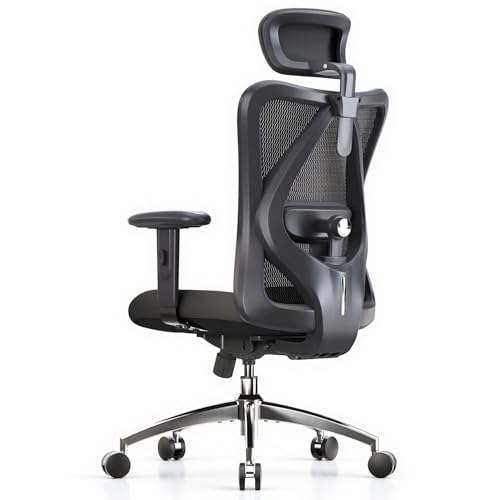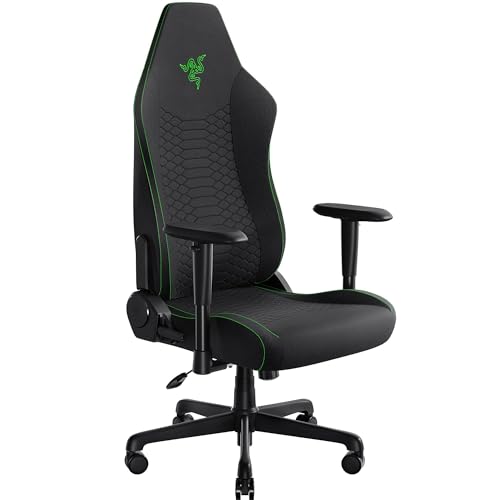
Bucket seat vs ergonomic gaming chair is really a question about shape: the bucket seat wraps you with raised bolsters borrowed from motorsport, while the ergonomic chair keeps a flatter, more open seat and puts its effort into adjustable support. Neither is universally better — they suit different bodies, postures and games. This comparison breaks down fit, support, movement and long-session comfort so you can tell which camp your body belongs to before you spend anything.
Disclosure: As an Amazon Associate, ilcastellomenu.com earns from qualifying purchases. Product links on this page may earn us a commission at no extra cost to you. Prices and availability change on Amazon, so check the product page for the current details before you buy.
Quick Verdict: Two Shapes, Two Philosophies
Pick a bucket seat if you are of average or slim build, you like feeling held in place, and your play style is planted — wheel, flight stick or focused FPS sessions where a stable torso helps. Pick an ergonomic gaming chair if you are broad-shouldered or larger-framed, you shift positions or sit cross-legged, you split time between work and play, or you want adjustable lumbar support built in rather than a pillow. Players with existing back complaints generally do better starting in the ergonomic camp.
| Criterion | Bucket seat | Ergonomic gaming chair |
|---|---|---|
| Seat shape | Deep, with raised side bolsters | Flatter, open edges |
| Best body fit | Slim to average builds | Average to large builds |
| Lumbar style | Usually a loose pillow | Often built-in and adjustable |
| Sitting positions | One main position, held firmly | Varied — cross-legged, perched, upright |
| Look | Motorsport racing aesthetic | Office-modern aesthetic |
| Work-from-home fit | Acceptable | Usually better |
The hybrid middle ground is growing: many newer gaming chairs keep a mild bolster and racing silhouette but flatten the seat and add real lumbar mechanisms. If neither column sounds like you, those hybrids are where to look — several appear in Best Comfortable Chairs for Gaming.
In this guide
Fit and Body Shape: Where the Decision Is Really Made
Bolsters are fixed geometry. If your thighs and shoulders are narrower than the bolster spacing, they cradle you pleasantly; if you are wider, they press inward all session, pushing shoulders forward and knees together. There is no adjustment that fixes a bolster mismatch, which is why larger players so often report that racing chairs feel like they are ‘sitting on’ the chair rather than in it. The wide, flat seats in Best Gaming Chairs for Big Guys exist to solve exactly this.
Ergonomic chairs invert the risk: their open seats fit almost everyone adequately but hold no one specifically. Slim players sometimes find flat seats less cosy and miss the sense of being planted during intense play. The honest test is your own dimensions — How to Measure for a Gaming Chair shows how to compare your hip width against the usable width between bolsters, which is the number that settles this debate for your body.
Support: Pillows vs Built-In Mechanisms
Bucket seats traditionally rely on two loose pillows for lumbar and neck support. Pillows are cheap, replaceable and adjustable in height, but they move when you do, compress over time, and offer one fixed depth. Ergonomic gaming chairs increasingly build the lumbar into the backrest with a dial or lever controlling height and depth — support that stays where you set it and can be tuned as your body changes through the day. The principles of what good lumbar support does are covered in Gaming Chair Ergonomics Explained.
Backrest shape differs too. Bucket backrests curve around the torso with shoulder ‘wings’ that can push broad shoulders forward; ergonomic backrests are flatter or S-curved vertically, supporting the spine’s shape without wrapping the shoulders. For desk work mixed with gaming — typing posture for eight hours, play posture for two — the ergonomic profile is usually the safer all-day bet, a point How to Choose a Gaming Chair also makes when prioritising features.
Movement, Positions and Game Types
Think about how you actually sit across a whole evening. Bucket seats reward a single, centred position and quietly punish everything else: crossing your legs fights the thigh bolsters, perching on the front edge fights the raised seat front, and leaning sideways onto one armrest twists you against the shoulder wings. If your play is immersive and stationary — sim racing is the extreme case — that discipline is a feature.
Ergonomic chairs tolerate the full repertoire of real human sitting: cross-legged strategy sessions, one foot up, sideways slouch during cutscenes, upright for ranked matches. For players whose sessions mix games, work, videos and chat, that freedom usually wins over several hours. Neither chair type changes the need to move regularly — the healthiest setup is still the one that lets you vary posture, as the adjustment routine in How to Adjust a Gaming Chair encourages.
Long Sessions and Value Over Time
Over long sessions, pressure distribution decides comfort. A bucket seat that fits concentrates support nicely; one that almost fits creates two hard pressure lines along the bolsters that get worse by the hour. Ergonomic chairs spread load more evenly by default, and their foam and mechanisms are often specified for office-length days, which shows in cushion longevity.
On value: entry-level bucket chairs are cheaper because pillows and fixed geometry cost less than mechanisms. As prices rise, the gap narrows and ergonomic models pull ahead on adjustability per dollar. Resale and longevity also favour the chair whose support does not depend on a pillow that flattens — though a replacement pillow is far cheaper than a replacement chair. Weigh total cost against the lifespan picture in How Long Do Gaming Chairs Last.
The Hybrid Middle: Where the Market Is Heading
The sharpest trend in gaming chairs is the collapse of this very comparison. Manufacturers have noticed that buyers want the gaming look without the bolster squeeze, and the result is a generation of hybrids: mild bolsters or none, flat wide seats, built-in lumbar mechanisms, and silhouettes that still read as gaming chairs on camera. If the table in this guide left you torn, shop the hybrids first — they exist precisely for the torn.
Hybrids make one compromise worth naming: they hold you less firmly than a true bucket, so sim racers who valued the bucket’s embrace under force-feedback loads may still prefer the real thing. Everyone else — desk gamers, mixed workers, position-shifters — gets the better of both philosophies. The hybrid’s rise also means the second-hand and sale markets are full of pure buckets at tempting prices; resist unless your body genuinely matches them.
Judge hybrids by the ergonomic checklist, not the label: lumbar that adjusts, a seat your hips fit with clearance, armrests with real range. A hybrid that skimps those is a bucket with better marketing.
Trying Both Shapes: A Practical Test Protocol
If a store or a friend’s setup lets you test both shapes, run the same protocol in each. Sit for ten minutes minimum. Play something real, not a menu. Cross your legs if that is your habit. Recline and watch something. Type a paragraph. Note where pressure lives at minute ten — that pressure map, extrapolated, is your hour-three experience, because bolsters and edges do not become kinder with time.
Pay attention to your shoulders in the bucket: if the wings make you round forward to reach the keyboard, the chair is too narrow for you regardless of how the seat feels. In the ergonomic chair, check the opposite failure: if you feel perched and unstable, sliding forward on a flat seat, you may be a bucket person after all — some bodies genuinely prefer to be held.
Bodies have preferences that override checklists. The protocol’s job is to let your body file its report before your wallet does.
Price Ladders in Both Camps
Entry-level buckets are the cheapest gaming chairs sold, because a steel tube frame, cut foam and two pillows cost little to make — and their compromises live exactly where this guide predicts: bolster geometry fitted to an average body that may not be yours, and pillows that flatten within a couple of years. Entry-level ergonomic chairs cost more for their mechanisms, and their compromises live in foam quality and finish instead.
In the middle, the camps converge in price and the decision returns to shape and support style, where it belongs. At the premium end, both camps sell moulded foam, serious frames and long warranties, and the remaining differences are the honest ones: embrace versus openness, pillows versus mechanisms, motorsport silhouette versus office-modern lines.
The trap is comparing across the ladder — a premium ergonomic chair against a budget bucket — and concluding the category won. Compare within your budget line, shape against shape, and the verdict will still be standing in five years. Category conclusions drawn from mismatched price tiers are how buyers end up loyal to a shape their body never chose.
What Your Current Chair Is Telling You
Your existing chair is a free consultation. If you constantly fight your current bucket’s bolsters, sit on one leg despite them, or find your shoulders rounded by the wings, your body has already voted for the ergonomic camp — believe it. If you love being held and your complaint list is about foam or fabric instead, your shape is right and your tier is wrong; upgrade within the camp.
Office-chair refugees should diagnose in the opposite direction: if your task chair feels perchy and joyless for evening play, the gaming chair’s recline and embrace are the actual product you are buying, and a bucket that fits will feel like a holiday. If your task chair’s support is what you miss in your current gaming chair, the ergonomic gaming models exist precisely at that intersection.
Write your complaint list before shopping and match it against this guide’s tables. Complaints about pinch, squeeze and shoulder pressure point one way; complaints about sliding, perching and pillow drift point the other. The body files its report in complaints — the shopper’s job is just to read it accurately.
Armrests, Headrests and the Supporting Cast
The camps differ beyond the seat. Bucket chairs traditionally ship with simpler armrests — the budget went into the shell’s shape — while ergonomic models invest in 4D arms because their buyers adjust things. Headrests split the same way: buckets integrate a fixed headrest shape with cut-outs for harness-style pillows, ergonomic chairs offer separate adjustable pillows or none, trusting the backrest’s curve.
Neither supporting cast is decisive alone, but they compound the main decision. A bucket whose bolsters fit you, paired with basic armrests you never adjust, is a coherent product. An ergonomic chair whose flat seat suits you, paired with pillows that wander, is an incoherent one — which is why the lumbar mechanism, not the seat alone, anchors the ergonomic camp’s claim.
When comparing finalists, audit the supporting cast with the same honesty as the seat: set the armrests, place the pillows, recline fully. The chair you are buying is the whole system, and systems fail at their weakest component — usually the one nobody tested in the showroom.
The Second Chair Problem: Guests, Partners and Spare Rooms
Many players eventually buy a second chair — for a partner, a guest setup or a spare room — and the shape decision repeats with new data. Your first chair taught your body its preference; the second purchase should start from that lesson rather than from symmetry with the first. Partners are not obliged to share a shape, and households with one bucket and one ergonomic chair are not inconsistent — they are fitted.
Guest chairs invert the priorities: a chair that must fit many bodies adequately beats a chair fitted perfectly to one, which argues for the ergonomic camp’s open geometry in the spare role. The bucket that fits you like a glove fits your taller brother like a vice, and guest chairs earn their keep at holidays, not on your schedule.
Budget follows the same logic: the daily chair gets the money, the guest chair gets the adequacy. Knowing which camp each chair belongs to — fitted versus universal — turns a vague second purchase into a clear one.
Verdict by Body, Revisited With Numbers
Put numbers on the shape decision and it stops being tribal. If your hip width, measured as this batch’s measuring guide teaches, leaves less than an inch of clearance per side between a candidate bucket’s bolsters, the bucket is not your chair regardless of reviews. If your seated habits include two or more non-standard positions per session — cross-legged, perched, sideways — the ergonomic chair’s open seat is not a preference but a requirement.
Conversely, if you sit in one position for hours, are of slim-to-average build, and your current discomfort is about feeling unsupported rather than squeezed, the bucket’s embrace is a genuine ergonomic tool for you, not a styling affectation. Shape is geometry plus habit, and both are measurable.
That is the honest end of this comparison: not a winner, but a fitting procedure. Measure the body, audit the habits, and the two camps sort themselves — which is what a comparison guide is for.
What Reviewers Get Wrong About Both Camps
Reviews of bucket chairs are often written in the first week, when bolsters feel supportive and foam is at its firmest — the honeymoon the shape is designed to win. Reviews of ergonomic chairs skew the other way: their benefits are quiet, cumulative and badly suited to first impressions, so they are praised in month-six follow-ups that fewer people read. Weight the long-term reports in both camps and discount the unboxings; the shape decision is a years-long one and deserves years-long evidence.
Reviewers also sit in chairs with their own bodies and report the fit as a universal verdict. A narrow reviewer’s ‘cramped’ bucket is a wide player’s impossibility and a slim player’s glove. Translate every fit claim through the reviewer’s stated height and build where given, and ignore fit verdicts from reviews that never mention the reviewer’s size — they are reporting a relationship between a body and a chair while withholding the body.
Your own measurements remain the court of appeal, which is this batch’s refrain for a reason: in a category where geometry is destiny, the tape measure is the only reviewer who has sat in the chair as you.
Scenario Head-to-Heads: Six Evenings, Two Chairs
Abstract comparisons resolve faster when they are forced through specific evenings. Run both shapes through the nights your life actually contains and the verdict usually stops being close.
The ranked grind, four hours, mouse and keyboard
The ergonomic chair wins this evening for most bodies. Four hours of small positional adjustments — a foot tucked up, a lean to one side during a loading screen — are exactly what an open seat permits and a bucket resists, and the built-in lumbar holds its position through all of it without a pillow migrating south. The bucket’s counter-argument is real only for the player who genuinely sits in one position throughout: that player’s support never moves either, and the bolsters’ embrace reads as stability rather than confinement.
Race night, wheel clamped, pedals loaded
The bucket wins, and it is not close. Braking forces and steering loads push the driver laterally and backward; bolsters give that force something to meet, and the deep recline geometry of racing-style chairs matches the pedal-forward posture the rig imposes. Ergonomic chairs serve sim racing adequately — many drivers use them — but the shape was designed for a different load case, and under a direct-drive wheel’s enthusiasm the difference stops being theoretical.
The workday that becomes a gaming night
Eight hours of typing followed by two of play is the ergonomic chair’s home fixture: upright support, a back that breathes through a warm afternoon, a silhouette that survives video calls. The bucket can work a full day — fit and lumbar placement decide more than shape — but its recline-first design spends the workday being sat in at its least characteristic angle. Hybrid players should weight this evening by its hours, not by which activity they identify with.
The Adaptation Period: Switching Camps Honestly
Players who switch shapes almost always file the same false report in week one: the new chair is worse. The report is unreliable, and knowing why protects a good purchase from a premature return. A body adapted to a bucket has learned to lean on bolsters for lateral stability; put it in an open ergonomic seat and its muscles must do that work themselves for the first time in years, which feels like the chair offering less support when it is actually offering a different kind. The reverse switch produces the mirror complaint — the bucket feels like a straitjacket to a body accustomed to roaming.
Give any shape change two weeks of real sessions before judging, and judge by the audit rather than by nostalgia: feet grounded, lumbar contact at belt height, shoulders free, discomfort arriving later in the session than it used to. Those are the transferable facts. The feeling of familiarity is not a fact at all — it is just the old chair’s ghost, and it fades on schedule.
One switch deserves a specific warning: players leaving a bucket because its bolsters pinched should not interpret an ergonomic chair’s openness as absence of support and go hunting for pressure. Support in the ergonomic camp is quiet — a curve met, a pelvis held — and the players who thrive after switching are the ones who let the chair be subtle. Chasing the bucket’s hug inside an ergonomic chair leads to lumbar dials cranked to maximum and a new complaint manufactured from an old expectation.
Ownership at Year Three: Pillows, Mechanisms and Wear
The two philosophies age through different parts, and year three is when the bills arrive. The bucket’s wear concentrates in its cheapest components: the lumbar pillow’s foam flattens and its straps stretch, the headrest pillow follows, and the bolster foam at the seat’s entry edge — compressed every time you sit down — softens ahead of the rest of the cushion. The good news is structural: every one of those is a replaceable accessory, and a bucket refreshed with new pillows at year three feels startlingly close to its first year.
The ergonomic chair’s wear concentrates in its mechanisms: the lumbar dial’s threads, the armrest sliders, the tilt unit that has carried three years of micro-movement. These parts fail more slowly than pillows but cost more when they go, and their replacement depends on the manufacturer’s parts support rather than on a universal accessory market. The ownership lesson mirrors the choosing guides in this batch: check the service tail before you buy, because each camp’s tail is a different shape.
Foam and upholstery age identically in both camps — the material debate from this batch applies unchanged — and frames and lifts likewise. What differs is the maintenance rhythm: bucket ownership is a calendar of small, cheap renewals; ergonomic ownership is a longer quiet followed by fewer, larger interventions. Neither is cheaper in any universal sense. They are different payment schedules for the same years of sitting, and your preference between them is a legitimate part of the verdict.
Edge Cases Where the Usual Verdict Flips
Every rule in this comparison has a body that reverses it. The very slim player is the first: in an ergonomic chair sized for the average market they can rattle — seat too wide to locate them, armrests that will not come close enough — while a standard bucket’s bolsters, designed around a narrower racing template, hold them exactly. Slim players are the bucket’s natural constituency, and ergonomic advice aimed at the average body quietly fails them.
The floor-sitter is the second reversal. Players who habitually sit with legs folded on the seat are told, correctly, that ergonomic chairs permit it — but a subset of them actually prefer the bucket’s containment even cross-legged, using the bolsters as the walls of a nest. Preference at this level is not an error to be corrected by a comparison guide; it is data about one body’s habits, and it outranks the general verdict every time it is honestly reported.
The third flip belongs to injury and recovery. A player seating themselves carefully around a healing shoulder or a managed back condition may find one shape’s entry and exit dramatically easier — the bucket’s bolsters obstruct a careful sideways entry, while some ergonomic chairs’ armrests swing or remove. In recovery seasons, the chair is medical-adjacent equipment, and the shape question should be asked of the clinician managing the recovery as well as of this guide. General verdicts are for general bodies in general seasons, and part of wisdom is knowing when yours is neither.
A Decision Flowchart, in Prose
If the comparison still feels unresolved, walk the flowchart. Start at your body: measure your hip width and shoulder width by the method in this batch. If either measurement meets or exceeds the usable spacing of the bucket chairs you are considering — between bolsters, between wings — the flowchart ends immediately: ergonomic, or a genuinely wide XL bucket verified by tape rather than by label. Shape cannot argue with geometry.
If your body fits both, move to your sitting style. Count honestly how many positions you use in an evening. One position, held: the bucket stays alive. Three or more, including anything cross-legged: the flowchart points ergonomic, and only a deliberate love of containment should overrule it. Then move to your games: a wheel and pedals in regular use pull hard toward the bucket or toward a hybrid with real bolstering; everything else is neutral ground where the earlier answers govern.
Finally, run the ownership question: are you a maintainer who enjoys small renewals, or a setter-and-forgetter? Pillows versus mechanisms, per the year-three section. Where the flowchart’s stages disagree — body says ergonomic, games say bucket — the hybrid middle exists precisely for you, judged by the ergonomic checklist with bolsters treated as a bonus rather than a foundation. The flowchart’s purpose is not to remove judgement; it is to make sure judgement is applied to the questions in the order they deserve.
Growing Bodies in Fixed Shapes: The Young Player Version
Teenagers complicate the shape debate because they are, temporarily, the slim players this comparison keeps mentioning — and then, within a few years, they are not. A bucket that cradles a fifteen-year-old perfectly can be pinching the same player at seventeen, its bolsters fixed at exactly the spacing growth was always going to exceed. Families buying for the long term should hear that as the bucket’s structural weakness for this age group: its fit is a snapshot, and adolescence is a film.
Ergonomic chairs forgive growth better because their fit lives in adjustable systems rather than in moulded geometry: lumbar height travels, armrests widen, and the open seat has no spacing to outgrow. What they cannot forgive is seat height and depth, which is why the measuring guide’s growth allowance still governs the purchase. For a young player, the shape question is therefore mostly settled by time horizon: a chair for two years can be the bucket they love today; a chair meant to reach adulthood should be the shape that adapts.
There is also a habit argument worth one paragraph. The years in which posture habits form are the years a forgiving chair teaches a body to vary its positions — and variation, as the ergonomics explainer in this batch establishes, is the healthiest sitting behaviour there is. A bucket teaches one excellent position; an ergonomic chair teaches a repertoire. For a growing player, the repertoire is the better inheritance.
Buying Each Shape Used: What Wear Looks Like
The second-hand market prices the two shapes as if they were the same object, and they are not — their wear hides in different places, so the inspections differ. For a used bucket, interrogate the accessories and the entry edges: pillows are assumed tired and priced accordingly, but the seat bolsters’ foam is the real examination, pressed hard at the point where the previous owner’s thigh slid in a thousand times. Bolster foam that stays compressed is not replaceable like a pillow; it is the chair’s structure softening, and it should price the chair as a frame with a deadline.
For a used ergonomic chair, interrogate the mechanisms with your hands: work the lumbar through its full travel feeling for stripped threads or dead zones, slide every armrest axis and check it holds under load, and rock the tilt through its range listening for the clunks that mean worn pivots. Mechanism wear is the ergonomic chair’s mileage, and unlike bolster foam it can sometimes be cured with a manufacturer part — which makes the model’s parts support part of the used chair’s value, exactly as it is for a new one.
Both inspections end at the same place: the lift test, the base check and the smell test from this batch’s second-hand guidance. Shape changes where you look first; it does not change what a chair fundamentally is — a frame, a foam system and a set of promises about the next three years, all of which a careful buyer can read in ten minutes with their hands.
Shape Meets Material: Heat, Wrapping and the Summer Verdict
The shape debate and the material debate are usually held separately, but in a warm room they multiply each other. A bucket seat wraps its occupant, which means more of the body’s surface is in contact with upholstery and less of it is exposed to the room’s air — in a breathable fabric that is a modest warmth penalty, and in PU leather it is the stickiest combination the category sells: maximum contact, minimum breathing, at exactly the panels where sweat collects. Players in hot climates who love the bucket shape should hear the compound interest clearly and buy the fabric version or not buy the shape.
Ergonomic chairs run the equation in reverse. Their open geometry exposes more of the body to the air, and the camp’s mesh-backed models go further, ventilating the back itself — the single largest contact zone. In summer terms the ergonomic shape starts with an advantage before materials are even chosen, which is why hot-room players so often end up in this camp even when their hearts were set on a racing silhouette.
Winter reverses the sign without reversing the ranking’s usefulness: the bucket’s wrap becomes insulation, and the mesh back’s ventilation becomes a draught across a cold room’s chair. None of this outranks fit — a chair that pinches is a bad chair in every season — but between two chairs that fit, the shape-by-season interaction is a legitimate deciding vote, and it is one the showroom, held at showroom temperature, will never cast for you.
Clearances and Collisions: Each Shape at a Real Desk
Chairs do not live in showrooms; they live in the few inches between a desk, a wall and a player’s knees, and the two shapes spend those inches differently. The bucket’s wide, winged backrest is the larger object: it needs clearance behind it to recline without scuffing the wall, clearance beside it for the wings when the chair swivels, and its bolsters can meet the desk’s edge or a monitor arm’s post in tight stations. Measure a bucket’s reclined footprint, not just its upright one — the measuring guide in this batch makes the same point about all chairs, and buckets are where the point bites hardest.
Ergonomic chairs are generally the smaller tenants: narrower backs, armrests that more often adjust in width or remove entirely, and a swivel circle that fits the alcoves buckets bully. In a genuinely tight setup — a desk in a box room, a station in a shared bedroom — that compactness can be the deciding criterion all by itself, outranking support philosophy, because a chair that cannot recline in its room owns a recline range that exists only in its listing.
Armrest collisions deserve their own sentence in both camps. Any chair whose rests cannot drop below the desktop or slide under it will hold its player at armrest’s length from the desk, and the shapes differ mainly in how often their rests offer the width and height range to escape the collision. Test it on paper before ordering: your desk’s underside height against the chair’s minimum armrest height is a two-number check that predicts a daily annoyance no review will mention.
Borrowing the Shape: Low-Commitment Ways to Live in Both
Because shape preference is bodily knowledge rather than information, the best research is residence: time spent living in each shape before money commits. The cheapest residence is borrowing — a friend’s chair for a weekend of real sessions teaches more than a month of reviews, provided you run the same protocol in it: your desk, your games, your session lengths, and the audit’s five checks rather than a vague impression gathered on someone else’s setup at someone else’s heights.
The retail version of borrowing is the return window used deliberately, as this batch’s choosing guide prescribes: order the shape you are least sure of first, trial it through a structured week that includes your longest session, and let the notes decide. What you are buying with the small risk of a return is certainty about the one variable no specification sheet carries — how your particular body votes after hour three.
There is one asymmetry to plan around: players downsizing their commitment from a bucket usually adapt to an ergonomic loan within days, while players testing a bucket after years of open seating need the full adaptation period this guide describes before the verdict means anything. Schedule the bucket’s trial longer, judge it later, and do not let a first evening’s strangeness file the report — strangeness is what every honest shape change feels like at first, in both directions.
Gear for This Guide
You do not need to buy anything to follow most of this guide, but the items below are the ones that genuinely come up again and again in this topic. Each one is a current, widely sold model rather than a placeholder pick.

Razer Iskur V2 X Ergonomic Gaming Chair
The Iskur V2 X represents the ergonomic camp: a sculpted built-in lumbar curve, wide flat seat and plush fabric, designed for varied sitting positions over long days. Check on Amazon

AKRacing Masters Series Pro Gaming Chair
AKRacing’s Masters Series Pro is the bucket philosophy executed at a high level — deep bolstering, a wide XL frame and full recline hardware for players who want to be held firmly in place. Check on Amazon

CORSAIR TC100 RELAXED Fabric Gaming Chair
Corsair’s TC100 Relaxed is the hybrid: gaming-chair looks with a relaxed, flatter seat and gentler bolsters, for players who want the aesthetic without the squeeze. Check on Amazon
Frequently Asked Questions
Are bucket seats bad for your back?
Not inherently — a bucket seat that fits your body, with its lumbar pillow placed correctly, supports a healthy posture. Problems arise when bolsters force your shoulders forward or the pillow sits at the wrong height. Fit is the variable, not the style.
Can big or tall players use bucket seat chairs?
Only XL models with genuinely wide spacing between bolsters, and even then many prefer flat seats. Check usable width between bolsters against your hip measurement before ordering any racing-style chair.
Which is better for working from home?
Ergonomic gaming chairs, generally: flatter seats, built-in lumbar adjustment and a look that sits comfortably in a work call. Bucket chairs work fine for hybrid days if they fit you well.
Do ergonomic gaming chairs recline like bucket chairs?
Most recline to a similar range and include tilt-rock and lock. Deep lounge reclining is a gaming-chair trait both camps share; the difference is seat shape and support style, not recline.
I sit cross-legged a lot. Which should I buy?
An ergonomic chair with a flat, wide seat — bolsters will fight a cross-legged position all evening. Several cross-legged-friendly models appear in Best Comfortable Chairs For Gaming.
Can I add accessories to a bucket seat to get ergonomic benefits?
Partly. A quality replacement lumbar pillow with real positioning straps, a seat cushion that softens a hard pan, and upgraded armrest pads all move a bucket toward ergonomic behaviour, and the pillow swap in particular is the classic upgrade. What accessories cannot change is the fixed geometry — bolster spacing and backrest shape — so if the bucket’s frame fights your body, accessorise the ergonomic chair’s direction instead of spending against the shape.
Which shape suits fighting games and local multiplayer?
Local multiplayer changes the sitting: players lean, gesture, pass controllers and perch on the seat’s edge in a way solo desk play never demands. Ergonomic chairs’ open seats tolerate that social geometry better, and their armrests are less likely to fence players in. For solo fighting-game sessions at a desk, either shape works — the deciding factors return to fit and session length as usual.
Does the shape choice matter for a chair used mostly for console gaming?
Yes, in the bucket’s favour more often than desk players expect. Console play is reclined, controller-based and posture-varied, which uses the bucket’s embrace and deep recline as designed — provided the bolsters fit the player’s body. Players who split evenly between console and desk should weight the desk hours more heavily, because desk posture is the less forgiving of the two and the one the ergonomic camp serves best.
I love how a bucket seat looks but need ergonomic support. What is the honest compromise?
A hybrid: a chair with the racing silhouette — tall backrest, styled bolsters — built on ergonomic internals, meaning built-in adjustable lumbar, a seat wide enough for your hips with clearance, and bolsters shallow enough to decorate rather than grip. Judge it entirely by the ergonomic checklist in this guide and treat the looks as the bonus they are. The compromise fails only when it is made in the other direction: a true bucket with a better pillow marketed as ergonomics, which changes the accessories while keeping the geometry that caused the problem.
How long should I trial each shape before deciding?
Longer than feels reasonable, because of the adaptation period described in this guide: a minimum of several full sessions across two weeks for the shape you are switching to, including at least one of your longest sessions. Judge from the audit’s checks and from when discomfort arrives in a session, not from first-evening familiarity. A verdict filed after one night in an unfamiliar shape is a verdict about novelty, and novelty is the one variable guaranteed to disappear whichever chair you buy.
Are the bolsters on a bucket seat removable or adjustable?
On the great majority of models, no — the bolsters are moulded into the seat and backrest foam, which is precisely why this guide treats their spacing as fixed geometry to be measured before purchase rather than a setting to be adjusted afterwards. A small number of designs use softer, lower bolsters that yield under pressure, and those behave closer to the hybrid middle. If a listing implies adjustable bolsters, verify what actually moves; in most cases what adjusts is a pillow placed between them, not the bolsters themselves.
Which shape is easier to keep clean?
The ergonomic chair, marginally: its open seat and flatter surfaces present fewer crevices for crumbs and dust to lodge in, and there are no deep bolster seams to work a brush along. The bucket’s contours trap debris exactly where the bolsters meet the seat. The difference is minutes per clean rather than a deciding factor, and the material on the chair matters far more than the shape — the cleaning guide in this batch gives the material-by-material method either way.
The Short Version
Bucket seats hold a well-matched body beautifully and punish a mismatched one; ergonomic chairs fit more bodies, more positions and more use cases with less drama. Measure your hips against the bolster gap, be honest about how you sit across an evening, and let that — not the racing aesthetic — choose your camp.