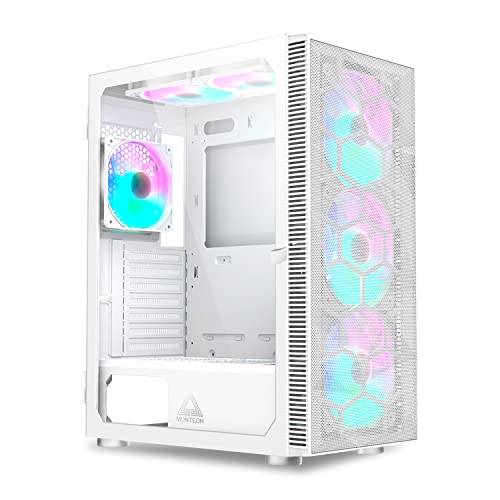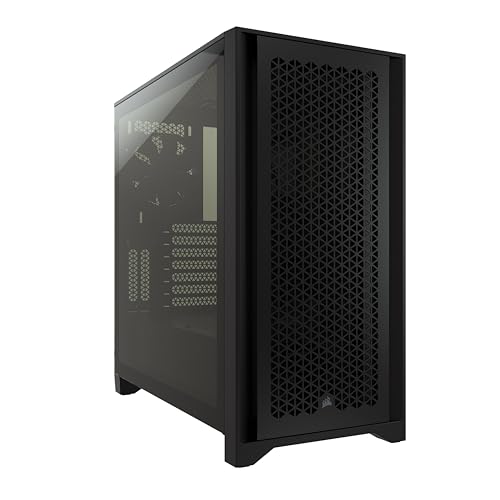
Asking what is a good pc case size is really asking which of the four standard size classes matches your motherboard, your graphics card, and the space the PC will live in — because case size is not a preference like colour but a compatibility framework like shoe size. Too small and components will not fit or cool; too large and you have bought weight, cost, and furniture footprint you never use. For the majority of builders the answer is the mid tower, and this explainer shows the reasoning so you can verify it against your own parts list rather than taking it on faith.
We will walk the four classes from smallest to largest, the dimensions that actually matter inside each, and the external questions — desk, floor, travel — that builders forget until the case arrives.
Disclosure: As an Amazon Associate, ilcastellomenu.com earns from qualifying purchases. Product examples below link to Amazon, where you can check current availability and specifications; this guide itself lists no fixed prices because pricing and bundles change frequently.
The Four Size Classes
Cases organise around the motherboard standards they accept. Mini-ITX cases are built for the smallest boards and compact builds. Micro-ATX cases step up one board size. Mid towers centre on the full ATX board and dominate the market. Full towers accept the extended E-ATX boards and everything below, with volume to spare. A case generally accepts its class’s board and all smaller ones, so the class decision is really ‘the largest board I will ever install, plus the cooling and storage I will ever want’.
Why the mid tower became the default
The mid tower sits at the intersection of every mainstream need: it fits the ATX boards most builders buy, swallows any single graphics card (with the length check), accepts the tallest air coolers and typical radiators, and remains light and small enough for a desk or the floor beside one. Market gravity reinforces it — the most designs, competition, and accessories live here, a point the head-to-head in Full Tower vs Mid Tower Case develops. Deviating from the default should always be for a named reason.
The classes are fuzzier than they look
Labels are marketing as much as engineering: some ‘mid towers’ are nearly full-tower volume, and some compact ATX cases squeeze the standard into near-ITX footprints. Judge any specific case by its published internal clearances — graphics card length, cooler height, radiator support — and its external dimensions, not by its class label. The selection method is in How to Choose a PC Case.
In this guide
What Is a Good PC Case Size for Most Builders?
For a single-graphics-card gaming or workstation build with an ATX or Micro-ATX board, air cooling or one radiator, and a couple of SSDs: a mid tower, full stop. It will fit the build with working room, cool it properly with a standard fan layout, and leave upgrade paths open for a larger card or cooler later. First-time builders benefit most of all, because the mid tower’s space forgives the cable-routing learning curve; beginner-friendly examples are collected in Best PC Cases for Beginners.
Choose smaller only when smallness itself is a goal — a living-room PC, a portable build, a desk that cannot spare the footprint — and accept the planning discipline small cases impose. Choose larger only when a component demands it, as the next sections detail.
When Smaller Is Right: Mini-ITX and Micro-ATX
Small-form-factor building is a discipline of verified measurements: graphics card length and thickness in two-slot increments, cooler height measured in millimetres that matter, power supplies in the smaller SFX format, and cable runs planned like packing a suitcase. The reward is a machine that fits a shelf, a TV stand, or a carry-on-adjacent lifestyle — genuinely portable PCs are a category of their own, surveyed in our travel-case roundup linked below.
Thermals in small cases are a design problem, not an automatic failure: well-designed ITX cases give the graphics card direct access to outside air through vented panels, achieving temperatures large cases envy. Poorly designed ones bake their components. In small cases more than any other class, the specific model’s airflow design — not its size — decides success, and the measurement routine in How to Measure GPU Clearance in a PC Case becomes a survival skill.
When Larger Is Right: The Full Tower's Reasons
Full towers earn their volume with specific cargo: E-ATX motherboards fitted properly, custom water-cooling loops with multiple radiators and a reservoir, storage arrays of many hard drives, or multiple graphics cards. If your parts list contains none of those, the full tower’s extra space is not headroom — it is emptiness you paid for in money, weight, and room. Builders sometimes choose one ‘for future upgrades’; the honest follow-up is to name the upgrade, because in a decade of mainstream building, the upgrade that truly requires a full tower is rare and specific.
The External Dimension: Where the PC Lives
Case size is also a furniture decision. On a desk, the case’s footprint and loaded weight compete with monitors and legroom, and its height can block sightlines or shelving; under a desk, its height must clear the underside with room for top exhaust, and its intakes must not press against walls or modesty panels. On the floor, width between desk legs and distance from walls decide whether its vents breathe.
Measure the intended home and compare it with the case’s external dimensions before ordering, leaving clearance on every vented side. A mid tower that fits its alcove with air around it will out-cool a full tower wedged into the same alcove with its intakes sealed against the wall — the environment is part of the size decision.
Common Misconceptions
Three myths recur. ‘Bigger cases cool better’ — volume is not airflow; a planned path in a mid tower beats a draughty cavern, as the airflow explainer in this series shows. ‘Small cases always run hot’ — direct-air designs disprove it daily. And ‘buy the biggest case to be safe’ — safety lies in verified clearances for your actual parts, and an oversized case introduces its own costs in cable lengths, desk space, and sheer moving-day regret. Size is a fit question, and fit is measured, not maximised.
Volume, Litres, and Comparing Cases Honestly
Builders comparing sizes across brands eventually meet the litre: a case’s internal or external volume, which cuts through class labels. As a rough map, small-form-factor cases live under about 20 litres, compact ATX designs in the 20s and 30s, mainstream mid towers around the 40s and 50s, and full towers beyond that. The numbers are approximate — makers measure differently, some quoting external volume, some internal — but within one maker’s range they compare honestly, and they expose how much of a ‘mid tower’ is marketing.
Use litres as a second opinion alongside the clearance specifications. A case can post a large volume and still veto your graphics card with an internal wall; another can be small in litres yet swallow it through clever layout. Volume tells you the class of the thing; clearances tell you the truth about your build.
Planning for the Second Build
A case is the longest-lived component in most systems — processors, cards, and boards cycle through it — so size choice is partly a bet on your future builds. The mid tower’s dominance makes it the safest bet: it has accommodated a decade of mainstream parts and shows every sign of accommodating the next. Betting smaller is betting that your future builds stay modest and single-card; betting larger is betting they grow into loops and arrays.
Neither bet is foolish, but both should be placed knowingly. If your history shows a steady pattern — five years of mid-range single-card gaming, say — your next case should serve that pattern rather than an imagined transformation. Buy for the builder you demonstrably are, in the size class that builder demonstrably needs.
Worked Examples: Three Builds, Three Answers
Abstract classes become clear against concrete builds. Build one: a mid-range gaming PC — ATX board, one graphics card of typical length, a tower air cooler, two SSDs. Every dimension lands mid-range, and the mid tower fits it with room at every check; choosing larger buys nothing, choosing smaller starts vetoing parts. Build two: a living-room media and gaming box that must sit in a TV unit’s shelf — the shelf’s height and depth become the binding specifications, a Mini-ITX or compact case is chosen to the shelf’s measurements, and the graphics card is selected from the shortlist that fits, in that order.
Build three: the home server that outgrew its case
Build three begins as a modest workstation and grows drives: two hard drives become six, a second network card arrives, and the mid tower’s deleted drive cages become the story. This is the full tower’s genuine constituency — not a purchase of empty volume, but a response to demonstrated growth. The lesson across all three builds is the article’s thesis in narrative form: the parts list and the furniture write the size specification, and the builder’s job is to read it, not to prefer a size in the abstract.
Rental rooms, dorms, and other temporary homes
Temporary living situations add a size argument of their own: the case will move, possibly often, possibly by car or even post. Mid towers and below travel as luggage; full towers travel as furniture. Students and anyone in transitional housing should weight portability as a first-class specification — a slightly tight build in a movable case beats a spacious build that anchors you to a room you are leaving in June.
Size and Silence, Size and Service
Two secondary axes deserve a place in the size decision before it closes. Noise: larger cases can fit larger, slower fans and more damping material, but size itself silences nothing — a full tower with six fast fans out-shouts a compact case with two slow ones. Choose size for fit and let fan selection handle noise. Service: every case will be opened for cleaning and upgrades, and the size classes differ in how that feels — mid towers balance access and compactness best for most hands, small cases demand patience and fingertip work, and full towers offer surgical-theatre room that most services never need.
Neither axis overturns a fit-based decision, but between two cases that both fit, they are legitimate tiebreakers — and they are the kind of consideration that only appears after the headline question has been answered correctly.
The answer, restated for the searcher who scrolled
For the reader who arrived with a single question: a mid tower is a good PC case size for the great majority of builds — any single graphics card, an ATX or smaller board, air or modest liquid cooling. Go smaller for portability or a defined shelf; go full tower only for E-ATX boards, multi-radiator loops, many drives, or multiple cards. Verify the three clearances for your actual parts, measure the space the PC will live in, and the size question is answered — completely, and for your build rather than for the average of everyone’s.
Size Selection as a Ten-Minute Procedure
Everything in this explainer compresses into a procedure you can run at a desk with a parts list and a tape measure. Minute one to three: write your motherboard’s size and your graphics card’s three dimensions. Minute four to five: write your cooler’s height and your storage count, present and honestly projected. Minute six to seven: measure the furniture space — footprint, height clearance, vent room. Minute eight: name any disqualifier for the default (E-ATX, multi-radiator loop, drive array, portability requirement). Minute nine to ten: if no disqualifier spoke, write ‘mid tower’ and spend the remaining research time on clearances and airflow within that class.
Ten minutes, and the size question — which builders agonise over for days — is answered with your own numbers as the authority. The agonising was never about size; it was about unlisted requirements. List them, and size is arithmetic.
When the procedure's answer surprises you
Occasionally the procedure convicts a builder of needing the size they did not want: the shelf that demands ITX, the drive count that demands a tower. Believe the procedure. Its inputs were your parts, your room, and your habits — the three authorities this entire series keeps returning to — and a case chosen against them will re-litigate the decision every time you open it. The right size is the one your own evidence selects, even when it is not the one in the photograph you fell for.
Size and Heat: What the Volume Actually Buys
It is tempting to believe a bigger case runs cooler because the heat has more room, and the explainer’s physics says otherwise: components are cooled by air delivered to them, and a cavernous case with a lazy path runs hotter than a compact one with a disciplined draught. What size genuinely buys is cooling infrastructure — more fan positions, larger fans turning slower, radiator area for liquid cooling, and separation between hot components so they stop lending each other warmth. A full tower’s graphics card and processor live in different neighbourhoods; a compact case’s share a studio flat, and the compact build’s cooling must be designed rather than assumed.
The compact case’s counter-virtue is focus: a small volume with a short, forced path — intake at one face, components in the stream, exhaust at the other — can cool a moderate build superbly, sometimes better than a large case’s wandering breeze, because the air has nowhere else to go. This is why the size question cannot be answered by thermals alone. Both extremes can be engineered well or badly, and the middle — the mid tower — is popular precisely because its volume is large enough to forgive and small enough to focus. Judge a candidate size by the path it makes natural for your components, not by its litres, and you are judging the thing itself.
Sizes for Real Lives: Students, Travellers, and Home Servers
The student’s case must survive the academic year: a term-time room, a parental home, a move every few months, and a desk that is also a dining table and a library. That life argues small — a compact or mid tower that one person can carry with its peripherals in a second trip, that fits a bedsit’s floor plan without negotiation. The LAN traveller’s case is a size decision with a handle on it: every litre is carried, every kilogramme is lifted into a car at midnight, and the correct size is the smallest that cools the build honestly, because the traveller pays the size tax in person, repeatedly.
The home server inverts the values: it will sit in one place for years, its size tax is paid once by the floor, and its needs — drive bays, cooling for a fleet of disks, room for a second network card and a future drive shelf — argue as large as the corner allows. The VR household has a subtler sizing problem: the PC often lives at the edge of the play space, tethered by a cable whose length is a real constraint, so the case’s position is chosen by the game and its size by the furniture it must share that edge with. In each life the pattern repeats — the right size is the one the owner’s actual movements describe, and the parts list, which is what most buyers consult, is only one of the movements.
Component Trends: Why Cases Keep Growing and When to Resist
Cases have grown because components have: graphics cards lengthened and thickened across generations, tower coolers grew to match hotter processors, and radiators moved from exotic to ordinary. A buyer choosing a size today is really forecasting — will the next card I want fit the case I am buying, at the thickness cards have now reached? The honest forecast is that flagship components will not shrink, and that a case bought at the exact measure of today’s build is a case with a dated future. This is the strongest argument for one size of headroom in the card’s dimensions, and it is an argument about millimetres, not about jumping two classes: the mid tower with generous card clearance answers it for most builders.
Resist the growth where it is fashion rather than physics. Panoramic glass, dual chambers, and display-oriented layouts spend volume on presentation; a builder who does not want the presentation should not pay its litres. Likewise the full tower bought against a hypothetical custom loop that the owner’s history does not predict. Size is a budget — of floor, of money, of carrying — and like every budget it should be spent on the owner’s real life, with a margin for the component future, and not on the catalogue’s imagination.
The Desk Ecosystem: Cases Among Monitors, Speakers, and Knees
A case does not live alone; it shares a desk or a floor bay with an ecosystem that is also growing. Monitors widen, speakers multiply, and the desk’s real estate is contested by everything the modern setup includes. A case on the desk spends the scarcest currency in the room — surface — and its size should be justified against the second monitor or the larger one it displaces. Under the desk, the case competes with knees, footrests, subwoofers, and the occasional dog, and its width and height must be measured against the bay’s true dimensions with the chair’s travel included, a measurement our case choosing guide treats as a first-class criterion.
There is an acoustic verse to the ecosystem too: a case on the desk sits at ear height among the speakers, and its size partly decides how far its fans are from your ears and your microphone. A larger case under the desk can be the quietest object in the room; a compact case on the desk can be the most present. When you choose a size, you are also choosing a seat for the machine in the room’s society — beside you, beneath you, or banished to the corner — and the society will live with the choice longer than the components will.
A Room-First Sizing Routine
The ten-minute procedure elsewhere in this article starts from the parts list; run this companion routine from the room. First, measure the machine’s intended home in three dimensions, including the clearances its intakes and exhausts need — a bay that fits the case exactly fits it too tightly, because the case must breathe and its cables must bend. Second, measure the journey: doorways, stairs, the car boot if it will travel, because a case’s size is also a portability fact. Third, sit in the chair and mark where your knees, feet, and chair casters actually travel, and strike that territory from the case’s options. Fourth, decide the machine’s society — desk, floor, shelf, another room — and only then open the parts list and ask which size class serves both documents.
The routine’s order is its argument. Parts lists are seductive and rooms are patient, and the buyer who sizes from the parts alone discovers the room’s veto at delivery. A size chosen from both documents tends to survive the build, the upgrade, and the house move — which is to say, it tends to be the last size decision the owner makes for years, and that durability, more than any litre count, is what a good size means.
When Size Stops Mattering
There are builds for which this entire explainer is a courtesy read. The cloud-and-streaming household, whose local machine is a thin client for power housed elsewhere, can house its terminal in anything quiet and small. The office fleet, where machines are identical, modest, and maintained by someone else, is a purchasing exercise in which size is a line item, not a decision. And the very frugal build — efficient parts, modest loads — is cooled and carried happily by the compact end of the catalogue, its owner’s size question answered by their wallet and their shelf in one move.
Naming these cases matters because size anxiety is a real tax on beginners, who meet the catalogue’s four classes and a hundred opinions before they meet their own requirements. If your build is modest and your room is ordinary, the mid tower’s default is not a failure of imagination; it is the accumulated answer of the market to exactly your situation. Save the deliberation for the builds that need it — the hot, the huge, the carried, the shelved — and let the ordinary machine be ordinary, well-built, and the right size by the simplest test of all: it fits its home, its parts, and its owner’s life, with a little room to spare in each.
Size and Budget: Where the Litres Sit in the Bill
A case’s size class correlates with its price loosely and with its total cost surprisingly. The compact build’s hidden bill is the small-parts premium — the specialised board, supply, and cooler — which can exceed the case’s own price difference several times over. The large build’s hidden bill is furnishing: the extra fans, the extensions, the stand, the sheer quantity of case required to fill a full tower’s promises. The mid tower’s bill is the shortest because its ecosystem is the standard one, every part a commodity, every accessory optional. When you compare sizes, compare builds — the whole basket each size implies — because the case’s ticket is the only figure in the comparison that is honest about being incomplete.
There is also a resale verse, familiar from this site’s other comparisons: the mid tower sells to everyone, the extremes sell to their tribes. A compact case of a fashionable layout can command a devoted second-hand audience, and a full tower waits for its rare buyer; plan the exit as honestly as the entrance if your builds turn over quickly. Owners who keep cases across builds should invert the logic entirely — for them the case is the cheapest component per year of service in the whole machine, and buying the right size once, generously, is the economy.
The Two-PC Household and Other Multipliers
Size decisions multiply in households with more than one machine. Two mid towers fit the rooms of most homes in a way two full towers do not; a shared desk or a shared office corner has a total case budget measured in floor and air, and each machine’s size spends from it. Noise multiplies too — two machines’ fans in one room compose a chord neither owner chose — and the household that sizes both machines with the room in mind ends with a quieter, cooler office than two individually optimised purchases would suggest.
The multiplier also argues for standardisation where the household allows it: two machines in the same case share filters, fans, spare panels, and the owner’s hard-won familiarity with one layout’s quirks. It is an unfashionable efficiency and a real one. The household that will never standardise — a showcase build and a server, a traveller and a tower — should at least size them as a pair, so the room’s total footprint, heat, and voice are a decision rather than an accumulation.
Sizing for the Way You Upgrade
Upgrade habits are a size specification in disguise. The component-by-component upgrader — a card this year, a board the next, drives as they fill — needs a case that opens easily, accepts the next card’s dimensions, and does not demand a rebuild for each visit: the mid tower’s home ground, with the full tower as its roomier expression. The whole-machine replacer, who builds once and replaces wholesale in five years, needs none of that continuity and may size purely for today’s build and today’s room — which is how the compact case earns its happiest owners, since its compromises are all scheduled to be replaced rather than lived around.
Name your pattern honestly before choosing. The upgrader who buys a puzzle-box compact case has sentenced every future upgrade to an afternoon of penance; the replacer who buys a full tower has furnished a future they will never use. Size, in the end, is a prediction about your own behaviour wearing the disguise of a measurement — and like the desk-height numbers in our other guides, it is most accurate when it describes the person you have demonstrably been.
Case Size and the Second-Hand Market in Components
A size choice also decides which second-hand bargains you can accept. The used market’s richest seam is the standard one — mid-tower-era boards, cards, and coolers in endless supply — and the mid tower owner can fish it freely. The compact builder’s used pool is shallower and pricier, because small parts were bought by enthusiasts who keep them; the full tower owner can accept the big ex-server and workstation parts nobody else can house, which is its own kind of bargain hunting. If your building style leans on the used market — and it is an honourable, economical style — let the pool’s depth vote in the size decision, because a case that cannot accept the bargains is a tax on every future upgrade.
A Final Sanity Check: The Cardboard Footprint for Cases
This site’s desk guides swear by the cardboard mock-up, and the case deserves the same honesty. Before ordering, cut or tape the case’s footprint — and, for a desk placement, its silhouette — at full size, and live with it for a day. The footprint on the floor exposes the legroom theft; the silhouette on the desk exposes the monitor it crowds and the light it blocks. Specifications make every case sound like a set of numbers; the cardboard makes it a piece of furniture in your actual room, and rooms, as every guide in this series eventually concludes, are where computers actually live.
The Rental Test: Sizing for Rooms You Do Not Own
A case bought for a rented room lives under a landlord’s physics: it cannot demand a dedicated bay, a drilled cable route, or a permanent corner, and it may need to move rooms — or homes — on a tenancy’s notice rather than a life plan’s. That argues, as plainly as any parts list, for the portable middle: a case one person can carry down stairs, that fits the next flat’s unknown desk bay because almost every desk bay fits it, and whose value does not depend on a room it may leave. Owners in stable homes may discount this test entirely; renters should run it first, because the room you do not own is the room most likely to veto your purchase, and it votes without appeal.
Gear for This Guide
Two verified components that bracket the size question: a low-profile card built for the smallest class, and a tall flagship cooler that the mid tower nonetheless accommodates.

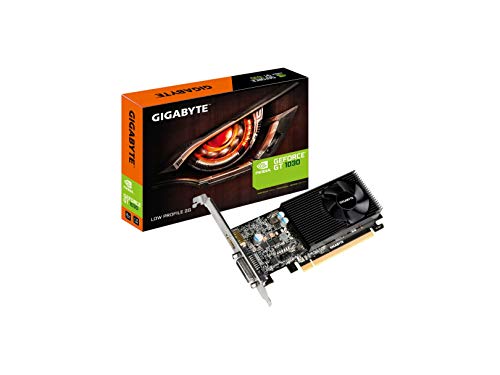
GIGABYTE GeForce GT 1030 Low Profile Graphics Card
The kind of card small-form-factor cases are designed around — short, low-profile, and content with tight clearances. GIGABYTE GeForce GT 1030 Low Profile Graphics Card — Check on Amazon
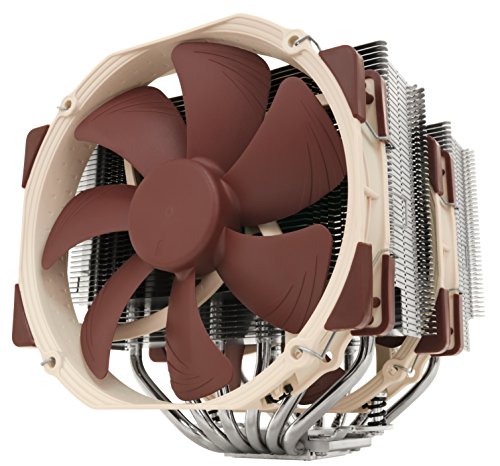
Noctua NH-D15 CPU Cooler
At 168mm tall per its listing, this cooler is the standard test of a mid tower’s height — and most mid towers pass it, which is the mid tower’s whole argument. Noctua NH-D15 CPU Cooler — Check on Amazon
Frequently Asked Questions
What case size fits an ATX motherboard?
A mid tower is the natural home for ATX; full towers also accept ATX with room to spare. Some compact cases accept ATX in a reduced footprint — check the specific model’s stated motherboard support rather than assuming from its class name, and verify graphics card and cooler clearances alongside.
Is a mid tower big enough for future upgrades?
For the upgrades mainstream builders actually make — a longer graphics card, a taller cooler, another SSD, a radiator — yes, provided you check clearances at purchase. The upgrades that outgrow a mid tower (E-ATX boards, multi-radiator custom loops, many hard drives) are deliberate changes of build class, not incremental upgrades.
Do small cases need special power supplies?
Many Mini-ITX cases require the smaller SFX power supply format, and some integrate their own unit. Micro-ATX and larger cases generally accept standard ATX power supplies. The PSU format is one of the compatibility checks that makes small-case planning stricter — verify it before buying either part.
How do I know if a case will fit under my desk?
Compare the case’s external height against the desk’s underside clearance, leaving room above for top exhaust airflow, and its width against the leg span with space at the sides for intakes. Measure the actual space rather than estimating — and remember the chair’s and your own legs’ claim on the same volume.
What is the smallest case that can still game well?
Well-designed Mini-ITX cases game excellently with a single graphics card, provided the card’s size is verified and the case feeds it outside air directly. The constraint is component choice and planning effort, not performance: you select from the subset of parts that fit, and you measure everything twice.
What case size should a first-time builder choose?
The mid tower, unless your life argues otherwise — and let it argue: the traveller should go smaller, the server builder larger. The mid tower’s forgiveness is the reason for the default: conventional layout, every tutorial matching it, room for the components a first build actually contains and for the first upgrade’s ambitions. A first builder’s scarcest resources are confidence and patience, and the mid tower taxes both least. Choose it, build well, and let your second case — if there ever needs to be one — be chosen by experience rather than by anxiety.
Is the ITX premium worth paying for a small case?
Understand first what the premium is: small form factor parts — boards, power supplies, coolers that fit — cost more per unit of performance because they are specialised and lower-volume, and the case itself is often the cheapest part of the smallness. The premium buys a machine that fits a life: the carried PC, the living-room PC, the desk that cannot spare the surface. If that life is yours, the premium is simply the price of the correct size, and it is paid gladly by the people whose rooms demanded it. If your room has space to spare, the premium buys an aesthetic, and it should be admitted as one.
How small can I go before building becomes genuinely difficult?
The difficulty curve bends at the point where the layout stops being a small tower and becomes a puzzle — sandwich layouts, riser cables, components that must be installed in one exact order with cables pre-routed before boards. Experienced builders enjoy that puzzle and produce beautiful results; beginners should recognise it as an advanced form and choose a conventional compact case, whose building is merely snug. The test is the case’s build logs: if experienced builders describe the order of operations as a discovery, the case is a hobby in itself, and you should want that hobby before buying it.
Can a case be too big for a modest build?
It can be too empty, which shows up as three small embarrassments rather than one failure: cables that do not reach without extensions, an airflow path that wanders a mostly vacant volume, and a machine whose size promises a performance its contents do not deliver — the last being purely social. None is fatal, and the empty case is at least a case with a future. But a modest build in a modest case is tidier, cheaper, and easier to cool deliberately, and the big case’s headroom is only worth its floor space if a bigger build is genuinely coming.
Do I need a bigger case for a hotter climate?
You need more cooling capability, which correlates with size but is not identical to it. A compact case with excellent fan positions and a disciplined path can serve a hot room’s moderate build; a large case with a lazy path cannot serve a flagship anywhere. In a hot climate, spend on the path first — intake capacity, exhaust route, fan quality — and let size follow the components’ needs as usual, with one bias: the hot room forgives nothing, so the headroom arguments elsewhere in this article deserve extra weight, and the margin you leave is the margin July will spend.
Is a bigger case easier to keep quiet?
It gives you more ways to be quiet — larger fans, more of them, slower speeds, room for bigger coolers — and more ways to fail, since an underpopulated big case can boom and leak sound through a dozen openings. The mid tower with quality fans remains the quiet build’s easiest route for most component loads; the big case’s advantage appears at high loads, where its headroom lets the fans stay in their calm range while a smaller case’s must climb. Match the case to the load’s noise problem, not to the showroom’s silence.
Does case size affect how loud a PC is at idle?
Barely, because idle noise is the components’ floor — the slowest fan, the pump, the drives — and every size class can house a build whose idle is inaudible at the chair. Size enters at load, where headroom decides fan speeds. Choose your size for the load hours and the room, and handle idle with fan curves and component choice, which are size-blind tools.
What size case fits under a typical desk?
Most desk bays accept a mid tower with room to breathe, and that is one of the unglamorous reasons the class became the default: furniture and cases co-evolved around each other’s dimensions. Measure your own bay rather than trusting the typical — height with the case’s feet counted, width against the drawer unit and your knees, and depth for the cables’ bend behind. A full tower under a desk is a deliberate arrangement that usually evicts the legs or the drawers; a compact case under a desk wastes a bay that storage could use. The bay, like every room in this series, gets a vote.
Should I buy a case one size up from my current build?
Only if the headroom has a named purpose — the longer card class you actually buy, the loop you have genuinely planned, the drives already filling. Unnamed headroom is the most common wasted spend in the category, paid in floor space every day for a future that arrives, if at all, in a different shape than the one you furnished for. Name it or skip it.
How do I measure my desk bay for a case?
Measure the bay’s height, width, and depth at its tightest points — drawer units and cable trays often narrow it below the headline gap — then subtract breathing room on every side the case breathes from, and a hand’s depth behind for cables. Compare the result with the case’s full dimensions including its feet and any protruding connectors. The case that fits the arithmetic fits the bay; the case that fits the photograph may not.
Is the mid tower going to disappear as components shrink?
Unlikely, because its size was never only about the components — it is also about the furniture, the desk bays, and the building experience that the market has standardised around it. Classes at the extremes will keep innovating; the middle will keep being where most machines live.
The Bottom Line
Good case size means matched, not maximal: mid tower for the mainstream build, smaller when portability or footprint is itself the goal, full tower only when a named component demands the volume. Verify clearances for your actual parts and measure the furniture space — those two checks answer the size question completely.
Related Guides
Plan the airflow for whichever size you choose and browse size-appropriate roundups: